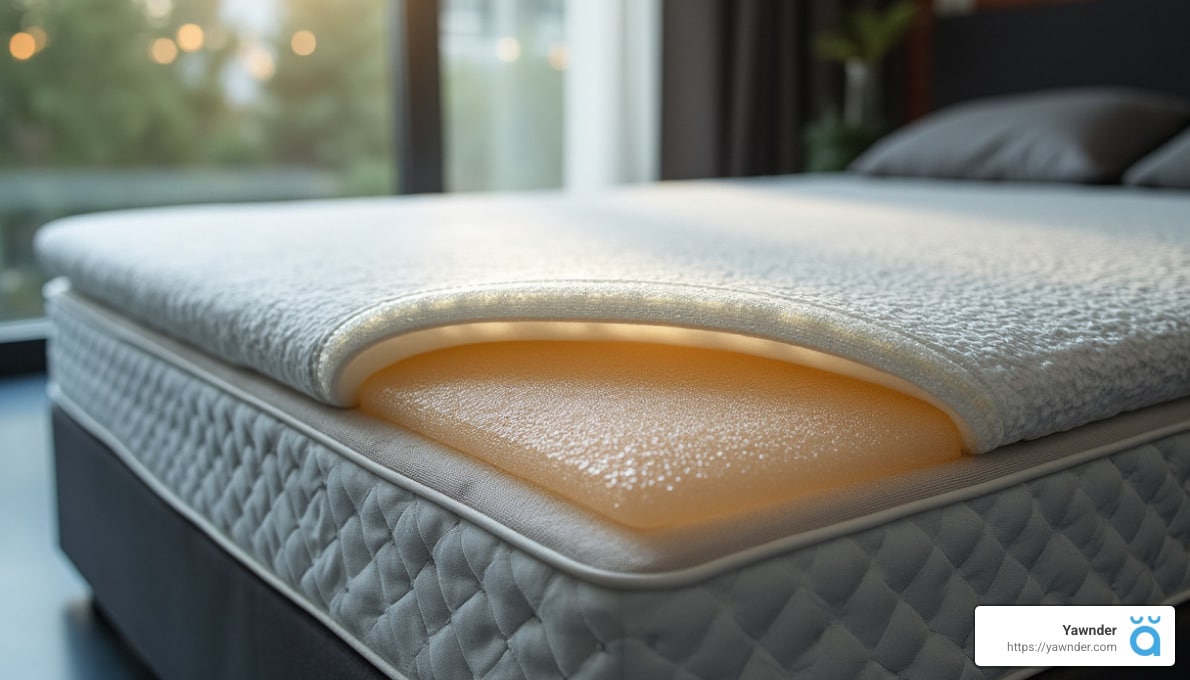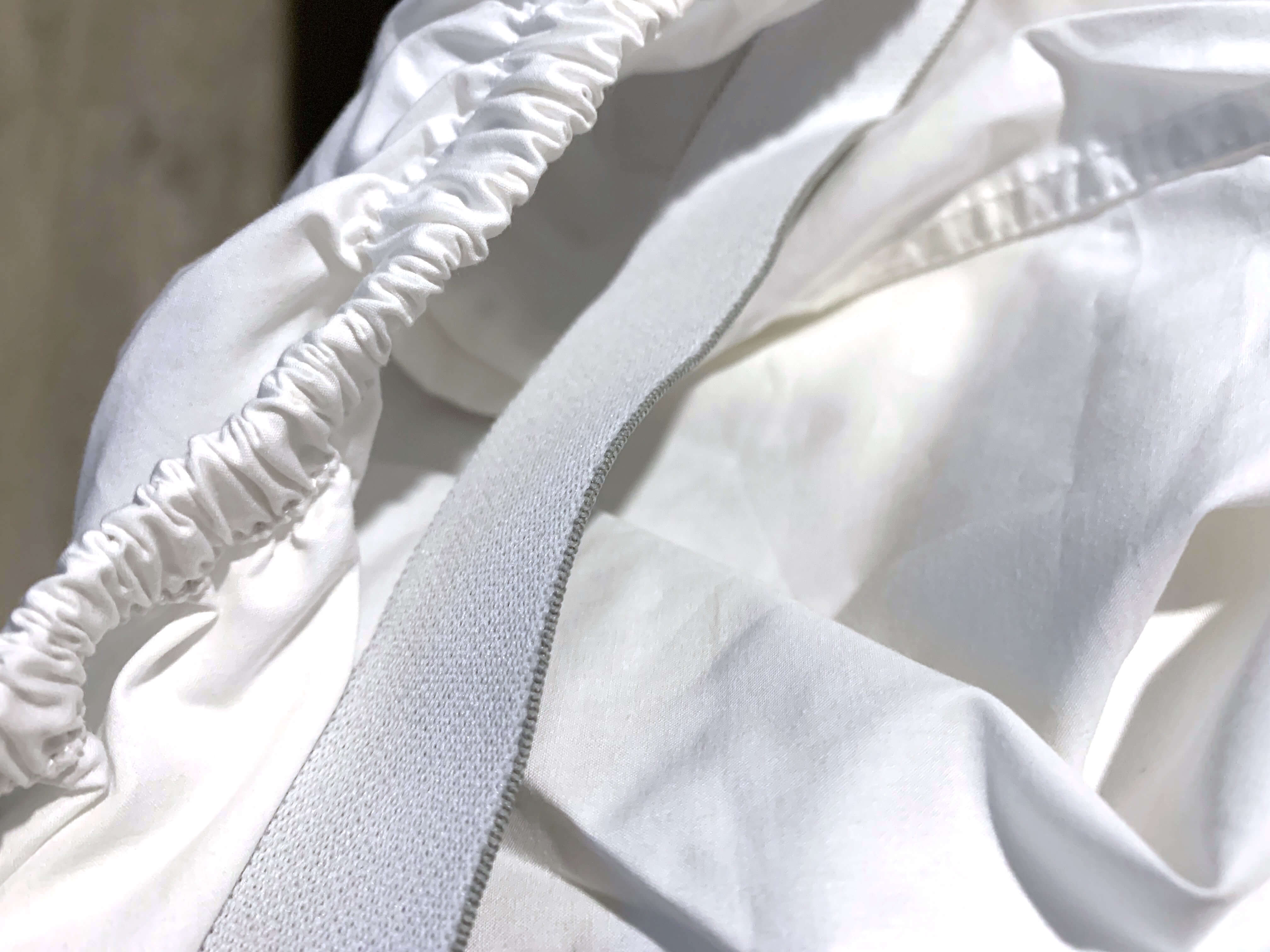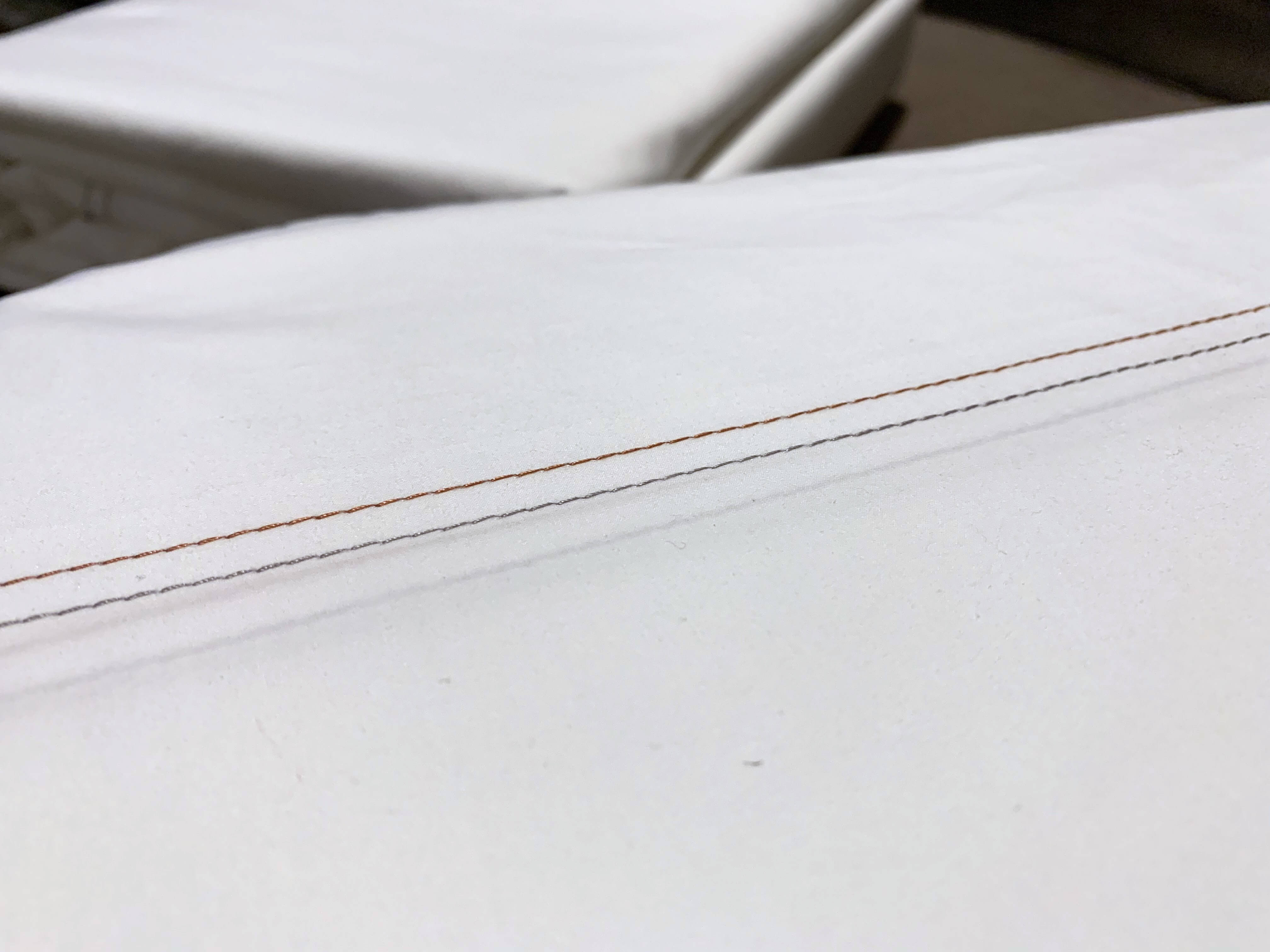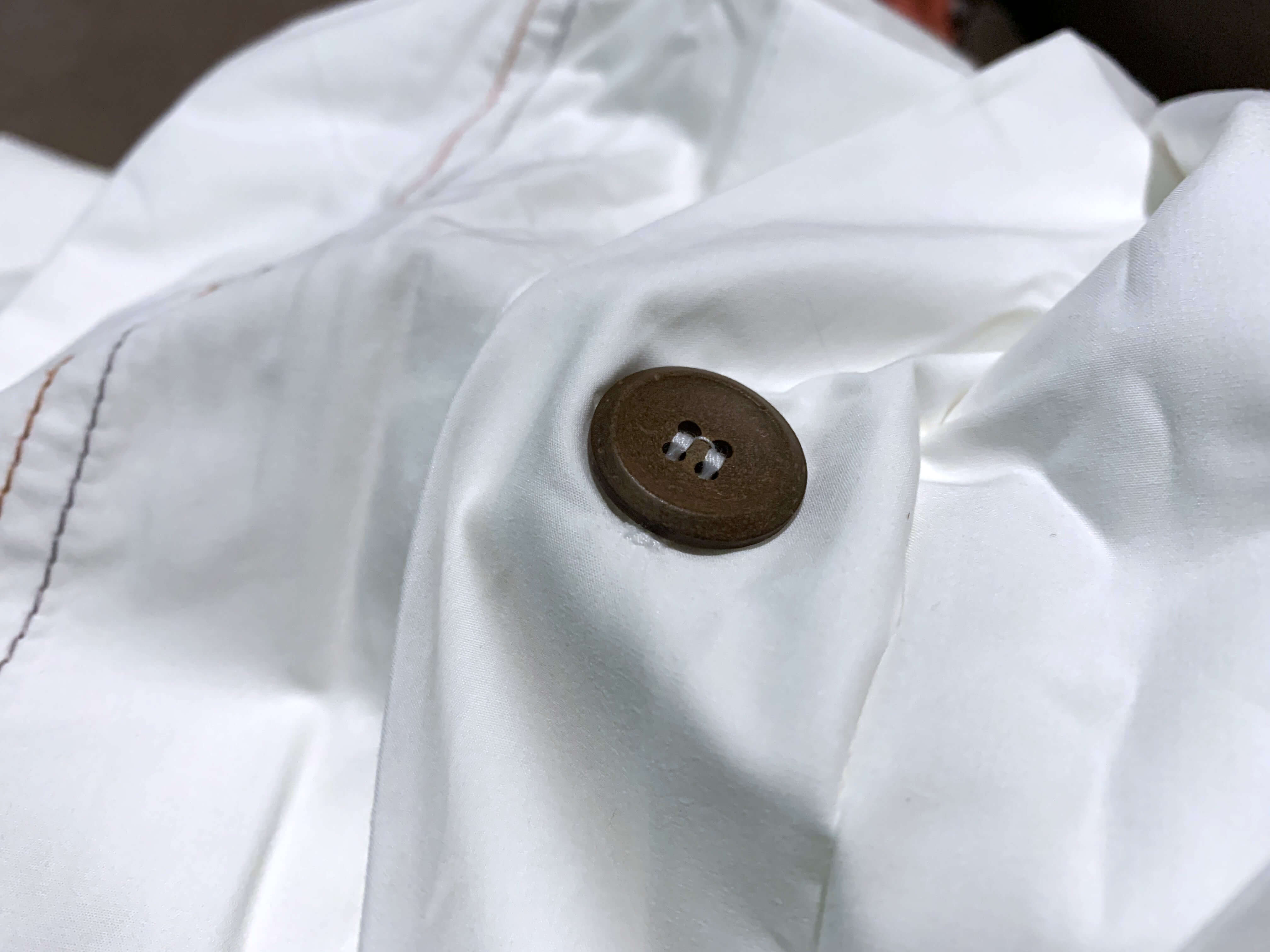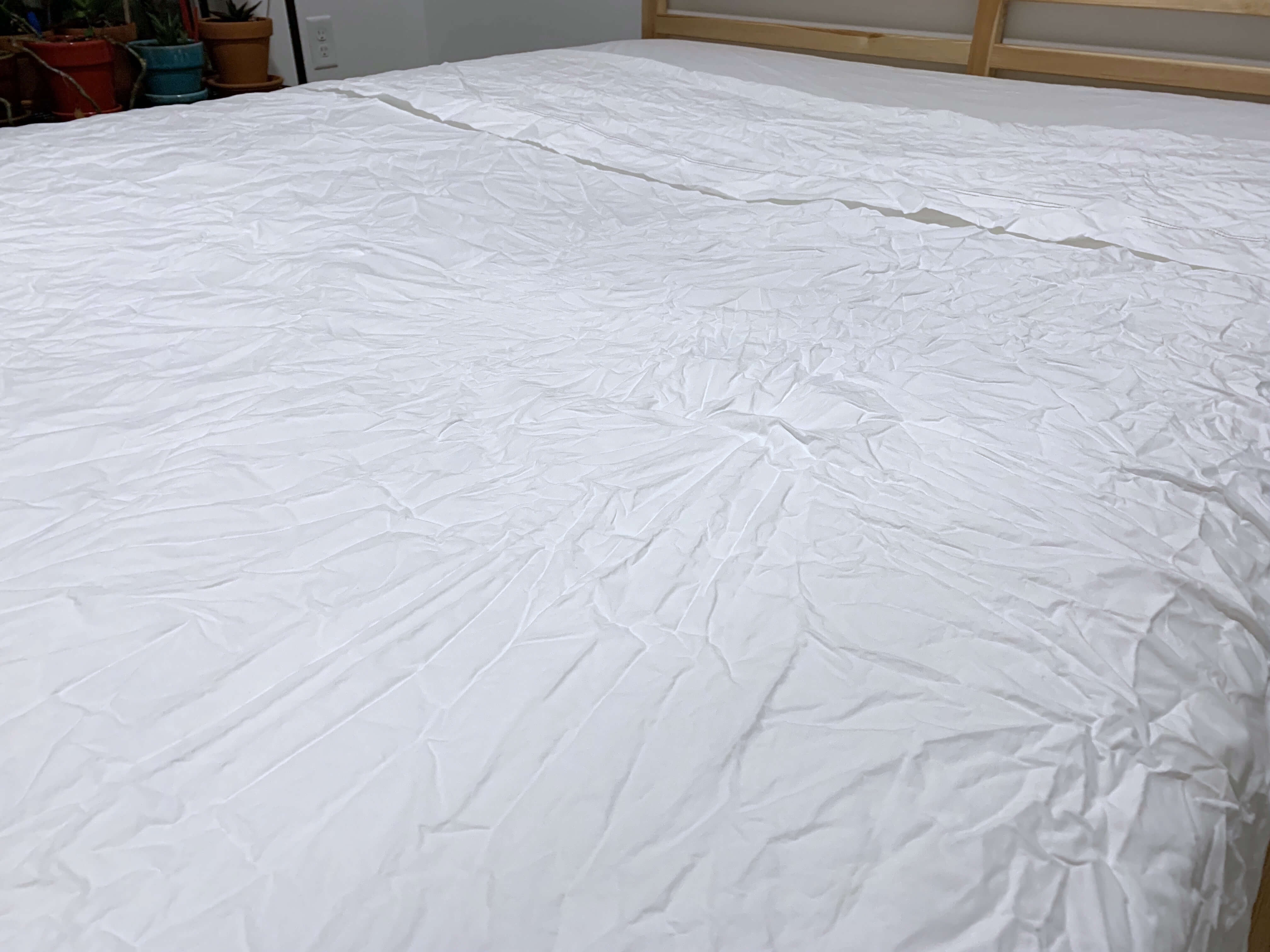
Nectar Memory Foam Mattress Review

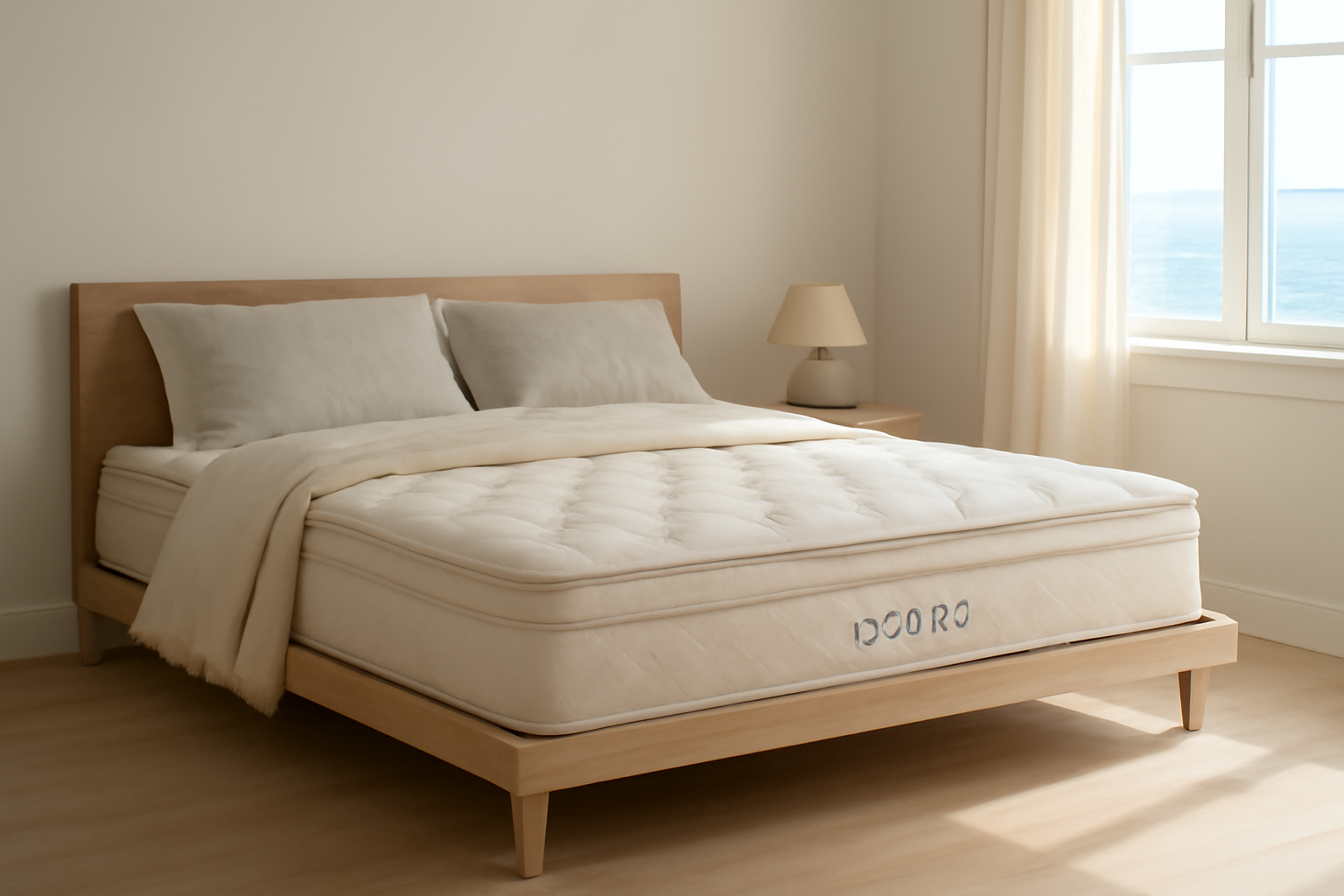
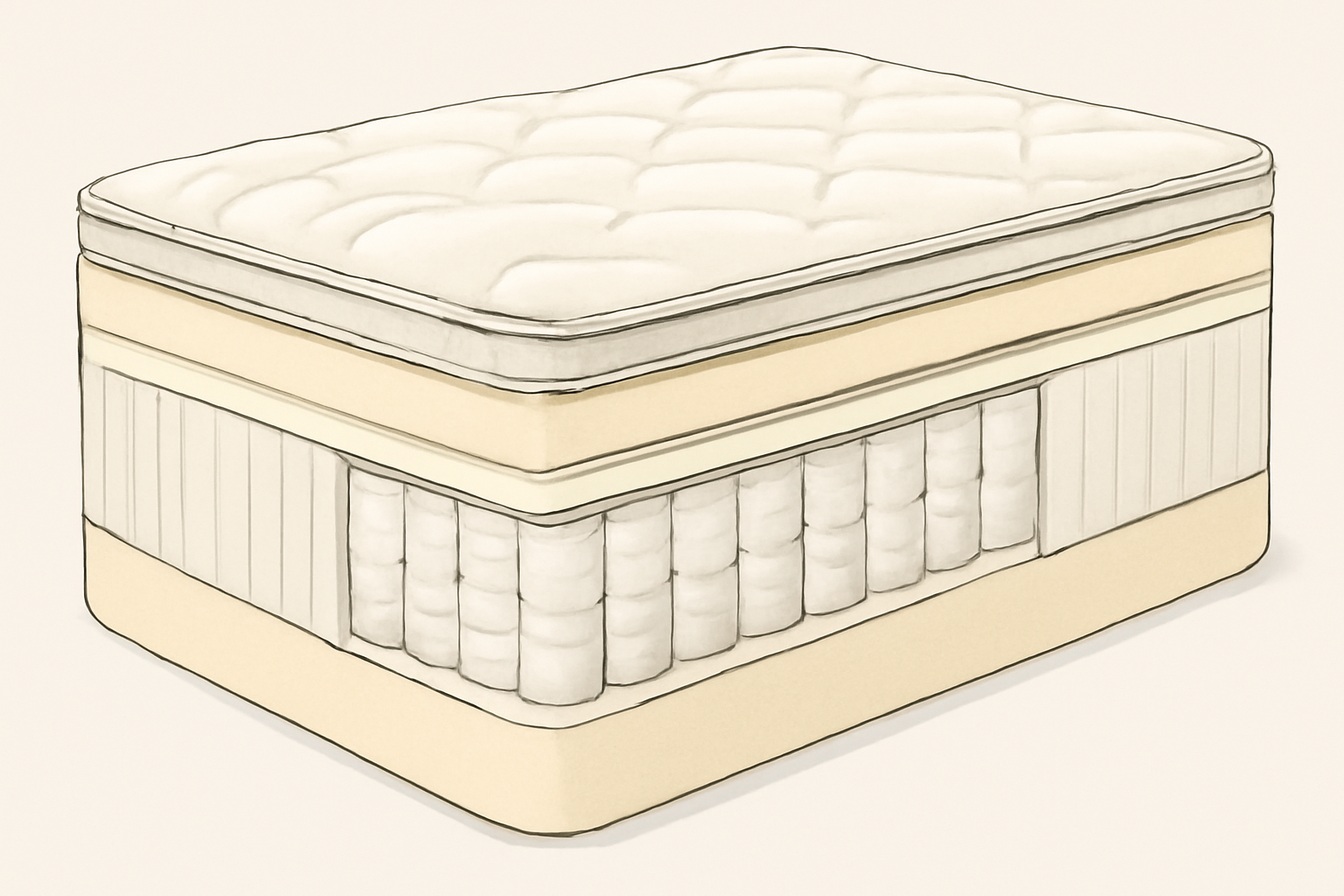
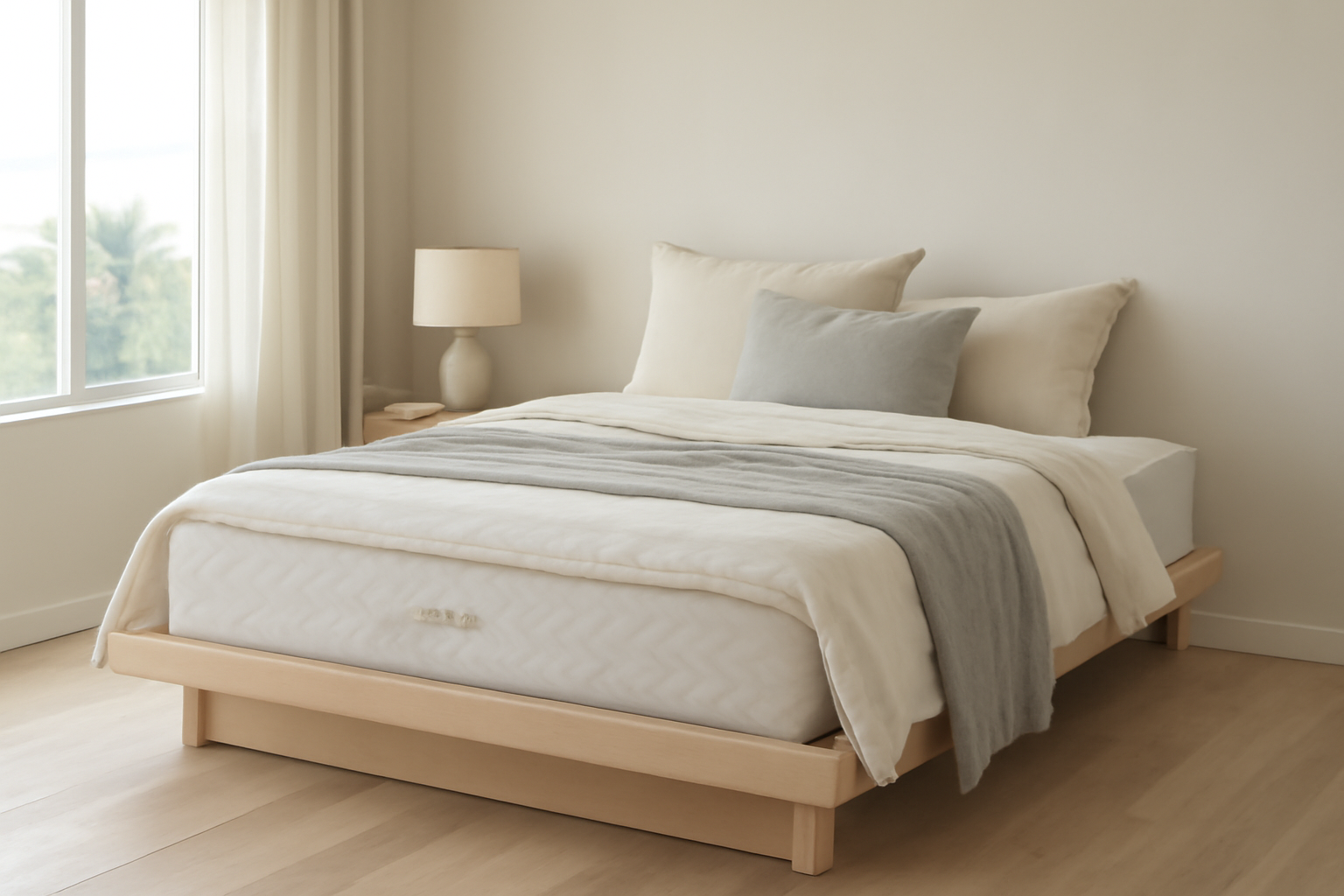
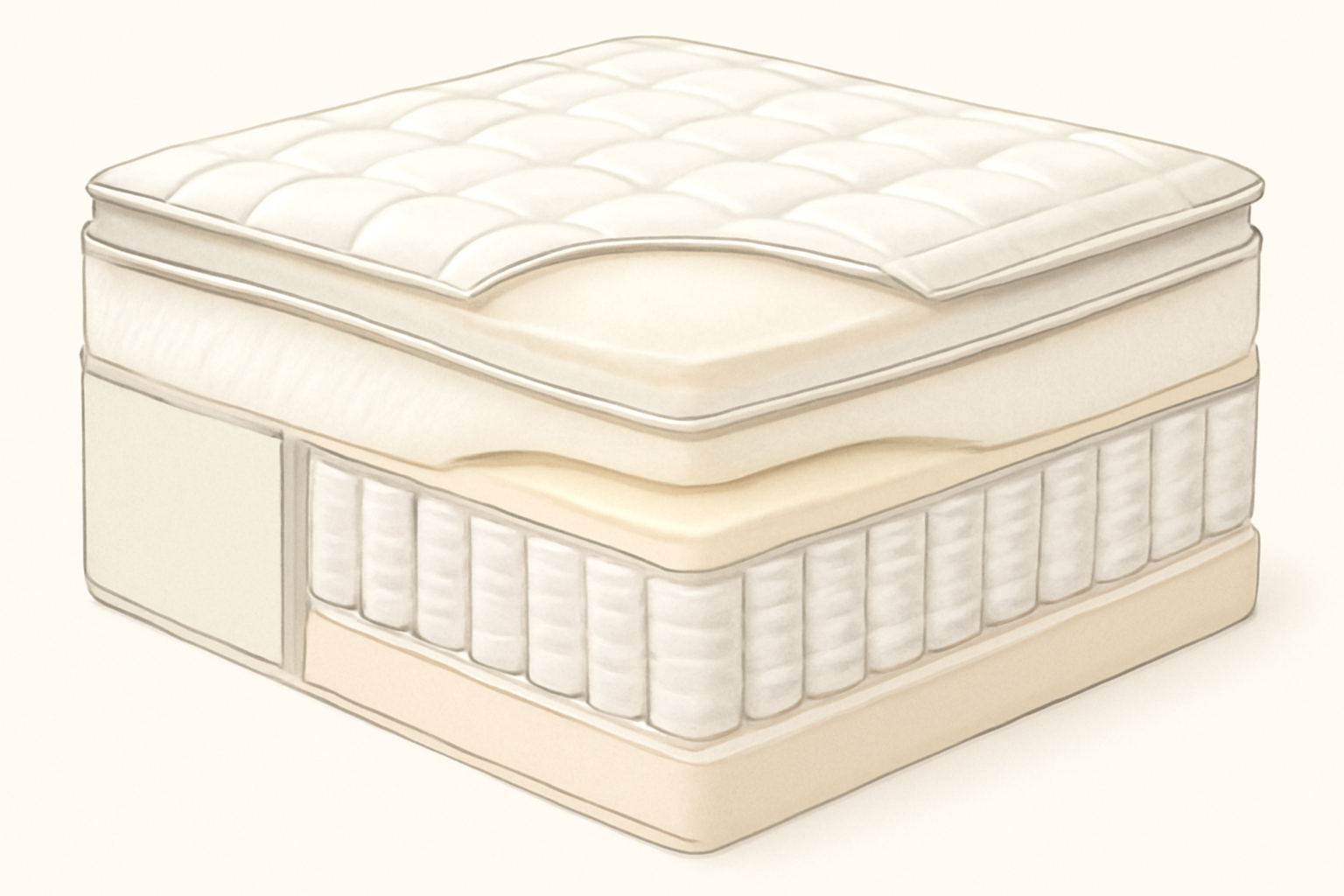
Nectar Premier Hybrid mattress

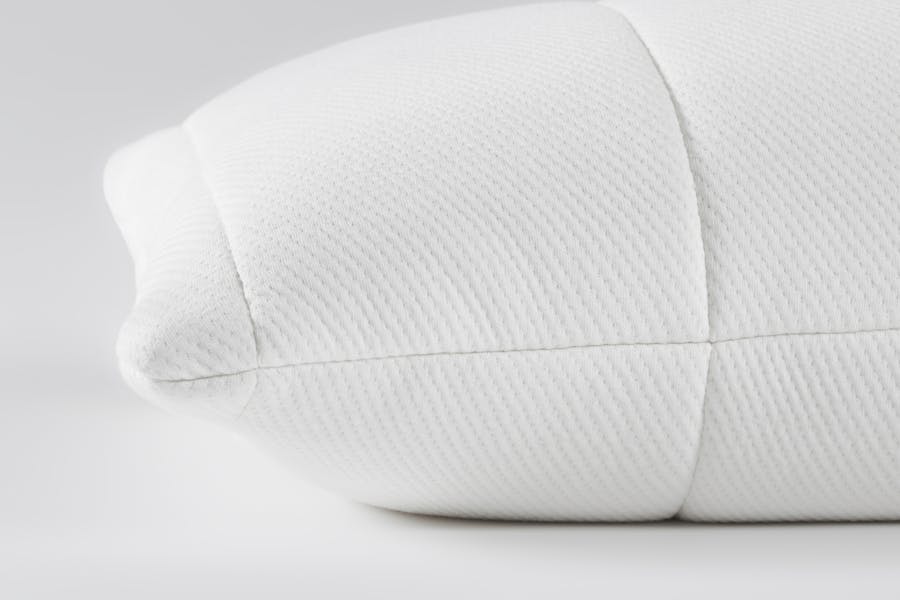
Experience a year of blissful sleep with the Nectar Mattress, featuring a unique quilted cover and cooling gel foam that adapts to your body while providing the perfect support for every sleeping position. With a 365-night trial and exceptional comfort at a competitive price, this mattress could transform your nights into pure relaxation!

Sleep’s Impact on Poverty: Must-Have Insights for Recovery

sleep and poverty

Sleep and Poverty: Are They Related?

Sleep is often considered a vital pillar of health and well-being, yet many people struggle to get the rest they need. While sleep disorders are commonly acknowledged, lesser-known factors can severely impact sleep quality. Noise from a bustling neighborhood, a demanding boss, inadequate work environments, and unsatisfactory living conditions all contribute significantly to disrupted sleep. Recent research highlights a compelling link between socioeconomic status and sleep quality, suggesting that poverty can profoundly affect how well individuals sleep.

The Impact of Socioeconomic Status on Sleep Quality

A study conducted by Harvard University reveals intriguing insights into how sleep quality correlates with various socioeconomic factors such as race, education, and household income. This two-way relationship indicates that those with lower socioeconomic status face numerous barriers that hinder restorative sleep. Poor sleep is not merely an individual issue; it reflects systemic challenges within society that need to be addressed.

People struggling financially often reside in less-than-ideal living conditions. Limited income restricts access to better housing and safe neighborhoods, leading to noise from traffic and disturbances late into the night. Many low-income individuals also deal with long commutes and inflexible work schedules, which further compound sleep deprivation. For instance, those who cannot afford a car may spend hours traveling on public transportation, effectively reducing the time available for sleep.

The Effects of Work on Sleep Deprivation

Workers in lower socioeconomic brackets often find themselves waking up earlier than their more affluent counterparts. Some individuals endure grueling schedules, working two or more jobs and getting by on just a couple of hours of sleep each night. The adverse effects of chaotic living environments, high noise levels, and inflexible jobs disproportionately burden this demographic. Unfortunately, working harder does not guarantee financial stability, as many must sacrifice precious sleep in pursuit of a better life.

Sleep is essential for productivity and overall mental and physical health. Research shows that inadequate sleep leads to increased risks of obesity, diabetes, hypertension, and cardiovascular diseases. A lack of rest affects not only productivity and performance but can also hinder opportunities for upward mobility, creating a cycle that perpetuates poverty.

The Role of Management and Job Flexibility

Interestingly, workplace dynamics play a significant role in sleep quality as well. Employees who have understanding and flexible managers tend to report better sleep than those who work under rigid conditions. Stressors in the workplace contribute to poor sleep quality, making it essential for organizations to recognize the importance of work-life balance.

Furthermore, the disparity in sleep quality is noticeable among different racial groups. Night shifts are particularly detrimental, with individuals compelled to take these shifts often suffering from disrupted circadian rhythms. This disruption not only affects sleep but can lead to increased health risks, including diabetes and heart disease.

The Dual Nature of Wealth and Sleep

Conversely, those in higher-paying jobs face their own challenges related to sleep. The culture of long working hours among affluent workers elevates stress and diminishes their time for rest. Over the past few decades, the occurrence of short sleepers has skyrocketed among those in demanding careers. While financial security allows individuals to seek treatment for sleep-related health problems, it also brings its own set of challenges.

Addressing the Root Causes of Sleep Disparities

Beyond the impact of work and neighborhood conditions, factors such as screen time also exacerbate sleep deficiencies. Many people turn to television or social media to unwind, often at the expense of their sleep. This issue is particularly prevalent in lower-income groups, where time is a luxury.

To effectively address the sleep disparities linked to poverty, experts advocate for a multifaceted approach that includes addressing social, biological, and environmental factors. It is crucial to create comprehensive solutions that provide better housing, more flexible job opportunities, and initiatives aimed at public awareness regarding the importance of sleep.

Conclusion

The relationship between sleep and poverty is complex and multifaceted. Understanding how socioeconomic factors influence sleep quality is vital for developing effective interventions. As we strive for a more equitable society, it’s essential to consider the role sleep plays in individual and collective well-being. By tackling the root causes of sleep deprivation, we can pave the way for healthier, more productive communities that uplift those most in need.

How to Fall Back Asleep in the Middle of the Night

fall back asleep

How to Fall Back Asleep if You Wake Up

We’ve all experienced it: the clock strikes 4 a.m., and for reasons unknown, we’re suddenly wide awake after a solid night’s sleep. It can be startling to jolt awake, especially when you’ve managed to drift into slumber right on time. The frustration of lying in bed, staring at the darkness, is all too real. But what if I told you that waking up during the night is a common occurrence?

In fact, it’s perfectly normal for most of us to wake up a few times as we transition through different stages of sleep. The real challenge arises when you’re unable to fall back asleep. This problem affects countless people, contributing to feelings of fatigue and irritability, especially for urban dwellers juggling busy schedules. Fortunately, there are several strategies to help you drift back into peaceful slumber, no matter when you awaken.

Understand the Sleep Cycle

When you awaken at an hour that feels unnatural, your mind tends to race with questions. Why did I wake up? Will I be able to return to sleep? Can I cope with this fatigue all day? These racing thoughts can heighten feelings of anxiety and make it even harder to nod off again.

Historically, waking up during the night was considered a normal part of sleep, as our ancestors often experienced periods of wakefulness between cycles. Recognizing this can help dissipate anxiety: accept that it’s a part of your natural rhythm. When you shift your perspective and view these awakenings as normal, you may find it easier to relax and return to sleep.

Avoid Screens to Enhance Sleep Quality

What’s your go-to activity when you find yourself wide awake in the middle of the night? Most people instinctively reach for their phones. Yet, this can be counterproductive. The blue light emitted by electronic devices is notorious for disrupting the production of melatonin, the hormone responsible for regulating sleep.

Whether it’s your phone, tablet, or TV, the bright screens can make it more challenging to slip back into sleep. Instead of reaching for these devices, it’s wise to keep them out of reach. By doing so, you’ll create an environment more conducive to restfulness.

Focus on Your Breathing

One of the best techniques for falling back asleep is to concentrate on your breathing. This method not only helps you calm your mind but also engages your body in a rhythmic, relaxing pattern. Here’s how to do it: lie comfortably in your bed and redirect your focus to your abdomen. Feel it rise and fall as you breathe in and out. This simple practice can significantly ease tension and guide you back to sleep.

Engage in a Boring Activity

In the event that sleep proves elusive, consider doing something dull to help lull you back into slumber. Engaging in a boring book or a monotone podcast can shift your mental focus away from sleeplessness. Alternatively, exploring guided sleep meditations can directly encourage relaxation by recalibrating your attention on calming your breath.

Heed the Subtle Signs of Sleep

Often, the signs that you’re ready to return to sleep are subtle, but ignoring them can be detrimental. Pay attention to your body: when sleepiness begins to creep back in, don’t resist its pull. Allow yourself to relent to that feeling and return to slumber.

Conclusion: Embrace the Flow of Sleep

Falling back asleep after waking up during the night doesn’t have to be an overwhelming challenge. By understanding the natural rhythms of your body and implementing these practical strategies, you can effectively navigate those nightly awakenings. Embrace the ebb and flow of your sleep cycle, and allow your body to guide you back to restful slumber. Restful nights are within reach, even for those unexpected times you find yourself wide awake.

Heat Makes You Sleepy? Discover Exclusive Tips to Stay Alert

heat and sleep

Why Does Heat Make You Sleepy?

If you’ve ever spent a day in sweltering heat, you might have noticed that it doesn’t just sap your energy; it also makes you feel increasingly drowsy. Interestingly, you don’t even need to be basking under the sun to experience this phenomenon. A steamy meeting room or a warm car ride can evoke the same sleepy sensations. While we all seem to intuitively understand that heat can induce sleepiness, the scientific reasons behind this response are less commonly known. Let’s delve into why heat makes us sleepy and explore the factors contributing to this fatigue.

Dehydration: The Silent Culprit

One of the primary reasons heat makes you feel sleepy is dehydration. When temperatures rise, the body loses fluids and salts more rapidly through perspiration. This loss, if not replenished, can lead to dehydration, which is notorious for causing fatigue and lethargy. Even mild dehydration can make you feel sluggish, so it’s crucial to stay hydrated, especially on hot days. Aim to drink sufficient water throughout the day to maintain your body’s moisture levels. While not every episode of sleepiness in the heat is directly linked to dehydration, ensuring you’re well-hydrated is an easy step to boost your energy and combat drowsiness.

The Cooling Effect: Energy Depletion

Another intriguing reason heat makes you sleepy involves your body’s natural cooling mechanisms. To regulate temperature and stay cool, your body expends energy through sweating. While this process is essential for preventing overheating, the energy spent can lead to fatigue. Think of the times you feel exhausted after strenuous activities; the same principle applies here. The hotter it is, and the more you sweat, the more energy gets drained, contributing to that overwhelming desire to sleep.

This energy depletion isn’t solely the result of being outdoors; even simple activities in a hot environment can lead to sleepiness. So, if you find yourself dozing off during a summer afternoon, remember that your body working hard to keep you cool is playing a significant role.

Comfort: A Double-Edged Sword

Heat can be comforting, particularly during chilly winter months when a warm room can help you feel relaxed. This sensation can also lead to sleepiness. Warm baths or cozy hot drinks emulate a comforting environment that encourages drowsiness. As your body temperature rises, it later begins to drop, prompting feelings of tiredness. However, it’s essential to note that excessive heat can disrupt your sleep if your environment becomes too warm, particularly your bedding.

If you’re looking to enjoy a warm environment without succumbing to unwanted sleepiness, aim to maintain a balance. Creating a comfortable yet cool sleep space can be crucial for a good night’s rest.

Blood Pressure: Low Levels and Fatigue

Elevated temperatures can lead to a drop in blood pressure. When blood pressure decreases, the brain receives less blood flow, contributing to feelings of fatigue and sleepiness. While mild fluctuations are normal, severe drops in blood pressure may indicate heat stroke and require medical attention. If you notice accompanying symptoms like nausea or dizziness, don’t hesitate to seek help. Understanding how your body responds to heat can empower you to manage your health more effectively.

Melatonin: The Sun’s Influence

Melatonin plays a pivotal role in regulating our sleep cycle, and its production is influenced by sunlight exposure. While out in the sun, your body temporarily halts melatonin production. Once you return to cooler, shaded conditions, your body starts producing it again, leading to feelings of drowsiness. Sunlight not only helps the body absorb vitamins like Vitamin D but also stimulates metabolic processes that can drain your energy levels, contributing to fatigue.

Although being in natural sunlight is essential for health, moderation is key. Limiting your sun exposure during peak hours can help manage sleepiness and maintain energy.

Strategies to Combat Heat-Induced Sleepiness

Understanding why heat makes you sleepy provides essential insights into your body’s needs. Here are some practical strategies to mitigate drowsiness and enjoy the summer to the fullest:

1. Stay Hydrated: Ensure you’re drinking enough water throughout the day. Consider salty snacks to replace lost electrolytes and fluids.

2. Dress Appropriately: Opt for lightweight, breathable fabrics like cotton and linen to help your body stay cool.

3. Seek Shade: Limit direct sun exposure by finding shade or using umbrellas and hats during the hottest parts of the day.

4. Use Sunscreen: Protect your skin from harmful UV rays that can contribute to fatigue and even health risks.
5. Cool Down: Incorporate cooling methods like cold beverages or a fan to maintain a comfortable environment.

With the right precautions, you can enjoy the summer without succumbing to excessive fatigue. By understanding why heat makes you sleepy, you can navigate the heat wisely and keep your energy levels up. Enjoying the warmth can be delightful, but staying mindful of your body’s needs is key to making the most of sunny days.

Benefits of Sleeping with Socks On

benefits of sleeping with socks

The Benefits of Sleeping with Socks for Better Sleep

People worldwide are constantly searching for effective solutions to improve their sleep quality, particularly those suffering from sleep disorders. Among the myriad of suggestions floating around, one surprisingly effective method is wearing socks to bed. While this idea may seem unconventional to some, you’ll soon uncover the undeniable benefits of sleeping with socks and how it can significantly enhance your nightly rest.

Regulating Body Temperature: The Key to Quality Sleep

One of the primary benefits of sleeping with socks lies in their ability to help regulate your body temperature. For individuals who struggle to sleep due to cold feet, this simple solution can be game-changing. Cold feet can lead to restlessness, keeping you from achieving the deep sleep you need for health and recovery. Sometimes, even the warmest blankets aren’t enough to prevent your feet from feeling icy. This is where the magic of socks comes in.

Sleep plays a crucial role in our lives; adults typically spend a third of their day in slumber. Adequate sleep is vital for optimal brain and body function. However, many people experience difficulty falling asleep, particularly in colder climates where frigid extremities can exacerbate sleeplessness. Throughout the night, your body temperature naturally drops, making it harder to drift off. It’s at this vulnerable time that wearing socks can offer relief.

When you wear socks to bed, they help maintain warmth in your feet, allowing blood vessels to dilate. This increases heat release through the skin, leading to a regulated core body temperature. As your body temperature stabilizes, it signals to your brain that it’s time to sleep, paving the way for a more restful night.

Additional Benefits of Sleeping with Socks

The advantages of wearing socks at night extend far beyond simply keeping your feet warm. Here are a few other compelling reasons to consider adding this bedtime ritual to your routine:

1. Prevents Hot Flashes

For menopausal women, hot flashes can be a nightly battle. Symptoms often include a sudden feeling of intense warmth, sweating, and fluctuations in heart rate. Socks can aid in regulating core body temperature, making hot flashes less likely and offering a more comfortable night’s sleep during hormonal changes.

2. Heals Cracked Heels

Cracked heels can be a source of discomfort, especially in colder and drier months. Utilizing cotton socks after applying moisturizer can create a healing environment, helping to keep your heels soft and prevent painful cracks. This dual approach not only comforts your feet but promotes health as well.

3. Reduces Raynaud’s Attacks

People with Raynaud’s disease experience cold extremities that may become numb due to a lack of circulation. Wearing socks can help stave off these distressing attacks, allowing for better blood flow and warmth in the toes and fingers.

4. Enhances Intimacy

Believe it or not, wearing socks to bed can enhance your sex life. Studies indicate that couples who sleep in socks are more likely to have orgasms. Maintaining a regulated body temperature helps to keep your extremities warm, leading to increased comfort and pleasure.

Choosing the Right Socks for Sleep

When it comes to reaping the benefits of sleeping with socks, not all socks are created equal. Opt for soft, breathable socks made from natural fibers like cashmere or merino wool. Although they may be pricier than standard cotton or synthetic options, their gentleness on the skin and warmth during the night make them a worthwhile investment.

Be mindful to choose socks that are not too tight; constrictive socks can impede circulation, negating the benefits of wearing them.

Additional Tips for Warming Your Feet

In addition to wearing socks, consider other methods to keep your feet warm before bedtime. Massaging your feet with a nourishing oil or moisturizer—perhaps enriched with a circulatory booster like capsaicin—can significantly improve blood flow and warmth. You might even preheat your socks with a hairdryer or position them near a heater before slipping them on.

Conclusion: Embrace the Comfort of Socks at Bedtime

The benefits of sleeping with socks extend far beyond mere warmth. From better temperature regulation to enhanced intimacy, this simple addition to your bedtime routine can facilitate improved sleep quality and overall well-being. So the next time you struggle to settle in for the night, consider reaching for a cozy pair of socks; your feet—and your sleep—will thank you!

Best Mattress for People with Allergies

Best Mattress for Allergies

How to Choose the Best Mattress for People Struggling with Allergies?

Many people struggle with different types of allergies, and that puts some restrictions on their lifestyle. If some allergies are not addressed on-time, it can lead to critical conditions and even to death.

Most people sleep an average of seven to eight hours a night. Such a prolonged exposure to allergens from mattresses can create serious consequences. It is a known fact that the dust mites are the primary cause of nightly allergies. If you are facing such nightly allergies, your choice is to keep your mattress always clean.

However, to avoid continued allergy issues, the right choice is investing on a mattress that works against causes of allergy. The common reactions to dust mite allergies are sneezing, wheezing, and itching. Do you know that it also causes headaches, depression, and fatigue?

Characteristics of Anti-Allergy Mattresses

While choosing an anti-allergy mattress, you should have a checklist to select the appropriate one for you. You should find the mattress easy to clean as you need to clean it often. You should also invest in a mattress protector that is water repellant to avoid the growth of mold and dust mites.

Ideal Mattresses for Allergy Sufferers

An air mattress would be an ideal mattress fro allergy sufferers but probably not the most comfortable. Such mattresses would have no areas or incubators for dust mites to grow. You should also ensure that the mattresses do not have any open cavity to give space for allergens accumulation.

Aside from an air mattress, memory foam and solid latex mattresses have excellent anti-allergy properties.

Memory Foam Mattress

Memory foam mattresses are built using very dense visco-elastic foam. The mattress increasingly uses fabric that does not offer livable condition for mites. It helps you to reduce the chances to encounter dust mites and allows your surroundings to keep allergen-free and clean.

Depends on how dense the mattress you choose; you get more promising results on restricting the dust mites. Do you know memory foam mattresses also become a great option for people struggling with back and joint pain?

Since it is cushioned, you feel great support for your bones and joints. Also, if you choose mattress toppers made from memory foam, you can further reduce allergens and ensure a comfortable sleep.

Apart from choosing normal memory foam, you can select plant-based foams to ensure natural breathability and a cooler sleep.

Latex Mattresses

It is another great option to keep dust mites away from you and ensure allergy-free sleep. The mattress is made from latex-based foams. Initially, the natural sap from rubber trees is converted into the foam. Then, the mattress makers properly mix the foam with synthetic latex to design and make the mattress.

Latex mattresses showcase excellent hypoallergenic characteristics. Additionally, it is antibacterial in nature and avoids moisture build-up that can cause mold formation and dust mite growth.

Interestingly, latex mattresses are also known for its capability to be easily molded. The mattress also provides excellent support and comfort to the sleepers. It means that you can get proper support for your back and joints.

However, people who face the issue of latex allergy should not use the product.

Tips to Choose Hypoallergenic Mattresses

You should choose mattresses made from hypoallergenic, natural, and anti-microbial materials. Both memory foam and latex mattresses showcase excellent hypoallergenic properties.

The hypoallergenic mattresses create an unfriendly environment for mold, mildew, allergens, and dust mites. The open cell structure and extensive washing process eliminate all sorts of allergic reaction risks. Additionally, you should use organic cotton or wool barrier to cover the mattress for avoiding direct contact with foam or latex.

Similarly, you should also choose hypoallergenic pillows for a complete allergy-free sleep. The filler materials of those pillows showcase better breathability to prevent humidity and moisture successfully. You should note that both moisture and humidity attract dust mites. You can also choose pillows that can clean easily and better.

Important Things to Remember

Before purchasing the mattress, you should try it and ensure that it is fitting to your needs. A large majority of mattresses give you the free trial option for a few months. You can effectively use the trial period and ensure it fits your needs.

Do you know that health experts usually ask people to change the mattress in every ten years for better health?


SoundAsleep Dream Series Air Mattress: Must-Have Comfort Experience

soundasleep dream series air mattress

SoundAsleep Dream Series Air Mattress Review

Overview of the SoundAsleep Dream Series Air Mattress

The SoundAsleep Dream Series Air Mattress, equipped with ComfortCoil Technology and an internal high-capacity pump, redefines what a luxury air mattress can be. Often perceived as temporary sleeping solutions, air mattresses typically encounter issues with durability and comfort. However, the SoundAsleep Dream Series stands out as a game-changer. With a reassuring 1-year warranty included, even skeptics may find themselves willing to take a leap of faith into a more comfortable sleeping experience. Primarily designed for home use, this versatile air mattress can also accompany you on camping trips—just remember, it’s not suited for water adventures!

Simple and Convenient Purchasing

Buying the SoundAsleep Dream Series Air Mattress is easy, especially for Amazon enthusiasts. Prime members will delight in the Free One-Day Prime Shipping, making your purchase hassle-free. The mattress arrives neatly packaged in a carry bag, sized at 18 x 14 x 8. It includes a comprehensive manual with installation instructions and further information.

Although compact when stored, this air mattress weighs 20 lbs due to the quality materials used and the internal pump. This robust construction contributes to its durability, ensuring that it can handle a variety of sleeping situations without compromise.

Cost of the SoundAsleep Dream Series Air Mattress

In terms of pricing, the SoundAsleep Dream Series Air Mattress comes at a reasonable cost, with a Queen size priced at $119.95 and a Twin size at $94.95, both readily available on Amazon. Given the comfort and durability it offers, many find it a great value for money.

Construction and Features of the SoundAsleep Dream Series Air Mattress

What sets this mattress apart is its design, featuring a raised double height that elevates your sleeping experience. The dimensions are impressive:

Queen Size: 78 x 58 x 19
Twin Size: 73 x 38 x 18

Utilizing Comfort Coil Technology, the SoundAsleep Dream Series Air Mattress boasts 40 internal air coils designed to evenly distribute air throughout the mattress. This feature enhances support and durability, allowing the mattress to retain its firmness. Constructed from eco-friendly PVC with a soft flocked top, it ensures comfort while also being waterproof. Plus, a carry bag is included for easy transport.

Unboxing and First Impressions

Having previously used basic camping air mattresses, experiencing the SoundAsleep Dream Series Air Mattress was a revelation. I remember nights of discomfort and waking up cocooned in a deflated bed. While initially skeptical about the elevated design, once I laid down on this mattress, I quickly recognized its advantages.

Setting it up was straightforward, though the weight was noticeable. However, the heft is a sign of its quality. To my surprise, it inflated in under four minutes—closer to three, in my experience. Once situated, I found the mattress incredibly comfortable, providing good support for my body and back.

Even after several days of use, there was no noticeable air leakage, an impressive feat for any air mattress. Deflating it was just as simple, thanks to the internal pump which allows for both inflation and deflation without manual effort.

Dogs Love It Too!

One delightful surprise? Even my dog seems to enjoy the SoundAsleep Dream Series Air Mattress! Its comfort extends well beyond human users.

My Recommendation

Overall, I am thoroughly impressed with the SoundAsleep Dream Series Air Mattress. Ideal for guest rooms, it doesn’t just look upscale but also feels premium. With rave reviews from others highlighting its quality, I wholeheartedly recommend it for home use or occasional camping trips.

A word of caution: edge support can be an issue with any air mattress, and this is no exception. While it shouldn’t deter you from considering this excellent product, it’s important to be mindful. With a solid 1-year warranty backing its performance and a commendable 4.3 out of 5-star rating based on over 14,000 customer reviews on Amazon, the SoundAsleep Dream Series delivers exceptional quality and comfort.

Conclusion

If you’re in the market for a reliable air mattress, look no further than the SoundAsleep Dream Series Air Mattress. With its advanced features, rapid inflation, and overall comfort, it’s a worthy investment that could enhance your sleep experiences, whether at home or on adventures. Give it a try—you won’t be disappointed!

I.U Wake Up Launches 100% Peruvian Cotton Sheets on Indiegogo with Affordable Prices

peru pima
Today, I.U Wake Up sheets, by Peru Pima, launches on Indiegogo with a funding goal of $50,000. I.U Wake Up sheets are made of 100% Peruvian pima cotton and feel like luxury hotel linens that will not break the bank. I.U Wake Up also uses the “buy one, give one” business model, meaning that for every sheet set purchased, a recycled-fiber blanket will be donated to communities in the Peruvian Andes. “Our direct-to-consumer model ensures that you’re getting the best price possible without worrying about gimmicks or false claims. I.U Wake Up also offers a pleasant and informed buying experience every time,” said I.U Wake Up Founder Mauricio Varon. “Additionally, I.U Wake Up is not only committed to the well-being of its customers, it’s committed to the well-being of humanity.” I.U Wake Up’s 300 thread count sheets use Pima cotton, which originated in Peru, and it is known as one of the most luxurious cotton fibers in the world. Due to its naturally long fibers, Pima cotton feels silky, yet durable, so the fabric will not pill in the wash. I.U sheets also use a percale weave which is a plain style weave. This means that the threads cross over and under each other, one at a time. This tight type of weave gives linens a crisp and breathable feel without feeling cheap. I.U Wake Up sheets are also Oeko-Tex certified, meaning that the fabrics are free of harmful chemicals. I.U Wake Up also instills the business model of “buy one, give one.” The company has partnered with the Peruvian nonprofit, Kusimayo, so that for every sheet set purchased, a recycled-fiber blanket will be donated to communities in the mountains of Peru, where about 500 people die annually due to extreme cold weather conditions, along with poverty and malnourishment. Each I.U Wake Up set is available in white, with plans for more color options and printed patterns in the future, and in sizes Twin, Twin XL, Full, Queen, King and California King. Each set includes two pillowcases, one top sheet and one bottom sheet starting at $79 on Indiegogo. To learn more about the campaign, visit bit.ly/IUWakeUpIGG. About Peru Pima Peru Pima is a 25-year-old, vertically integrated company that manufactures textile bed and bath linens to retailers, hotels, international brands and more. With a background in textiles and industrial engineering, I.U Founder Mauricio Varon has created I.U Wake Up sheets in an effort to provide consumers with luxury sheets at an inexpensive price, while taking part in a social good. As a native of Peru, Varon wants to give back to Peru by donating a blanket to members of small communities for each set of sheets purchased. To learn more about I.U Wake Up, visit .

Leesa Sheets Review (2026): Comfort & Quality Analysis

Leesa SHeets

Leesa Sheets Review

If you’re on the hunt for quality bed sheets, Leesa has recently launched their own line of sheets, and I took the plunge to see how they stack up against other online brands. The verdict? These sheets are incredibly smooth, breathable, and versatile enough to complement not just your Leesa mattress, but virtually any online mattress brand.

Overview of the Leesa Sheets

The Leesa Sheets are designed with versatility in mind. Crafted from a luxurious sateen weave, these sheets boast a remarkable 500-thread count, making them suitable for various mattress thicknesses, including a 10-inch Leesa or thicker options like the Sapira. To bring these sheets to life, Leesa has partnered with Third, a brand known for quality craftsmanship.

The price tag for a queen size set is $155, and once you place your order, expect them to arrive within a week or less. They come neatly packaged in a box, adding an element of anticipation to your unboxing experience.

Upon opening the box, you’ll find surprises that elevate the overall purchasing experience.

Delightful Extras

One of the first elements that catch your eye is a stylish zippable pouch. Inside, you’ll discover a calming lavender spray that you can spritz on your sheets post-wash or use to freshen up your bedroom atmosphere. Additionally, a couple of soothing tea bags are included to help you unwind and facilitate restful sleep. The lavender spray features a minimal ingredient list, showcasing Leesa’s commitment to simplicity and quality.

The sheets are also carefully packaged in plastic sleeves, ensuring they remain clean and protected during transport, a thoughtful touch that many brands overlook.

My Findings on Leesa Sheets

The smoothness of the Leesa Sheets is evident from the first touch, thanks to their sateen weave, which gives them a luxurious hand feel, unlike the crisper percale options. You’ll also appreciate the subtle sheen they provide, enhancing the overall aesthetic of your bedding.

Another notable feature is the signature Leesa strip on the tag, alongside the Third label, which highlights the partnership. This collaboration reflects the high standards upheld by both brands, ensuring you receive quality sheets.

Here’s a closer look at the fitted sheet:

Leesa Sheet Construction

As shared on Leesa’s website, here are the key construction details that make these sheets stand out:

Native Egyptian Gossypium Barbadense cotton: Renowned for its exceptional quality.
Long-staple cotton fibers: Ensuring strength and durability.
Strong single-ply yarn: Offering a smooth texture without the bulk.
Sateen weave: For that ultra-soft finish.
High-quality 500-thread count: Balancing luxury and durability.
Certified STANDARD 100 by Oeko-Tex®: A testament to their safety and eco-friendliness.

My Recommendation for Leesa Sheets

While the price of $155 for a queen set may lean towards the higher end, the value these sheets offer is notable. Leesa provides an impressive 75-night trial—a generous policy that allows you ample time to wash, sleep, and assess the sheets’ compatibility with your mattress setup. If they don’t meet your expectations, you can return them hassle-free within that window.

From my experience, the sheets maintained their smoothness after the first wash, exhibiting minimal shrinkage, which is often a concern with high-thread-count fabrics. They are breathable and lightweight, and their pocket depth is designed to fit most online mattresses comfortably, accommodating those in the typical 10-12 inch range.

Conclusion

In conclusion, the Leesa Sheets are a worthy investment for anyone seeking comfort and quality in their bedding. Their unique construction, delightful extras, and a customer-friendly return policy enhance the overall experience. Whether you’re a proud owner of a Leesa mattress or any other brand, these sheets elevate your sleep environment.

Explore how the Leesa Sheets can transform your bedding experience—it might just be the upgrade you’ve been looking for.

Disclosure: We aim to highlight products and services you might find interesting, and if you buy them, we may earn a small share of the revenue. I have an affiliate relationship with Leesa.

How to Prevent and Fix Text Neck

Text Neck

Mobile phones and computers have taken over our lives. There are several benefits that these devices help us with. From keeping us connected and entertained to letting us work from anywhere in the world, computers and phones have changed our lives in a lot of ways. However, no technology is ever without its side effects. If you’re reading this right now, you’re probably looking down at your smartphone screen or hunched over the PC. When that is your posture for a long time, it can lead to several physical problems. One such problem is known as text neck.

What Is Text Neck?

If you work long hours in front of the computer or spend most of the day looking at your phone screen, you will experience stiff neck. This stiffness in the neck is medically termed as “text neck,” something you get when your head is looking down for a long time, whether you’re reading a book or texting someone.

A large section of the population suffers from text neck today, although not many are aware that the condition has a name. Text neck can happen to anyone, whether or not you use a phone. Whenever your head is tilted forward for a long time, you will get a feeling of stiffness in the neck. You could be chopping vegetables, watching videos on your phone, or writing in bed– a tilted head gives rise to a stiff neck. This is what is called text neck.

Why Does It Happen?

We know we get text neck when our head remains tilted for a long time, leading to bad posture. But why exactly does this happen?

As common knowledge suggests, the head is the heaviest part of the human body. An average human head weighs at least 10 pounds (or 4.5 kilograms). In comparison, the neck is much lighter and leaner. As long as the head remains in the right posture, the weight of the head remains balanced on the neck. However, the pressure becomes uneven when the head is tilted, leading to various problems, such as text neck. Stiffness in the neck is often the first symptom of spondylitis and can lead to more severe spinal problems if not treated in time.

To find out how much pressure is exerted by the head on the neck, take a ten-pound ball and fix it on a stick. As long as the ball is straight, the stick finds it easy to balance the weight. The moment you tilt the ball, the stick starts to bend and crack under pressure.

Fixing and Preventing Text Neck

While your neck may not break from the pressure of your tilted head, it can lead to muscle stiffness and soreness. The digital age has made it possible for everyone to work on the computer. On the downside, the longer you spend hunched over the computer, the worse your text neck gets. In most cases, people don’t realize they have a problem. But if you realize that you have a chronic stiff neck problem, you must take steps to fix it. But the same devices that give us stiff neck can be used to prevent it.

There are several apps available today that can detect the angle of your head and ask you to correct your posture. One such app shows a picture of a head in the notification bar; when the head turns red it means you need to straighten your head, and if the head is green, it indicates good posture. These apps generally work by detecting the tilt of your phone, as that is associated with the tilt of your head. Although this isn’t a perfect solution, it does help you to remind from time to time to correct your posture while using your device.

You can also use the voice command on your phone to reduce the need for looking at the screen. Every phone has a certain type of voice command available, the most common being ‘OK Google.’

Exercise

Stretching is one of the best exercises to combat text neck. Adding core strengthening exercises to your workout regime and stretching your neck at work or while using your phone are some good ways to fight the stiffness. To make the stretching regular, add reminders on your phone at certain intervals that will alert you to stretch. Every few minutes, lifting your head and stretching your neck is of great help.

In not so severe cases, the above measure can keep text neck under control. However, if the symptoms persist, a medical evaluation should be done to rule out underlying causes.


Best Sleep Position for Neck Pain

Best Sleep Position for Neck Pain
  The ‘pain in the neck’ adage didn’t originate without reason. Of all the pains that humans suffer from on a pretty regular basis, neck pain is the most annoying. It hurts to look up, look down, and turn our heads for anything. Whether you are working, going for a jog, or simply trying to eat, your neck pain can make every activity difficult. Although not a cause for concern, neck pains are relentless and don’t go away on their own. In fact, neck pains affect close to 60 percent of the population, second only to back pain. Neck pain can range in severity; it can be mild discomfort for some, soreness and stiffness for some, and severe pain affecting the neck, spine, and shoulders in others. In some cases, it can even make daily activities impossible. If the pain is severe, prompt medical attention must be sought.

What causes neck pain?

There can be several causes for the neck, but the most common is bad posture. Almost everyone suffers from poor posture. Keeping the head bent for too long, slouching, staying in one position for a long time, all put abnormal stress on the neck and shoulders. Even when you are watching TV on the couch, reading in bed, spending long hours in front of the computer, and driving can cause a misalignment of the cervical spine and muscle spasms in the neck, leading to pain. Whenever the neck and the spine are not aligned normally, it can give rise to pain because of stress on the muscles. Neck pain can also be caused by osteoarthritis, the inflammation of joints that happens because of wear and tear. In addition, when you adopt poor posture, the condition only worsens. Whatever the cause of the pain, if you suffer from chronic neck pain, you must have noticed that it is worse in the morning, right after you get out of bed. Have you ever wondered why? It’s because of your sleeping position. Most of us tend to sleep in the wrong position. A lot of sleepers sprawl throughout the bed, some sleep on the wrong pillows, and it only grows worse with activities like reading or using the phone in bed. Every time your neck is in a wrong position, you put undue stress on your spine, leading to pain. To start getting rid of your neck pain, change your sleeping position first. Yes, this is bad news for most people, because we feel comfortable sleeping the way we do. When switching to a new position, it can be difficult to fall asleep and may go back to our normal position, just to be comfortable. However, if you stick to the right sleeping positions, it can be the end of your misery.

Best sleeping positions for neck pain

It has been agreed by experts all over the world that sleeping on your back is the best way to ease neck pain, because, in this position, your spine remains neutral. Harvard Health advises that the pillow you sleep on should be rounded to provide the required support to the curvature of your neck. Depending upon preference, you can either choose a feather pillow, since it is soft and curves according to the shape of your neck, or a memory foam pillow. Hard pillows are usually bad for the spine, and should be avoided.   That being said, there is good news for side sleepers. As long as you have the right pillow to support your neck, you can easily sleep on your side without any problem. Positioning your pillow higher under your neck to form a little bridge will keep your neck and spine supported while you sleep on your side. Those who sleep on their stomach are the highest risk of neck pain because it is the worst position to sleep in. If it’s impossible to adopt a more suitable position for nighttime sleeping, try using a thin pillow under your neck to keep your spine from straining. The types of pillows you use also have a significant impact on your neck and spine. Ideally, you should be using a pillow that isn’t too high or too stiff, since it will only contribute to neck pain and stiffness. Although neck pain can be annoying and hard to get rid of, proper sleeping positions and the right exercises can provide gentle relief over time.  

Tuft and Needle Mint Mattress

Tuft and Needle Mint Mattress

Tuft & Needle just launched an all new mattress for 2018 called the Mint. This mattress is thicker and more plush than the original Tuft and Needle. I was able to buy a twin size earlier this year. Below are my findings. No word yet on pricing but I anticipate that this will be more expensive than the original given its construction and extra layer. The Tuft & Needle Mint should be available for purchase direct from their site later this year.

Overview of the Tuft and Needle Mint Mattress

The Tuft and Needle Mint comes in a box very similar to the original Tuft and Needle mattress.

Tuft and Needle Mint Box

Here’s what it looks like out of the box. To open it just use scissors and carefully cut into the plastic making sure not to cut the fabric or the mattress.

Tuft and needle out of box

The Mint mattress is distinguished by its dark color and a green mint tag on the corner.

Tuft and Needle mint

Below is a video overview of the mattress.

Construction of the Tuft and Needle Mint Mattress

The construction details aren’t out on this mattress but in general, it is a 3 layer all foam mattress with a base layer, a transitional contouring layer and a soft top layer that is responsive and breathable. This is a departure from the original Tuft and Needle which is a 2 layer construction.

My Tuft and Needle Mint Findings

The Tuft and Needle Mint is a considerably softer mattress than the original. You sink into this mattress right away and it hugs you a lot more as you can see in the picture below.

Tuft and Needle Mint Sinkage

Below is another video showing how responsive each layer is inside the mattress.

Here’s a quick video that illustrates how the Tuft and Needle Mint Handles Motion transfer.

Finally, here’s a video taken with my thermal camera that shows heat retention on the mattress.


My Tuft and Needle Mint Recommendation

If you want a soft mattress that you can really sink into quickly, this is a great mattress. As of this writing, it’s not available to purchase.  I appreciate how responsive yet soft it is. I would say it’s responsive like the Leesa mattress but softer.  Because it is also a thicker mattress you should get good support as well with minimal motion transfer.

More information about this mattress should be available on the Tuft and Needle website soon.

What Causes Talking in Your Sleep?

iStock 637329084
What Causes Talking in Your Sleep? Have you ever found your partner mumbling in their sleep or your child calling out to you while asleep? It could be somniloquy, also known as sleep talking. It is a sleep disorder that involves talking while asleep without any knowledge of it. Sleep talking can vary from one person to another: it can involve dialogues and monologues, complete gibberish or just mumbling and moaning. Sleep talking affects mostly children and males. It can be a rare, short-term occurrence, or it may require proper diagnosis and treatment. Sleep talking is the result of a confused mental state and can indicate underlying disorders. Although sleep talking is not harmful, it is embarrassing for the person and annoying for other sleeping nearby. It can cause concern in those who have never experienced it, and people may either make fun of the person or stay away from him. As a result, sleep talkers might be afraid to stay overnight away from home or share the room with new people. Sleep talkers seem to be talking to themselves, but sometimes they may also seem to be having the conversation with another person. Sleep talking may not be a regular occurrence. A person may sleep talk infrequently, but when it happens every day, it should be properly evaluated by a doctor. Who Talks In Their Sleep? Anyone can talk in his or her sleep. Many children between the ages three and ten talk to themselves while asleep, and about five percent of adults do the same once they fall asleep. These may not be a regular occurrence and can happen once in a while. Experts think that sleep talking runs in the family. So sleep talking parents might have children with similar patterns. Stages of Sleep Talking When being examined, a sleep talker will be evaluated by the stages of somniloquy. There are four stages of sleep talking, but they can be grouped into two. Stages 1 and 2: In the first two stages, the sleep talker isn’t in very deep sleep. Thus their speech is easier to understand. In these stages, the sleep talker can have entire conversations that make sense. People sharing the bed or the room with the sleep talker might think that the person is awake and having a conversation with someone. However, the sleep talker isn’t aware of this occurrence. Stages 3 and 4: In these stages, the sleep talker is in deeper sleep, making their speech harder to comprehend. The ‘talk’ may vary from mere moaning or mumbling sounds to full-fledged gibberish accompanied by shouting and screaming. Sleep talkers in these stages can be a real annoyance for the people around. Sleep talkers can be broadly classified into these two groups. Sleep talking can either take place at the beginning of sleep or in a deep sleep. In either case, the person has no memory of the occurrence. Severity of Sleep Talking The healthcare practitioner will determine the severity of the condition by understanding how frequently it occurs. As mentioned earlier, sleep talking may or may not happen regularly. Therefore, when being evaluated by a doctor, the severity and frequency of the occurrence should be taken into account.   There are three types of severity. Mild: The condition is classified as ‘mild’ when sleep talking happens less than once a month. Moderate: The condition is classified as ‘moderate’ when sleep talking occurs once a week, but not regularly, and does not affect the others in the room. Severe: The condition is classified as severe when sleep talking occurs every night and interferes with the sleep of others in the room. Possible Causes of Sleep Talking There is no solid evidence as to what causes sleep talking. Experts claim that sleep disorders like sleep apnea, night terrors, and somnambulism (sleepwalking) are possible triggers for somniloquy. Since the talking can happen at any stage of sleep, it is not clear if sleep talking has any connection with dreaming. Sleep talking could be a sign of more serious disorders. REM sleep disorder (a type of parasomnia) and night terrors are two of the most causes found to be associated with sleep talk. Both of these disorders usually involve screaming, thrashing about, and kicking. People suffering from REM sleep disorder may also violently shout or act out dreams. Sometimes, nocturnal sleep-related eating disorder (where a person eats while asleep) can also be responsible for sleep talking. Other possible causes include severe emotional stress, trauma, fever, reaction to medications, and substance abuse. Treatment of Sleep Talking Somniloquy doesn’t have any treatment, so the doctor will talk to the sleep talker to find out if there are any underlying causes of the condition. Even though sleep talking isn’t harmful if the occurrences are too violent or loud or start suddenly. Since the person himself isn’t aware of these occurrences, he has to talk to his partner, roommate, or other family member to find out the severity of the condition. The doctor will try and find out if there is any other condition that is causing the sleep talking. In some cases, sleep tests, such as a sleep study or sleep recording (polysomnogram), may be suggested. The doctor will also want to know if the person is on any medication, has a history of trauma, or gets enough rest. How to Minimize Sleep Talking Even though cannot be predicted and there is no treatment either, there are steps a person can take to minimize the occurrences. These include:
  • Avoiding stressful situations and triggers that can disturb sleep and cause somniloquy
  • Getting enough sleep every night
  • Avoiding heavy meals close to bedtime
  • Keeping track of medications and reactions to them
  • Avoiding alcohol or caffeinated drinks
Sleep talking isn’t a serious condition as long as it isn’t interfering with the sleep of others. If someone suddenly starts sleep talking after age 25, it needs medical attention. If sleep talking is mild to moderate, then roommates or partners could try using earplugs or white noise to drown out the talking.  

How Long Does A Mattress Last?

dynasty rv mattress

Mattresses are expensive. Whether you are buying a regular mattress or a bed-in-a-box, you are not only investing a lot of money into it, but also expecting it to offer value for money. But to be able to offer full value for your money, the mattress has to last. So how long exactly does a mattress last?

Unfortunately, there is no one answer to this. The lifespan of a mattress varies depending on the type of mattress, quality of material, kind of use and care. By lifespan we mean how long the mattress can retain most of its original support and comfort. In case you didn’t know, the lifespan of a mattress affects us in a number of ways. A recent research on back pain found that worn-out mattresses can make the condition worse, while another research by the Oklahoma State University found sleep quality to be better when an old mattress is replaced with a new one.

What is the average lifespan of a mattress?

Mattresses usually last long enough before needing to be replaced. Depending upon the material, some mattresses may wear out sooner than others. However, when the mattress is made of high quality material, it tends to last anywhere between 7 and 10 years, and proper care can increase its lifespan well beyond ten years. Mattresses should usually be replaced every ten years if they get worn out.

Numerous factors contribute to the lifespan of a mattress, such as its construction, materials used, usage patterns, and maintenance. Higher-quality mattresses made with durable materials and superior craftsmanship tend to last longer than their lower-quality counterparts. Additionally, mattresses subjected to regular and proper maintenance, such as rotating and flipping, can experience prolonged lifespans.

However, it is essential to note that the lifespan of a mattress is not solely determined by a specific time frame. Individual factors, such as body weight, sleeping habits, and personal comfort preferences, can also impact a mattress’s longevity. Heavier individuals or those who frequently engage in activities like jumping on the bed may experience accelerated wear and tear, reducing the mattress’s lifespan.

Furthermore, mattresses are subject to wear and tear over time due to factors beyond user control, such as the natural aging of materials and exposure to environmental conditions. Therefore, even with careful maintenance, it is recommended to assess the condition of a mattress regularly and consider replacing it if signs of sagging, discomfort, or diminished support are evident.

Investing in a high-quality mattress can provide individuals with a comfortable and restorative sleep experience for an extended period. By understanding the average lifespan of a mattress and considering personal factors, individuals can make informed decisions when purchasing a new mattress, ensuring they receive the best value for their investment in a good night’s sleep.

The average lifespan of different materials

Different materials make the average lifespan of a mattress vary. Some of the common mattress types and their average lifespan are as follows:

Latex: Mattresses made of latex are superior to all other types, and usually last the longest. The average lifespan of a latex mattress is 15 years, and the layers can be replaced when they wear out. Moreover, to maintain uniform wear, the layers of a latex mattress can be flipped.

Memory foam: On an average, a memory foam mattress lasts about ten years. Even though it sags less than the other types, it needs to be flipped regularly to prolong longevity.

Waterbed mattress: Since these mattresses don’t have springs that can break with wear, they tend to last a little longer than regular mattresses. The lifespan of a waterbed mattress is usually no more than seven to nine years, even with proper maintenance.

Spring mattress: These mattresses are supported by coil springs that break with use and make the mattress sag. Even the best quality spring mattresses don’t last past seven or eight years with proper care.

Hybrid mattress: This type of mattress uses a pocketed coil support core and a comfort layer like latex or memory foam. On an average, a hybrid mattress can last up to six years if properly cared for, though the longevity depends upon the quality of material used to make the core.

What does mattress longevity depend on?

There are several factors that influence mattress longevity. They are:

Use: The more a mattress is used, the shorter it will last. Similarly, mattresses that are occasionally used (like a guest bed) will have a longer lifespan. The types of activities the mattress is used for also determine its lifespan to a certain extent. For instance, putting heavy objects on the bed can make it sag sooner than normal. Spilling food or drink on the bed can also weaken the material and shorten the lifespan of the mattress.

Weight: The pressure applied on a mattress affects its lifespan. Heavier people exert more pressure on a mattress, leading to sinkage and sagging, whereas lighter people exert less pressure, extending the lifespan of a mattress.

Care: Proper maintenance of a mattress extends the lifespan of a mattress by getting rid of dust, dirt, and germs. Putting a top sheet and changing it every couple of days ensures the longevity of a mattress.

When to replace a mattress?

There are some telltale signs that a mattress needs to be replaced. Some of the most common ones are sagging, bumps, lumps, and tears. Aside from that, there are physical signs that let you know it is time to change your mattress. Sleeping on an old, worn-out mattress deprives your body of support and comfort, resulting in aches and pains. Mattresses also tend to attract allergens, and it happens more when a mattress becomes old. Allergies, asthma, and other similar problems can result from sleeping on an old mattress.

On average, a quality mattress lasts 5 to 10 years. But with proper cleaning and care, the lifespan can be extended for a few more years.

How can I tell if I need a new mattress?

There isn’t a universally applicable life expectancy for a mattress because it largely depends on the quality, type, and the amount and type of use it gets. However, most experts suggest replacing your mattress every 7-10 years. But knowing when to say goodbye to your old mattress can be a tricky task. Here are some indicators that it might be time for an upgrade.

  1. You’re Not Sleeping Well: One of the most telltale signs is a decline in the quality of your sleep. If you’re tossing and turning throughout the night or waking up tired and achy, your mattress might not be offering the support and comfort you need. Everyone has an occasional restless night, but if it becomes a consistent pattern, it’s time to consider a new mattress.

  2. Visible Signs of Wear and Tear: Over time, a mattress can develop visible signs of aging like lumps, sagging, or even springs poking through the surface. If you notice any of these signs, it is definitely time for a replacement. Your mattress should maintain a consistent shape and firmness across its entire surface.

  3. Allergies or Asthma Worsening: Over time, mattresses can become home to dust mites, mold, and other allergens. If you’ve noticed a recent increase in allergy symptoms or asthma attacks and you’ve ruled out other potential causes, your mattress might be to blame.

  4. Your Body Has Changed: Changes in your health or weight might necessitate a new mattress. For example, people with more body mass need a firmer mattress to support them properly, while people with chronic pain or aging bodies might need something softer or with more support.

  5. You’re More Comfortable Elsewhere: If you find that you sleep better in a hotel bed or even on a friend’s couch, it could be an indication that your mattress is no longer comfortable.

  6. It’s More Than 7-10 Years Old: While there’s no exact expiry date, the National Sleep Foundation recommends replacing your mattress every 7-10 years. This timeline can vary depending on how well you care for your mattress and how often you use it, but it’s a good baseline to keep in mind.

Keep in mind that a good mattress is key to good sleep, and good sleep is key to overall health. So, investing in a new mattress when needed is not just an investment in your comfort, but also in your wellness.

Tulo Mattress Collection Review

Tulo mattress firm box mattress

Update. Get the Full Tulo Mattress Review Here.

Mattress Firm just recently launched a competitor to all the other online brands. Mattress firm is like the Starbucks of the coffee world. There is one on almost every corner and they are a dominant player in the mattress space. It’s only fitting that they would get into a growing segment of the mattress market.

Mattress firm can leverage their wide distribution network to get you your Tul mattress quickly. Apparently within 48 hours in most areas.

Here are some videos that give an overview of the mattress.

Below is a more in depth explanation of the mattresses.


Below is a press release from the latex bed in a box brand, Tulo…

One is Not a Choice: Introducing tulo, a Bed-in-a-Box Brand with Variety

tulo offers mattresses in three comfort levels, all at the same affordable pricing, with the option to purchase online or in-store


tulo™, a new bed-in-a-box-brand puts the customer first by offering choice, convenience, comfort and value, launched in New York today.  tulo offers consumers with choice, such as three different mattress comfort levels at the same great price, buying online or experiencing the product in-store, 120 nights to decide if your tulo is the right fit, and 48-hour delivery. The brand was created to fill the gap that exists in the category by putting everything consumers want in a bed, into a box. Each tulo incorporates an exclusive combination of materials designed to provide a durable, pressure relieving mattress that helps consumers sleep cool.

Based off years of research and development, tulo™ recognized that there is not a perfect bed for everyone.  Using sleep position as the baseline for development, tulo identified a growing need to provide consumers with more choices when it comes to their mattress in order to appeal to all kinds of sleepers:

  • tulo Soft: Made for  side sleepers and designed to relieve pressure on the shoulders and hips  to minimize tossing and turning
  • tulo Medium: Ideal for multiple sleep positions, but specifically stomach sleepers, offering a unique blend of Soft and Firm – providing that just-right feel
  • tulo Firm: Created for back sleepers and designed to provide head-to-toe and edge-to-edge firmness, allowing for total body support

“We fundamentally believe that one is not a choice, and that everyone should be able to choose the mattress that provides them with the best night’s sleep based upon their comfort needs,” said Sunni Goodman, SVP of Communications at Mattress Firm and tulo Brand Ambassador. “We understand a mattress is a personal investment and strive to accommodate consumers with choice, including the mattress’ comfort level, how they experience it, and, ultimately, how they purchase and receive it.”

Each tulo™ mattress features a unique blend of open cell technology and high resiliency material to contribute to a long lasting and fatigue-free comfort level. Additionally, unlike most bed-in-a-box mattresses who only offer one, two or three layer designs, all tulo mattresses feature a four-layer design. Combined, these four layers will increase airflow—as the top two layers form an exclusive airflow system— to control comfort, and keep consumers cool throughout their sleep cycle.

tulo mattress review

Consumers can simply order online and choose their delivery date and time; or, they can visit Mattress Firm stores nationwide to experience tulo’s™ three mattress options in-person. Each tulo mattress arrives at consumers’ doors in two days or less, with unboxing taking no more than a few minutes. Customers can also choose to have a delivery expert unbox and set up their new bed as well as remove the old mattress and packaging.

tulo™ is now available and currently offers the following mattress sizes: Twin ($375), Twin XL ($425), Full ($550), Queen ($650), King ($800) and California King ($800).

tulo™ will be available online and in Mattress Firm’s more than 3,000 stores nationwide by the end of 2017. For more information about tulo, please visit www.tulo.com or join the conversation on Facebook, Twitter, Pinterest or Instagram @tulobed.

About tulo

tulo™ is a bed-in-a-box brand launched in the U.S. in October 2017 with the fundamental belief that “one is not a choice.” tulo offers the complete package, combining a great design, an informative and interactive online and offline purchasing experience, and three comforts at the same affordable price. Every tulo is proudly made in the United States. tulo is a global brand under Steinhoff International, the parent company of Mattress Firm, and is sold exclusively online at www.tulo.com and in Mattress Firm stores.

Learn more about the Tulo Mattress

Sleepy’s Launches New Roll Packed Mattress in a Box

Sleepy
One of the largest and oldest mattress companies in the US, Sleepy’s first came into existence in 1931. Led by Louis Acker and his son Harry, Sleepy’s first store was opened 86 years ago in New York City. The business was registered as a mattress company in 1957 under the name Bedding Discount Center. In 1975, the name was changed to Sleepy’s. Harry Acker’s son David took over as president of Sleepy’s in 2001. Sleepy’s was recognized as the ‘fastest growing furniture retailer’ by a trade publication in 2009, and was the 11th largest mattress company as of 2014. With over 1000 showrooms and a broad customer base across the country, Sleepy’s is one of the leading mattress companies in the US. In 2015, Sleepy’s was acquired by Mattress Firm, and all its products rebranded. Sleepy’s still functions as an online retailer, and their mattresses remain as popular now as they were eight decades ago. One of the most respected brands in mattresses, Sleepy’s have always ensured customer satisfaction with their unique, top-quality products.   Sleepy’s new mattresses To keep up with the bed in a box phenomenon, Sleepy’s has come up with three new mattresses. Memory foam mattresses are a rage now, and it was high time Sleepy’s jumped on the bandwagon too. Regardless of your size, weight, or preference, the new Sleepy’s mattresses have been designed to suit a variety of people with choices as unique as the brand itself. Let’s take a look at the mattresses.   Sleepy’s Essential 8” Memory Foam Mattress If you have always stayed away from 8” mattresses because they lack proper support and comfort, Sleepy’s is here to change your mind. Sleepy’s Essential 8” Memory Foam Mattress may be thinner compared to its 10” and 12” counterparts, but packs quite a punch. This no-frills basic mattress is made of two layers—the support layer and the comfort layer. The 4-inch foundation layer made of high density poly urethane is designed to provide better support to both back and side sleepers, no matter what their weight. The top layer constructed from 4-inch memory foam is velvety-plush and molds to your body to provide a restful, comfortable sleep. The mattress is rated by the company as medium on the firmness scale—i.e.: neither too soft nor too firm. The ventilated woven cover ensures breathability and helps you sleep cool without sweat or discomfort. The top layer provides some responsiveness and bounce, and prevents sinkage and motion transfer to a great extent. Suitable for adjustable base beds, Sleepy’s Essential 8” Memory Foam Mattress comes with a 60-day return and refund policy, so you can always swap your mattress for a different one if you are not happy with it. The mattress comes in five sizes, and retails from $320.   Sleepy’s Limited 10” Mattress For those who prefer 10-inch mattresses that are soft, comfortable, and yet firm enough to provide some support, Sleepy’s Limited 10” Mattress is the ideal choice. It figures between its 8” and 12” cousins, and provides ultimate softness and comfort with its three layers— two comfort layers and the core support layer. Like most Sleepy’s mattresses, the core layer is made of 5.5-inch high density poly urethane with memory foam construction to provide comfortable support. The two comfort layers are designed to lend a plush feel to the mattress. The 3-inch super soft polyurethane layer provides a luxurious comfort to the sleeper, while the 1.5-inch memory foam layer provides additional support. The mattress comes with fire retardant fabric covers for added protection. The mattress is rated as plush on the firmness scale, so it might not be suitable for those who prefer a firmer feel. Sleepers on the heavier side could experience some sinkage and motion transfer, but others should have no problems with this plush mattress. It offers exceptional breathability and cooling, and conforms to your body to provide the maximum comfort. The mattress is shipped in a pack and roll box, and is available in five sizes—from twin to cal king. If you are looking for a plush memory foam mattress on a budget, Sleepy’s Limited 10” Mattress is a great choice, since it retails from $299.   Sleepy’s Cool Plush 12” Memory Foam Mattress Looking for a mattress that keeps you cool without breaking the bank? Sleepy’s Cool Plush 12” Memory Foam Mattress should be your pick. While luxury cooling mattresses cost you an arm and leg, Sleepy’s provides the same quality and comfort at a fraction of the price. This 12-inch mattress offers unmatched support to all kinds of sleepers, thanks to its two-layer construction. The 3-inch memory foam layer provides exceptional support by molding to the sleeper’s body. The gel-infused cooling technology ensures maximum breathability for those who sleep hot, and eliminates sweat and discomfort. No matter what the sleeper’s weight or position of sleeping, this layer ensures a peaceful rest every night. Then there’s the 9-inch support layer made from high density poly urethane that makes the mattress sturdy and durable for years to come. This ventilated mattress is rated as plush on the firmness scale, but its thickness ensures superior support and comfort for all kinds of sleepers. Low motion transfer and sinkage, and some level of responsiveness and bounce aid in a luxurious sleep. Sleepy’s Cool Plush 12” Memory Foam Mattress is available in all sizes, ships worldwide for free, and retails from $820. The 60-day return and refund policy is applicable on all of the above mattresses, and items above $599 qualify for free national shipping.   Despite the rise of luxury mattresses, Sleepy’s ensures the same quality and features at a much affordable price. One of the oldest and most reputed mattress companies in the US, Sleepy’s mattresses come with a manufacturer warranty of up to 25 years. The company also has thirteen other mattress brands, some of the most popular ones being Beautyrest, Dream Bed, and Snuggle Home. For high-end mattresses at an affordable price, look no further than Sleepy’s that offers luxurious rest without breaking the bank.    

Sleep Tech Summit 2026

Sleep Tech Summit
If you share my passion about the importance of sleep, the annul SleepTech Summet hosted by the National Sleep Foundation is a great way to learn about the future of sleep. New startups will be present where you can learn more about the current state of the industry and where it is headed. Here are the details: On October 3, 2026, the National Sleep Foundation will host the 3rd Annual SleepTech Summit co-located with the 11th Annual Health 2.0 Fall Conference in Santa Clara, CA. The Summit will include 3 panels. The first panel titled “Lessons Learned from SleepTech Exits” will explore the takeaways from mergers, acquisitions, failures and new startups that have occurred in the SleepTech industry over this very active past year. Panelists will include Linda Avey from We Are Curious, Charlie Whelan from Frost & Sullivan, and Eric Hsia from Translink Capital and the discussion will be moderated by NSF CEO David Cloud. The second panel titled “New Directions” will explore the variety of use cases for SleepTech and the associated strategies for selling SleepTech products across different platforms and supply chains. Panelists will include Conor Heneghan from Fitbit, Ian Corian from SRI Biosciences, Nitesh Jain from Samsung Electronics, and Dr. Steven LeBoeuf from Valencell. The conversation will be moderator by Tobias Kirchhoff, Founder & CEO of Variowell Development. The third panel of the day titled “No-Touch SleepTech” will discuss the changes that industry leaders have seen and the innovations they expect as SleepTech evolves and moves beyond the wrist. Panelists will include Colin Lawlor from SleepScore Labs, Ori Balaban from EarlySense, and Fares Siddiqui from Circadia. The discussion will be moderated by Ciaran McCourt, Founder & CEO of Global Digital Health Solutions. This year’s summit will also feature the inaugural SleepTech Awards Showcase, where companies will present their products in front of a live audience and judging panel to compete for the world’s first innovation award targeted specifically at SleepTech. As part of the Health 2.0 exhibition hall, SleepTech companies will have the chance to showcase their products as part of the SleepTech Pavilion. These companies will include ASTI, ProperPillow, Tanda, Nightingale Smart Solutions, among others. The National Sleep Foundation is dedicated to improving health and well-being through sleep education and advocacy, and one of the foundation’s key goals is to ensure that sleep science is rapidly incorporated into products and services. More information and registration information can be found at the at the Sleep Foundation Website Update The National Sleep Foundation’s 3rd annual SleepTech Summit, co-located with the 11th annual Health 2.0 Fall Conference, took place on Oct 3rd in Santa Clara, CA. Three panels discussed a wide variety of topics including lessons learned from SleepTech exits, new directions for the industry, and no-touch SleepTech. The event also featured the first ever SleepTech Award. Semi-finalists presented one minute pitches on their SleepTech products throughout the day and three finalists advanced to the judge’s question and answer round. In the end, Happiest Baby’s SNOO baby bed won! The Summit drew a crowd of over 100 people. Companies also had the chance to showcase their products as part of the SleepTech Pavilion.   The National Sleep Foundation is dedicated to improving health and well-being through sleep education and advocacy, and one of the foundation’s key goals is to ensure that sleep science is rapidly incorporated into products and services.

Goose Down vs Duck Down: What’s The Difference?

Goose Down vs Duck Down

Goose Down vs Duck Down

Which is better – goose down or duck down? This is a question that is often asked in the world of bedding products. It is an important question to consider when you are looking for a down comforter for your bedroom. As you may already know, goose down has a higher value when compared to duck down. However, this depends largely on the product – for example, a high-quality duck down comforter may be better than a mediocre goose down one. It also depends on your specific needs and your budget. Let us take a quick look at a few things about the goose and duck down to find out which one is a better choice for you.

Is There a Major Difference Between Goose and Duck Down?

This is another important question to ask when checking out down comforters for your bed. The answer is no. Both types of down provide equal insulation, and they both share the same essential structure that makes down an incredible insulator. If there is a difference between a goose down comforter and a duck down one, it would be that the duck down blanket has about 87% of the insulating power that the goose down comforter has.

Goose down and duck down have the ability to maintain their warmth and loft for many years, maybe even decades, if they are well cared for. It does not matter which bird provides the feathers or down for your comforter. The secret is to find a well-made down comforter from a reputable manufacturer and take proper care of it to ensure that you always have a cozy and luxurious sleeping experience for many years.

Here is a look at a few important things you should know before deciding between goose and duck down:

Durability

Generally speaking, regardless of fill power, there is no major difference between the durability of goose down and duck down. Part of how durable they are depends on the down’s fat and oil content – there is an inherently higher content of oil and fat in some birds. Moreover, down, whether goose or duck, is an organic product and will vary from one season to another because of several factors including weather, bird condition, feed, etc. To ensure warmth-trapping – keeping the down resilient and pliable – there needs to be a certain percentage of fat and oil.

If the down is “over washed” during processing and an excessive amount of oil and fat is removed, it can become dry and brittle. This makes it easier to break down, which in turn decreases the fill power of the down. High-quality down comforters have properly processed down to optimize performance and durability, irrespective of whether it is goose or duck down.

Odor

As mentioned earlier, down is a natural product. Although a certain percentage of fat and oil is necessary to ensure its resilience and pliability, the presence of these substances also plays a part in the scent of the down. People with a highly acute sense of smell may notice a slight odor, even when the down is in the cleanest condition.

Because there is a difference between the feeding habits of goose and duck, there may be minor differences in smell between goose and duck down. This is due to the scent in the oil content, which is necessary to make the down resilient. You should look for a down comforter made with DWR-treated down – you will find that the odor of these products is minimal.

Higher Fill Powers

Birds, whether goose or duck, that are older more mature tend to provide down with higher fill power. When a bird lives long, it’s down cluster becomes more developed. Furthermore, to ensure that they achieve the fill power they desire, processors sort through large down clusters, small down clusters, feathers, etc. to produce down of a certain fill power and content.

Currently, the highest goose down fill power is roughly 1,000 FP. However, this is available in very limited quantities, and usually at extremely high prices. Comparatively, the highest-end and most expensive down, Eider duck down has an anecdotal rating of up to 1,200 FP. The more common fill power range for goose down and duck down is between 450 and 850 FP. As a result of improvements in the sorting process that filters out extra small down clusters and fibers, high-end 850-FP duck down has become more accessible in recent years.

Down fill power is an important metric in the textile industry, particularly when it comes to products such as jackets, bedding, and sleeping bags. This measure indicates the quality of the down, referring to the loft or “fluffiness” of the down and its insulating properties. Here, we provide an extensive list of down fill power ratings, each signifying a different level of quality and warmth.

  1. 300 to 400 Fill Power: This is considered the lowest grade of down fill power. Down with a rating in this range will provide a minimal amount of warmth and loft. While it is the least expensive, it is also the least efficient in terms of insulation.

  2. 400 to 500 Fill Power: This range signifies a medium grade of down. Products with this fill power are warmer and loftier than those in the 300 to 400 range. This down is commonly found in mid-range bedding and clothing.

  3. 500 to 600 Fill Power: This is a good quality level of down, often found in quality outerwear and comforters. These products provide a nice balance of warmth, loft, and value.

  4. 600 to 700 Fill Power: This range represents high-quality down. It offers superior loft and insulation, meaning you’ll stay warm without the bulk. Products in this range are often considered premium, commonly found in high-end outerwear and bedding.

  5. 700 to 800 Fill Power: This is excellent quality down, providing outstanding warmth with minimal weight. It’s often found in premium outerwear and luxury bedding. It is highly compressible, making it ideal for activities like backpacking where weight and space are at a premium.

  6. 800 to 900 Fill Power: This is an exceptional grade of down, used in the highest quality jackets, comforters, and sleeping bags. It offers the highest loft and the best insulation to weight ratio.

  7. 900 to 1,000 Fill Power: This is the highest quality down available on the market. It’s extremely rare, incredibly lightweight, and offers unparalleled warmth and loft. Products with this rating are often very expensive, given their top-tier quality and performance.

Each of these fill power ratings denotes a distinct level of quality and performance, providing consumers with a range of options to best suit their needs and preferences. When making a purchase decision, one must consider factors such as intended use, budget, and personal comfort to choose the appropriate fill power.

Color

Goose and duck down are both available in white and mottled grey. If you look at things from a historical point of view, the bedding industry desires white-colored down more, which is mainly due to the fact that manufacturers commonly use white in bedding fabric and prefer to hide the presence of down. Apart from a visual difference, white and grey colored down do not have a difference in performance – meaning that one is not warmer or more durable than the other.

The Conclusion

Both goose and duck down can insulate equally efficiently when you take variables such as quality of fill, fill power, processing, etc. into account.  Down quality has a direct connection to everything from the bird’s feed during its lifetime, to the length of its life, to the method of washing that is used in processing.

When you are looking for a great down comforter, you will need to choose between, goose and duck down. It is a good idea to know what goes into the manufacturing process to make sure that you make the best choice. Keep in mind that although goose down is considered superior to duck down, there are countless high-quality duck down comforters available in today’s market. They are, more often than not, more affordable and you get the same insulation that a goose down comforter provides.

Whether you choose goose or duck down, make sure that you pick the best quality down comforter for your bed. You can have a cozy, luxurious sleeping experience and make sure that you get restful, relaxing sleep every night, no matter what time of the year.

If you’re looking for excellent Down duvets and comforters, check out all our bedding reviews.

Goose Down vs. Duck Down FAQ

1. What is the difference between duck and goose down?

Duck and goose down are both excellent insulators, but they have slight differences in their structure. Goose down clusters are generally larger, meaning they have a higher “loft” or fluffiness, which translates into more insulating capacity. Duck down, on the other hand, is a bit smaller and less fluffy, but it’s also typically more readily available and cost-effective.

2. Is goose down warmer than duck down?

Goose down tends to have a higher fill power than duck down, meaning it can trap more air and, thus, provide more insulation. However, the warmth of the down also depends on the fill power – the higher the fill power, the warmer the product. Hence, a high fill power duck down can be warmer than a low fill power goose down.

3. Which is more expensive, duck or goose down?

Generally, goose down is more expensive than duck down. This is due to the larger cluster size of goose down and its superior insulating properties. The rarity of high fill power goose down also contributes to its higher cost.

4. Are there any allergy differences between duck and goose down?

The risk of allergies to either duck or goose down is relatively low, and the difference between the two is negligible. Most allergies associated with down products are usually caused by dust particles left in the down, not the down itself. High-quality down, both duck and goose, are thoroughly cleaned and sterilized, which significantly minimizes allergy risks.

5. Is there a difference in smell between duck and goose down?

Both duck and goose down have natural odors, but these should not be strong or unpleasant if the down is cleaned properly. If there is a noticeable smell, it usually indicates that the down is not thoroughly cleaned or has been exposed to damp conditions. Some people may find a slight difference in smell between duck and goose down, but this is highly subjective and usually unnoticeable in well-maintained products.

6. Is there a difference in durability between duck and goose down?

When properly cared for, both duck and goose down products can last for many years. Their durability is more related to the quality of the down, the construction of the product, and how it’s maintained rather than the type of down used.

If you’re looking for some great down pillows, check out Brooklinen Down Pillows

Purple vs Nectar Mattress Two Totally Different Feels. See Why!

NectarvsPurpleWhich is Right for You

The Purple and Nectar mattresses are two very popular mattresses online. Interestingly, they are also completely different feels. In this post we break down the key differences between the Purple and Nectar mattress so that you can make a more informed decision about which is best for you.

Let’s start with the purchase process. Both can be bought direct online via their respective sites. Both should arrive about a week after purchase however because these mattresses are in such high demand, they may arrive a bit later than a week.

Each have a generous trial period although Nectar has a 365 day trial period while Purple has a 100 night trial.

Each also has a good warranty period. Purple has a 10 year warranty while Nectar advertises a lifetime warranty. Of course with any warranty it’s important to read the fine print but after reading through them, Nectar seems to be the most generous here.

Construction of the Nectar Mattress

The Nectar mattress is an all foam mattress. Below is a graphic that shows all the layers.

Compare that with the specs of the Purple mattress

  • The top layers is a 2′ hyper elastic ploymer also know as the “smart grid”.
  • The midle layer is 3.5 inches of polyurethane foam.
  • The base layer is made of 4 inches of a polyurethane foam which is a standard foam mattress base.

Purple Layers

In terms of motion transfer the Nectar does a better job in that it absorbs motion much better. Here are a few videos to illustrate the point.

First the Nectar Sleep Mattress

And now the Purple Mattress

Which sleeps cooler, Nectar or Purple?

Although the Nectar is treated with a phase change cooling material at the top cover, the Purple has the edge here as heat will pass right through the polymer grid. This makes it a top pick for hot sleepers.

In terms of cost, a queen size Nectar retails for $795 while the Purple costs $999 a significant difference in price.

Who should buy a Nectar Bed?

I recommend the Nectar mattress for people that want the ultimate in pressure relief. This mattress will contour extremely well. If you find your current mattress is leaving you with aches and pains in the moring, this mattress should cure that.

People that are looking for a good deal will be hard pressed to do better than the Nectar. It is one of the best priced mattresses online.

Finally, if your partner tends to wake you up at night from their tossing and turning, the Nectar will put a stop to that. You won’t feel a thing due to the high density foams used in the Nectar mattress.

Who Should buy a Purple Mattress?

Again, hot sleepers will find immediate relief with the Purple mattress. It is basically temperature neutral in that it really doesn’t trap heat. The top layer grid allows air to freely pass through.

I also tend to recommend the Purple mattress to heavier sleepers. We find at the Yawnder store in Minneapolis that heavier people respond well to the Purple and it gives them the right amount of support.

Finally, people that have tried tradtional foam and coil mattresses but are still unsatisfied owe it to themselves to give the Purple a try. It’s something you really need to lie on to understand how it works and for many, it’s the mattress they have been seeking.

Want to know more about these two great mattresses?

Get the full Nectar Mattress Review

Get the full Purple Mattress Review

Benefits of Sleeping Naked

Sleeping Naked

Benefits of Sleeping Naked

What if someone told you that by doing one simple thing every night, you could beat stress, build self-confidence, and have an overall healthy life? Would you be intrigued? Or would you laugh, and call that person crazy?

You are not alone. Most people would laugh it off if they were told that sleeping naked could dramatically improve their health and life. It isn’t surprising that a mere 8% of the world’s population sleep naked, while the rest wonder about its benefits.

A Google search will reveal the huge number of ways you can improve your life, but none of them is as simple as stripping to your birthday suit before going to bed. It takes a little effort and has several benefits that you may not have ever imagined.

Read on to find out the great things sleeping in the nude can do.

  • You Sleep Better Naked

We have all heard that sleep is good for the brain. But a new study shows how exactly sleep benefits the brain. When we are asleep the brain removes toxic proteins from neurons, which accumulate when we are awake and do the neural activity. But the brain is only able to remove these proteins when we get quality sleep successfully.

Sleeping naked helps us sleep better by lowering our body temperature. When the skin temperature is low, we sleep deep and wake up less at night. This results in high-quality sleep that improves brain function.

  • It Cuts Down Stress

How stressed we are usually depends on the amount of cortisol released by our body. This hormone leads to several issues like anxiety, unnatural weight gain, and sleep disorders. Cortisol production is higher when the body is overheated.

It has been seen that the release of cortisol is regulated and reduced when our body temperature is low. One of the best ways bring down body temperature is sleeping without clothes on. When cortisol production goes down, it reduces stress and keeps you healthier.

  • It Boosts Male Virility

You must have heard that men who wear loose boxer shorts have better sperm quality than those who wear tight underpants. According to a 2015 research, men who sleep naked have even better sperm quality than those who wear loose boxers.

This is good news for men who are planning to start a family or add to an existing one. Sleeping without clothes on also increases happiness between couples. The skin on skin contact brings couples closer, leads to spontaneous sex, and aids in overall health.

  • It Regulates Growth Hormones

If you have always feared those dreaded wrinkles and crow’s feet, then you should be sleeping in the buff. Melatonin and growth hormones are responsible for keeping your skin in great condition and looking youthful. The best way to regulate your growth hormones is to keep your body temperature below 70°F.

Sleeping without clothes keeps your body temperature regulated and balances your melatonin and growth hormone levels, slowing down the aging process.

  • It Boosts Self-Confidence

We all know that self-confidence is crucial to success.  When you are confident, you take on challenges more easily and are more likely to succeed in every role in life. It means you are comfortable in your own skin and not afraid to be the real you.

When you sleep naked, you grow more comfortable with your body and more confident in your own skin. This affects your overall self-esteem and makes you a more confident person.

  • It Is Good For Your Skin

Sleeping in the buff lets your skin breathe. We usually wear layers of clothing throughout the day, and it restricts the body, especially the armpits, feet, and private parts. Taking off your clothes at night airs out these parts and aids in better blood circulation, leading to glowing skin. Letting your skin breathe, particularly in summer, prevents fungal infections, rashes, and itchiness.

  • It Is Simply Easier

Sleeping naked is so much easier than deciding what to wear to bed. You don’t need to buy pajamas or lingerie, don’t have to worry about washing extra clothing, and you also save money. Who wouldn’t love to save some money, as well as a lot of space in the wardrobe? Stripping off your clothes and simply hopping into bed to sleep makes life easier.

  • It Makes You Feel Free

Know that feeling of lying naked in bed, free from all your clothes? Yes, that’s what we are talking about. That’s also the feeling sleeping naked gives you. Imagine taking off your bra after a long day, or getting out of your underwear while going to sleep. You feel free and unconstrained. Without clothing on, your body feels lighter, just like it’s meant to be.

Now imagine being between the sheets in your birthday suit. How great is the feeling? That feeling of being light and free automatically makes you smile and makes you feel good after a hard day at work. If sleeping au natural can make you smile and feel good more often, then why not?

  • It Reduces Sleep Distraction

How many times have your uncomfortable lingerie or the tight waistband of your pajamas woken you up from sleep at night? Plenty of times, we are sure. It takes something as small as the drawstring of your pants to ruin your night’s sleep. When you sleep naked, there is no chance that uncomfortable clothing is going to disturb you at night. Strip off your clothes, and slip between soft sheets for the most peaceful sleep and a fresh morning.

  • It Makes Sleeping Easy During Summertime

When the mercury soars, it becomes difficult to sleep comfortably. If you don’t have the convenience of an air conditioner, you must be familiar with the trickling sweat or the itchy skin that keep you up at night all through summer. That’s when sleeping in the buff is the most comfortable. Even when the bedroom feels stuffy, your bare skin will give off heat and keep you cool. You may not even need the AC anymore when your body becomes cool and you sleep comfortably, no matter how sultry the summer is.

Sleeping naked has benefits that you may not have considered before. Apart from letting your skin breathe and helping lower body temperature, sleeping in the buff aids in overall better sleep by removing distractions and makes you more comfortable in your skin. Of course, it isn’t always advisable to sleep naked, especially if it’s too cold or if you are sick. At all other times, go commando to make the most of your forty winks!

Y

Yawnder

We typically reply in a few minutes

👋 Hi there!

Have a question about mattresses, deliveries, or your order? We're here to help.