
Alcohol is the most common type of sleep aid. But drinking alcohol regularly can interfere with your sleeping pattern. It may affect sleep quality, too. Does this mean that you need to give up alcohol altogether? No. You simply need to be smarter about how you manage your liquor consumption, instead.
 Caption: How to sleep better after drinking alcohol
Source: Pexels
There are several strategies that you can use to ensure better sleep after drinking alcohol.
Avoid Caffeine
If you want to sleep better after having a drink, stay away from caffeine. This does not only refer to coffee. You must refrain from consuming other caffeinated drinks like sodas, teas, and energy drinks. They will keep you awake at night. If you combine that with the effect of alcohol in your body, it will be hard to enjoy a restful night.
If a night of drinking is on the horizon, no worries. Whether you are out with friends or enjoying the game with any of these great tasting beers, you should be smart. Make sure you avoid having any caffeinated drinks, especially during the hours close to when you plan to hit the sack.
Have a Balanced Meal
Drinking your favorite beer or wine on a full belly can reduce the impact of alcohol on your sleep (versus not having a full meal). When you are going out for a drink or sipping some spirits at home, don’t skip dinner. A solid and balanced meal can regulate your body’s absorption of the alcohol.
Make sure you have enough protein, fat, and carbohydrates. This will allow the alcohol to be gradually introduced to your bloodstream, reducing its overall impact on your body. The less disruption your body has, the better your sleep will be.
Drink Plenty of Water
Alcoholic drinks, like beer, can make you dehydrated. When your body is dehydrated, you not only toss and turn during your sleep, you can also suffer from a headache the next morning. So keep yourself hydrated. Drinking plenty of water can combat the diuretic effect of alcohol on your body.
Tips for better sleep after drinking alcohol
Source: Pexels
The goal is to drink as much water as the alcohol you consume. When it is not possible, just try to drink as much water as possible. This will help keep your body hydrated. Another benefit to drinking plenty of water is that it fills you up quickly. As a result, you don’t consume as much alcohol as you normally would.
Say No to Smoking
Aside from staying away from the bad combination of alcohol and caffeine, smoking should be avoided too. A lot of people like to drink and smoke at the same time. If you are one of them, don’t be surprised if you have trouble sleeping at night. Nicotine (found in cigarettes) is a stimulant. If you smoke, it can definitely keep you awake at night.
By reducing the number of cigarettes you smoke (or by not smoking at all), you will be able to sleep faster. This can also improve the quality of your sleep.
Turn Off the Alarm
If you have an alarm set on the regular, turn it off just before hitting the bed. Give your body a chance to recover from the effects of alcohol during your sleep. Do not disrupt that sleeping cycle with an alarm going off.
If possible, keep your phone away from your bed, too. You would not want to be woken up by a text message or call. After all, you are going to be highly sensitive to any noise so you want to minimize any disruptions as much as possible.
Stay off Alcohol Before Hitting the Bed
A lot of people have relied on alcoholic drinks such as beer or wine to help them get to sleep. But studies have shown that this is actually doing the opposite. It is time to change your habit of getting a drink right before you hit the bed. This habit of yours can make you feel more awake and energetic, instead, which can then cause a disruption in your sleep cycle.
It is best to get started early on your alcohol consumption – this is called the ‘happy hour’. Do not wait until much later in the night when you are just about to go to bed to get your drink. You are more likely to sleep faster and more soundly when you have had your drink a few hours earlier.
Make Your Bedroom Cozy
Caption: How to sleep better after drinking alcohol
Source: Pexels
There are several strategies that you can use to ensure better sleep after drinking alcohol.
Avoid Caffeine
If you want to sleep better after having a drink, stay away from caffeine. This does not only refer to coffee. You must refrain from consuming other caffeinated drinks like sodas, teas, and energy drinks. They will keep you awake at night. If you combine that with the effect of alcohol in your body, it will be hard to enjoy a restful night.
If a night of drinking is on the horizon, no worries. Whether you are out with friends or enjoying the game with any of these great tasting beers, you should be smart. Make sure you avoid having any caffeinated drinks, especially during the hours close to when you plan to hit the sack.
Have a Balanced Meal
Drinking your favorite beer or wine on a full belly can reduce the impact of alcohol on your sleep (versus not having a full meal). When you are going out for a drink or sipping some spirits at home, don’t skip dinner. A solid and balanced meal can regulate your body’s absorption of the alcohol.
Make sure you have enough protein, fat, and carbohydrates. This will allow the alcohol to be gradually introduced to your bloodstream, reducing its overall impact on your body. The less disruption your body has, the better your sleep will be.
Drink Plenty of Water
Alcoholic drinks, like beer, can make you dehydrated. When your body is dehydrated, you not only toss and turn during your sleep, you can also suffer from a headache the next morning. So keep yourself hydrated. Drinking plenty of water can combat the diuretic effect of alcohol on your body.
Tips for better sleep after drinking alcohol
Source: Pexels
The goal is to drink as much water as the alcohol you consume. When it is not possible, just try to drink as much water as possible. This will help keep your body hydrated. Another benefit to drinking plenty of water is that it fills you up quickly. As a result, you don’t consume as much alcohol as you normally would.
Say No to Smoking
Aside from staying away from the bad combination of alcohol and caffeine, smoking should be avoided too. A lot of people like to drink and smoke at the same time. If you are one of them, don’t be surprised if you have trouble sleeping at night. Nicotine (found in cigarettes) is a stimulant. If you smoke, it can definitely keep you awake at night.
By reducing the number of cigarettes you smoke (or by not smoking at all), you will be able to sleep faster. This can also improve the quality of your sleep.
Turn Off the Alarm
If you have an alarm set on the regular, turn it off just before hitting the bed. Give your body a chance to recover from the effects of alcohol during your sleep. Do not disrupt that sleeping cycle with an alarm going off.
If possible, keep your phone away from your bed, too. You would not want to be woken up by a text message or call. After all, you are going to be highly sensitive to any noise so you want to minimize any disruptions as much as possible.
Stay off Alcohol Before Hitting the Bed
A lot of people have relied on alcoholic drinks such as beer or wine to help them get to sleep. But studies have shown that this is actually doing the opposite. It is time to change your habit of getting a drink right before you hit the bed. This habit of yours can make you feel more awake and energetic, instead, which can then cause a disruption in your sleep cycle.
It is best to get started early on your alcohol consumption – this is called the ‘happy hour’. Do not wait until much later in the night when you are just about to go to bed to get your drink. You are more likely to sleep faster and more soundly when you have had your drink a few hours earlier.
Make Your Bedroom Cozy
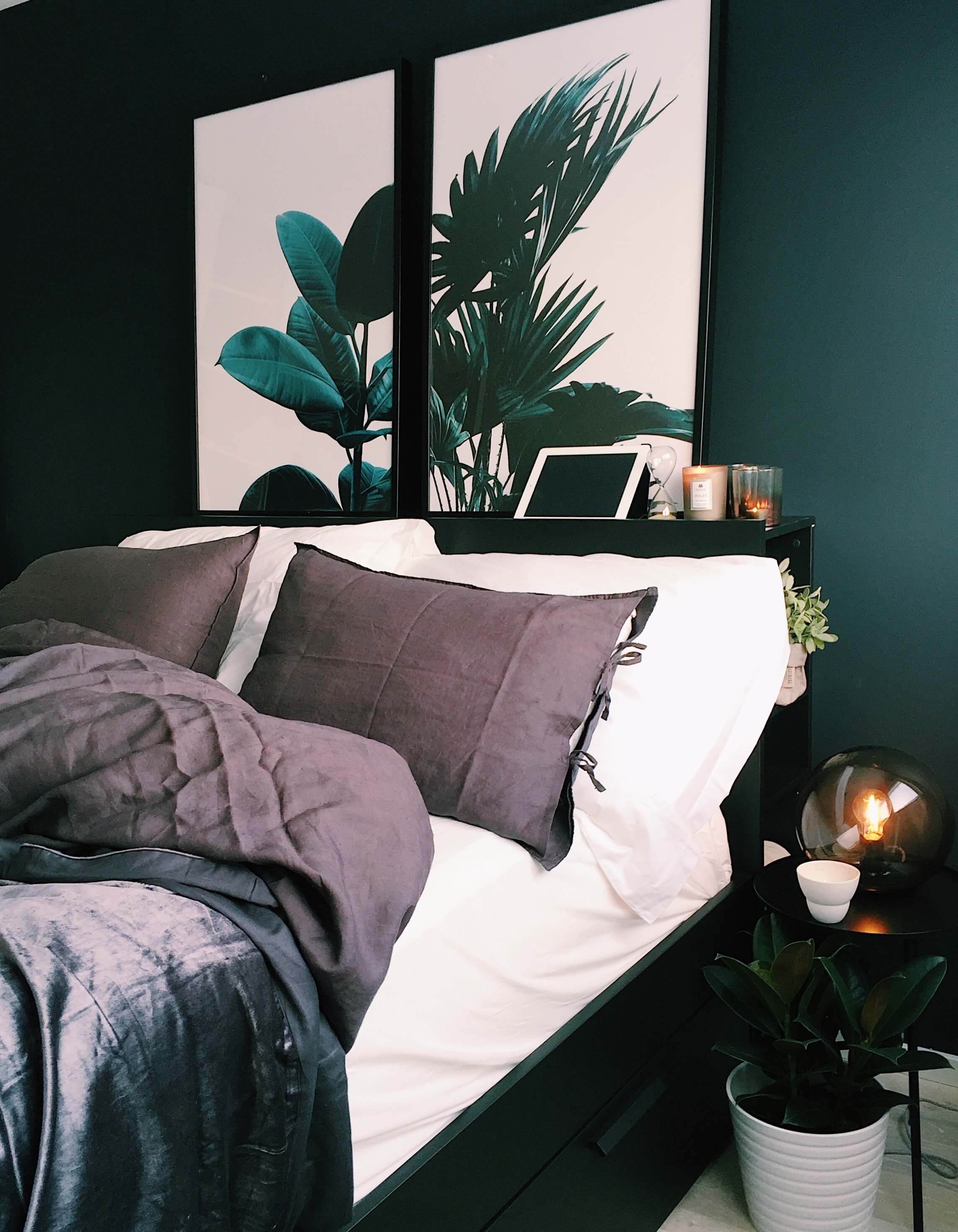 Sleep better even with alcohol
Source: Pexels
This might seem like a simple step but it can be very effective if you want to fall asleep faster. A cozy bedroom is one that is dim and has a comfortable temperature that will help you doze off. Darker colors on the bedroom wall are also suitable for sleeping. If you are not into dark wall colors, neutral hues can create a relaxing atmosphere in the bedroom.
Ideally, your bedroom should be somewhere that is far from any sources of noise (such as the living room or a noisy street). The less disruptive noises there are, the sooner you can sleep. The quality of your sleep will be better, too. Setting the ideal temperature within your room can also make sleeping easier. Aim for a temperature range of 60-68 degrees Fahrenheit.
Switching to new bedding such as microfiber sheets can improve the quality of your sleep as well. The goal is to make your sleeping space as cozy as possible.
Final Reminders
Heavy drinking is associated with sleep disorders. If you want to reduce the impact of alcohol on your sleep, you might want to lower your consumption. Instead of drinking as a regular nightcap, you can skip some nights. If you can, limit alcohol consumption to 2-3 times a week. Follow a pattern that works for you to improve your sleep quality. It is always a good practice to keep things in moderation.
Sleep better even with alcohol
Source: Pexels
This might seem like a simple step but it can be very effective if you want to fall asleep faster. A cozy bedroom is one that is dim and has a comfortable temperature that will help you doze off. Darker colors on the bedroom wall are also suitable for sleeping. If you are not into dark wall colors, neutral hues can create a relaxing atmosphere in the bedroom.
Ideally, your bedroom should be somewhere that is far from any sources of noise (such as the living room or a noisy street). The less disruptive noises there are, the sooner you can sleep. The quality of your sleep will be better, too. Setting the ideal temperature within your room can also make sleeping easier. Aim for a temperature range of 60-68 degrees Fahrenheit.
Switching to new bedding such as microfiber sheets can improve the quality of your sleep as well. The goal is to make your sleeping space as cozy as possible.
Final Reminders
Heavy drinking is associated with sleep disorders. If you want to reduce the impact of alcohol on your sleep, you might want to lower your consumption. Instead of drinking as a regular nightcap, you can skip some nights. If you can, limit alcohol consumption to 2-3 times a week. Follow a pattern that works for you to improve your sleep quality. It is always a good practice to keep things in moderation.
Caption: How to sleep better after drinking alcohol
Source: Pexels
There are several strategies that you can use to ensure better sleep after drinking alcohol.
Avoid Caffeine
If you want to sleep better after having a drink, stay away from caffeine. This does not only refer to coffee. You must refrain from consuming other caffeinated drinks like sodas, teas, and energy drinks. They will keep you awake at night. If you combine that with the effect of alcohol in your body, it will be hard to enjoy a restful night.
If a night of drinking is on the horizon, no worries. Whether you are out with friends or enjoying the game with any of these great tasting beers, you should be smart. Make sure you avoid having any caffeinated drinks, especially during the hours close to when you plan to hit the sack.
Have a Balanced Meal
Drinking your favorite beer or wine on a full belly can reduce the impact of alcohol on your sleep (versus not having a full meal). When you are going out for a drink or sipping some spirits at home, don’t skip dinner. A solid and balanced meal can regulate your body’s absorption of the alcohol.
Make sure you have enough protein, fat, and carbohydrates. This will allow the alcohol to be gradually introduced to your bloodstream, reducing its overall impact on your body. The less disruption your body has, the better your sleep will be.
Drink Plenty of Water
Alcoholic drinks, like beer, can make you dehydrated. When your body is dehydrated, you not only toss and turn during your sleep, you can also suffer from a headache the next morning. So keep yourself hydrated. Drinking plenty of water can combat the diuretic effect of alcohol on your body.
Tips for better sleep after drinking alcohol
Source: Pexels
The goal is to drink as much water as the alcohol you consume. When it is not possible, just try to drink as much water as possible. This will help keep your body hydrated. Another benefit to drinking plenty of water is that it fills you up quickly. As a result, you don’t consume as much alcohol as you normally would.
Say No to Smoking
Aside from staying away from the bad combination of alcohol and caffeine, smoking should be avoided too. A lot of people like to drink and smoke at the same time. If you are one of them, don’t be surprised if you have trouble sleeping at night. Nicotine (found in cigarettes) is a stimulant. If you smoke, it can definitely keep you awake at night.
By reducing the number of cigarettes you smoke (or by not smoking at all), you will be able to sleep faster. This can also improve the quality of your sleep.
Turn Off the Alarm
If you have an alarm set on the regular, turn it off just before hitting the bed. Give your body a chance to recover from the effects of alcohol during your sleep. Do not disrupt that sleeping cycle with an alarm going off.
If possible, keep your phone away from your bed, too. You would not want to be woken up by a text message or call. After all, you are going to be highly sensitive to any noise so you want to minimize any disruptions as much as possible.
Stay off Alcohol Before Hitting the Bed
A lot of people have relied on alcoholic drinks such as beer or wine to help them get to sleep. But studies have shown that this is actually doing the opposite. It is time to change your habit of getting a drink right before you hit the bed. This habit of yours can make you feel more awake and energetic, instead, which can then cause a disruption in your sleep cycle.
It is best to get started early on your alcohol consumption – this is called the ‘happy hour’. Do not wait until much later in the night when you are just about to go to bed to get your drink. You are more likely to sleep faster and more soundly when you have had your drink a few hours earlier.
Make Your Bedroom Cozy
Sleep better even with alcohol
Source: Pexels
This might seem like a simple step but it can be very effective if you want to fall asleep faster. A cozy bedroom is one that is dim and has a comfortable temperature that will help you doze off. Darker colors on the bedroom wall are also suitable for sleeping. If you are not into dark wall colors, neutral hues can create a relaxing atmosphere in the bedroom.
Ideally, your bedroom should be somewhere that is far from any sources of noise (such as the living room or a noisy street). The less disruptive noises there are, the sooner you can sleep. The quality of your sleep will be better, too. Setting the ideal temperature within your room can also make sleeping easier. Aim for a temperature range of 60-68 degrees Fahrenheit.
Switching to new bedding such as microfiber sheets can improve the quality of your sleep as well. The goal is to make your sleeping space as cozy as possible.
Final Reminders
Heavy drinking is associated with sleep disorders. If you want to reduce the impact of alcohol on your sleep, you might want to lower your consumption. Instead of drinking as a regular nightcap, you can skip some nights. If you can, limit alcohol consumption to 2-3 times a week. Follow a pattern that works for you to improve your sleep quality. It is always a good practice to keep things in moderation.