

Best Sheets & Buying Guide 2026
Having the right bedding makes all the difference for an optimal sleep environment. It can mean the difference between too hot, too cold, too rough, or too soft. Your bedding should change with the seasons to provide better comfort.
As I have said many times, when you consider how much time you spend in bed (1/3 of your life), making a sound investment in bedding is well worth it.
Ben's Top Sheet Picks
Best Bamboo
Cozy Earth Bamboo. Hands down the softest sheets I've tested. They sleep cool and feel heavier/more luxurious than cheap rayon. Oprah loves them for a reason.
Shop Cozy EarthBest Organic Cotton
Boll & Branch. The "Presidential" pick. These have a structured, premium feel that softens over time. Impeccable stitching and ethical sourcing.
Shop Boll & BranchBest Value
Brooklinen Luxe. A sateen weave that hits the sweet spot between price and quality. Smooth, slightly shiny, and holds up well to washing.
Shop Brooklinen| Feature | What to Consider | Tips & Breakdown |
|---|---|---|
| Material | Comfort, breathability, durability, price |
• Cotton: Breathable, classic feel (Egyptian, Pima, Upland). • Linen: Cool, textured, durable, wrinkles easily. • Bamboo: Silky soft, moisture-wicking, cooler than cotton. • Percale vs Sateen: Percale is crisp (matte); Sateen is silky (sheen). |
| Thread Count | Softness vs Durability |
• 200-400: The sweet spot for breathable Percale. • 400-600: Good for Sateen. • Above 600: Usually marketing fluff or double-ply threads (avoid). |
| Weave | Texture & Wrinkles |
• Percale: Crisp, cool, wrinkles easily (Hot Sleepers). • Sateen: Smooth, soft drape, can trap heat (Cold Sleepers). • Flannel: Soft, warm, cozy (Winter). |
| Size | Match your mattress! | Standard sizes (Twin to Cali King). Important: Check pocket depth. If your mattress is >14", get "Deep Pocket" sheets. |
Quick Buying Tips
- Feel the fabric before buying if possible (or use trial periods).
- Read reviews to see how they hold up after 5+ washes (pilling check).
- Wash new sheets before using to remove sizing/chemicals.
- Check Certifications (GOTS, Oeko-Tex) if you have sensitive skin.
Hot Sleeper Tip: I recommend switching out a heavy duvet for a lighter coverlet. I highly recommend the Parachute Home Coverlet.
Top Recommendations by Type
Egyptian Cotton
Most "Egyptian Cotton" isn't actually from Egypt. Look for the Cotton Egypt Association certification. Real ones are the most luxurious sheets you will find.
Sateen Sheets
Sateen gives you that extra soft, smooth hand. Great for people who like to feel snug. It is the most popular weave because of its immediate "silky" feel.
Percale Sheets
Crisp and cool. Depending on construction, they feel like freshly ironed dress shirts. They are more breathable than sateen, making them ideal for hot sleepers.
Organic Cotton
Cotton is a "dirty" crop, but organic sheets are made without toxic pesticides. They are better for the planet and your skin. Look for GOTS certification.
Supima Cotton
Extra-long staple cotton grown in the USA. The longer fibers create bedding that is softer and more durable than regular "100% Cotton."
Bamboo Sheets
Bamboo (Viscose/Lyocell) is naturally moisture-wicking and sleeps significantly cooler than most cottons. It has a silky, fluid drape.
Browse All Sheet Reviews
Search our full database of sheet reviews below.
-
American Blossom Linens Review – USA Made Organic Cotton Sheets TestedUpdated Apr 1, 2026
Experience the cozy luxury of American Blossom Linens, where quality sheets are crafted from organic cotton right here in the USA! With a remarkable 2-year happiness g…
-
Best Christmas Sheets: Must-Have Cozy ComfortUpdated Apr 1, 2026
Transform your nights into a cozy Christmas wonderland with delightful bedding that wraps you in warmth and holiday cheer! From festive patterns to the comfort of flan…
-
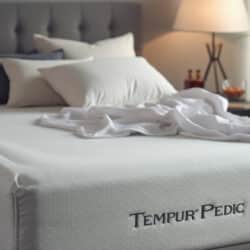
Best Sheets for Tempur-Pedic: Must-Have Comfort & FitUpdated Dec 19, 2025
Transform your sleep experience with the perfect sheets for your Tempur-Pedic adjustable bed! Discover options that stay snug, feel luxurious, and enhance your comfort…
-
Best Walmart Bed Sheets – Comfort for Every BudgetUpdated Dec 19, 2025
Discover the perfect bed sheets at Walmart, where you'll find an impressive selection of materials, styles, and sizes to suit any bedroom. From cozy flannel to luxurio…
-
Brooklinen Review – 10 Real World Test for QualityUpdated Dec 19, 2025
Experience the ultimate in comfort with Brooklinen's Luxe Sateen sheets—crafted for softness lovers, these buttery smooth sheets only get cozier with each wash, tran…
-
Casper Sheets: Stunning Comfort for a Luxurious SleepUpdated Aug 3, 2025
Experience the cloud-like comfort of Casper Sateen Sheets, crafted from 100% organic Supima cotton for a luxurious sleep that feels as good as it looks. With a variety…
-
Costco Sheets: Stunning Quality, The Best Sleep InvestmentUpdated Dec 19, 2025
Wondering if Costco sheets are worth it? With their luxurious Kirkland Signature Pima cotton sheets boasting a 680 thread count, you're in for a cozy treat at an unbea…
-
Dreamfit Sheets: Stunning Comfort for a Perfect Night’s SleepUpdated Aug 3, 2025
Experience the ultimate in sleep comfort with DreamFit Sheets, designed specifically for adjustable beds! With patented technology that keeps sheets securely in place …
-
Microfiber Sheets: Stunning Choice for Effortless ComfortUpdated Aug 2, 2025
Thinking about new sheets? Dive into the world of microfiber with the Mezzati Luxury Bed Sheet Set—soft, stylish, and budget-friendly, these sheets are perfect for a…
-
Pratesi Sheets: Stunning Luxury for Effortless EleganceUpdated Dec 19, 2025
Discover the exquisite world of Pratesi sheets, where luxurious Italian craftsmanship meets the finest Egyptian cotton for an unmatched sleeping experience—perfect f…
-
Pure Earth Organic Sheets ReviewUpdated Dec 19, 2025
Discover the ultimate blend of luxury and sustainability with Pure Earth Organic Sheets—crafted from 100% organic cotton and dyed with nature-friendly dyes, these sh…
-
Quahog Bay Bedding: Stunning Solution for Perfect Fit SheetsUpdated Aug 1, 2025
Elevate your boat sleeping experience with Quahog Bay’s stylish and durable bedding, designed specifically to fit even the trickiest mattresses! Discover the revolut…
-
SFERRA Sheets Review 2025 – Luxury Italian Bedding Compared to Brooklinen & Boll and BranchUpdated Feb 4, 2026
Indulge in the luxury of Sferra sheets, where exquisite craftsmanship meets the softest Egyptian cotton, offering you an unmatched sleep experience that you'll cherish…
-
Threshold Sheets: Stunning Quality at an Affordable PriceUpdated Dec 19, 2025
Discover why Target's Threshold 400-Thread-Count Performance Sheets are a fan favorite in 2025—affordable luxury with 2,000 five-star reviews speaks volumes about th…
-
Weighted Sheets: The Ultimate Solution for Effortless BeddingUpdated Aug 2, 2025
Tired of your sheets constantly slipping and sliding? Discover how weighted sheets and a few clever tricks can keep your bedding snug and tidy, making your mornings a …




Authenticity Guide: Egyptian Cotton
Unfortunately, there’s no foolproof way to tell if Egyptian cotton sheets are authentic just by looking, but here are the best ways to check.
1. Look for Certifications
- Cotton Egypt Association (CEA) Seal: A gold seal with a unique license number. This is the gold standard.
- GOTS / OCS: Guarantees organic practices and traceability.
2. Scrutinize the Label
- Look for "100% Egyptian Cotton" or "Grown and Manufactured in Egypt."
- Avoid: "Egyptian cotton blend" or vague terms like "Made with Egyptian cotton."
3. The Price Test
- True Egyptian cotton is expensive due to limited production. Be wary of "too good to be true" prices ($20-$40 sets are almost never real).
4. Physical Tests (Use Caution)
- Shrinkage: True Egyptian cotton usually shrinks less than regular cotton.
- Fiber Length: If you pull a thread, it should not break easily (long staple fibers).
Pro Tip: If you are unsure, Supima and Pima cotton are excellent, verified alternatives grown in the USA.