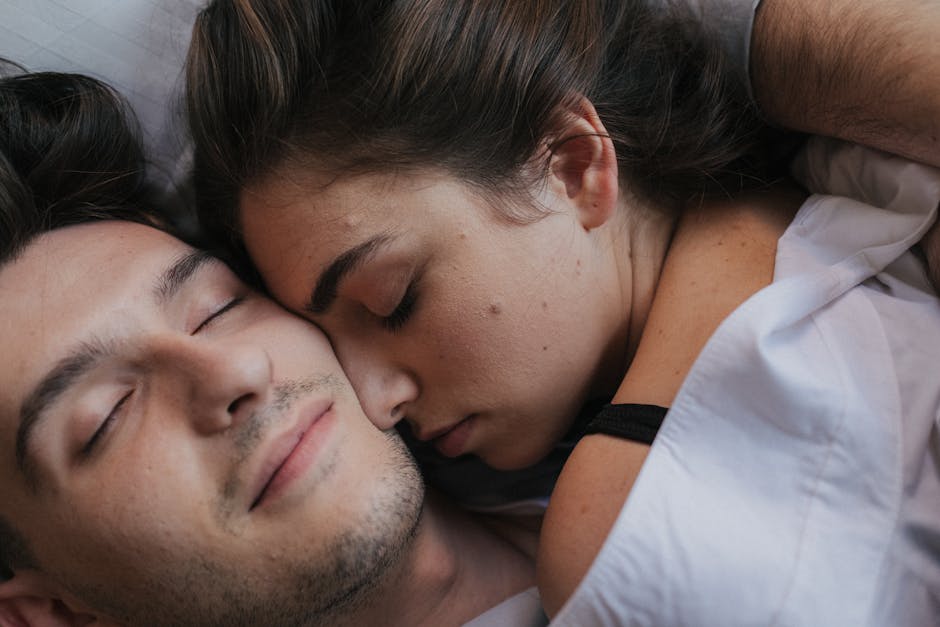
Sexual activity, sleep and relationships can affect one another in complex ways. Experiences differ, and intimacy should never feel like an obligation or a required sleep strategy.
What does the research say?
A 2019 survey asked adults how they perceived their sleep after partnered sex or masturbation. Many participants reported better sleep after sexual activity involving orgasm. Because the survey relied on recollection and perceptions, it cannot establish cause and effect.
A 2023 study combined a survey with a 14-day sleep diary. In the diary analysis, partnered sex with orgasm was associated with shorter self-reported time to fall asleep and better perceived sleep quality. The diary did not find the same statistically significant association for every type of activity. These were observational reports, not proof that a particular behavior caused the difference.
A small 2025 pilot study used portable sleep monitoring and daily reports in cohabiting couples. It found some favorable associations between sexual activity and measured sleep outcomes. Its pilot design and small sample limit how confidently the findings can be generalized; larger studies are needed.
| Evidence | What it contributes | Important limitation |
|---|---|---|
| Retrospective surveys | Show what participants recall or believe about their sleep | Memory and expectations can influence reports |
| Daily diaries | Compare reported experiences across nights | Observational associations do not establish cause |
| Small monitored studies | Add physiological sleep measurements | Small samples may not represent everyone |
Why might some people feel sleepy?
Relaxation, emotional closeness, physical exertion and individual expectations are possible contributors. Hormones and neurotransmitters change during sexual activity, but it is not established that any single hormone reliably causes better sleep afterward in every person. It would be misleading to promise that sex increases melatonin, improves a specific sleep stage or corrects a hormone imbalance.
Other people feel alert afterward or experience stress, discomfort or pain. Timing, relationship context, medication, health and the surrounding sleep environment can all matter. There is no need to reach orgasm, have partnered sex or follow a schedule to achieve healthy sleep.
A low-pressure approach to intimacy and sleep
- Prioritize consent and comfort. Sexual activity should be wanted by everyone involved, not treated as a duty to improve sleep.
- Notice your own response. If intimacy helps you relax, it can be one part of a bedtime routine. If it leaves you awake, choose another time or another activity.
- Keep expectations realistic. A single night does not establish a reliable effect, and sleep naturally varies.
- Support the rest of your routine. A consistent wake time, a comfortable room and attention to caffeine or alcohol can also affect sleep.
When to seek help for sleep problems
If trouble falling or staying asleep persists or affects daytime life, speak with a healthcare professional. The National Heart, Lung, and Blood Institute identifies cognitive behavioral therapy for insomnia (CBT-I) as a usual first treatment for long-term insomnia. A clinician can also assess factors such as medication, pain, anxiety or sleep apnea.
Do not stop or change prescribed sleep medication on the assumption that sex is a superior replacement. A clinician can help weigh the benefits and risks of any treatment.
Common questions
Does orgasm always make people sleepy?
No. Some people feel relaxed or sleepy; others do not. The research reports averages and associations, not a guaranteed individual response.
Does masturbation help sleep?
Some survey respondents report that it does, particularly with orgasm. Diary results have not consistently shown the same association, so the evidence remains limited.
Is sex a treatment for insomnia?
No. It may be relaxing for some people, but it has not been established as a replacement for an insomnia assessment or CBT-I.