Quick answer: Looking for the best cooling mattress for hot sleepers? Yawnder ranks cooling mattresses using standardized cooling scores, airflow, surface-temperature performance, construction, and hands-on evaluation. This page focuses on mattresses that sleep cool nationwide. Need a narrower guide? See Budget Mattresses for Hot Sleepers, Menopause & Night Sweats, Cooling Mattresses for San Diego’s Coastal Climate, or Best Bed Cooling Systems for active temperature-control products.
Best Cooling Mattress 2026: Tested Picks for Hot Sleepers
Last verified Oct. 7, 2026 · Buying from Yawnder: Brand-direct trial and delivery offers do not automatically apply to orders from us. Eligible mattresses have a 100-night trial with a required 30-night minimum. Returns have a $200 fee per mattress, waived for a store mattress exchange; price differences apply. One trial return or exchange is allowed per customer and household, and replacement mattresses are final sale. Floor models and Technogel mattresses are excluded. See our return policy for all exclusions. Standard shipping is free; white-glove service is $200 per delivery under our shipping policy.
Our tested cooling picks, ranked by surface cooling, airflow, and all-night heat management.
Best cooling mattresses of 2026 at a glance
These are the cooling beds we would start with based on Yawnder’s hands-on reviews plus each model’s current cooling design. Passive cooling beds rely on airflow, breathable materials and heat-moving covers; active systems use powered airflow or other temperature-control hardware.
| Mattress | Cooling approach | Best for | Main tradeoff |
|---|---|---|---|
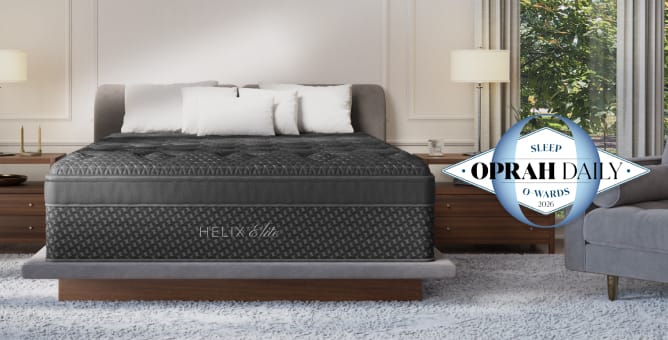 Helix Midnight Elite Helix Midnight Elite |
Hybrid airflow plus optional GlacioTex Elite Cooling Cover and CoolForce layer | Side sleepers wanting a plush premium hybrid | Expensive compared with mainstream cooling hybrids |
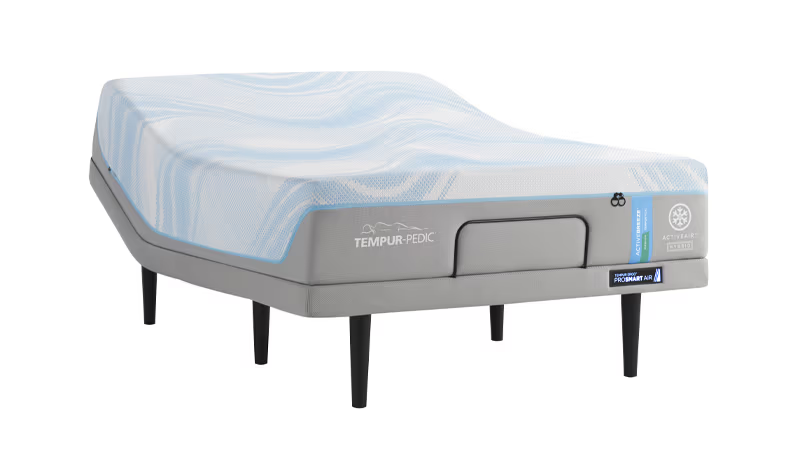 TEMPUR-ActiveBreeze TEMPUR-ActiveBreeze |
Powered active-air climate system built into the bed | Sleepers who want the strongest active temperature control | Very high purchase price and more hardware than a conventional mattress |
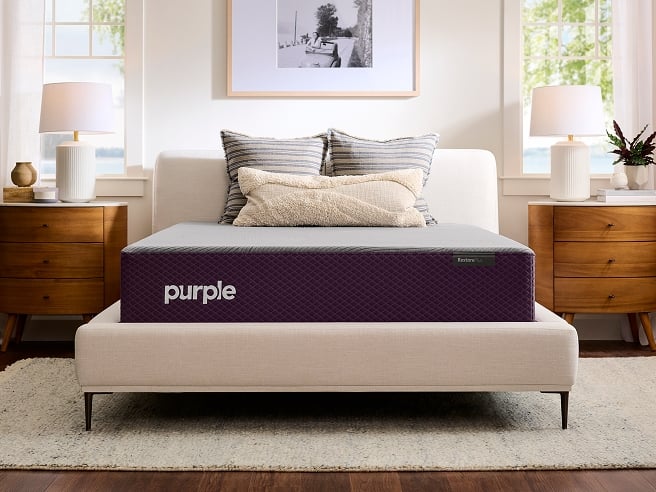
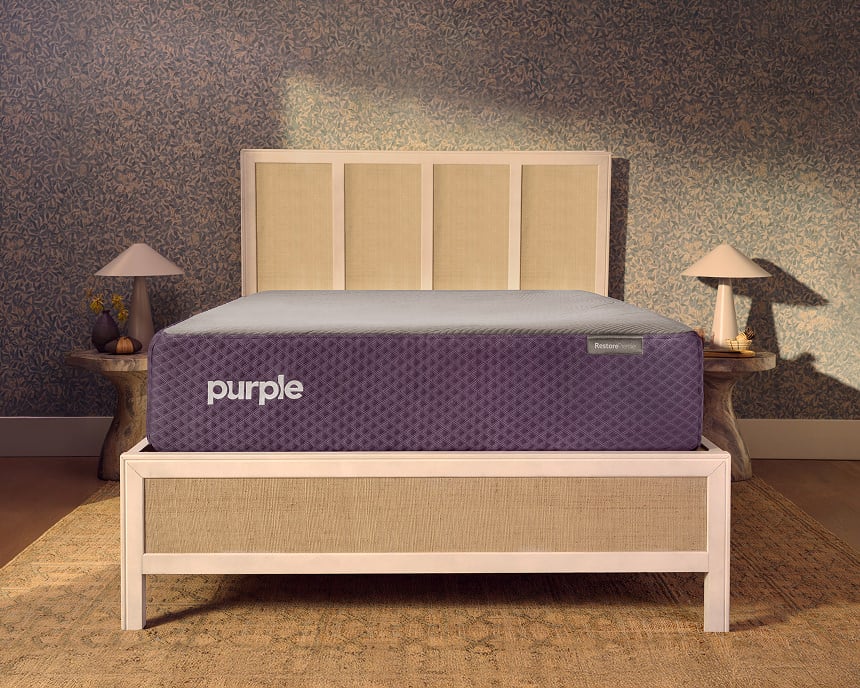 Purple RestorePremier Purple RestorePremier |
GelFlex Grid plus coil airflow | Side and combination sleepers who want strong ventilation and pressure relief | Distinctive responsive feel is not for everyone |
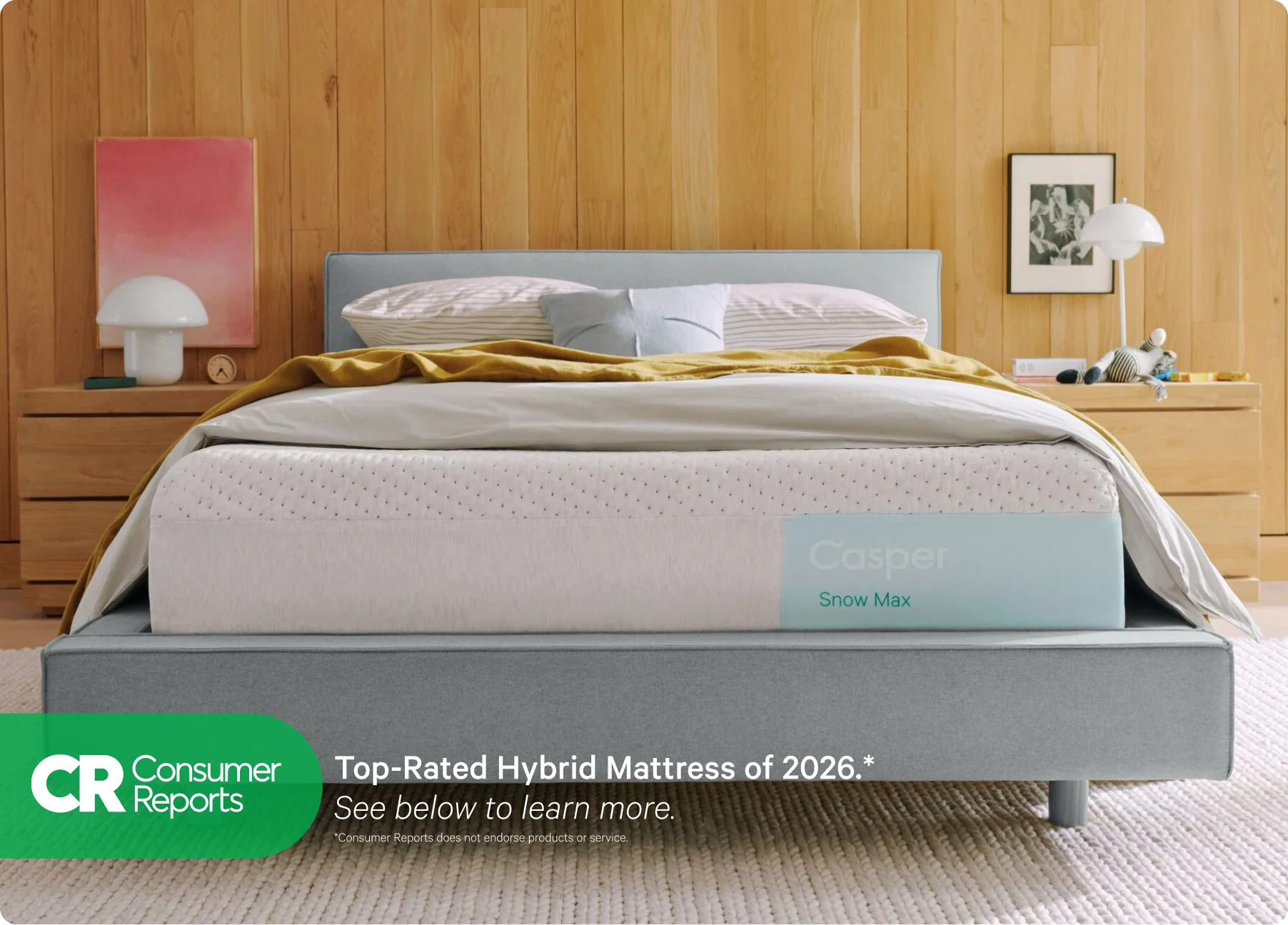 Casper Snow Max Casper Snow Max |
QuickCool cover, cooling foams and hybrid airflow | Hot sleepers wanting a softer, more familiar hybrid feel | Premium price and less active cooling than powered systems |
Current manufacturer information checked October 7, 2026. Promotions and optional cooling upgrades change, so use the linked reviews for the latest configuration details.
Cooling mattresses we’ve actually reviewed
Cooling performance comes down to two things: how quickly a mattress moves heat away from your body and how well it keeps air circulating through the bed all night. Dense foams tend to trap heat, while breathable coil systems, latex, phase-change covers, and conductive materials such as graphite or copper can improve temperature regulation.
Climate matters, but the rankings below stay national: we prioritize mattresses that manage heat through airflow, breathable construction and surface temperature regulation across a wide range of bedrooms. If you specifically live near the coast, use our separate San Diego coastal-climate mattress guide for humidity-focused local advice.
How we rank cooling mattresses
Yawnder does not rank a mattress as “cooling” just because the cover feels cold for a few minutes. We look at the complete heat-management system:
- Surface temperature: whether the cover or upper comfort layers resist rapid heat buildup.
- Airflow: how easily heat can move through the comfort layers and support core, with pocketed coils, latex and ventilated foams generally having an advantage over dense solid foam.
- All-night heat retention: whether the mattress continues releasing heat after the initial cool-to-the-touch effect fades.
- Body contact: very deep sink can increase the amount of warm material touching the sleeper, so firmness and contouring matter too.
- Active vs. passive cooling: powered systems such as TEMPUR-ActiveBreeze can change the bed’s microclimate directly, while conventional mattresses rely on materials and airflow.
Important: cooling performance is different from air-conditioning a bedroom. Passive mattresses can reduce trapped body heat, but they cannot make a hot room cold. If you need active temperature control, compare our best bed cooling systems.
Why Some Memory Foam Mattresses Sleep Hot
Heat retention is one of the most common complaints about traditional memory foam. The issue is not that every foam mattress sleeps hot, but that dense foam with limited ventilation can hold body heat and reduce airflow around the sleeper.
Memory foam, or viscoelastic polyurethane foam, works by softening in reaction to your body heat and pressure. This is what creates its signature “cradling” feel. But the very property that makes it conforming also makes it hot. Its dense, closed-cell structure is a natural insulator. It simply doesn’t allow for air circulation.
In humid bedrooms
Low airflow can make a warm, humid sleep environment feel clammy because body heat and moisture dissipate more slowly. Breathable covers, open-cell comfort layers and coil support systems can help move heat and moisture away from the sleep surface.
In hot or heavily air-conditioned bedrooms
Dense foam can absorb and retain body heat faster than it releases it. A cooler room helps, but mattress construction still matters: more airflow through coils, perforated latex or ventilated foam gives accumulated heat a better path out of the bed.
While some modern memory foams have tried to mitigate this with gel infusions, the fundamental problem of low airflow remains. For a true cooling solution, you have to look at different materials entirely.
Cooling Strategy 1: Latex Hybrids for Maximum Airflow
A latex hybrid is one of the strongest passive-cooling constructions because it combines breathable latex with an open pocketed-coil support system. It is especially useful for hot sleepers who want airflow without relying on powered temperature control.
First, let’s talk about latex. Unlike memory foam, latex (especially Talalay latex) has a naturally open-cell structure. It looks and feels more like a sponge than a dense foam. This structure allows air to move freely through the material. Its open structure allows more air movement than dense conventional memory foam and can reduce the buildup of heat and moisture around the body.
Second, the coil unit underneath provides a huge, open space for air to circulate. Think of it as the lungs of your mattress. Air can move vertically and horizontally, carrying away both heat and moisture that have passed through the latex layer. A solid foam core can’t do this. A pocketed coil system ensures that your bed is constantly breathing throughout the night. For sleepers without aggressive bedroom air conditioning, that built-in ventilation can be especially valuable.
Cooling Strategy 2: Conductive Foams With Graphite or Copper
Some foam mattresses use graphite, copper or other conductive additives to move heat away from the immediate contact area. These materials can improve surface heat transfer, although the overall mattress still needs enough airflow to release that heat.
Here’s how it works. Copper and graphite are both extremely effective at conducting thermal energy. Think of a copper pan on a stove—it heats up quickly and evenly because it transfers heat so well. In a mattress, this property is used in reverse. The copper or graphite particles are infused into the foam matrix, creating a pathway for your body heat to travel. Instead of getting trapped right below you, the heat is pulled away from your body and dispersed across a wider area of the mattress surface, where it can then be released into the cooler ambient air of your bedroom. It’s an active heat-management system.
This approach is less about breathability (though a good design will have that too) and more about thermal regulation. For sleepers who strongly prefer foam, conductive additives are worth considering alongside perforation, lower-density transition layers and a breathable support design. They work best as part of a complete cooling construction rather than as a substitute for airflow.
Cooling Strategy 3: Phase-Change Material for Surface Cooling
One of the most popular cooling technologies you’ll find in our premium mattresses is Phase Change Material, or PCM. It is often used in mattress covers and upper comfort layers to manage rapid temperature changes at the sleep surface.
PCM works by absorbing and storing heat energy. The material is made of micro-capsules that are solid at a normal room temperature. As they come into contact with your body heat, they absorb that energy and melt into a liquid state. This “phase change” process requires a lot of thermal energy, which is what creates the distinct cool-to-the-touch sensation. It feels like you’re lying on a slightly chilled surface. It’s not a gimmick; it’s a real, measurable thermodynamic effect. The cover will actively pull heat from you for about 15-30 minutes, giving your body time to settle and for other cooling features in the mattress to take over.
The cool-to-the-touch effect is usually most noticeable when you first lie down. PCM can buffer temperature swings, but sustained all-night cooling still depends heavily on the airflow and heat-retention characteristics of the mattress underneath. If you cool down, it will release stored heat back to you. It’s a smart, responsive technology that adds a layer of luxury and practical comfort to any mattress.
Cooling Strategy 4: Wool for Moisture and Temperature Regulation
Wool sounds counterintuitive in a cooling guide, but its ability to manage moisture and buffer temperature changes can make it useful in mattresses, protectors and bedding for hot sleepers.
Wool is nature’s most advanced performance fiber. Its magic lies in its complex structure, which allows it to absorb a significant amount of moisture—up to 30% of its own weight—without feeling wet to the touch. A wool comfort layer can help move moisture away from the skin and maintain a drier sleep surface without relying on synthetic cooling additives. Unlike foam, it doesn’t just soak up the moisture; it allows it to evaporate away from the sleep surface.
Wool also excels at temperature regulation across changing room conditions. The same properties that keep sheep comfortable in a wide range of climates work in your bed. The fiber’s natural crimp creates millions of tiny air pockets. This doesn’t just insulate; it creates a breathable buffer zone between you and your mattress. It helps dissipate excess heat when you’re hot but also provides gentle warmth when your AC kicks on and the room gets chilly. It’s a passive, natural system that moderates temperature swings, leading to deeper, more consistent sleep.
Your Bedding Matters: The Percale vs. Sateen Showdown
You can invest in the world’s best cooling mattress, but if you wrap it in the wrong sheets, you’ll be sleeping hot and sweaty. The weave of your sheets is just as important as the materials in your mattress. For many hot sleepers, cotton percale is the safer starting point.
Think of percale as the classic, crisp button-down shirt of the bedding world. It uses a simple one-thread-over, one-thread-under grid-like weave. This structure creates a light, airy fabric with a matte finish that is incredibly breathable. Air passes through it with ease, allowing body heat and moisture to escape. It always feels cool and crisp against the skin. When customers in our showroom touch a high-quality percale sheet, they immediately understand the difference. It’s the single best choice for staying cool.
Sateen, on the other hand, is generally a poor choice for hot or humid sleepers. It uses a one-thread-under, three-or-four-threads-over weave. This structure exposes more threads on the surface, creating the silky, lustrous feel that many people like. However, it also creates a denser, heavier fabric that drapes close to the body and traps air. While it can feel soft and luxurious, it’s far less breathable than percale and can contribute significantly to overheating, especially in the humid coastal air. If you’re fighting the heat, switching from sateen to percale sheets can provide an immediate and dramatic improvement.
| Cooling Feature | Best For | Primary Cooling Method |
|---|---|---|
| Latex Hybrid | Hot sleepers who want maximum airflow and bounce | Breathability & airflow |
| Copper/Graphite Infused Foam | Sleepers who like foam but want better heat transfer | Heat conduction |
| Phase-Change Material (PCM) | People who value a cool-to-the-touch surface | Surface heat absorption |
| Traditional Memory Foam | Pressure relief, but usually not ideal for very hot sleepers | Can retain heat |
| Wool Layer / Topper | Natural temperature and moisture regulation | Moisture wicking & temperature regulation |
| Percale Sheets | Hot sleepers who want breathable bedding | Breathability |
| Sateen Sheets | Sleepers prioritizing a silky feel over maximum airflow | Denser weave retains more warmth |
New buyer guides: Best mattress for hot side sleepers · Best cooling mattresses for couples
Related hot-sleeper guides
Frequently Asked Questions
More cooling mattress reviews
For a budget-focused cooling option, read our Arctic Dreams Mattress review.
Will a cooling mattress feel cold all winter?
No. High-quality cooling mattresses are designed for temperature regulation, not just one-way cooling. Materials like latex, wool, and phase-change covers work to keep your body at a comfortable, neutral temperature. They dissipate excess heat when you’re hot but won’t make you feel cold in a cooler room.
Is a firm or a soft mattress better for sleeping cool?
Generally, a firmer mattress sleeps cooler than a very soft one. This is because you sleep more ‘on top’ of a firm mattress, allowing more of your body to be exposed to the air. On a very plush mattress, you sink in deeper, and more of the mattress material is in contact with your body, which can trap more heat.
Can’t I just use a cooling mattress protector on my old bed?
While a cooling protector with PCM technology can certainly help, it’s often a band-aid on a bigger problem. If your mattress itself is a dense, non-breathable foam that traps heat, a protector can only do so much. The heat will still build up underneath it. It’s a good addition to a cooling system, but not a replacement for a breathable mattress.
How much more do cooling mattresses cost?
It varies. Basic cooling features like gel-infused foam might add a small amount to the cost. More advanced technologies like natural latex, copper-infusion, or premium PCM covers are found in higher-quality, more durable mattresses, so they naturally come at a higher price point. However, think of it as an investment in sleep quality and, for inland folks, potentially lower AC bills.
My partner sleeps hot but I’m always cold. What should we do?
This is a very common problem we address at our showroom! The best solution is a mattress with excellent temperature neutrality, like a latex hybrid. It doesn’t actively cool or heat, it just breathes exceptionally well, allowing each partner to maintain their own comfortable temperature. Avoid traditional memory foam, which will be a nightmare for the hot sleeper. You can also use different bedding layers on each side of the bed.
What’s the difference between gel memory foam and the infused foams you mentioned?
Gel is primarily a marketing story. While gel beads can absorb a small amount of heat initially, they become saturated quickly and don’t have a way to release the heat. They are mixed *into* the foam. In contrast, materials like copper and graphite are highly conductive and are infused in a way that creates a ‘thermal pathway’ to pull heat completely away from the body and disperse it. They are far more effective for sustained cooling.
Try Before You Buy at Yawnder San Diego
Compare select mattresses at 1441 Encinitas Blvd. Contact us to confirm floor availability. Standard shipping is free; white-glove delivery and setup costs $200 per delivery. See our shipping policy for service and removal details.
The best cooling mattress does more than feel cold for the first few minutes. Look for a breathable coil or latex structure that can release heat all night, then treat phase-change fabrics and conductive foams as useful additions rather than substitutes for real airflow.
More mattress guides
More Yawnder guides for choosing the right mattress.
Compare these 3 mattresses side by side
Sort all 142 mattresses we have tested by pressure relief, support, cooling, motion isolation, edge support, price, trial and warranty, then filter by how you actually sleep. Of those, 86 hold a complete standardized record and 46 a partial standardized record.
Compare these 3 mattresses side by side →Compare all with your profile preselected →