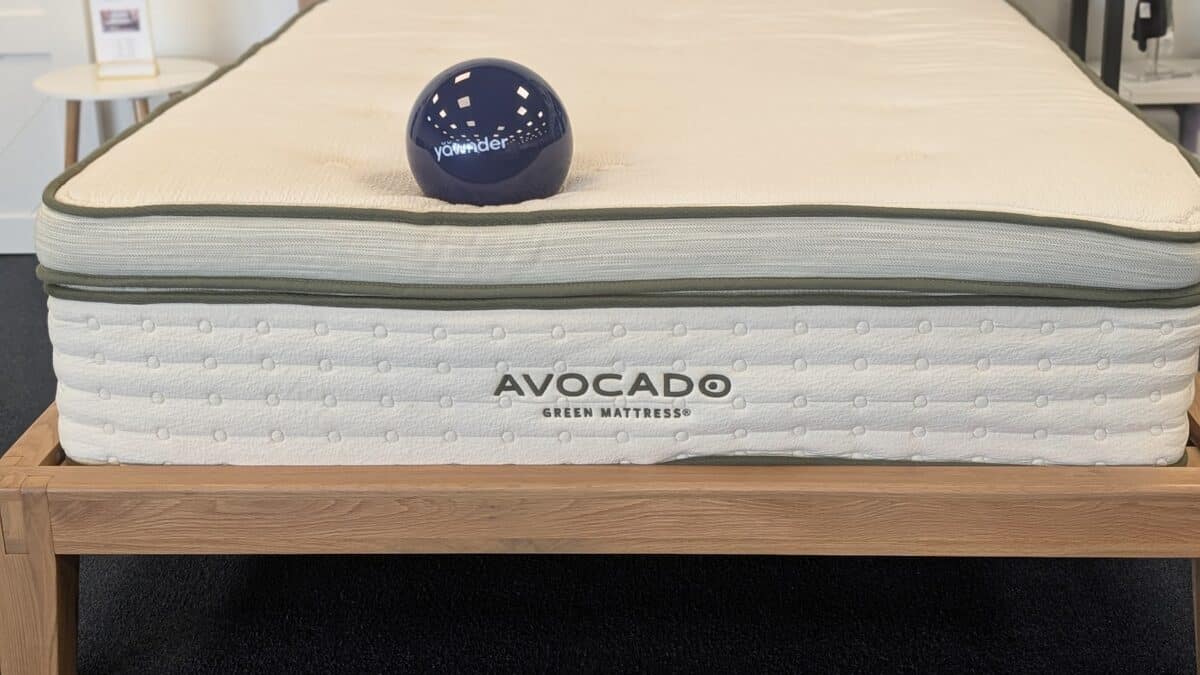
Shopping for a new mattress can feel overwhelming. You have traditional innersprings, contouring memory foam, and bouncy latex. But what if you don’t want to choose between support and comfort? That’s where the hybrid mattress comes in.
Hybrids are designed to deliver the benefits of multiple materials in one complete package. They’ve quickly become one of the most popular mattress types on the market, but it’s crucial to understand what they are and how they work before you buy.
This guide breaks down everything you need to know about hybrid mattresses in 2026.
Quick Answer: What Is a Hybrid Mattress?
A hybrid mattress is a multi-layer bed that combines the support of a steel coil system with the pressure-relieving comfort of foam or latex layers. It aims to offer a “best of both worlds” feel—the contouring of foam with the bounce and breathability of an innerspring.
What Is a Hybrid Mattress?
At its core, a coil and foam mattress, more commonly known as a hybrid, brings together at least two different mattress technologies. To be considered a true hybrid, a mattress must have two key components:
- A substantial comfort system: This is the top part of the mattress you lie on. It’s typically made of at least two inches of memory foam, gel foam, polyfoam, or latex. Its job is to provide contouring, cushioning, and pressure relief.
- A pocketed coil support core: This is the base of the mattress. Instead of the interconnected springs of a traditional innerspring, a hybrid uses hundreds (or thousands) of individually wrapped steel coils. This system provides targeted support, bounce, and improved airflow.
By combining these elements, a hybrid aims to eliminate the drawbacks of all-foam or all-spring beds while amplifying their strengths.
How Hybrid Mattresses Are Built: A Layer-by-Layer Breakdown
Understanding the construction of a hybrid mattress helps clarify its unique feel and performance. Most hybrids have a similar four-layer structure, though the specific materials and thickness can vary.
1. Comfort Layer
This is the top layer and defines the initial feel of the mattress. It’s what your body first interacts with. The goal of this layer is pressure relief and cushioning. Common materials include:
- Memory Foam: Known for its deep contouring and “hugging” sensation. It excels at isolating motion, making it great for couples.
- Gel-Infused Memory Foam: Standard memory foam infused with cooling gel or other conductive materials like copper or graphite to draw heat away from the body.
- Latex: A responsive and durable foam made from the sap of rubber trees (natural) or from synthetic materials. It provides a more “on top of the mattress” feel compared to memory foam’s “in the mattress” feel.
- Polyfoam: A general term for polyurethane foam. It can vary widely in density and feel, often used to provide a balanced, neutral foam sensation.
2. Transition Layer
Located between the soft comfort layer and the firm coil core, the transition layer acts as a buffer. It prevents you from “bottoming out” and feeling the hard coils beneath you. This layer is usually made of a higher-density, more responsive polyfoam that eases your body into the support system below.
3. Support Core (Pocketed Coils)
This is the engine of the mattress. Unlike old-school innersprings where all the coils are wired together, a hybrid’s coils are individually encased in fabric pockets. This has several key advantages:
- Targeted Support: Each coil compresses independently, allowing the system to conform to your body’s unique shape and weight distribution.
- Motion Isolation: Because the coils aren’t connected, movement on one side of the bed is less likely to be felt on the other.
- Durability & Airflow: Steel coils are highly durable and create ample space for air to circulate, making the mattress sleep cooler.
4. Base Layer
The very bottom layer is a thin but high-density foam pad. Its primary job is to provide a stable foundation for the pocketed coils to rest on and to add overall structural integrity to the mattress.
Hybrid vs. Memory Foam vs. Innerspring
The best way to understand the unique characteristics of a hybrid is to compare it directly to the other major mattress types. Here’s a look at the hybrid mattress vs memory foam vs innerspring debate.
| Feature | Hybrid Mattress | Memory Foam Mattress | Traditional Innerspring Mattress |
|---|---|---|---|
| Feel | Balanced: Contouring with responsive bounce | Deep Contouring: Slow-sinking “hug” | Bouncy: Firm with minimal contouring |
| Support Core | Individually wrapped (pocketed) coils | High-density polyfoam core | Interconnected steel coils (Bonnell, offset) |
| Pressure Relief | Very Good to Excellent | Excellent | Fair to Poor |
| Cooling | Very Good (coils promote airflow) | Fair (can trap heat, though new tech helps) | Excellent (maximum airflow) |
| Motion Isolation | Good to Very Good | Excellent | Poor (movement transfers easily) |
| Edge Support | Very Good to Excellent | Fair to Good | Good to Very Good |
| Price | Mid-to-High ($1,000 – $2,500+) | Low-to-High ($500 – $2,000+) | Low ($300 – $1,200) |
| Best For | Most sleepers, couples, hot sleepers, heavy people | Side sleepers, couples, those seeking deep relief | Budget shoppers, back/stomach sleepers, hot sleepers |
Pros of a Hybrid Mattress
Why are so many people choosing hybrids? The hybrid mattress benefits are numerous, thanks to its versatile construction.
- Balanced Feel: You get the pressure-relieving hug of foam without feeling “stuck.” The coils add a gentle lift and bounce, making it easy to change positions.
- Superior Cooling: The coil layer creates an open structure that allows air to flow freely through the mattress, wicking away heat and moisture. This makes hybrids one of the best cooling mattress types for hot sleepers.
- Enhanced Edge Support: Most hybrids feature a reinforced perimeter of stronger coils or high-density foam. This gives you a stable edge for sitting and increases the usable sleeping surface of the bed.
- Great for Couples: Hybrids blend good motion isolation (from the foam and pocketed coils) with responsiveness (which is better for sex). It’s a compromise that often satisfies both partners.
- Durable & Long-Lasting: The combination of high-density foam and a robust steel coil system makes for a very durable mattress that resists sagging better than many all-foam models.
- Ideal for Heavier Sleepers: The coil core provides robust support that can better accommodate people weighing over 230 pounds, preventing the excessive sinkage that can happen on all-foam beds.
Cons of a Hybrid Mattress
Of course, no mattress is perfect for everyone. Here are the main drawbacks to consider.
- Higher Price Tag: Combining premium materials like pocketed coils and dense foams makes hybrids more expensive to manufacture. They typically cost more than both traditional innersprings and many all-foam beds.
- Heavy and Difficult to Move: All those layers of foam and a steel coil core add up. Hybrid mattresses are notoriously heavy and cumbersome, making them a challenge to set up, rotate, or move.
- Potential for Off-Gassing: Like most bed-in-a-box mattresses that use synthetic foams, a new hybrid can release a harmless but unpleasant “new mattress smell” when first unboxed. This typically dissipates within a few days in a well-ventilated room.
Who Should Buy a Hybrid Mattress?
A hybrid’s balanced design makes it a suitable choice for a wide range of people. You’re a great candidate for a hybrid if you are:
- A Side Sleeper: The foam comfort layers provide excellent cushioning for the shoulders and hips, while the coils keep your spine aligned.
- A Hot Sleeper: If you love the feel of foam but overheat at night, a hybrid’s breathable coil system is the perfect solution.
- A Couple: Hybrids offer a great compromise of motion isolation, edge support, and bounce.
- A Combination Sleeper: The responsive coils make it easy to switch from your back to your side to your stomach without feeling trapped in the mattress.
- A Person Weighing 230+ Pounds: The sturdy coil support core provides the durable support needed to prevent premature sagging and ensure proper spinal alignment for heavier individuals.
Looking for the right model? Check out our list of the best hybrid mattresses to see our top-rated picks.
Who Should Skip a Hybrid Mattress?
While versatile, a hybrid isn’t the best fit for everyone. You might want to consider another mattress type if you:
- Are on a Strict Budget: If your budget is under $800, you’ll find better quality options in the all-foam or innerspring categories. A cheap hybrid often uses low-quality materials that won’t last.
- Love the Deep “Sinking” Feel of Memory Foam: If you want to feel completely enveloped by your mattress, a pure memory foam bed will provide that sensation more effectively than a bouncier hybrid.
- Are a Very Lightweight Sleeper: Petite sleepers (under 130 lbs) may not be heavy enough to fully engage the coil system, potentially making some hybrids feel too firm.
What to Look For When Buying a Hybrid Mattress
When you’re ready to shop, keep these factors in mind to find a high-quality model.
- Coil Count & Gauge: Coil count (typically 800-2,000) isn’t the only metric. Coil gauge (thickness) is also important. A lower gauge number (e.g., 12.5) means a thicker, more durable coil, while a higher gauge (e.g., 15) is thinner and more flexible.
- Foam Density: For memory foam and polyfoam, density is a key indicator of quality and durability. Look for memory foam with a density of at least 3.5 PCF (pounds per cubic foot) and polyfoam with a density of 1.8 PCF or higher.
- Certifications: Look for a CertiPUR-US® certification. This ensures the foams are made without harmful chemicals like ozone depleters, heavy metals, and formaldehyde, and have low VOC emissions for better indoor air quality.
- Sleep Trial: Never buy a mattress without a sleep trial of at least 100 nights. It takes your body weeks to adjust to a new sleep surface, and a trial period allows you to test the mattress in your own home risk-free.
- Warranty: A 10-year warranty is the industry standard. Read the fine print to understand what’s covered (e.g., sagging depth) and what’s not.
Hybrid Mattress FAQs
Q: How long does a hybrid mattress last?
A: A well-made hybrid mattress typically lasts between 7 and 10 years. The lifespan depends on the quality of the coils and foams, as well as the sleeper’s body weight and how well the mattress is cared for.
Q: Do you need a box spring for a hybrid mattress?
A: No, you should not use a traditional box spring with a hybrid mattress. The springs in a box spring can damage the pocketed coils. Instead, use a firm, solid foundation, a platform bed, or a slatted base with slats no more than 3 inches apart.
Q: Are hybrid mattresses good for side sleepers?
A: Yes, hybrid mattresses are an excellent choice for side sleepers. The foam comfort layers provide crucial pressure relief for the hips and shoulders, while the pocketed coils offer zoned support to keep the spine properly aligned.
Q: Can you flip a hybrid mattress?
A: Most hybrid mattresses are designed to be one-sided and should not be flipped. The layers are constructed in a specific top-to-bottom order. However, you should rotate your hybrid mattress 180 degrees every 3-6 months to ensure even wear.
Q: Are hybrid mattresses heavy?
A: Yes, hybrid mattresses are generally among the heaviest types of mattresses due to their combination of dense foam layers and a steel coil support core. A Queen size hybrid can easily weigh over 100 pounds.
Final Verdict: Is a Hybrid Mattress Right for You?
A hybrid mattress successfully delivers a balanced sleep experience that appeals to the vast majority of sleepers. It combines the contouring pressure relief of foam with the responsive, cooling support of a pocketed coil system.
While they come with a higher price tag and are heavy to move, their durability, comfort, and versatility make them a worthwhile investment for anyone seeking an upgrade from a traditional innerspring or a hot, unsupportive all-foam bed.
If you’re ready to find a mattress that doesn’t make you compromise, a hybrid is likely your answer. Explore our complete collection in the Yawnder shop or see our curated picks for the year’s best mattress overall.

Frequently Asked Questions About What Is a Hybrid Mattress? The Complete 2026 Buyer’s Guide
What exactly is a hybrid mattress and how is it different from a regular spring mattress?
A hybrid mattress combines the supportive feel of individually wrapped steel coils with the pressure-relieving comfort layers of foam or latex. Unlike traditional innerspring mattresses, which often have interconnected coils that move as one unit, hybrid coils are independent, offering more targeted support and reducing motion transfer.
Who is a hybrid mattress best for?
A hybrid mattress is best for sleepers who want a balance of support, contouring, and bounce, without sacrificing breathability. It’s an excellent choice if you enjoy the pressure relief of foam but miss the responsiveness and airflow of a traditional spring bed.
Are hybrid mattresses good for hot sleepers?
Yes, hybrid mattresses are generally good for hot sleepers due to their pocketed coil support core, which allows for better airflow compared to all-foam beds. Many hybrids also incorporate gel-infused memory foam or latex in their comfort layers to further dissipate heat.
What are the potential downsides of buying a hybrid mattress?
Potential downsides of hybrid mattresses can include a higher price point compared to basic innerspring or all-foam models, and their increased weight can make them harder to move. While durable, the lifespan can also vary depending on the quality of the materials used in both the comfort and support layers.
How does a hybrid mattress compare to a memory foam mattress for pressure relief?
A hybrid mattress offers significant pressure relief, often through its memory foam or latex comfort layers, similar to an all-foam mattress. However, the coil support core of a hybrid provides additional zoned support and responsiveness that some sleepers prefer over the ‘sinking in’ feeling of pure memory foam.
Where can I try a hybrid mattress in person before buying?
You can try a variety of hybrid mattresses in person at the Yawnder showroom located in Encinitas, CA. Experiencing different hybrid constructions firsthand will help you determine which combination of comfort and support best suits your preferences.
The four coil systems inside a hybrid
“Coils” is not one thing, and the type used decides how a hybrid feels, how quiet it is and how long it lasts.
Marshall (pocketed) coils
Thin-gauge, barrel-shaped springs, each wrapped in its own fabric pocket so it compresses independently of its neighbours. This is the support core in almost every modern hybrid, including every mattress in our best hybrid mattress rankings. Independent movement is what gives pocketed coils their two advantages: contouring under hips and shoulders, and very low motion transfer when a partner moves.
Bonnell coils
Hourglass-shaped wires knotted and laced together with cross-wire helicals — the oldest design still in production. Cheap and durable, common in budget and dorm mattresses, but because every coil is tied to its neighbours, motion travels across the bed.
Offset coils
Bonnell’s hourglass shape with the top and bottom turns flattened and hinged. The hinging lets each coil conform to body shape better than a plain Bonnell while keeping the interconnected structure’s durability. A mid-tier system, mostly seen in traditional luxury innersprings.
Continuous coils
Whole rows formed from a single piece of wire. Load spreads along the entire wire, which makes them very durable, but the feel is stiff and uniform. Rare in modern luxury hybrids.
Pocketed vs interconnected coils
| Interconnected (Bonnell / offset) | Pocketed (encased) | |
|---|---|---|
| Feel | Bouncy, reactive, uniform | Contouring and zoned |
| Motion transfer | High — the coils move together | Low — coils move independently |
| Cost | Lower | Higher; standard in premium hybrids |
| Best for | Guest rooms, kids’ beds, traditional hotel bounce | Couples, side sleepers, anyone wanting pressure relief |
Coil gauge: what the number means
Gauge is wire thickness, and it runs backwards: a lower gauge number means thicker wire, which means a firmer, more durable coil. Most hybrids land between 12.5 and 16 gauge. Around 12.5–14 gauge reads firm and supportive and holds up under heavier weight; 15–16 gauge is more flexible and contouring. Many beds mix gauges deliberately — thicker wire through the centre third for lumbar support, thinner wire under the shoulders — which is what “zoned support” describes.
Coil-on-coil construction
Two coil layers stacked instead of one. The base is a heavy, thick-gauge Bonnell or offset unit that carries body weight and resists sagging; on top sits a layer of small, individually wrapped micro-coils that handle contouring around hips and shoulders. The result is a tall, substantial mattress with excellent airflow and long service life, at the cost of weight and price. The Saatva Classic and Stearns & Foster’s luxury range are the best-known examples.
How coils affect cooling, motion and durability
- Cooling. The coil layer is mostly open space, so air moves through the middle of the mattress instead of body heat being trapped in dense foam. This is the main reason hybrids sleep cooler than comparable all-foam beds.
- Motion transfer. Pocketed coils absorb movement locally; interconnected coils pass it along. If you share a bed and wake when your partner turns, the pocket is what you’re paying for.
- Durability. Tempered steel outlasts polyurethane foam. In a hybrid that softens over time, it is nearly always the comfort layer giving way rather than the springs — which is why comfort-layer density matters as much as coil count.
Coil systems by brand
The coil tech inside the traditional mattress brands, for shoppers comparing a hybrid against a showroom innerspring:
- Sealy Posturepedic: a mix of open and individually wrapped coils depending on price point, with thicker wire through the centre third for targeted back support.
- Simmons Beautyrest: the originator of pocketed coils; roughly 14.5–16 gauge, built around motion isolation.
- Serta Perfect Sleeper: traditional open coils in base models, wrapped coils in the hybrids; roughly 12.5–15 gauge.
- Stearns & Foster Lux Estate: a coil-within-a-coil design, often in titanium alloy wire, roughly 14–16 gauge with zoning.
- Beautyrest Harmony Lux: foam layers over a precision pocketed-coil unit, roughly 14.75–16 gauge and zoned for heavier support at the hips.
Once you know which coil system you want, our best hybrid mattresses guide has the tested rankings, scores and current queen prices.