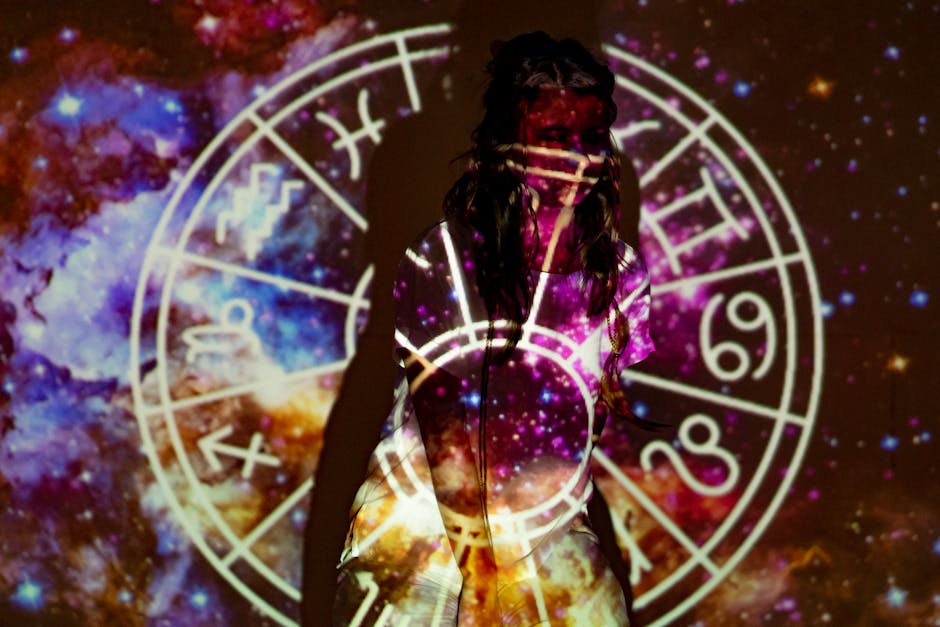
How to Astral Project During Sleep: 5 Steps, Supplements, and the History of Astral Travel
From ancient mystics to modern lucid dreamers, humans have long chased the art of leaving the body. Here’s how astral projection evolved through the ages — and how to approach it today with grounded techniques and safe sleep support.

Astral Projection Through the Ages
Long before modern neuroscience tried to decode out-of-body experiences, civilizations across the world documented journeys beyond the body. In ancient Egypt, the concept of the Ka — a vital essence that could roam freely — mirrored today’s understanding of the astral body. In India, yogic and Vedantic traditions described the sukshma sharira, or subtle body, capable of travel during meditation and sleep. Greek philosophers like Plato and Plotinus spoke of the soul’s capacity to transcend the senses, while shamanic cultures from Siberia to the Amazon ritualized astral travel for healing and divination.
By the early 20th century, Western esoteric movements such as Theosophy and Hermeticism reframed astral projection as a tool for spiritual evolution. Later, 1970s researchers and parapsychologists at institutions like the Monroe Institute began experimenting with sound frequencies (binaural beats) to induce the state more reliably.
Today, interest in astral projection blends ancient wisdom and scientific curiosity. Many practitioners view it less as escaping the body and more as exploring consciousness itself — a bridge between psychology, spirituality, and sleep science.
Five Simple Steps for Conscious Astral Projection
- Go to bed after a period of wakeful relaxation or meditation.
- Wake up after 4–6 hours of sleep, stay up briefly, then return to bed (the wake-back-to-bed method).
- Focus on steady breathing and allow your body to drift toward sleep while keeping awareness anchored.
- Visualize your astral self gently rising or rolling away from your physical form.
- Once separation occurs, stay calm. Explore with curiosity, not control.
Recommended Supplements and Relaxation Aids
These are not shortcuts — they simply help create the calm, sustained awareness needed for astral work. Use only if cleared by your doctor.
1. Magnesium Glycinate
Magnesium supports GABA activity, promoting relaxation and smoother sleep onset. Look for elemental magnesium glycinate (100–200 mg) 30–60 minutes before bed. Avoid cheap oxide versions, which can cause stomach upset. Find a quality pick here.
2. L-Theanine
This green tea amino acid supports alpha brainwave activity, which aligns with meditative calm. Dosage: 100–200 mg with or after dinner. It pairs well with magnesium for gentle relaxation. See Yawnder’s preferred option.
3. Herbal Dream Aids
- Mugwort — traditional dream herb; may enhance vivid imagery. Avoid in pregnancy.
- Blue Lotus — mild sedative historically used for dream exploration.
- Galantamine — used occasionally in lucid-dream protocols; only under medical supervision.
Yawnder is reader-supported. When you buy through our links, we may earn a small commission at no additional cost to you.
Comparing Methods & Support Tools
| Method / Aid | Purpose | Timing | Pros | Cons |
|---|---|---|---|---|
| WBTB + Rope Visualization | Conscious entry into REM | Early morning | Drug-free; reliable framework | Needs patience and consistency |
| Progressive Relaxation | Reduce body tension | Before sleep | Improves overall rest | Subtle results |
| Magnesium Glycinate | Promotes calm | 30–60 min pre-sleep | Improves sleep quality | Possible mild GI upset |
| L-Theanine | Mind relaxation | Evening | Non-sedating calm | May be too mild alone |
| Mugwort / Blue Lotus | Enhance dream vividness | Night tea | May boost recall | Limited research |
Modern Science Perspective
Recent sleep and consciousness research continues to blur the boundary between astral experiences, lucid dreaming, and neurological phenomena. Studies from the University of Ottawa and Stanford’s Lucidity Lab show that during lucid dreams or out-of-body experiences, brain activity shifts toward high-frequency gamma bands in frontal regions—associated with metacognition, or awareness of awareness.
Neuroscientists point to the temporo-parietal junction (TPJ) as a key region for spatial and bodily orientation. Disruptions in TPJ processing can cause sensations of disembodiment, suggesting that what we call “astral travel” may involve how the brain models position and selfhood. Yet, from a subjective standpoint, these experiences often feel profoundly real and transformative—supporting the view that perception, meaning, and consciousness are inseparable.
Psychologists studying lucid dream training have found overlaps in methods: wake-back-to-bed cycles, reality checks, and mindfulness all heighten metacognitive awareness during REM sleep. Whether one interprets this as spirit travel or refined dreaming, both pathways share the same foundation: calm nervous systems, disciplined attention, and respect for the mystery of sleep.
In short, the frontier lies not in proving or disproving astral projection but in understanding consciousness itself—how awareness persists, and what happens when we learn to witness it without the body in motion.
Final Thoughts
Astral projection has fascinated minds for millennia, blending ancient mysticism with modern self-exploration. Whether you treat it as spiritual travel, lucid dreaming, or a metaphor for consciousness expansion, the process remains the same: calm focus, clear intent, and deep rest. Start small, stay grounded, and remember — sleep is sacred, even when you’re reaching beyond it.