
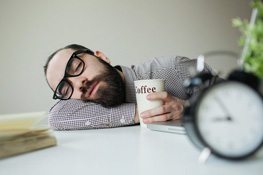
Microsleep is a brief, unintended episode of sleep, lasting from a fraction of a second to two minutes, that often occurs without the person's awareness. It is most common in sleep-deprived individuals, those with sleep disorders like insomnia or sleep apnea, or people engaged in monotonous tasks. This phenomenon is distinct from a power nap and can be dangerous, especially when driving.
| Price | Not listed |
|---|---|
| Firmness | Not listed |
| Type | Not listed |
| Best for | Not listed |
| Trial / Warranty | Not listed |
| Yawnder verdict | Informative sleep health article · 4.8/5 |
- Sleep apnea, where the individual does not get proper sleep at night because of irregular breathing. Even though people with sleep apnea may get enough hours of sleep, the quality of sleep is affected because of frequent waking up. People with this disorder are at a high risk of microsleep, and also happen to be involved in the highest number of drowsy driving cases.
- Excessive daytime sleepiness, where the individual is sleep deprived because of insomnia and struggles to stay awake during the day. This is a well recognized symptom of insomnia.
- Feel excessively sleepy.
- Have difficulty keeping your eyes open.
- Find your eyelids drooping or closing, have a blank expression, or have to blink to keep your eyes open.
- Have difficulty following directions.
- Yawn a lot.
- Have a foggy memory.
- Feel irritable or moody.
- Have difficulty driving on track and keep drifting to the side.
- Experience head jerks that wake you up.
- Avoid driving or working with hazardous machinery when you are sleepy.
- Before setting out for a long drive, make sure you get some sleep to avoid feeling drowsy on the road.
- Travel with a companion or play upbeat music to remain alert on the road.
- In a class or office, fidgeting quietly, engaging in productive conversation and taking breaks to walk around are some of the ways to drive away sleepiness.
- Get sufficient sleep every night, and consult a doctor to rule out sleep disorders.
Frequently Asked Questions About What is Micro Sleep and is it Good for You?
What exactly is microsleep?
Microsleep is a brief, unintended period of losing attention, often seen as blank stares or closed eyes while someone is trying to stay awake during a monotonous task. It can last from a fraction of a second to two minutes and often occurs without the person realizing it. This phenomenon is common when a person is tired but attempting to perform normal activities.
Is microsleep good for you?
No, microsleep is not good for you and is distinctly different from a power nap. It is an involuntary and often dangerous occurrence, frequently linked to mishaps like road accidents due to the temporary loss of awareness. The article highlights that it's a sign of sleep deprivation, not a beneficial form of rest.
How does microsleep compare to a power nap?
Microsleep is fundamentally different from a power nap, as it is an unintentional and often dangerous episode of sleep lasting a few seconds to two minutes, where the person is unaware they have dozed off. A power nap, however, is a deliberate and controlled short period of sleep taken to boost alertness and performance. One is a symptom of sleep deprivation, while the other is a intentional restorative practice.
Who is most at risk for experiencing microsleep?
Individuals who are sleep deprived, work odd hours, or suffer from sleep disorders like insomnia or sleep apnea are most at risk for microsleep. People engaged in monotonous tasks for long periods are also susceptible. The risk increases with accumulating sleep debt, making adequate sleep crucial for prevention.
What causes microsleep?
Microsleep is primarily caused by sleep deprivation, but it can also occur during monotonous activities or in individuals with undiagnosed sleep disorders. During these episodes, parts of the brain may fall asleep while others remain awake, leading to selective inattention. Addressing underlying sleep issues can help mitigate these occurrences.
Where in San Diego can I learn more about sleep health to prevent issues like microsleep?
You can visit the Yawnder showroom in Encinitas, CA, to discuss sleep health and explore mattress options that could improve your sleep quality. While we focus on mattresses, our experts can provide insights into maintaining good sleep hygiene, which is crucial for preventing sleep deprivation and microsleep. Our hands-on testing of various sleep products aims to help customers find solutions for a more restful night.
Want to test this in person? Visit our Encinitas showroom or call 858-232-5760.