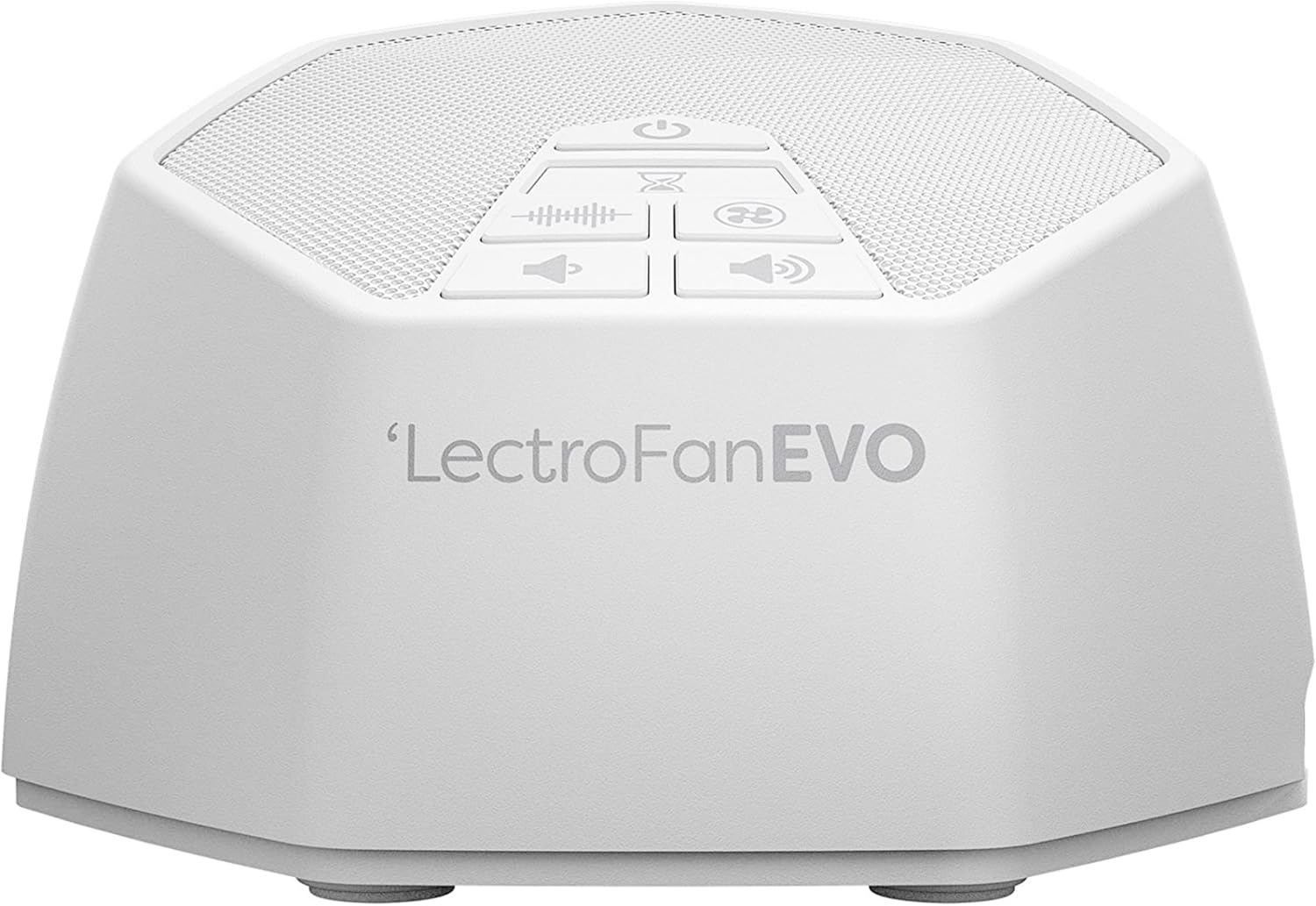
Best White Noise Machines for Sleep

White noise machine reviews
Bottom line

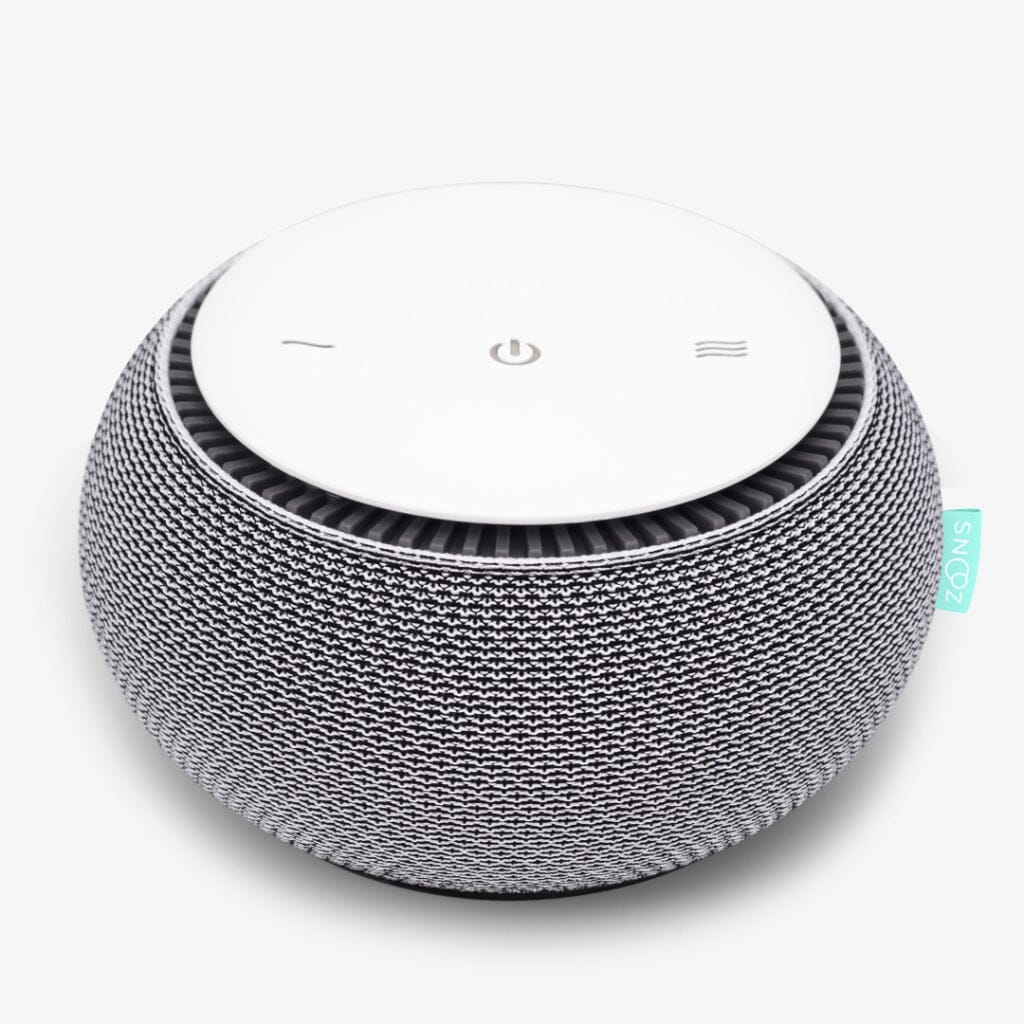
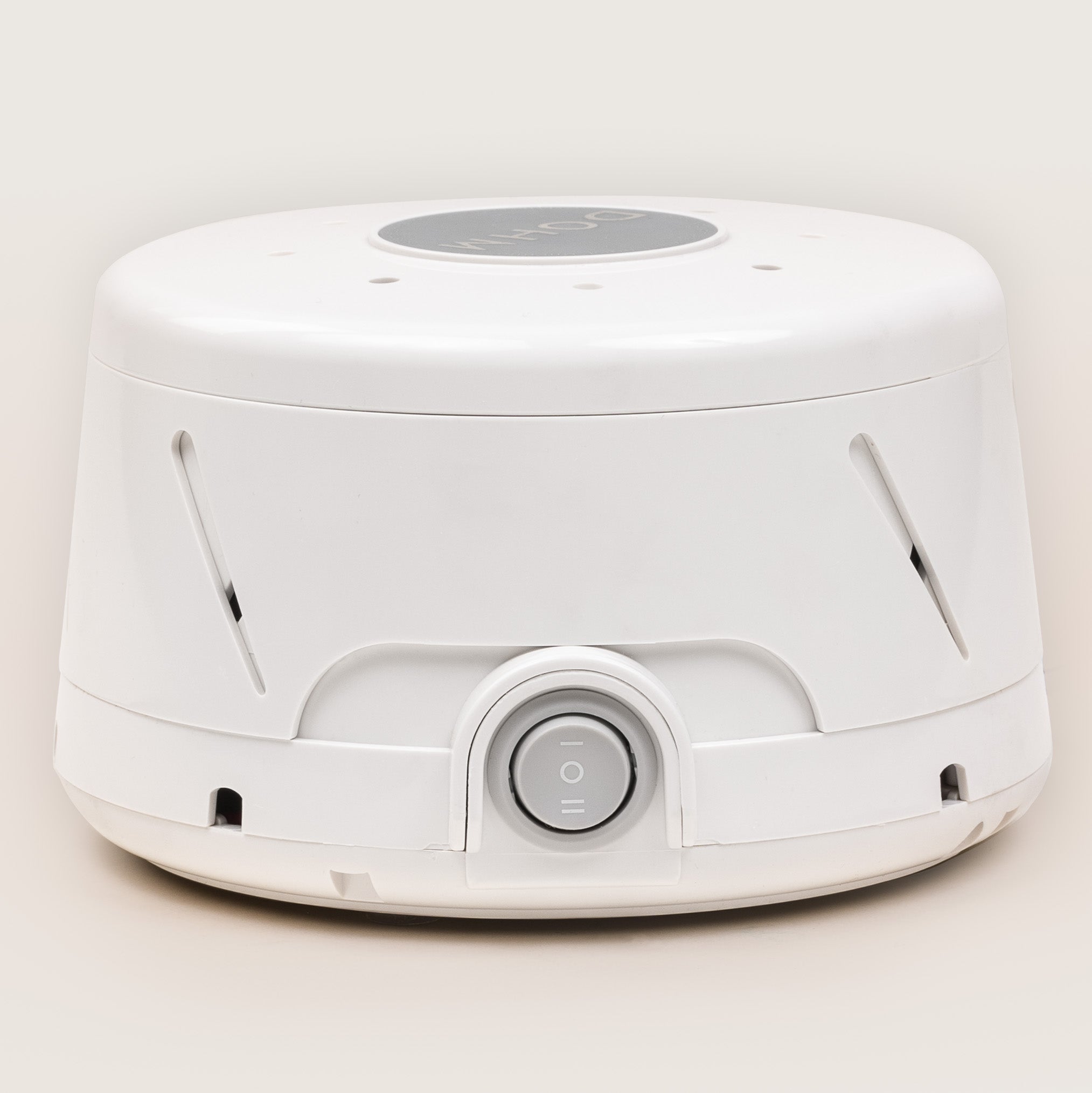
White noise machines create a soothing auditory environment to mask disruptive noises, improving sleep quality for many. They are ideal for urban dwellers, light sleepers, and frequent travelers seeking undisturbed rest, and offer a natural alternative to sleep aids. While beneficial, users should remain aware of their surroundings to ensure safety.

Quick Facts · Best White Noise Machines for Sleep
PriceNot listed
FirmnessNot listed
TypeWhite noise machines (sound masking devices)
Best forUrban dwellers, light sleepers, frequent travelers, individuals in noisy environments
Trial / WarrantyNot listed
Yawnder verdictEssential for noise reduction and sleep improvement · 4.8/5

Frequently Asked Questions About Best White Noise Machines for Sleep

Is a white noise machine worth it for improving sleep?

Yes, a white noise machine is worth it for improving sleep, especially if you are frequently disturbed by environmental noises. These devices mask disruptive sounds like traffic or noisy neighbors, helping you fall asleep and stay asleep more easily. Our article highlights how many adults now embrace this sleep aid to combat disturbances.

Who is a white noise machine best for?

A white noise machine is best for urban dwellers, individuals in noisy environments, and frequent travelers who struggle with sleep due to environmental distractions. It is also beneficial for anyone seeking a peaceful night's sleep by minimizing the impact of disruptive sounds, as experienced by many in our San Diego community.

How does white noise compare to earplugs for sleep?

White noise machines actively mask disruptive sounds with soothing, repetitive audio, whereas earplugs primarily block sound mechanically. While earplugs can be effective, white noise can create a more pleasant and consistent sound environment, making it easier for some to relax and drift off without feeling completely isolated.

What are the downsides of using a white noise machine?

One potential downside is that some users might become dependent on the machine to sleep, finding it harder to rest in silence. Another consideration is that not all white noise types appeal to everyone, so finding the right sound and volume setting often requires some experimentation.

Is a white noise machine good for someone who shares a room?

Yes, a white noise machine can be good for someone who shares a room, especially models that offer headphone use. This feature allows the user to benefit from the masking effects without disturbing their co-sleeper, a solution often sought by our customers in Encinitas.

Where can I try different white noise machines in person?

While our San Diego showroom primarily focuses on mattresses, we can offer insights into sleep accessories that complement a quality sleep environment. Although we don't have white noise machines for direct testing, many electronics retailers and specialty sleep stores allow customers to experience various models firsthand.

Want to test this in person? Visit our Encinitas showroom or call 858-232-5760.

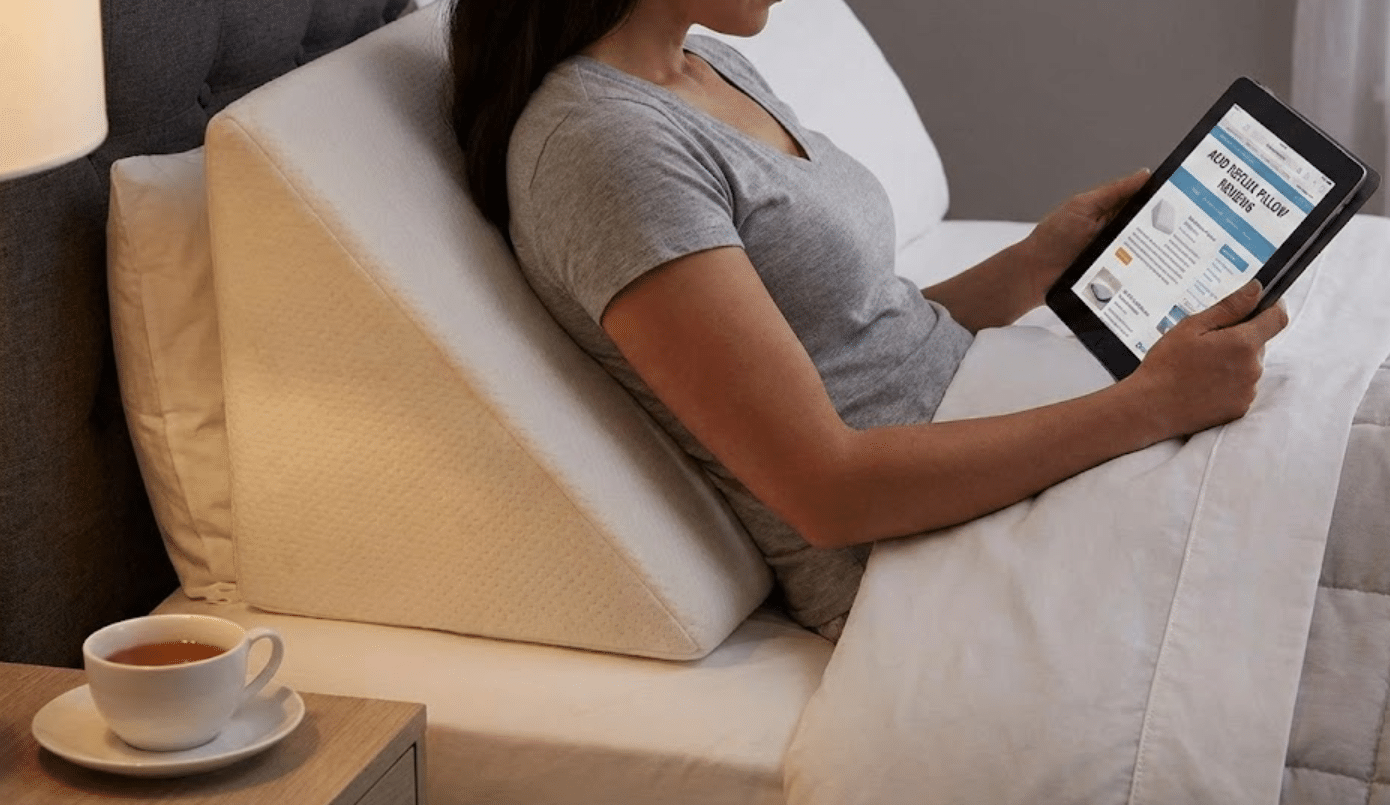
Best Wedge Pillows for Acid Reflux & GERD Relief

acid reflux pillow reviews
Bottom line

Wedge pillows are an effective, gravity-based solution for acid reflux by elevating the torso to prevent stomach acid from entering the esophagus. They are ideal for individuals experiencing GERD symptoms and those who prefer not to invest in an adjustable bed frame. This mechanical fix offers immediate relief without medication.

Quick Facts · Best Wedge Pillows for Acid Reflux & GERD Relief
PriceNot listed
FirmnessNot listed
TypeOrthopedic wedge pillow
Best forAcid reflux, GERD, and sleep disruption due to heartburn
Trial / WarrantyNot listed
Yawnder verdictEssential for acid reflux relief · 4.8/5

The Midnight Burn: Why Acid Reflux Ruining Your Sleep

It’s your best friend’s birthday. You finally head to that new Italian spot in Encinitas you’ve been eyeing. You dine with mindless abandon—garlic pasta, spicy sausage, and plenty of red wine. You return home fully sated, ready for a coma-like sleep. But the moment you lie flat, it hits you like a freight train.

Acid reflux.

I’ve been there. As someone who obsessively tracks my heart health and HRV (Heart Rate Variability), I can tell you that nothing tanks your recovery score faster than a night spent fighting your own stomach. We’ve all been in that situation—gobbling down food and washing it down with alcohol, only to spend the night pacing the floor.

Acid reflux isn't just "uncomfortable." It’s a sleep killer. And if you aren't sleeping, you aren't recovering. While I usually advocate for adjustable bases here at our showroom (1441 Encinitas Blvd—come say hi), I know not everyone is ready to drop cash on a new frame. That’s where the humble wedge pillow comes in.

The Yawnder Verdict: Elevation is Key

If you want straight talk: Gravity is the only free cure for acid reflux. When you lie flat, the gate between your stomach and esophagus (the LES) fails, and acid spills out. Elevating your torso is a mechanical fix that works instantly. Don't just stack normal pillows—that kinks your neck and airway. You need a dedicated wedge or an adjustable base.

What Is Acid Reflux (GERD)?

Before we talk gear, let's talk biology. Gastroesophageal reflux disease (GERD) is characterized by a burning sensation in the throat or chest. It happens when the lower esophageal sphincter is weak or relaxed when it shouldn't be.

The Mechanics: It is often caused by a hiatal hernia, where part of the stomach pushes up above the diaphragm. When you eat, the diaphragm muscle relaxes to let food down. In people with GERD, it doesn't tighten back up, allowing stomach contents to reverse course. This causes:

  • Indigestion and bloating
  • Heartburn and chest pain
  • A sour taste in the mouth
About 60% of Americans deal with this annually. It’s a massive issue that requires more than just popping Tums.

Do Wedge Pillows Actually Work for GERD?

Yes, and here is why. While antacids neutralize the acid already there, they don't stop the flow. Elevation stops the flow.

Studies confirm that elevating the head and torso prevents stomach contents from traveling up the esophagus. But—and this is critical—you cannot just stack standard pillows. That creates a "C" shape in your spine, increasing abdominal pressure (which makes reflux worse) and straining your neck. You need a linear incline of 6 to 8 inches to keep the acid down without wrecking your back.

Top 5 Best Wedge Pillows for Acid Reflux (2026)

As the team behind the "Best Mattress Store" in San Diego, we look for support, material quality, and durability. Here are the top contenders.

1. MedCline Reflux Relief System

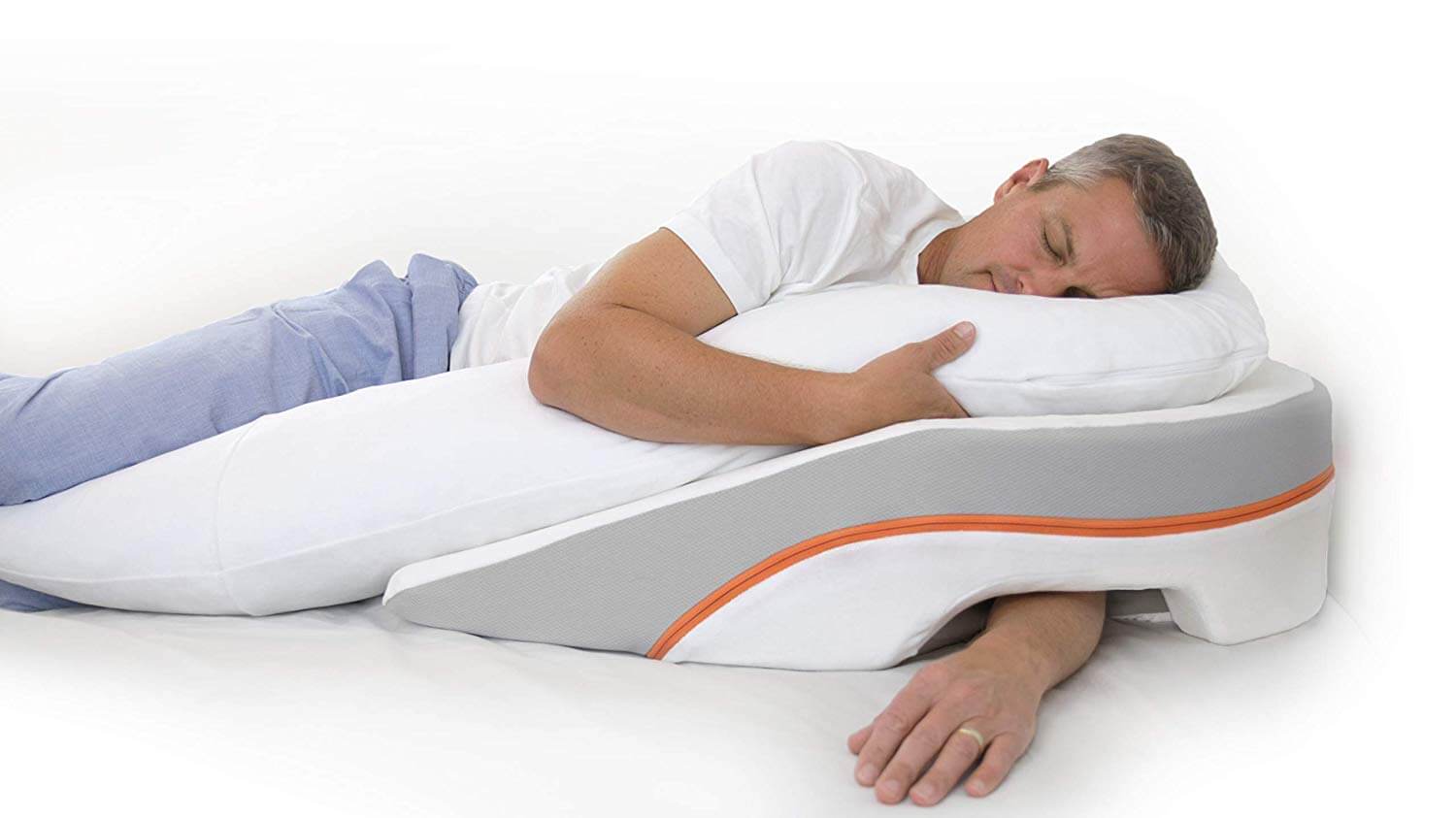
MedCline Reflux Relief System for GERD and Side Sleepers

Best for: Side Sleepers & Serious GERD

This isn't just a pillow; it's a medical device. It uses a patented arm pocket to allow you to sleep on your left side (the clinically preferred side for digestion) without crushing your shoulder. It helps with snoring too. It’s expensive, but it works.

Check Price

2. FitPlus Premium Wedge

Best for: Value & Simplicity

A solid entry-level option. It features a polyurethane foam base with a 1.5-inch memory foam topper. It gives you a 7.5-inch incline which is the sweet spot for keeping acid down without feeling like you're standing up.

Check Price

3. MedSlant Wedge Pillow

Best for: Active Sleepers

Most wedges are too narrow (24 inches). The MedSlant is 28 inches wide—half the width of a Queen bed. If you move around a lot, this prevents you from rolling off the "cliff" in the middle of the night. Zero off-gassing and made in the USA.

Check Price

4. Xtra-Comfort Bed Wedge

Best for: Versatility

This is a folding wedge that can go up to 12 inches high. Warning: 12 inches is too high for sleeping (your neck will hate you), but it’s great for reading or watching TV before you slide it down to sleep mode.

Check Price

5. Xtreme Comforts Bamboo Wedge

Best for: Hot Sleepers

A 7-inch incline with a bamboo cover. Bamboo is naturally breathable, which helps if you tend to sleep hot. It uses a 30-degree angle which is steep, but effective for severe apnea.

Check Price

Quick Comparison Data

Model Height (Incline) Material Standout Feature
MedCline System (Adjustable) Medical Grade Foam Arm pocket for side sleeping
FitPlus 7.5" Poly + Memory Foam 1.5" comfort layer on top
MedSlant 7" Soy-Polyurethane Extra Wide (28")
Xtra-Comfort Adjustable (up to 12") Memory Foam Foldable design
Xtreme Comforts 7" Bamboo Cover Breathable Cooling

Ben's Tips for Managing Nighttime GERD

A pillow is a tool, but you need to fix the habits too if you want to protect your sleep quality (and your esophagus).

  • The 2-Hour Rule: Stop eating and drinking 2 hours before bed. Period. This gives your stomach time to empty before you lie horizontal.
  • Left Side is Best: Sleeping on your right side relaxes the LES muscle, letting acid slip through. If you aren't naturally a side sleeper, a wedge can help lock you in.
  • Watch the Triggers: You know the list—caffeine, spicy food, alcohol, garlic. If you indulge, prioritize the incline that night.
  • Weight Management: Abdominal pressure pushes acid up. Even losing a few pounds (or not eating a heavy meal late) can relieve that pressure significantly.
  • Adjustable Bases: If you are tired of building a pillow fort, look into an adjustable base. We sell them at Yawnder because they are the ultimate lifestyle hack—press a button, lift the head, and say goodbye to heartburn.

Frequently Asked Questions About Best Wedge Pillows for Acid Reflux & GERD Relief

Is a wedge pillow worth it for acid reflux relief?

Yes, a wedge pillow is worth it for acid reflux relief because it uses gravity to prevent stomach acid from flowing back into the esophagus. Elevating your torso with a dedicated wedge provides a mechanical fix that works instantly, unlike stacking regular pillows which can kink your neck and airway.

Who is a wedge pillow best for if I have GERD?

A wedge pillow is best for individuals experiencing acid reflux or GERD symptoms, especially those who find their symptoms worsen when lying flat. It is also an excellent option for those not ready to invest in an adjustable bed frame but still need effective elevation for relief.

How does a wedge pillow compare to an adjustable base for acid reflux?

A wedge pillow provides targeted elevation to the torso, similar to an adjustable base, but offers a more budget-friendly and portable solution. While adjustable bases offer broader customization for various sleeping positions and health needs, a wedge pillow focuses specifically on using gravity to combat reflux.

What are the downsides of using a wedge pillow for acid reflux?

One potential downside of using a wedge pillow is that it might take some adjustment to get comfortable with the new sleeping angle. Additionally, a wedge pillow primarily elevates the torso, so it does not offer the full range of adjustability or features found in an adjustable bed frame.

Is a wedge pillow good for side sleepers with acid reflux?

Yes, a wedge pillow can be good for side sleepers with acid reflux, as it helps maintain an elevated position which is crucial for preventing reflux. While primarily designed for back sleeping, side sleepers can often adapt and still benefit from the elevated torso support it provides.

Where can I try a wedge pillow in person for acid reflux?

You can explore options and learn more about solutions for acid reflux at our Yawnder showroom located at 1441 Encinitas Blvd in Encinitas, CA. While the article highlights adjustable bases, our team can guide you on the best elevation products, including wedge pillows, to meet your needs.

Want to test this in person? Visit our Encinitas showroom or call 858-232-5760.

How to Get Rid of Bed Bugs Fast

Bug proofing your bed
Bottom line

To effectively get rid of bed bugs, start by stripping and washing all bedding in hot water. Dispose of pillows, vacuum the mattress thoroughly, and consider replacing the mattress entirely. If keeping it, encase the mattress, treat the bed frame, and use interceptor cups.

Quick Facts · How to Get Rid of Bed Bugs Fast
PriceNot listed
FirmnessNot listed
TypeNot listed
Best forThose dealing with bed bug infestations
Trial / WarrantyNot listed
Yawnder verdictComprehensive guide for bed bug eradication · 4.8/5

Frequently Asked Questions About How to Get Rid of Bed Bugs Fast

Is it really necessary to replace my mattress if I have bed bugs?

While replacing your mattress offers ultimate peace of mind and eliminates lingering risks, it's not strictly necessary if other methods are used diligently. You can effectively bug-proof your existing mattress with a specialized cover and thorough cleaning.

How can I effectively clean my bedding if I suspect bed bugs?

To effectively clean your bedding, strip all sheets and coverings, place them in a tightly sealed garbage bag, and wash them in hot water. High heat is crucial for killing both bed bugs and their eggs.

What are the first steps I should take if I discover bed bugs in my home?

The immediate first steps involve preparing your bedding by washing it in hot water and meticulously vacuuming your mattress, disposing of the vacuum bag outside. Swift action is essential to prevent the infestation from spreading.

Are bed bug infestations a sign of an unclean home?

No, bed bug infestations are not necessarily a sign of an unclean home, as these pests can hitch a ride on clothing or luggage from anywhere. Their presence simply indicates an infestation that needs to be addressed.

How can I prevent bed bugs from returning after an initial clear-out?

To prevent bed bugs from returning, ensure any kept mattress is encased in a bed bug-proof cover for at least a year, addressing the bed frame, and being vigilant about checking second-hand furniture or luggage after travel. Our Yawnder showroom in Encinitas, CA provides insight into mattress encasements that can help.

Where can I find bed bug-proof mattress covers that have been tested for effectiveness?

While the article suggests that bed bug-proof covers are effective, you can visit local retailers like Yawnder in Encinitas, CA to discuss options for mattress protection and learn more about effective encasements. Our local San Diego store provides expert advice on sleep essentials.

Want to test this in person? Visit our Encinitas showroom or call 858-232-5760.

Sleep Paralysis: Must-Have Insights on This Risky Condition

Infographic Sleep Paralysis Decoded
Bottom line

Sleep paralysis is a temporary state where awareness returns before the body fully awakens, leading to an inability to move or speak. It primarily affects individuals with irregular sleep patterns, sleep deprivation, or certain mental health disorders. While terrifying, managing sleep hygiene and understanding its temporary nature can help reduce episodes.

Quick Facts · Sleep Paralysis: Must-Have Insights on This Risky Condition
PriceNot listed
FirmnessNot listed
TypeNot listed
Best forIndividuals seeking to understand and manage sleep paralysis
Trial / WarrantyNot listed
Yawnder verdictEssential insights for a common sleep phenomenon · 4.8/5

Sleep is one of the most mysterious phenomena in living beings, and it has intrigued since the dawn of civilization. Although science has been able to understand much of the processes in living beings, sleep is still mostly a mystery. Much of this is because we aren’t conscious when sleep happens and it’s impossible to tell what happened while we were sleeping after we wake up. For years, scientists have been studying sleep and associated phenomenons like sleep paralysis and have also managed to figure out a lot about what happens in the brain and the body when a person is asleep. However, some aspects of sleep are yet to be demystified, and one of them is the REM stage.

The final of the four stages of sleep is called the Rapid Eye Movement stage because the brain is active in this phase and the eyes move rapidly behind closed eyelids. Many interesting things happen during this stage. Dreams, for instance, have intrigued both scientists and the common man for the longest time, and they happen during the REM phase. When dreams happen, the brain is active, but the body is still inactive, in a state of paralysis, to prevent it from acting out the dreams. Another mysterious phenomenon is linked to the REM stage, and this is sleep paralysis.

Decoding Sleep Paralysis?

Have you ever woken up from sleep, only to find that you couldn’t move or talk or get out of bed for a few moments? That’s what is sleep paralysis. In ancient times, it was linked to supernatural creatures.  When the episode occurs, everyone thought that is supernatural creature had possessed him. This made sleep paralysis a very scary phenomenon for everyone.

The condition was also termed a type of nightmare. But after a lot of scientific research, it is now known that the condition is nothing but being mentally aware while still asleep. This can happen either during falling asleep or waking up. The REM stage is the most complicated phenomenon associated with sleep, mainly because the brain becomes active and is conscious enough to experience life-like visions in the form of dreams, but the body is still inactive. Although the cause of sleep paralysis has been learned, the reason behind it still remains unclear.

What Causes Sleep Paralysis?

Although science is still unsure about the exact cause of sleep paralysis, global folklore has had explanations for centuries. These include visits from supernatural beings like ghosts, witches, and demons. In recent cases in the US, sleep paralysis has also been called “alien abductions.”

These associations to supernatural activity make sense because during sleep paralysis many people experience pressure on the chest, the feeling of being secretly watched by an intruder, and other hallucinations. However, none of these actually happen. These are only sensory perceptions because the brain is still in the REM phase and the body is inactive. This means the person has woken up when he is not supposed to be awake.

Because sleep paralysis is a complex phenomenon, it has been widely studied by scientists. The most common cause is waking up in the middle of REM stage sleep. When a person wakes up when the REM stage is still active, he is able to see, hear and feel because the brain is awake, but is unable to move because the body has not yet come out of the REM stage. Although this sounds scary, it lasts only a few seconds because the body realizes that the brain is already awake and slowly begins to move again.

In the number of studies conducted over the years to find out more about sleep paralysis, the most common cause has been identified as sleep deprivation. When a person is deprived of the normal sleep cycle, he is more likely to wake up in the middle of the REM stage. Usually, we are supposed to wake up at the end of the REM stage, but if we don’t have a normal sleep cycle, the possibility of waking up in the middle of the REM stage increases. This is when sleep paralysis is most likely to happen.

Sleep paralysis is also common in narcolepsy patients, according to sleep experts at the Sleep-Wake Disorders Center at the Montefiore Health System, New York. Because narcolepsy is the result of a disrupted sleep cycle, sleep paralysis is more likely to happen, in combination with hallucinations. Napping also increases the possibility of sleep paralysis because it disrupts the natural sleep pattern. If you oversleep while napping, you may experience sleep paralysis.

Young age also is likely to be a cause behind sleep paralysis. The Mayo Clinic says that sleep paralysis is most common in the age range of 10 and 25. This means even children can be affected by this disorder and also get very frightened.

In people with anxiety disorder, post-traumatic stress disorder, or panic disorder, sleep paralysis is very likely, according to a 2017 report published by the National Institutes of Health. Since these emotional disorders result in nightmares and insomnia, they also increase the possibility of sleep paralysis.

According to a 2011 study by Pennsylvania State University, nearly eight percent of the general population experienced sleep paralysis. Among them, about 31 percent of people suffer from mental disorders such as depression, anxiety, or PTSD. Although this was a small study, it does go a long way in proving that mental disorders are associated with sleep paralysis to a certain extent. However, this doesn’t mean that every person with anxiety or PTSD will get sleep paralysis.

Genetics may also have a role to play in sleep paralysis. According to the findings of a 2015 sleep study involving 862 twins and siblings by the University of Sheffield, genetics could influence sleep paralysis is some people.  Although this study was also preliminary, the researchers added that it does provide a basic idea about the involvement of circadian rhythms in sleep paralysis.

Symptoms of Sleep Paralysis

Those who have experienced sleep paralysis find it to be scary. It almost seems like you were having a stroke, where your entire body was paralyzed, and you couldn’t move or speak. These are the most important symptoms of sleep paralysis. People are unable to move any part of their bodies or speak right after waking up or right when falling asleep. According to the Mayo Clinic, this can last a few seconds or up to a minute. Along with paralysis of the body, people may also experience tightness or pressure on their chest, as well as a choking feeling.

Hallucinations are also not uncommon during an episode of sleep paralysis. This is because the brain is still in a dream-state and hasn’t fully woken up. These visions or hallucinations can be an extension of an ongoing dream. Aside from these, there are no other symptoms of sleep paralysis. The person is awake and aware during sleep paralysis episodes and can later recount the experience.

Sleep Paralysis Prevention and Treatment sleep paralysis treatment

There are no short or long term effects of sleep paralysis. Hence, there is no treatment for it. What can be treated is an underlying cause that could be contributing to sleep paralysis. Rather than treatment, this is an effort to prevent sleep paralysis.

Sleep experts suggest that medical help is not required after only one rare episode of sleep paralysis. What is important is to check your sleep hygiene. Often, sleep paralysis is a sign of sleep deprivation.  If you have experienced sleep paralysis only once or twice, you should make sure to get enough sleep daily, limit caffeine, alcohol, nicotine and all other drugs, and stop using electronics at bedtime.

Medical help might be needed to treat underlying causes if the above doesn’t help and sleep paralysis episodes keep becoming more frequent. A sleep specialist is a person to see if you have recurrent sleep paralysis episodes.

Although sleep paralysis is not dangerous, if you experience extreme episodes, you may be prescribed a short course of antidepressants. This helps to treat any underlying stress or mental disorder that might be the reason.

Sleep experts suggest that during a sleep paralysis episode, it is important to remain calm and keep telling yourself that it will soon pass. There’s not much else that you can do. No one has ever remained in a sleep paralysis forever, so it’s important to understand that it’s only temporary and pass very soon. However, this is possible only when you’ve experienced an episode or two before. The first time, such episodes can really be frightening.

Risk Factors of Sleep Paralysis

Sleep paralysis is a fairly common phenomenon and can affect anyone in any age group. It is most likely to begin between age 14 and 17 years and decreases after the age of 30. A person is more likely to experience it if there someone in the family with the disorder.

Some of the risk factors are:

  • Bipolar disorder
  • Anxiety, depression or PTSD
  • Sleeping on your back
  • Excessive stress
  • The use of certain medications

Interesting Facts About Sleep Paralysis

In the past, before science could explain everything, it used to be believed that ghosts and demons caused sleep paralysis by pinning people down by sitting on their chest. However, these visions were mere hallucinations, a common symptom of sleep paralysis. In fact, most people who report seeing apparitions actually had sleep paralysis.

People also use different methods to shake themselves out of the episode. Some wiggle their toes while others cough. However, it isn’t possible to wake oneself up from an episode of sleep paralysis, until it passes.

If you, or someone you know has episodes of sleep paralysis, share the following infographic. It lucidly explains what sleep paralysis is, what causes it, and finally how to treat sleep paralysis.

Frequently Asked Questions About Sleep Paralysis: Must-Have Insights on This Risky Condition

What are the downsides of experiencing sleep paralysis?

The primary downside of sleep paralysis is the temporary inability to move or speak, which can be a terrifying experience for sufferers. Episodes often involve sensations of chest pressure, choking, and vivid hallucinations, blurring the lines between reality and dreams. These experiences can lead to significant fear and distress, even though they are typically brief.

Who is sleep paralysis most likely to affect?

Sleep paralysis is most likely to affect individuals who experience irregular sleep patterns, those with narcolepsy, and people who sleep on their backs. It is also linked to mental health disorders like anxiety and PTSD, with roughly 31% of affected individuals reporting such challenges. Waking during the REM sleep phase is a common trigger.

Is sleep paralysis a sign of a serious underlying health condition?

While sleep paralysis itself is not typically a sign of a serious underlying health condition, it is often associated with sleep deprivation and certain predispositions. Disruptions in sleep cycles, common in those with irregular sleep patterns, increase the likelihood of experiencing this condition. It can also be a symptom related to narcolepsy or heightened anxiety levels.

How does sleep paralysis compare to a nightmare?

Sleep paralysis differs from a nightmare because individuals are fully conscious during an episode, even though they cannot move. During a nightmare, a person is still asleep and often unaware they are dreaming until they wake up. With sleep paralysis, the brain is awake but the body is still in a dream-like state, leading to a unique blend of awareness and immobilization.

Is sleep paralysis good for anything?

Sleep paralysis is not considered beneficial; instead, it is a disconcerting phenomenon where awareness returns before the body has fully awakened. It can be a frightening and disorienting experience, often accompanied by chest pressure or hallucinations. The focus is typically on prevention and management rather than finding any positive aspects.

Where can I learn more about healthy sleep habits to prevent sleep paralysis?

You can learn more about healthy sleep habits to prevent sleep paralysis by focusing on good sleep hygiene, which is critical for prevention. Establishing regular sleep patterns and avoiding sleep deprivation are key methods discussed in the provided article. While Yawnder's showroom in Encinitas, CA, specializes in mattresses, their focus on quality sleep environments can contribute to better sleep hygiene overall.

Want to test this in person? Visit our Encinitas showroom or call 858-232-5760.

How to Use Melatonin for Sleep

How Long Does Melatonin Last
Bottom line

Melatonin's effects generally last from one to seven hours, depending on the dosage. It is best for occasional sleeplessness and those seeking a natural sleep aid, but individuals with chronic insomnia should exercise caution. While effective for short-term use, long-term reliance may hinder natural melatonin production.

Quick Facts · How to Use Melatonin for Sleep
PriceNot listed
FirmnessNot listed
TypeNot listed
Best forOccasional sleepless nights, short-term sleep aid
Trial / WarrantyNot listed
Yawnder verdictEffective natural sleep aid · 4.8/5

The growing popularity of melatonin may be due to several factors, including the increasing prevalence of sleep disorders, the rise of natural and alternative medicine, and the ease of access to melatonin supplements.

[Tagline]

With sleep disorders rising around the world with every passing day, people are more interested in sleep aids than ever. Sleep aids come in various forms. They come as liquids and as pills, and sometimes even as a supplement in the form of powder. To make sleep aids easily accessible, most of them are available over-the-counter and don’t even require a prescription. Sleep aids used to be an easy way for people to commit suicide, but modern sleeping pills no longer have the potential to kill. If you overdose on sleeping pills, you’re only going to sleep for a long time and in the worst case scenario get very sick.

Modern sleep aids also incorporate natural ingredients to help people sleep without resorting to chemicals always. Although sleep aids are not a cure for sleep disorders and should not be consumed on a regular basis, they are popular everywhere because they are a fast and easy means of falling and staying asleep. To make sleeping pills safer, there are now the kinds that are made of melatonin, the sleep hormone. Because melatonin is a natural part of our body, consuming melatonin sleep aids are believed to have fewer side effects than regular sleep aids.

But melatonin can also make it hard for you to wake up on time every morning if you don’t know when to time its consumption. In this post, we discuss melatonin production, melatonin sleep aids, and the right time to take it.

What Is Melatonin?

Like all bodily functions, sleep is also controlled by hormones. The hormone for alertness is serotonin, and the hormone for sleep is melatonin. While sunshine and bright lights aid in the production of serotonin, darkness aids in the production of melatonin. Melatonin is normally produced only after sundown.

But hormonal imbalances are common in every individual, and if your melatonin production is not normal, you are going to have sleep issues. Being exposed to bright lights also hinders melatonin production and makes it hard for sleep to come at night. Blue light is one of the worst enemies of melatonin production. If you are exposed to electronic devices most of the time, you are more at risk for suffering from sleep disorders. This is because the blue light emitted from backlit electronic devices significantly hinders melatonin production.

For a healthy sleep-wake cycle, the serotonin and melatonin productions should be in balance. Lack of melatonin causes sleep disorders like insomnia whereas a lack of serotonin causes depression and low energy. Melatonin is produced by the part of the brain called the hypothalamus.

Melatonin Sleep Aid

Sleep aids are known to have various side effects. This led to the development of sleep aids made with melatonin, a hormone that’s naturally present in our bodies. However, melatonin sleep aids aren’t a solution to low melatonin production. They only help you fall asleep by increasing the amount of melatonin in your brain. If you don’t take it, your melatonin levels will go back to their previous state.

Melatonin sleep aids usually come in the form of a pill and should be taken before bedtime. Melatonin supplements are available over-the-counter and don’t require prescriptions. Melatonin supplements are either pure or compounded and added to other products. Pure melatonin supplements are always available as pills or capsules, but when they are mixed to other products, they are also available as liquids or sprays.

Because melatonin supplements are very potent and fast-acting, they should be taken only before bedtime.

Melatonin Supplement Dosage

melatonin dosageGenerally, melatonin supplements are available as over-the-counter drugs in most pharmacies. But they don’t require a prescription, are not regulated by the FDA, and have no fixed dosage. The appropriate dosage is usually mentioned on the pack but can also be misleading in many cases.

Before taking a melatonin supplement, it is important to consult a healthcare practitioner for the right dosage. Melatonin is more potent and faster acting than most other sleep aids and should be used judiciously to avoid side effects. Unlike other sleep aids, even the lowest dose of melatonin has been found effective in treating sleep issues. You don’t always have to take the highest dose for the maximum effect. To be on the safe side, it’s best to start with the lowest dosage.

There have so far been no adverse effects reported from melatonin supplements. However, the timing is everything in taking melatonin supplements. More important than the dose is the time when you are taking the supplement.

 How Long Does Melatonin Last?

A lot of people new to melatonin supplements experience excessive sleepiness during the day after taking sleep aid at night. This is because of wrong timing.

The effects of melatonin last according to the dosage. A dosage of 0.5 mg will last only an hour while a 10 mg dosage will last more than seven hours. It all depends on how severe your condition. If you have infrequent episodes of sleeplessness, then a dosage of one or two milligrams should help you fall asleep. If you’re a chronic insomniac or suffer from the delayed onset of sleep, you need a dosage of 10mg or higher.

The effects of melatonin are also quick to go away. Taking higher doses isn’t the solution here. You simply have to time it right. If you simply want to get better sleep and don’t suffer from a sleep disorder, you should take the supplement no sooner than 30 minutes before going to bed. If you suffer from delayed sleep onset, you should take it at least an hour before going to bed.

If you have been diagnosed with a sleep disorder and also take other sleep aids, you should not start taking a melatonin supplement without consulting a doctor. Melatonin supplements are usually known to be safe and can also be given to children. However, dependence on any sleep aid isn’t recommended.

Although melatonin supplements are considered safer than most other sleep aids, they should be taken only if recommended by a doctor. Consuming the wrong supplements or medications can make your condition grow worse.

If you are looking for a sleep supplement that will keep you asleep, try Sleep Relief. It is biphasic which means different ingredients will kick in at different times so that you stay asleep all night and wake up well-rested. One drawback of this supplement is that the pills are a bit large so may be a turn off if you don’t like swallowing pills. Another option is Olly Sleep Gummies which are chewable and taste great. While they aren’t quite as strong as Sleep Relief, they have other natural ingredients that keep you asleep more than melatonin alone.

Melatonin Dosage Chart:

  • Children aged 0-5 years old: Consult with a doctor before giving melatonin to children in this age range.
  • Children aged 6-12 years old: 1-3 mg of melatonin per day.
  • Adults aged 13 years and above: 3-10 mg of melatonin per day.

It’s important to note that the ideal dosage of melatonin can vary depending on a person’s individual needs, so it’s best to consult with a doctor before taking melatonin or any other supplements. Additionally, melatonin should only be taken for a short-term period to help with sleep issues, and not as a long-term solution.

Can You Overdose on Melatonin?

Yes, it is possible to overdose on melatonin. Taking too much melatonin can lead to several side effects, including:

  • Headaches
  • Dizziness
  • Nausea
  • Irritability
  • Daytime sleepiness
  • Confusion
  • Hormonal fluctuations

In rare cases, extremely high doses of melatonin can lead to more serious symptoms, such as seizures or a decreased ability to regulate body temperature.

It’s important to follow the recommended dosage guidelines and to not exceed the recommended dose without consulting a doctor first. If you experience any negative side effects after taking melatonin, it’s important to stop taking it and seek medical attention if necessary.

Is it OK To Take Every Night?

Melatonin is generally safe for short-term use, but it’s not recommended to take it every night on a long-term basis. This is because your body may become dependent on melatonin to fall asleep, which can make it difficult to sleep without it. Additionally, taking melatonin every night can cause your body to stop producing its own melatonin naturally, which can further disrupt your sleep cycle.

It’s best to use melatonin for short-term periods to help with sleep issues, such as jet lag or occasional insomnia. If you’re experiencing ongoing sleep issues, it’s important to address the underlying causes with the help of a healthcare professional, rather than relying on melatonin as a long-term solution.

Can I Take Melatonin After Drinking?

It is not recommended to take melatonin if you have been drinking alcohol. Alcohol can interfere with the way melatonin is metabolized in the body, which can affect its effectiveness and potentially cause negative side effects.

Additionally, combining melatonin with alcohol can increase the sedative effects of both substances, which can lead to excessive drowsiness, dizziness, and impaired coordination. This can be dangerous, especially if you’re planning to drive or operate heavy machinery.

If you have been drinking and are experiencing sleep issues, it’s best to avoid taking melatonin and instead, try other methods to promote sleep, such as relaxation techniques or a warm bath before bed. It’s important to give your body time to metabolize the alcohol before taking any supplements or medications.

Is Melatonin Addictive?

Melatonin is not considered addictive, as it doesn’t cause physical dependence or withdrawal symptoms when you stop taking it. However, as mentioned earlier, your body can become dependent on melatonin to fall asleep if you take it every night for a long period of time. This can make it difficult to sleep without melatonin, but it’s not the same as addiction.

It’s important to use melatonin as directed and only for short-term periods to avoid developing a dependence on it.

Most Popular Brands of Melatonin

There are many different brands of melatonin available on the market, but some of the most popular ones include:

  1. Natrol Melatonin
  2. Nature Made Melatonin
  3. NOW Melatonin
  4. Source Naturals Melatonin
  5. Sundown Naturals Melatonin
  6. Life Extension Melatonin
  7. Solgar Melatonin
  8. Garden of Life Melatonin
  9. Puritan’s Pride Melatonin
  10. GNC Melatonin

It’s important to note that the quality and effectiveness of melatonin can vary depending on the brand and formulation, so it’s important to choose a reputable brand and to follow the recommended dosage guidelines.

Melatonin Alternatives

If you’re looking for alternatives to melatonin for sleep support, there are several options to consider. Here are some common alternatives:

  1. Valerian root: Valerian root is a natural herb that can help promote relaxation and improve sleep quality.

  2. Chamomile: Chamomile tea is a popular natural remedy for sleep issues, as it has calming and soothing properties that can help you relax.

  3. Lavender: Lavender essential oil is known for its calming effects and can be used in aromatherapy or as a natural sleep aid.

  4. Magnesium: Magnesium is a mineral that can help relax the body and mind, making it easier to fall asleep.

  5. L-theanine: L-theanine is an amino acid that can help reduce stress and promote relaxation, making it easier to fall asleep.

  6. 5-HTP: 5-HTP is a natural supplement that can help increase serotonin levels in the brain, which can improve mood and promote better sleep.

Why Do I Wake Up A Few Hours After Taking Melatonin?

There could be several reasons why you’re waking up a few hours after taking melatonin. Here are a few possibilities:

  1. Timing: Melatonin is most effective when taken about 30 minutes to an hour before bedtime. If you take melatonin too early or too late, it may wear off before you’re ready to wake up, leading to disrupted sleep.

  2. Dosage: Taking too much or too little melatonin can also disrupt your sleep. If you’re taking too little, it may not be enough to help you stay asleep, while taking too much can cause drowsiness the next day or interfere with your sleep cycle.

  3. Individual differences: Everyone’s body chemistry is different, so melatonin may work differently for different people. Some people may find that melatonin helps them fall asleep but doesn’t keep them asleep, while others may find that it has no effect on their sleep.

  4. Underlying issues: If you’re experiencing ongoing sleep issues, there may be underlying issues that need to be addressed. This could include stress, anxiety, or other medical conditions that are affecting your sleep.

How Do You Take Melatonin?

Melatonin is available in various forms, including pills, liquids, gummies, and even sprays. Whether a pill or liquid form is better for you may depend on personal preference and convenience.

Pills are a convenient and easy way to take melatonin, as they’re portable and don’t require any measuring or mixing. They’re also available in different strengths and formulations, making it easier to find the right dose for your needs.

Liquid melatonin, on the other hand, can be absorbed more quickly by the body, making it a good option for people who have difficulty swallowing pills or need faster-acting relief. It can also be easier to adjust the dosage of liquid melatonin as needed.

Ultimately, the choice between pill or liquid melatonin may come down to personal preference and convenience. It’s important to choose a reputable brand and to follow the recommended dosage guidelines for whichever form you choose. If you have any questions or concerns about taking melatonin, it’s best to consult with a healthcare professional.

Can Melatonin Help Prevent Covid?

There has been some research suggesting that melatonin may have potential in the treatment and prevention of COVID-19. COVID-19 is a viral respiratory illness caused by the SARS-CoV-2 virus that has resulted in a global pandemic.

One study published in the journal Life Sciences found that melatonin may be effective in reducing the severity of COVID-19 symptoms and preventing complications, particularly in elderly patients who are at higher risk of developing severe illness. The study suggests that melatonin may have immunomodulatory effects that can regulate the immune response to the virus and reduce inflammation.

Another study published in the journal Antioxidants found that melatonin can help protect against the oxidative stress and inflammation caused by COVID-19, which may contribute to the development of severe illness.

However, it’s important to note that more research is needed to fully understand the potential benefits of melatonin in the treatment and prevention of COVID-19.

Is it Illegal in Certain Countries?

The legal status of melatonin can vary depending on the country. In some countries, melatonin is available over-the-counter and is considered a dietary supplement, while in others it may be available only with a prescription or may be restricted or prohibited altogether.

For example, in the United States, melatonin is available over-the-counter and is considered a dietary supplement, which means it’s not regulated by the Food and Drug Administration (FDA) in the same way that prescription drugs are. However, in other countries like Canada, melatonin is only available with a prescription.

In some countries, like Australia and New Zealand, melatonin is classified as a prescription medicine and is only available with a doctor’s prescription.

It’s important to check the legal status of melatonin in your country before purchasing or using it, and to follow any applicable regulations or guidelines.

How Soon To Take Before Going to Bed?

Melatonin is typically taken about 30 minutes to an hour before bedtime. This allows enough time for the melatonin to be absorbed by the body and start working to promote sleep.

It’s important to follow the recommended dosage guidelines for melatonin and to take it at the same time each night to help regulate your sleep cycle. Taking melatonin earlier or later than the recommended time may not be as effective, and could potentially disrupt your sleep cycle.

Is it Safe to Buy on Amazon?

It is generally safe to buy melatonin from reputable online retailers like Amazon. However, it’s important to be cautious when purchasing any supplements online, as the quality and authenticity of the product can vary depending on the seller.

When purchasing melatonin or any other supplements from Amazon, it’s important to choose a reputable seller with positive reviews and to check the expiration date and ingredients list before making a purchase. It’s also a good idea to research the brand and manufacturer to ensure that they have a good reputation and follow safe manufacturing practices.

Additionally, it’s important to follow the recommended dosage guidelines and to not exceed the recommended dose without consulting a healthcare professional first.

Our Recommended Melatonin Brand:

Nature Made

Nature Made is a reputable brand of melatonin that is well-known for producing high-quality supplements. They offer a variety of melatonin products in different strengths and formulations, including tablets, gummies, and liquid softgels.

Nature Made is a trusted brand in the supplement industry and has a reputation for following strict manufacturing standards and using high-quality ingredients. They also undergo third-party testing to ensure the purity and potency of their products.

However, it’s important to note that individual experiences with melatonin can vary, and what works well for one person may not work as well for another.

Recent Research on Melatonin

Here are a few recent studies and current research on melatonin:

  1. Melatonin and COVID-19: A study published in the journal Life Sciences found that melatonin may have potential in the treatment and prevention of COVID-19 due to its ability to regulate the immune system and reduce inflammation.

  2. Melatonin and sleep quality: A systematic review and meta-analysis published in the journal Sleep Medicine Reviews found that melatonin can significantly improve sleep quality in people with insomnia, particularly in older adults.

  3. Melatonin and cancer: A study published in the journal BMC Cancer found that melatonin may have potential as an adjunct therapy for breast cancer, as it can enhance the effectiveness of chemotherapy and reduce the side effects.

  4. Melatonin and heart health: A review published in the journal Current Pharmaceutical Design found that melatonin may have potential in the prevention and treatment of cardiovascular diseases, as it has antioxidant and anti-inflammatory properties that can protect against oxidative stress and inflammation.

  5. Melatonin and fertility: A study published in the journal Reproductive Biology and Endocrinology found that melatonin can improve sperm quality and may have potential as a treatment for male infertility.

It’s important to note that while these studies suggest potential benefits of melatonin, more research is needed to fully understand its effects on different health conditions.

Frequently Asked Questions About How to Use Melatonin for Sleep

How long do the effects of melatonin typically last?

The duration of melatonin's effects generally depends on the dosage, with a 0.5 mg dose lasting about an hour and a 10 mg dose extending beyond seven hours. It is recommended to take melatonin 30 minutes to an hour before bedtime for optimal effectiveness. If you're near our San Diego mattress showroom in Encinitas, our sleep experts can further discuss sleep-aid timing and its impact on your rest.

Who is melatonin best for?

Melatonin is best for individuals experiencing occasional sleeplessness or those looking for a temporary aid to help them fall asleep. It is not a cure for underlying chronic sleep disorders but can be helpful when your natural sleep rhythm is disrupted, for instance, by blue light exposure. Our team at Yawnder has noted that many customers find it a useful, short-term solution for adjusting sleep schedules.

What are the downsides of using melatonin?

The primary downside of using melatonin is the potential for dependence, as nightly use might hinder your body's natural melatonin production over time. While generally safe for short-term use, relying on it consistently could worsen sleep problems in the long run. We often discuss with our San Diego customers the importance of natural sleep habits alongside any sleep aids.

Is melatonin good for people with chronic insomnia?

For chronic insomnia, a higher dose of melatonin may be necessary, but it's crucial to understand that it serves as a temporary aid rather than a cure. Consulting a healthcare professional for personalized advice is always recommended for persistent sleep issues. Our sleep specialists have heard from many shoppers in our Encinitas showroom that while melatonin can help, addressing the root cause of chronic insomnia is key.

What is the recommended dosage guideline for melatonin supplements?

Melatonin dosage guidelines are less regulated than prescription medications, with packages often providing general suggestions, but it is always wise to consult a healthcare professional for personalized advice. Many users find that lower doses are effective, and starting low is advisable to avoid potential side effects. At Yawnder, we encourage our San Diego community to discuss any supplement use with their doctors.

Where can I try or learn more about natural sleep aids in person?

While you cannot 'try' melatonin, you can visit the Yawnder mattress showroom in Encinitas, CA, to discuss sleep health and discover how a supportive mattress can complement natural sleep aids. Our sleep experts are available to provide insights into improving sleep hygiene and creating a conducive sleep environment. We find that a comfortable sleep surface is just as important as good sleep practices.

Want to test this in person? Visit our Encinitas showroom or call 858-232-5760.

Food and Sleep: Exclusive Tips for Best Rest Tonight

Alkaline foods and sleep
Bottom line

Diet significantly impacts sleep quality, with acidic foods disrupting the sleep cycle and leading to restless nights. Shifting to an alkaline-rich diet can rebalance the body's pH and promote better sleep. This change is beneficial for those experiencing fatigue despite adequate sleep duration.

Quick Facts · Food and Sleep: Exclusive Tips for Best Rest Tonight
PriceNot listed
FirmnessNot listed
TypeNot listed
Best forIndividuals with sleep issues linked to diet, those consuming acidic foods regularly
Trial / WarrantyNot listed
Yawnder verdictInformative guide to dietary sleep impacts · 4.8/5

Frequently Asked Questions About Food and Sleep: Exclusive Tips for Best Rest Tonight

What kind of foods should I avoid to improve my sleep?

To improve your sleep, you should avoid common acidic foods such as grains, refined sugars, fish, dairy products, fast foods, sugary drinks, alcohol, high-protein supplements, and certain fruits and vegetables, especially close to bedtime. These items can contribute to an overly acidic bodily environment, disrupting your sleep cycle and making it harder to rest effectively. Our sleep experts at Yawnder understand the intricate link between diet and sleep quality.

How does an acidic diet impact sleep quality?

An acidic diet impacts sleep quality by overworking your digestive system, diverting energy away from the brain's natural process of preparing for sleep. This makes it harder to fall asleep and reduces the quality of the sleep you do get, often leading to morning fatigue. Consuming heavy, acidic meals before bed forces your body to focus on digestion rather than restorative rest.

What is considered an acidic diet?

An acidic diet is characterized by a predominance of foods with a pH level of 4.6 or lower, which create excess acid in the body, unbalancing its natural state. This dietary pattern can lower overall blood pH, leading to digestive problems and poor sleep quality. Understanding food pH levels is crucial for optimizing your health and nightly rest.

Is it important to understand pH levels when thinking about diet and sleep?

Yes, understanding pH levels is crucial because different body systems require varying pH levels, and an imbalanced diet can disrupt this. Consistently eating acidic foods can lower your overall blood pH, which can lead to various health issues including compromised sleep. A neutral pH of 7 like distilled water contrasts with highly acidic substances like battery acid at pH 0.

Who is most affected by the link between food and sleep?

The link between food and sleep affects anyone, but particularly those who experience frequent fatigue or difficulty sleeping, as their dietary choices might be a contributing factor. Many individuals unknowingly consume diets that disrupt sleep, often leading to restless nights. Reevaluating your diet can be a key step towards better rest, a topic we discuss with customers at our San Diego showroom.

What are the downsides of eating heavy meals before bed?

Eating heavy meals before bed can prevent you from falling asleep easily and reduce your sleep quality because your digestive system will be working overtime. The brain requires significant energy to initiate sleep, but if your body is busy processing a heavy, acidic meal, that energy is diverted, making restful sleep difficult. This often leaves individuals feeling exhausted upon waking, despite having slept.

Want to test this in person? Visit our Encinitas showroom or call 858-232-5760.

Alcohol and Sleep: Risky Effects You Must Know

How Alcohol Impacts Sleep
Bottom line

Alcohol disrupts all stages of the sleep cycle and should not be used as a sleep aid. While it may induce drowsiness, it ultimately compromises sleep quality by disrupting REM sleep, aggravating breathing problems, and causing frequent awakenings. Those seeking healthy sleep solutions should avoid alcohol before bed and consider natural alternatives or professional help.

Quick Facts · Alcohol and Sleep: Risky Effects You Must Know
PriceNot listed
FirmnessNot listed
TypeNot listed
Best forNot listed
Trial / WarrantyNot listed
Yawnder verdictTop educational piece · 4.8/5

Frequently Asked Questions About Alcohol and Sleep: Risky Effects You Must Know

What are the downsides of using alcohol as a sleep aid?

The primary downside is that alcohol disrupts your natural sleep cycles and overall sleep quality, despite initially making it easier to fall asleep. It compromises restorative sleep stages like REM and deep sleep, leading to fragmented rest and morning grogginess.

How does alcohol affect your sleep stages?

Alcohol can help you fall asleep quickly but it improperly balances delta and alpha brain waves, which disrupts the natural progression through light, deep, and REM sleep stages. This imbalance means you miss out on the restorative benefits of deep sleep, leaving you feeling tired when you wake up.

Is alcohol good for people with breathing problems during sleep?

No, alcohol is not good for people with breathing problems during sleep because it acts as a muscle relaxant. This relaxation can worsen issues such as snoring and sleep apnea by obstructing airflow, further disrupting sleep patterns.

How does alcohol impact memory and concentration?

Alcohol negatively impacts memory and concentration by blocking REM sleep, which is the most restorative sleep phase for vital cognitive functions. Missing out on sufficient REM sleep can lead to disorientation and fatigue, making it harder to focus and retain information.

Where can I find solutions for better sleep without alcohol?

Finding healthy sleep solutions without relying on alcohol involves addressing underlying sleep disorders and retraining your body to fall asleep naturally. You can explore various sleep aids and mattresses, and if you're in the area, consider visiting the Yawnder showroom in Encinitas, CA for hands-on advice and testing.

What happens to your body's internal clock when you drink alcohol before bed?

Alcohol's impact on your body's internal clock, or circadian rhythm, is short-lived; it makes you fall asleep faster due to increased adenosine, but these levels quickly drop, causing abrupt awakenings. This disruption prevents the deep, restorative sleep necessary for waking up refreshed.

Want to test this in person? Visit our Encinitas showroom or call 858-232-5760.

Menopause & Insomnia: Tips for Better Sleep

Can Menopause Affect Your Sleep
Bottom line

Menopause commonly leads to sleep disturbances like insomnia due to hormonal changes, particularly declining estrogen and progesterone. Women experiencing perimenopause and menopause can implement strategies like consistent sleep schedules, optimal sleep environments, and limiting stimulants to improve sleep quality. Addressing these root causes is essential for managing menopausal insomnia.

Quick Facts · Menopause & Insomnia: Tips for Better Sleep
PriceNot listed
FirmnessNot listed
TypeNot listed
Best forWomen experiencing menopausal insomnia
Trial / WarrantyNot listed
Yawnder verdictInformative guide for menopausal sleep · 4.8/5

Frequently Asked Questions About Menopause & Insomnia: Tips for Better Sleep

Is maintaining a consistent sleep schedule worth it for menopausal insomnia?

Establishing a consistent sleep schedule is a foundational and highly effective strategy for managing insomnia during menopause. By going to bed and waking up at the same time every day, including weekends, you help regulate your body's natural sleep-wake cycle. This consistency can significantly improve sleep quality and reduce the frequency of sleep disturbances experienced during this transitional phase.

Who is consistently experiencing night sweats during menopause best for when it comes to sleep strategies?

Women experiencing night sweats and hot flashes are best served by addressing these symptoms directly to improve their sleep. These hormonal changes are a primary disruptor of sleep quality, causing discomfort and frequent awakenings. While the article notes that we don't carry specific cooling mattresses, optimizing bedroom temperature and selecting breathable bedding materials can offer some relief.

What are the downsides of hormonal fluctuations on sleep during perimenopause?

Hormonal fluctuations during perimenopause, specifically declining estrogen and progesterone, significantly disrupt sleep by increasing anxiety and impacting the sleep-wake cycle. These hormones are integral for relaxation and stress management, and their reduction can lead to heightened emotional distress and difficulty falling or staying asleep. This makes the transitional phase particularly challenging for restful nights.

How does sleep during menopause compare to sleep before perimenopause?

Sleep during menopause is often more challenging and disrupted compared to before perimenopause due to significant hormonal shifts and associated symptoms. The decline in estrogen and progesterone during menopause can lead to increased anxiety, night sweats, and irregular periods. These factors contribute to a greater likelihood of insomnia and overall poorer sleep quality than what was typically experienced in younger years.

Is declining libido during menopause good for sleep?

Declining libido itself does not directly impact sleep; however, it is one of several symptoms of menopause that collectively contribute to poor sleep quality. The array of symptoms, including night sweats, headaches, and trouble concentrating, creates an environment where achieving restful sleep becomes increasingly difficult. Addressing the broader range of menopausal symptoms can indirectly support better sleep.

Where can I try mattresses that might help with sleep issues during menopause in person?

You can try mattresses that may support better sleep during menopause at the Yawnder showroom in Encinitas, CA. While the article primarily focuses on lifestyle changes, experiencing different mattress comforts firsthand can help you find one that minimizes discomfort and promotes rest. Our staff can guide you through options that might be more comfortable if symptoms like general aches or discomfort are contributing to your sleeplessness.

Want to test this in person? Visit our Encinitas showroom or call 858-232-5760.

Keto Insomnia: How to Sleep Better on the Keto Diet

Ketosis and Sleep
Bottom line

Keto insomnia refers to sleep disturbances experienced when starting a ketogenic diet, due to reduced carbohydrate intake affecting hormones essential for sleep. Carbohydrates are needed for L-tryptophan, which produces serotonin and melatonin, impacting sleep regulation. This issue is common during the initial phase of transitioning to ketosis.

Quick Facts · Keto Insomnia: How to Sleep Better on the Keto Diet
PriceNot listed
FirmnessNot listed
TypeNot listed
Best forIndividuals starting the ketogenic diet who experience sleep disturbances
Trial / WarrantyNot listed
Yawnder verdictInformative guide on keto insomnia · 4.8/5

Frequently Asked Questions About Keto Insomnia: How to Sleep Better on the Keto Diet

What is keto insomnia?

Keto insomnia refers to the sleep disturbances some individuals experience when they begin a ketogenic diet. This can happen because the changes in diet significantly impact the body's natural sleep cycle, often due to altered nutrient intake.

What dietary changes can cause keto insomnia?

The primary dietary change causing keto insomnia is the drastic reduction in carbohydrate intake. Carbohydrates play a role in the production of L-tryptophan, an amino acid vital for creating serotonin, which helps with relaxation and conversion to melatonin for sleep.

Who is most likely to experience keto insomnia?

Individuals who are new to the ketogenic diet and are in the initial phase of transitioning into ketosis are most likely to experience keto insomnia. While not everyone will have sleep issues, it is a frequently reported challenge during this adjustment period.

What is the ketogenic diet and how does it relate to sleep?

The ketogenic diet is a low-carbohydrate, high-fat, moderate-protein eating plan that shifts the body's energy source from glucose to ketones. This metabolic change can disrupt the production of sleep-regulating hormones like serotonin and melatonin, leading to insomnia for some.

Are there other initial side effects of the keto diet besides insomnia?

Yes, beyond insomnia, the initial phase of the ketogenic diet can also bring about side effects such as diarrhea, fatigue, muscle cramps, and a decreased appetite. These symptoms are part of the body adjusting to the new metabolic state of ketosis.

How does reduced carbohydrate intake affect sleep on the keto diet?

Reduced carbohydrate intake on the keto diet diminishes the brain's access to L-tryptophan, an amino acid crucial for producing serotonin, which promotes relaxation and converts to melatonin for sleep. This disruption in the serotonin-melatonin pathway can lead to difficulties sleeping.

Want to test this in person? Visit our Encinitas showroom or call 858-232-5760.

Dream Water Sleep Aid Review

Dream Water Review
Bottom line

Dream Water is a natural sleep aid drink designed to promote relaxation and restful slumber using GABA, melatonin, and 5-HTP. It is best for individuals seeking an alternative to traditional sleep aids and who want to avoid morning grogginess. Those looking for an immediate, one-time fix may need to allow more time for the product's full effects.

Quick Facts · Dream Water Sleep Aid Review
Price$39 for a pack of 12
FirmnessNot listed
TypeNatural sleep aid drink
Best forIndividuals seeking natural sleep remedy, alternatives to traditional sleep aids
Trial / WarrantyMoney-back guarantee
Yawnder verdictEffective natural sleep aid · 4.8/5

Frequently Asked Questions About Dream Water Sleep Aid Review

Is Dream Water worth trying as a sleep aid?

Dream Water is worth trying as a natural sleep aid, especially if you are looking for alternatives to traditional sleeping pills. It combines GABA, Melatonin, and 5-HTP to promote relaxation and restful sleep, with a money-back guarantee if you try it for at least two weeks.

Who is Dream Water best for?

Dream Water is best for individuals experiencing sleep difficulties due to lifestyle factors, irregular schedules, or those seeking a natural remedy with minimal side effects. It is also suitable for people looking for an easy-to-consume alternative to herbal teas or warm milk for sleep support.

How does Dream Water compare to over-the-counter sleeping pills?

Dream Water is presented as a natural sleep aid with fewer potential side effects compared to many over-the-counter sleeping pills. It uses GABA, Melatonin, and 5-HTP, which are naturally occurring compounds, as opposed to the synthetic ingredients often found in traditional sleep medications.

What are the downsides of using Dream Water?

The primary downside of Dream Water is that individual results may vary, and it requires consistency for best effects. Users are encouraged to try it for a minimum of two weeks to allow the ingredients to take effect. Always consult a healthcare professional, especially if you have underlying health issues, before starting any new sleep remedy.

Is Dream Water good for someone struggling with anxiety-related sleeplessness?

Yes, Dream Water can be beneficial for anxiety-related sleeplessness due to its inclusion of Gamma-Aminobutyric Acid (GABA). GABA helps relax the central nervous system by inhibiting nerve transmission, which can help alleviate anxiety and promote a sense of calm conducive to sleep. The 5-HTP also encourages relaxation by promoting serotonin and melatonin production.

Where can I try natural sleep remedies in person near San Diego?

While Dream Water is a drink, you can explore other natural sleep support options and discuss holistic approaches to sleep at Yawnder's showroom located in Encinitas, CA. Our experts can help you understand how sleep environment factors, like bedding comfort, contribute to overall sleep quality. We focus on natural solutions to improve your rest.

Want to test this in person? Visit our Encinitas showroom or call 858-232-5760.

Deja Vu: Understanding Its Connection to Dreams

Deja vu and dreaming Is there a connection
Bottom line

Dreams and déjà vu are interconnected phenomena, with unremembered dreams potentially surfacing as feelings of déjà vu. Scientific understanding of dreams remains incomplete, but they are crucial for cognitive function during REM sleep. Deja vu is not definitively precognitive, despite popular belief.

Quick Facts · Deja Vu: Understanding Its Connection to Dreams
PriceNot listed
FirmnessNot listed
TypeNot listed
Best forAnyone interested in the correlation between dreams and déjà vu
Trial / WarrantyNot listed
Yawnder verdictInsightful exploration of sleep and cognition · 4.8/5
Sleep remains a mystery to even to the scientific community. We have been able to build spaceships and send a man to the moon, but when it comes to sleep, much of it is still a mystery. Why? Because sleep is a state of unconsciousness and we don’t yet have the ability to wake up and recount what happened while we were sleeping. Science has been able to find out a lot of things about the mechanism behind sleep over the years, but there is a lot more that needs to be understood about this nightly phenomenon. The need for sleep has also been quite a mystery. Why exactly do we need sleep? Today it is believed that we need sleep because the brain needs to recharge and store energy for the next day. But sleep came about not because of rest but because of safety. The ancient man needed to be safe from wild animals after the sun went down. With nothing else to do, they chose to go to their caves and sleep, even if they did not feel tired. A few centuries ago, when electricity had not been invented, sleep was chosen because it helped save oil and gas. Besides, there was nothing else to do after the sun went down. The duration of sleep has also changed over the years. Man did not always need 8 hours of sleep. The early man slept for as long as 12 hours with a break in between. Today, science has found that man needs 7 to 8 hours of sleep because that’s the time to brain takes to recharge for the next day completely. However, some people need more or less than that amount to function normally. Although science has been successful in interpreting much of the sleep mechanism, there is one aspect that still needs a lot more research: dreaming. And if you have ever experienced Deja Vu – the feeling of familiarity with something that’s not supposed to be familiar – it may have something to do with your dreams.

Why Do We Dream?

Everyone dreams, including babies and animals (if your dog howls in his sleep, he’s probably dreaming of confronting other members of his species). But even though sleep is such a common phenomenon, no one fully understands the reason behind them. The father of psychoanalysis, Sigmund Freud, had written a famous book interpreting dreams, but there’s still so much that needs to be answered. Some believe that dreams express hidden feelings and desires, while others believe that dreams can also predict the future. But despite the several advancements made by science, when it comes to decoding the mechanism of dreams , it is still a long way off. Dreams occur in the final stage of sleep, also called the REM stage. In this stage, the brain slowly begins to become active, but the body is still inactive. This is unlike what happens in previous stages when the brain is inactive, and the body works to heal and recharge. The REM stage sleep is important for cognitive functioning and memory forming. In this stage, the brain consolidates thoughts and memories, boosts productivity and concentration, and becomes alert. When REM sleep isn’t sufficient, cognitive functioning can be affected. Dreams occur in the REM stage and not in other stages. That’s because the brain becomes active in this stage, right before waking up. Besides that, the heartbeats rise, and the body temperature also starts to become normal. It is believed by scientists that a conscious part of the sleeping brain is responsible for dreams. This conscious part of the brain has cognitive, sensory and emotional occurrences, leading to dreams. Dreams are usually life-like, complete with people objects themes voices and color. These things can often have a close resemblance to waking life. But dreams can also be about unfamiliar things. Some dreams can seem real because they are very vivid. Such dreams are usually remembered for a long time. Nightmares are also dreams, but only frightening or traumatic.

Deja Vu and Dreaming

confusedWe have all had the feeling of Deja Vu at some point. Deja Vu (French for “already seen”) is a sense of familiarity about something unfamiliar. For instance, you go to a place for the first time but feel like you have already been there before because it feels familiar. Why does that happen? Even science doesn’t have the answer to that. However, there is a possibility that the sense of Deja Vu has something to do with dreaming. A dream plays out just like real life, full of people and objects, colors, sounds, and voices. Sometimes dreams are about things, places or people we are unfamiliar with. But dreams can also be about things and events we are familiar with. When we dream of familiar people, places or events, they are actually bits and pieces of memories that are stored in our subconscious. Deja Vu is different from a vision. A vision is when something seems familiar because you remember having seen or experienced it before. But in Deja Vu, you have no idea why something seems familiar because you don’t remember seeing or experiencing it before. The dreams that we don’t remember might be the ones that appear as Deja Vu. However, there hasn’t yet been any fundamental proof to establish why we experience Deja Vu.

Is Deja Vu Precognitive?

Deja Vu is often assumed to be precognitive, in that they may be capable of predicting the future. However, there is no evidence to prove that dreams or feelings of Deja Vu are precognitive. If anything, then it’s purely coincidence. But dreams are called precognitive if you experience the same thing later in real life, even though you may not recall it. There is no evidence yet to prove that dreams can predict significant future events, but when it comes to déjà Vu, it could be something that our dreams tell us from beforehand.

New Theories About DejaVu

There are several new theories about DejaVu that have emerged in recent years:
  1. Dual processing theory: According to this theory, deja vu occurs when there is a momentary delay between the processing of information in the two hemispheres of the brain. This delay causes a feeling of familiarity, as though the information has been experienced before.
  2. Memory processing theory: This theory suggests that deja vu occurs when the brain has difficulty distinguishing between past and present experiences, leading to a feeling of familiarity.
  3. Hologram theory: Some researchers have proposed that deja vu is a result of the brain processing information in a way that creates a hologram-like image, which can create a sense of familiarity.
  4. Neurological disorder theory: Some studies have suggested that people with certain neurological disorders, such as epilepsy, are more likely to experience deja vu. This has led some researchers to speculate that deja vu may be related to abnormal brain activity in these individuals.
  5. Multiverse theory: This theory suggests that deja vu may be a result of experiencing parallel universes, where a similar event has occurred in another universe, leading to a feeling of familiarity in the current universe.
It is important to note that while these theories are intriguing, they are still being researched and are not yet widely accepted in the scientific community. Deja vu remains a mysterious and fascinating phenomenon that continues to be studied and explored.

Deja vu in Popular Culture

Déjà vu is a phenomenon that has captured the imagination of many people and has been featured in various forms of popular culture, including movies, TV shows, and music. Here are a few examples:
  1. The Matrix (1999): In this science fiction movie, the protagonist, Neo, experiences a feeling of déjà vu when he sees a black cat walk by twice in the same way. This leads him to realize that he is living in a simulated reality.
  2. The X-Files (TV series, 1993-2002): In this popular TV show, the main characters encounter many strange and paranormal phenomena, including episodes that explore the concept of déjà vu. For example, in the episode “Monday,” a character experiences a time loop that repeats itself over and over, creating a feeling of déjà vu.
  3. Inception (2010): In this movie, the characters use a device to enter the dreams of others and manipulate their subconscious. One of the characters describes the feeling of déjà vu as a sign that the dreamer is starting to become aware of the manipulation.
  4. Lost (TV series, 2004-2010): This popular TV show features many mysterious and unexplained phenomena, including episodes that explore the concept of déjà vu. For example, in the episode “Flashes Before Your Eyes,” the main character, Desmond, experiences vivid flashbacks that seem to be a form of déjà vu.
  5. Beyoncé – Deja Vu (2006): This popular song by Beyoncé uses the concept of déjà vu as a metaphor for a strong sense of attraction and familiarity between two people.

What is Jamais Vu?

Jamais vu is a phenomenon that is characterized by a feeling of unfamiliarity or unfamiliarity with a familiar situation, person, or place. In other words, it is the opposite of déjà vu. Instead of feeling like you have experienced something before, you feel like you are encountering something completely new, even though it is something you should be familiar with. Jamais vu is often described as a feeling of disorientation, confusion, or detachment. For example, a person may suddenly find themselves feeling like their own home is unfamiliar to them, or they may not recognize a close friend or family member. Jamais vu is not as well studied as deja vu, but it is thought to be related to disruptions in the brain’s processing of information. Some research suggests that it may be associated with certain neurological conditions or medications that affect the brain. While it is not clear what causes jamais vu, it is generally considered to be a relatively rare experience. It can be unsettling or distressing for those who experience it, but it is usually a temporary and harmless phenomenon.

Other Forms of DejaVu

Presque Vu

Presque vu is a phenomenon that refers to the feeling of being on the verge of remembering or discovering something, but not quite being able to do so. It can also be described as the feeling of almost achieving an insight or a solution to a problem, but not quite being able to grasp it. The term “presque vu” comes from the French language and translates to “almost seen.” It is similar to the feeling of tip-of-the-tongue phenomenon, where you are unable to recall a word or a name that you know you know. Presque vu is a common experience that most people have had at some point in their lives. It can be frustrating and can lead to a sense of mental block or difficulty in problem-solving. However, it is generally considered to be a normal variation in cognitive function and is not a cause for concern. Research suggests that presque vu may be related to the brain’s process of retrieving memories. When we try to remember something, the brain goes through a series of steps, including encoding, storage, and retrieval. Presque vu may occur when the brain is able to partially retrieve a memory but is not able to fully access it.

L’esprit de l’escalier

L’esprit de l’escalier is a French term that translates to “staircase wit.” It refers to the phenomenon of thinking of a clever or witty remark or comeback too late, after the opportunity to use it has passed. The term comes from the idea of someone leaving a social gathering or a conversation and, on the way down the stairs, suddenly coming up with the perfect response to something that was said earlier. This experience is also sometimes called “afterwit” or “afterthought.” It is a common phenomenon that most people have experienced at some point in their lives. It can be frustrating or embarrassing to think of the perfect response too late, especially if the conversation or situation was important or high-stakes. Research suggests that l’esprit de l’escalier may be related to the brain’s process of forming and retrieving memories. When we are in a conversation or social situation, the brain is constantly processing and storing information, including words, gestures, and facial expressions. L’esprit de l’escalier may occur when the brain is not able to retrieve a memory quickly enough to use it in the moment, but is able to retrieve it later, after the conversation has ended.

Tip of the Tongue

Tip of the tongue (TOT) is a phenomenon that refers to the feeling of being unable to recall a specific word or name that you know you know. It is a common experience that most people have had at some point in their lives. During a TOT experience, you may feel like the word is just out of reach or on the tip of your tongue, but you are unable to recall it. You may be able to remember some details about the word, such as the first letter or the number of syllables, but not the word itself. Research suggests that TOT experiences may be related to the brain’s process of retrieving words from memory. When we try to remember a word, the brain goes through a series of steps, including searching through the memory network and accessing the word’s phonological representation. A TOT experience may occur when the brain is not able to access the full phonological representation of a word, but is able to access some partial information about it. While TOT experiences can be frustrating, they are generally considered to be a normal variation in cognitive function and are not a cause for concern. Strategies for overcoming TOT experiences include taking a break from trying to remember the word, engaging in a distracting task, or using cues or hints to help trigger the memory.

Presque Entendu

Presque entendu is a French term that translates to “almost heard.” It is a phenomenon that refers to the feeling of almost hearing a sound or a piece of music, but not quite. It can also be described as the feeling of almost remembering a tune or melody, but not quite being able to recall it. Presque entendu is a common experience that most people have had at some point in their lives. It can be frustrating or distracting to feel like you are almost hearing something but not quite being able to hear it fully. Research suggests that presque entendu may be related to the brain’s process of retrieving memories. When we try to remember a sound or a piece of music, the brain goes through a series of steps, including searching through the memory network and accessing the auditory representation of the sound. Presque entendu may occur when the brain is able to partially retrieve the auditory representation, but is not able to fully access it. While presque entendu experiences can be frustrating, they are generally considered to be a normal variation in cognitive function and are not a cause for concern. Strategies for overcoming presque entendu experiences include taking a break from trying to remember the sound or music, engaging in a distracting task, or using cues or hints to help trigger the memory.

Capgras delusion

Capgras delusion is a rare psychiatric disorder in which a person holds the belief that a close family member, friend, or pet has been replaced by an imposter or a double. The person experiencing Capgras delusion may believe that the imposter is identical in appearance to the real person or animal, but is somehow “off” or different in some way. Capgras delusion is named after Joseph Capgras, a French psychiatrist who first described the condition in 1923. It is thought to be related to a disruption in the brain’s ability to process information about familiar faces and objects, leading to a sense of confusion or detachment. Capgras delusion is typically associated with underlying psychiatric or neurological conditions, such as schizophrenia, dementia, or traumatic brain injury. It is usually treated with a combination of medications and psychotherapy, although treatment can be challenging and outcomes can vary. While Capgras delusion is a rare condition, it can be distressing and disruptive for those who experience it, as well as for their loved ones.

Frequently Asked Questions About Deja Vu: Understanding Its Connection to Dreams

What is the primary scientific theory behind why we need sleep?

Current scientific belief suggests sleep allows our brain to recharge and rejuvenate for the next day, though its origins likely stem from a survival tactic for early humans.

Is everyone able to experience dreams, or do some people not dream?

Dreaming is a universal phenomenon; everyone experiences dreams, including infants and even pets.

How does REM sleep contribute to our daily cognitive function?

REM sleep is crucial for cognitive performance and memory consolidation, enhancing productivity and focus.

What is the connection between déjà vu and our dreams?

Many theories suggest déjà vu may be linked to dreams, as dreams often recreate familiar scenes, leading to a sense of recognition when encountering new-but-familiar experiences in waking life.

What is the optimal duration of sleep according to modern science?

Modern science advocates for 7 to 8 hours of sleep as optimal for full brain recharge, though individual needs can vary.

Where in San Diego can I learn more about sleep and mattress options?

You can visit the Yawnder showroom in Encinitas, CA, to explore various mattress options and discuss sleep ergonomics with our experts.

Want to test this in person? Visit our Encinitas showroom or call 858-232-5760.

How to Overcome Sleep Inertia & Morning Grogginess

Sleep Inertia The Morning Grogginess and How to Overcome It
Bottom line

Sleep inertia is the disorienting grogginess experienced upon waking, where the brain is slow to respond, sometimes mirroring the impairment of mild intoxication. It's best avoided by understanding sleep cycles and ensuring sufficient yet not excessive sleep. Those who struggle with morning sluggishness can mitigate effects by prioritizing consistent, quality rest.

Quick Facts · How to Overcome Sleep Inertia & Morning Grogginess
PriceNot listed
FirmnessNot listed
TypeSleep Science
Best forIndividuals looking to reduce morning grogginess and improve waking alertness
Trial / WarrantyNot listed
Yawnder verdictComprehensive guide to overcoming morning grogginess · 4.8/5

Frequently Asked Questions About How to Overcome Sleep Inertia & Morning Grogginess

What is sleep inertia and is it normal to experience it?

Sleep inertia is the disorienting feeling of grogginess and sluggishness immediately after waking, and it is a common phenomenon many people experience. It's the transition phase where parts of your brain are still in sleep mode, sometimes making you feel impaired similar to being intoxicated. Even after a good night's sleep, you can still feel this disorientation, especially if you wake from a deep sleep stage.

How does sleep inertia compare to just being tired?

Sleep inertia is a specific state of disorientation right after waking, distinct from general tiredness or fatigue. Research suggests that the cognitive impairment during sleep inertia can be comparable to having a blood alcohol content of 0.05%, making simple tasks challenging. This is different from chronic fatigue, which is an ongoing feeling of tiredness.

What are the downsides of experiencing frequent sleep inertia?

Frequent sleep inertia can significantly impair cognitive function and reaction times, potentially making activities like driving dangerous. When the prefrontal cortex, responsible for decision-making, takes longer to activate, you can feel disoriented and struggle with critical thinking. This impairment is why it's recommended to take steps to mitigate its effects each morning.

Who is most affected by sleep inertia?

Anyone can experience sleep inertia, but it can be exacerbated by irregular sleep patterns, oversleeping, or insufficient sleep. Waking during the deep sleep stages (Stage 3 and 4) often leads to a more profound experience of grogginess and disorientation. Yawnder understands the importance of consistent sleep schedules to reduce morning sluggishness.

How can I reduce my morning grogginess and overcome sleep inertia?

Reducing morning grogginess can be achieved by understanding your sleep cycles and implementing strategies to mitigate sleep inertia. Waking up during lighter sleep stages generally results in less disorientation, and recognizing your personal sleep patterns is key. Yawnder emphasizes that establishing a regular sleep routine helps in naturally aligning your body's waking process.

Where can I learn more about sleep cycles and improving my sleep for less grogginess?

You can learn more about sleep cycles and strategies to improve your sleep by visiting resources that discuss the stages of sleep and how to optimize them. Understanding how non-REM and REM sleep phases impact your morning alertness can help you adjust your routines. While we focus on mattresses, Yawnder's San Diego showroom staff can discuss general sleep wellness that contributes to better mornings, even though overcoming sleep inertia is primarily a biological process.

Want to test this in person? Visit our Encinitas showroom or call 858-232-5760.

Sleep Habits: How They’ve Evolved Through History

The Evolution of Sleep How Sleep Has Changed Through History
Bottom line

Human sleep habits have dramatically evolved through history, shifting from practices dictated by natural light cycles to those influenced by technology and societal changes. While the fundamental need for sleep remains constant, our patterns, sleeping arrangements, and perceptions of sleep have transformed significantly. Early humans adopted biphasic sleep, but modern society has largely embraced monophasic sleep.

Quick Facts · Sleep Habits: How They’ve Evolved Through History
PriceNot listed
FirmnessNot listed
TypeNot listed
Best forNot listed
Trial / WarrantyNot listed
Yawnder verdictComprehensive historical overview · 4.8/5

Frequently Asked Questions About Sleep Habits: How They’ve Evolved Through History

How have sleep patterns changed throughout history?

Throughout history, sleep patterns have shifted from early bedtimes dictated by the setting sun to later schedules influenced by artificial light sources. Before electricity, especially in the 16th and 17th centuries, people often retired after sunset due to limited light, making sleep an energy-saving solution. The advent of electric light allowed people to engage in activities later into the night, significantly altering sleep habits and dinner times.

What were the earliest forms of beds, and how have they evolved?

Early humans likely slept on simple beds of grass, often curled in a fetal position, which evolved into more structured sleeping arrangements over centuries. Ancient civilizations like the Egyptians and Romans had designated sleeping areas, with the Egyptians equating sleep to death and Romans preferring compact bedrooms. By the Middle Ages, families shared large beds for warmth, and decorative bed frames began to emerge, particularly in China, marking a move toward more sophisticated accommodations.

When did modern mattress innovations like metal springs and memory foam become available?

Metal bed springs were introduced in the 19th century, with waterbeds and Murphy beds gaining popularity by the late 1800s. Memory foam became more affordable and revolutionized sleep toward the end of the 20th century. Today, companies like Yawnder in San Diego offer a wide range of advanced mattress technologies for modern sleep needs.

What impact has technology had on our sleep habits?

Technology has both enhanced and detrimentally affected our sleep habits by providing new products while also contributing to sleep deprivation. While products designed to improve sleep have become a multi-billion-dollar industry, devices like smartphones and laptops frequently disrupt natural sleep cycles. This creates a paradox where advancements aimed at better sleep can also be significant obstacles.

How did ancient civilizations view and practice sleep?

Ancient civilizations had diverse views and practices regarding sleep; for instance, the Egyptians revered sleep, associating it with death. The Romans generally opted for compact bedrooms and simpler beds, contrasting with earlier humans who used basic beds of grass. Despite varying customs, the fundamental need for rest remained constant across all ancient societies.

Where can I learn more about modern sleep solutions and mattress technology?

You can explore modern sleep solutions and mattress technology at specialized retailers. For example, Yawnder has a showroom in Encinitas, CA, where you can experience the latest advancements in sleep products. This allows you to compare and contrast various mattress types and technologies in person.

Want to test this in person? Visit our Encinitas showroom or call 858-232-5760.

How to Stop Snoring Naturally

Blog Image How to Stop Snoring
Bottom line

Addressing snoring involves understanding its causes, which range from excess weight and alcohol consumption to nasal problems and sleep position. Effective remedies include lifestyle adjustments, changing sleep habits, and, in some cases, medical intervention. While anyone can snore occasionally, habitual snoring can disrupt sleep quality and lead to more serious conditions like sleep apnea.

Quick Facts · How to Stop Snoring Naturally
PriceNot listed
FirmnessNot listed
TypeNot listed
Best forIndividuals seeking natural snoring remedies and lifestyle modifications
Trial / WarrantyNot listed
Yawnder verdictComprehensive guide to natural snoring solutions · 4.8/5
Throughout the US about 70 million people suffer from unsound sleep. They don’t necessarily have to suffer from a sleep disorder; poor quality sleep or not getting the necessary hours of rest often has the same effects as a sleep disorder. Blame it on hectic work schedules or an unhealthy lifestyle, but poor sleep quality has been on the rise for the last many years. Some people suffer from chronic insomnia, some have fragmented sleep, while some people stay up because of ambient factors. Yes, believe it or not, but external factors are often responsible for causing unsound sleep. From noisy neighbors to the sound of traffic, to snoring (leading to the question how to stop snoring), various environmental factors are responsible for contributing to disturbed sleep. Sometimes the source of distraction maybe right next to us. We are talking about snoring. At the same time, snoring is both a disorder and a distraction. However, snoring is also more normal than any other sleep issue. In fact, it isn’t considered an issue at all, not until it starts to disturb the people around the snorer. Snoring is a problem that only the people around the snorer are aware of. Once the person is asleep, they do not know if they snore. In some cases, they may refuse to believe that they snore when told by others. It is often embarrassing, and not many like to admit that their snoring keeps others awake at night. Every person snores at some point. They may snore softly when in a deep sleep or when they have a cold. But it isn’t something regular or permanent. Such snoring is also quite tolerable to others around the sleeper. The problem arises when the snoring is loud enough to not only keep the people in the room awake but also disturb the others in the house even through closed doors. This is when snoring is considered a sleep disorder and needs treatment.

What Is Snoring?

Simply put snoring is the result of a blocked air passageway. It generally happens when there is an obstruction to breathing. When a person sleeps the muscles in the body relax. The problem is, in snorers, the throat muscles also relax and block the air passage. This creates obstructed air movement and does not let the person breathe freely. As a result, the strained breathing creates a noise. It is easy to simply brush aside snoring and not consider it a problem at all. But the fact is the sound of snoring can sometimes exceed 100 decibels, which is louder than the sound of a road drill. Even if the person remains unaware of the fact that he or she snores, the loud noise can cause sleep disturbances to others around him forcing them to seek remedies to stop snoring. The loudness of snoring can lead to chronic insomnia and for sleep quality in others sharing the room with the snorer. Snoring is not a problem when it is transient or because of a condition like a cold. It is also more common among men and those above middle age. Habitual snoring affects around 90 million people in the US alone. Children can also sometimes be habitual snorers, but the generally outgrow it as they get older.

What are the Most Common Causes of Snoring?

As already discussed, the primary cause of snoring is obstruction of the air passage. But the obstruction can stem from various causes. Snoring is more an annoyance than anything else. It is not readily seen as a sleep disorder or a health problem. Snoring can often remain undiagnosed, and even though it may not be dangerous for the person, it can lead to various other problems.

Most Common Causes of Snoring

Excess Weight: Overweight or obese people are more at risk for snoring. In fact, more than half of the total number of people who snore are overweight or obese. Any person with a body mass index of 29.9 or above is considered overweight, while a body mass index of 40 and above is considered obese. BMI is not always the sole yardstick for measuring excess weight. Men with a neck circumference of 17 inches or higher are also at risk for snoring. This is because overweight people have thick palates that narrow down the airway and obstruct breathing. This is not really a disorder but more of a lifestyle problem, affecting a vast number of people in the US. Alcohol: Many people are fond of consuming an alcoholic drink after dinner or before bed because they find it relaxing. Indeed, alcohol does have a relaxing effect on the body. Alcohol is known to relax all the muscles of the body including the throat muscles. When throat muscles relax, they block the airway and obstruct breathing. That is the reason why any person with sleep disorders or respiratory troubles should avoid alcohol at least two hours before bedtime. Nasal Problems: Respiratory or nasal problems can often be the reason behind loud snoring. Chronic nasal congestion and deviated nasal septum are one of the biggest physiological reasons behind snoring. Nasal congestion can have a variety of causes including allergies, common cold, sinusitis, environmental irritants, and nasal polyps. The septum is the wall between the nostrils. When it is crooked, it leads to a condition called deviated nasal septum. This causes airway obstruction and prevents normal breathing, leading to snoring. All types of nasal congestion require a medical diagnosis. Sleep Deprivation: Snoring and sleep deprivation are connected in two ways: sleep-deprived people tend to snore more, and those who snore are also usually sleep deprived. When sleep deprived people finally get to rest, they are more likely to snore than others. Sleep Position: The position in which a person sleeps is also a possible reason for snoring. Those who sleep on their back are more likely to snore than those who sleep on the sides or on the stomach. This is because when a person sleeps on the back, the air passage is narrowed down due to the relaxed throat muscles. Those who sleep on their backs and snore loudly may try changing the sleep position to see if there is any improvement.

What Habitual Snoring Can Lead To?

snoring effects Snoring may not always be the problem itself. Throat muscles relax in every person when they sleep, but when it begins to obstruct the breathing, it becomes a problem. When snoring goes undiagnosed, it can lead to other issues. Some of them are: Obstructive Sleep Apnea: In several cases, snoring is a sign of a more serious disorder called obstructive sleep apnea. Sleep apnea is of a number of types, but the most common is obstructive sleep apnea, in which the air passage is blocked by the relaxing throat muscles. This not only causes snoring but also makes the breathing stop and start abruptly throughout the night. As a result, the person fails to get proper rest, wakes up with a dry mouth and throat and feels tired throughout the day. Snoring is usually the first sign of obstructive sleep apnea. Sleep Deprivation: When a person snores it means the breathing is obstructed. And when the breathing is obstructed sleep is hampered. When a person fails to breathe normally, it wakes them up several times at night, leading to chronic sleep deprivation in the long run. Inability to Concentrate: Snoring causes sleep deprivation and excessive daytime sleepiness. As a result, concentration and productivity suffer and the risk of accidents at work and on the road also increases. Health Problems: Failing to get 7 to 8 hours of sleep every night can lead to various health problems including heart disease and the risk of strokes in heart attacks. Insufficient sleep has also been linked to hormonal imbalances and an increase in appetite and weight gain. Sleep Divorce: Relationships are often affected when one of the partners snores. In fact, it isn’t surprising to find couples who have broken up or divorced because one of them was a loud snorer. Although underestimated, snoring is a big enough reason behind the degrading of relationships.

7 Effective Remedies to Stop Snoring

snoring remedies Although snoring can lead to various problems, it isn’t the end of the world. Snoring can often be managed with a few easy remedies. Some of them are:

Changing Sleep Position

Since back sleepers are more likely to snore, the first remedy to try is changing the sleep position. If you are a back sleeper, try sleeping on your side for a change. If that seems difficult in the beginning use a body pillow for help. When you sleep on your side, your throat muscles do not relax into the air passage and do not obstruct the breathing. Many back sleepers who snore have reported a marked improvement when sleeping on the side.

Losing Weight

Most snorers are overweight, and in that case, losing weight is the only option. Although not too easy, maintaining the ideal body weight is one of the most effective ways to stop snoring. Following a proper diet and exercise is the best place to begin. A healthy BMI is between 21 and 25. Anything lower is underweight, and anything higher is overweight. Besides fat-burning exercises, strength training is also helpful in shedding fat, building muscles, and boosting metabolism.

Avoiding Alcohol and Sedatives

Alcohol and sedatives work the same way. They relax the muscles of the body, including that of the throat. When a person consumes alcohol or sedatives before bedtime, they are more likely to snore because the throat muscles relax further under the influence of the sedatives. Habitual snorers who consume alcohol or sedatives before going to bed should avoid them. This can bring about a significant improvement in snoring.

Practicing Better Sleep Hygiene

Snoring can often be a result of sleep deprivation and a lack of sleep hygiene. Maintaining a proper bedtime routine can alleviate most of the problems. Having a fixed sleep schedule, avoiding coffee and nicotine, and taking short naps are some of the ways to bring about quality sleep and reduce snoring.

Changing Pillows

Mattresses, pillows, and sheets house millions of dust mites and allergens. No matter how many times you wash them, they keep trapping dust and allergens. When a habitual snorer sleeps on such pillows and sheets, it causes allergies and adds to respiratory distress, making snoring worse. That is why pillows and sheets should be regularly changed and kept clean all the time. Also, make sure that the pillows keep your head and neck properly supported. If possible, stack two or three pillows to keep your head elevated while you sleep.

Hot Shower

Warmth helps clear blockages in the airway, removes congestion, and ease respiratory distress. Besides, a warm bath or shower will also help you sleep deeper. This could help lessen snoring that starts in the nose. You could also keep a bottle of saltwater rinse in the shower for rinsing your nose out with to open up the nasal passages. Besides taking a hot bath or shower, you may also consider buying a neti pot to clear the nasal passages with a saltwater solution.

Staying Hydrated

When the body is dehydrated, it produces thicker fluids. When your nasal secretions become thick, it blocks the airway and causes snoring. Dehydration can be one of the biggest reasons behind snoring sometimes. There are snoring sprays that prevent the nasal passages from sticking together.  Drinking enough water during the day often reduces snoring in dehydrated people. However, drinking too much water before bedtime isn’t recommended because it will only make you get up for the bathroom.

In Conclusion

The causes and treatment for snoring aren’t easy to determine without a medical diagnosis. There are anti-snoring devices such as Tongue Stabilizing Devices (or TSDs) and mandibular advancement devices that open up the airway, to prevent obstruction. These mouthpieces should always be used under the supervision of a doctor because only a healthcare practitioner will be able to determine the reason behind the snoring and suggest the right treatment options. In the meanwhile, home remedies and sleep hygiene can be tried to alleviate the distress for the snorer and others around. Snoring though may seem innocuous can be an indicator of a serious underlying health condition. It may even be affecting you in ways that might not be apparent – like affecting your sleep quality, diminishing your capabilities to concentrate on work, or even affecting your relationship with your partner. We have also created an infographic on this subject, feel free to share it with your friends and on your social networks. Happy sleeping! how to stop snoring infographic    
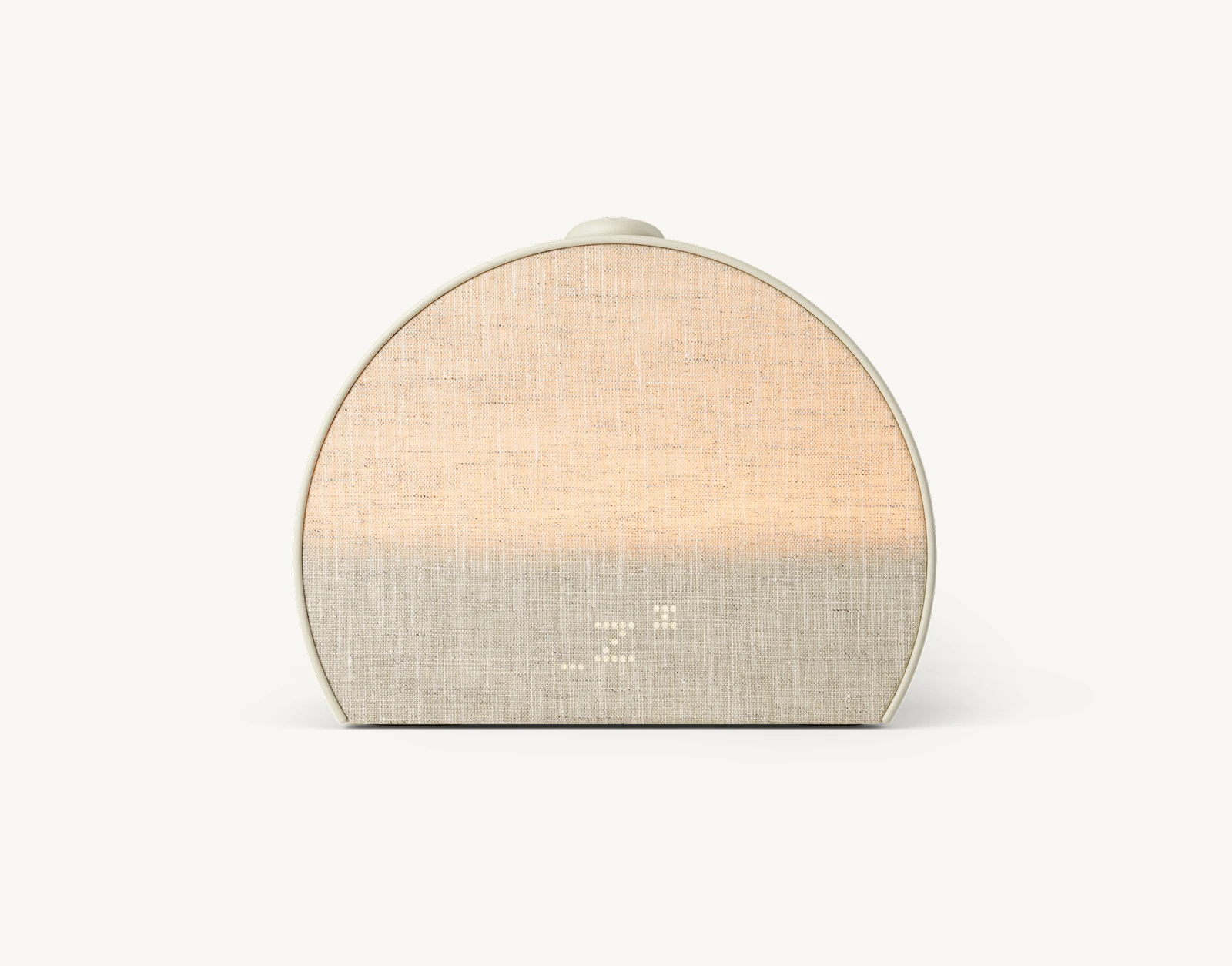
Our Favorite New Anti-Snoring Devices

  1. Smart Nora: Features: Contact-free snoring solution, customizable sensitivity, smart technology Unique aspect: A silent, non-invasive device that uses a gentle motion to adjust the user’s pillow in response to snoring Price: Approximately \$329

  2. SleepConnection: Features: Wrist-worn device, detects snoring and sends gentle electrical pulses to change sleeping position Unique aspect: Portable and convenient, promotes side sleeping to reduce snoring Price: Approximately $59.99

  3. Good Morning Snore Solution (GMSS): Features: Tongue stabilization device, medically tested, made of soft and comfortable BPA-free material Unique aspect: Uses tongue displacement technology to maintain open airways and reduce snoring Price: Approximately $69.95

  4. ZQuiet: Features: Mandibular advancement device, FDA-cleared, made of soft, flexible material for comfort Unique aspect: Designed to slightly advance the lower jaw to open airways and alleviate snoring Price: Approximately $79.95

  5. AirSnore: Features: Custom-fitted mouthpiece, mandibular advancement device, can be used with optional AirSnore drops for nasal congestion relief Unique aspect: Combines an easy-to-fit mouthpiece with natural essential oils to create a comprehensive snoring solution Price: Approximately \$49.95 (mouthpiece), \$89.95 (mouthpiece and drops)

Keep in mind that new devices may have been released since my knowledge cutoff date, so it’s a good idea to research the latest products and consult with a healthcare professional before making a decision.


Surgery for Snoring

Several surgical options are available for treating snoring. These procedures are typically considered when conservative methods, such as lifestyle changes or anti-snoring devices, have failed to provide relief. The type of surgery recommended usually depends on the specific cause of the snoring. Some common surgical procedures include:

  1. Uvulopalatopharyngoplasty (UPPP): This procedure involves removing excess tissue from the soft palate and pharynx, which can reduce airway obstruction and alleviate snoring. The uvula may also be removed or shortened during this procedure.

  2. Palatal implants (Pillar Procedure): This minimally invasive procedure involves inserting small polyester rods into the soft palate. The implants stiffen the soft palate, reducing vibrations that cause snoring.

  3. Laser-assisted uvulopalatoplasty (LAUP): This procedure uses a laser to remove or reshape the uvula and a portion of the soft palate. The goal is to reduce airway obstruction and decrease snoring.

  4. Radiofrequency ablation (RFA) or Somnoplasty: This procedure uses radiofrequency energy to shrink and tighten the soft palate tissue. The process helps reduce airway obstruction and alleviate snoring.

  5. Genioglossus advancement (GA): This surgical procedure involves repositioning a portion of the lower jaw forward. This helps to pull the tongue forward, opening up the airway and reducing snoring.

  6. Septoplasty: This procedure is performed to correct a deviated septum, which can contribute to snoring. By straightening the nasal septum, airflow through the nasal passages is improved, potentially reducing snoring.

  7. Turbinate reduction: This procedure aims to reduce the size of the nasal turbinates, which are structures inside the nose that can become enlarged and obstruct airflow. Reducing the size of the turbinates can improve nasal breathing and potentially reduce snoring.

It is essential to consult with a healthcare professional, such as an otolaryngologist (ear, nose, and throat specialist), to determine the best course of action based on the specific cause of your snoring. Surgery carries inherent risks, and the benefits and potential complications should be carefully considered before pursuing this treatment option.


Why Do Fat People Snore?

Snoring is often more common in people who are overweight or obese, but there are several factors that contribute to this. The primary reason is that excess body fat, particularly in the neck and throat area, can lead to increased pressure on the airways. This additional pressure can partially obstruct the airway, causing vibrations in the surrounding tissues when air is forced through during breathing. These vibrations are what produce the sound of snoring.

Here are some factors that explain why overweight individuals may be more prone to snoring:

  1. Excess fat in the neck and throat: People who are overweight may have extra fat around their neck and throat, which can narrow the airway and make it more prone to collapsing or becoming obstructed during sleep. This increases the likelihood of snoring.

  2. Lower muscle tone: Individuals who are overweight or obese may have decreased muscle tone in the throat and neck, which can lead to increased airway obstruction and vibrations when breathing during sleep.

  3. Sleep position: Overweight individuals often sleep on their back, which can cause the tongue and other soft tissues in the throat to fall back into the airway, partially blocking it and contributing to snoring.

  4. Hormonal factors: Obesity can affect hormone levels in the body, which may contribute to changes in sleep patterns and the likelihood of snoring.

  5. Sleep apnea: Obstructive sleep apnea (OSA) is more common in overweight and obese individuals. This condition is characterized by repeated episodes of partial or complete airway obstruction during sleep, leading to disrupted sleep and frequent snoring.

What Specialist Do I See About My Snoring?

It’s important to consult with qualified healthcare professionals who specialize in sleep disorders and snoring when seeking help for snoring problems. While I cannot provide you with a specific list of experts, I can offer some guidance on the types of specialists you may want to consult:

  1. Otolaryngologists (Ear, Nose, and Throat specialists): These physicians specialize in the diagnosis and treatment of disorders related to the ear, nose, and throat, including snoring and sleep apnea.

  2. Sleep Medicine Specialists: These doctors have specialized training in sleep medicine and can diagnose and treat various sleep disorders, including snoring and sleep apnea.

  3. Pulmonologists: These physicians specialize in the diagnosis and treatment of lung and respiratory disorders, and some may have additional training in sleep medicine.

  4. Dentists with expertise in sleep dentistry: Some dentists have specialized training in treating snoring and sleep apnea using dental appliances, such as mandibular advancement devices.

  5. Neurologists: Some neurologists have specialized training in sleep medicine and can help diagnose and treat sleep-related disorders, including snoring and sleep apnea.

To find a snoring expert, you can:

  • Consult with your primary care physician for a referral to a specialist
  • Contact your insurance provider for a list of covered specialists in your area
  • Search online for local sleep clinics or specialists with positive reviews
  • Consult professional organizations, such as the American Academy of Sleep Medicine, for a directory of board-certified sleep medicine specialists.

Well Known Sleep Doctors

While there are many doctors and researchers who have contributed to the field of snoring research and sleep medicine, some notable pioneers in the area include:

  1. Dr. Christian Guilleminault: Dr. Guilleminault was a renowned sleep medicine specialist and researcher who made significant contributions to the understanding of sleep apnea and its connection to snoring. He was instrumental in the development of continuous positive airway pressure (CPAP) therapy, which is a widely used treatment for sleep apnea.

  2. Dr. Colin Sullivan: An Australian physician and researcher, Dr. Sullivan is credited with inventing the first continuous positive airway pressure (CPAP) device for treating obstructive sleep apnea in 1980. This invention revolutionized the treatment of sleep apnea and snoring.

  3. Dr. Meir Kryger: A prominent sleep medicine specialist, Dr. Kryger has contributed extensively to sleep research and is the author of several books on sleep medicine, including the “Principles and Practice of Sleep Medicine.” He has conducted research on various aspects of sleep disorders, including snoring and sleep apnea.

  4. Dr. William C. Dement: Known as the “Father of Sleep Medicine,” Dr. Dement was a pioneer in the field of sleep research. He was instrumental in establishing the first sleep disorders clinic at Stanford University and was a founding member of the American Academy of Sleep Medicine. While his research focused on many aspects of sleep, his work has greatly influenced the understanding and treatment of snoring and sleep apnea.

These doctors and researchers have made significant contributions to the field of sleep medicine, helping to advance our understanding of snoring and related sleep disorders. However, it is essential to recognize that the field of sleep medicine is constantly evolving, and many other researchers and clinicians continue to contribute to this area of study.

Best Books About Snoring

There are several books available that discuss snoring and related sleep disorders, offering insights into the causes, treatments, and management strategies. Here are some books that you may find helpful:

  1. “The Sleep Doctor’s Diet Plan: Lose Weight Through Better Sleep” by Dr. Michael Breus: While not solely focused on snoring, this book discusses the connection between sleep quality, weight, and overall health, which can be relevant for individuals dealing with snoring issues.

  2. “Snoring and Sleep Apnea: Sleep Well, Feel Better” by Dr. Ralph A. Pascualy and Sally Warren Soest: This book provides a comprehensive overview of snoring and sleep apnea, discussing the causes, symptoms, diagnosis, and treatment options available for these sleep disorders.

  3. “The Sleep Solution: Why Your Sleep is Broken and How to Fix It” by Dr. W. Chris Winter: Although not exclusively about snoring, this book offers practical advice and information on various sleep issues, including snoring and sleep apnea. It helps readers understand the science behind sleep and provides guidance on how to achieve better sleep quality.

  4. “Sleep Apnea – The Phantom of the Night: Overcome Sleep Apnea Syndrome and Win Your Hidden Struggle to Breathe, Sleep, and Live” by T. Scott Marrone and Gerald A. Smythe: This book offers a comprehensive guide to understanding and managing sleep apnea, a common cause of snoring. It covers a range of topics, including diagnosis, treatment options, and lifestyle changes that can help reduce snoring and sleep apnea symptoms.

  5. “Snoring: Causes, Diagnosis, and Treatment” by K. S. Clifford Chao and Dr. Peter C. Gay: This book offers a detailed overview of snoring, including its causes, diagnosis, and various treatment options available. It aims to provide a comprehensive resource for those dealing with snoring issues.

These books can provide valuable insights into snoring and related sleep disorders. However, it’s essential to consult with a healthcare professional if you are experiencing snoring issues, as they can provide personalized guidance on the best course of action based on your specific circumstances.


Most Famous Snoring Scenes In Movies

While snoring may not be a central plot point in many movies, there are several memorable scenes where snoring is used for comedic effect or to depict the character’s personality traits. Here are a few examples:

  1. “Sleeping Beauty” (1959): In this classic Disney animated film, one of the fairy godmothers, Merryweather, is shown snoring while sleeping.

  2. “Uncle Buck” (1989): In this John Hughes comedy, John Candy’s character, Buck Russell, is depicted snoring loudly in one scene, emphasizing his larger-than-life and somewhat unkempt persona.

  3. “Hook” (1991): In this adventure film, the character of Smee, played by Bob Hoskins, is shown snoring while sleeping in his hammock.

  4. “My Cousin Vinny” (1992): In this comedy, Mona Lisa Vito, played by Marisa Tomei, has a scene where she snores loudly while sleeping, to the surprise of her partner, Vinny Gambini, played by Joe Pesci.

  5. Sleepless in Seattle” (1993): In this romantic comedy, Tom Hanks’ character, Sam Baldwin, snores loudly while asleep on the couch, which is used as a humorous moment in the film.

  6. “Shrek” (2001): In the animated movie, Princess Fiona, voiced by Cameron Diaz, is shown snoring loudly in a scene where Shrek and Donkey are trying to rescue her.

  7. “The Great Outdoors” (1988): In this comedy, Chet Ripley, played by John Candy, is shown snoring loudly in a scene where his wife, Connie, played by Stephanie Faracy, is trying to have a conversation with him.

  8. “The Santa Clause” (1994): In this holiday comedy, Scott Calvin, played by Tim Allen, snores loudly while sleeping on the couch after a long night of delivering presents as Santa Claus.

  9. “MouseHunt” (1997): In this comedy, the character of Ernie Smuntz, played by Nathan Lane, snores loudly while sleeping in the same bed as his brother, Lars, played by Lee Evans. Their snoring is so intense that it causes the bedsprings to vibrate.

  10. “Harry Potter and the Philosopher’s Stone” (2001): In this fantasy film, the character of Rubeus Hagrid, played by Robbie Coltrane, is shown snoring loudly while sleeping on a train ride to Hogwarts.

  11. “Ice Age” (2002): In this animated film, the character of Manny the mammoth, voiced by Ray Romano, snores loudly in a cave while the other characters, Sid the sloth and Diego the saber-toothed tiger, try to sleep nearby.

  12. “The Chronicles of Narnia: The Lion, the Witch, and the Wardrobe” (2005): In this fantasy film, the character of Mr. Beaver, voiced by Ray Winstone, is shown snoring while sleeping in his house. The snoring is so loud that it wakes up the Pevensie children.

  13. “The Pink Panther Strikes Again” (1976): In this comedy, Inspector Clouseau, played by Peter Sellers, snores loudly while sleeping, to the annoyance of his boss, Chief Inspector Dreyfus.

  14. “City Slickers” (1991): In this comedy, Phil Berquist, played by Daniel Stern, snores loudly while sharing a tent with Mitch Robbins, played by Billy Crystal, and Ed Furillo, played by Bruno Kirby, during their cattle drive adventure.

  15. “The Emperor’s New Groove” (2000): In this animated film, the character of Pacha, voiced by John Goodman, snores loudly while sleeping next to Emperor Kuzco, voiced by David Spade, who has been transformed into a llama.

  16. “Bride and Prejudice” (2004): In this Bollywood adaptation of Jane Austen’s “Pride and Prejudice,” Mrs. Bakshi, played by Nadira Babbar, snores loudly while sharing a bed with her husband, Mr. Bakshi, played by Anupam Kher.

  17. “Kung Fu Panda” (2008): In this animated film, the character of Po, voiced by Jack Black, is shown snoring loudly while sleeping in the Jade Palace’s barracks, much to the annoyance of the Furious Five and Master Shifu.

These scenes depict snoring as a humorous or character-defining moment, often adding a lighthearted touch to the movie.

Frequently Asked Questions About How to Stop Snoring Naturally

What are the common causes of snoring?

Common causes of snoring include excess weight, alcohol consumption, nasal problems, sleeping position, and sleep deprivation. These factors can lead to obstructed airflow during sleep, causing the characteristic snoring sound. Yawnder understands these issues and can guide you toward solutions.

Is side sleeping good for stopping snoring?

Yes, transitioning to side sleeping can often mitigate snoring. Back sleepers are more prone to snoring because gravity can cause the tongue and soft tissues in the throat to block the airway. Yawnder's Encinitas showroom has mattresses designed to support various sleeping positions, which can help reduce snoring.

How does alcohol impact snoring?

Alcohol can significantly worsen snoring by relaxing the throat muscles, further obstructing air passage. To mitigate snoring, it is advisable to avoid alcohol intake at least two hours before sleep. This simple change can make a noticeable difference in sleep quality for both you and your partner.

Can excess weight cause snoring?

Yes, excess weight, particularly around the neck, greatly increases the likelihood of snoring by narrowing the airway. Over half of snorers are overweight, making healthy weight management a proactive step toward alleviating this problem. Addressing weight can also improve overall sleep health.

What are the downsides of habitual snoring?

Habitual snoring can indicate more serious conditions like obstructive sleep apnea and lead to sleep deprivation and cognitive impairment. Frequent awakenings due to snoring can impair concentration and productivity, affecting daily life. Understanding these impacts is crucial for seeking appropriate remedies.

Can I find solutions for snoring at a local mattress store?

While a mattress store primarily focuses on sleep surfaces, the Yawnder showroom in Encinitas, CA, can discuss how mattress types and pillow choices impact breathing and sleep position. Our sleep experts can help you explore options that support better sleep posture, potentially aiding in reducing snoring. We also carry pillows that can help keep your airway open.

Want to test this in person? Visit our Encinitas showroom or call 858-232-5760.

What is Delayed Sleep Phase Disorder?

Delayed Sleep Disorder
Bottom line

Delayed Sleep Phase Disorder (DSPD) is a circadian rhythm dysregulation where individuals consistently go to bed and wake up later than conventional times. While often mistaken for insomnia, people with DSPD typically achieve adequate sleep if allowed to follow their natural, delayed schedule. It primarily affects adolescents and young adults, frequently resolving with age.

Quick Facts · What is Delayed Sleep Phase Disorder?
PriceNot listed
FirmnessNot listed
TypeNot listed
Best forAdolescents and young adults who are 'night owls' but get adequate sleep on a delayed schedule
Trial / WarrantyNot listed
Yawnder verdictCommon, often undiagnosed circadian disorder · 4.8/5

Delayed Sleep Phase Disorder

Do you stay awake for a long time after going to bed at night? Do you prefer to go to bed later than usual and sleep in the next morning? If yes, then you could be suffering from a dysregulation of your biological clock, also called the circadian rhythm. There are different names given to the dysregulation of the circadian rhythm. One of them is delayed sleep phase disorder (DSPD).

Disorders like DSPD often go undiagnosed, considering that a large section of the young population suffers from the condition. Adolescents and teens are more likely to have DSPD when they call themselves night owls and prefer to sleep in the morning. Too often, when a person strays from his normal biological clock for a long time, it gets harder to return to the normal circadian rhythm.

What causes DSPD?

Although the exact cause is unclear, researchers believe that genetics has a role to play in DSPD. The disorder usually develops in late adolescence or early adulthood and disappears after a few years. Very few adults have been found to suffer from chronic DSPD.

DSPD happens, partly, due to a genetic mutation. It is the opposite of advanced sleep phase disorder (in which the person goes to bed and wakes up earlier than normal). People with DSPD usually go to bed in the early morning, between 1 am, and 4 am, and awaken later in the morning, between 8 am and 11 am. This is more common among socially active people, who feel more energetic during the evenings and late nights. In fact, those who burn the midnight oil and do not maintain the biological sleep cycle are a high risk of getting this disorder.

If DSPD exists alone with no other sleep disorder, people usually manage to get adequate sleep no matter when they get to bed. People generally stick to the late sleeping scheduling if it does not interfere with normal life.

If the person can make it to school or work on time, and still get enough sleep every night, it signifies that DSPD is not interfering with daily routines. In such cases, it may be advised to maintain the routine, as the circadian rhythm disorder might not be harmful.

Difference between DSPD and insomnia

Circadian rhythm disorders are often confused with insomnia, but they are very different from each other. People with circadian rhythm disorders like DSPD have a sleep schedule that may not be typical, but they do manage to get adequate sleep. People with insomnia, on the other hand, cannot fall asleep at any time during the day or night and fail to get adequate sleep.

Symptoms of Delayed Sleep Phase Disorder

The characteristics of DSPD distinguish it from other sleep disorders. Some of the symptoms are:

People with DSPD have a higher ability to sleep during the daytime, compared to those with a normal sleep schedule or those with insomnia. While normal people do not feel sleepy during the morning or afternoon, people with DSPD are able to sleep soundly even the sun is shining.

People with DSPD manage to fall asleep around the same time every night (or day), and if the person goes to bed around the time they feel sleepy, they find it easy to fall asleep rapidly. Children and adolescents with DSPD do not want to go to bed until they are sleepy, but the bedtime struggles disappear if they are allowed to stay up until the time they usually fall asleep.

People with DSPD usually sleep well when they are allowed to follow their own sleep schedule. They fall into a rhythm and often make up for lost sleep on weekends and during vacations.

DSPD is a chronic disorder whose symptoms must be present for at least three months at a stretch before a diagnosis can be made.

Severity of DSPD

Like most sleep disorders, DSPD is also classified according to severity. They are:

Mild:  When the condition is ‘mild,’ there is usually a two-hour delay (compared to the normal sleep routine) in falling asleep, with little to no social or occupational disruption.

Moderate: The condition is moderate when there is a delay of three hours, with some amount of impairment.

Severe: The condition is classified as severe when there is a delay of four or more hours with severe social and occupational impairment.

Unlike what is usually thought by those around DSPD patients, this isn’t just a lifestyle problem. People with DSPD are unable to force themselves into a normal sleep routine. Even if they go to bed earlier, they will toss and turn until the time when they can naturally fall asleep.

Before seeking medical help, they usually try to change their sleeping schedule that would help them fall asleep earlier. Most of these methods are a failure in bringing about any change. Things like sleeping aids, alcohol, reading, and meditation aren’t usually successful. People with DSPD who tried using sleeping pills to fall asleep sooner report that it only makes them tired and relaxed, but not sleepy.

Treatment for Delayed Sleep Phase Disorder

There is no proper treatment method for DSPD, and doctors usually resort to a combination of methods to treat DSPD. The most common method is to gradually scale back the sleeping times of the patient until the desired timeframe is achieved. Once a proper has been achieved, it should be strictly maintained. This method is shown to be effective but must be very rigidly followed, because the new routine will fail if the person stays up until late even one day.

There are a few other methods too that are applied to treat circadian rhythm disorders. One of them is bright light therapy, in which the person is exposed to bright lights during early morning hours shortly after waking up while avoiding bright outdoor light during the evening hours. This has been shown to readjust the sleep-wake routine.

Delayed sleep phase disorder is not really a problem with most people. As long as the person gets the desired amount of sleep, there is no need for treatment. However, a doctor may be consulted if DSPD starts to interfere with daily life.

Get more information on OSA Here

Frequently Asked Questions About What is Delayed Sleep Phase Disorder?

What is Delayed Sleep Phase Disorder?

Delayed Sleep Phase Disorder (DSPD) is a dysregulation of your biological clock where you consistently go to bed and wake up later than conventional times. Sufferers typically feel most energetic in the evenings and late nights, leading to early morning bedtimes and late morning wake-up times.

Who is Delayed Sleep Phase Disorder best for?

DSPD is not something people choose, but rather a sleep disorder. It often affects adolescents and young adults who identify as 'night owls' and prefer a later sleep schedule. If a person can maintain this schedule without it interfering with their daily life, they may be advised to continue it.

How does DSPD compare to insomnia?

DSPD is distinct from insomnia because individuals with DSPD can get adequate sleep, even if their schedule is unconventional. In contrast, people with insomnia struggle to fall asleep at any time and consistently fail to get sufficient rest, regardless of the hour.

What are the downsides of Delayed Sleep Phase Disorder?

The primary downside of DSPD occurs when the late sleep schedule interferes with daily responsibilities like work or school. While people with DSPD can get enough sleep if they follow their natural rhythm, societal expectations often demand earlier wake-up times, leading to sleep deprivation.

Is DSPD a permanent condition?

DSPD often develops in late adolescence or early adulthood and typically resolves after a few years. Very few adults experience chronic DSPD, suggesting it is often a temporary condition for many who experience it.

Where can I learn more about healthy sleep habits in the San Diego area?

Our Yawnder showroom in Encinitas, CA offers personalized advice on achieving healthy sleep and exploring suitable mattresses. While we don't treat DSPD, our team can guide you to products that support a good night's rest once you establish your optimal sleep schedule.

Want to test this in person? Visit our Encinitas showroom or call 858-232-5760.

What is Micro Sleep and is it Good for You?

Microsleep
Bottom line

Microsleep is a brief, unintended episode of sleep, lasting from a fraction of a second to two minutes, that often occurs without the person's awareness. It is most common in sleep-deprived individuals, those with sleep disorders like insomnia or sleep apnea, or people engaged in monotonous tasks. This phenomenon is distinct from a power nap and can be dangerous, especially when driving.

Quick Facts · What is Micro Sleep and is it Good for You?
PriceNot listed
FirmnessNot listed
TypeNot listed
Best forNot listed
Trial / WarrantyNot listed
Yawnder verdictInformative sleep health article · 4.8/5
Microsleep   Have you ever woken up to your name being called, only to realize you had dozed off at the meeting?   If you answered yes, you may have experienced microsleep. It is a short burst of unintended sleep that often occurs without the person’s realization. Although microsleep can be experienced by anyone, it is more common among people who work odd hours, are sleep deprived, or have a sleep disorder like insomnia or sleep apnea. Such brief episodes of unexpected sleep are often the cause of road accidents and other mishaps. It is important to note that microsleep is not the same thing as a power nap.   What exactly is microsleep? Microsleep can be best described as a brief, unintended period of loss of attention, often associated with blank stares or eye closure when trying to stay awake during a monotonous task like listening to a lecture or watching TV. This happens the most when the person is tired and sleepy yet trying to perform normal activities. One of the most common consequences of insomnia, microsleep often turns to be dangerous and even fatal. The duration of a microsleep is anywhere between a fraction of a second to two minutes. Since microsleep often occurs with the eyes open, the person is not aware that it has happened. In a state of microsleep, even though the eyes are open, the person will fail to respond to information, like seeing a signal or hearing their name being called. Drowsy driving is often the result of microsleep, where the person is not even aware that he has dozed off.   When does microsleep happen? Scientists have found that microsleep is most likely to happen at the time of the day when the person is supposed to be sleeping. It could be late at night, early dawn, or mid afternoon hours. The frequency of microsleep increases as the person keeps being sleep deprived and accumulates sleep debt. The more sleep deprived the person is, the more the chances of microsleep happening. Sleep scientists also claim that everyone experiences microsleep when falling asleep. The first fifteen seconds of drifting off to sleep can be called a microsleep episode when the lights in the brain flickers for a while before turning out.   What causes microsleep? Even though microsleep episodes can happen to anyone, it is the most common among people who are sleep deprived. It can also occur to people engaged in a routine, monotonous task for a prolonged period. Research has found that during microsleep, parts of the brain fall asleep while other parts stay awake, explaining the selective loss of attention. People with sleep disorders like insomnia or sleep apnea are also at risk. In fact, in several instances, microsleep episodes are used to diagnose sleep disorders. Common sleep disorders that can cause microsleep episodes are:  
  • Sleep apnea, where the individual does not get proper sleep at night because of irregular breathing. Even though people with sleep apnea may get enough hours of sleep, the quality of sleep is affected because of frequent waking up. People with this disorder are at a high risk of microsleep, and also happen to be involved in the highest number of drowsy driving cases.
 
  • Excessive daytime sleepiness, where the individual is sleep deprived because of insomnia and struggles to stay awake during the day. This is a well recognized symptom of insomnia.
  Warning signs There are ways to recognize and prevent microsleep. You are prone to experience microsleep if you:
  • Feel excessively sleepy.
  • Have difficulty keeping your eyes open.
  • Find your eyelids drooping or closing, have a blank expression, or have to blink to keep your eyes open.
  • Have difficulty following directions.
  • Yawn a lot.
  • Have a foggy memory.
  • Feel irritable or moody.
  • Have difficulty driving on track and keep drifting to the side.
  • Experience head jerks that wake you up.
  Consequences of microsleep can range from missing an important lecture or the exit while driving, to car and workplace accidents. It helps to recognize signs and prevent microsleep as best as possible.   The following are some of the ways to prevent microsleep:  
  • Avoid driving or working with hazardous machinery when you are sleepy.
  • Before setting out for a long drive, make sure you get some sleep to avoid feeling drowsy on the road.
  • Travel with a companion or play upbeat music to remain alert on the road.
  • In a class or office, fidgeting quietly, engaging in productive conversation and taking breaks to walk around are some of the ways to drive away sleepiness.
  • Get sufficient sleep every night, and consult a doctor to rule out sleep disorders.
  Microsleep may seem like an ordinary occurrence, but it can often have dangerous consequences. Getting proper sleep and getting diagnosed for sleep disorders are some of the ways to prevent episodes of microsleep on the road or at work.

Frequently Asked Questions About What is Micro Sleep and is it Good for You?

What exactly is microsleep?

Microsleep is a brief, unintended period of losing attention, often seen as blank stares or closed eyes while someone is trying to stay awake during a monotonous task. It can last from a fraction of a second to two minutes and often occurs without the person realizing it. This phenomenon is common when a person is tired but attempting to perform normal activities.

Is microsleep good for you?

No, microsleep is not good for you and is distinctly different from a power nap. It is an involuntary and often dangerous occurrence, frequently linked to mishaps like road accidents due to the temporary loss of awareness. The article highlights that it's a sign of sleep deprivation, not a beneficial form of rest.

How does microsleep compare to a power nap?

Microsleep is fundamentally different from a power nap, as it is an unintentional and often dangerous episode of sleep lasting a few seconds to two minutes, where the person is unaware they have dozed off. A power nap, however, is a deliberate and controlled short period of sleep taken to boost alertness and performance. One is a symptom of sleep deprivation, while the other is a intentional restorative practice.

Who is most at risk for experiencing microsleep?

Individuals who are sleep deprived, work odd hours, or suffer from sleep disorders like insomnia or sleep apnea are most at risk for microsleep. People engaged in monotonous tasks for long periods are also susceptible. The risk increases with accumulating sleep debt, making adequate sleep crucial for prevention.

What causes microsleep?

Microsleep is primarily caused by sleep deprivation, but it can also occur during monotonous activities or in individuals with undiagnosed sleep disorders. During these episodes, parts of the brain may fall asleep while others remain awake, leading to selective inattention. Addressing underlying sleep issues can help mitigate these occurrences.

Where in San Diego can I learn more about sleep health to prevent issues like microsleep?

You can visit the Yawnder showroom in Encinitas, CA, to discuss sleep health and explore mattress options that could improve your sleep quality. While we focus on mattresses, our experts can provide insights into maintaining good sleep hygiene, which is crucial for preventing sleep deprivation and microsleep. Our hands-on testing of various sleep products aims to help customers find solutions for a more restful night.

Want to test this in person? Visit our Encinitas showroom or call 858-232-5760.

Sleep Stages and Sleep Cycles: Must-Have Insights for Rest

sleep stages and sleep cycles explained
Bottom line

Sleep is crucial for physical and mental restoration, involving distinct NREM and REM stages that cycle throughout the night. Understanding these stages highlights the importance of adequate sleep for hormone regulation, muscle recovery, and memory consolidation. Each stage contributes uniquely to overall well-being, emphasizing that all phases are essential for complete rejuvenation.

Quick Facts · Sleep Stages and Sleep Cycles: Must-Have Insights for Rest
PriceNot listed
FirmnessNot listed
TypeNot listed
Best forEveryone seeking improved well-being through better sleep
Trial / WarrantyNot listed
Yawnder verdictEssential insights into sleep science · 4.8/5

Besides food, sleep is the most important requirement of every living being, including humans. Sleep refreshes and rejuvenates us, helping our bodies repair and recharge. Sleep stages and sleep cycles play a very crucial role in this process. Whether we are tired, sick, or stressed, sleep heals and re-energizes us.

The process of sleep can be complicated to understand. It isn’t as simple as closing our eyes and dozing off. Several complex processes take place in the brain, bringing about sleep. Our brains work as hard while we are sleeping as when we are awake. Sleep is divided into different stages and cycles. Controlled by the production of hormone regulation, muscle recovery, and memory formation, the primary sleep hormone, the hypothalamus signals the rest of the body if it is time to sleep or to stay awake. Disruption in melatonin production affects the normal sleep-wake cycle.

To understand sleep, we need to understand the different sleep stages and sleep cycles in detail.

What Are Different Sleep Stages?

When we sleep, our brains pass through five different stages, ranging from light to deep sleep. The stages are classified into REM (rapid eye movement) and NREM (non-rapid eye movement) sleep. During the night, our bodies go through the five stages four to five times. Each cycle consists of the five stages. This means, while we sleep, our bodies go through four or five sleep cycles. Each cycle of sleep is roughly 90 minutes long. In an 8-hour sleep, there are four to five 90 minute cycles. In infants and children, each stage is about 50 to 60 minutes long.

Each stage of sleep has an important role in the sleep cycle. All five stages play their own function in rejuvenating and recharging the body for the next day. This includes hormone regulation, muscle recovery, and memory formation. Without enough time to sleep, most of these functions remain incomplete, resulting in fatigue and sleepiness. We might think that only deep sleep is the important stage, but all the stages are equally essential. Without a full night of sleep, the sleep cycle isn’t complete, and the restoration work remains unfulfilled.

Stage 1 of Sleep

Depending on how tired you are, it takes only a few seconds to enter the first stage of sleep, called the transitional phase. This is a non-REM stage, which means the sleep isn’t deep at all. The sleep in this phase is the lightest. People usually flit in and out of consciousness in this stage. If you are exhausted, it will take you only a few seconds to enter the transitional stage, but if you suffer from insomnia or have delayed sleep onset, it can take you an hour or more. Usually, you can still hear everything that’s going on around you and even the slightest noise can wake you up. It is also normal to toss and turn and try to get comfortable. Waking up from this stage is also quick and easy.

In this stage, sometimes your muscles will jerk, jolting you awake. This is called hypnic myoclonia, sleep twitch, or hypnic jerk. These jerks happen because of involuntary muscular contractions. It has been named after the hypnagogic state which is the transitional phase between wakefulness and sleep. Although not all people experience this, they are very common while a person is drifting off. You might even wake up with a start feeling like you were falling. This stage lasts between one and seven minutes. The first stage leads to the second stage of the sleep cycle.

Stage 2 of Sleep

The second stage of sleep is also a non-REM phase, but it is still deeper than the first stage. This phase is when muscles relax, heartbeats begin to slow down, core body temperature drops, eye movements stop, and the person completely drifts off to sleep. Waking up from this stage isn’t as quick as the first stage because the person is making his way to deep sleep. Although this is also a light sleep stage, a person spends more than 50 percent of his sleep in this phase, making it the longest stage in the cycle.

Stage two of the sleep cycle is the precursor to deep sleep. Electrical activity in the brain occurs at a lower frequency compared to the first stage. Brain waves become smaller, with occasional spurts of rapid waves. This phase lasts between 10 and 20 minutes, leading to the third stage.

Stage 3 of Sleep

The third phase can be called the most important stage of the sleep cycle. Lasting between 10 and 40 minutes, this is the stage when sleep is the deepest. During this phase, the heart rate and breathing are at the lowest, and the person has no consciousness of what is happening around him. Waking up from this stage is difficult; if you wake someone up from this stage of sleep, they will remain groggy and disoriented for some time before awakening fully. This stage is also called slow wave sleep when growth and restorative hormones are released.

These hormones have an important role in the development and nourishment of the body. In infants and children, a significant portion of brain and body development takes places at this sleep stage. Besides the growth, these hormones also aid in appetite control. The growth hormones aid in replenishing muscles and tissues that were used during that day, while the hormone leptin suppresses appetite and limits the feeling of excessive hunger. When a person doesn’t get sufficient sleep, leptin doesn’t function well, leading to a rise in the appetite-inducing hormone ghrelin. This is why lack of sleep has a connection with weight gain and obesity

Stage 4 of Sleep

This is also a non-REM phase, but the sleep is almost like a coma. It takes a long time to wake up from this stage. This stage of the sleep cycle is often compared to a comatose state because the heart rate and the body temperature are at the lowest, resembling a person in a coma. Muscle movements don’t occur in this stage, while the breathing is rhythmic. A person usually doesn’t turn or change sides in this stage because the body is completely immobile. This stage lasts around 30 minutes, around when the delta waves are produced.

The delta waves in the brain are associated with relaxation and sleep. Delta waves also enhance the body’s healing abilities. These slow deep waves are responsible for deep sleep. The higher the delta waves, the deeper the sleep. Delta waves are most commonly found in infants because they sleep the deepest. As a person ages, delta waves are produced less. This is also the stage when bedwetting, night terrors, and sleepwalking occurs. Although the causes are unclear, when these instances happen, the person has no memory of them. Even if a person wakes up briefly during this sleep phase, they soon fall back asleep and have no memory of waking up.

Stage 5 of Sleep or REM Stage

This is the final stage in the sleep cycle and the only REM phase. This stage is different from the other sleep phases because this is when the brain begins to get active. Most adults spend around 20 percent of their entire sleep in this REM stage, while newborns and babies spend about 50 percent. In all the previous stages, both the mind and the body are at rest, healing and recharging. But in the REM stage, the mind starts waking up and getting active, while the body is still inactive. The REM sleep stage is called Rapid Eye Movement phase because the eyes move in various directions behind closed eyelids, but the muscles are immobile to prevent the person from acting out dreams.

In this stage, the breathing is shallow and irregular, while the heart rate and blood pressure begin to rise. This is also the stage when dreams occur. That is why most dreams occur in the early morning because that’s the last phase of the sleep cycle. People wake up after the REM stage, and the body temperature comes to normal.

What Factors Affect Sleep Stages and Sleep Cycles?

Although the sleep cycle is made up of these five stages, the cycle isn’t the same in every individual. When the sleep cycle doesn’t take place normally, it results in sleep disorders. There is no certainty that every person will sleep for eight hours or have five sleep cycles. Some people may wake up even before reaching REM sleep. Certain individuals take a few seconds to drift off to sleep while others take an hour or two. This cycle may naturally be a specific way, because of the changes in the structure and function of the brain during development, or may be affected by various external factors.

More often than not, external factors are responsible for regulating the sleep cycle a certain way. Most important among these factors are:

·       Age of the Person

Most of us are aware that sleep patterns change with age. Over our lifespan, the amount of time we spend sleeping each day gradually declines. Newborns and infants sleep the maximum, anywhere between 16 and 20 hours each day. Children up to the age of four sleep around 11 to 12 hours. As the child grows up, the amount of sleep keeps declining. An adolescent needs around nine hours of sleep each night, although they may not get that much. Adults need at least eight hours no matter how old they grow, but after middle age, the amount gradually drops. The elderly also need eight hours, but poor sleep quality may not always let them get the full amount at one stretch. That is why those who are unable to get the required sleep at night should make up for it some other time during the day.

The decline in sleep amount and quality has been attributed to the delta waves in the brain. These slow and deep brain waves are responsible for causing deep and sound sleep. When delta waves are higher, the sleep quality is at its best. Because newborns and infants have the highest delta waves, their sleep is the deepest and longest. With age, the slow waves decline. Since REM sleep is known to be important for cognitive development, it isn’t surprising that infants and children spend more than 50 percent of the sleep in the REM stage. As the person grows older, the need for REM sleep also drops. Although sleep problems are a normal part of aging, paying attention to the sleep cycle can help improve sleeping patterns.

·       Circadian Rhythm

There is a sleep-wake balancing process that also influences our quality of sleep. We fall asleep only when there is a sleep deficit, and serotonin is acetylated to melatonin. Serotonin is the hormone for relaxation, which helps the body prepare for sleep. It is a precursor to melatonin, the sleep hormone.

This internal, biological clock can vary from one individual to another. Some people may feel sleepy at 8 in the evening while others may stay awake until midnight. Typically, the duration of this biological clock is slightly longer than 24 hours. That is why, the later you go to bed, the later you wake up the next morning. Depending upon the time you go to bed, the body clock adjusts itself. When the adjustment happens naturally, the sleep-wake cycle is free running. Because most humans are diurnal beings, the body clock syncs each day with various external factors like daylight hours, work schedule, etc. The ability of our internal clock to reset according to these factors help keep the circadian rhythm regular and boosts the quality of sleep.

Although this is an internal process, the circadian rhythm is often affected by various external factors, such as working or studying until late, driving at night, or changes in time zones. Jet lag, experienced when traveling across different time zones, takes a toll on the natural internal clock and disrupts the sleep-wake cycle.

·       Previous Wakefulness Period

We can fall asleep quickly and easily only when there is accumulated sleep. For maintaining a healthy sleep cycle, this gap between two sleep sessions is extremely important. There was a time in preindustrial Europe when people used to sleep in two phases. This was governed not by a fixed bedtime, but by whether or not there was anything to do. Back then, there was not much to do in terms of work because industries hadn’t yet begun. There was no electricity, so there was nothing to do at home either. Once dusk fell, people would go to sleep for a few hours, waking up late in the evening for an hour or two. After supper, they would go to sleep again till dawn. This bi-modal sleep was prevalent till a long time.

In our modern lifestyles, it isn’t clear whether this bi-modal sleep pattern will work. Sleep starts accumulating once we wake up in the morning. By late evening, when enough sleep has accumulated, we start to feel tired and drowsy. This indicates that our energy resources are depleted, and we need to recharge. If the gap between two sleep sessions is too small, sleep doesn’t accumulate enough, resulting in delayed sleep onset. That is why people who suffer from insomnia are discouraged from napping because sleeping in the middle of the day shortens the time between the two sleep sessions. The longer you go without sleep, the more your sleep deficit.

·       Ambient or Environmental Factors

Our surroundings play a key role in our sleep cycle. Environmental factors are often among the biggest causes of sleep disorders, although they usually go undiagnosed.  The temperature of the room, ambient noise, light, comfort of the bed, and electronic distractions play a crucial role in the ability to fall and stay asleep. It was found in several studies that those who live in a poorer underprivileged neighborhood are more likely to suffer from sleep issues because of environmental distractions. Passing vehicles till late in the night, noisy neighbors, talking and screaming, loud music and TV, as well as an uncomfortable bed and improper temperature of the room, affect the quality of sleep.

Ambient noise is the greatest environmental factor affecting sleep. From the low hum of the fridge to the ticking of the clock to the TV in the next room to noisy kids upstairs, noises can keep you up at night. An uncomfortable bed is also a potential cause of sleep issues. The wrong mattress, a bed that’s too small, or sheets that cause friction are some of the factors. The type of climate we live in also plays a role in regulating our sleep cycle. Extremely cold regions get a little sun, and people living in such a climate produce more melatonin in response to the low light. Those living in warmer regions are more alert and awake because of constant sunshine and less melatonin production. If not removed, many of these environmental distractions can cause serious sleep disorders in the long run.

·       Stress and Medications

Among other factors that affect the sleep cycle is stress. The stress hormone cortisol is famous for suppressing melatonin production. The higher the level of cortisol, the lower the level of melatonin. The lower the production of melatonin, the poorer your quality of sleep and the higher the production of cortisol. This vicious cycle often has no end if the person fails to address the stressors and lower his level of stress. Unless cortisol is low, melatonin production will not be sufficient. Chronic stress can lead to insomnia, depression, anxiety, and even cardiac problems.

Certain medications, such as beta blockers (given for high blood pressure) and immunosuppressants can lower the production of melatonin and cause sleep disorders. Medications for blood thinning and heart arrhythmia block the neurotransmitters responsible for the production of melatonin. Those who take such medications regularly are also given sleeping aid to counter any sleep issues.

Aside from medications, alcohol, smoking, and other such addictions also suppress the production of melatonin and cause sleep disorders. Artificial light from electronic devices also causes sleep disorders. This is why those who stay in front of the computer for long hours often have difficulty falling asleep because too much of light suppresses melatonin production. Using the phone before going to bed, reading on a backlit device, or keeping a night lamp on contribute to melatonin suppression.

How To Improve Sleep Quality?

External factors affect sleep quality to a great extent, but much of it could also be genetic. If genetics is the driving factor, there isn’t any way to change them, but external factors can always be changed or removed to restore normal sleep. If the sleep cycle is affected by any underlying medical condition like snoring or sleep apnea, then they cannot be cured by making a few external changes. Such sleep disorders require proper diagnosis and treatment.

If you know that your sleep keeps getting disrupted because of ambient factors, there are several steps you can take to minimize the distractions and restore normal sleep.

·       Create A Sleep Cocoon

Your bedroom should be synonymous with sleep; avoid using it for other purposes like working or eating. This is difficult if you don’t have much space in the house, but if you can help it, avoid making your bedroom your office or entertainment corner as best as possible. Make your bedroom your sleep cocoon so that the moment you enter the room, your body gets into relaxation mode. This can be done by removing distractions like electronics, putting up blinds or curtains to keep out ambient lights, prepping the bed. You may also paint the room in a soothing shade, decorating the walls with pictures that make you feel happy and relaxed. Using essential oils like lavender will banish odor and also calm and relax you.

Choose the Right Kind of Mattress

If you have never taken a hard look at the mattress you sleep on, now is the time to. More often than not, people spend most of their lives sleeping on the wrong mattress. Even though the bed is such deeply connected to our sleep quality, we hardly ever stop to notice if we are comfortable enough. A mattress that’s old, worn out, too hot or too cold, too soft or too firm can do more than just ruin your sleep. Sleeping on the wrong mattress for a prolonged period can have far-reaching effects on your health, causing aches and pains in various parts of the anatomy and even leading to serious conditions like cervical spondylitis.

There are several mattress choosing guides available online that help you pick the right mattress depending upon your body weight, sleeping position, and other factors like whether you sleep hot or cold. Depending on the company you choose, you could also have a mattress customized for your needs. Memory foam, innerspring, and latex are some of the popular mattresses today, and they come in various firmness levels. Some are more comfortable than others, but you can always make use of the trial period to find the mattress that suits you best.

·       Avoid Screen Time Before Bed

At least two hours until bedtime, reduce the time you spend in front of a backlit device such as TV, phone, tablet, or computer. If possible, also avoid staying in brightly lit rooms before you go to bed. The lesser you expose yourself to artificial light, the more melatonin is produced, aiding in better sleep. While getting up at night, avoid switching on the lights in the room. Either use footlights or keep a small flashlight handy. Switching on lights in the middle of the night reduces your ability to fall back asleep.

·       Cut Down Caffeine, Alcohol, and Tobacco Consumption

As already discussed, certain substances like caffeine, tobacco, and alcohol block the neurotransmitters responsible for producing melatonin and make us stay alert and awake. Consumption of these substances close to bedtime has been found to aid in sleep loss and insomnia. Even if you smoke or drink at other times of the day, try to avoid it in the two hours leading to bedtime. Avoid all the things that boost metabolism and hinder the production of melatonin close to bedtime, including exercise and other activities that increase your heart rate.

·       Block Ambient Disturbance

If you live in a noisy neighborhood, it can be a potential cause for disrupted sleep. Footsteps above your head, honking vehicles outside your house, or loud music next doors can cause significant distress. You can take measures to prevent this from turning into a nightly affair. Insulation against noise is one of the best solutions against ambient noise. Soundproof glass, carpeting, thick curtains lined with wool, and foam insulation for the walls are some of the measures. If all else fails, consider getting a white noise machine, which drowns out ambient noise by playing some pre-recorded sound like rainfall or ocean waves.

·       Improve Sleep Hygiene

Sleep is all about routine. Going to bed and waking up at the same time every day, using crisp clean and comfortable sheets, keeping the room clutter free and well ventilated, and avoiding a heavy meal before bedtime are some of the sleep hygiene measures that can improve sleep quality over time.

Understanding the sleep cycle is often the first step to better sleep quality. When you know, what affects your sleep cycle, you can take measures to cut out distractions and get ample restful sleep every night.

Also, to help you understand the various sleep stages and sleep cycles easily, we have also created an infographic for this.


Sleep-Stages-and-Sleep-Cycles-Explained-Infographic-SleepSherpa

Infographic Content –

Understanding Stages of Sleep and Sleep Cycles

What Are Sleep Stages? – Characteristics of brain and body defined by brainwave frequencies, and eye and muscle movements. Divided into Rapid Eye Movement (REM) and Non-REM stages.

What is a Sleep Cycle? – The time required to complete five stages of sleep. Typically, it is about 90-120 minutes in an adult, and 50-60 minutes in infants. Four to five sleep cycles per night.

Different Sleep Stages Explained

Stage 1

  • Takes seconds to minutes to slip into this stage
  • Decreasing heartbeat, breathing, and eye movements
  • Transitional phase, relaxed wakefulness before mind begins to drift off
  • Easy to wake up, characterized by muscle jerks leading to falling sensation
  • Typically Lasts one to seven minutes

Stage 2

  • The sleep stage before you enter deep sleep
  • Lasts 10 to 25 minutes
  • Brain waves become smaller with the occasional burst of rapid waves
  • Body temperature drops, eye movements stop and heart rate lowers further
  • An average adult spends 50% sleep cycle time in Stage 2

Stage 3

  • Deep sleep stage
  • Last around 10 to 40 minutes
  • Heart rate, breathing is at lowest levels
  • Muscles are relaxed; difficult to wake up during this stage
  • Body repair, bone and muscle building, immune strengthening occurs

Stage 4

  • Coma-like sleep
  • 10 to 30 minutes are spent in this stage
  • Rhythmic breathing and heart rate; muscle movements extremely limited
  • Brain produces delta waves
  • Night terrors, sleepwalking, bedwetting can occur in this stage

Stage 5 or REM

  • Final stage of sleep cycle where dreaming occurs
  • Around 20% time spent in this stage, may last for one to five minutes
  • Characterized by rapid side to side movement of eyes behind closed eyelids
  • Breathing, heart rate, blood pressure are near wakeful levels
  • Arms and muscles paralyzed to prevent body from acting out dreams

Factors that Affect Sleep Cycles

  • Age – Infants sleep most while as you age, the requirement decreases gradually
  • Gap between previous sleep session
  • Internal body clock and its relation to day or night
  • Certain medications, exercise, smoking, caffeine, screen time
  • Temperature, light and ambient sounds

Controllable Factors to Improve Quality of Sleep

  • Ensure bedroom is free from strong smells, dimly lit, and temperature set to comfort
  • Get a mattress that suits your sleeping style
  • Avoid screen time, smoking, exercising or consuming too much food
  • Soft and cool sheets on mattress
  • Insulation from noisy environment or use white noise machine

Sources


Frequently Asked Questions About Sleep Stages and Sleep Cycles: Must-Have Insights for Rest

What are the different stages of sleep?

There are five stages of sleep, divided into two main categories: REM (Rapid Eye Movement) and NREM (Non-Rapid Eye Movement) sleep, which include a transitional phase, a deeper rest phase, and deep sleep.

How long does a typical sleep cycle last?

A typical sleep cycle lasts around 90 minutes, with most adults experiencing four to five complete cycles during an 8-hour sleep session.

What happens during Stage 1 of sleep?

Stage 1, the transitional phase, is the lightest form of NREM sleep where individuals can easily be awakened and may experience muscle twitches called hypnic jerks.

Is deep sleep the only important stage for restoration?

While deep sleep is considered a vital phase, every sleep stage is essential for complete restoration, including hormone regulation, muscle recovery, and memory consolidation.

What initiates and regulates our sleep-wake cycle?

The hypothalamus plays a critical role in signaling the body when to sleep or stay awake, with the production of hormones and brain activity governing the sleep stages and cycles.

Where can I learn more about the science of sleep and how it relates to mattress choices?

You can visit the Yawnder showroom in Encinitas, California, to discuss how different sleep stages impact wellness and how a supportive mattress can enhance your sleep quality.

Want to test this in person? Visit our Encinitas showroom or call 858-232-5760.

Y

Yawnder

We typically reply in a few minutes

👋 Hi there!

Have a question about mattresses, deliveries, or your order? We're here to help.