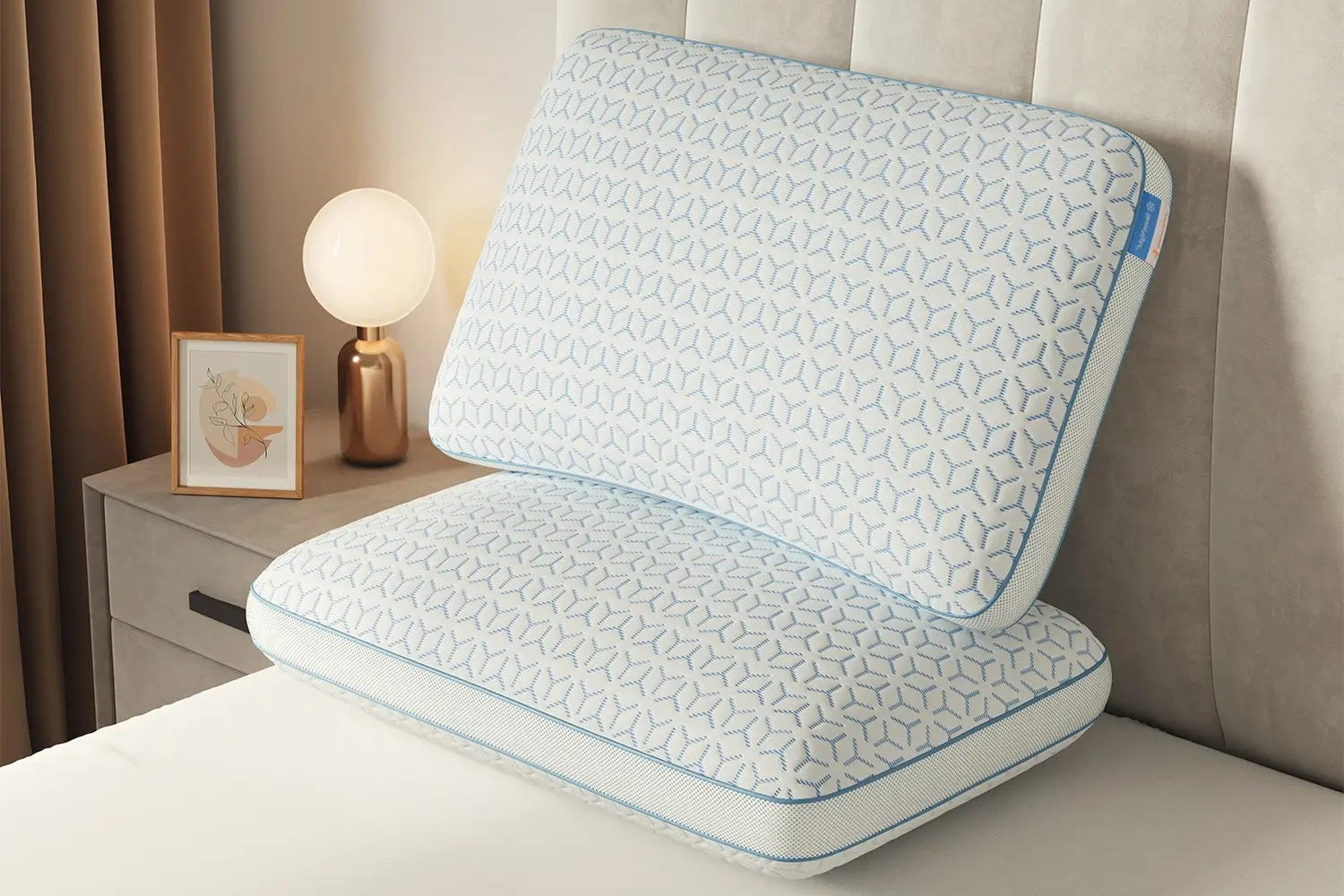
Pillow Cube Review (2026): Pros, Cons & Verdict

pillow cube review
Quick verdict: The Pillow Cube’s squared-off foam is designed to fill the space between a side sleeper’s head and mattress. In my original test, the six-inch model helped me avoid bunching up a thinner pillow. It is a less natural fit for my back or stomach, and the right height depends on your shoulders and mattress.

My original Pillow Cube experience

I have tried many pillows, and the Pillow Cube’s tall, squared edge is a different approach. As a side sleeper with broad shoulders, I appreciated being able to place my shoulder close to the edge instead of continually scrunching a thinner pillow for height. It is a particular feel, though: I found my sample too thick when I moved onto my back or stomach.

I ordered the six-inch version of the older Pro. It arrived folded in its box in less than a week, though delivery times vary. The foam was solid and squishy, and in my experience it did not sleep hot. I used an ordinary pillowcase, which fit but looked odd on the unusual shape; a fitted case was available separately. These are observations about my original sample, not a test of every current model.
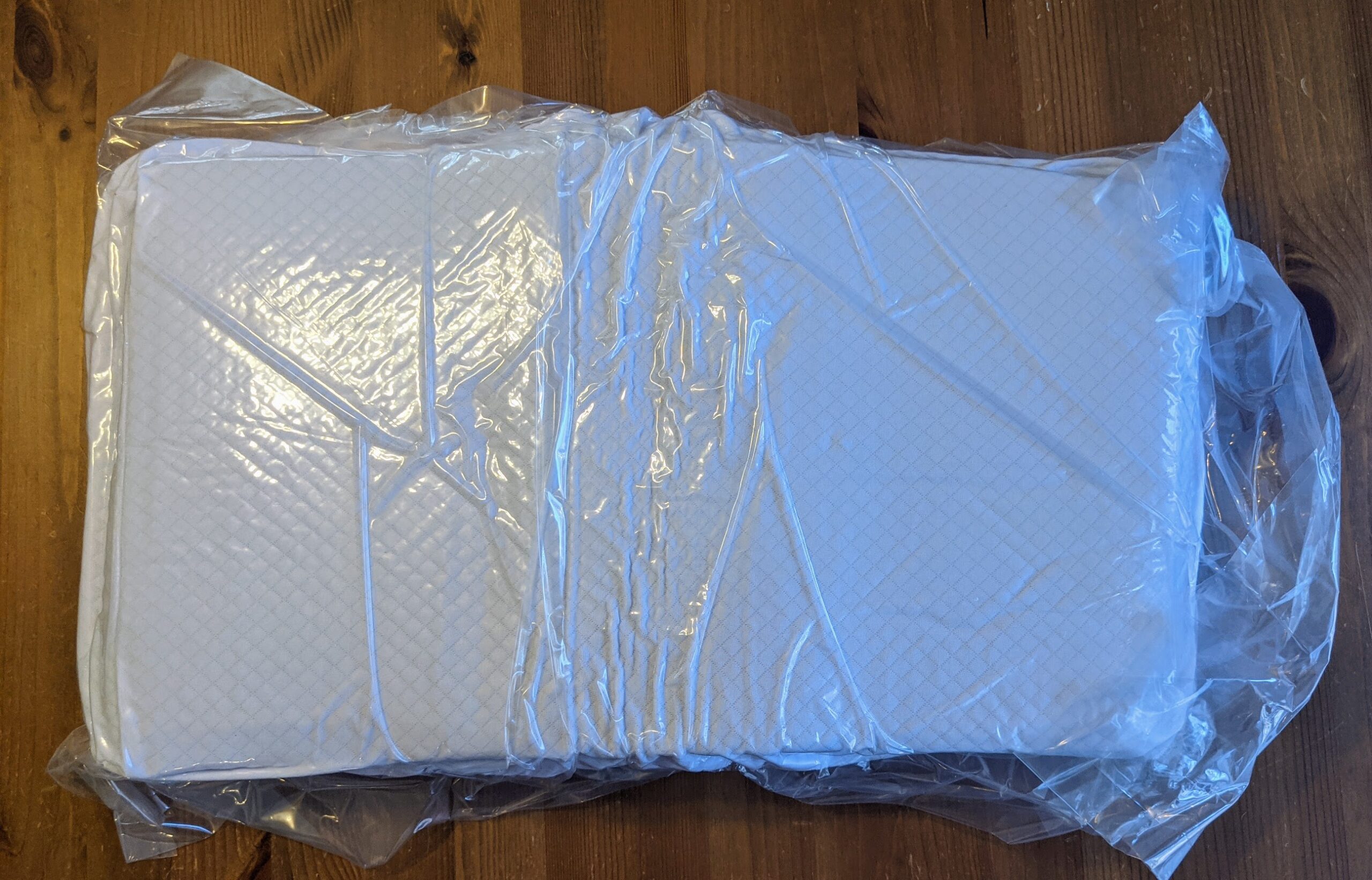
Pillow Cube packaging from Ben’s original review
The Pillow Cube Pro packaging from my original review.

Who should consider it?

Side sleepers: The vertical edge can help fill the space between shoulder and head, especially if flatter pillows feel inadequate. Height still matters: a pillow that is too tall or too low can feel uncomfortable, and a softer mattress can change the gap.

Back and stomach sleepers: The six-inch version I tried felt too thick for me in these positions. People who switch positions may prefer a lower or adjustable option. Pillow Cube now markets a separate Combo Cube for back-and-side sleepers, but I have not tested that model here.

Neck discomfort: A pillow can help you find a comfortable position, but no shape guarantees pain relief. If discomfort persists, consult a qualified clinician.

Current Pillow Cube options

ModelDesign and fitWhat to know
Side Cube OriginalSolid foam, listed at 12 × 24 × 5 inches.Fixed 5-inch height; the company listed it for $59.99 but marked it sold out when checked.
Side Cube RiserAdjustable design with two removable one-inch risers, for 3-, 4- or 5-inch heights.Listed at $79.99 when checked; not the older Pro I tested.
My original Pro sampleSolid foam, six inches high.Historical test; names, covers and available sizes have changed.
Adjustable fill pillowAdd or remove fill rather than using a solid squared block.More adjustable but a different feel. See our Coop comparison.

Details checked October 2026 against Pillow Cube’s Original and Riser pages. Prices, covers and stock can change; check the selected model and size.

Pricing, returns and where to buy

My earlier review quoted older prices and a $20 return fee. Pillow Cube’s current direct return policy describes a 60-night satisfaction guarantee, excludes final-sale items, and lists a $15 return-shipping fee unless optional Re:do was purchased at checkout. Original shipping costs are not refunded; Re:do is nonrefundable. Check the policy and any regional or exchange charges before ordering.

Yawnder has carried Pillow Cube products; contact the showroom to confirm the specific model and size before visiting. Pillow purchases from Yawnder are subject to Yawnder’s own terms, which can differ from the manufacturer’s.

Pros and considerations

What I liked

  • The square edge made it easier for me to keep loft next to my shoulder.
  • The six-inch sample avoided the need to bunch up a thin pillow.
  • The foam felt soft and did not sleep hot to me.

What to consider

  • Fit is highly dependent on shoulder width and mattress firmness.
  • My sample felt too thick on my back and stomach.
  • Some fixed-height versions need a size choice; shaped cases may cost extra.

Frequently asked questions

Is Pillow Cube only for side sleepers?

The Side Cube is designed for side sleeping. Pillow Cube also sells a Combo Cube for side and back sleeping; check its specifications separately.

Can I adjust its height?

The older solid-foam Pro I tested was fixed height. The newer Riser uses removable layers, so choose the model that matches your preference.

Can I wash it?

Follow the care label for your specific model. Pillow Cube says not to wash the foam core; cover instructions vary by model.

Is the return free?

The brand’s current direct policy lists a $15 return-shipping fee unless Re:do was purchased at checkout; final-sale exclusions and other terms apply. Other sellers may have different policies.

Can a Pillow Cube prevent neck pain?

No pillow can guarantee that. The aim is a comfortable position; persistent or worsening symptoms deserve professional advice.

What about the Knee Cube?

Pillow Cube also sells a Knee Cube designed for positioning between the knees. It is a separate product from the head pillow reviewed here. Some side sleepers find a pillow between their knees more comfortable, but a pillow should not be presented as a treatment for inflammation or arthritis. Check dimensions, care and current availability before buying.

Compare Pillow Cube with an adjustable alternative

The solid-foam Pillow Cube comes in different fixed-height versions. Coop Original instead lets you add or remove fill. Our Coop Original vs Pillow Cube comparison includes model dimensions, side-sleeper fit, pricing and current returns/availability notes.

Read the head-to-head comparisonShop Coop Original (affiliate)

Affiliate disclosure: Yawnder may earn commission on Coop purchases. Check current merchant return terms before ordering; pillow policies differ from mattress trials.

CPAP Pillows (2026): Mask Clearance, Hose Routing & Comfort

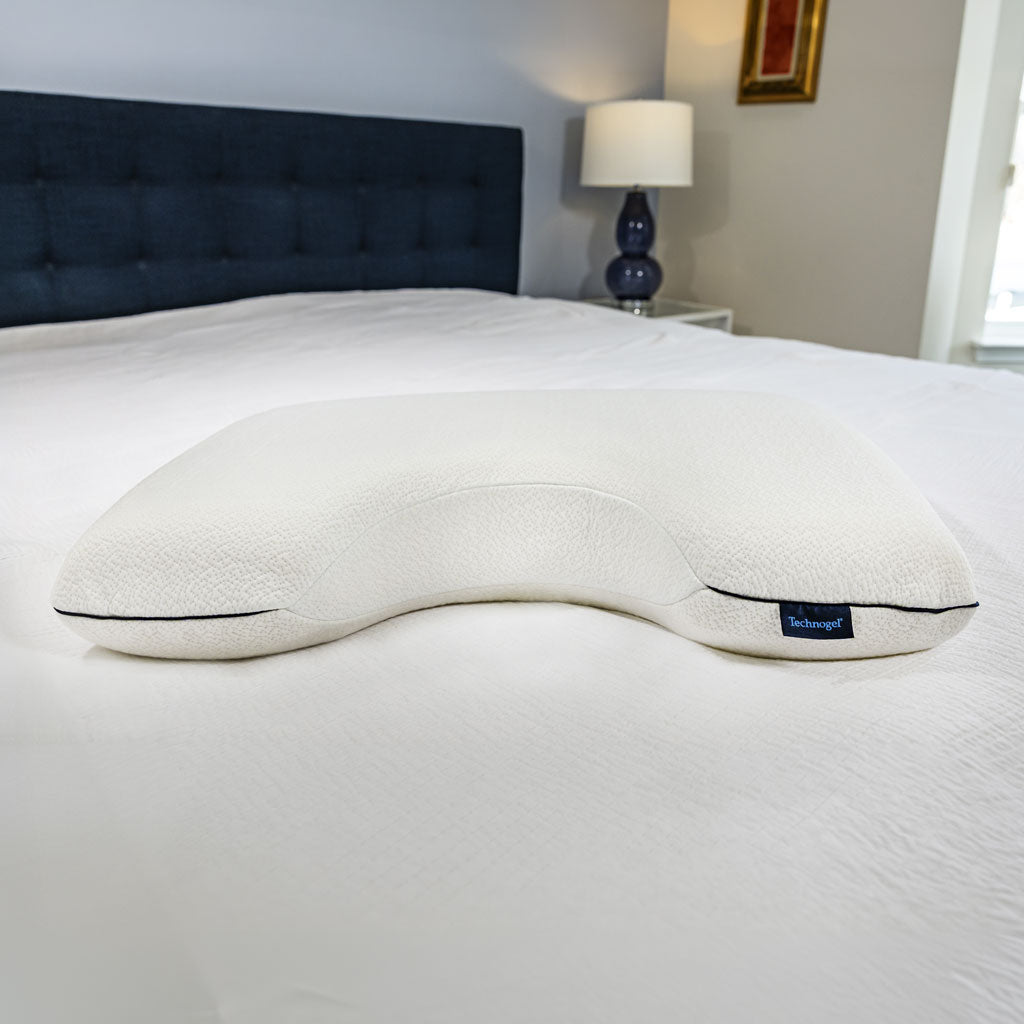
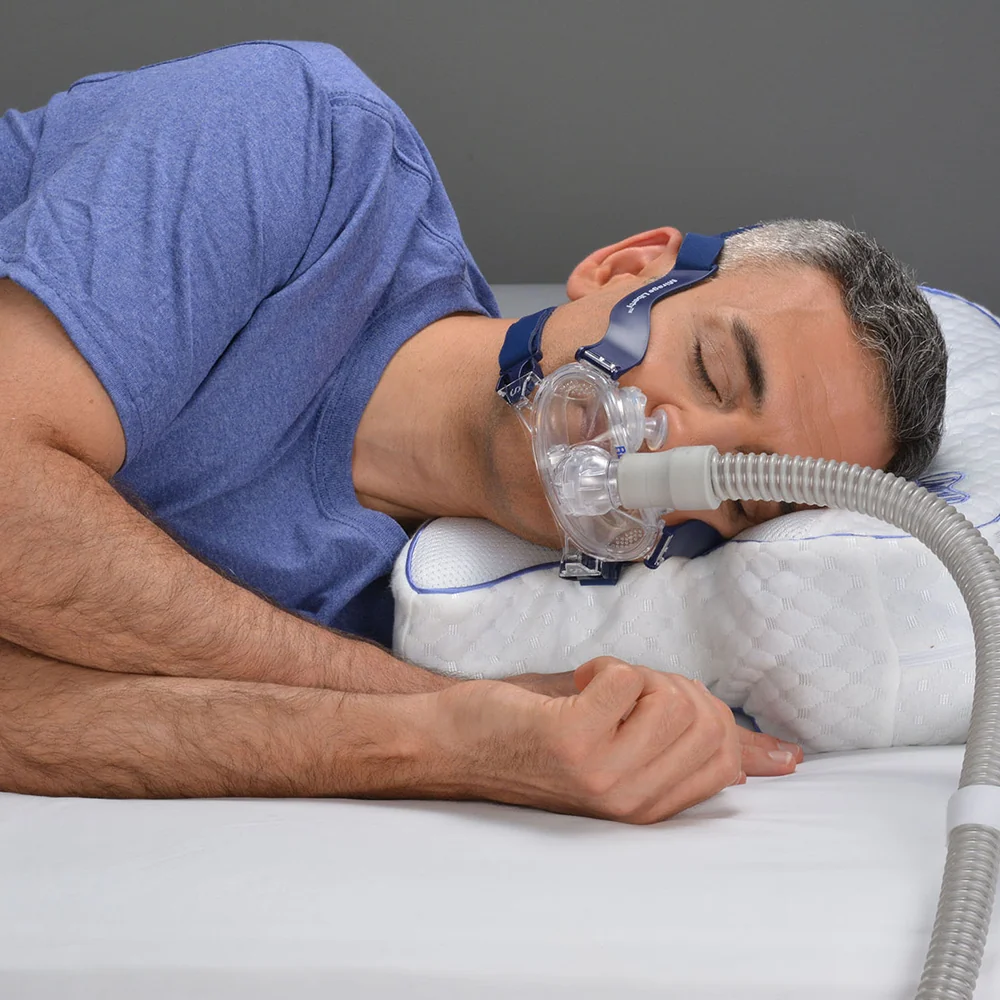
Contour CPAPMax Pillow used with a CPAP mask
Yawnder CPAP Pillow Guide · Updated September 24, 2026

Mask clearance and comfort

The best reason to buy a CPAP-specific pillow is physical fit around the mask—not a promise that the pillow keeps therapy pressure constant or treats sleep apnea.

Evidence-aware approach: mask leaks and mask-related side effects are common in PAP users. A shaped pillow may help an individual mask avoid pillow contact, but proper mask fit, interface choice and PAP follow-up matter more than any particular pillow model. See mask side-effect study and CPAP interface trial.

When a CPAP pillow makes sense

  • You side-sleep and your mask repeatedly hits the pillow edge.
  • Your hose pulls the mask when you turn.
  • You wake with pressure marks specifically where the pillow pushes on the interface.
  • You want a stable cutout/contour rather than constantly hanging the mask off the edge of a normal pillow.
Contour CPAPMax pillow used with a CPAP mask
Contour CPAPMax 2.0, an example of a pillow designed with mask clearance. Photo: Contour Living.

The Contour CPAPMax 2.0 uses removable layers to adjust height and includes a hose tether. Its cutouts and tether may help with positioning, but fit still depends on your mask, sleeping position and preferred pillow height.

CPAP-specific designs to compare

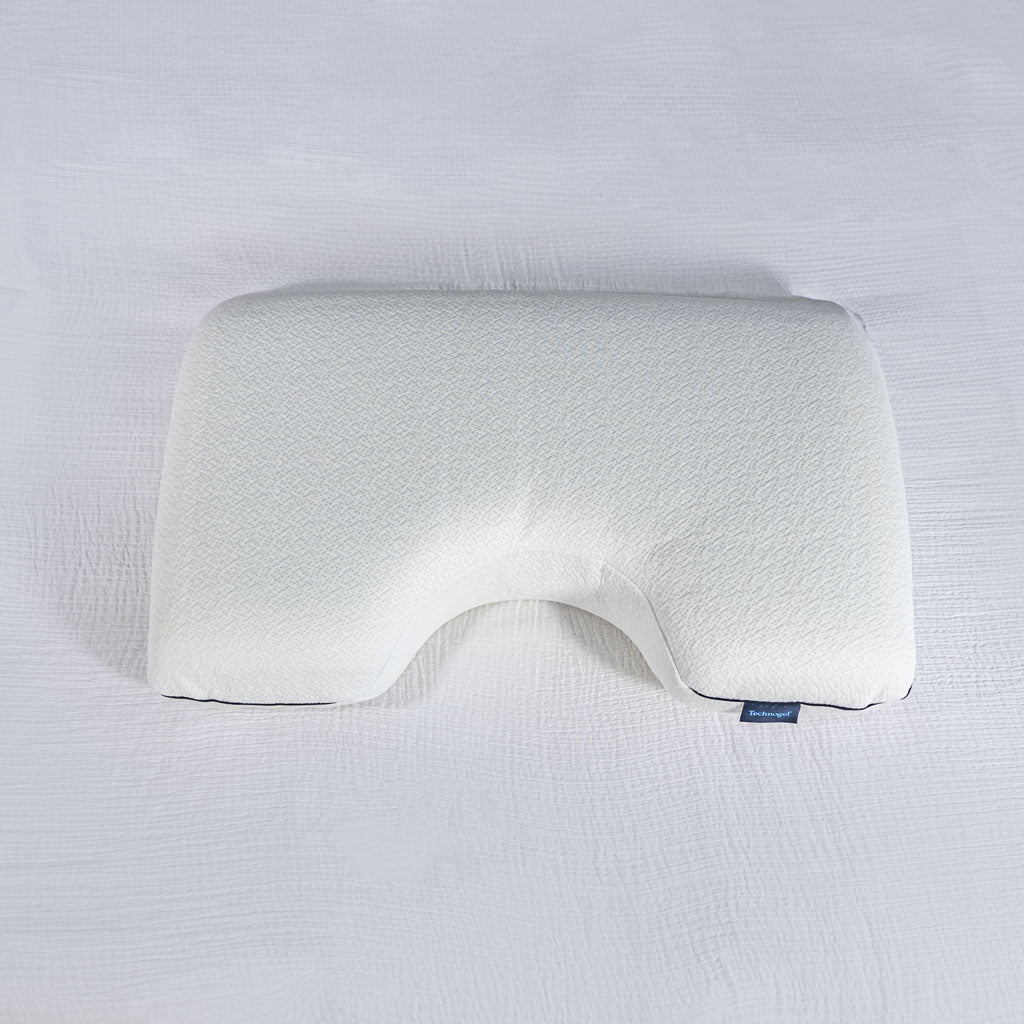
EnduriMed-style cutout pillowDeep side recesses are intended to make room for nasal, nasal-pillow and full-face interfaces. Check current dimensions and seller terms before buying.
Contour CPAPMax-style pillowLayered/adjustable designs and hose-routing features can be useful if your mask/hose setup changes between positions.

What matters more than the product ranking

  • Cutout placement: it has to line up with your face and mask in your real sleeping position.
  • Loft: the pillow still has to fit your neck/shoulder/mattress—not just your mask.
  • Mask type: a shape that works with nasal pillows may not work the same way with an oronasal mask.
  • Hose path: overhead routing, side routing and heated hoses behave differently.
  • Washability: CPAP users may value a removable washable cover because facial oils and mask contact can accumulate quickly.

How to test a pillow with your mask

  1. Put on your usual mask and turn on your PAP device. Lie in your normal position and check whether the pillow pushes the mask out of place.
  2. If you sleep on your side, try both sides and roll gently between positions. Look for enough clearance around the mask while keeping your head and neck comfortable.
  3. Route the hose so it can move without kinking or pulling on the mask. Follow your device and mask instructions and keep the mask’s intentional air vents clear.
  4. Check for escaping air or noise and review the leak information available on your device. If leaks persist or your sleep gets worse, contact your sleep clinician or equipment supplier for help with mask fit and equipment.

Do not change prescribed pressure settings on your own. A pillow is a comfort accessory and should be used alongside your prescribed therapy.

What a CPAP pillow cannot promise

A pillow cannot guarantee zero leaks, maintain prescribed pressure by itself, treat apnea events, or replace good mask fitting. Research on PAP interfaces consistently emphasizes fit and interface comfort, and a 2023 systematic review found limited evidence for many strategies intended to manage PAP side effects. See CPAP interface guidance and the 2023 systematic review.

If your mask is leaking: check fit while PAP is running, review mask size/style, inspect cushions/headgear for wear, and use device leak data plus your clinician/DME guidance. Do not simply tighten the mask until it hurts.

Do you need a special pillow?

Not necessarily. If your ordinary pillow does not interfere with your mask and you sleep comfortably, keep it. CPAP-specific pillows are problem-solving accessories for interface clearance and comfort.

Sleep apnea & pillow positioning guideSide-sleeper pillow guide

Do Not Sell or Share My Personal Information Privacy Policy
Y

Yawnder

We typically reply in a few minutes

👋 Hi there!

Have a question about mattresses, deliveries, or your order? We're here to help.