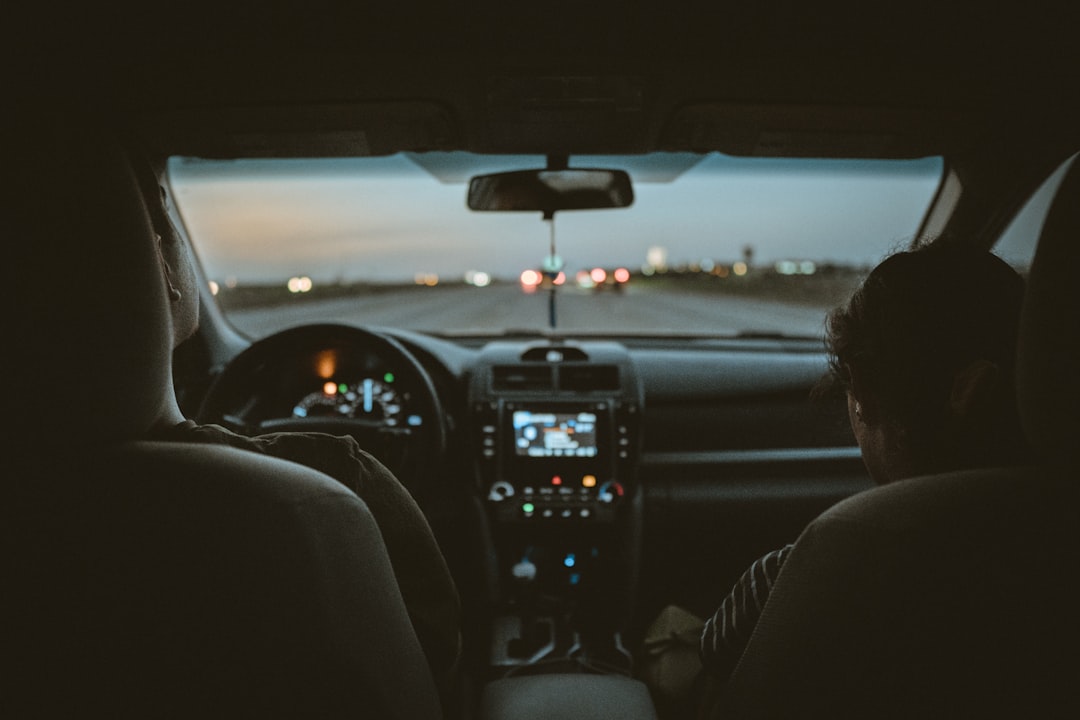
Why does driving make you tired?
Driving can reveal or increase fatigue when you have not slept enough, have been awake for a long time, drive during a natural low-alertness period or spend hours on a monotonous route. Medications, alcohol and sleep disorders can also contribute. Fatigue slows reactions and can lead to brief, involuntary sleep episodes.
If you feel sleepy behind the wheel, stop driving as soon as you can reach a safe place. Arrange for an alert driver, another ride or adequate rest. A loud radio or open window is not a reliable way to stay awake.
Common causes of driver fatigue
- Too little sleep: A short night or several nights of insufficient sleep can reduce alertness.
- Body-clock timing: Sleepiness is often strongest overnight and in the early morning, with another vulnerable period in the late afternoon.
- Long or repetitive driving: Maintaining attention for hours can be difficult, particularly on a familiar or monotonous road.
- Shift work and long commutes: An overnight shift or extended workday can leave too little time for recovery.
- Health and medications: Sleep disorders and some prescription or over-the-counter medicines can cause drowsiness.
The CDC’s driver-fatigue guidance describes these risk factors and their effects on driving.
Warning signs to take seriously
Frequent yawning, heavy eyelids, difficulty focusing, drifting from your lane, hitting a rumble strip or not remembering the last few miles can indicate dangerous sleepiness. You may not accurately judge how impaired you are. You do not need to experience every sign before stopping.
What to do if you are sleepy while driving
- Leave the road at the next safe opportunity and stop in a safe, designated location.
- Switch to an alert, licensed driver or arrange a ride if possible.
- If no alternative is available, rest before deciding whether you are fit to continue. A short nap and caffeine may temporarily improve alertness for some people, but they are not substitutes for adequate sleep.
- If you remain sleepy, do not resume driving. Stay somewhere safe and arrange more rest or transportation.
The National Highway Traffic Safety Administration notes that caffeine alone may not prevent microsleeps, especially when someone is severely sleep deprived.
Before a long drive
Get enough sleep before leaving, allow time for breaks and avoid planning a long trip immediately after an overnight shift. Share driving with another rested driver when possible. Avoid alcohol, and check prescription and over-the-counter medication labels for drowsiness warnings. Do not drive if a medicine impairs your alertness.
Build flexibility into your schedule so you can stop early, find lodging or delay the trip. A break can be useful, but a fixed break schedule does not make it safe to continue when you are sleepy.
When to speak with a clinician
If you frequently struggle to stay awake while driving or remain unusually sleepy despite adequate sleep, contact a healthcare professional. Loud snoring, observed breathing pauses or unplanned sleep episodes are also worth discussing. Avoid driving while you are sleepy, and ask about safe transportation and any medication side effects.
A comfortable sleep environment can support rest, but a mattress cannot diagnose or treat sleep apnea or another cause of excessive sleepiness. See our guide to signs of sleep apnea for more questions to discuss with a clinician.
Frequently asked questions
Why am I tired on a short drive?
Insufficient sleep, medications, time of day and other factors can cause sleepiness even on a short trip. Persistent symptoms deserve medical attention.
Will coffee keep me safe to drive?
Not reliably. Its effects are temporary, and a severely sleep-deprived driver can still experience microsleeps.
Can an open window wake me up enough?
It is not a dependable countermeasure. Stop in a safe place and arrange rest or an alert driver.