📅 Updated August 2026: All facts and guidance on beet juice for sleep were verified as current. Incorporating beet juice a few hours before bedtime remains a recommended strategy for optimal results.
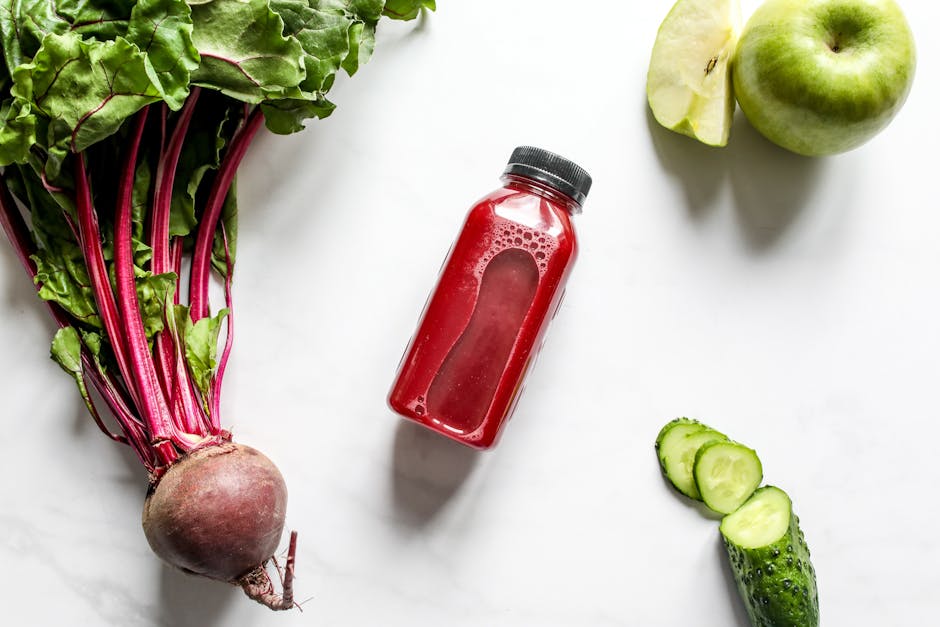
Beet juice may support better sleep due to its high nitrate content, which converts to nitric oxide in the body. This process promotes vasodilation, improving blood flow and potentially lowering blood pressure, creating a more relaxed physiological state conducive to sleep. It is particularly beneficial for those looking for natural ways to enhance sleep quality, though results may vary.
In the ever-expanding universe of wellness, we’re constantly on the hunt for the next natural remedy to unlock our best selves. We’ve sipped chamomile tea for calm, popped magnesium for muscle relaxation, and spritzed lavender for its soporific scent. But what if one of the most powerful, untapped sleep-supporting nutrients was hiding in plain sight, deep in the earth, disguised as a humble root vegetable? We’re talking about beets. It might sound unusual, but the vibrant, crimson juice of this powerhouse vegetable is gaining attention for its potential to improve sleep quality. Here at Yawnder, we believe that great sleep is the cornerstone of a great life, and that journey often starts long before your head hits the pillow. So, let’s peel back the layers and explore the science: can drinking beet juice actually help you sleep better?
The Science of Beets: From Root to Relaxation
To understand the connection between beet juice and sleep, we first need to talk about chemistry. Beets are one of the richest dietary sources of a compound called nitrates (NO3-). For years, nitrates in food were viewed with suspicion, often confused with the synthetic nitrites used as preservatives in processed meats. However, science has revealed that the naturally occurring nitrates in vegetables like beets, spinach, and arugula are not only safe but incredibly beneficial. At Yawnder, we’re all about diving into the evidence, and the story of beet juice is a fascinating example of how the Human body can transform a simple nutrient into a powerful tool for wellness, impacting everything from athletic performance to, potentially, our sleep.
When you drink beet juice, a remarkable chain reaction begins in your body. First, friendly bacteria on your tongue convert the dietary nitrates (NO3-) into nitrites (NO2-). When you swallow, these nitrites travel to your stomach and other parts of the body, where they are converted into a crucial signaling molecule: nitric oxide (NO). This molecule is the real hero of our story. It plays a vital role in a vast number of physiological processes, but its most celebrated function is vasodilation. This process is central to the beet juice-sleep hypothesis and is a key reason why researchers and wellness experts in places from San Diego to Boston are taking a closer look at this vibrant root.
Nitric Oxide: Your Body’s Natural Flow-Regulator
So, what exactly is vasodilation, and how does it relate to a good night’s rest? Imagine the freeways around San Diego during rush hour—congested, slow, and stressful. Now, imagine suddenly doubling the number of lanes. Traffic flows freely, everything moves more efficiently, and the overall stress on the system decreases. That’s essentially what nitric oxide does for your circulatory system. It acts as a vasodilator, meaning it signals the smooth muscles in your blood vessel walls to relax and widen.
This widening of the blood vessels has two significant effects:
- Improved Blood Flow: With wider pathways, your blood can circulate more efficiently. This means more oxygen and essential nutrients can be delivered to every part of your body, including your brain, muscles, and organs.
- Lower Blood Pressure: By increasing the volume of the system, vasodilation naturally helps to lower blood pressure. Think of it like a garden hose—if you widen the hose, the pressure of the water flowing through it drops.
This connection to blood pressure is a critical piece of the puzzle. Chronic high blood pressure (hypertension) is known to disrupt sleep. It can lead to a more active sympathetic nervous system (the “fight or flight” response), making it difficult to relax and fall asleep. Studies have shown that poor sleep can worsen hypertension, and hypertension can fragment sleep, creating a vicious cycle. By promoting vasodilation and potentially helping to lower blood pressure, beet juice may help break this cycle, creating a more relaxed physiological state that is more conducive to deep, restorative sleep.
More Than Just Nitrates: The Supporting Cast for Sleep
While the nitrate-nitric oxide pathway is the main event, beets contain other valuable compounds that can contribute to a better night’s sleep, acting as a powerful supporting cast.
Magnesium for Mind and Muscle
Beets are a good source of magnesium, a mineral that is famously linked to sleep and relaxation. Magnesium plays a crucial role in regulating the body’s stress-response system. It helps maintain healthy levels of GABA (gamma-aminobutyric acid), a neurotransmitter that promotes calm by quieting nerve activity. A deficiency in magnesium can lead to an overactive nervous system, muscle tension, and difficulty sleeping. While a cup of beet juice won’t replace a dedicated supplement if you’re truly deficient, its magnesium content provides a synergistic boost to the relaxing effects of nitric oxide-induced vasodilation.
Antioxidants and Reducing Inflammation
The stunning red color of beets comes from a class of potent antioxidants called betalains. These compounds are powerful anti-inflammatory agents. Chronic inflammation is another enemy of good sleep, contributing to pain, discomfort, and disruptions in the body’s natural sleep-wake cycles. By helping to combat oxidative stress and lower systemic inflammation, the betalains in beet juice contribute to overall health and well-being, creating a healthier internal environment that allows the body to rest and repair more effectively.
The Flip Side: A Jolt of Energy?
For all its potential sleep-promoting benefits, it’s crucial to present a balanced view. For some individuals, beet juice can have the opposite effect, producing a feeling of alertness or energy that’s more suited for a pre-workout drink than a pre-bedtime nightcap. This effect is likely tied to the same mechanism that helps with sleep: the surge in nitric oxide and improved oxygen delivery. For some people, this efficiency boost can feel like a jolt of natural energy.
“I tried drinking beet juice before bed after reading about the blood pressure benefits. For the first hour, I felt fantastic—clear-headed and energized. The only problem was, it was 10 PM and I suddenly felt ready to organize my entire closet instead of going to sleep. It wasn’t a jittery feeling like caffeine, just a clean, wide-awake energy.”
This experience isn’t universal, but it highlights the importance of bio-individuality. How you react to beet juice might be different from how someone else does. It underscores the need for personal experimentation to see if it’s a good fit for your unique physiology and evening routine.
Putting It Into Practice: How to Try Beet Juice for Sleep
If you’re curious to try beet juice, the key is to be strategic. The goal is to harness its calming, blood-pressure-lowering potential without getting caught in the “energy” phase right as you’re trying to wind down.
- Timing is Everything: The general recommendation is to drink one cup (about 8 ounces) of beet juice approximately 1 to 2 hours before your intended bedtime. This window gives your body enough time to start the nitrate-to-nitric-oxide conversion process and for the initial energy bump, if you experience one, to subside.
- Start Small and Observe: If you’re new to beet juice, consider starting with a smaller serving, such as 4 ounces, and see how you feel. Pay attention to your body’s response, not just at bedtime but also your sleep quality through the night.
- The Major Caveat: It is essential to state clearly that while the physiological mechanisms are plausible, there are currently no large-scale, peer-revi