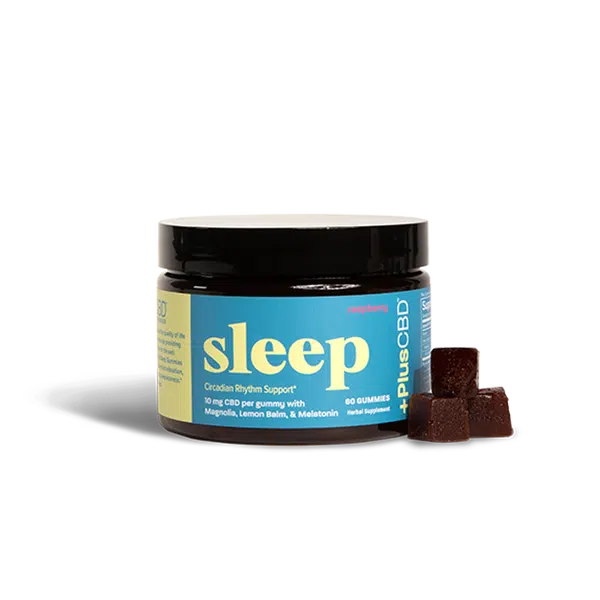
CBD oil is widely marketed for sleep, but there is no established best CBD brand or universal CBD dose for insomnia. This guide explains the evidence, label differences and risks that matter before comparing an oil, gummy or capsule.
By Ben Trapskin, founder of Yawnder. Updated October 18, 2026. This is a research and label-reading guide, not a verified head-to-head product trial or individualized dosing plan.
Does CBD help you sleep?
The evidence does not establish CBD as a reliably effective insomnia treatment. Some people report benefits, but individual reports do not tell us whether an effect came from CBD, another ingredient, expectations or changes in routine. There is no basis here for ranking unverified product formulas as the best overall, a guaranteed “knockout,” or safe for drug testing.
Persistent sleep difficulties warrant evaluation. CBT-I is recommended as an initial treatment for chronic insomnia. A supplement review should not replace assessment of possible sleep apnea, medication effects or other causes.
What published research shows
A randomized pilot trial compared 150 mg nightly CBD with placebo in 30 people with primary insomnia. CBD was similar to placebo for most sleep outcomes, although well-being differed. The small sample and specific dose limit how far the result can be generalized; 150 mg is a study condition, not a dose recommendation.
CBN is a different cannabinoid. A seven-night CBN trial found improvement in some measures of awakenings and sleep disturbance at 20 mg, while its primary sleep-quality result was not statistically significant. That does not validate every CBD/CBN/THC blend or establish that combining cannabinoids is better.
NCCIH’s sleep overview describes limitations in cannabinoid research. Ingredient studies, customer surveys and consumer sleep-tracker screenshots answer different questions from a well-controlled trial of the exact marketed product.
CBD oil, gummies and other product types
| Label or format | What it commonly means | What it cannot guarantee |
|---|---|---|
| Full spectrum | CBD with other plant compounds, potentially including THC | No impairment, no intoxication, or a negative drug test |
| Broad spectrum | Marketed as retaining some compounds while removing THC | That every batch is free from THC or contamination |
| CBD isolate | CBD as the isolated ingredient | That the finished product matches every label claim |
| Oil or tincture | A liquid with a labeled amount per volume or serving | That the total bottle milligrams equal the amount in one dropper |
| Gummy or capsule | A labeled amount per unit or serving | That it is inherently more effective than another format |
| “Sleep blend” | May include CBN, THC, melatonin or botanicals | That a reported effect comes from CBD or that the blend is safe to combine with other aids |
For a concrete mixed-cannabinoid label comparison, see our Slumber Deep Zzzs review. Its checked formulas contain THC; it should not be described as a CBD-only or THC-free product.
Read the label and certificate of analysis
- Exact product and batch: match the report to your package rather than relying on a generic example or old batch.
- Amount per serving: distinguish total bottle content from milligrams per gummy, capsule or measured liquid volume.
- THC amount: inspect milligrams per serving and the laboratory’s reporting limits. A percentage alone is not an assurance of no meaningful exposure.
- Testing scope: see which contaminants were actually tested, the results, report date and laboratory identity.
- Other ingredients: check additional sleep ingredients, sweeteners and carrier oils.
A certificate of analysis can provide information about a tested sample. It does not prove sleep benefits, guarantee every unit in circulation, or promise a negative workplace drug test. A “not detected” result is bounded by the test’s detection limit.
CBD risks, interactions and dose uncertainty
FDA warns that CBD can cause liver injury, affect how other medicines work and cause drowsiness. Combining CBD with alcohol or medicines that slow brain activity increases sedation and injury risk.
We removed the previous instruction to start at 15–20 mg and increase by 5 mg nightly. The evidence reviewed here does not establish a universal sleep dose or justify an automatic escalation schedule. Ask a clinician or pharmacist about your medicines, medical conditions and suitability before use.
Do not drive or operate machinery while drowsy or impaired. Avoid cannabis products during pregnancy or breastfeeding. Store oils and gummies away from children and pets. Seek medical advice for adverse effects instead of taking more to achieve a marketing promise.
If avoiding THC exposure is essential, product-category terms and a review cannot provide assurance of a negative drug test. Do not rely on a “THC-free” sales claim to remove that uncertainty.
Price and subscription checks
There is no current product-price ranking on this page. Compare the exact formulation, final checkout price, serving count and renewal terms. Milligrams per dollar alone do not establish value, quality or clinical benefit. Shipping eligibility varies by seller and product.
Common questions
Will CBD oil get me high?
CBD and THC are different compounds, but a product labeled CBD may also contain THC or other ingredients. Do not promise no intoxication or impairment based on the product name or a hemp percentage claim.
Is broad-spectrum CBD safe for drug tests?
No review or marketing category can guarantee a particular test result. Product composition and testing limits matter.
Is CBN a proven sleep treatment?
There is emerging research, but results depend on the formulation, dose and outcome. A nickname such as “sleep cannabinoid” does not establish a proven treatment or validate every blend.
Should I keep increasing the dose if it does not work?
This guide does not recommend a self-directed escalation plan. Discuss persistent sleep problems and supplement use with a health professional.
What other formulas can I compare?
Our sleep-gummy comparison, Lemme Sleep review and magnesium glycinate guide cover different ingredient categories. None should be assumed interchangeable or appropriate to combine.
Sources and scope
Evidence and precautions draw on the CBD insomnia pilot trial, CBN randomized trial, NCCIH’s sleep overview, NCCIH’s cannabinoid overview and FDA CBD safety information. This is not a batch certification, legal eligibility assessment or product-effectiveness ranking.
Compare an actual cannabinoid label
Read the Deep Zzzs formula differences, THC precautions, study limitations and shipping restrictions before considering a purchase.
Read the Slumber Label Review