
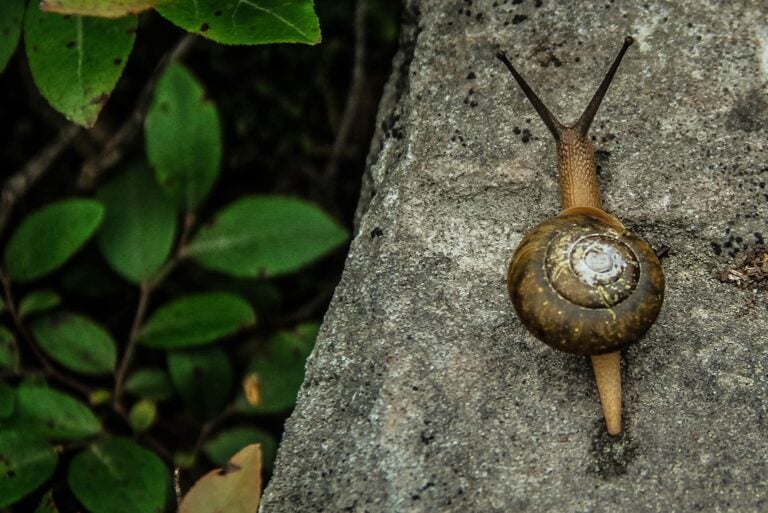
When you spot a snail slowly making its way across a damp sidewalk, your first thought probably isn’t about its age. These humble, soft-bodied creatures are often seen as simple garden dwellers, moving at a famously sluggish pace. But beneath that unassuming shell lies a life of surprising duration and complexity. The question, “How long do snails live?” doesn’t have a single answer. Instead, it opens up a fascinating world of adaptation, survival, and a life strategy centered around the profound power of rest—a concept we at Yawnder cherish deeply.
How Factors Like Species and Environment Shape Snail Lifespan
A snail’s potential lifespan is a complex tapestry woven from threads of genetics, environment, and a little bit of luck. The single most significant factor is species. A tiny garden snail and a large sea snail are as different in their life expectancy as a mouse is from an elephant. There are tens of thousands of snail species, each adapted to a unique ecological niche, and their lifespans can range from a single year to several decades. For example, the famous Roman Snail, or *Helix pomatia*, a delicacy once farmed by ancient Romans in the Mediterranean region, can live for 20 years or more in a protected environment. In contrast, many small freshwater snails in home aquariums are lucky to see their second birthday. Life in captivity, free from predators and with a steady food supply, almost always extends a snail’s life compared to its counterpart in the wild, who must constantly navigate threats and resource scarcity.
A Tale of Three Snails: Lifespans Across Different Habitats
To truly appreciate the diversity of snail longevity, we need to look at the distinct environments they call home. From terrestrial gardens to the mysterious depths of the ocean, a snail’s address is a key determinant of its age.
The Familiar Garden Snail
The common brown garden snail (*Cornu aspersum*) that you might find among your flowerpots typically lives for about 2 to 5 years in the wild. With the right conditions—plenty of moisture, abundant food, and a safe place to hide from birds and rodents—they can sometimes reach 7 years or more. Their life is a constant cycle of foraging, mating, and, crucially, avoiding desiccation and predators. Their ability to find or create a safe, stable shelter is paramount to their survival, much like our own need for a secure and comfortable bedroom to ensure a restorative night’s sleep.
Freshwater Dwellers: A Shorter, Busier Life
Freshwater snails, such as the popular Mystery Snails or Ramshorn Snails found in aquariums, generally lead shorter, more fleeting lives. Most of these species live for just 1 to 3 years. Their aquatic environment often means a more consistent temperature and food supply, but they also tend to have a higher metabolism. They are constantly active, grazing on algae and detritus. This faster pace of life, while efficient, seems to correlate with a shorter overall lifespan, a reminder that relentless activity without adequate rest can take a biological toll.
Oceanic Ancients: The Long-Lived Sea Snails
The true Methuselahs of the snail world are found in the ocean. The stable, cold, and often deep-water environments allow for incredibly slow metabolic rates, which is a key ingredient for longevity. The Queen Conch (*Aliger gigas*), a large sea snail native to the Caribbean, can live for up to 30 years. Other species, like the Horse Conch, can live even longer. The deep sea, in particular, is home to mollusks that have lifespans measured in centuries, not years. Their slow, deliberate existence in a calm and unchanging environment underscores a powerful biological principle: stability and deep rest are cornerstones of a long life.
The Snail’s Superpower: How Dormancy Extends Life
Perhaps the most fascinating aspect of a snail’s life—and the most relevant to our mission of promoting better rest—is its mastery of dormancy. Snails have a remarkable ability to enter a state of suspended animation to survive unfavorable conditions. When it’s too cold, they go into hibernation. When it’s too hot or dry, they enter a similar state called estivation. To do this, a snail will retreat deep into its shell and seal the opening with a membrane of dried mucus called an epiphragm. This airtight seal protects it from the elements and prevents fatal moisture loss.
In this state of suspended animation, the snail’s metabolic rate can drop to a fraction of its active state. Its heart rate slows to a near-standstill, and all non-essential biological processes are paused. It’s a profound act of energy conservation that is key to its survival and longevity, allowing it to outlast droughts, freezes, and food shortages that would otherwise be fatal.
This process is nature’s ultimate power-down mode. It’s not just a passive wait; it’s an active, biological strategy for preservation and renewal. For a snail, this deep dormancy is the key to surviving and ultimately living a longer life. It’s a powerful natural parallel to the restorative power of human sleep, where our own bodies slow down to repair, consolidate memories, and recharge for the day ahead.
What We Can Learn from a Snail’s Pace
The life of a snail, governed by slow movement and strategic rest, offers a powerful lesson in our fast-paced world. We often glorify busyness and see rest as a luxury, but the snail demonstrates that prioritizing rest is a fundamental biological strategy for health and longevity. Just as a snail seals itself in its shell for deep restoration, we too need a sanctuary where we can shut out the world and recharge. Your bedroom should be that sanctuary, and your mattress is its most critical component—your personal shell.
A high-quality mattress provides the physical and psychological safety that allows your body to enter its deepest, most restorative sleep stages. It supports your body, regulates temperature, and minimizes disturbances, creating the ideal environment for the vital repair and recovery that happens every night. Embracing a “snail’s pace” doesn’t mean being unproductive; it means understanding the value of slowing down, protecting your energy, and investing in the profound, life-extending power of exceptional sleep. When you invest in your sleep environment, you are investing in your own longevity and well-being.
At Yawnder, we’re dedicated to helping you build your perfect sleep sanctuary. We believe that, like the humble snail, a well-rested life is a longer, healthier life. If you’re ready to invest in your own nightly restoration, we invite you to visit our San Diego showroom at 1441 Encinitas Blvd in Encinitas, CA. Let our sleep experts help you find the perfect mattress to serve as your shell, protecting and enhancing your most important daily ritual: a great night’s sleep.
Frequently Asked Questions About How Long Do Snails Live? The Surprising Secrets to Their Longevity
How long do most common garden snails live?
Common garden snails typically live for about 2 to 5 years in the wild. With optimal conditions like plenty of moisture and food, they can sometimes reach up to 7 years or more.
What factors influence a snail’s lifespan?
A snail’s lifespan is primarily determined by its species, its specific environment, and factors like the presence of predators and food availability. Life in captivity, free from natural threats, often extends a snail’s life significantly.
Are there any snails that live for a very long time?
Yes, some sea snails and certain terrestrial species can live for decades. The Roman Snail, for instance, can live 20 years or more in a protected setting, while Queen Conchs can live up to 30 years.
Do freshwater aquarium snails live as long as garden snails?
No, freshwater aquarium snails generally have shorter lifespans, typically living for just 1 to 3 years. Their higher metabolism and constant activity in aquatic environments contribute to their comparatively shorter lives.
How does a snail’s environment affect its longevity?
A snail’s habitat significantly impacts its lifespan; stable, cold, and deep-water oceanic environments allow for slow metabolic rates and greater longevity, whereas wild terrestrial snails face constant threats from predators and desiccation.
Why do sea snails often live longer than land or freshwater snails?
Sea snails often live longer due to the stable, cold, and often deep-water environments they inhabit, which allow for incredibly slow metabolic rates. This reduced metabolic activity is a key factor in their extended longevity compared to their land and freshwater counterparts.
Want to test this in person? Visit our Encinitas showroom or call 858-232-5760.


Live pricing and current promotions on the mattresses, bases, and sleep tech we recommend.