I am Ben Trapskin, founder of Yawnder. I have reviewed mattresses and sleep products for more than a decade and have personally tried every mattress o... Full Bio
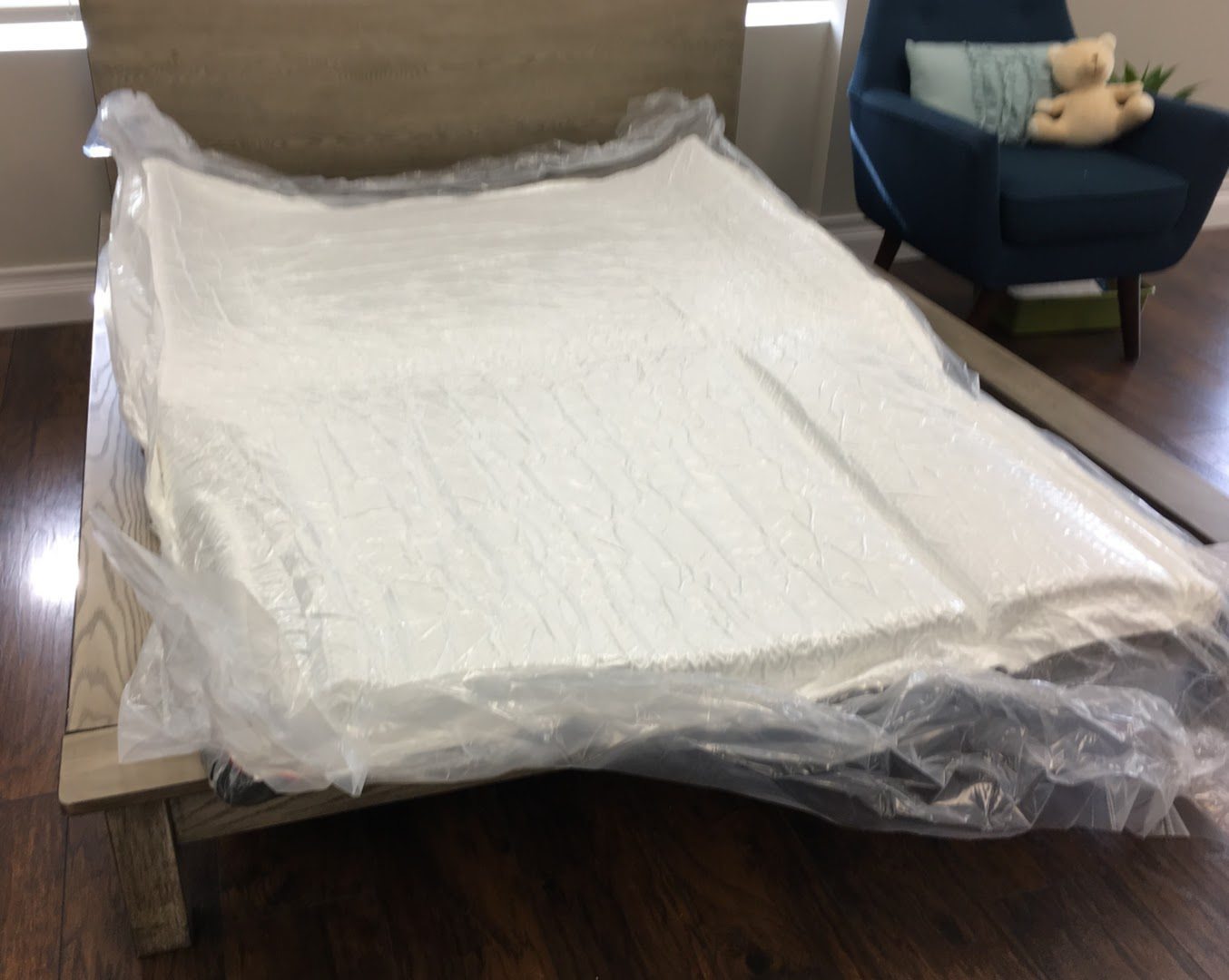
Unpacking the earlier Tulo mattress in Yawnder’s review archive.
Historical launch: This article originally covered the 2017 launch of Tulo by Mattress Firm. The original soft, medium and firm lineup and its offers should not be assumed identical to today’s products.
Our take on Tulo
The original Tulo launch stood out for offering multiple firmnesses in a boxed mattress. Today, Mattress Firm lists Tulo models with different names and constructions, so select the exact mattress before comparing feel, price or policies. This launch article is not a hands-on test of every current Tulo model.
Consider Tulo if: you want to compare budget-oriented boxed mattresses in store or online. Check carefully: the exact construction, firmness, return terms and any delivery fees.
The original Tulo launch
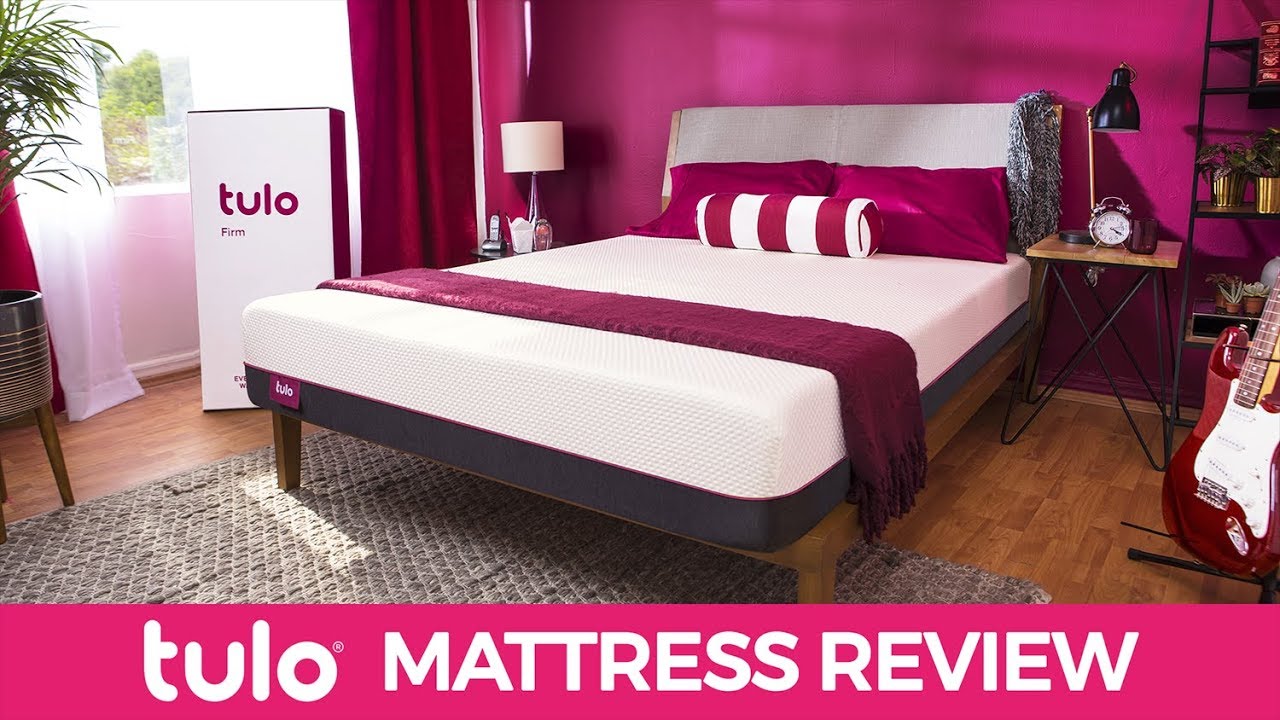
In 2017, Mattress Firm introduced soft, medium and firm boxed mattresses at the same advertised price. The launch materials discussed a four-layer design and 120-night trial. Those details were historical marketing claims, not current guarantees.
The original Tulo promotional video describes the lineup at that time; it should not be assumed to describe later Green Tea or hybrid versions.
Our original mattress test
For firsthand observations on an original Tulo foam mattress, see Ben’s separate Tulo mattress review. The feel and construction of that sample should not be attributed to a different current model without testing it.
Watch Ben’s original look at the earlier Tulo mattress:
Mattress Firm’s current Tulo collection includes models labeled Green Tea and Green Tea 2.0 Hybrid. Listings, sizes and stock can change, and a foam model will not necessarily feel like a hybrid with coils. Check the exact model and size rather than relying on the original launch description.
How to compare Tulo models
Check
Why it matters
Foam or hybrid
Coils and foam respond differently; construction varies by model.
Firmness
Side sleepers may prefer more cushioning; support preferences vary.
Height and dimensions
Confirm fit with your frame and sheets.
Trial and returns
Read the seller’s current policy, fees and conditions.
Before ordering
Compare the delivered price, size, firmness, availability and warranty for the exact listing. A sale, free shipping promise or 120-night trial in the old press release is not evidence of today’s offer. If you can try a model locally, check the same version you intend to order.
Consider body size, sleep position and whether the seller allows a suitable home trial. No mattress firmness is ideal for everyone.
Frequently asked questions
Did Yawnder test every Tulo mattress?
No. Ben tested an original foam model, covered in the separate review linked above.
Are current Tulo mattresses the same as the 2017 lineup?
Do not assume so. Mattress Firm currently lists models with different names and constructions.
Is the 120-night trial still available?
That was part of the historical launch description. Check the current seller’s terms.
Can I choose firmness?
Available firmnesses depend on the current model and retailer listing.
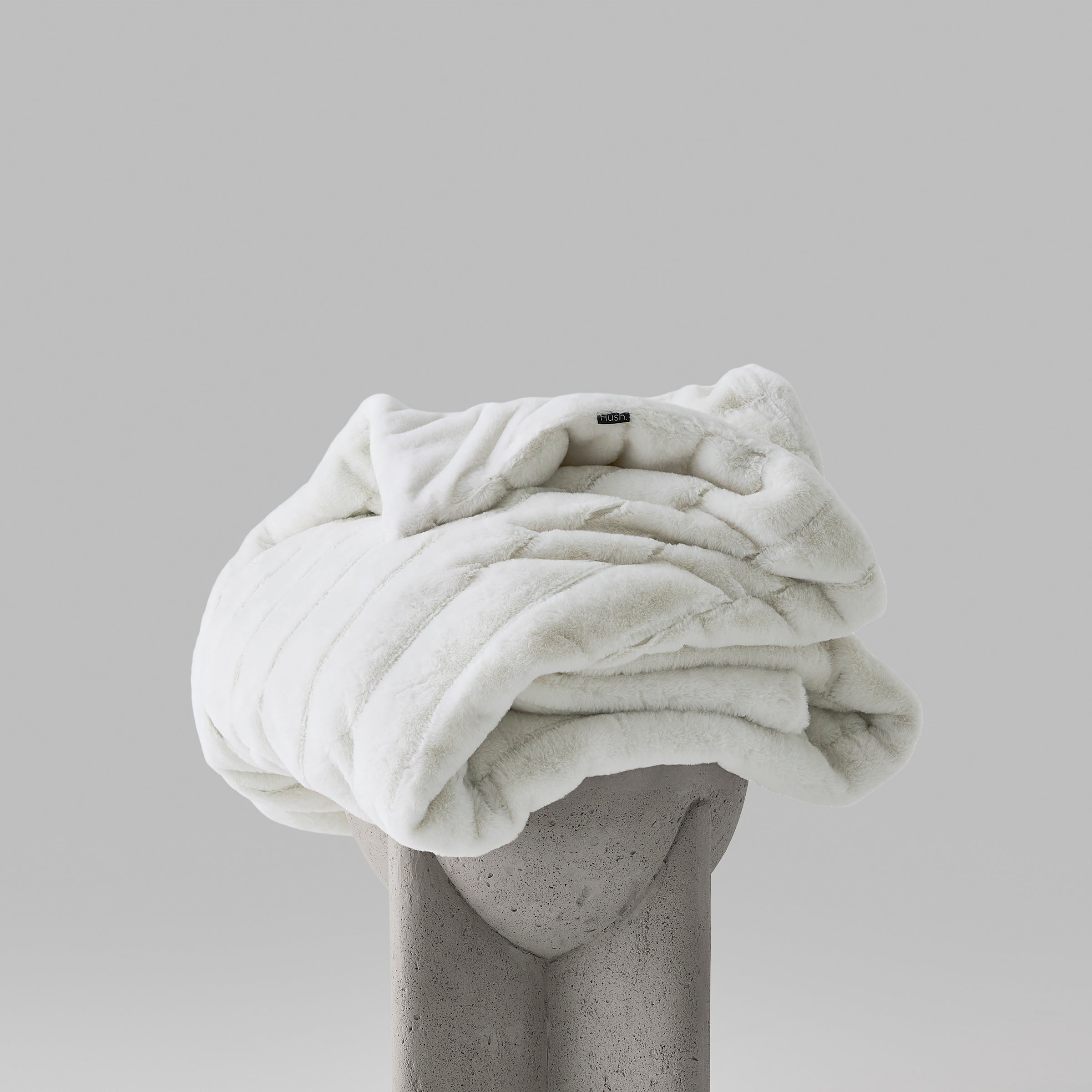
Gravity weighted blanket from Yawnder’s original coverage.
Quick verdict
A Gravity Blanket can be a comforting option if you enjoy gentle, distributed pressure and are comfortable with the extra warmth and weight. It is a comfort product, not a proven cure for insomnia, anxiety or another medical condition. Choose a weight you can move easily, and check the care and return terms before buying.
Best for: adults who enjoy a substantial blanket. Consider an alternative: if you dislike restriction, sleep hot or find a heavy blanket difficult to remove.
Gravity is a brand of weighted blankets; the term is also sometimes used informally for weighted blankets in general. Many use glass beads or other fill sewn into pockets to distribute weight. The concept comes from occupational therapy, where deep pressure stimulation has long been used to help people self-regulate.
How to pick the weight and size
Duvet loops help keep a removable cover in place on some weighted blankets.
The common guideline is roughly 10 percent of body weight, and it is a starting point rather than a rule. A 150-pound adult typically lands on a 15-pound blanket; if you are between sizes or dislike feeling pinned, size down. Comfort beats the formula.
Two sizing points people get wrong:
Buy for the body, not the bed. A single-person weighted blanket is often sized to cover the sleeper without a large overhang that could pull it off the bed.
Couples can compare one shared blanket with two individual blankets. Individual blankets let each person choose their preferred weight and warmth; shared sizes are another option.
Check the fill, whether the cover is removable and washable, and the care label and load limits before washing. Gravity recommends machine-washing the Original’s cover and hand-washing its weighted insert.
Compare weighted blanket options
Option
Why consider it
Tradeoff
Gravity Original
Glass-bead insert and removable plush cover
Plush fabric and weight may feel warm
Cooling-style cover
A lighter-feeling cover may appeal to hot sleepers
Fabric feel varies; cooling is not guaranteed
Two individual blankets
Each sleeper can pick their own weight
Two separate covers to store and care for
Shared larger blanket
One cover for a couple
Compare size and total weight; comfort varies by person
Gravity’s size and care FAQ lists 15-, 20- and 25-pound single options and a 35-pound shared option; verify the exact size and current product listing before ordering.
What the evidence says
A 2024 systematic review reported reduced anxiety symptoms in some studies of people with psychiatric disorders, but the authors noted small samples and differences in study methods. Results cannot be assumed for every person or product. Evidence for sleep is more modest and more mixed — some trials in people with insomnia alongside psychiatric conditions found improved sleep, while other work finds subjective improvement without much change in objectively measured sleep. Proposed mechanisms include a shift toward parasympathetic activity and a calmer nervous system at bedtime.
A fair summary: some people find the sensation comforting, but results vary and evidence does not establish a blanket as a treatment for a sleep disorder. A 2024 scoping review found variable study quality and mixed outcomes, especially in younger populations.
Safety
This part is not optional. Weighted blankets are not safe for infants and toddlers — they pose a suffocation risk, and infant deaths have been associated with weighted sleep products. Pediatric groups and safety regulators advise against weighted swaddles and blankets for babies. For older children, use them only with a pediatrician's or occupational therapist's guidance, at a weight the child can move out from under independently.
Adults should check with a clinician before use if they have sleep apnea or other breathing problems, chronic respiratory or circulatory conditions, low blood pressure, claustrophobia, limited mobility or strength to lift the blanket off, or a condition affecting sensation. Never let a weighted blanket cover the head or face. This is general information, not medical advice.
Living with one
Hush Plush is one example of a plush-cover weighted blanket; check fabric and care instructions before buying.
Heat can be a concern. A plush cover may feel warm; a lighter cover and a cooler room may help, and some people use the blanket only for the first hour, on top of the covers, then push it aside. Give yourself a week or two to acclimate rather than judging it the first night. Spot-clean the inner blanket, wash the cover regularly, and check the manufacturer's washer and dryer limits before you wreck either.
FAQ
How heavy should my weighted blanket be?
About 10 percent of your body weight as a starting point, adjusted down if it feels confining.
Are weighted blankets safe for kids?
Never for infants or toddlers. For older children, only with pediatric or occupational-therapy guidance and at a weight the child can shift on their own.
Do weighted blankets help you sleep?
Some studies report reduced anxiety or improved sleep, but results vary and the research has limitations. A comfortable sensation does not guarantee better sleep.
Will it be too hot?
Often, in a warm room with a plush cover. Choose a breathable cotton or bamboo cover and keep the room cool.
Can two people share one?
A shared blanket can work for some couples. Two individual blankets make it easier to choose different weights and temperatures.
The Agility Bed I reviewed felt distinctly soft, with a quick, springier response rather than the slow sink of dense memory foam. I thought its cushioning would appeal to side sleepers who want a plush surface. The sample was supplied free for review, and these observations describe the 2017 mattress—not a newly tested model.
I have not verified a current listing for the exact construction. The old prices, delivery estimate and 100-night trial are historical and should not be assumed to apply today.
My original hands-on findings
When I lay on the mattress, it cradled me quickly and sprang back more promptly than a slow-response foam mattress. I described it as one of the softer beds I had reviewed and recommended it to side sleepers who enjoy a soft, cozy feel.
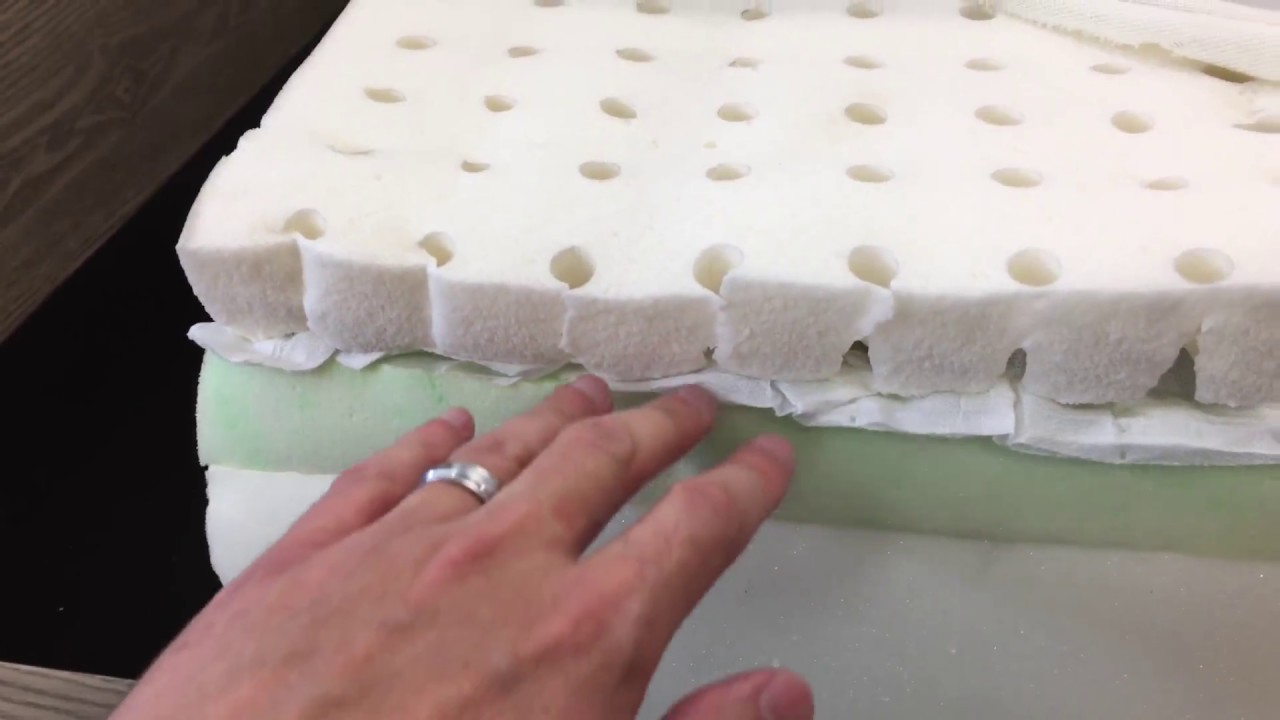
I examined the layer structure and demonstrated motion transfer with bowling balls dropped near the center. That demonstration shows movement in this particular setup; it does not establish a standardized motion-isolation score or predict whether every couple will feel a partner move.
The original review also included a heat-dissipation video. It was not a controlled overnight cooling study, so the results should not be read as a guarantee for hot sleepers. The three original demonstration videos remain on this page.
The reviewed construction combined a zoned latex comfort layer, microcoils and foam. I found that combination gave the bed a soft but responsive character. The quantities below describe the historical sample, not a current specification.
Layer
Original review description
Comfort surface
Five-zone latex; originally reported at 3.3 lb density and 14 ILD.
Microcoils
The review described nearly 1,000 small coils beneath the latex.
Transition foam
Originally reported as 4 lb density visco foam and 12 ILD.
Support core
Originally reported as 1.8 lb density polyurethane foam and 33 ILD.
Latex comfort layer from the reviewed mattress.
The original queen price was listed as $1,099 in 2017. Pricing, shipping, returns and model details can change; check the exact seller's terms rather than relying on the old offer.
Who might like this feel?
Potential fit: people who enjoy a noticeably soft mattress, particularly side sleepers who like a cushioned surface. Latex and microcoils contributed to the quick response I noticed.
Potential trade-off: people who prefer a firm, flat surface or need more support than a soft mattress provides may want to compare firmer options. Body weight, position and personal preference affect how a mattress feels, and the original test did not establish fit for every sleeper.
Shopping for a similar feel today
Compare
What to look for
Soft latex hybrid
Feel of the comfort layers, responsiveness, and the exact coil system.
Plush memory foam
How slowly it responds and how much you sink into the surface.
Medium or firmer hybrid
Whether it gives enough cushioning without feeling too soft.
Trial and warranty
Current seller's break-in period, return fees, eligibility and foundation requirements.
Yes. The original sample felt notably soft and cradling to me; how soft it feels to another person can differ.
Did you buy the mattress?
No. I was given the original mattress free for review.
Is the original trial still available?
The earlier review mentioned 100 nights, but we have not verified that offer for a current listing.
Was its cooling measured overnight?
No controlled overnight cooling measurement is documented in the original review. The historical video is a demonstration, not a universal cooling guarantee.
Quick answer: If you suspect sleep apnea, ask a healthcare professional about an evaluation. A diagnosis does not automatically mean you must use one particular mask or device forever. There are several treatment options, and many common CPAP problems can be addressed with your care team.
Why people put off a sleep-apnea evaluation
Fear of an uncomfortable sleep study or a CPAP mask can make it tempting to ignore loud snoring or fatigue. Cost, time and uncertainty about what treatment might involve can also be barriers. An evaluation gives you information and a chance to discuss options; it does not commit you to a particular treatment before you understand it.
An earlier guest contribution to this page discussed the discomfort some people experience with CPAP and a chin strip its author had a connection to. Mouth leaks deserve attention, but a strip is not a proven substitute for a sleep evaluation or an individualized treatment plan, and it should not be assumed to let you lower your prescribed pressure.
What obstructive sleep apnea is
Obstructive sleep apnea (OSA) occurs when the upper airway repeatedly becomes partly or fully blocked during sleep. Breathing can stop and restart, oxygen levels may drop, and sleep can be interrupted. Untreated OSA is associated with daytime sleepiness, high blood pressure and other health problems. Severity and symptoms vary from person to person.
Not everyone who snores has sleep apnea, and some people with sleep apnea do not report loud snoring. A healthcare professional considers the whole picture and may recommend a sleep study.
Signs worth discussing with a clinician
Frequent loud snoring, or someone noticing breathing pauses.
Gasping, choking or snorting during sleep.
Feeling unrefreshed, unusually sleepy or unable to concentrate during the day.
Morning headaches or waking with a dry mouth.
Sleep problems alongside high blood pressure, atrial fibrillation or a history of stroke.
These signs can have other causes, and some people have different symptoms. Bring a brief sleep diary and a partner’s observations if available. If you are sleepy at the wheel, do not drive; seek medical advice promptly.
What happens during a sleep study?
A clinician may recommend a test in a sleep laboratory or a home sleep apnea test, depending on your symptoms and medical history. Testing records breathing and other signals while you sleep. A home test is convenient for some adults, but it is not right for every situation and may need follow-up testing if the result is inconclusive or does not explain your symptoms.
Ask what equipment you will wear, what to do with your usual medications, when results will be available and what the estimated cost will be. The NHLBI guide to sleep studies describes the process.
What if I cannot tolerate CPAP?
CPAP is a common treatment that uses air pressure to help keep the airway open. It can take time to get used to the equipment. If you experience leaks, dry mouth, congestion, pressure discomfort or claustrophobia, tell your prescriber or equipment provider. The NHLBI recommends follow-up because a different mask, humidifier or clinician-directed setting adjustment may help.
Concern
What to discuss with your care team
Mask leaks or discomfort
Fit, mask size and alternative mask styles; assess fit with the machine running.
Dry mouth or nasal congestion
Possible mouth leak, humidification, nasal symptoms and whether a different mask is suitable.
Air pressure feels difficult
Ramp or other settings and whether the machine and pressure need review. Do not change prescribed pressure yourself.
Feeling confined
Different mask designs and a gradual, clinician-guided adjustment period.
Ask your clinician before using a chin strap or mouth-sealing product. These products do not treat the underlying apnea by themselves and are not a reason to reduce pressure without medical guidance. If you stopped using CPAP, contact your care team for a review rather than simply restarting with an old setup or abandoning treatment.
Are there alternatives to CPAP?
Depending on the diagnosis and individual circumstances, a sleep specialist may discuss a custom-fitted oral appliance, positional treatment, weight management, surgery or other options. An oral appliance may be suitable for some people who cannot tolerate CPAP or prefer an alternative; fitting and follow-up matter. Treatment choice should account for the type and severity of apnea, health history and preferences. The NHLBI treatment overview explains the options.
A mattress, pillow or over-the-counter snoring product may change comfort or reduce noise, but it should not be treated as a confirmed cure. Read our related guide to snoring, sleep apnea and stroke risk for more on the evidence.
Questions to take to your appointment
Do my symptoms or health history suggest that I need a sleep study?
Is a home test appropriate for me, and what happens if it is inconclusive?
What do the results mean for the severity and type of sleep apnea?
Which treatments fit my condition and preferences, and how will we check whether they work?
If I have difficulty with CPAP, whom should I contact about mask fit, dryness or pressure?
What will testing and treatment cost under my insurance or payment plan?
Frequently asked questions
Can I have sleep apnea without snoring?
Yes. Symptoms vary, and absence of loud snoring does not rule it out.
Will I definitely need CPAP if I get diagnosed?
Not necessarily. CPAP is common, but treatment depends on the type and severity of apnea and your circumstances. Discuss alternatives with a sleep clinician.
Can a chin strip lower my CPAP pressure?
Do not assume so. Mouth leaks can have several solutions, and pressure must be determined by your care team. Ask before adding a chin strap or mouth-sealing product.
Can a watch or phone diagnose sleep apnea?
Consumer device alerts can prompt a conversation with a clinician, but diagnosis and treatment decisions require appropriate clinical evaluation and testing.
Quick answer: Obstructive sleep apnea (OSA) occurs when the upper airway repeatedly narrows or closes during sleep. It is treatable, but symptoms alone cannot confirm a diagnosis. If you snore loudly, gasp or feel excessively sleepy, ask a healthcare professional about evaluation.
These breathing interruptions can disturb sleep and reduce oxygen levels. Untreated sleep apnea is associated with serious health problems, including high blood pressure, heart attack and stroke. Individual risk varies, and treatment should be chosen with your care team.
Common signs and symptoms
Frequent loud snoring, gasping, choking or breathing pauses noticed by a bed partner.
Daytime sleepiness, trouble concentrating or waking unrefreshed.
If someone is unresponsive or not breathing normally, call emergency services. If you are too sleepy to drive safely, arrange another way to travel and discuss the sleepiness with a clinician.
How is OSA diagnosed?
A healthcare professional reviews your symptoms, health history and risk factors. A sleep study measures breathing and other signals during sleep; depending on your circumstances, it may be done at home or in a sleep laboratory. Home testing is not appropriate for everyone. See NHLBI’s diagnosis guidance.
Treatment options
Option
What to know
Positive airway pressure (PAP)
CPAP and other PAP devices use air pressure to help keep the airway open. Mask fit and regular use matter.
Oral appliance
A custom, adjustable device fitted by a qualified dentist may be appropriate for selected adults, with sleep-clinician follow-up.
Other approaches
Depending on the person, positional therapy, weight management, surgery or other treatments may be considered.
Treatment depends on severity, medical history and personal preferences. See NHLBI’s treatment overview. A pillow, mattress or snoring app does not replace prescribed therapy.
Living with a diagnosis
Use your treatment as directed and attend follow-up appointments. If PAP causes mask leaks, dryness or discomfort, contact your sleep-care team; adjustments may help. Do not change pressure settings or stop treatment without discussing it with your clinician. Tell your care team if sleepiness or other symptoms persist.
Alcohol and sedating medicines can affect breathing during sleep; discuss your medicines and habits with your clinician. For more on mouthpieces, read how anti-snoring mouthpieces work.
Frequently asked questions
Does snoring always mean sleep apnea?
No. Snoring has several possible causes, but gasping, pauses or daytime sleepiness are reasons to seek evaluation.
Is CPAP the only treatment?
No. PAP is common, but other options may be appropriate depending on the diagnosis and individual needs.
Can an app diagnose OSA?
A consumer snoring recording can provide information to discuss with a clinician, but it is not a substitute for appropriate diagnostic testing.
Naturepedic organic cotton sheets, shown as an example. Image: Naturepedic.
Quick verdict
Organic cotton follows specific farming standards, while conventional cotton may be grown under different rules. Either can make comfortable sheets. The organic label alone does not guarantee a softer feel, a chemical-free product or a lower water footprint for every item.
Best for: Shoppers who want to compare farming and processing standards alongside the feel, fit and cost of bedding.
Organic standards restrict many inputs and prohibit genetic engineering; permitted substances can still be used.
Feel and durability
Depend on the fiber, yarn, weave, finishing and care rather than organic status alone.
Certifications
Check whether a claim covers fiber, processing or the finished product.
Water use
Varies with region and practices; a blanket comparison is not reliable.
Organic vs. conventional cotton: the practical difference
Organic cotton is grown under an organic agricultural standard; conventional cotton is grown under a different set of farming rules. Both can make comfortable sheets. The label alone does not guarantee that a finished sheet is softer, free of chemicals, allergy-proof, or lower impact in every respect.
When shopping for bedding, look at the fiber certification, the finished product’s processing standard, weave, feel, fit and care requirements. This guide explains what those labels do—and do not—tell you.
How the farming rules differ
Under USDA organic crop rules, genetic engineering is prohibited and most synthetic pesticides and fertilizers are prohibited. Organic producers may use certain permitted substances and other practices, so “organic” does not mean no pesticides or chemicals were used. See the USDA’s crop guidance.
Conventional farming practices also vary by region and farm. Avoid assuming that every conventional product contains harmful residue or that every organic farm has the same environmental footprint.
Does organic cotton feel softer?
Not necessarily. Fiber length and quality, yarn, weave, finishing, washing and personal preference affect softness and durability. Organic cotton can be hand-picked or machine-harvested; the label does not promise either method or longer fibers.
For sheets, percale typically has a crisp, matte feel, while sateen usually has a smoother, more lustrous surface. Compare the actual product and return terms instead of relying on the organic label as a feel rating.
Water, soil and farming practices
Water use depends on rainfall, irrigation, location, yields and production practices. Organic methods can include crop rotation and soil-building practices, but “organic” alone does not prove a particular sheet used less water. A meaningful comparison requires product-specific information and the same measurement boundaries.
If environmental impact matters to you, ask the seller for the origin of the cotton, certification, processing information and any evidence behind water or emissions claims.
Understanding pesticide claims
Organic farming restricts many inputs and uses preventive, biological and mechanical methods as part of pest management. Some substances are permitted under organic rules. Conventional cotton may be grown using approved pest-control products under applicable rules. Neither description establishes the exact residues on a particular finished sheet.
For skin sensitivity, wash new bedding according to its care label and consider the full fabric and finish. Persistent irritation has many possible causes; a clinician can help identify them.
What certification means for the finished textile
Certification of the cotton fiber and certification of the finished sheets are different claims. The Global Organic Textile Standard (GOTS) covers certified organic fibers and processing requirements, including environmental and social criteria. Its label grades specify minimum organic fiber content: “organic” generally requires at least 95%, while “made with organic” requires at least 70%. Verify the final product’s label and certification details.
OEKO-TEX STANDARD 100 addresses testing for specified harmful substances; by itself it does not establish that cotton was grown organically. Certifications answer different questions and are not guarantees that a product is suitable for every person.
How to choose cotton sheets
Choose a weave you enjoy: crisp percale, smooth sateen or another finish.
Check fiber composition and whether the certification covers the finished item, not just a supplier.
Measure your mattress depth and check the fitted sheet’s pocket size.
Read washing and drying instructions, return terms and warranty details.
Compare price and feel across both organic and conventional options.
Organic cotton is a reasonable choice if its agricultural and processing standards match your priorities. Conventional cotton can also be a comfortable choice; compare the specific sheets rather than assuming one label decides the result. Explore our bedding guides for more options.
Sources and certification guidance checked October 26, 2026.
Frequently asked questions
Is organic cotton worth the higher price compared to regular cotton?
It may be worth paying more if organic agricultural and textile standards matter to you. Compare the certification, weave, feel, fit and return policy; the label does not guarantee better softness or durability.
Who is organic cotton best for?
It may appeal to shoppers who prefer organic farming standards or a certified textile supply chain. No cotton product is chemical-free or guaranteed to prevent allergic reactions.
How does organic cotton farming compare to regular cotton farming?
USDA organic rules prohibit genetic engineering and most synthetic pesticides and fertilizers, while allowing certain approved substances and management practices. Conventional practices vary by farm. Water and soil impacts depend on local conditions and management.
What are the environmental downsides of regular cotton production?
Water use, pesticide impacts and soil health depend on the farm, region and practices. Look for product-specific evidence rather than assuming every conventional cotton product has the same footprint.
Is organic cotton good for people with allergies?
Organic certification does not make a finished product allergy-free. Check the fabric and finishes, wash according to the care label, and seek medical advice for persistent reactions.
Where can I try organic cotton bedding in person near San Diego?
Contact the Yawnder showroom in Encinitas to ask which bedding products are currently available to see in person.
Want to test this in person? Visit our Encinitas showroom or call 858-232-5760.
Ready to buy?
See today’s best sleep deals
Live pricing and current promotions on the mattresses, bases, and sleep tech we recommend.
Review scope: This is a product and evidence guide. The available original article does not document a hands-on test of the Gravity Blanket.
Are Gravity weighted blankets worth considering?
A Gravity Blanket may appeal to adults who find the sensation of steady pressure comfortable while resting or sleeping. Its usefulness is personal: some people like the weight, while others feel too warm or restricted. Research on weighted blankets is promising in some groups but does not establish that this product treats anxiety, autism, insomnia or any other condition.
Consider one if: you enjoy a heavier cover and can move it independently. Choose a regular blanket if: you dislike pressure or have difficulty moving the blanket.
How does a weighted blanket work?
Weighted blankets add mass through a filled insert or heavy knit construction. The weight creates pressure across the body. Some people describe the feeling as calming, but the degree of comfort depends on weight, distribution, fabric and room temperature.
The current Gravity Original listing shows multiple weight options. Verify the exact size, fill and cover on the listing; the older article’s material and weight table described an earlier range.
What does research show?
A systematic review found some studies reporting improvements in sleep or anxiety outcomes in people with psychiatric conditions, while noting small samples and differing methods. Results from particular populations and blanket types do not prove the same effect for every user or product.
The previous article asserted that the blanket changes specific hormones and replaces treatment. Those claims went beyond the evidence presented. A blanket can be a comfort preference or an adjunct discussed with a clinician, not a substitute for appropriate care.
Choosing weight, size and care
For the current Gravity Original, the manufacturer lists a washable removable cover and recommends hand-washing and air-drying the weighted insert. Its current direct listing advertises a 60-night trial with a return processing fee; verify terms before ordering. The listing has differing dimensions in its product selector and FAQ, so confirm the selected size with Gravity. See the current product details.
Gravity weighted blanket image from Yawnder’s media library.
Some shoppers use around 10% of body weight as a starting point, but this is a rough guide rather than a clinical prescription. Comfort and the ability to remove the blanket independently are more important than matching a formula. Try a lighter option if you are uncertain.
Check dimensions as well as weight: a blanket intended for one person may not drape over a whole bed. Read the care label and confirm your washer can handle the blanket’s wet weight. A removable cover may make regular cleaning easier.
Who should avoid or check first?
Do not use weighted blankets for infants. The CDC recommends a clear, firm sleep surface for babies. Anyone unable to remove the blanket independently should not use one.
People with breathing or circulation concerns, limited mobility or other relevant medical conditions should ask a clinician before use. For a child, consult their clinician and follow age- and size-specific guidance rather than applying an adult rule.
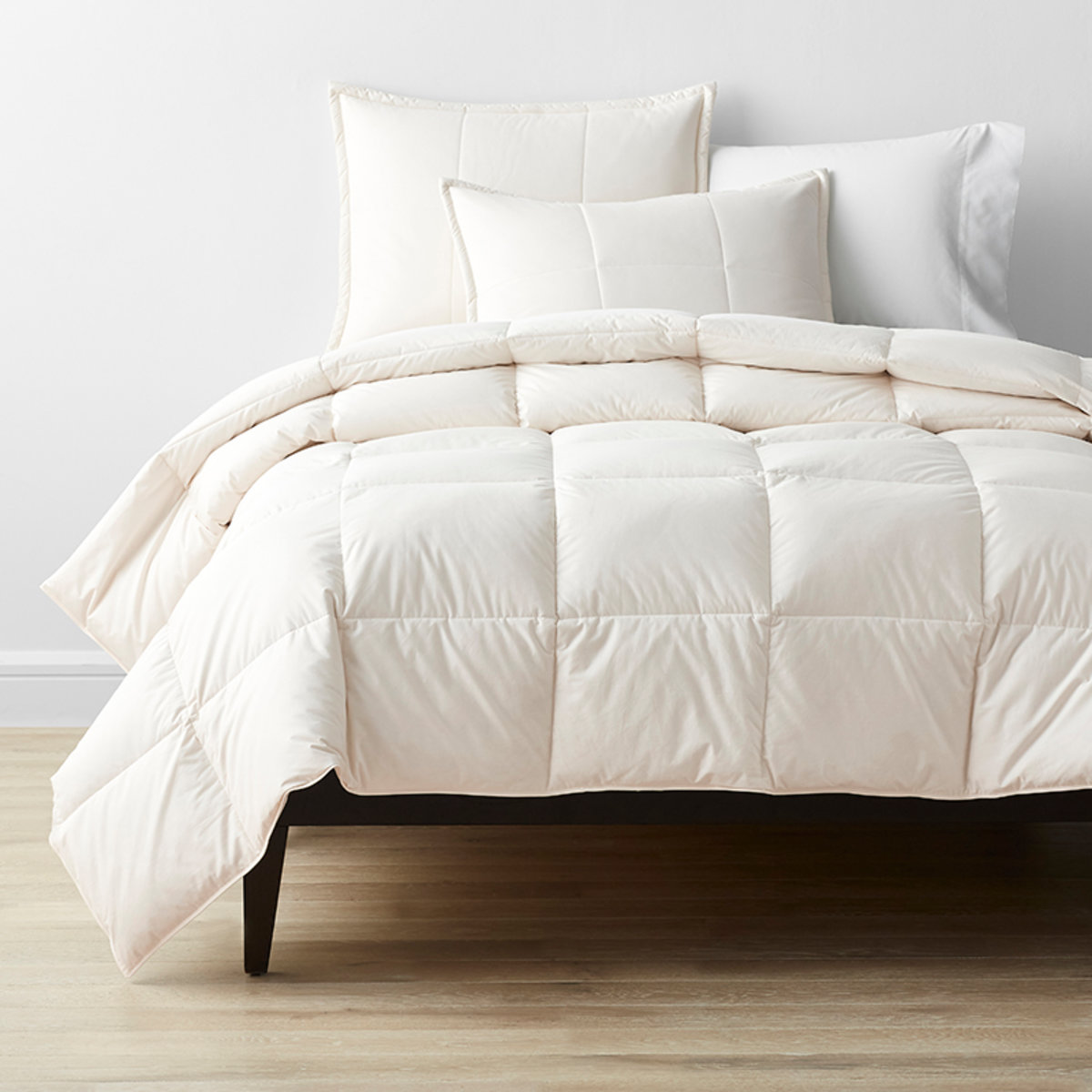
The best down comforter is the one with the right warmth, size and care requirements for your bed. Start with a lighter option if you sleep warm or keep a heated bedroom; consider a warmer fill for cold rooms. Fill power is only one part of the decision—it does not translate into a fixed bedroom temperature.
How warm should your comforter be?
Brands usually group comforters into lightweight, all-season and extra-warm or heavyweight choices. These labels are not standardized across every brand. Consider your bedroom temperature, whether you sleep hot or cold, and how many other layers you use.
Lightweight
A starting point for warm rooms, warm sleepers or layering with a blanket.
All-season
A middle option for people who want one comforter through much of the year.
Extra-warm
Consider for a cooler room or someone who prefers a substantial winter bed.
Two-layer system
Some sets offer separate inserts that attach together, letting you change warmth by season.
Descriptions vary, so check the brand’s actual fill weight and warmth guide rather than choosing by label alone.
Fill power vs. fill weight
Fill power describes the loft of down: how much space a measured amount occupies under a standardized test. Higher fill power can provide more loft with less down weight. Fill weight is how much fill is in the comforter. Construction, shell, size and the amount of fill also influence warmth.
For example, a lightweight and a heavier comforter can use down with the same fill power yet feel different because they contain different amounts. You cannot reliably assign a room-temperature range to fill power alone. See The Company Store’s explanation of fill power and weight.
Down, shell and stitching
Down consists of soft insulating clusters; feathers have quills and a different feel. Read the actual fill composition: “down and feather” is not the same claim as all down. Duck and goose down can both be used in comfortable bedding; compare their stated fill power, fill weight and construction rather than assuming one is always warmer.
Construction
What it means
Consideration
Sewn-through
Top and bottom fabric are stitched together in sections.
Often lower profile; stitching creates thinner areas.
Baffle box
Fabric walls create compartments between the top and bottom shell.
Gives down room to loft; actual performance varies by product.
For sourcing, the Responsible Down Standard addresses animal welfare and supply-chain traceability. Check whether the specific product’s down is certified and what the claim covers.
Down vs. down alternative
Down is animal-derived and often chosen for loft and warmth relative to weight. Down alternative is commonly synthetic fiber and can be attractive to shoppers avoiding animal materials. Both vary widely in warmth, feel and washing instructions. Neither label guarantees that a person with a specific sensitivity will not react.
Brooklinen comforter image from the original guide.
Where to compare comforters
These are places to compare models, not a claim that we tested every current comforter. Check current specifications, price, shipping and returns. Some links are affiliate links and may earn Yawnder a commission.
Brooklinen: compare the brand’s current warmth options and dimensions.
The Company Store: compare fill, construction and warmth levels across its range.
Parachute: check the current down insert options and care details.
Measure your duvet cover and mattress before ordering. A queen-labeled insert can have different dimensions between brands; check length and width, especially if you want more overhang.
Care and frequently asked questions
Can I wash a down comforter at home?
Some can be washed in a sufficiently large machine, while others require professional care. Follow the label for washing and complete drying; a duvet cover can help reduce how often the insert needs washing. Read our down-comforter washing guide.
Does a higher fill power always mean a warmer comforter?
No. Fill weight and construction matter as well. A lightweight high-fill-power insert may be less warm than a heavier insert.
Is a down comforter safe for an infant?
Loose comforters should not be placed in an infant’s sleep space. Use a firm, flat infant sleep surface and follow CDC safe-sleep guidance.
Nest Bedding’s original Lifetime Comfort Guarantee is a legacy replacement discount for qualifying purchases made after August 31, 2017 and before January 31, 2023. Nest’s current Lifetime Renewal Exchange is a separate, one-time comfort-layer exchange for eligible models. A trial, a renewal exchange and a manufacturing-defect warranty are different benefits.
Who qualifies for the original guarantee?
Nest’s published terms describe 30% off a replacement mattress for qualifying original purchasers in that date window. Eligibility also depends on exchange or return history, and a redemption exhausts the benefit. Nest says purchases using this legacy guarantee are final. Check the original guarantee terms and contact Nest or the original store with your order details before relying on it.
How the Lifetime Renewal Exchange differs
The Lifetime Renewal Exchange is a one-time exchange of an eligible comfort layer, rather than the old discount on a replacement mattress. Nest lists Sparrow, Owl, Starling and Finch as qualifying models, with conditions; check that the renewal exchange is attached to the qualifying order and confirm the applicable terms. A full mattress exchange can affect eligibility.
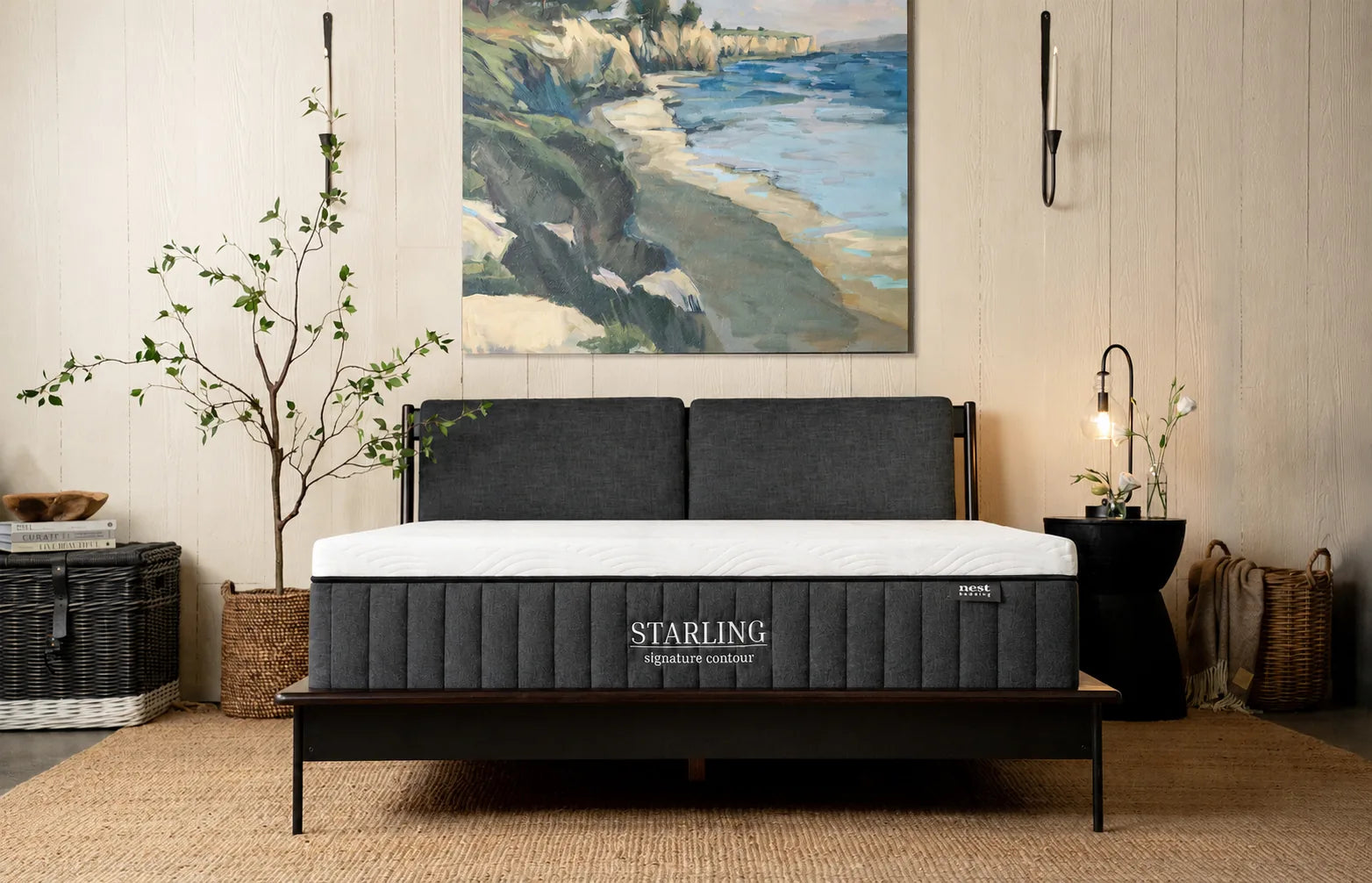
Nest Bedding Starling mattress; confirm eligibility for your specific order.
Trial, bedding and warranty: check separately
Nest describes a 365-night trial for eligible adult mattress orders with a 30-day adjustment period. Older orders can have different terms. Nest’s current bedding policy describes a 30-night return window for eligible bedding, subject to conditions. Retailer terms can differ, so read the policy on your receipt and contact your seller. A limited warranty addresses covered defects and is not the same as a comfort exchange.
Read the original 2017 announcement
Historical archive: The following is the original launch-era description. Its 100-night trial, bedding return terms and other details are not current purchase guidance.
Here are the full details of the new Nest Bedding Comfort guarantee.
1. During the first 100 nights of ownership from date of delivery, you (the original purchaser) may initiate an exchange or return of your mattress for any comfort issue, for a 100% money back guarantee, or exchange to any other bed in our lineup.
2. After the 100 night’s trial, for the remaining lifetime of the mattress, if your needs change and you find you need a firmer or softer mattress, or you need to change to a small or larger size than your original purchase, you may do so at 30% off the current retail price.
* The BKB Kids bed is excluded but still carries a 100 night comfort guarantee.
Details of the Lifetime Comfort Guarantee:
I. The lifetime comfort guarantee applies only to mattresses purchased after August 31, 2017
II. All requests must be made via email to customerservice@nestbedding.com
III. Mattress must be free of damage or stains in order to be approved for return. Mattress must be free of bed bugs, mold or any other condition less than new.
IV. After you have tried the bed for 30 days and during the 100 days trial period, you can exchange for a different feel or mattress in our line up, or initiate a refund after donating the mattress to a local charity. We can work with you to find one. If there is no donation center in your area, we can have the mattress picked up at our expense.
V. There is no fee to return.
VI. Refund will be issued upon receipt of donation or pickup and returned to the original payment method used. While refunds are issued the same business day, it can take up to a week for credit card processors to post your refund.
VII. Stains on the mattress will void the return privilege.
VIII. Returns are for comfort issues only during the initial 100 nights trial period.
IX. All materials have scents, even natural materials, and all our mattresses have been certified. All scents are naturally occurring and will dissipate. Our mattresses are made with certified materials and cannot be returned for allergy claims.
X. All Mattresses must be opened within 30 days of delivery or return privilege is void.
XI. During the initial 100 night’s trial period, upgrading to a different size is not covered under our comfort guarantee.
XII. International sales do not qualify for our exchange program. These sales are final.
XIII. Once a return/exchange is authorized by Nest Bedding, you have 30 days to complete the return/exchange.
Returns on Bedding: 100 days no-risk trial.
Bedding, such as sheets, blankets, duvet covers, pillows. For return authorization, please contact us at customerservice@nestbedding.com
100 days on all Bedding Items, Satisfaction Guaranteed. Don’t like it, email us and we will provide you with a return authorization. No cost to return.
Returns on Furniture, Adjustable Bases, Foundations, Frames:
Foundations are returnable for the same 100 days trial period. Must be undamaged and unstained or voids the return privilege.
Adjustable bases are not comfort products and carry a full warranty privilege but are not eligible for comfort returns.
Aside from Mattresses, Nest Bedding makes excellent pillows such as the Easy Breather Pillow.
Unlike almost all fo the other online brands, Nest also has showrooms across the country where you can try out all their products in person. Nest has grown by leaps and bounds over the past 3 years. They are dedcated to continual product improvement and introducting some of the best products for consumers at a very competitive price point.
Frequently asked questions
Is the original Lifetime Comfort Guarantee available to every new buyer?
No. Nest limits the original replacement-discount program to eligible orders in its specified 2017–2023 purchase window, subject to other conditions.
Does the renewal exchange replace the whole mattress?
No. The Lifetime Renewal Exchange concerns an eligible comfort layer. Check the exact mattress and order eligibility with Nest.
Does the 365-night trial apply to bedding?
Do not assume that it does. Nest publishes separate policies for mattresses and bedding; confirm the terms for your purchase and seller.
An example of a down comforter. Image: The Company Store.
Quick verdict
Both goose and duck down can make a comfortable, lofty comforter. Goose may command a higher price, but bird species alone does not determine warmth or value. Compare the actual fill power, fill weight, warmth rating and construction.
Best for: Shoppers choosing a down comforter who want to understand the trade-offs before paying more for a label.
Both can insulate; goose down may reach higher fill powers and often costs more.
Fill power
Loft per unit of down; not a complete measure of finished comforter warmth.
Fill weight
Compare ounces in the same comforter size alongside the warmth designation.
Care and sourcing
Review laundering instructions and a specific certification claim such as RDS.
Goose Down vs Duck Down
Which is better – goose down or duck down? This is a question that is often asked in the world of bedding products. It is an important question to consider when you are looking for a down comforter for your bedroom. As you may already know, goose down has a higher value when compared to duck down. However, this depends largely on the product – for example, a high-quality duck down comforter may be better than a mediocre goose down one. It also depends on your specific needs and your budget. Let us take a quick look at a few things about the goose and duck down to find out which one is a better choice for you.
Is there a major difference between goose and duck down?
This is another important question to ask when checking out down comforters for your bed. The answer is no. Both types use down clusters to trap air. The warmth of a finished comforter depends on more than bird species. There is no reliable universal percentage difference in warmth between the two. Compare the specific product’s fill power, fill weight, construction and warmth rating.
Goose down and duck down have the ability to maintain their warmth and loft for many years, maybe even decades, if they are well cared for. It does not matter which bird provides the feathers or down for your comforter. The secret is to find a well-made down comforter from a reputable manufacturer and take proper care of it to ensure that you always have a cozy and luxurious sleeping experience for many years.
Here is a look at a few important things you should know before deciding between goose and duck down:
Durability
Generally speaking, regardless of fill power, there is no major difference between the durability of goose down and duck down. Part of how durable they are depends on the down’s fat and oil content – there is an inherently higher content of oil and fat in some birds. Moreover, down, whether goose or duck, is an organic product and will vary from one season to another because of several factors including weather, bird condition, feed, etc. To ensure warmth-trapping – keeping the down resilient and pliable – there needs to be a certain percentage of fat and oil.
If the down is “over washed” during processing and an excessive amount of oil and fat is removed, it can become dry and brittle. This makes it easier to break down, which in turn decreases the fill power of the down. High-quality down comforters have properly processed down to optimize performance and durability, irrespective of whether it is goose or duck down.
Odor and care
As mentioned earlier, down is a natural product. Although a certain percentage of fat and oil is necessary to ensure its resilience and pliability, the presence of these substances also plays a part in the scent of the down. People with a highly acute sense of smell may notice a slight odor, even when the down is in the cleanest condition.
Because there is a difference between the feeding habits of goose and duck, there may be minor differences in smell between goose and duck down. This is due to the scent in the oil content, which is necessary to make the down resilient. If the odor is concerning, check the seller’s care instructions and return policy. A water-repellent treatment should not be assumed to eliminate odors.
Understanding fill power
Birds, whether goose or duck, that are older more mature tend to provide down with higher fill power. When a bird lives long, it’s down cluster becomes more developed. Furthermore, to ensure that they achieve the fill power they desire, processors sort through large down clusters, small down clusters, feathers, etc. to produce down of a certain fill power and content.
Both goose and duck down are sold in a range of fill powers. Goose down can reach very high fill powers, but a well-made duck-down product can still offer substantial loft. Compare the stated measurements and finished product, not species alone.
Down fill power is an important metric in the textile industry, particularly when it comes to products such as jackets, bedding, and sleeping bags. This measure indicates the quality of the down, referring to the loft or “fluffiness” of the down and its insulating properties. Here, we provide an extensive list of down fill power ratings, each signifying a different level of quality and warmth.
Fill power measures the volume occupied by a given amount of down. Higher fill power can provide more loft with less weight, but it does not establish the warmth of a finished comforter on its own. A heavier fill, a warmer shell or different construction can make a lower-fill-power comforter warmer than a lighter high-fill-power one. Compare fill weight and the manufacturer’s warmth designation as well as fill power.
Fill power is only one part of evaluating a comforter. The amount of fill and the construction also affect how warm it feels. When making a purchase decision, one must consider factors such as intended use, budget, and personal comfort to choose the appropriate fill power.
Color
Goose and duck down are both available in white and mottled grey. If you look at things from a historical point of view, the bedding industry desires white-colored down more, which is mainly due to the fact that manufacturers commonly use white in bedding fabric and prefer to hide the presence of down. Apart from a visual difference, white and grey colored down do not have a difference in performance – meaning that one is not warmer or more durable than the other.
How to compare two comforters
Fill power: Compare loft per ounce; it is not a standalone warmth rating.
Fill weight and size: Compare ounces in the same comforter size. More fill generally adds insulation, all else equal.
Warmth designation: A lightweight, all-season or winter label helps, but brands use different scales.
Down percentage: Check the label for down versus feathers and the stated bird species. A blend is different from all-down fill.
Construction and shell: Baffle boxes or sewn-through compartments affect how fill stays distributed. Compare fabric, wash instructions, dimensions and return terms.
Animal welfare: Look for a specific certification claim, such as the Responsible Down Standard. The standard prohibits live plucking and force-feeding and uses third-party auditing and chain-of-custody requirements.
For hot sleepers, start with the seller’s lightweight option and check the return policy. For a colder room, compare higher fill weight or a warmer designation. A duvet cover can protect the shell; follow the maker’s washing and thorough-drying directions.
The verdict
Both goose and duck down can insulate equally efficiently when you take variables such as quality of fill, fill power, processing, etc. into account. Down quality has a direct connection to everything from the bird’s feed during its lifetime, to the length of its life, to the method of washing that is used in processing.
When you are looking for a great down comforter, you will need to choose between, goose and duck down. It is a good idea to know what goes into the manufacturing process to make sure that you make the best choice. Keep in mind that although goose down is considered superior to duck down, there are countless high-quality duck down comforters available in today’s market. They are, more often than not, more affordable and you get the same insulation that a goose down comforter provides.
Whether you choose goose or duck down, make sure that you pick the best quality down comforter for your bed. You can have a cozy, luxurious sleeping experience and make sure that you get restful, relaxing sleep every night, no matter what time of the year.
If you’re looking for excellent Down duvets and comforters, check out all our bedding reviews.
Frequently asked questions
1. What is the difference between duck and goose down?
Duck and goose down are both excellent insulators, but they have slight differences in their structure. Goose down clusters can be larger, but fill varies by product. Compare actual fill power and weight when shopping. Duck down, on the other hand, is a bit smaller and less fluffy, but it’s also typically more readily available and cost-effective.
2. Is goose down warmer than duck down?
Goose down can reach high fill powers, but duck down also spans a range of fill powers; compare the actual products rather than assuming that goose is always warmer. However, the warmth of the down also depends on the fill power – fill power describes loft per unit of down, not the warmth of the finished comforter by itself. Fill weight, construction, and fabric also matter. Hence, a high fill power duck down can be warmer than a low fill power goose down.
3. Which is more expensive, duck or goose down?
Generally, goose down is more expensive than duck down. Pricing varies with sourcing, fill power, product construction and brand; a higher price does not guarantee a warmer comforter. The rarity of high fill power goose down also contributes to its higher cost.
4. Are there any allergy differences between duck and goose down?
The risk of allergies to either duck or goose down is relatively low, and the difference between the two is negligible. Sensitivities vary, and neither bird type is guaranteed to be allergy-free. If you have allergies or asthma, discuss persistent symptoms with a clinician and follow cleaning and care instructions.
5. Is there a difference in smell between duck and goose down?
Both duck and goose down have natural odors, but these should not be strong or unpleasant if the down is cleaned properly. If there is a noticeable smell, it usually indicates that the down is not thoroughly cleaned or has been exposed to damp conditions. Some people may find a slight difference in smell between duck and goose down, but this is highly subjective and usually unnoticeable in well-maintained products.
6. Is there a difference in durability between duck and goose down?
When properly cared for, both duck and goose down products can last for many years. Their durability is more related to the quality of the down, the construction of the product, and how it’s maintained rather than the type of down used.
In the saturated world of online mattress companies, two names have stood out prominently: Leesa and Nectar. Both brands offer direct-to-consumer products that promise a perfect night’s sleep, and each has amassed a dedicated following. But how do they stack up against each other? Here’s a comparison with both current and historical evidence. 2026 manufacturer verification (October 24, 2026): Leesa Original now uses GreenFlex foam and Leesa lists a 365-night mattress trial and limited lifetime warranty for eligible manufacturer-direct orders. Nectar Classic is now a 12-inch foam model with a cool-to-touch cover, a 365-night qualifying trial and a Forever Warranty. This page also preserves older hands-on footage, prices and mattress constructions as historical examples; do not assume those represent the models shipped today. Purchases made through Yawnder follow Yawnder’s separate 100-night mattress return policy. Official 2026 sources:Leesa Original product, Leesa trial policy, Nectar Classic product and Nectar trial policy.
Construction and Materials
Leesa: The current Leesa Original is an all-foam mattress with responsive GreenFlex foam, cradling memory foam and a supportive foam core. Leesa lists an optional Cooling Quilt Top cover; Original Hybrid is a separate coil-supported model. Earlier Leesa Originals used other top-foam formulations, so do not treat archived Avena-foam construction as a current specification.
Nectar: Nectar Sleep is best known for its flagship memory foam mattress, which comprises multiple layers of foam for support, pressure relief, and cooling. Its core is dense foam for stability, and on top of that are layers for contouring and comfort.
Firmness and Feel
Leesa: On a firmness scale from 1 (softest) to 10 (firmest), the Leesa Original lands at about a 6, giving it a medium-firm feel. The combination of foam layers offers both support and pressure relief.
Nectar: Nectar’s mattress falls around a 6.5 on the firmness scale, placing it also in the medium-firm category. With its memory foam composition, sleepers can expect a pronounced contouring effect, cradling the body more than Leesa.
Cooling and Breathability
Leesa: Leesa’s top layer is designed for breathability, aiming to address one of the most common complaints about foam mattresses: heat retention. Many users report a cooler sleep experience with Leesa compared to traditional memory foam mattresses.
Nectar: Nectar incorporates memory foam and a cool-to-touch cover in today’s 12-inch Nectar Classic, according to Nectar’s product specification. This is not evidence of measured overnight temperature performance. While it works to mitigate the heat-trapping nature of memory foam, some users might still find it warmer than innerspring or hybrid alternatives.
Price Point
Both brands position themselves in the mid-range category when it comes to pricing, but there are often promotions and discounts that can make a significant difference in cost. Neither brand is reliably cheaper across every model and sale. Compare current Leesa Original and Nectar Classic prices for the same Queen size and your selected cover or hybrid option at checkout.
Warranty and Trial Period
Leesa: For eligible orders purchased directly from Leesa, its October 2026 return guidance specifies a 365-night mattress trial, with return eligibility from nights 31 to 365 and a limit of two mattress returns per household. It advertises a limited lifetime mattress warranty. Mattress returns are free in the contiguous United States, with geographic and service-fee exceptions. Retail partners such as Yawnder can apply their own trial rules.
Nectar: One of Nectar’s significant selling points is its 365-night trial, allowing users to test the mattress through all seasons. Additionally, Nectar offers a “Forever Warranty,” promising to replace mattresses with defects for as long as you own it.
Our Thoughts
Choosing between Leesa and Nectar ultimately boils down to personal preference. Both brands offer quality products, but they cater to slightly different needs and priorities. Leesa provides a balanced foam feel with a hint of bounce, while Nectar leans more towards a traditional memory foam experience with deeper contouring. With their generous trial periods and warranties, both companies have made it less risky for consumers to take the leap into the world of online mattress shopping. If you’re in the market for a new mattress, either choice could deliver the sleep quality you’re looking for.
Current trial check:Leesa’s direct policy and Nectar’s trial policy describe 365-night trials for eligible mattresses, with adjustment periods and conditions. Check the policy for your specific seller and order.
If you’re looking for a Leesa vs Nectar comparison, this should make your decision much easier. In this post I break down all the pros and cons of each mattress to help you decide which is right for you. Both the Nectar and Leesa are great mattresses but each have a distinct feel that will appeal to different types of sleepers. There are no winners or loosers here, just clarification for you so that you get the right mattress the first time.
Overview of Nectar vs Leesa Mattress
The video below gives you a side by side comparison of both mattresses. As you can see in the video below, my bowling ball reacts very different on each of the mattresses.
Both of these mattresses come with a generous trial period.
Historic Leesa trial in our older video-era comparison: 100 nights. Current eligible Leesa-direct mattress trial: 365 nights, with returns from night 31. Yawnder purchases follow Yawnder’s separate terms.
Leesa Queen price in original historical comparison (not today’s checkout quote): see current Leesa listing for live pricing
Nectar mattress historical archived Queen price, not a 2026 quote; compare current manufacturer checkout totals
Both of these companies offer discounts on a regular basis. Historical comparison note (2017): Leesa previously advertised a $100 discount on one Queen configuration, but that price is not a current 2026 offer. Check current Leesa prices and trial terms. Nectar historically offered $125 off and 2 free pillows under a past promotion; verify current Queen-size prices and bundled offers before buying.
There is a significant difference in price here but not so much that it would be a deal breaker if one is better suited to your needs.
2026 model comparison: Nectar and Leesa each sell more than one mattress. Compare the exact foam or hybrid model, size, construction, firmness and retailer trial rather than assuming these archived specifications are identical to what ships today. See Nectar’s model guide and current mattresses.
Archived Leesa construction and hands-on test (original model)
In the original video-era Leesa model, the top Avena foam helped create the bounce shown. This is historical test footage, not a specification for the current Leesa Original, which Leesa says uses GreenFlex foam. The cooling comes into play in that it is convoluted (think egg crate shaped) so that there are channels for air to circulate.
10 inches total height
Top layer is 2 inches of Avena foam,which is a polyurethane foam that performs like latex
Below that is a 2 inch layer of memory foam for extra comfort and pressure relief.
The base layer is a 6 inch high density foam used as the support base. It is the foundation of the Leesa matttress.
Archived Nectar construction and hands-on test (original model)
11 inches total height
Top layer is made 1 inches of quilted foam which is sewn into the cover. This helps with airflow and gives it an initial soft feeling
The support layer is made of 1 inch of 4lb. cooling gel memory foam.
The transition layer is 3 inches of 3lb. cooling gel to further the transition among the layers and provide even more contouring and pressure relief.
The base layer is 6 inches of high-density foam similar to the Leesa.
In the original historical review, the Leesa sample was described as U.S.-made while the Nectar sample was described as imported. Those manufacturing observations do not establish the country of origin of either current model. Verify the law tag and current manufacturer declarations. The older samples used CertiPUR-US-certified foam. CertiPUR-US certification covers specified foam content and emissions criteria; it does not mean a mattress is chemical-free.
Benefits of the Leesa Mattress
The Leesa mattress is a very versatile mattress in that most sleepers will find it to feel great right away. The Avena foam will allow you to quickly sink into the mattress and will recover just as quickly. This means it is easy to move around on and even has some bounce as it behaves like latex.
The other major benefit of the Leesa mattress is that it is very breathable. The convoluted foam and density of the top layer means it doesn’t trap as much heat as other mattresses.
Our historical Leesa review discussed domestic manufacturing for the original sample. That does not establish the origin of every current Leesa model. Confirm the product law tag and current manufacturer documentation for the exact mattress. They even have some great brand ambassadors such as Michael Phelps. Leesa has also been around a bit longer than Nectar. That comment dates to our original review era and is not a current statement about the brand’s age or lineup.
Benefits of the Nectar Sleep Mattress
The Nectar Mattress provides excellent pressure relief. This mattress does a very good job of conforming to your body. It provides great pressure relief and support at the same time. The quilted foam cover and layers of dense foam throughout make it very resilient mattress as well meaning that it should last a long time.
The Nectar mattress is also one of the more affordable mattresses online. Given the construction and great feel it has proven to be one of the best values out there. Although they don’t have any brand ambassadors, it has been getting good feedback despite some of the shipping delays caused by large demand when the mattress was first introduced.
Nectar or Leesa, Which is Best for You?
If you are on the fence about which mattress to choose here are a few points to consider.
If sleeping hot is your primary concern, the Leesa mattress would be a good choice. In my older comparison, I found the reviewed Leesa sample a little cooler than the Nectar. However, the cover of the Nectar mattress is made with phase change technology that will draw heat away from you so it’s not to say that the Nectar sleeps hot, but that experience does not establish which current model sleeps cooler.
In my original test, I found the Nectar comfortable for me. I also found that the Nectar provides superior pressure relief and contouring. The dense foam used in the Nectar is one part of its feel. Comfort varies; no mattress is a treatment for back pain.
If domestic manufacturing is important, check the current model’s law tag and the manufacturer’s country-of-origin information for each exact mattress instead of relying on our historical samples. They even have a Team USA Gold Medalist sleeping on their mattress. Considering how fit Michael Phelps is, I’m sure he could sleep on almost anything. I think the true test may be an out of shape arthritic, elderly person as those are the people who will need a quality mattress the most.
If you are price sensitive, Nectar is a more affordable option. And affordable doesn’t mean cheap. In this case you get quality and value.
I think a trial needs to be evaluated alongside break-in requirements, return eligibility and any processing fees, not simply by its length although Nectar has raised the bar with a 365 night trial so you basically get a whole year. I live in Minnesota where the seasons are very distinct. Winter nights can get as low as minus 30 and summer nights in July can be humid and 90 so being able to test a mattress out in extremes can be important.
In the end, you really can’t lose with either of these mattresses. There can be return fees, required break-in periods and order-specific exclusions, so review the written seller policy before buying. The manufacturer-direct trial may not apply to a purchase made through Yawnder. This guide was created to save you time and get you to the right mattress the first time.
If you want a more in-depth review of each mattress read my full reviews
Memory foam and cool-to-touch cover (current Classic)
GreenFlex foam and optional cooling cover (current Original)
Price Range
Mid-range (often slightly more affordable)
Mid-range
Trial Period
365 nights (eligible Nectar-direct orders)
365 nights (eligible Leesa-direct orders)
Warranty
Forever Warranty (limited; subject to terms)
Limited lifetime warranty
Analysis:
When comparing the two brands, it’s evident that while there are overarching similarities, distinct differences set each apart. For instance:
Construction: Nectar places a strong emphasis on memory foam, even in their hybrid model, while Leesa offers both all-foam and hybrid models with varying foam types.
Firmness: Both brands fall into the medium-firm category, but Nectar tends to be slightly firmer with its pronounced contouring memory foam.
Trial and Warranty: Nectar advertises a 365-night manufacturer-direct trial and Forever Warranty, but Leesa also advertises a 365-night mattress trial and limited lifetime warranty. Check the exact coverage, order-date and retailer-specific policies.
Ultimately, the choice between Nectar and Leesa will hinge on individual preferences, such as the desired firmness level, construction material, and budget considerations. Both brands have established themselves as reputable contenders in the online mattress marketplace, so potential buyers are encouraged to delve deeper into each model’s specifics to find the perfect fit for their sleep needs.
Frequently asked questions
Who is the Nectar mattress best for?
Nectar is best for sleepers who prioritize deep body contouring and pressure relief from a medium-firm memory foam mattress. Its slightly firmer feel compared to Leesa provides a cradle-like sensation that many find comfortable for various sleeping positions.
How does Leesa compare to Nectar for hot sleepers?
Leesa Original now uses open-cell GreenFlex foam and offers an optional Cooling Quilt Top; Nectar Classic uses a cool-to-touch cover. These are different cooling designs, not controlled overnight test results, so this page cannot name a verified cooling winner between the current models.
Is the Nectar mattress good for people with lower back pain?
Neither mattress treats or diagnoses lower-back pain. Nectar Classic may offer a more conforming foam feel while Leesa Original emphasizes responsiveness, but the best fit depends on body weight, sleep position, alignment and pressure tolerance. Seek clinical advice for persistent or severe pain.
What are the downsides of the Leesa mattress?
One potential downside of Leesa Original for some sleepers is its more responsive feel compared with classic slow-contouring foam; relative prices change with model, cover and promotion. While it offers good cooling, some traditional memory foam users might find its contouring less pronounced than Nectar's.
Where can I try the Leesa and Nectar mattresses in person near San Diego?
You can experience both Leesa and Nectar mattresses firsthand at Yawnder's showroom located in Encinitas, CA. This allows you to compare the firmness and feel of each mattress side-by-side to make an informed decision.
Is the Nectar mattress worth it compared to Leesa?
Nectar can be considered worth it for shoppers seeking a more affordable memory foam option with extensive contouring and a very long trial period. Both brands now advertise 365-night trials and long-term limited mattress warranties for qualifying manufacturer-direct purchases. Their coverage, exceptions, return fees and retailer eligibility differ; compare the terms attached to the exact purchase.
Want to test this in person? Visit our Encinitas showroom or call 858-232-5760.
Live pricing, current promotions, and full manufacturer warranty through our affiliate partner. Buying through this link supports Yawnder’s independent testing at no extra cost to you.
Updated October 18, 2026. If melatonin leaves you groggy or does not help, the next step depends on why you are sleeping poorly. Another supplement is not automatically the best substitute.
Which melatonin alternative makes sense?
For persistent insomnia, cognitive behavioral therapy for insomnia (CBT-I) has stronger support than the supplements commonly promoted as alternatives. For light or noise disturbing your sleep, practical bedroom changes may address the problem more directly. For a suspected deficiency or medicine side effect, get an assessment before buying another blend.
Option
What it can address
Limits and cautions
CBT-I
Patterns that maintain chronic insomnia
A structured treatment, not simply a list of sleep hygiene tips. Ask about access to a trained provider or an appropriate digital program.
Consistent schedule and light routine
Irregular sleep timing and evening light exposure
Helpful habits do not replace assessment of a sleep disorder.
Sleep mask or blackout curtains
Unwanted light
Choose a comfortable fit; a mask does not treat insomnia or sleep apnea.
Relaxation routine
Difficulty winding down
Can be part of CBT-I; evidence for relaxation alone is more limited.
Magnesium
Nutritional needs when appropriate
Sleep evidence is limited and inconsistent. More magnesium is not a proven fix for insomnia.
Herbal tea or supplement blends
A preferred evening ritual
Ingredients differ. “Natural” does not mean effective or free of interactions.
Start with the reason melatonin did not work
Write down the product, serving size, time taken, other medicines and how you felt the next morning. A clinician or pharmacist can help distinguish a timing issue, adverse effect or a different underlying sleep problem. Do not assume repeated awakenings mean a supplement has worn off or that you should take more.
Keep a regular sleep schedule, get daylight during the day and reduce bright light close to bedtime. Check whether caffeine, alcohol, noise or uncomfortable room conditions coincide with worse nights. A comfortable sleep mask may help if light is the specific disruption.
For ongoing insomnia, ask about CBT-I. It is a treatment that can include changes to time in bed, habits and beliefs about sleep. It is not equivalent to buying a new bedtime product.
Glycine and L-theanine have been investigated for sleep-related outcomes, but we do not establish them here as equivalent replacements for melatonin. We removed claims that L-theanine has no known side effects or that glycine reliably prevents nighttime waking without grogginess. Individual ingredients, amounts and combinations need their own evidence and safety assessment.
Magnesium can cause diarrhea, nausea and cramping and interfere with some medicines. The adult upper limit is 350 mg daily from supplements and medicines unless a clinician advises otherwise; it excludes magnesium naturally present in food. People with kidney disease should discuss supplementation with a clinician.
Herbs, tryptophan and CBD need separate caution
A caffeine-free tea may be an enjoyable ritual, but a tea blend and a concentrated extract are not interchangeable. Research on valerian and other herbs is inconsistent or limited. Check allergies, medicines and the complete ingredient list.
L-tryptophan can cause serious serotonin toxicity when combined with medicines affecting serotonin. Kava has been linked to severe liver injury. Neither belongs on a list of “non-risk” alternatives. Discuss supplement use with a pharmacist, especially if taking antidepressants or other medicines.
CBD also has interaction and liver-injury concerns and is not an established insomnia treatment. See our CBD versus melatonin comparison before treating it as a simple substitute.
Melatonin-free products are not risk-free
Read the exact panel. Melatonin-free formulas may still contain cannabinoids, sedating herbs or minerals that overlap with other products. Our WonderSleep review and MaryRuth’s review compare different approaches without assuming they treat insomnia.
When to seek an assessment
Get help for persistent sleep trouble, significant daytime sleepiness, loud snoring or breathing pauses. A supplement cannot address every cause of poor sleep. Discuss products with a clinician during pregnancy or breastfeeding, for children, or with a medical condition. Keep supplements away from children and pets.
Frequently asked questions
What is the best melatonin alternative for chronic insomnia?
Ask about CBT-I rather than assuming another supplement is the next step.
Does magnesium block cortisol and keep me asleep all night?
That is not a supported description of its effects. Sleep benefits from supplemental magnesium remain uncertain.
Can I combine several melatonin-free sleep aids?
Do not assume the combination is safe. Review all ingredients, doses and medicines with a pharmacist or clinician.
Quick answer: A lucid dream is one in which you realize you are dreaming while the dream is happening. Some people can influence a dream, but awareness does not guarantee control. Techniques may increase the chances for some people; no method guarantees a lucid dream, and protecting sufficient sleep comes first.
If you are curious, start by recording dreams after you naturally wake and setting a gentle intention to notice dream signs. You do not need to buy a product or interrupt your sleep to begin.
An illustration of dreamlike imagery; individual dream experiences vary.
Lucid-dream techniques compared
Approach
What it involves
Evidence and tradeoff
Dream journal
Write down details after a natural awakening.
Useful for tracking recall; evidence that a diary alone reliably induces lucidity is limited.
Mnemonic induction (MILD)
Recall a dream, imagine recognizing it as a dream, and set an intention to remember you are dreaming.
A 2023 review found the most support for MILD among studied methods. Results vary, and studies often combine it with waking during the night.
Reality testing
Pause during the day and reflect on whether you are awake or dreaming.
Evidence for inducing lucid dreams on its own is mixed or insufficient.
Wake back to bed
Wake after several hours of sleep, spend a period awake, then return to sleep.
Used in research, often with other techniques; it deliberately interrupts sleep.
How to start without sacrificing sleep
Keep a regular sleep opportunity. Give yourself enough time to sleep rather than setting an alarm for dream practice.
Record what you remember. After waking naturally, jot down the setting, people or unusual events. Short notes are enough.
Notice recurring dream signs. Think about things that would be unlikely while awake, such as flying or an impossible location.
Set an intention. Before sleep, recall a recent dream and imagine noticing that it is a dream. Remind yourself to recognize a dream if it happens again. This is a gentle adaptation of the intention used in MILD studies, not a promise of the same results.
Review the effect on your sleep. If the practice makes bedtime stressful or leaves you tired, stop or scale it back.
Some people describe rubbing their hands or spinning within a dream to maintain the experience. These are anecdotal techniques; evidence is insufficient to promise they will prolong a dream. Do not physically roll out of bed.
What does the evidence actually show?
A 2023 systematic review found the strongest evidence among the techniques it reviewed for mnemonic induction, while other methods needed more replication. An earlier systematic review found that no method had been shown to work reliably and consistently for everyone.
In the International Lucid Dream Induction Study, participants tried combinations of methods over a short period. The results are interesting, but a study involving people motivated to practice does not guarantee success for an individual or establish long-term benefits.
Sleep and safety tradeoffs
Some research protocols wake participants during the night. Deliberate awakenings can shorten or fragment sleep, and the balance may be especially poor if you already struggle to fall back asleep. Do not drive or do safety-sensitive work when sleepy. If you regularly have insomnia, distressing nightmares or other sleep concerns, discuss them with a qualified clinician instead of using dream induction as treatment.
Dream control and clinical outcomes are separate questions. Lucid dreaming should not be presented as a proven way to treat trauma, overcome phobias or resolve emotional conflicts.
Mustard, darkness and other myths
Can foods trigger lucid dreams?
There is no established evidence that a spoonful of mustard, bananas or other specific foods reliably produces lucid dreams. Eat according to your preferences and needs rather than relying on a supposed dream food.
Does complete darkness guarantee vivid or lucid dreams?
No. A comfortable, appropriately dark sleep environment can be part of a bedtime routine, but complete darkness is not a proven lucid-dream switch. You do not need to make your room so dark that it becomes difficult to move around safely.
Do lucid dreams always mean control?
No. Awareness and control can vary separately. You might notice that you are dreaming without being able to change the scene.
What can you do in a lucid dream?
People sometimes describe flying, exploring imagined places, meeting characters or experimenting with creative ideas. These are possibilities rather than outcomes anyone can promise. Films such as Inception and Waking Life explore dreamlike themes, but their fictional rules are not evidence of how real dreams work.
Frequently asked questions
What is the simplest first step?
Record dream details after you wake naturally and notice recurring patterns. This supports recall without requiring a middle-of-the-night alarm.
Does MILD work every time?
No. MILD has encouraging research support, often in combination with nighttime awakening, but success varies and is not guaranteed.
Should I wake myself up to try?
Wake-back-to-bed is used in research but interrupts sleep. If you have difficulty sleeping or feel tired afterward, prioritize continuous sleep rather than the technique.
Can lucid dreaming treat nightmares?
Research into possible applications is ongoing. It is not a substitute for assessment or established care for persistent, distressing nightmares.
Can certain foods cause lucid dreams?
No specific food has been established as a reliable trigger.
Quick answer: Sleeping naked may feel more comfortable if pajamas make you too warm or restrictive. It is a personal preference, and there is no good reason to promise that it will cure insomnia, reduce wrinkles, change hormones or improve fertility.
Whether you choose pajamas, underwear or nothing, the goal is to feel comfortable enough to sleep. The right choice depends on your room, bedding, body and preferences.
Possible benefits of sleeping naked
Less clothing-related discomfort
Without tight waistbands, scratchy seams or fabric that twists, some people feel less restricted. Others prefer the softness or coverage of pajamas. Either choice is reasonable.
Some people like needing one less layer of clothing. Personal comfort is a valid reason on its own; it does not have to come with a medical benefit.
What the evidence does not establish
An earlier version of this article overstated several claims. Sleeping naked has not been established as a way to lower cortisol, balance hormones, prevent wrinkles, prevent infections or improve sperm quality compared with loose sleepwear. Sleep and temperature interact, but that does not prove a specific health effect from removing pajamas. If you have a fertility or skin concern, ask a qualified clinician rather than relying on sleepwear changes.
Similarly, feeling cooler is not a substitute for heat protection. In very hot conditions, fans, cooling spaces, hydration and appropriate cooling can matter; removing clothes alone may not prevent heat illness.
Comfort and hygiene
Keep bedding clean. Wash sheets and pillowcases regularly according to the fabric care label, and more often when they become sweaty or soiled.
Consider your skin. Choose sheets that feel comfortable against your skin; if a detergent or fabric irritates it, consider changing it.
Plan for warmth and privacy. Keep a light layer or robe nearby if you get cold, share a home or may need to leave the room quickly.
Use what works for your situation. Menstrual products, skin treatments, mobility needs, temperature or personal preference may make sleepwear more comfortable.
How to try it
Start on a night when your room is comfortable and choose clean, breathable bedding.
Keep a light cover and sleepwear nearby so you can adjust if you get cold.
Compare how rested and comfortable you feel over several nights. There is no need to continue if you prefer pajamas.
If you regularly struggle to sleep, wake unrefreshed or have symptoms such as loud snoring or breathing pauses, talk with a healthcare professional. For more practical ideas, see our mattress cleaning guide.
Frequently asked questions
Is it healthier to sleep naked?
Not necessarily. It may be more comfortable for some people, but sleepwear choice alone is not proven to deliver broad health benefits.
Does sleeping naked keep you cooler?
Removing a layer may help you feel cooler, but the effect depends on your room, bedding and personal comfort.
Is it unhygienic?
Not inherently. Maintain a regular sheet-washing routine and adjust it to your needs.
Can sleeping naked treat insomnia?
No. If sleep problems persist, consult a healthcare professional. They can assess possible causes and discuss evidence-based care.
Sleep is commonly described in four stages: N1, N2 and N3 non-REM sleep, plus REM sleep. These stages recur in cycles through the night, but cycle length and the amount of each stage differ among people and nights.
All stages contribute to normal sleep. A consumer tracker can offer estimates, but it cannot reliably diagnose a sleep disorder or tell you exactly how much restorative sleep you need.
The four stages of sleep
Stage
What generally happens
Where it tends to appear
N1
A light transition from wakefulness to sleep; breathing and muscle activity begin to slow.
Often brief, including at sleep onset and after awakenings.
N2
Light non-REM sleep with slower body functions and distinctive brain activity.
Typically makes up a substantial portion of adult sleep.
N3
Deep or slow-wave sleep; it may be harder to wake someone.
Usually more prominent earlier in the night.
REM
Brain activity increases, eyes move rapidly and most muscles are temporarily relaxed. Many vivid dreams occur here.
REM periods generally become longer later in the night.
Older materials sometimes refer to a separate “stage 4.” Modern scoring combines the former deep-sleep stages into N3. Dreams can occur in non-REM sleep too.
How sleep cycles change overnight
The National Heart, Lung, and Blood Institute describes cycles restarting roughly every 80–100 minutes, often four to six times per night. This is a general pattern, not a clock you can use to schedule a perfect wake-up. Brief awakenings between stages can happen.
Age, sleep schedule, medications, illness, environment and sleep disorders can affect sleep patterns. A single night of unusual tracker results is not enough to determine whether anything is wrong.
Can a wearable measure sleep stages?
Most consumer devices infer stages from movement, heart rate and other signals; laboratory sleep studies use additional measurements such as brain and eye activity. Tracker outputs can be useful for noticing broad patterns, but stage estimates are not interchangeable with a clinical sleep study.
Supporting healthy sleep
Allow sufficient time to sleep, keep a reasonably consistent schedule and create a comfortable, quiet sleep environment where possible. Consider whether caffeine, alcohol, light or late work affects you. NIH sleep-habit guidance offers further suggestions.
When to seek help
Talk to a healthcare professional if you have persistent difficulty sleeping, significant daytime sleepiness, loud snoring with gasping or pauses in breathing, or concerns about acting out dreams. A clinician can decide whether an evaluation or sleep study is appropriate.
Frequently asked questions
Are there four or five sleep stages?
Modern scoring uses three non-REM stages and REM. An older system separated deep sleep into stages 3 and 4; modern N3 combines them.
How long is a sleep cycle?
NIH describes cycles as roughly 80–100 minutes, but timing varies and does not follow a precise schedule every night.
Do dreams happen only in REM?
No. Dreams can occur in both REM and non-REM sleep.
Can a watch diagnose a sleep disorder?
No. Consumer trackers estimate sleep; ask a healthcare professional about symptoms or concerns.
Keep exploring
More sleep guidance
Browse Yawnder’s sleep education, research explainers, and practical guides.
Discover the Tempur Symphony Pillow – designed for all types of sleepers with its unique contouring feature that cradles your head perfectly, offering a soft yet supportive experience. At just $99, this pillow promises a cozy night’s sleep whether you’re a side or stomach sleeper!
Replace a mattress when support, comfort or hygiene has meaningfully deteriorated—not just because it reached a certain birthday. Here are the signs that matter.
Discover a cleaner, healthier home with the Raycop RS2 HEPA Allergen Vacuum, the smart choice for tackling dust mites and allergens lurking in your mattress and furniture! With its powerful UV technology and gentle yet effective suction, you’ll be amazed at how much fresher your living space can feel.
Verify your identitySave 10% — Military, First Responders, Teachers, Nurses, Students & Government employees
Powered by Yawnder Verify. Your information is encrypted and only used to confirm your eligibility.
Don't have a work or school email? Upload your ID instead ›
Upload a photo of your ID, badge, orders, pay stub or enrollment letter. We review submissions by hand, usually the same business day, and email your 10% off code once approved.