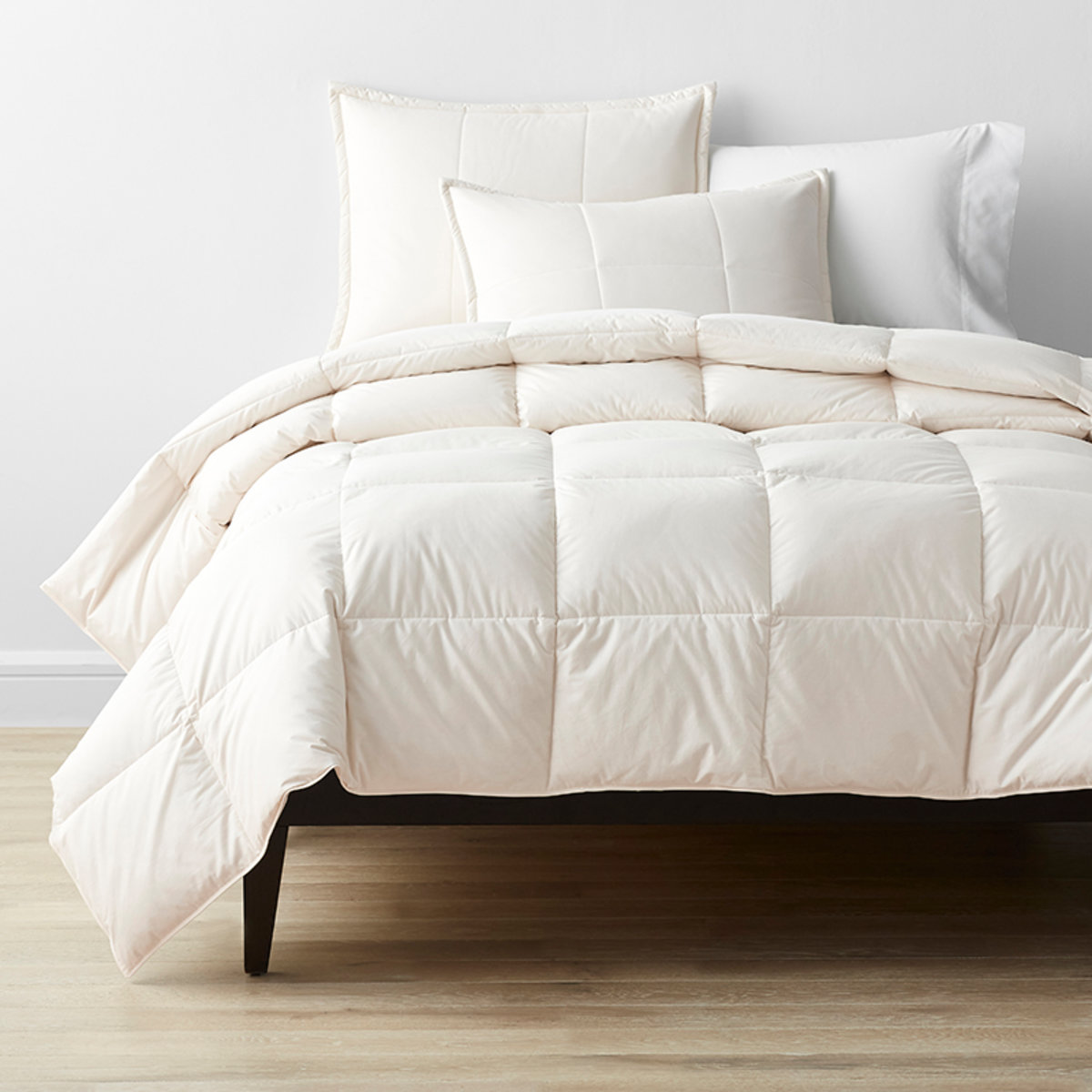
Pacific Coast Hotel Down Comforter Review

pacific coast down review
Pacific Coast Hotel Down Comforter in the original review
The comforter during our original unboxing.

Review context: This is our original review of a Pacific Coast Hotel Down Comforter. Construction, dimensions and seller policies may have changed since the sample was tested.

Our verdict

Our reviewer found the Hotel Down Comforter warm without the overwhelming loft of another Pacific Coast comforter previously tried. In her New York home, she found it comfortable for cooler seasons. The box-stitch appearance was not her favorite, but its moderate fill was a better fit for her than the thicker alternative.

Consider it if: you like the feel of down but do not want an especially puffy comforter. Compare alternatives if: you prefer down-free bedding or want a very lightweight summer layer.

Explore Pacific Coast bedding. Yawnder may earn a commission from qualifying purchases.

Our original experience

Our reviewer had previously tried a much loftier Pacific Coast comforter that felt too warm for her. On opening the Hotel Down Comforter, she noticed less fill than expected and preferred the lighter coverage. When she lay under it, she felt warm and comfortable without feeling engulfed.

She thought the comforter would work well for spring, fall and winter in her home, but not its hot summer. Her preference for a bordered stitch pattern was aesthetic rather than a fault she measured. The original video is embedded here.

Duvet loops on the reviewed Pacific Coast comforter
Detail of the original sample’s duvet loops.

Our original Pacific Coast Hotel Down Comforter video

This video shows the product from our original review. Current models and availability may differ.

Original Pacific Coast Hotel Down Comforter review video

Watch on YouTube

Original construction

The original review described 550-fill-power down, a cotton shell, sewn-through box stitching and loops for a duvet cover. Fill power measures lofting ability, not a direct temperature rating or the total quantity of down. Product names can recur across generations, so verify the label and exact current listing.

In a sewn-through design, the top and bottom fabrics meet at the stitching; baffle-box construction uses fabric walls between layers. Both hold fill in sections, but their appearance and loft can differ. A later Hotel listing describes baffle-box construction, so it should not be assumed identical to our older sample.

Choosing warmth and size

Our reviewer preferred this model in cooler months, but the right warmth depends on room temperature, bedding and the sleeper. A low fill power alone does not make a comforter light: total fill weight and construction also matter.

Compare the actual comforter dimensions with your mattress and duvet cover. Allow for the amount of overhang you want, and check that the cover ties align with the insert’s loops.

Down vs. down alternative

FillWhy consider itTradeoff
DownLofty natural insulationPrice, sourcing and care differ by product
Down alternativeNo animal down; many optionsWeight and warmth vary with synthetic fill
WoolOften flatter and drapierCare instructions vary by insert

Care, availability and returns

Follow the label on the exact comforter. Large comforters may need a high-capacity washer and dryer, and down must be dried thoroughly. A removable duvet cover can reduce the frequency of cleaning the insert.

The prior article’s prices and trial terms were historical. Confirm the model, fill, dimensions, warranty and return conditions with the current seller before ordering.

How to choose a down comforter for your bed

Start with warmth, not a single specification. Think about your bedroom temperature, whether you share the comforter and the weight of your other bedding. The reviewer preferred the older Hotel sample to a loftier comforter in her New York home, but a different sleeper or a colder room may call for more insulation. Compare the manufacturer's warmth descriptions for the exact models you are considering, and check the return terms if you are unsure.

Read fill power alongside fill weight. Fill power describes the space a standard amount of down can occupy under test conditions. The amount of fill and the comforter's construction also matter. Two comforters with the same fill power can feel different if they contain different quantities of down. Compare the full product description rather than treating a higher number as a promise of a cooler or warmer night.

Check the shape and coverage. Measure the insert's width and length against your duvet cover and the drop you want at the sides and foot of the bed. A shared comforter may need more fabric than the mattress width alone suggests. If you use a cover, compare the position and number of ties with the insert's loops; the loop detail in our original photograph shows one feature of the tested sample, not a guarantee for a later version.

Consider the whole setup. A top sheet, cover material and extra blanket all affect how the bed feels. If your current duvet is too warm, first try removing a layer or replacing a heavy cover. Couples who prefer different amounts of warmth can also experiment with separate covers; our two-duvet guide explains how to try it with bedding you already own.

Plan for care and storage. Read the current care label before ordering and check whether your washer and dryer can handle the size. A duvet cover can be washed separately between insert cleanings. Store the insert fully dry and follow its specific label, since cleaning instructions can differ between products. Compare the final price, shipping and any return charges at the seller you choose.

Frequently asked questions

Was the comforter tested?

Yes. Our original reviewer described using it and compared its warmth with another Pacific Coast comforter.

Is 550 fill power a warmth rating?

No. It describes lofting ability; fill quantity and construction also influence warmth.

Is it suitable for summer?

Our reviewer found it better suited to cooler seasons in her home. Your preference and climate may differ.

Is today’s Hotel comforter identical?

Not necessarily. Check the current listing because construction and specifications may have changed.

Pacific Coast Lunesse Comforter Review: Warmth, Loft and Duvet Loops

Pacific Coast Lunesse Comforter Review
Reviewer sitting with the Lunesse comforter in the original video
From the original Lunesse comforter review video.

Review verdict

The original reviewer loved the Lunesse comforter’s soft feel, warmth and duvet loops, and reported only one small escaped down cluster. Packaging was the weak point, including a defective storage-bag zipper. The account also records Pacific Coast confirming the product’s identity and later reporting its discontinuation.

Original specification600 fill power white goose down
Shell described370-thread-count batiste cotton
Practical highlightDuvet loops kept the insert in place
Original status noteDiscontinuation reported in the review

Original review video

Questions about this review

Was it only suitable for winter?

The reviewer initially said so in the video, then reconsidered because the home was heavily heated. The written account makes clear that room temperature affected that impression.

Did the filling escape?

The reviewer noticed one small cluster of down and otherwise praised the shell’s containment and soft feel.

Did the duvet stay in place?

Yes. The reviewer specifically praised the duvet loops for holding the insert in its cover despite a partner moving around at night.

Does this review establish current availability?

No. It preserves the original Lunesse experience and the discontinuation reported at the time. The comparison chart and suggested replacements are historical too.

Yawnder may earn a commission from qualifying purchases.

How to Choose a Down Comforter

Best Down Comforter
Quick answer

The best down comforter is the one with the right warmth, size and care requirements for your bed. Start with a lighter option if you sleep warm or keep a heated bedroom; consider a warmer fill for cold rooms. Fill power is only one part of the decision—it does not translate into a fixed bedroom temperature.

How warm should your comforter be?

Brands usually group comforters into lightweight, all-season and extra-warm or heavyweight choices. These labels are not standardized across every brand. Consider your bedroom temperature, whether you sleep hot or cold, and how many other layers you use.

Lightweight

A starting point for warm rooms, warm sleepers or layering with a blanket.

All-season

A middle option for people who want one comforter through much of the year.

Extra-warm

Consider for a cooler room or someone who prefers a substantial winter bed.

Two-layer system

Some sets offer separate inserts that attach together, letting you change warmth by season.

Descriptions vary, so check the brand’s actual fill weight and warmth guide rather than choosing by label alone.

Fill power vs. fill weight

Fill power describes the loft of down: how much space a measured amount occupies under a standardized test. Higher fill power can provide more loft with less down weight. Fill weight is how much fill is in the comforter. Construction, shell, size and the amount of fill also influence warmth.

For example, a lightweight and a heavier comforter can use down with the same fill power yet feel different because they contain different amounts. You cannot reliably assign a room-temperature range to fill power alone. See The Company Store’s explanation of fill power and weight.

Down, shell and stitching

Down consists of soft insulating clusters; feathers have quills and a different feel. Read the actual fill composition: “down and feather” is not the same claim as all down. Duck and goose down can both be used in comfortable bedding; compare their stated fill power, fill weight and construction rather than assuming one is always warmer.

ConstructionWhat it meansConsideration
Sewn-throughTop and bottom fabric are stitched together in sections.Often lower profile; stitching creates thinner areas.
Baffle boxFabric walls create compartments between the top and bottom shell.Gives down room to loft; actual performance varies by product.

For sourcing, the Responsible Down Standard addresses animal welfare and supply-chain traceability. Check whether the specific product’s down is certified and what the claim covers.

Down vs. down alternative

Down is animal-derived and often chosen for loft and warmth relative to weight. Down alternative is commonly synthetic fiber and can be attractive to shoppers avoiding animal materials. Both vary widely in warmth, feel and washing instructions. Neither label guarantees that a person with a specific sensitivity will not react.

Brooklinen comforter
Brooklinen comforter image from the original guide.

Where to compare comforters

These are places to compare models, not a claim that we tested every current comforter. Check current specifications, price, shipping and returns. Some links are affiliate links and may earn Yawnder a commission.

Measure your duvet cover and mattress before ordering. A queen-labeled insert can have different dimensions between brands; check length and width, especially if you want more overhang.

Care and frequently asked questions

Can I wash a down comforter at home?

Some can be washed in a sufficiently large machine, while others require professional care. Follow the label for washing and complete drying; a duvet cover can help reduce how often the insert needs washing. Read our down-comforter washing guide.

Does a higher fill power always mean a warmer comforter?

No. Fill weight and construction matter as well. A lightweight high-fill-power insert may be less warm than a heavier insert.

Is a down comforter safe for an infant?

Loose comforters should not be placed in an infant’s sleep space. Use a firm, flat infant sleep surface and follow CDC safe-sleep guidance.

Goose Down vs Duck Down: What’s The Difference?

Goose Down vs Duck Down
LaCrosse Premium Down comforter in ivory
An example of a down comforter. Image: The Company Store.

Quick verdict

Both goose and duck down can make a comfortable, lofty comforter. Goose may command a higher price, but bird species alone does not determine warmth or value. Compare the actual fill power, fill weight, warmth rating and construction.

Best for: Shoppers choosing a down comforter who want to understand the trade-offs before paying more for a label.

Explore Yawnder bedding guides →

Goose vs. duck down at a glance

What to compareWhat matters
SpeciesBoth can insulate; goose down may reach higher fill powers and often costs more.
Fill powerLoft per unit of down; not a complete measure of finished comforter warmth.
Fill weightCompare ounces in the same comforter size alongside the warmth designation.
Care and sourcingReview laundering instructions and a specific certification claim such as RDS.

Goose Down vs Duck Down

Which is better – goose down or duck down? This is a question that is often asked in the world of bedding products. It is an important question to consider when you are looking for a down comforter for your bedroom. As you may already know, goose down has a higher value when compared to duck down. However, this depends largely on the product – for example, a high-quality duck down comforter may be better than a mediocre goose down one. It also depends on your specific needs and your budget. Let us take a quick look at a few things about the goose and duck down to find out which one is a better choice for you.

Is there a major difference between goose and duck down?

This is another important question to ask when checking out down comforters for your bed. The answer is no. Both types use down clusters to trap air. The warmth of a finished comforter depends on more than bird species. There is no reliable universal percentage difference in warmth between the two. Compare the specific product’s fill power, fill weight, construction and warmth rating.

Goose down and duck down have the ability to maintain their warmth and loft for many years, maybe even decades, if they are well cared for. It does not matter which bird provides the feathers or down for your comforter. The secret is to find a well-made down comforter from a reputable manufacturer and take proper care of it to ensure that you always have a cozy and luxurious sleeping experience for many years.

Here is a look at a few important things you should know before deciding between goose and duck down:

Durability

Generally speaking, regardless of fill power, there is no major difference between the durability of goose down and duck down. Part of how durable they are depends on the down’s fat and oil content – there is an inherently higher content of oil and fat in some birds. Moreover, down, whether goose or duck, is an organic product and will vary from one season to another because of several factors including weather, bird condition, feed, etc. To ensure warmth-trapping – keeping the down resilient and pliable – there needs to be a certain percentage of fat and oil.

If the down is “over washed” during processing and an excessive amount of oil and fat is removed, it can become dry and brittle. This makes it easier to break down, which in turn decreases the fill power of the down. High-quality down comforters have properly processed down to optimize performance and durability, irrespective of whether it is goose or duck down.

Odor and care

As mentioned earlier, down is a natural product. Although a certain percentage of fat and oil is necessary to ensure its resilience and pliability, the presence of these substances also plays a part in the scent of the down. People with a highly acute sense of smell may notice a slight odor, even when the down is in the cleanest condition.

Because there is a difference between the feeding habits of goose and duck, there may be minor differences in smell between goose and duck down. This is due to the scent in the oil content, which is necessary to make the down resilient. If the odor is concerning, check the seller’s care instructions and return policy. A water-repellent treatment should not be assumed to eliminate odors.

Understanding fill power

Birds, whether goose or duck, that are older more mature tend to provide down with higher fill power. When a bird lives long, it’s down cluster becomes more developed. Furthermore, to ensure that they achieve the fill power they desire, processors sort through large down clusters, small down clusters, feathers, etc. to produce down of a certain fill power and content.

Both goose and duck down are sold in a range of fill powers. Goose down can reach very high fill powers, but a well-made duck-down product can still offer substantial loft. Compare the stated measurements and finished product, not species alone.

Down fill power is an important metric in the textile industry, particularly when it comes to products such as jackets, bedding, and sleeping bags. This measure indicates the quality of the down, referring to the loft or “fluffiness” of the down and its insulating properties. Here, we provide an extensive list of down fill power ratings, each signifying a different level of quality and warmth.

Fill power measures the volume occupied by a given amount of down. Higher fill power can provide more loft with less weight, but it does not establish the warmth of a finished comforter on its own. A heavier fill, a warmer shell or different construction can make a lower-fill-power comforter warmer than a lighter high-fill-power one. Compare fill weight and the manufacturer’s warmth designation as well as fill power.

Fill power is only one part of evaluating a comforter. The amount of fill and the construction also affect how warm it feels. When making a purchase decision, one must consider factors such as intended use, budget, and personal comfort to choose the appropriate fill power.

Color

Goose and duck down are both available in white and mottled grey. If you look at things from a historical point of view, the bedding industry desires white-colored down more, which is mainly due to the fact that manufacturers commonly use white in bedding fabric and prefer to hide the presence of down. Apart from a visual difference, white and grey colored down do not have a difference in performance – meaning that one is not warmer or more durable than the other.

How to compare two comforters

  • Fill power: Compare loft per ounce; it is not a standalone warmth rating.
  • Fill weight and size: Compare ounces in the same comforter size. More fill generally adds insulation, all else equal.
  • Warmth designation: A lightweight, all-season or winter label helps, but brands use different scales.
  • Down percentage: Check the label for down versus feathers and the stated bird species. A blend is different from all-down fill.
  • Construction and shell: Baffle boxes or sewn-through compartments affect how fill stays distributed. Compare fabric, wash instructions, dimensions and return terms.
  • Animal welfare: Look for a specific certification claim, such as the Responsible Down Standard. The standard prohibits live plucking and force-feeding and uses third-party auditing and chain-of-custody requirements.

For hot sleepers, start with the seller’s lightweight option and check the return policy. For a colder room, compare higher fill weight or a warmer designation. A duvet cover can protect the shell; follow the maker’s washing and thorough-drying directions.

The verdict

Both goose and duck down can insulate equally efficiently when you take variables such as quality of fill, fill power, processing, etc. into account.  Down quality has a direct connection to everything from the bird’s feed during its lifetime, to the length of its life, to the method of washing that is used in processing.

When you are looking for a great down comforter, you will need to choose between, goose and duck down. It is a good idea to know what goes into the manufacturing process to make sure that you make the best choice. Keep in mind that although goose down is considered superior to duck down, there are countless high-quality duck down comforters available in today’s market. They are, more often than not, more affordable and you get the same insulation that a goose down comforter provides.

Whether you choose goose or duck down, make sure that you pick the best quality down comforter for your bed. You can have a cozy, luxurious sleeping experience and make sure that you get restful, relaxing sleep every night, no matter what time of the year.

If you’re looking for excellent Down duvets and comforters, check out all our bedding reviews.

Frequently asked questions

1. What is the difference between duck and goose down?

Duck and goose down are both excellent insulators, but they have slight differences in their structure. Goose down clusters can be larger, but fill varies by product. Compare actual fill power and weight when shopping. Duck down, on the other hand, is a bit smaller and less fluffy, but it’s also typically more readily available and cost-effective.

2. Is goose down warmer than duck down?

Goose down can reach high fill powers, but duck down also spans a range of fill powers; compare the actual products rather than assuming that goose is always warmer. However, the warmth of the down also depends on the fill power – fill power describes loft per unit of down, not the warmth of the finished comforter by itself. Fill weight, construction, and fabric also matter. Hence, a high fill power duck down can be warmer than a low fill power goose down.

3. Which is more expensive, duck or goose down?

Generally, goose down is more expensive than duck down. Pricing varies with sourcing, fill power, product construction and brand; a higher price does not guarantee a warmer comforter. The rarity of high fill power goose down also contributes to its higher cost.

4. Are there any allergy differences between duck and goose down?

The risk of allergies to either duck or goose down is relatively low, and the difference between the two is negligible. Sensitivities vary, and neither bird type is guaranteed to be allergy-free. If you have allergies or asthma, discuss persistent symptoms with a clinician and follow cleaning and care instructions.

5. Is there a difference in smell between duck and goose down?

Both duck and goose down have natural odors, but these should not be strong or unpleasant if the down is cleaned properly. If there is a noticeable smell, it usually indicates that the down is not thoroughly cleaned or has been exposed to damp conditions. Some people may find a slight difference in smell between duck and goose down, but this is highly subjective and usually unnoticeable in well-maintained products.

6. Is there a difference in durability between duck and goose down?

When properly cared for, both duck and goose down products can last for many years. Their durability is more related to the quality of the down, the construction of the product, and how it’s maintained rather than the type of down used.

If you’re looking for some great down pillows, check out Brooklinen Down Pillows

Ready to buy?
See today’s best sleep deals

Live pricing and current promotions on the mattresses, bases, and sleep tech we recommend.

Shop current deals
Do Not Sell or Share My Personal Information Privacy Policy
Y

Yawnder

We typically reply in a few minutes

👋 Hi there!

Have a question about mattresses, deliveries, or your order? We're here to help.