

Quick verdict
A Gravity Blanket can be a comforting option if you enjoy gentle, distributed pressure and are comfortable with the extra warmth and weight. It is a comfort product, not a proven cure for insomnia, anxiety or another medical condition. Choose a weight you can move easily, and check the care and return terms before buying.
Best for: adults who enjoy a substantial blanket. Consider an alternative: if you dislike restriction, sleep hot or find a heavy blanket difficult to remove.
What a gravity blanket is
Gravity is a brand of weighted blankets; the term is also sometimes used informally for weighted blankets in general. Many use glass beads or other fill sewn into pockets to distribute weight. The concept comes from occupational therapy, where deep pressure stimulation has long been used to help people self-regulate.
How to pick the weight and size

The common guideline is roughly 10 percent of body weight, and it is a starting point rather than a rule. A 150-pound adult typically lands on a 15-pound blanket; if you are between sizes or dislike feeling pinned, size down. Comfort beats the formula.
Two sizing points people get wrong:
- Buy for the body, not the bed. A single-person weighted blanket is often sized to cover the sleeper without a large overhang that could pull it off the bed.
- Couples can compare one shared blanket with two individual blankets. Individual blankets let each person choose their preferred weight and warmth; shared sizes are another option.
Check the fill, whether the cover is removable and washable, and the care label and load limits before washing. Gravity recommends machine-washing the Original’s cover and hand-washing its weighted insert.
Compare weighted blanket options
| Option | Why consider it | Tradeoff |
|---|---|---|
| Gravity Original | Glass-bead insert and removable plush cover | Plush fabric and weight may feel warm |
| Cooling-style cover | A lighter-feeling cover may appeal to hot sleepers | Fabric feel varies; cooling is not guaranteed |
| Two individual blankets | Each sleeper can pick their own weight | Two separate covers to store and care for |
| Shared larger blanket | One cover for a couple | Compare size and total weight; comfort varies by person |
Gravity’s size and care FAQ lists 15-, 20- and 25-pound single options and a 35-pound shared option; verify the exact size and current product listing before ordering.
What the evidence says
A 2024 systematic review reported reduced anxiety symptoms in some studies of people with psychiatric disorders, but the authors noted small samples and differences in study methods. Results cannot be assumed for every person or product. Evidence for sleep is more modest and more mixed — some trials in people with insomnia alongside psychiatric conditions found improved sleep, while other work finds subjective improvement without much change in objectively measured sleep. Proposed mechanisms include a shift toward parasympathetic activity and a calmer nervous system at bedtime.
A fair summary: some people find the sensation comforting, but results vary and evidence does not establish a blanket as a treatment for a sleep disorder. A 2024 scoping review found variable study quality and mixed outcomes, especially in younger populations.
Safety
This part is not optional. Weighted blankets are not safe for infants and toddlers — they pose a suffocation risk, and infant deaths have been associated with weighted sleep products. Pediatric groups and safety regulators advise against weighted swaddles and blankets for babies. For older children, use them only with a pediatrician's or occupational therapist's guidance, at a weight the child can move out from under independently.
Adults should check with a clinician before use if they have sleep apnea or other breathing problems, chronic respiratory or circulatory conditions, low blood pressure, claustrophobia, limited mobility or strength to lift the blanket off, or a condition affecting sensation. Never let a weighted blanket cover the head or face. This is general information, not medical advice.
Living with one
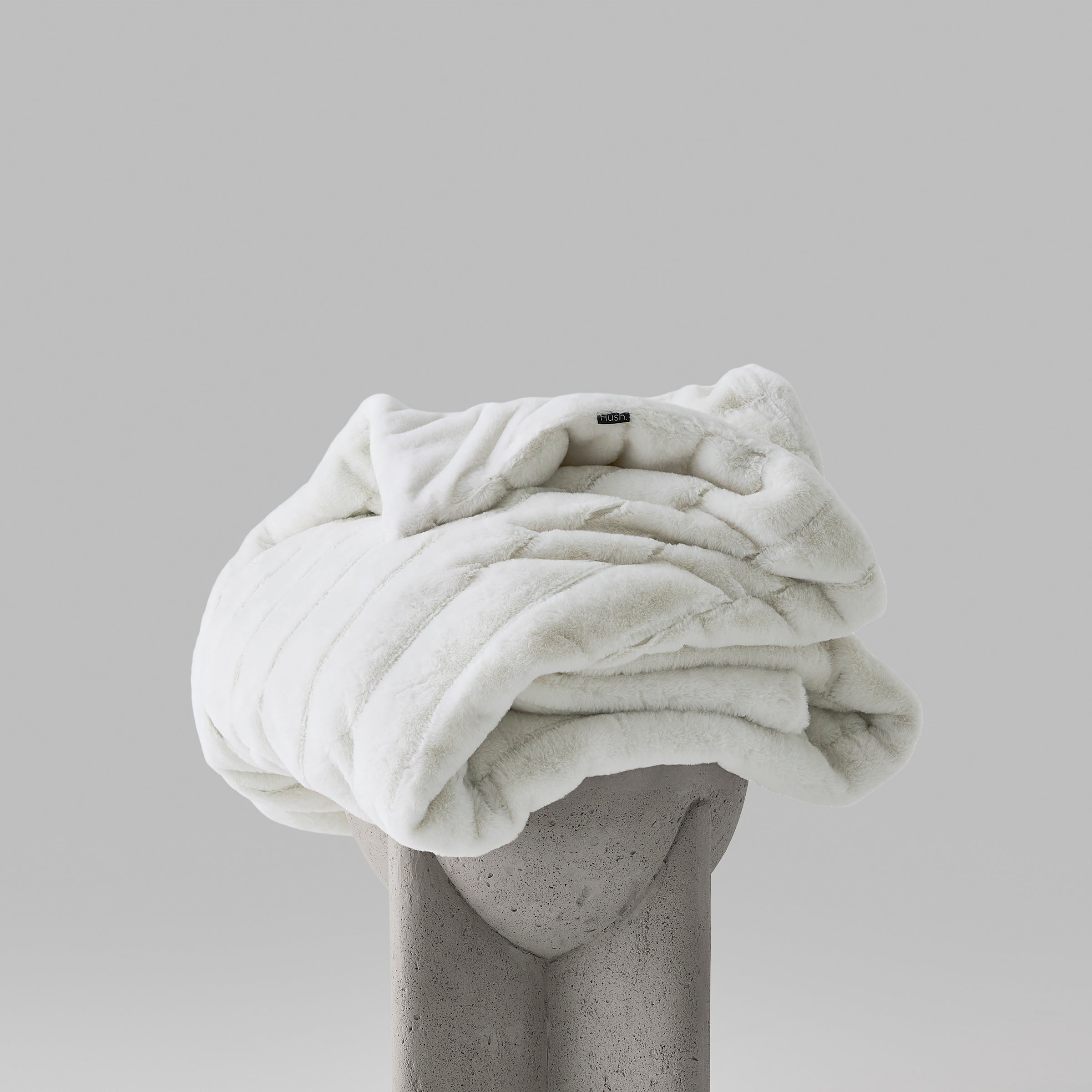
Heat can be a concern. A plush cover may feel warm; a lighter cover and a cooler room may help, and some people use the blanket only for the first hour, on top of the covers, then push it aside. Give yourself a week or two to acclimate rather than judging it the first night. Spot-clean the inner blanket, wash the cover regularly, and check the manufacturer's washer and dryer limits before you wreck either.
FAQ
How heavy should my weighted blanket be?
About 10 percent of your body weight as a starting point, adjusted down if it feels confining.
Are weighted blankets safe for kids?
Never for infants or toddlers. For older children, only with pediatric or occupational-therapy guidance and at a weight the child can shift on their own.
Do weighted blankets help you sleep?
Some studies report reduced anxiety or improved sleep, but results vary and the research has limitations. A comfortable sensation does not guarantee better sleep.
Will it be too hot?
Often, in a warm room with a plush cover. Choose a breathable cotton or bamboo cover and keep the room cool.
Can two people share one?
A shared blanket can work for some couples. Two individual blankets make it easier to choose different weights and temperatures.
Sources checked October 29, 2026: Gravity sizing and care, weighted blanket scoping review and American Academy of Pediatrics safe sleep recommendations.