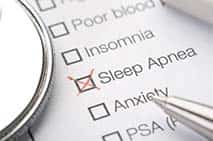
Are You Avoiding Being Diagnosed with Obstructive Sleep Apnea (OSA)?

Obstructive Sleep Apnea

Frequently Asked Questions About Are You Avoiding Being Diagnosed with Obstructive Sleep Apnea (OSA)?

Why do so many people avoid getting diagnosed with sleep apnea?

Many people avoid being diagnosed with sleep apnea due to concerns about the CPAP machine and its associated masks and discomforts. Stories of difficulty adapting to CPAP therapy, such as feelings of claustrophobia or difficulty keeping the mask on, deter individuals from seeking a diagnosis.

How does the Chin-Up strip improve CPAP compliance?

The Chin-Up strip improves CPAP compliance by keeping the mouth closed, which allows for lower CPAP pressure settings. Lower pressure often reduces common complaints like discomfort, dry mouth, and claustrophobia, making the CPAP experience more tolerable.

Who is the Chin-Up strip best for?

The Chin-Up strip is best for individuals who struggle with CPAP compliance because they cannot keep their mouth closed during therapy. This allows for reduced CPAP pressure, alleviating many common issues that lead to patients abandoning their machines.

What are the common downsides of traditional chin straps compared to the Chin-Up strip?

Traditional chin straps often cause discomfort, temporo-mandibular joint problems, and dental issues. The Chin-Up strip is designed to avoid these problems while still effectively keeping the mouth closed for CPAP use.

Is the Chin-Up strip a good alternative if I've previously abandoned my CPAP machine?

Yes, if you previously abandoned your CPAP machine due to discomfort or difficulty keeping your mouth closed, the Chin-Up strip could be a beneficial solution. It addresses a primary reason for CPAP non-compliance by allowing for lower, more comfortable pressure settings.

Where can I learn more about solutions for sleep apnea and try related products in person?

You can learn more about sleep apnea solutions and potentially explore related products at our Yawnder showroom in Encinitas, California. This allows for a direct consultation and hands-on experience with products that might improve your sleep.

Want to test this in person? Visit our Encinitas showroom or call 858-232-5760.

What obstructive sleep apnea is

In obstructive sleep apnea (OSA), the soft tissue at the back of the throat collapses during sleep and blocks airflow. Breathing stops or shrinks for seconds at a time, oxygen dips, and the brain briefly rouses you to reopen the airway — over and over, often hundreds of times a night, usually without you remembering any of it. Severity is described as an apnea-hypopnea index: the number of those events per hour of sleep.

It is common and heavily underdiagnosed. That matters because untreated OSA is associated with high blood pressure, atrial fibrillation and other arrhythmias, stroke risk, insulin resistance and daytime sleepiness serious enough to affect driving.

Signs worth taking to a doctor

  • Loud, habitual snoring, especially with silent pauses followed by a gasp or snort
  • A partner reporting that you stop breathing
  • Waking with a dry mouth, sore throat or morning headaches
  • Sleepiness that outlasts a full night in bed — dozing off at a desk, in meetings or at a red light
  • Getting up several times a night to urinate
  • Difficult-to-control high blood pressure, or newly diagnosed atrial fibrillation
  • Waking unrefreshed most mornings, irritability, and trouble concentrating

Note that plenty of people with OSA are not overweight and some do not snore loudly. Anatomy matters as much as weight: a narrow airway, large tonsils, a recessed jaw, a thick neck or nasal obstruction all raise risk. Risk also rises with age, with male sex, after menopause, and with alcohol or sedative use.

How diagnosis works — and why it is not optional

OSA cannot be diagnosed by a wearable, an app or a snoring recording. A clinician evaluates you and orders either a home sleep apnea test or an in-lab polysomnogram. Home tests are convenient and appropriate for many adults with a high likelihood of straightforward OSA; in-lab studies are used for complicated cases, children and when other sleep disorders are suspected. Consumer devices can be a useful nudge to get tested, and nothing more than that.

What reduces risk and severity

None of this replaces treatment, and none of it is a reason to delay testing. But the following are the changes clinicians commonly discuss:

  • Weight management. Even modest weight loss can measurably reduce event counts in people who carry extra weight, though it does not resolve every case.
  • Alcohol, particularly in the evening. It relaxes airway muscles and worsens collapse. Sedatives and opioids do the same.
  • Sleeping position. Many people are markedly worse on their back. Side sleeping helps in positional OSA, and it is easier to maintain on a mattress that supports the shoulder and hip without letting you roll flat, with a pillow that keeps your neck neutral.
  • Nasal congestion. Treating allergies or a deviated septum can improve airflow and CPAP tolerance.
  • Smoking cessation, which reduces airway inflammation.
  • Regular exercise, which is associated with lower severity independent of weight change.
  • Consistent sleep timing, since sleep deprivation makes events and daytime sleepiness worse.

Treatment options exist and they work

CPAP remains the most effective treatment, and modern machines and mask options are far more livable than their reputation. Alternatives your doctor may discuss include mandibular advancement oral appliances from a dentist, positional therapy, treatment of nasal obstruction, surgical options including tonsillectomy in children, hypoglossal nerve stimulation implants for selected patients, and newer medication approaches tied to weight. The wrong move is doing nothing because CPAP sounds unpleasant — there are several paths, and untreated apnea has cardiovascular consequences.

This article is general information, not medical advice. Bring any of the symptoms above to a physician.

FAQ

Can you have sleep apnea without snoring?

Yes. Snoring is common but not universal, and it is often absent in children and in some women. Daytime sleepiness and unrefreshing sleep can be the main clues.

Will losing weight cure sleep apnea?

It can substantially improve it and sometimes resolves mild cases, but many people have anatomical contributors that weight loss does not change. Retesting after significant weight loss is the way to know.

Can a smartwatch diagnose apnea?

No. Some devices flag possible breathing disturbances, which is useful as a prompt to see a doctor, not as a diagnosis.

Does sleeping on my side fix it?

For positional OSA it can reduce events meaningfully. It is a helpful adjunct rather than a standalone treatment for moderate or severe apnea.

Is sleep apnea dangerous if I feel fine?

Yes, potentially. Many people adapt to chronic sleepiness and do not notice it, while the cardiovascular and metabolic risks accumulate regardless.

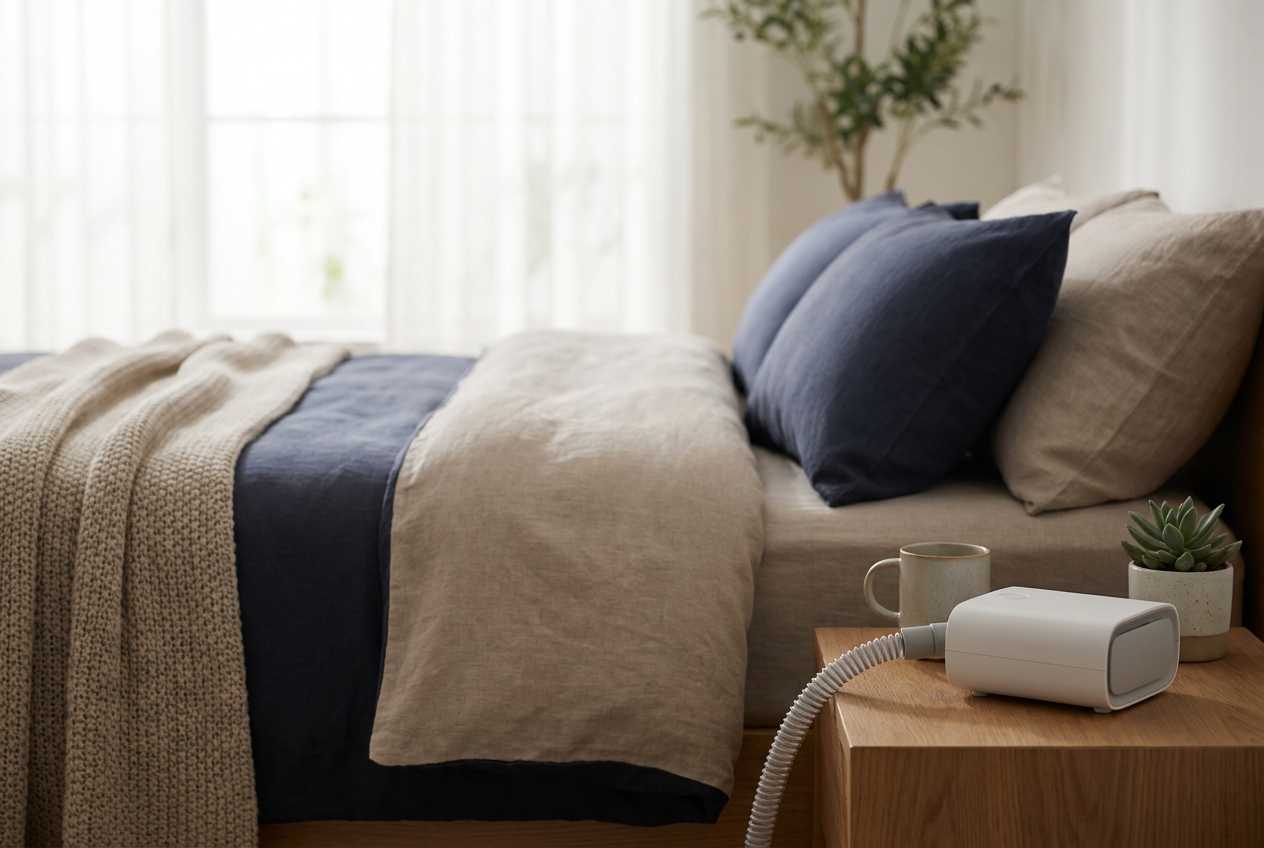
What is Obstructive Sleep Apnea? And, How To Treat It.

Sleep Apnea


Many people around the world suffer from sleep-related disorders. One of the most common sleep disorders is Obstructive Sleep Apnea (or simply sleep apnea) that affects at least one in fifteen people. While hundreds of people suffer from this condition, less than twenty percent get a proper diagnosis or treatment. When sleep apnea remains undiagnosed, it keeps getting worse and can also turn fatal sometimes.

Sleep is the body’s way of healing and rejuvenating from the day’s physical and mental activities, and lack of sleep because of disorders can affect the quality of everyday life. People who suffer from sleep disorders often feel lethargic and disoriented throughout the day and have trouble focusing on work or other activities. When this continues for an extended period, the person may be affected by high-stress levels and daytime sleepiness. Sleep apnea is a major reason behind all these conditions.

What is Obstructive Sleep Apnea?

There are several types of sleep apnea, but Obstructive Sleep Apnea is the most common. In this condition, breathing stops and starts periodically when the person sleeps. This happens when the throat muscles relax and block the passage of airway, making it difficult to breathe. The most important symptom of Obstructive Sleep Apnea (OSA) is snoring. More often than not, all snorers suffer from OSA but are rarely ever diagnosed.

Causes and Symptoms of Obstructive Sleep Apnea

The biggest cause of sleep apnea is the blockage of the airway by the relaxing throat muscles. When these muscles relax, the passage of air is narrowed, resulting in impaired breathing. When this lasts for more than ten seconds, the oxygen in the blood starts to lower, and carbon dioxide starts to increase. The brain has a way of correcting the breathing by waking the person up for a brief moment. The person usually doesn’t remember this episode.

When this cycle repeats itself for several times every hour throughout the night, it prevents the person from getting the desired amount of sleep and causes excessive daytime sleepiness. Lack of concentration, tiredness, and lower levels of energy are some of the repercussions of sleep apnea. The sufferer often doesn’t remember the impaired sleep nor realize the problem.

There are several symptoms that may hint at obstructive sleep apnea. Some of these are:

Loud snoring: Most often, snoring that is loud enough to wake others up is caused by some kind of sleep apnea. Loud snoring should always be diagnosed and treated by a doctor to get to the root of the problem.

Daytime sleepiness: While daytime sleepiness can be caused by a lot of other reasons, if it continues for an extended period it may be because of obstructive sleep apnea and lack of nighttime sleep.


Waking up abruptly with a dry throat is another sign of snoring caused by sleep apnea.

Nighttime sweating and lack of concentration during the day are also symptoms that may be associated with obstructive sleep apnea. Morning headaches may be present along with these symptoms.

Mood swings, depression, and irritability can result from lack of proper nighttime sleep caused by obstructive sleep apnea.

Who Is At Risk for Sleep Apnea?

Obstructive sleep apnea can affect anybody, but certain people are at a higher risk. They are:

Overweight or obese people: Most people who suffer from obstructive sleep apnea are overweight or obese. When fat deposits around the airway, it blocks breathing and impairs sleep. This does not mean being thin reduces the risk. Anyone with any kind of weight may be affected by this condition.

People with a narrow airway: Whether you have a naturally narrow airway or have enlarged adenoids or tonsils, this could be a serious factor contributing to the problem. Surgery is usually required to correct this condition.

People with hypertension: High blood pressure causes a rise in diastolic and systolic pressure, contributing to sleep apnea, snoring, and impaired breathing.

Smokers: Those who smoke are at a higher risk of obstructive sleep apnea because smoking causes fluid retention in the air passage and causes impaired breathing.

Treatment of Obstructive Sleep Apnea

Depending on the severity of the condition, treatments for obstructive sleep apnea include:

Continuous positive airway pressure (CPAP): This is known to be the most effective treatment for obstructive sleep apnea. CPAP requires wearing a pressurized mask over the mouth and nose while sleeping, to help keep the airway unblocked by forcing air through it. Although it takes a little effort to get used to the mask, it is a very useful treatment.

Oral Mouthpieces: There is dental equipment fitted to the mouth for correcting the tongue, jaw, and soft palate position for clearing the airway.

Surgery: The process of uvulopalatopharyngoplasty is used to minimize the symptoms of obstructive sleep apnea. This surgery removes tissue out of the airway but has side effects like pain and bleeding.

Laser surgery: This is a simple process to shorten the soft palate with the aid of a laser beam.


Obstructive sleep apnea is a treatable condition if diagnosed properly. If you have any of the above symptoms, and suspect that you might be at risk, consult your doctor for proper treatment and diagnosis to get to the root of the problem.

Frequently Asked Questions About What is Obstructive Sleep Apnea? And, How To Treat It.

What is Obstructive Sleep Apnea?

Obstructive Sleep Apnea (OSA) is a common sleep disorder where breathing periodically stops and starts when a person sleeps due to relaxed throat muscles blocking the airway.

What are the common symptoms of Obstructive Sleep Apnea?

Loud snoring is the most important symptom of Obstructive Sleep Apnea, often accompanied by daytime sleepiness, waking up with a dry throat, and morning headaches.

Who is at risk for Obstructive Sleep Apnea?

Overweight or obese individuals are at higher risk for Obstructive Sleep Apnea because fat deposits around the airway can block breathing during sleep.

What are the potential negative impacts of untreated sleep apnea?

Untreated sleep apnea can lead to feeling lethargic and disoriented, trouble focusing, high-stress levels, and excessive daytime sleepiness.

Can sleep apnea cause mood changes?

Yes, sleep apnea can cause mood swings, depression, and irritability due to the lack of proper nighttime sleep it induces.

What causes the impaired breathing in Obstructive Sleep Apnea?

The impaired breathing in Obstructive Sleep Apnea is caused by the relaxation of throat muscles during sleep, which narrows the airway and makes it difficult to breathe.

Want to test this in person? Visit our Encinitas showroom or call 858-232-5760.

Sleep Apnea
What is Obstructive Sleep Apnea? And, How To Treat It.

What is Obstructive Sleep Apnea? And, How To Treat It. — editorial illustration
Editorial illustration by Yawnder.

Ready to buy?
See today’s best sleep deals

Live pricing and current promotions on the mattresses, bases, and sleep tech we recommend.

Shop current deals

Do Not Sell or Share My Personal Information Privacy Policy
Y

Yawnder

We typically reply in a few minutes

👋 Hi there!

Have a question about mattresses, deliveries, or your order? We're here to help.