Dream Skin Pillowcase Review

A large white pillow stands upright against a light background. In front of it is a product package for the "Dream Skin Pillowcase." The package features an image of a smiling woman lying down and text detailing the beauty benefits of the pillowcase.

Does the Dream Skin pillowcase live up to its beauty-sleep claims? Our review examines the fabric, sleep feel and what wrinkle-related marketing can and cannot establish.

Best Shredded Latex Pillows

A white pillow with a zipper is partially open, revealing a pile of small, crumbled white material spilling out onto a quilted mattress below. The surface of the mattress is also white, creating a clean and soft appearance that truly makes this the best pillow for any bedroom.

A look at Savvy Rest’s shredded latex pillow, including adjustable fill, loft and differences from shredded memory foam. Comfort and materials are worth checking against the current version.

Best Mattress for College Students in 2026

Best Mattress for College Students in 2026 — Yawnder Reviews

Finding the perfect mattress for college doesn’t have to be a chore! With exceptional options like Nectar and Oki Oki, you’ll enjoy quality sleep without breaking the bank, plus hassle-free returns mean you can rest easy knowing you’ve made the right choice!

HemingWeigh Acupressure Mat Review

A person wearing a black sports bra and black shorts lies on an acupressure mat with white circular pressure points. The person has their eyes closed and appears to be relaxing or meditating.

2026 legacy-testing note: The observations below describe the HemingWeigh mat used during the original 2014–2015 hands-on review. Acupressure mats may feel relaxing, but that personal experience does not establish treatment of insomnia, chronic pain or another health condition. Verify the current product and its materials before buying. Ever since Christmas 2014 I have been enjoying my Acupressure mat from HemingWeigh. This acupressure mat is made up of tiny sets of plastic spikes that don’t pierce your skin. The HemingWeigh model also comes with a head rest although I wouldn’t recommend using that right away until you acclimate to the regular mat. An acupressure mat is designed to promote circulation and relaxation. When I first used it, I lied down on it with a t-shirt on since I was afraid that the spikes would hurt too much. Most sites I have come across recommend using an Acupressure mat for about 15-25 minutes per session.

When you first lie down on the mat you feel an acute sharp poking pain. However, after about 5 minutes your body starts to release endorphins to deal with the pain. At this point you may notice a sort of warming sensation in your back. The pain will dissipate and you will start feeling relaxed. I try not to focus on anything and just let the mat do its work. After about 4 sessions I was able to graduate to using the head rest but you need to make sure its positioned properly to get the full benefit. I wouldn’t say there really all that much benefit to the head rest but it is a nice option if you don’t want your head on the floor.

I stay on my mat for 25 minutes at a time usually at night after I workout and after a shower. I find that lying on the mat help with recovery from my workouts and makes me fall asleep much faster. I’m not sure why that is but if you read through the reviews on Amazon.com you’ll find that many people get this benefit which is why I’m listing in on yawnder.com.

The HemingWeigh mat also comes with a carrying case which is nice if you are going somewhere that you know has uncomfortable sleeping conditions. For maximum benefit you may want to turn on some relaxing tunes and get some aromatherapy going along with a dim, blueblocking light. All this together would make an ideal relaxation/sleep environment.

This is my first Acupressure mat review and I may be reviewing other mats in the future but given the price and the results you get for that price, I think you’ll be hard pressed to find anything better.

I should also not that when looking at other Acupressure Mat reviews, some reviewers have mentioned that the spike pattern on the mats doesn’t differ. So there really aren’t any options for changing the pattern that I’m aware of. The HemingWeigh Acupressure mat is the highest reviewed acupressure mat on Amazon right now and one of the most affordable!

Please let me know your experience using an acupressure mat.

Frequently Asked Questions About HemingWeigh Acupressure Mat Review

Is the HemingWeigh acupressure mat worth it for relaxation and sleep?

Yes, the HemingWeigh acupressure mat is described as being very effective for promoting relaxation, aiding muscle recovery, and helping with faster sleep onset after workouts. Many users, including our reviewer, report significant benefits in these areas, making it a valuable tool for nightly routines.

Who is the HemingWeigh acupressure mat best for?

This mat is best for individuals looking to enhance relaxation, improve circulation, and potentially speed up recovery after physical activity. It's particularly noted that many Amazon reviewers find it helps with sleep, which our Yawnder tester also experienced.

What are the downsides or initial discomforts of using the HemingWeigh acupressure mat?

The primary initial downside is the acute sharp poking pain experienced when first lying on the mat. Our reviewer notes that it takes about 5 minutes for the body to release endorphins, which then dissipates the pain and leads to relaxation.

Is the headrest included with the HemingWeigh acupressure mat beneficial?

The included headrest is described as a nice option, but its benefits are not as significant as the main mat itself, especially for first-time users. Our tester recommends waiting to use the headrest until you are acclimated to the main mat and ensuring it's properly positioned for any benefit.

How long should I use the HemingWeigh acupressure mat per session?

Most sources and our reviewer suggest using an acupressure mat for approximately 15-25 minutes per session. Our Yawnder tester personally uses it for 25 minutes at a time, usually in the evening after workouts.

Where can I try the HemingWeigh acupressure mat in person, specifically in the San Diego area?

While the article reviews the HemingWeigh acupressure mat, it does not suggest that this specific product is available for in-person testing at the Yawnder showroom in Encinitas, CA. The review focuses on personal experience with ordering and using the mat at home.

Want to test this in person? Visit our Encinitas showroom or call 858-232-5760.

Sleep Warm While Camping

Camping season if finally here! I occasionally go camping in Norther Minnesota and no matter what the season or temp during the day, the evenings can get cold. Below is a great infographic on how to stay warm while camping this season. It’s beyond the normal advice of just bringing a warm sleeping bag. Use these tips to sleep warm while camping this year and you will gain maximum comfort. Sleep Warm

Frequently Asked Questions About Sleep Warm While Camping

Is bringing extra layers enough to stay warm while camping?

While extra layers are helpful, relying solely on them may not be sufficient for really cold nights. The provided tips go beyond just clothing, suggesting strategies like insulated sleeping pads and proper tent placement to maximize warmth. Our Yawnder team, experiencing chilly nights even in our Encinitas showroom's outdoor demos, understands that comprehensive thermal management is key.

Who are these camping warmth tips best for?

These camping warmth tips are best for anyone who wants to ensure a comfortable and warm night's sleep in outdoor environments, especially during cooler seasons or in colder climates. They are particularly useful for campers who have experienced discomfort due to cold before and are looking for more effective solutions than just a sleeping bag.

How do these tips compare to just using a thicker sleeping bag?

These tips offer a holistic approach to warmth, going beyond just the insulation of a sleeping bag by addressing heat loss from the ground and air. A thicker sleeping bag is crucial, but combining it with strategies like appropriate shelter setup and personal insulation layers creates a more effective thermal barrier. Our own testing shows that even the warmest sleeping bag can struggle if heat is lost to the cold ground.

What are the downsides of following too many of these warming tips?

The primary downside of implementing many warming tips is the potential for increased gear bulk and weight, which can impact portability for backpackers. However, the benefits of warmth and a good night's sleep often outweigh these logistical considerations for most campers. It's about finding the right balance for your specific camping trip.

Is using an insulated sleeping pad really that important for staying warm?

Yes, an insulated sleeping pad is critically important for staying warm while camping, as it prevents convective and conductive heat loss to the cold ground. The ground can wick away body heat much faster than the air, making a good R-value sleeping pad a non-negotiable item for cold weather. Even in our testing, we found the ground to be a major heat thief.

Where can I find more advanced camping warmth gear in person?

While our main focus is mattresses, our San Diego showroom in Encinitas, CA, is a great place to discuss sleep comfort strategies, and our staff can offer insights into the types of insulation and materials that are most effective for warmth. We encourage campers to research specialized outdoor retailers for advanced camping warmth gear. We always emphasize the importance of quality sleep, whether indoors or out.

Want to test this in person? Visit our Encinitas showroom or call 858-232-5760.
Ready to buy?
See today’s best sleep deals

Live pricing and current promotions on the mattresses, bases, and sleep tech we recommend.

Shop current deals

Staying warm starts under you, not over you

Most cold nights outdoors are lost to the ground, not the air. The ground pulls heat out of your body by conduction, and a sleeping bag compressed underneath you provides almost no insulation. The single biggest upgrade for a cold camper is an insulated sleeping pad.

  • Look at R-value. Pads are rated on a standardized scale. Roughly R2 suits summer, R3–R4 covers shoulder seasons, and R5 or higher is what winter campers use.
  • Stack pads if needed. R-values add. A closed-cell foam pad under an inflatable one is a cheap way to reach a winter number.
  • Fill the dead air. A bag much larger than your body has more air to heat. Stuff spare clothing into the empty space.

Layer for sleeping, not for hiking

Change into dry base layers before bed, even if the ones you hiked in feel fine — trapped moisture is what makes you cold at 3 a.m. Wool or synthetic next to skin, a warm hat, and dry socks reserved for sleeping only. Avoid cotton, which holds moisture. Do not overdress to the point of sweating inside the bag.

Small habits that make a real difference

  • Eat something before bed. Digestion generates heat.
  • Do a few minutes of light movement, enough to feel warm but not enough to sweat, right before getting in.
  • Put a sealed hot water bottle at your feet or against the femoral arteries.
  • Vent the tent slightly. Sealing it completely traps condensation, which lands on your bag and chills you.
  • Empty your bladder before sleeping. Your body spends energy keeping that fluid warm.

Bag ratings are a starting point

Temperature ratings are lab figures measured on a standardized mannequin with a pad in place. Treat the comfort rating rather than the limit rating as your real number, and add margin if you sleep cold. A bag liner adds a few degrees for very little weight and keeps the bag cleaner.

Should I sleep with my head inside the sleeping bag?

No — breathing into the bag adds moisture that reduces insulation. Use a hood and a hat instead.

Is a warmer bag or a better pad the smarter upgrade?

Almost always the pad, unless your pad is already rated for the conditions.

Why do I get cold even in a rated bag?

Common causes are an underinsulated pad, damp clothing, dehydration, going to bed already cold, or an oversized bag.

How to Use the 4-7-8 Breathing Technique for Sleep

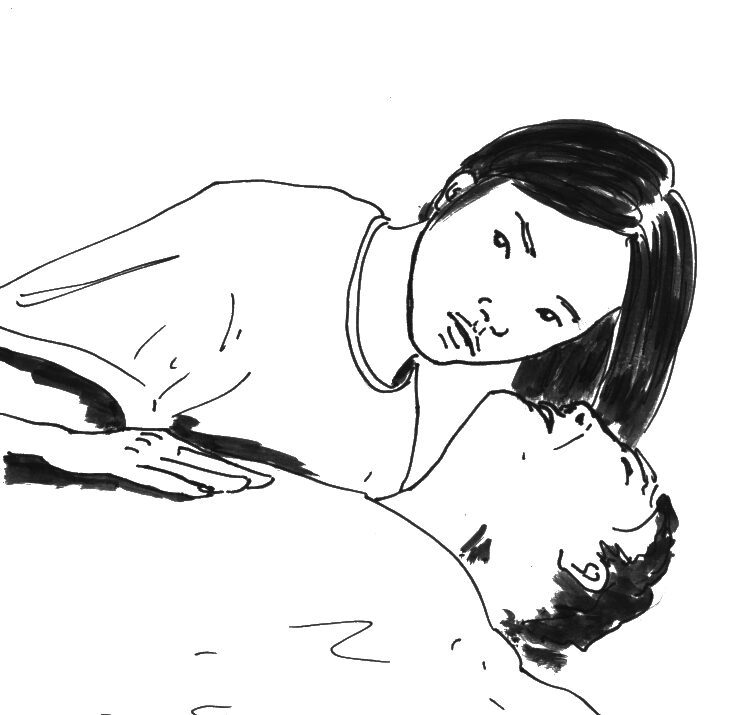
Black and white drawing of two people lying down. One person looks distressed and appears to be attempting a breathing trick to assist the other, who is lying on the ground with eyes closed. Both figures are depicted in simple, clean lines.

Frequently Asked Questions About How to Use the 4-7-8 Breathing Technique for Sleep

What is the 4-7-8 breathing technique?

The 4-7-8 breathing technique is a structured exercise involving inhaling for 4 seconds, holding for 7 seconds, and exhaling for 8 seconds to promote relaxation. This method is designed to reduce anxiety and create a sense of calm by activating your parasympathetic nervous system. It's a simple practice you can integrate into your daily routine to manage stress effectively.

Who is the 4-7-8 breathing technique best for?

The 4-7-8 breathing technique is best for anyone seeking a simple, effective method to manage daily stress, reduce anxiety, and prepare for sleep. It's particularly beneficial for individuals looking to calm their mind before bedtime or needing a quick relaxation tool during stressful moments. This easy to learn technique can be practiced almost anywhere, making it widely accessible.

What are the downsides of the 4-7-8 breathing technique?

The main downside is that experiencing discomfort or dizziness requires you to stop and return to regular breathing. While generally safe, individuals with specific medical conditions, such as asthma, should consult a healthcare professional before making it a regular practice. It's important to listen to your body and adjust as needed.

How many times a day can you practice the 4-7-8 breathing technique?

You can practice the 4-7-8 breathing technique multiple times throughout the day as needed, starting with two short sessions. You can gradually increase both the duration and frequency to suit your personal needs and comfort. Our team at Yawnder finds that even short, consistent practice can lead to noticeable improvements in evening relaxation.

How does the 4-7-8 breathing technique help with sleep?

The 4-7-8 breathing technique promotes sleep by activating the parasympathetic nervous system, which initiates the body's 'rest and digest' response. This process helps to slow your heart rate, counteract the physiological effects of stress, and prepare your body for a restful night's sleep. By focusing on your breath, you also enhance mindfulness, which can distract from racing thoughts before bed.

Where did the 4-7-8 breathing technique become popular?

The popularity of the 4-7-8 breathing technique is largely attributed to Dr. Andrew Weil, who has advocated for its use as a relaxation method. While widely recognized now, its effectiveness for stress reduction and aiding sleep has been shared through various wellness communities. Our sleep experts at the Yawnder San Diego showroom often recommend similar relaxation practices for improved sleep quality.

Want to test this in person? Visit our Encinitas showroom or call 858-232-5760.

Keep exploring
More sleep guidance

Browse Yawnder’s sleep education, research explainers, and practical guides.

Explore sleep guides

How to do 4-7-8 breathing

The pattern is simple enough to learn in a minute. Sit or lie down, let your tongue rest behind your upper front teeth, and exhale fully through your mouth first.

  1. Close your mouth and inhale quietly through your nose for a count of 4.
  2. Hold your breath for a count of 7.
  3. Exhale through your mouth, lips slightly pursed, for a count of 8 — long and unhurried.
  4. That is one cycle. Do four cycles to start.

The counts are ratios, not seconds. If holding for seven feels like a struggle, halve everything (2-3.5-4) and keep the proportions. Speed matters less than making the exhale clearly longer than the inhale.

Why a long exhale calms you down

Breathing is one of the few autonomic levers you can operate on purpose. Slow, extended exhalation increases vagal (parasympathetic) activity, which is associated with a lower heart rate and a shift away from fight-or-flight. Slow-paced breathing around five to six breaths per minute has been studied for its effects on heart-rate variability and self-reported stress, and 4-7-8 lands in that neighborhood. The breath hold also forces you to stop the shallow, fast breathing that goes with anxiety.

There is a second, less mystical mechanism: counting occupies the part of your attention that would otherwise be rehearsing tomorrow's meeting. Much of what keeps people awake is cognitive, not physical.

Getting the most out of it

  • Practice when you are calm. Twice a day for a week, four cycles each time. A technique you have rehearsed works far better at 2 a.m. than one you are learning at 2 a.m.
  • Don't force the count. Lightheadedness means you are pushing too hard. Shorten the ratio.
  • Stop chasing sleep with it. Use it to get calm, not to fall asleep on command. Treating it as a sleep test creates performance pressure, which is the exact thing keeping you up.
  • Pair it with the room. Dim light, a cool bedroom and no phone screen give the technique something to work with.
  • If you are still awake after 20 minutes, get up, sit somewhere dim and dull until you feel sleepy, then go back. Lying in bed frustrated teaches your brain that bed is a place for being awake.

Who should be careful

Breath holds are not for everyone. Skip or modify the hold if you are pregnant, have asthma or COPD, uncontrolled high blood pressure, a heart condition, a history of fainting or panic attacks triggered by breath holding — and check with your clinician first. Slow exhale-focused breathing without the hold gives most of the same calming benefit. If insomnia is chronic, CBT-I remains the treatment with the strongest evidence, and breathing exercises work well alongside it rather than instead of it. This is general information, not medical advice.

FAQ

How many rounds should I do?

Four cycles is the standard starting point; work up to eight once it feels easy. More is not better if it leaves you lightheaded.

Does 4-7-8 breathing actually make you fall asleep faster?

It reliably lowers arousal, which makes sleep more likely. It is not a switch, and the research on this specific pattern is limited — the broader evidence is for slow-paced breathing reducing stress markers.

Can I do it in the middle of the night?

Yes, and it is one of the better uses for it. Keep the room dark and skip the clock check.

Nose or mouth?

In through the nose, out through the mouth with slightly pursed lips, which naturally slows the exhale.

Is it safe for kids?

A shortened version without a long hold works well for children and is a useful bedtime wind-down. Keep it playful rather than clinical.

Melatonin Shades & Blue Light Blocking Glasses Guide

Wooden-framed amber-tinted Melatonin Shades are displayed in front of a cylindrical bamboo case adorned with a logo of a sleeping face and the words "THE ME LATONIN D ES CO M.N." on it. The sunglasses and case rest on a gray drawstring pouch.

Frequently Asked Questions About Melatonin Shades & Blue Light Blocking Glasses Guide

Are Melatonin Shades worth it for improving sleep?

Yes, the article suggests Melatonin Shades are a worthwhile investment for better sleep, especially if you use screens at night. They offer a practical alternative to supplements for promoting natural sleep cycles. The author's personal experience indicates improved sleep quality after a few weeks of use.

Who are Melatonin Shades best for?

Melatonin Shades are best for anyone struggling with sleep disturbances caused by blue light from electronic devices, including night owls, busy professionals, and those who enjoy late-night browsing. They are also beneficial for individuals on alternative schedules, like overnight shifts, to help create an environment conducive to sleep even during daylight hours.

How do Melatonin Shades compare to melatonin supplements?

Melatonin Shades offer similar benefits to melatonin pills without the ongoing dependency or unknown long-term effects of supplements. While supplements are occasionally used, the author prefers the one-time investment of the shades over making pills a permanent fixture in their nighttime routine.

What are the downsides of using Melatonin Shades?

The primary downside of Melatonin Shades is the yellowish tint they give to everything, which can be distracting and is not recommended for extended TV watching. While it may take a moment to adjust to, the author finds it suitable for 2026 evidence update: Blue-light-filtering glasses are not a verified treatment for chronic insomnia; the amount of light reaching your eyes, your schedule and other bedtime habits also matter. Check current lens specifications and follow medical guidance for persistent sleep problems.

Is using a laptop with Melatonin Shades comfortable?

Yes, Melatonin Shades are designed to be comfortable for use with laptops and phones, with a snug yet comfortable fit. The author noted they could use their laptop without any hassle while wearing them, making them a thoughtful addition to a sleep routine.

Where can I try blue light blocking glasses in person?

While the article details the author's experience with Melatonin Shades from Minneapolis, Yawnder, which operates a showroom in Encinitas, CA, likely offers various sleep-enhancing products. You could inquire at a local San Diego area store about trying different blue light blocking glasses or similar sleep solutions.

Want to test this in person? Visit our Encinitas showroom or call 858-232-5760.

Ready to buy?
See today’s best sleep deals

Live pricing and current promotions on the mattresses, bases, and sleep tech we recommend.

Shop current deals

What blue-light filtering does and does not do

Amber and orange-tinted lenses cut a portion of short-wavelength light reaching the eye in the evening. Some research suggests reducing evening light exposure may help people fall asleep more easily, but results vary and glasses are not a treatment for insomnia or any sleep disorder.

Total light level matters as much as colour. Dimming lamps and screens in the last hour before bed is a bigger lever than tint alone.

Blackout shades and bedroom light

For shades, the useful measurements are fabric opacity and how the shade is mounted. Side gaps and a gap at the top let in more light than the fabric itself, so outside-mount or side-channel shades block far more than an inside-mount roller.

If a fully dark room is not practical, a well-fitting sleep mask is cheaper and travels with you.

A simple evening routine

Keep the bedroom cool, dark and quiet. Shift to warm, low lighting after sunset, and keep bright overhead lights off in the last hour before bed.

Aim for daylight exposure in the morning, which anchors your body clock more reliably than restricting light at night alone. Persistent trouble sleeping is worth discussing with a clinician rather than solving with equipment.

FAQs

Do I need glasses if my phone has night mode?

Night mode warms the screen colour, which covers much of the same ground. Reducing screen brightness and use before bed matters more.

Are blackout shades worth it in a bright city?

Yes, particularly with side channels or an outside mount, which stop the light leak most people notice.

Can these replace sleep medication or therapy?

No. They are comfort tools, not medical treatments.

Best Kids Sleep Apps for Better Nights

A close-up photo of a smartphone screen displaying an app icon. The icon features a cartoon image of a smiling child sleeping with "Zzz" above their head, set against a black background. Below the image, text reads "Kids Sleep Doctor," highlighting this effective sleep app for children.

Frequently Asked Questions About Best Kids Sleep Apps for Better Nights

Is the Kids Sleep Doctor app worth it for parents struggling with bedtime routines?

Yes, the Kids Sleep Doctor app is worth it, offering customized sleep plans and interactive tools to help improve children's sleep and reduce bedtime struggles. It provides personalized recommendations and engaging elements to make bedtime more enjoyable for children.

Who is the Kids Sleep Doctor app best for?

The Kids Sleep Doctor app is best for parents who are navigating the challenges of establishing healthy sleep habits for their children. It caters to families seeking expert guidance and personalized strategies to improve sleep quality.

What are the downsides of the Kids Sleep Doctor app?

The article does not explicitly mention any downsides of the Kids Sleep Doctor app. However, as with any digital tool, effectiveness can vary based on consistent use and individual child temperament.

How does the Kids Sleep Doctor app help improve sleep quality in children?

The Kids Sleep Doctor app improves sleep quality through customized sleep plans tailored to each child's needs and interactive features like calming bedtime stories and soothing sounds. These elements combine to create a peaceful environment that helps children fall asleep faster and stay asleep longer.

Is the Kids Sleep Doctor app good for addressing specific sleep issues like difficulty concentrating?

Yes, the Kids Sleep Doctor app can help address issues like difficulty concentrating by improving overall sleep quality, as insufficient sleep can impact a child's concentration. Better sleep supports brain development and processing, which are crucial for school performance and focus.

Where can I find products in San Diego that complement sleep apps for children?

You can explore children's sleep products that complement apps like Kids Sleep Doctor at Yawnder's Encinitas, CA showroom, where you can find mattresses and bedding solutions. Our team can help you identify comfortable options that support a restful night's sleep for your child, enhancing the benefits of using a sleep app.

Want to test this in person? Visit our Encinitas showroom or call 858-232-5760.

Keep exploring
More sleep guidance

Browse Yawnder’s sleep education, research explainers, and practical guides.

Explore sleep guides

What sleep apps for children can realistically do

Apps for children's sleep mostly do three things: they run a predictable bedtime routine, they provide audio such as stories, white noise or breathing exercises, and they give parents a simple log of bedtimes and wake-ups. The routine and the log are the parts that tend to help most, because consistency is the strongest lever in children's sleep.

An app cannot diagnose or fix a sleep problem. Loud snoring, long pauses in breathing, extreme daytime sleepiness or bedtime battles that last months are worth raising with your paediatrician.

What to look for before installing

Check whether the app works offline, so it does not need a bright screen in a dark bedroom. Audio-only playback with the screen off is a better fit for a child's room than a glowing tablet.

Read the privacy policy for anything that records audio or asks for a child's name and birthdate. Prefer apps that keep data on the device and do not run adverts to children.

Building a routine the app supports

Keep the same wind-down order every night — bath, pyjamas, teeth, two stories, lights out — and use the app for one part of it rather than the whole thing. Predictability is what children respond to, not novelty.

Dim the lights an hour before bed, keep the bedroom cool and dark, and hold the wake-up time steady on weekends. If a story or sound track becomes a requirement for falling asleep, fade it out gradually so your child can settle without it.

FAQs

What age can a child use a sleep app?

Audio and routine features suit toddlers and older with a parent running them. Screens in the bedroom are best avoided for young children.

Do white-noise apps harm hearing?

Keep the volume low, roughly conversational level or below, and place the device away from the cot or bed.

Will an app replace sleep training?

No. It can support a routine, but a behavioural plan and, if needed, professional guidance do the actual work.

Sleep & Leadership Guide: How Sleep Boosts Efficiency

A black chess king piece, flanked by two wooden pawns, stands on a reflective surface. The quote "Don't find fault, find a remedy," by Henry Ford is displayed next to the chess pieces on a white background—an inspiring scene that embodies true leadership.
sleep leadership Another great sleep article from CNN about how lack of sleep can actually lower your IQ. It also makes a correlation between sleep and being an effective leader. Manager or leaders that get adequate sleep are better able to regulate their emotions and make better decisions. There’s again a call for napping at the office to improve productivity. Here’s the full article, How sleep can make you a better leader – CNN.com.

Frequently Asked Questions About Sleep & Leadership Guide: How Sleep Boosts Efficiency

Is prioritizing sleep truly worth it for leaders?

Yes, prioritizing sleep is crucial for leaders as it directly impacts cognitive function, emotional regulation, and decision-making abilities. Insufficient sleep can lower IQ and hinder a leader's capacity to manage stress and communicate effectively, making quality rest essential for professional excellence.

How does sleep deprivation specifically impact a leader's emotional intelligence?

Sleep deprivation can significantly diminish a leader's emotional regulation and their ability to connect with their team. Well-rested leaders are better equipped to manage emotions, inspire, and motivate, fostering a more productive work environment.

Who benefits the most from napping at the office?

Leaders and employees alike can benefit from napping at the office, as it is linked to improved focus, creativity, and overall productivity. Short naps, typically 10 to 20 minutes, can rejuvenate minds and boost efficiency without causing grogginess.

What are some practical sleep hacks for leaders to improve their performance?

Leaders can enhance their performance by establishing a consistent sleep schedule and creating a sleep-inducing environment. Going to bed and waking up at the same time daily regulates the body's internal clock, and a cool, dark, and quiet bedroom promotes deeper, more restorative sleep.

How does technology use before bed affect leadership effectiveness?

Limiting screen time before bed is vital for leaders, as the blue light emitted from screens can interfere with melatonin production, making it harder to fall asleep. Disrupted sleep quality can then negatively impact cognitive sharpness and decision-making the following day.

Where can leaders in San Diego learn more about creating an optimal sleep and work environment?

While the article focuses on general sleep strategies, individuals in the San Diego area, including those in Encinitas, can visit the Yawnder showroom to explore how quality sleep products can contribute to a better sleep-inducing environment. Hands-on testing of various mattresses and sleep accessories can help leaders find the best solutions for their personal sleep needs, complementing the leadership sleep hacks discussed.

Want to test this in person? Visit our Encinitas showroom or call 858-232-5760.

Keep exploring
More sleep guidance

Browse Yawnder’s sleep education, research explainers, and practical guides.

Explore sleep guides

Sleep is a leadership skill, not a luxury

Executives brag about four-hour nights the way people used to brag about smoking at their desks. The research does not support it. Sleep loss degrades exactly the capacities leadership depends on, and it does so in ways the sleep-deprived person cannot see — self-assessment of performance stays high while performance falls, which is the most dangerous part.

What sleep loss takes from you

  • Judgment under uncertainty. Sleep-restricted people take more risk and are worse at integrating new information into a decision, particularly when the payoff is uncertain.
  • Emotional regulation. Sleep loss increases amygdala reactivity and weakens prefrontal control. Practically: shorter fuse, more defensiveness in meetings, less patience with the person delivering bad news.
  • Reading the room. The ability to accurately identify facial expressions and emotional tone declines. A leader who misreads a team's mood makes worse calls about it.
  • Working memory and sustained attention, which is what long strategic conversations and detail review actually require.
  • Ethical judgment and self-control. Research on workplace behavior links poor sleep with more unethical conduct and more abusive supervision the following day.
  • Creativity and insight, which depend on the associative processing that happens across a full night, REM included.

There is also a contagion effect. A tired leader's irritability changes how a team behaves, and a leader who emails at 1 a.m. sets an expectation that everyone else answers at 1 a.m. Sleep culture flows downhill.

The "I only need five hours" problem

Genuinely short sleepers exist and are rare. Most people who believe they function on five hours are chronically impaired and have simply lost the ability to notice, because subjective sleepiness plateaus while objective performance keeps declining. The clean test is a vacation: if you sleep two extra hours a night for the first week off, you were running a deficit.

What to do if you run a team

Protect a wake time, not a bedtime. A fixed wake time seven days a week stabilizes your clock better than trying to force sleep earlier.

Put hard thinking where your brain is. Most people's peak analytical hours are mid-morning; schedule the strategy session there and the low-stakes admin in the afternoon dip.

Stop treating red-eyes as free. Cross-country and international travel produces days of measurable impairment. Build a recovery day in, or take the earlier flight and sleep.

Set a communication curfew. If you write at night, schedule the send for morning. It costs you nothing and buys the team their evenings.

Cut caffeine off by early afternoon and be honest about alcohol at client dinners — it shortens sleep onset and then fragments the rest of the night.

Fix the hardware. A cool, dark, quiet bedroom, no work devices in bed, and a mattress and pillow that fit your sleep position. Waking up with a sore lower back is a productivity issue with a straightforward solution.

Name it out loud. Leaders who talk about sleep as performance infrastructure — and who visibly take it — change what their organization considers normal. A number of large companies now run sleep-health programs for exactly this reason.

When it is not a schedule problem

If you protect eight hours and still wake unrefreshed, see a clinician. Loud snoring, gasping, morning headaches and daytime sleepiness point toward sleep apnea, which is common in middle-aged men and badly underdiagnosed. Chronic insomnia has an effective drug-free treatment in CBT-I. Neither responds to willpower. This is general information, not medical advice.

FAQ

How much sleep do most adults need?

Seven or more hours a night for adults, per major sleep-health guidance. Individual needs vary within a fairly narrow band.

Can I make up for lost sleep on the weekend?

Partially. Recovery sleep helps, but large weekend shifts also move your body clock and make Monday harder. Consistency beats catch-up.

Do naps help executives?

A 10 to 20 minute nap before mid-afternoon restores alertness without grogginess. Longer or later naps cut into that night's sleep.

Is caffeine a reasonable substitute?

It masks sleepiness without restoring judgment or emotional regulation, and late doses extend the deficit into the next night.

What is the single highest-yield change?

A fixed wake time with bright light soon after waking. It anchors everything else.

Bucky Travel Pillow Review (2026): Utopia & Buckwheat Options

A close-up of a pile of dark brown, triangular buckwheat seeds against a white background resembles the filling of a Bucky Pillow. The seeds have a rough texture and vary slightly in size, with some scattered around the main pile.
Yawnder Bucky Review · Updated September 24, 2026

Bucky Travel Pillow Review

Bucky is still active and currently sells both compact U-shaped neck pillows and small buckwheat-filled travel bed pillows.

Current options: Bucky’s Utopia Neck Pillow is currently $36.99 and uses adjustable buckwheat-hull fill. Its small Travel Buckwheat Bed Pillow is $60.99. The brand has expanded since Yawnder’s original 2015 review.

Utopia Neck Pillow

The Utopia is the travel-specific U-shaped option: 13 × 12 × 2.5 inches, approximately 1.5 lb, with buckwheat hull fill that can be added or removed to adjust firmness.

Travel Buckwheat Bed Pillow

This is a small rectangular travel pillow rather than an airplane neck ring. It uses U.S.-grown buckwheat hulls, a cotton cover and an adjustable-fill design.

Who should consider Bucky?

Choose Bucky if you specifically like the firm, movable feel of buckwheat hulls. Travelers who want soft foam or a smaller pack size will probably prefer one of the mainstream neck-pillow designs in our current comparison.

See Bucky travel productsCompare travel pillows

Showroom note: do not assume Bucky travel pillows are available to try at Yawnder’s Encinitas showroom.

For masks, noise control and jet lag, see the Travel Sleep hub.

ASMR Study: Impact on Mood and Well-being

A silhouette of a human head with a glowing, intricately connected brain network inside. Light rays extend outward from the brain, symbolizing neural activity during an ASMR study. The acronym "ASMR" is written at the bottom left corner. The background is a gradient of blue hues.

Frequently Asked Questions About ASMR Study: Impact on Mood and Well-being

Is ASMR worth trying for relaxation and mood improvement?

Yes, new research suggests ASMR can significantly improve mood and facilitate relaxation. The PeerJ study indicated that a majority of participants experienced noticeable enhancements in their mood and a profound sense of relaxation after engaging with ASMR stimuli. This makes it a promising option for those seeking a simple way to unwind.

Who is ASMR best for, according to the recent PeerJ study?

ASMR appears to be best for individuals looking to reduce stress, improve mood, and achieve meditative states. Participants in the PeerJ study reported that ASMR sessions helped them disconnect from daily stresses and led to deeper states of relaxation, making it suitable for anyone needing a mental break.

How does ASMR influence mood and anxiety levels?

ASMR videos directly influence mood by generating tingling sensations and evoking a sense of comfort and safety through deliberate sounds. The study noted that engaging with ASMR content allowed participants to unwind and significantly reduced their anxiety levels. This shows a direct link between ASMR exposure and positive psychological shifts.

What are the downsides of relying on ASMR for well-being?

While promising, the current research on ASMR's broader therapeutic applications is still in its early stages. The authors of the PeerJ study emphasized the need for more extensive research to verify effects and understand underlying mechanisms. Therefore, it should be seen as a complementary tool rather than a standalone solution for significant mental health concerns without professional guidance.

Is ASMR good for chronic stress or sleep problems?

ASMR can facilitate deeper relaxation and reduce anxiety, which may indirectly benefit individuals with chronic stress or sleep problems. Participants in the study found ASMR led them into meditative states and reported reduced anxiety. However, the study suggests further research is needed to understand specific applications, particularly in clinical settings.

Where can I try ASMR in person?

ASMR is typically experienced through audio and visual content, so it is not something you would try in person at a physical location like the Yawnder showroom in Encinitas, CA. Instead, you can find a wide variety of ASMR content from creators on platforms like YouTube, featuring different triggers such as whispering, tapping, and role-playing.

Want to test this in person? Visit our Encinitas showroom or call 858-232-5760.
Keep exploring
More sleep guidance

Browse Yawnder’s sleep education, research explainers, and practical guides.

Explore sleep guides

What the research on ASMR actually shows

ASMR describes a tingling, calming response some people get from quiet triggers such as whispering, tapping or slow hand movements. Published studies are small but consistent on two points: only some people experience it, and those who do often show reduced heart rate and self-reported calm while watching.

Evidence that ASMR improves measured sleep quality is thin. It is best understood as a relaxation aid that helps some people wind down, not a treatment for insomnia.

Using it without wrecking your sleep

The common trap is watching video in bed on a bright phone until late. Audio-only playback with the screen off, a sleep timer, and a set stop time keep the relaxing part without the stimulation.

Keep volume low if you use earbuds overnight, and prefer over-ear or soft sleep earbuds so pressure on the ear does not wake you.

Alternatives if ASMR does nothing for you

Roughly half of people report no tingling response at all. Slow breathing, progressive muscle relaxation, audiobooks read at low volume, brown or pink noise, and simple body scans are worth trying instead.

If you regularly lie awake for more than 30 minutes, cognitive behavioural therapy for insomnia has the strongest evidence base of any approach and is usually offered before medication.

FAQs

Why do I feel nothing watching ASMR?

Sensitivity varies between people and it appears to be a trait rather than something you can train.

Is falling asleep to video harmful?

The light and the temptation to keep watching are the main problems. Switch to audio with a timer.

Does ASMR help anxiety?

Some people report short-term calm. It is not a treatment for an anxiety disorder.

Re-Timer Review (2026): Retimer 3 + Original Light-Therapy Test

A woman with blonde curly hair is wearing white smart glasses and a yellow top. She is smiling while talking on a mobile phone, her re-timer glasses contributing to her vibrant energy. The background shows a blurred urban landscape with buildings and trees.

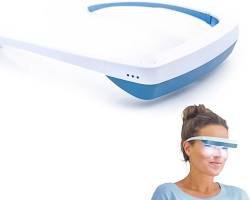
2026 update: Re-Timer currently sells retimer 3 for $220 and Re-Timer v2 for $179. Retimer 3 adds USB-C charging and app integration with Apple Health and Health Connect. The manufacturer lists a one-year technical warranty. Our original testing notes follow. Re-Timer devices are portable, blue or green light-emitting glasses designed to help adjust your body’s internal clock, also known as your circadian rhythm. This can be beneficial for people who:

    • Experience jet lag due to frequent travel
    • Work night shifts and struggle with daytime sleepiness
    • Have difficulty falling asleep or staying asleep
    • Suffer from seasonal affective disorder (SAD)

How do they work?

Light exposure, particularly blue and green wavelengths, plays a crucial role in regulating the production of melatonin, a hormone that promotes sleepiness. By mimicking natural daylight, Re-Timers suppress melatonin production in the morning, helping you feel more alert and awake. In the evening, avoiding bright light exposure allows melatonin levels to rise, promoting better sleep.

Features of Re-Timer glasses:

    • Portable and comfortable: Unlike traditional light therapy lamps, Re-Timers are worn like glasses, allowing for hands-free light exposure while going about your morning routine.
    • Safe and effective: The emitted light is 100% UV-free and meets international eye safety standards. Six published clinical trials support their efficacy in adjusting sleep patterns.
    • Adjustable intensity: You can choose between two brightness levels (315 lux and 500 lux) to personalize your light therapy experience.
    • Timer function: The glasses automatically turn off after the set treatment duration (20, 30, or 60 minutes).

Things to consider:

    • While generally safe, Re-Timers may not be suitable for everyone, especially individuals with certain eye conditions or epilepsy. Consulting a healthcare professional before using them is recommended.
    • The effectiveness of light therapy can vary depending on individual factors and the specific condition being addressed.

Overall, Re-Timer light therapy glasses offer a convenient and potentially effective way to manage sleep issues related to circadian rhythm disruption. If you’re interested in trying them, talking to your doctor or a sleep specialist can help determine if they’re the right fit for you.

The Science of Light Therapy for Seasonal Affective Disorder (SAD)

Seasonal affective disorder (SAD) is a type of depression that occurs seasonally, most commonly during the fall and winter months when daylight hours are shorter. Many people with SAD experience symptoms like low mood, fatigue, irritability, difficulty sleeping, and changes in appetite.

Light therapy is a well-established and effective treatment for SAD. It involves sitting in front of a bright light box for 20-60 minutes each day, usually first thing in the morning. The light emitted by the box mimics natural sunlight and is thought to work by:

    • Suppressing melatonin production: Melatonin is a hormone that makes you sleepy. In people with SAD, melatonin production may be increased during the day, contributing to fatigue and low mood. Light therapy helps to suppress melatonin production, making you feel more alert and awake.
    • Regulating your circadian rhythm: Your circadian rhythm is your body’s internal clock that regulates sleep and wakefulness. Light exposure plays a key role in setting your circadian rhythm. In people with SAD, their circadian rhythm may be out of sync, contributing to their symptoms. Light therapy can help to reset your circadian rhythm and improve sleep quality.
    • Increasing serotonin levels: Serotonin is a neurotransmitter that plays a role in mood regulation. Studies have shown that light therapy can increase serotonin levels in people with SAD, which may contribute to improved mood.

The Science Behind the Mechanisms:

The exact mechanisms by which light therapy works are still not fully understood. However, research suggests that it may involve changes in several brain regions and neurotransmitters. For example, light therapy has been shown to activate the hypothalamus, a part of the brain that regulates the circadian rhythm and melatonin production. It may also increase activity in the prefrontal cortex, an area of the brain involved in mood regulation.

Effectiveness of Light Therapy:

Numerous studies have shown that light therapy is an effective treatment for SAD. In fact, it is often considered the first-line treatment for this condition. A review of research published in the Journal of Affective Disorders found that light therapy was significantly more effective than placebo in reducing symptoms of SAD.

Things to Consider:

While light therapy is generally safe and well-tolerated, there are a few things to keep in mind:

    • Side effects: Some people may experience side effects from light therapy, such as headaches, eyestrain, and irritability. These side effects are usually mild and temporary.
    • Not for everyone: Light therapy may not be effective for everyone with SAD. It is important to talk to your doctor to see if light therapy is right for you.
    • Importance of consistency: For light therapy to be effective, it is important to use it consistently, every day, for at least a few weeks.

Light therapy is a safe and effective treatment for seasonal affective disorder. If you are struggling with SAD, talk to your doctor about whether light therapy is right for you.

My Re-Timer Findings

If you live anywhere a bit north or south of the equator you can understand how lack of sunlight can affect your sleep schedule. I live in Minnesota where the sun sets around 5pm during most of the winter. That means that you are usually going to work in the dark and coming home in the dark. Too much of this routing will inevitably lead to changes in mood and energy levels. You can also get this same side effect from traveling to different time zones where your body has to adjust to local time. A common problem among business travelers.

To remedy this, I have purchased a “Happy Light” which I would sit in front of for about half an hour each morning, or at least try to. Usually I am way too busy with getting the kids out the door and trying to get to work on time to spare another half our to sit tethered in front of a light.

Enter the Re-Timer. It’s works just as effectively if not more so than a happy light and it can be worn just like a regular pair of glasses. UV free light unobtrusively beams right to where your body needs it the most to get you energized and back on schedule. Since it’s portable, I’m much more likely to put them on and can even use them in bed while my wife is still sleeping without waking her up as well. The Re-Timer is charged with a standard USB cable and each charge lasts up to 4 hours. Given I only need to use it for 30 minutes a day I can go a whole week without having to recharge. If you travel frequently it’s your best bet for getting your sleeping schedule in sync with local time. It comes with a nice carrying case that can pack neatly into your suitcase.

The Re-Timer is backed by peer reviewed research that proves its efficacy. Knowing that, HSA/FSA eligibility should not be assumed. If you are considering reimbursement for a light-therapy device, verify eligibility with your plan administrator and, when appropriate, your clinician.

I look forward to using my Re-Timer this coming fall as the days start getting shorter and will report on my progress as winter approaches. In the mean time, do yourself and your sleep a favor and get one of these!

Update 12-17-15

We’re getting close to the Winter Solstice and I am feeling the full effects of SAD (seasonal affective disorder). This past week I have had an insatiable appetite, especially for carbohydrates. In fact, I bought a box of donuts on impulse on the drive home from work a few days ago and ate 3 that night. I’m lethargic and have a short temper.

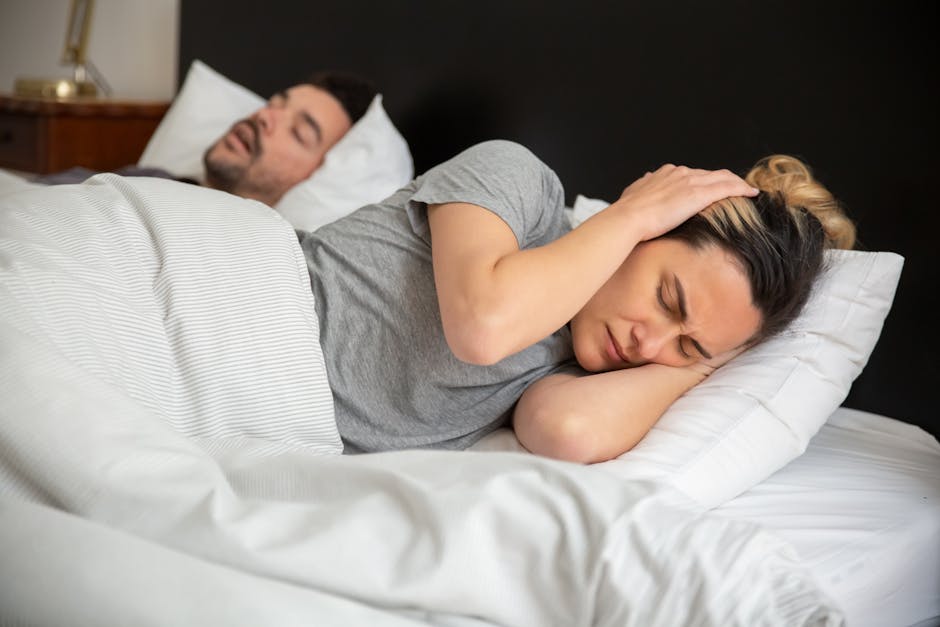
Thankfully I remembered the re timer. I used it this morning at 6am for 20 minutes in bed. It’s very convenient and doesn’t light up the entire room so that your significant other can still seep. It’s amazing how dark it really gets this time of year in Minnesota. It took me a little while just to tolerate the light near my eyes let alone wear the glasses. After 20 minutes I turned them off and the room looked pitch black.

It takes about 4 days for the effects of the re timer to kick in so I am going to do this all weekend. I’m also going to keep to a consistent sleep time which will also help with energy levels.

It’s nice to know that I have this tool in my sleep arsenal. 

Disclosure: We aim to highlight products and services you might find interesting, and if you buy them, we may get a small share of the revenue.

Re-Timer light therapy glasses are priced at retimer 3: $220; Re-Timer v2: $179 on their official website. They come with a return policy that should be verified on the current official shop if you’re not satisfied with the results. You can also get a third-party protection option that may no longer be available through Asurion for an additional cost, which covers accidental damage, drops, spills, and cracked screens.

Here’s a quick summary of the price, trial, and warranty options:

FeatureDetails
Priceretimer 3: $220; Re-Timer v2: $179
Trialreturn policy that should be verified on the current official shop
Warranty1-year manufacturer’s warranty (includes defects in materials and workmanship)
Optional protection plan4-year Asurion protection plan (covers accidental damage)

Light Therapy Glasses Similar to Re-Timer

Here are a few popular light therapy glasses similar to Re-Timers:

1. Luminette 3:

    • Pros: Clinically proven to improve sleep quality, reduce jet lag, and boost energy levels. Lightweight and comfortable to wear, with adjustable nose pads and ear hooks. Offers a wider range of light intensity levels (150 to 270 lux) compared to Re-Timers.
    • Cons: More expensive than Re-Timers, priced at $199 USD. Requires charging every 3-4 days, whereas Re-Timers last up to 6 hours on a single charge.

2. AYO Premium Blue Light Therapy Glasses:

    • Pros: Stylish design with interchangeable lens colors. Blocks harmful blue light from digital screens, potentially improving sleep quality and reducing eye strain. Affordable option, priced at $69.99 USD.
    • Cons: Not specifically designed for light therapy, so the light intensity may not be as effective as dedicated therapy glasses like Re-Timers or Luminette 3.

3. TheraSpecs Winslow Indoor Glasses:

    • Pros: Ideal for people with light sensitivity or migraine headaches, as the glasses block specific blue wavelengths that can trigger these conditions. Available in a variety of lens colors and styles. Relatively inexpensive, starting at around $129 USD.
    • Cons: Not intended for regulating sleep patterns like Re-Timers or Luminette 3. May not be suitable for everyone, as the tinted lenses can affect color perception.

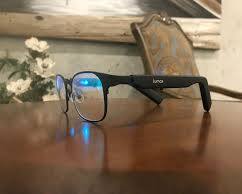
4. Lumos Light Therapy Glasses:

    • Pros: Discreet and stylish design that looks like regular eyeglasses. Offers personalized light therapy programs based on your chronotype (morning lark or night owl). App integration allows for tracking your sleep patterns and progress.
  • Cons: Most expensive option on this list, priced at $349 USD. Requires charging every day. Less research available on the effectiveness of Lumos compared to other brands.

Frequently Asked Questions About Re-Timer Review: Beat the Winter Blues

Is the Re-Timer worth it for beating the winter blues?

Our original hands-on test found Re-Timer convenient to use. For seasonal mood symptoms or a diagnosed condition, light therapy should be discussed in the context of appropriate clinical guidance; we do not present one wearable as a guaranteed treatment. Its portability makes it much more likely to be used consistently compared to stationary happy lights, which our reviewer found difficult to fit into a busy morning routine.

Who is the Re-Timer best for?

The Re-Timer is best for individuals experiencing seasonal affective disorder (SAD), those who travel frequently across time zones, or anyone affected by a lack of natural sunlight. Our reviewer, living in Minnesota, found it particularly helpful as winter approached and daylight hours significantly shortened.

How does the Re-Timer compare to a traditional 'Happy Light'?

The Re-Timer works just as effectively, if not more so, than a traditional happy light, with the key advantage of being wearable like glasses. This portability was a major benefit for our reviewer, who could use it while getting ready or even in bed without disrupting others, unlike a stationary happy light.

What are the downsides of the Re-Timer?

The primary adjustment period involves tolerating the light near your eyes, which our reviewer noted took some getting used to. It also requires about four days of consistent use for the full effects to kick in, so immediate results should not be expected.

Is the Re-Timer good for business travelers?

Yes, the Re-Timer is an excellent solution for business travelers as it effectively helps synchronize sleeping schedules with local time zones. Its compact carrying case makes it easy to pack and use on the go, addressing a common problem of jet lag among frequent travelers.

Can I try the Re-Timer in person at Yawnder's San Diego showroom?

You can find more reviews and purchase information for the Re-Timer on Amazon.

Want to test this in person? Visit our Encinitas showroom or call 858-232-5760.

Sleep Hygiene Infographic: Practical Tips for Better Rest

Infographic by Business Insider titled "How to Sleep Better." This sleep infographic includes tips like unplugging from screens, avoiding late-night eating and drinking, setting a bedtime, reading, meditating, keeping a journal, making a to-do list, and creating a hygiene ritual.

Check out this sleep infographic. I would suggest printing this out and putting it somewhere in your bedroom so you can refer to it if you’re ever confused as to why you’re not getting enough sleep. There are all sorts of sleep infographics out there and I have collated dozens of sleep infographics on my Pinterest page here as well.

sleep infographic

Frequently Asked Questions About Sleep Hygiene Infographic: Practical Tips for Better Rest

What is the main takeaway from the 'Sleep Hygiene Infographic: Practical Tips for Better Rest' article?

The main takeaway is that the infographic provides readily accessible tips to improve your sleep habits and identify reasons for poor sleep. The author recommends printing the infographic and keeping it in your bedroom for quick reference whenever sleep issues arise.

Who would benefit most from reading the 'Sleep Hygiene Infographic: Practical Tips for Better Rest'?

Anyone struggling with their sleep or looking to optimize their nightly rest would benefit most from this infographic. It serves as a straightforward guide for understanding and addressing common sleep problems.

Is the infographic mentioned in the article different from other sleep advice available?

While the article acknowledges there are many sleep infographics, this one is highlighted as a comprehensive resource the author personally recommends. The author has also curated a collection of various sleep infographics on their Pinterest page for further exploration.

Are there any downsides to relying solely on sleep infographics for improving sleep?

Relying solely on infographics might not address complex or underlying medical conditions contributing to poor sleep. It is always advised to consult a medical professional for persistent sleep issues, even after trying general tips.

Where can I find more resources like the sleep infographic mentioned by Yawnder?

The article states that the author has collated dozens of sleep infographics on their Pinterest page, which is a good place to find additional visual guides and tips. Use the infographic as a quick-reference tool, but rely on more detailed sleep guidance when you are dealing with an ongoing problem rather than a one-off bad night.

Is the sleep advice in this infographic good for people with specific sleep disturbances like insomnia?

The general tips in the infographic can be a helpful starting point for improving sleep hygiene, which is often beneficial for various sleep disturbances. However, for chronic conditions like insomnia, it's best to combine these tips with personalized advice from a healthcare professional.

Keep exploring
More sleep guidance

Browse Yawnder’s sleep education, research explainers, and practical guides.

Explore sleep guides

The sleep basics that hold up in research

Keep a consistent wake time every day, including weekends. Wake time anchors the body clock more effectively than bedtime, and a steady clock makes falling asleep easier without any other change.

Get outdoor light within an hour of waking, keep the bedroom cool, dark and quiet, and stop caffeine at least eight hours before bed. Alcohol makes you drowsy but fragments the second half of the night.

If you cannot fall asleep

Lying awake and trying harder makes it worse. After roughly 20 minutes, get up, go somewhere dim, do something quiet and low-stimulation, and return when you feel sleepy.

Keep clocks turned away. Watching the time increases arousal and makes the wait feel longer than it is.

When it is more than habits

Loud snoring, gasping or choking, witnessed pauses in breathing, and heavy daytime sleepiness point toward sleep apnea and need medical assessment rather than lifestyle tweaks.

Difficulty sleeping at least three nights a week for three months or more is chronic insomnia. Cognitive behavioural therapy for insomnia has the strongest evidence base and is generally recommended before sleeping pills.

FAQs

How much sleep do adults need?

Most adults do best with seven to nine hours, and the right amount within that range varies by person.

Are naps bad?

A short nap of 10 to 20 minutes early in the afternoon suits most people. Long or late naps make night sleep harder.

Does exercise help?

Regular daytime activity improves sleep for most people. Vigorous exercise very close to bedtime keeps some people awake.

Best Nap Accessories for Better Sleep

Transform your napping experience with these 15 must-have accessories that promise to elevate your rest, boost your mood, and supercharge your productivity. Say goodbye to restless snoozes and hello to peaceful, blissful shut-eye!

Do Not Sell or Share My Personal Information Privacy Policy
Y

Yawnder

We typically reply in a few minutes

👋 Hi there!

Have a question about mattresses, deliveries, or your order? We're here to help.