

Updated October 18, 2026. Original hands-on notes and photographs date to 2017. The current Luminette 3 information below is a manufacturer-source update, not a new hands-on test.
Disclosure: Yawnder received the original review product. Some links may earn us a commission.
Luminette review: who should consider wearable light therapy?
Luminette’s practical advantage is portability: the light sits above your eyes rather than requiring a dedicated tabletop setup. Our original reviewer liked being able to move through a morning routine while wearing it. Whether that convenience is valuable depends on your routine, comfort and the light schedule recommended for you.
We would consider the wearable format for someone who struggles to stay beside a stationary lamp. We cannot promise it will resolve insomnia, improve mood within a fixed number of days or work better than a light box.
Our original 2017 experience
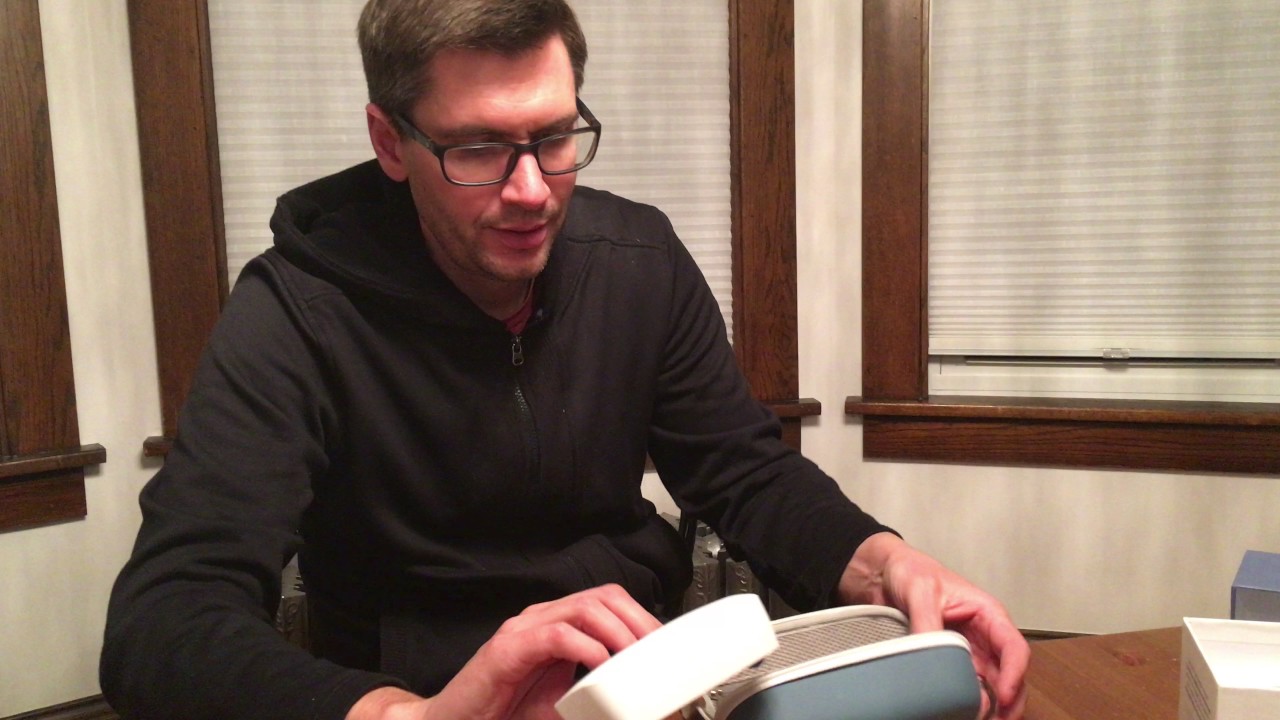
Yawnder received a Luminette during January in Minnesota. The original review described easy operation, convenient morning use and less space required than a tabletop light. Those observations describe that older device and a personal experience. They do not establish a treatment effect or performance of today’s Luminette 3.

Watch the original Luminette review video.


What is different about the current listing?
The current official product is Luminette 3. Its page lists a 65 g wearable device, compatibility with prescription glasses and blue-enriched white light. Confirm the supplied charger, session settings and instructions for the exact model you purchase. Our older review’s rental offer, price and battery-life observations should not be used as current specifications.
| Original review | Current purchase |
|---|---|
| Hands-on experience from 2017 | Luminette 3 requires its own current instructions. |
| Older product photographs and video | Appearance and accessories may differ. |
| Personal impressions | No new Yawnder clinical or comparative testing. |
Light therapy: evidence and precautions
The National Institute of Mental Health describes bright-light therapy as a treatment for winter-pattern seasonal affective disorder, typically using a UV-filtered 10,000-lux light box in the morning. That guidance does not establish that every wearable device produces equivalent outcomes. Lux figures alone are not a valid head-to-head effectiveness comparison.
Ask a health professional about timing and suitability, especially with an eye condition or medication that increases light sensitivity. Luminette’s own FAQ advises ophthalmologist input for retinal disease and after cataract surgery. If you have bipolar disorder, discuss light therapy with your treating clinician: Mayo Clinic notes a risk of triggering mania. Avoid treating a safety-standard claim as a promise of zero risk.
Price, returns and model checks
Use the current checkout for price. We found conflicting return language on the official site: some sections advertise 60 days while others still say 30. Ask the seller to confirm the applicable period and conditions in writing before ordering. We are not presenting either window as a verified universal guarantee.
See current Luminette 3 details
Sources and verdict
Current specifications and policy wording: official Luminette 3 page and manufacturer FAQ. Medical context: NIMH and Mayo Clinic above.
Our original experience supports the convenience of a wearable format. It does not establish medical effectiveness. Choose based on a suitable light-therapy plan, model-specific instructions and clear purchase terms.