Amerisleep AS3 Review (2026): Medium Feel, Price & Verdict

Amerisleep AS3 Mattress Review
Amerisleep AS3 Mattress Review.

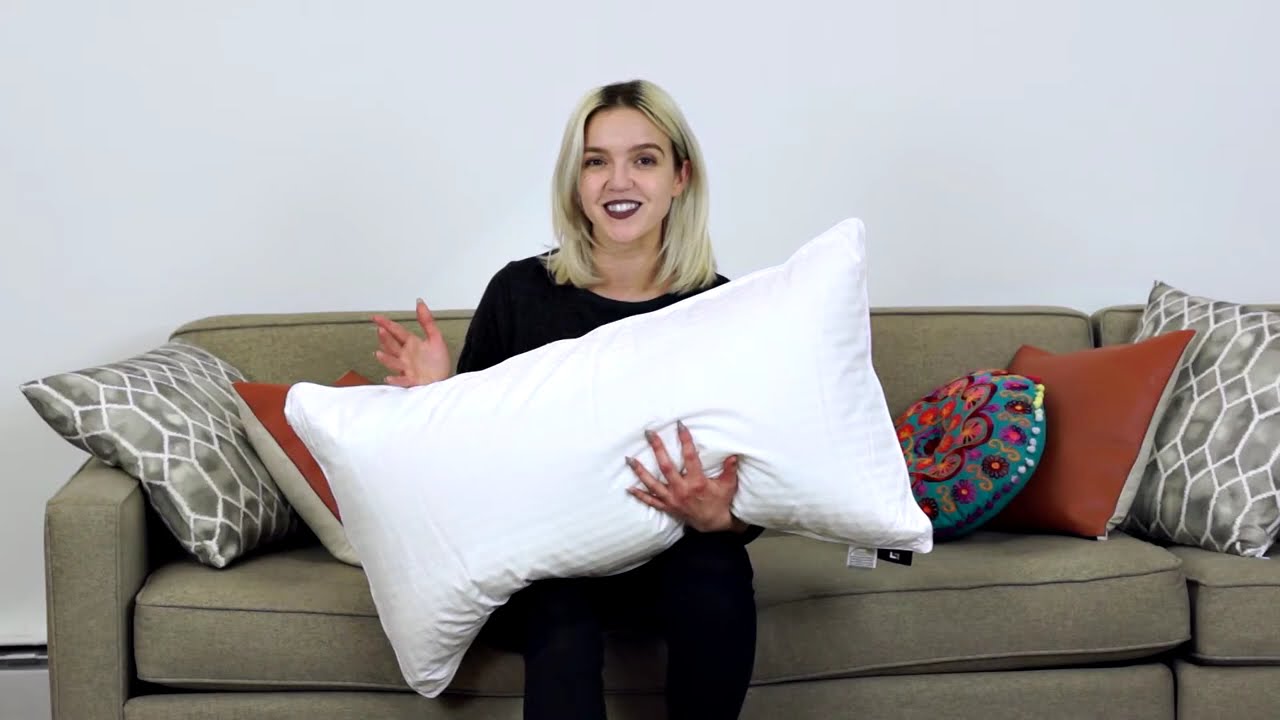
Watch our original Amerisleep AS3 mattress review
Our 2019 video shows an earlier all-foam AS3; current models and test results may differ.
Yawnder original Amerisleep AS3 mattress review

Yawnder Reviews · Updated September 2026

Medium plant-based foam, re-tested

The Amerisleep AS3 is a 12-inch all-foam mattress aimed at sleepers who want a medium feel with responsive contouring. We tested the AS3 with Yawnder's standardized protocol on August 27, 2026.

Yawnder test results

Overall score8.4 / 10
Firmness6 / 10
Spine alignment8.4
Pressure relief8.8
Cooling8.2
Motion transfer8.8
Edge support7.2
Responsiveness8 historically reported; current test panel lists ease of movement as not measured
Expected durability8.4
Off-gassing8.6

Standardized Yawnder test completed August 2026. See how we test and score.

Where it stands out

  • Pressure relief 8.8/10, Motion transfer 8.8/10, Off-gassing 8.6/10
  • Side and combination sleepers who want foam contouring with strong pressure relief.
  • The current standardized panel identifies this as a partial record; manufacturer specifications are separate.

Where it is limited

  • Edge support is 7.2/10 in the current panel; ease of movement is marked not measured there
  • Feel and score profile apply to the tested configuration; other firmness choices can feel materially different.

Current specs and terms

TypeFoam
Height / profile12 inches
Price reference$1,549 Yawnder reference price
Trial100 nights
Warranty20-year limited

Who should buy it

Side and combination sleepers who want foam contouring with strong pressure relief.

AS3 construction: all-foam versus hybrid

The mattress tested in this review is the all-foam AS3. Amerisleep also sells an AS3 Hybrid with coils, and the foam mattress's Yawnder scores should not be transferred to that version. Both are listed with a medium feel, but their support cores and individual feel differ. Check the material selection, size and full product name before comparing prices.

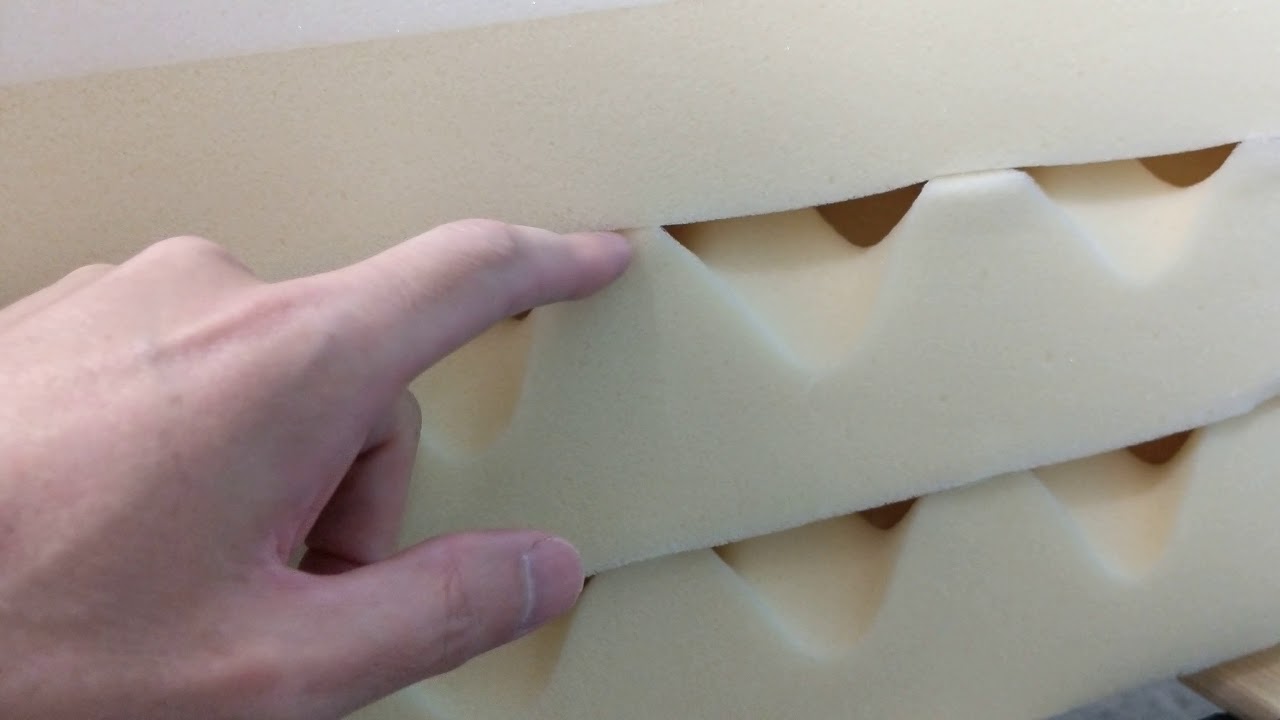
Inside our original Amerisleep AS3 sample
This 2019 clip shows the layers in the older all-foam AS3 reviewed by Yawnder; current construction may differ.
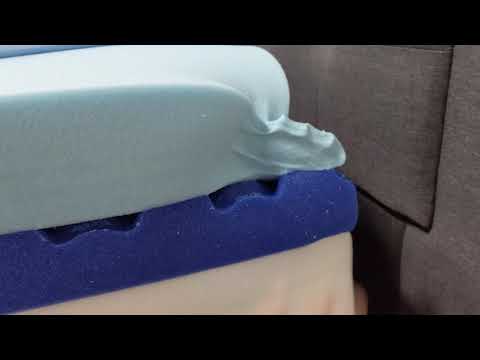
Inside our original Amerisleep AS3 sample

Watch on YouTube

Amerisleep describes the foam model's Bio-Pur comfort foam as plant-based and its HIVE design as a zoned support system. These are the manufacturer's construction descriptions. Plant-based foam is still foam; it does not establish that the mattress is entirely plant-derived or that it will sleep at a particular temperature. A zoned layer is intended to vary support across areas of the body, but how it feels depends on the sleeper and the entire mattress.
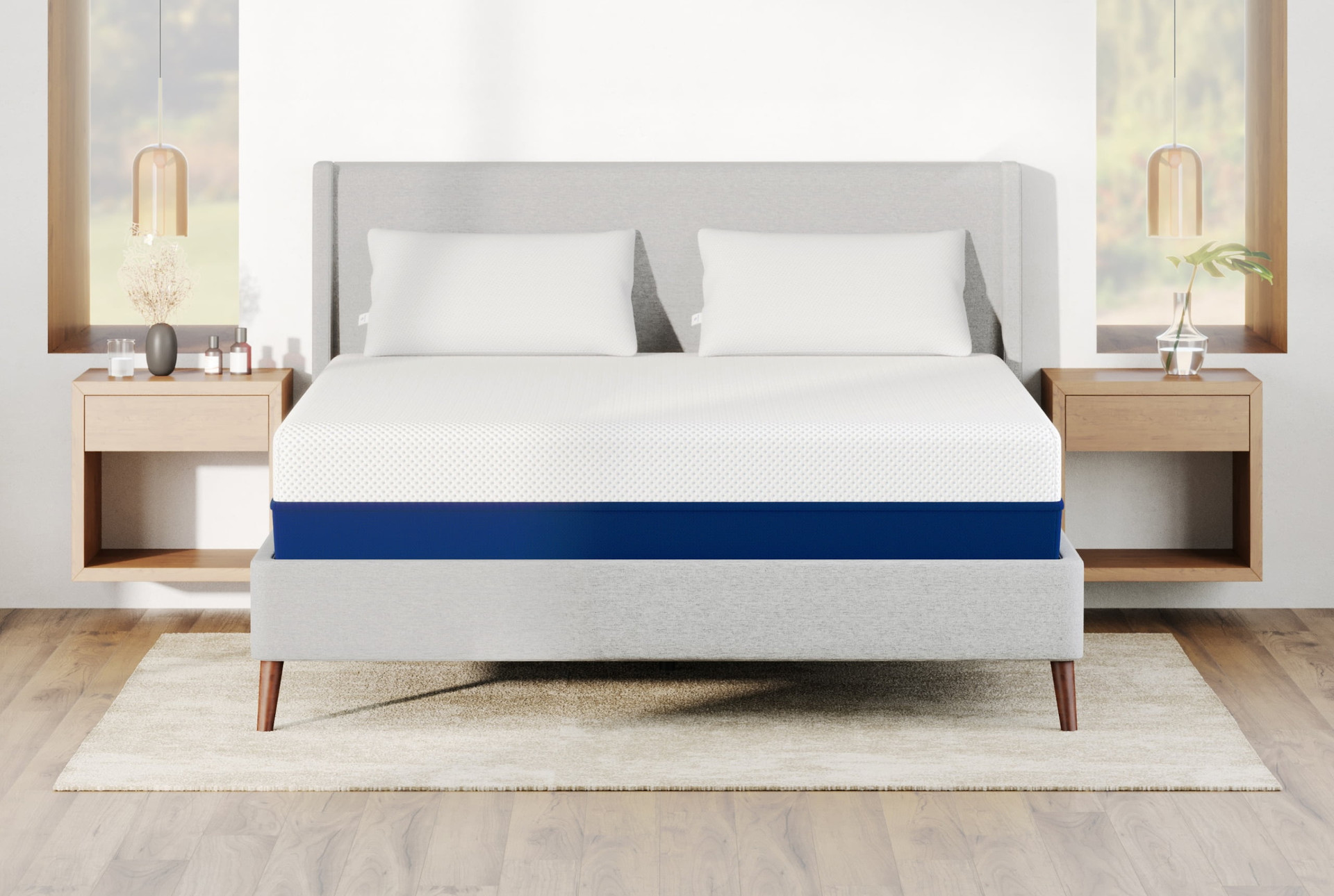
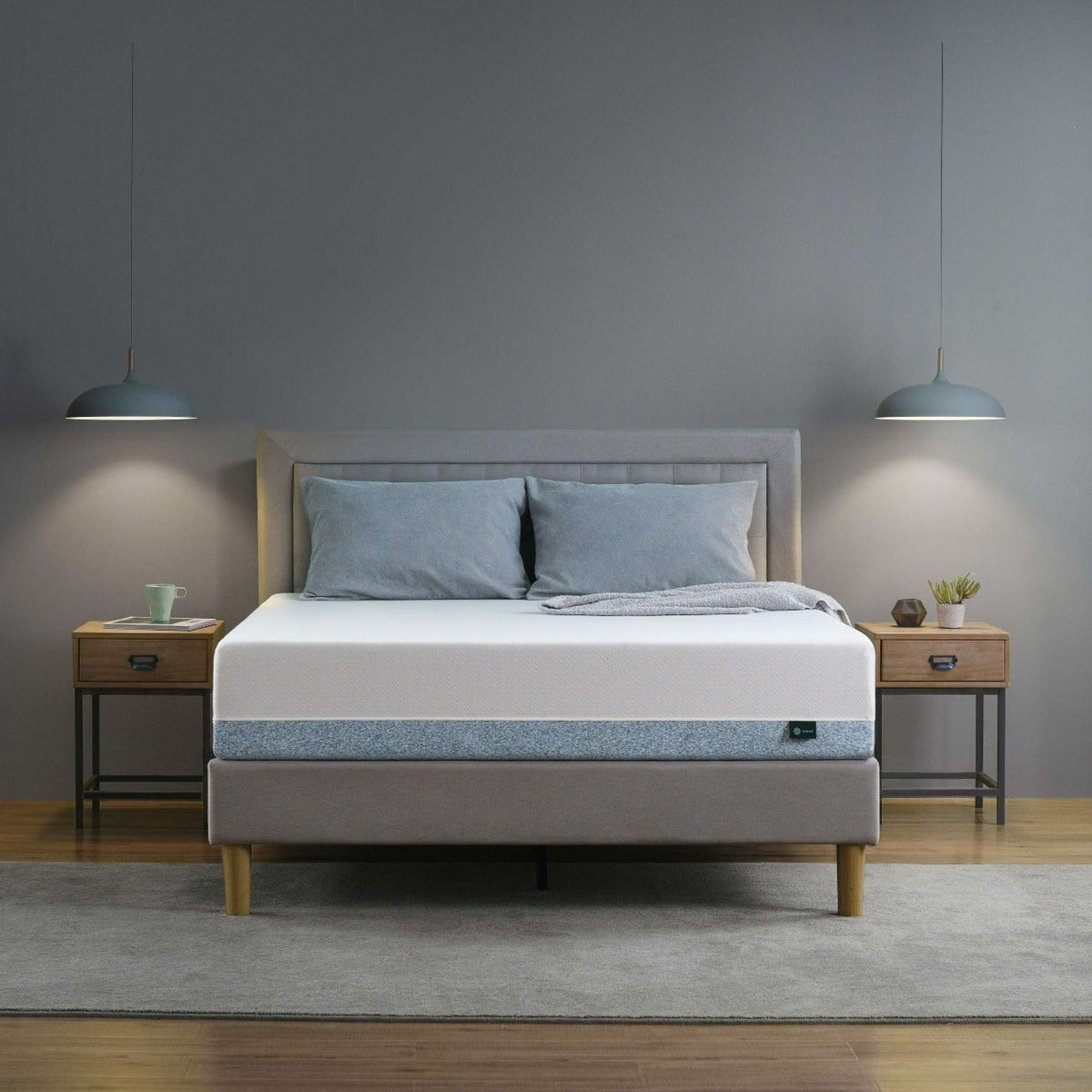
Amerisleep AS3 all-foam mattress in a bedroom
Manufacturer image of the AS3 all-foam mattress. The AS3 Hybrid is a separate configuration.

Feel, fit and the test results

Yawnder's existing AS3 record reports a 6/10 firmness, 8.8/10 for pressure relief and 8.8/10 for motion transfer, with 7.2/10 for edge support. Those results provide a useful starting point for comparing the tested foam model, not a guarantee that every sleeper will experience the same comfort. The current standardized panel marks ease of movement as not measured; an older body table reported an 8 for responsiveness, so we have identified that difference rather than presenting the two fields as the same verified result.

Side sleepers: Check shoulder and hip cushioning with a pillow that keeps your head comfortable. Back sleepers: Notice whether the hips feel supported without a hard spot at the lower back. Stomach sleepers: Compare a firmer option if the midsection sinks more than you prefer. Combination sleepers: Roll between positions and assess whether the foam's response suits you; the current panel does not provide a measured movement score.

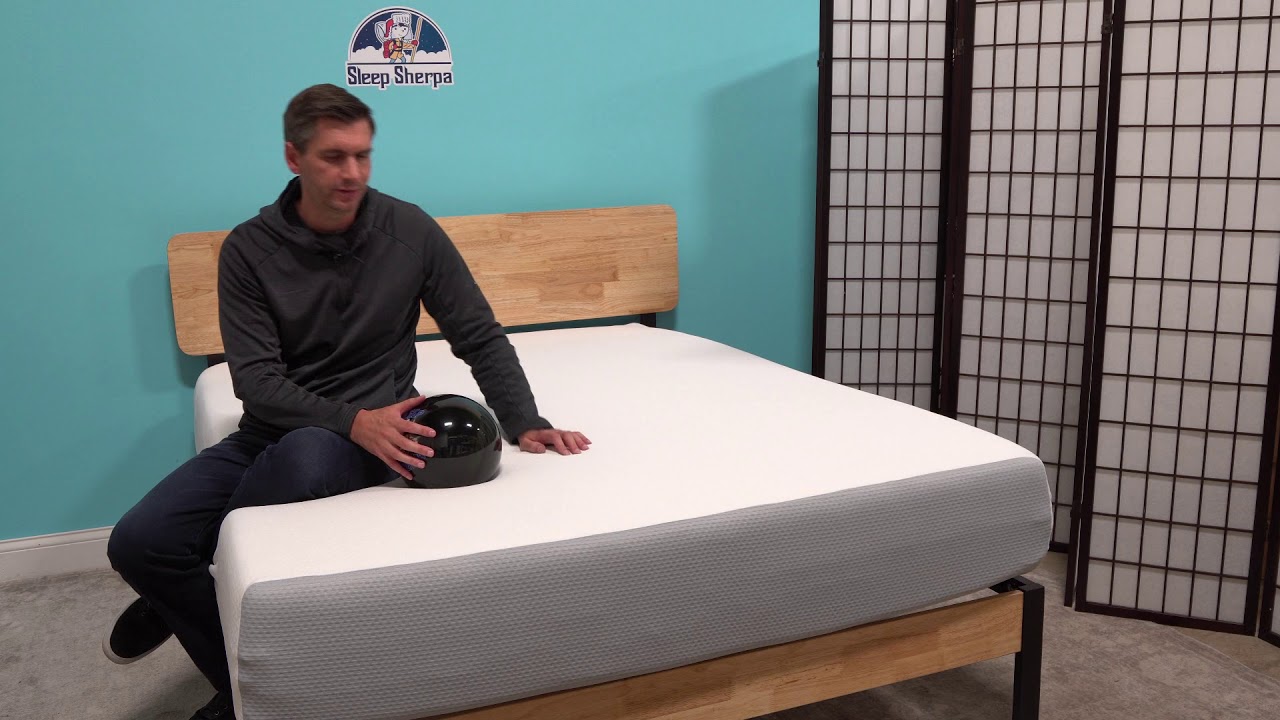
Original AS3 motion-transfer demonstration
A short demonstration on our older AS3 sample. It illustrates that sample and is not the standardized 2026 score.
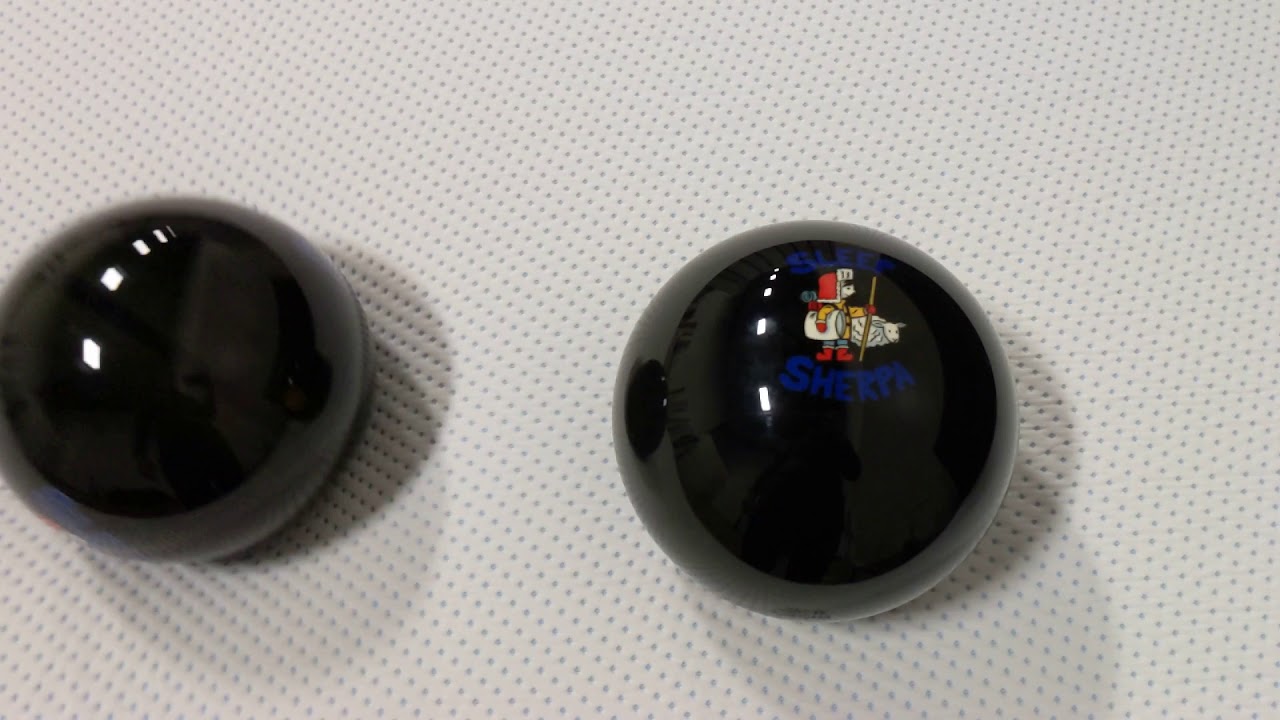
Original AS3 motion-transfer demonstration

Watch on YouTube

Couples should lie down together, alternate changing positions and test the edge before relying on any motion or edge score. Room temperature, sheets and protectors also affect warmth, so the cooling score is context for the tested sample rather than a promise of a specific sleeping temperature.

Trial and warranty: the details

Amerisleep's direct sleep trial begins when the mattress arrives and runs for 100 nights. It asks customers to try the mattress for at least 30 nights before initiating a return. For eligible returns, contact the company for authorization; it says it arranges pickup rather than asking you to re-box the mattress. If a mattress and adjustable bed are ordered together, its trial page says the clock starts after the adjustable bed also arrives.

Foundations, adjustable bases and accessories do not qualify for the mattress trial. Amerisleep's terms also discuss deductions for certain free or discounted promotional items if they are not returned with the order. Check the written agreement for your purchase, and ask a different retailer about its own comfort policy before paying.

The 20-year limited mattress warranty is split into two periods: the first ten years provide repair or replacement for eligible defects, while the second ten years are prorated. The policy describes a 50% original-price charge for replacement in the latter period, with associated costs; labor and transportation are not covered in the first period either. Coverage has conditions and exclusions, so save the receipt and full terms. A defect warranty is not a promise of twenty years of comfort.

Foundation and setup checklist

  1. Confirm you ordered AS3 all-foam rather than AS3 Hybrid and inspect the package promptly. Amerisleep's direct terms request notice of damage, defects or incorrect items within five business days.
  2. Check the foundation. Amerisleep says non-Amerisleep slats should be no more than 2.75 inches apart, and it does not recommend a traditional box spring. Verify the exact support against the warranty and your frame.
  3. Use an appropriate protector and follow the care and opening instructions. Keep the delivery date and purchase record for the trial or a possible claim.
  4. Compare the mattress-only price in your selected size with the final cost of any base, shipping or promotional accessories. The article's $1,549 reference is not a live quote.

See our guide to using an older box spring for the support questions to ask before reusing your existing setup.

Which alternative should you try?

OptionReason to compareWhat to check
AS3 all-foamMedium foam feel and the existing Yawnder test record on this pagePressure comfort and the tested model's lower edge score
AS3 HybridCoil support with foam cushioningDifferent feel and price; the all-foam test scores do not apply
A firmer or softer foam mattressA different surface may suit your body and preferred positionsCompare the exact model's firmness, return terms and delivered price

If possible, test the selected mattress with your regular pillow and compare the same size across offers. Ask the seller about fit, base compatibility and return fees rather than relying on a single overall rating.

Common questions

What did Yawnder score it? 8.4/10 overall in the current standardized record.

How firm was the tested mattress? 6/10.

How long is the trial? 100 nights.

What is the warranty? 20-year limited.

Check today's Amerisleep AS3 price and promotion →

Yawnder Reviews · Disclosure: Brand links on this page may be affiliate links. If you buy through them, Yawnder may earn a commission at no additional cost to you. Test scores come from Yawnder's standardized mattress-testing record; current policies and promotional pricing are manufacturer-provided.

MagicLinen Duvet Cover Review: Feel, Wrinkles and First-Wash Pilling

Magic Linen Review
Wooden button on the MagicLinen duvet cover
The MagicLinen duvet cover from our original review.

Review verdict

The original reviewer loved the airy, textured feel of this gray-blue linen duvet set and found it comfortable paired with cotton sheets. The trade-offs were visible: pronounced wrinkles and pilling after the first wash. The wooden buttons and duvet ties were practical highlights.

Reviewed setGray-blue duvet cover and pillowcases
FeelTextured, airy; not scratchy to the reviewer
Useful detailsWooden buttons and duvet ties
Main drawbacksWrinkles and first-wash pilling

Questions about this review

Was the linen scratchy?

The original reviewer said it felt distinctly different from other fabrics but was not scratchy.

Did it wrinkle or pill?

Yes. The account describes substantial wrinkles and pilling after a cold wash and low-heat drying cycle.

Was this a sheet set review?

The tested products were a duvet cover and pillowcases. The reviewer paired them with Homestead cotton sheets and had not tested MagicLinen’s sheets.

What kept the duvet in place?

The cover had tie-ins at the head end and wooden buttons at the opening.

Yawnder may earn a commission from qualifying purchases.

Luxe Pillow Review: Down-Alternative Feel and Three-Chamber Design

Luxe Pillow Review 1
Luxe Pillow being unboxed for a Yawnder review
The Luxe Pillow unboxing from our review archive.

Review verdict

The original reviewer liked the poly-fiber gel fill and found the supportive core subtle rather than intrusive. The account compares the down-alternative feel and packaging with Pillow Guy, while explaining the different construction of Luxe’s down-and-feather version.

Hands-on focusPoly-fiber gel down alternative
ConstructionThree chambers with a supportive core
Reviewer highlightSoft fill and subtle internal structure
ComparisonPillow Guy feel and packaging

Original review video

Questions about this review

Which version was reviewed firsthand?

The account and video discuss the Luxe down-alternative pillow. The article also describes the separate down-and-feather version; those descriptions should not be read as a separate new test.

Could the reviewer feel the core?

The reviewer tried pressing down to locate it but found its presence subtle and appreciated that it was not distracting.

Is the down version all goose down?

The original description lists waterfowl feathers in the supportive center and goose down in the two outer chambers.

Are the comparison prices current?

No. The preserved Pillow Guy comparison table contains prices from the original review.

Yawnder may earn a commission from qualifying purchases.

Best Rollaway Guest Beds

Best Rollaway Beds
Quick answer

A rollaway bed can be a practical guest-bed solution when you need to reclaim floor space between visits. Choose by the sleeper’s height and weight, the unfolded and folded dimensions, mattress feel and how easy the bed is to move. Manufacturer ratings vary by model—there is no single weight limit for all rollaways.

Two twin-size rollaway beds to compare

These examples compare manufacturer listings checked in October 2026. We have not tested these two beds side by side, so the specifications below are a starting point rather than a comfort or durability ranking. Prices, availability and terms can change.

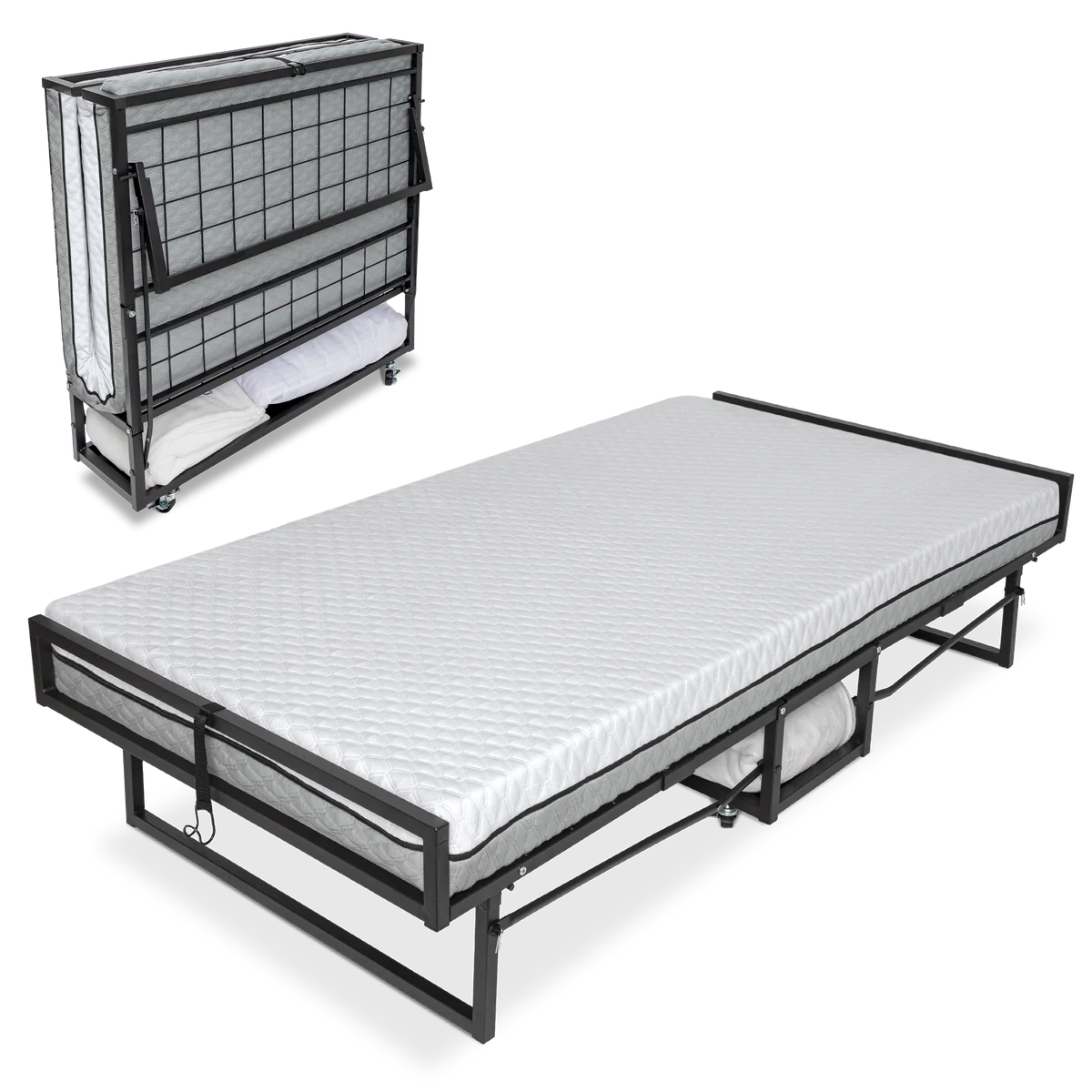
Milliard Deluxe Presidential folding guest bed shown open and folded for storage
Milliard Deluxe Presidential folding bed, shown open and folded. Photo: Milliard Brands.

Costway 75 × 38-inch folding bed: lower price and higher stated capacity

Costway’s item 374986152 was listed at $189.99 when checked. Its steel frame measures 75 × 38 inches, and the included mattress is listed as 75.5 × 39 × 4 inches. Costway states a 485-pound maximum load, a 46.5-pound unit weight and a folded size of 38 × 15 × 41.5 inches. It has four casters, including two with brakes.

Consider it if: price and the stated capacity matter, and your guest is comfortable with a 4-inch foam mattress. Measure your storage space and ask the seller how its capacity applies to the intended use. The mattress and frame measurements differ slightly in the listing.

Milliard Deluxe Presidential: thicker mattress with a washable cover

The Milliard Deluxe Presidential, model MIL-CFB-NW was listed at $409.99. Its specification table lists a 75 × 38-inch bed, a 5-inch foam mattress, a removable washable cover, a 300-pound capacity and a 57-pound unit weight. The folded size is listed as 44 × 38 × 14 inches. The listing describes two firmness sides, but feel is personal.

Consider it if: you value a removable cover and a thicker mattress and have room for the folded frame. Milliard’s page includes conflicting dimensions in some product text, so confirm the exact dimensions and current return costs with the seller before ordering.

At the checked prices, the Costway option was $220 less. A higher stated weight rating or thicker mattress does not establish which bed feels better; compare the dimensions, weight limits, return conditions and the guest’s needs before choosing.

Rollaway beds and alternatives

TypeWhy choose itTrade-off
Wheeled folding bedFolds for storage and may include a mattressNeeds a closet or other storage space; sizes and weight limits vary
Tri-fold mattressNo metal frame to assemble; easy to pack awayLower to the floor and may be harder to get out of
Cabinet bedHides a folded mattress in furnitureOften heavier and needs room to open
Air mattressCompact storage and adjustable inflationRequires inflation and may lose air

Measure the sleeper, room and storage space

Check the actual sleeping surface’s width and length, not just a “twin” label. A cot-size model may be considerably narrower than a standard twin; shorter beds may not suit tall guests. Allow room for doors and walking space when the bed is open.

Measure the folded height, width and depth against the closet, doorway and path to storage. Also check the folded unit’s weight—casters help on level floors but do not eliminate the need to lift over steps.

Understand weight limits and support

Read the manufacturer’s rating for the exact bed and size. Check whether it refers to the sleeper alone or the total load and whether bedding or mattress is included. Avoid assuming that every rollaway is suitable or unsuitable for a particular body weight. Confirm the construction, locking mechanism and any usage restrictions.
As manufacturer examples, Milliard lists a Diplomat cot at 75 × 31 inches with a 250-pound rating, and a Deluxe Presidential twin with a listed 75 × 38-inch footprint and 300-pound rating. These are product specifications, not Yawnder tests or endorsements; verify the model, availability and current details because listings can change.

Mattress and comfort

Check whether a mattress is included, its thickness and material, and whether the frame maker approves it for folding. The platform underneath matters too: slats, mesh or a supported deck can feel different even with similar mattress thickness. A thick mattress is not automatically more comfortable, and a standard mattress may not fold safely.

If you host regularly, review the return policy and give the guest enough bedding and a pillow that suits them. Consider the finished bed height for anyone who has difficulty standing from a low surface.

Setup and use

  1. Assemble according to the manufacturer’s directions and check that supports and hinges are fully engaged.
  2. Lock casters if the design provides locks; use the bed on a level surface.
  3. Keep hands clear of folding joints and supervise children around the folding mechanism.
  4. Use the included or approved mattress and do not exceed the stated limits.
  5. Before storing, follow the directions for closing and securing the frame.

Frequently asked questions

Are rollaway beds always twin size?

No. Cot, twin and other sizes exist, and nominal labels can hide meaningful differences. Check exact dimensions.

Can a heavier guest use one?

Some models have higher ratings than others. Choose a model whose documented limit and construction suit the user and intended load.

Can I use my regular mattress?

Only if the frame and mattress makers allow it. Many standard mattresses are not designed to fold into a rollaway frame.

Are the models listed here in stock?

Availability changes. Check the seller’s current listing and return policy before ordering.

For standard bed measurements, see our mattress size guide.

Alcohol and Sleep: How Drinking Changes Sleep Quality

How Alcohol Impacts Sleep

Quick answer

Alcohol can make some people feel sleepy, but it can also disrupt the structure of sleep. Effects vary with the amount, timing and individual. It is not a reliable treatment for insomnia, and it may worsen breathing problems during sleep.

How alcohol affects sleep stages

A systematic review of 27 studies found that alcohol delayed the onset of REM sleep and reduced REM duration, with greater disruption at higher doses. Higher doses shortened the time to fall asleep in the studies reviewed; results for other outcomes, including total sleep time and waking after sleep onset, were uncertain.

That distinction matters: feeling sedated at bedtime does not establish that sleep will be more restorative. People and drinking patterns differ, so the review cannot predict an individual night.

Alcohol, snoring and sleep apnea

Alcohol may aggravate sleep-disordered breathing, according to the National Institute on Alcohol Abuse and Alcoholism. If you snore heavily, have diagnosed sleep apnea or notice breathing pauses, talk with your clinician about alcohol and your treatment.

Timing, medication and safety

Alcohol metabolism varies with the amount consumed and individual factors. A fixed number of hours before bedtime does not guarantee that alcohol has cleared or that sleep will be unaffected. If you drink, consider avoiding it near bedtime and follow the advice of your clinician.

Alcohol can interact dangerously with sedatives and other medicines. Ask a pharmacist or clinician about your specific medications, and see NIAAA’s information on alcohol–medication interactions.

If you rely on alcohol to sleep

For persistent insomnia, ask a clinician about evaluation and cognitive behavioral therapy for insomnia (CBT-I). If you drink heavily and regularly, seek medical advice before stopping abruptly; alcohol withdrawal can be dangerous. NIAAA describes withdrawal and treatment options.

A comfortable bedroom can support your routine, but changing bedding does not reverse alcohol’s effects. Explore more sleep guidance.

Frequently asked questions

Does alcohol help you sleep?

It can make some people feel sleepy, but it can alter sleep stages. The research does not support relying on alcohol as an insomnia treatment.

Does alcohol affect REM sleep?

A review of laboratory studies found delayed onset and reduced duration of REM sleep, with greater disruption at higher doses.

Is alcohol a concern with sleep apnea or sedatives?

It can aggravate sleep-disordered breathing and interact with sedating medicines. Ask your clinician or pharmacist about your situation.

Is it safe to stop drinking suddenly?

For people who drink heavily and regularly, withdrawal can be serious. Seek medical advice about a safe plan.

Keep exploring
More sleep guidance

Browse Yawnder’s sleep education, research explainers, and practical guides.

Explore sleep guides

Menopause & Insomnia: Tips for Better Sleep

Can Menopause Affect Your Sleep

Quick answer: Perimenopause and menopause can disrupt sleep through night sweats, mood changes and other symptoms. A cooler room and consistent sleep routine may help, but persistent insomnia and severe hot flashes have treatments worth discussing with a clinician. Sleep apnea and other conditions can also cause interrupted sleep.

Why can menopause affect sleep?

Perimenopause is the transition leading up to menopause; menopause is generally defined as 12 consecutive months without a menstrual period, excluding other causes. The timing varies, and the transition commonly begins in the 40s. Hormone levels fluctuate during this period, but not everyone has the same symptoms or sleep experience.

Hot flashes and night sweats can wake you suddenly, leave bedding damp and make it hard to settle again. Stress, anxiety, depression, pain, frequent urination, medications and changes in sleep patterns may also contribute. The National Institute on Aging notes that mood changes and night sweats can affect sleep during this stage.

Don't assume every nighttime awakening is hormonal. Snoring, gasping, morning headaches or daytime exhaustion may also point to sleep apnea. A clinician can help assess the full picture.

What can help you sleep more comfortably?

  1. Make temperature easy to adjust. Try a fan, a cooler room, breathable pajamas and bedding in removable layers. Keep a dry shirt or towel nearby if night sweats wake you.
  2. Keep a regular wake time. A consistent schedule and a relaxing wind-down routine can help establish a steady sleep pattern.
  3. Track your patterns. For one or two weeks, note sleep and wake times, hot flashes, caffeine, alcohol, medications and daytime symptoms. Bring the notes to an appointment.
  4. Review evening habits. Caffeine and alcohol can disrupt sleep for some people. If you notice a pattern, try reducing them or moving caffeine earlier in the day.
  5. Make the bed comfortable. A breathable cover or lighter comforter may feel better than heavy layers. Cooling fabrics can help with surface comfort, but they do not treat the cause of hot flashes.

If mattress shopping is on your list, our guide to mattresses for menopause and night sweats explains how to compare comfort and cooling features.

Treatments to discuss with your clinician

CBT-I: Cognitive behavioral therapy for insomnia is a structured treatment that addresses sleep habits and thoughts that maintain insomnia. It is commonly recommended as a first treatment for chronic insomnia; the National Heart, Lung, and Blood Institute describes how it works.

Hot-flash treatments: Depending on your symptoms, medical history and preferences, a clinician may discuss menopausal hormone therapy or nonhormonal prescription options. Benefits and risks differ by person; these treatments are not suitable for everyone.

Other options: Relaxation techniques may help you wind down. Evidence for supplements or acupuncture varies, and neither should be assumed to correct hormone levels or cure insomnia. Ask about interactions and safety before starting supplements or sleep medications.

When should you seek help?

Talk to a healthcare professional when sleep problems persist, affect your daytime life, or come with severe hot flashes, low mood, loud snoring or gasping. Mention any medications and changes in your menstrual pattern. A clinician can consider causes such as sleep apnea or thyroid problems and recommend next steps.

You do not have to wait until menopause is complete to ask for help. Sleep problems during perimenopause are worth addressing, too.

Frequently asked questions

Can menopause cause waking at 3 a.m.?

Night sweats and other symptoms can interrupt sleep at any hour. A regular early awakening can also have other causes, so look at your symptoms and habits as a whole.

Will a cooling mattress stop night sweats?

It may feel more comfortable, but no mattress is a proven treatment for the hormonal symptoms causing night sweats.

Is melatonin the best treatment?

Not necessarily. It may be useful for particular sleep problems, but persistent insomnia warrants an evaluation and CBT-I may be recommended. Ask a clinician or pharmacist before taking a supplement.

Keep exploring
More sleep guidance

Browse Yawnder’s sleep education, research explainers, and practical guides.

Explore sleep guides

Keto Insomnia: What the Evidence Says About Keto and Sleep

Ketosis and Sleep

Frequently Asked Questions About Keto Insomnia: How to Sleep Better on the Keto Diet

What is keto insomnia?

Keto insomnia refers to the sleep disturbances some individuals experience when they begin a ketogenic diet. This can happen because the changes in diet significantly impact the body's natural sleep cycle, often due to altered nutrient intake.

What dietary changes can cause keto insomnia?

The primary dietary change causing keto insomnia is the drastic reduction in carbohydrate intake. Carbohydrates play a role in the production of L-tryptophan, an amino acid vital for creating serotonin, which helps with relaxation and conversion to melatonin for sleep.

Who is most likely to experience keto insomnia?

Individuals who are new to the ketogenic diet and are in the initial phase of transitioning into ketosis are most likely to experience keto insomnia. While not everyone will have sleep issues, it is a frequently reported challenge during this adjustment period.

What is the ketogenic diet and how does it relate to sleep?

The ketogenic diet is a low-carbohydrate, high-fat, moderate-protein eating plan that shifts the body's energy source from glucose to ketones. This metabolic change can disrupt the production of sleep-regulating hormones like serotonin and melatonin, leading to insomnia for some.

Are there other initial side effects of the keto diet besides insomnia?

Yes, beyond insomnia, the initial phase of the ketogenic diet can also bring about side effects such as diarrhea, fatigue, muscle cramps, and a decreased appetite. These symptoms are part of the body adjusting to the new metabolic state of ketosis.

How does reduced carbohydrate intake affect sleep on the keto diet?

Reduced carbohydrate intake on the keto diet diminishes the brain's access to L-tryptophan, an amino acid crucial for producing serotonin, which promotes relaxation and converts to melatonin for sleep. This disruption in the serotonin-melatonin pathway can lead to difficulties sleeping.

Keep exploring
More sleep guidance

Browse Yawnder’s sleep education, research explainers, and practical guides.

Explore sleep guides

Why a keto diet can wreck your sleep at first

Plenty of people start a very low-carbohydrate diet and hit a wall of restless nights in the first week or two. It is common enough to be part of the informal "keto flu" cluster, alongside headaches, fatigue and irritability. Several things are usually happening at once:

  • Electrolyte losses. Cutting carbs drops insulin, and lower insulin makes the kidneys excrete more sodium — taking potassium and magnesium along with it. Low magnesium in particular is associated with cramps, restlessness and lighter sleep.
  • Dehydration. Glycogen holds water. Burning through it means losing fluid, which feeds the same electrolyte problem.
  • A stress-hormone shift. During the transition, cortisol and adrenaline can run higher, which is the opposite of what a nervous system winding down for sleep wants.
  • Blood sugar swings. Until fat metabolism takes over efficiently, dips overnight can trigger 2–4 a.m. awakenings with a racing heart or hunger.
  • Caffeine creep and late eating. Fatigue in week one drives extra coffee, and heavy late fat-dense meals sit badly.

What usually fixes it

Replace electrolytes deliberately. Salt your food, and consider magnesium- and potassium-rich choices (leafy greens, avocado, nuts, seeds). If you are thinking about supplements, run it by a clinician — potassium in particular is not something to guess at, especially with kidney issues or blood pressure medication.

Drink more than feels necessary in the first two weeks, front-loaded earlier in the day so you are not up at 3 a.m. for the bathroom.

Don't crash carbs to zero overnight. A gradual taper over a couple of weeks blunts the whole transition, sleep included.

Move the last real meal earlier — roughly three hours before bed — and keep it moderate. Some people sleep better with a small amount of carbohydrate at dinner rather than all of it at breakfast.

Cap caffeine by early afternoon and be honest about alcohol: it shortens sleep latency but fragments the second half of the night.

Keep the basics tight while your body adapts: same wake time daily, morning light, cool dark room, no screens in the last hour. A transition period is exactly when sleep hygiene stops being optional.

The other side of the story

Not everyone sleeps worse. A number of people report the opposite after adaptation — fewer overnight awakenings and steadier energy, likely because blood sugar stops swinging. Research on ketogenic diets and sleep is mixed and mostly small; some studies in specific clinical populations show improvements in sleep quality, others show reduced REM early on with a return toward normal over weeks. Treat your own two- to four-week window as the real experiment and keep a short log of bedtime, awakenings and how you feel at 10 a.m.

When it isn't the diet

See a clinician if insomnia persists past about a month, if you are waking with headaches or gasping, if you snore loudly, or if you have heart, kidney, liver or diabetes-related conditions — ketogenic diets interact with several medications, insulin among them, and dose changes belong with a doctor. Persistent insomnia also responds well to CBT-I regardless of what you eat. This is general information, not medical advice.

FAQ

How long does keto insomnia last?

For most people who report it, days to a couple of weeks — roughly the length of the adaptation period. Beyond a month, look for another cause.

Does magnesium help?

It can if you are low, and low magnesium is common on very low-carb diets. Ask a clinician about form and dose rather than stacking supplements.

Should I eat carbs before bed on keto?

Some people sleep better shifting a small portion of their carb allowance to dinner. It is worth testing for a week before assuming the diet itself is the problem.

Can keto help sleep apnea?

Weight loss of any kind can reduce apnea severity, but apnea needs diagnosis and treatment on its own — a diet is not a substitute for a sleep study or therapy.

Deja Vu: Understanding Its Connection to Dreams

Deja vu and dreaming Is there a connection

Quick answer

Déjà vu is the feeling that a current experience is strangely familiar, even though you recognize that it should be new. Occasional brief episodes can happen in otherwise healthy people. Researchers are still studying why the feeling occurs.

Image from the original Yawnder déjà vu article
Image from the original Yawnder article.

What might explain the feeling?

One area of research concerns the systems involved in familiarity and remembering. A situation may feel familiar without a clear memory explaining why, but no single theory accounts for every episode. Research involving people with temporal-lobe epilepsy has helped scientists study memory networks; its findings should not be used to assume that an ordinary episode is a seizure.

A review of research on déjà vu and memory networks describes hypotheses involving temporal-lobe structures and acknowledges that the mechanisms are still being investigated.

Is déjà vu connected to dreams?

A place or event can remind someone of a remembered dream, and some people describe feeling that they dreamed a situation before. That personal impression does not prove that a dream predicted the event or that all déjà vu comes from dreams. Familiarity and memory are complex, and the cause of an individual episode may be unclear.

Dreams can occur during both REM and non-REM sleep. Read our guide to types of dreams for more on dream recall and sleep stages.

  • Jamais vu: a familiar situation or word briefly feels unfamiliar.
  • Tip-of-the-tongue: feeling that you know a word or name but cannot retrieve it at that moment.
  • Déjà rêvé: a feeling that a current experience resembles something previously dreamed.

These terms describe different experiences. None, on its own, establishes a medical diagnosis or a supernatural explanation.

When to talk with a clinician

Occasional brief déjà vu is usually not a reason to panic. Seek medical advice if episodes are frequent, prolonged, changing or accompanied by confusion, loss of awareness, unusual sensations or movements. A clinician can assess the full picture. Cleveland Clinic’s overview describes how déjà vu can sometimes occur as part of a temporal-lobe seizure.

Frequently asked questions

Does déjà vu mean I dreamed the future?

No. Feeling a match with a dream does not demonstrate that the dream predicted an event.

Can dreams happen outside REM sleep?

Yes. Dreams can occur during non-REM as well as REM sleep.

Is déjà vu always a seizure?

No. Occasional brief déjà vu can occur in healthy people. Frequent episodes or episodes with loss of awareness or other symptoms deserve medical evaluation.

What is jamais vu?

It is the experience of something familiar briefly feeling unfamiliar.

Keep exploring
More sleep guidance

Browse Yawnder’s sleep education, research explainers, and practical guides.

Explore sleep guides

How to Overcome Sleep Inertia & Morning Grogginess

Sleep Inertia The Morning Grogginess and How to Overcome It

What is sleep inertia?

Sleep inertia is the temporary grogginess and reduced alertness some people experience after waking. Attention, reaction time and decision-making can be slower, even when you are technically awake. For a different danger linked to sleepiness, read about involuntary microsleep. It can follow a night’s sleep or a nap.

It often improves as you become fully awake, but intensity and duration vary. Allow time to wake before driving or performing safety-critical work, especially after an unexpected awakening.

How long does it last?

For many people it eases within tens of minutes, although it can last longer. The CDC’s NIOSH guidance notes that sleep inertia can reduce performance after a nap and that its effects vary.

Waking from deeper sleep, insufficient sleep and waking at an unfavorable circadian time may make grogginess more pronounced. A wearable or a fixed 90-minute rule cannot reliably predict your exact sleep stage or guarantee an alert awakening.

A practical morning routine

  1. Allow a buffer. Schedule demanding decisions, driving or hazardous work after you have had time to wake fully.
  2. Get light and gentle movement. Open the curtains or take a short walk if safe. These can help you feel more alert, although responses differ.
  3. Keep a regular schedule. Consistent sleep and wake times and sufficient sleep opportunity are useful foundations.
  4. Consider caffeine thoughtfully. If you use it and tolerate it, it takes time to work. Avoid relying on it in place of adequate sleep or using it so late that it disrupts the next night.

Hydration and breakfast can be part of a comfortable routine, but there is no evidence that everyone’s morning grogginess is caused by dehydration or that water alone resolves sleep inertia.

What about the snooze button?

Some people find repeated alarms leave them feeling rushed or fragmented; others may prefer a gradual wake-up. Evidence does not support a universal claim that every snooze cycle makes inertia worse. If snoozing causes stress or cuts into sleep, try setting a single alarm for the time you need to rise and observe the result.

Naps and grogginess

A short nap can improve alertness, but you may still wake groggy. NIOSH notes that waking after approximately 20 minutes can mean less inertia for some people. Sleep cycles differ, and a 90-minute nap does not guarantee you will wake at a particular stage.

Leave a wake-up buffer after any nap before driving or returning to a safety-sensitive task. If naps routinely make it difficult to sleep at night, discuss timing and duration with a clinician.

When to seek help

Talk with a healthcare professional if grogginess is prolonged, happens despite adequate sleep opportunity, affects work or driving, or comes with loud snoring, witnessed breathing pauses or overwhelming daytime sleepiness. Causes can include insufficient sleep, medication effects and sleep disorders; the symptom alone does not identify which one.

If you are too sleepy to drive safely, do not drive. Seek a safe alternative and address the sleepiness.

Frequently asked questions

Is sleep inertia normal?

Brief grogginess after waking is common. Severe or persistent symptoms deserve evaluation.

Does everyone need eight hours?

Sleep needs vary by age and individual. A clinician can help assess whether you are getting enough and whether sleep quality may be affected.

Does a 90-minute nap prevent sleep inertia?

No. Sleep cycles vary, and any nap may be followed by grogginess. Allow time to wake before critical tasks.

Sleep Habits: How They’ve Evolved Through History

The Evolution of Sleep How Sleep Has Changed Through History

Frequently asked questions

How have sleep patterns changed throughout history?

Throughout history, sleep patterns have shifted from early bedtimes dictated by the setting sun to later schedules influenced by artificial light sources. Before electricity, especially in the 16th and 17th centuries, people often retired after sunset due to limited light, making sleep an energy-saving solution. The advent of electric light allowed people to engage in activities later into the night, significantly altering sleep habits and dinner times.

What were the earliest forms of beds, and how have they evolved?

Early humans likely slept on simple beds of grass, often curled in a fetal position, which evolved into more structured sleeping arrangements over centuries. Ancient civilizations like the Egyptians and Romans had designated sleeping areas, with the Egyptians equating sleep to death and Romans preferring compact bedrooms. By the Middle Ages, families shared large beds for warmth, and decorative bed frames began to emerge, particularly in China, marking a move toward more sophisticated accommodations.

When did modern mattress innovations like metal springs and memory foam become available?

Metal bed springs were introduced in the 19th century, with waterbeds and Murphy beds gaining popularity by the late 1800s. Memory foam became more affordable and revolutionized sleep toward the end of the 20th century. Today, companies like Yawnder in San Diego offer a wide range of advanced mattress technologies for modern sleep needs.

What impact has technology had on our sleep habits?

Technology has both enhanced and detrimentally affected our sleep habits by providing new products while also contributing to sleep deprivation. While products designed to improve sleep have become a multi-billion-dollar industry, devices like smartphones and laptops frequently disrupt natural sleep cycles. This creates a paradox where advancements aimed at better sleep can also be significant obstacles.

How did ancient civilizations view and practice sleep?

Ancient civilizations had diverse views and practices regarding sleep; for instance, the Egyptians revered sleep, associating it with death. The Romans generally opted for compact bedrooms and simpler beds, contrasting with earlier humans who used basic beds of grass. Despite varying customs, the fundamental need for rest remained constant across all ancient societies.

Where can I learn more about modern sleep solutions and mattress technology?

You can explore modern sleep solutions and mattress technology at specialized retailers. For example, Yawnder has a showroom in Encinitas, CA, where you can experience the latest advancements in sleep products. This allows you to compare and contrast various mattress types and technologies in person.

Keep exploring
More sleep guidance

Browse Yawnder’s sleep education, research explainers, and practical guides.

Explore sleep guides

Sleep was not always one long block

Historians of everyday life have documented that, in parts of pre-industrial Europe, nighttime rest was commonly described in two segments with a period of wakefulness between them. References to a "first sleep" and a "second sleep" appear in letters, court records and literature of the period. How universal the pattern was remains debated, but it is a useful reminder that the eight-consecutive-hours expectation is a cultural norm, not a biological constant.

What changed the schedule

  • Artificial light. Cheap lighting pushed bedtimes later and compressed the night into a single block.
  • Industrial work hours. Fixed shifts made a consolidated night necessary and made segmented rest impractical.
  • Clock time. Scheduling life by the clock rather than by daylight decoupled sleep from sunset and sunrise.
  • Screens and shift work. Both push light exposure into the evening and delay the internal clock.

Practices that persist across cultures

Afternoon rest remains normal in many parts of the world, communal and shared sleeping arrangements are common, and sleep surfaces range from firm floor mats to deep pillow tops depending on local convention. Bedding preference is largely learned, which is one reason firmness advice is so subjective — people adapt to what they grew up on.

What this means for your own sleep

Waking once in the night and returning to sleep within a short stretch is common and not evidence of a disorder. The practical modern habits that hold up are unremarkable: a consistent wake time, bright light early in the day, dim light in the evening, and a cool, dark, quiet bedroom. If you are regularly awake for long stretches, sleepy during the day, or snoring heavily, that is worth an evaluation rather than a history lesson.

Was biphasic sleep the historical norm everywhere?

The evidence is strongest for parts of pre-industrial Europe. Historians disagree about how widespread it was, so treat it as documented in some contexts rather than universal.

Should I try segmented sleep?

There is no good evidence it improves outcomes for people with ordinary schedules, and it conflicts with most work and school hours.

Is waking up at night a problem?

Brief awakenings are normal. Long awakenings most nights, plus daytime impairment, are what warrant attention.

Giesswein Wool Slippers Review: My Months of Wear

Giesswein Slippers Review
Giesswein Abend slippers in their box during the original review
The Giesswein slippers I received for the original review.

Months of firsthand wear

My original review: I received the Giesswein Abend indoor slippers free for review and wore them for several months. What I liked was the supportive feel under the arch, the warmth without having to rely on thick synthetic padding, and how easily I could slip them on around the house. I even took them outside for short trips to collect mail or walk to the bus stop. That is my actual experience with the older Abend pair—not a new test of every slipper in Giesswein’s 2026 catalog.

Important model update: The Abend pair and the $90 price mentioned in my original article are historical. I couldn’t confirm that this exact model remains in the current U.S. selection. Giesswein presently lists wool slippers such as Veitsch, Vent, Wool Clog and Dannheim; the materials, outsole and fit differ, so don’t transfer my Abend arch-support impression or sizing to all of them.

How to choose a Giesswein slipper today

  • Wool feel: Look for the actual upper and lining material; virgin wool, boiled wool and blended wool don’t feel or breathe identically.
  • Arch support: My Abend pair felt more supportive than inexpensive slippers I’d owned, but that isn’t medical evidence or a promise that other models fit an orthotic.
  • Indoor versus occasional outdoor use: Check the exact outsole material and traction before using a slipper on wet paving, not just how the sole looks in photos.
  • Size and break-in: A good wool slipper should hold the heel while allowing toe movement. The upper may relax slightly with use, but buying painfully tight isn’t a strategy.
  • Care: Follow your specific model’s care label; don’t assume every wool slipper or sole is suitable for machine washing.

Worth the premium? A wool slipper makes sense when you value a structured fit and use it frequently. It’s less compelling if you just want the least expensive throwaway pair or need a model certified for substantial outdoor walking. I still value the comfort I described in the original photos below, but would verify current sizing and return terms before buying a different Giesswein model.

Disclosure: My original test pair was provided free of charge. These are firsthand impressions of that sample; no numerical lab rating is claimed. Current product references checked against Giesswein’s U.S. men’s wool slipper collection and women’s slippers.

Giesswein is an Austrian footwear company that makes its products sustainable using primarily renewable materials such as wool and latex. I received a free pair of the Abend (indoor) slippers to review. At the time of my original review the Abend model cost about $90; that historical price is not a current offer. To see Giesswein’s present selection, visit the current slipper catalog. I have been wearing these slippers for a couple months before writing this review and although these are primarily meant for indoor use, I have taken them outside many times to get the mail or drop off kids at the bus and the work great. Read this Giesswein Slippers review for more insights.

Overview of Giesswein

My original two-month slippers review

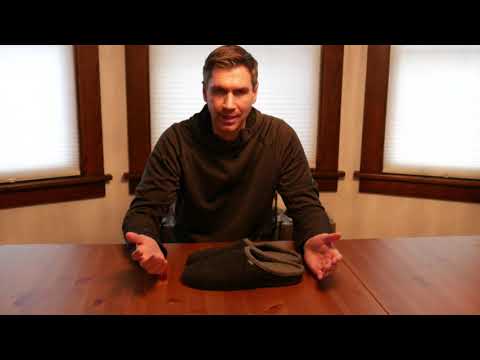
Watch my original review of the Giesswein Abend slippers after more than two months of wear.

Yawnder Giesswein Abend slippers two-month review

Watch on YouTube


Giesswein isn’t an overnight company, they grew slowly and perfected their craft over time. Here’s a brief history of the company according to the website:

In 1954, Walter and Elisabeth launched Giesswein to share their passion for wool with the world. Three generations later, the Giesswein family hasn’t lost sight of the Austrian heritage that informs and inspires each unique design to this day. All Giesswein wool is crafted in the scenic Alpine village of Brixlegg overlooking the Inn River. No matter what you select from Giesswein today, know that it was made with the same dedication to craftsmanship that Walter and Elisabeth knit in to the very first garments they made only for family and friends.

All of their footwear has a timeless look so investing a little more is definitely worth it as they style won’t age.

Ordering Your Giesswein Slippers

There are a few ways to order your slippers. You can order direct through their website. There is a shipping charge that will be calculated at checkout. Or, you can find them in a store. I was able to find them at some retail stores in Minnesota which is a good option if you want to try them out in person. They discourage purchasing from Amazon because they cannot guarantee the authenticity of the product sold from third-party sellers.

My slippers arrived in about a week after my order was placed. They arrived in a box like this:

Giesswein slippers shipping box

Construction Details and Highlights of the Giesswein Abend

Below are the construction details of the Abend slipper according to the website.

  • high-level arch support (metatarsal and medial)
  • removable natural rubber/natural jute/recycled carbon footbed
  • moisture-wicking, breathable, 100% natural boiled wool upper naturally regulates body temperature
  • never itchy, scratchy, or sweaty
  • natural latex-dipped outsole with vegetable dyes is non-marking, flexible, and water-resistant
  • patented outsole uses no synthetic chemicals or glues
  • accommodates third-party orthotics
  • seam-free interior hugs the foot with no irritation or chafing
  • made in Austria

My Giesswein Slipper Findings

These slippers felt broken in right out of the box. The photo above shows them when I opened the box.

What makes these slippers “worth it” is their construction. They are made with boiled wool which is a process the wool goes through to make it softer, not scratchy and lightweight. Wool is a naturally breathable material so you get superior temperature regulation.

giesswein logo

The other main feature is the sole of the slipper which is dipped in latex. This creates an excellent seal without the need for glues. The latex sole gave my pair cushioning and grip for short trips outside. The historical listing described it as water-resistant, not waterproof; check the exact model and surface conditions.

giesswein sole

My Giesswein Recommendation

Aside from this model they make other slippers that are are of the same high quality and craftsmanship. I have been occasionally been using my cheaper slippers at times to compare against these and what is most noticeable is the arch support that these slippers provide. My feet get less fatigued at the end of the day. And now that we are starting off January my feet are also less cold! At $90 they certainly aren’t cheap but they are made to last and I expect to have these for years to come.  Learn more about Giesswein

Giesswein wool slipper FAQ

Did Yawnder personally test Giesswein slippers?

Yes. I received a complimentary pair of the older Giesswein Abend slippers and wore them for months before publishing my original review. That experience is not a new test of the current 2026 collection.

Do Giesswein slippers provide arch support?

My Abend sample felt more supportive than the cheaper slippers I compared it with. Arch shape and sole construction vary by style. This is a personal comfort observation, not a medical claim or a claim about every Giesswein model.

Can Giesswein wool slippers be used outside?

Some current Giesswein slippers have grip-oriented soles designed for occasional short outdoor use. Check the exact outsole and surface conditions; my original sample was mostly used indoors.

Is the Abend slipper still sold?

The model I tested was an older Abend pair. I have not confirmed it in Giesswein's current U.S. catalog, so check current inventory and style specifications rather than relying on my original $90 price.

Where can I buy them?

View the current men's and women's wool slipper collections on Giesswein's U.S. website. Yawnder's mattress showroom is not a Giesswein slipper retailer.

Sleep Texting: What It Is and Why It Happens

sleep texting

Quick answer: “Sleep texting” describes sending or answering messages around sleep and later having little or no memory of doing so. It may happen during partial awakening or as part of a sleep-related behavior, but a forgotten text alone does not prove someone was fully asleep or has a sleep disorder.

What is sleep texting?

Someone may find a message on their phone the next morning and not remember sending it. The message might be coherent, confusing or a response to a notification. People can also wake briefly, send a message and forget the episode later. Without an assessment, it can be difficult to know exactly what state of sleep or wakefulness occurred.

Some sleep-related behaviors fall under parasomnias, which include certain episodes of sleepwalking or acting out dreams. Sleep deprivation, irregular schedules, alcohol, some medications and other sleep disorders can contribute to parasomnias in some people. That does not mean each of these caused a particular sleep-texting episode.

A bedside nightstand
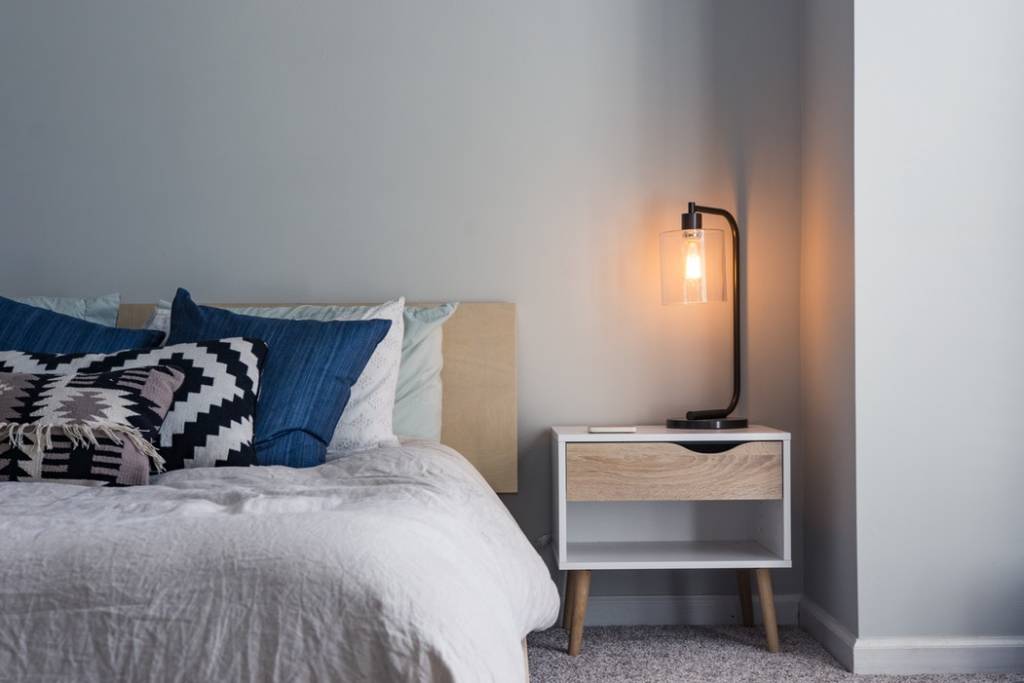
A bedside setting from Yawnder's original article.

How common is it?

In a survey of 372 students at two universities, 25.6% reported sleep texting. Among those reporting the behavior, 72% reported no memory of sending the message. The survey relied on self-reports and a specific college sample; it did not prove participants were asleep while texting or establish how common it is in the general population.

The same survey found associations with interrupted sleep and keeping a phone in bed. An association does not establish that a phone or notification caused the behavior.

How to reduce unwanted nighttime texts

  1. Move the phone out of reach. Charge it across the room or outside the bedroom. If you rely on it for emergencies, make sure you can still hear essential calls.
  2. Silence nonessential notifications. Use Do Not Disturb or a sleep mode, while allowing calls from important contacts if needed.
  3. Protect private information. Use a screen lock and review notification previews. If needed, sign out of messaging apps at bedtime; choose a setup you can manage safely.
  4. Allow enough sleep. Keep a regular schedule where possible and give yourself adequate time in bed. Inadequate sleep may make some sleep behaviors more likely.
  5. Review potential triggers. Note alcohol, new medications, stress, interrupted sleep or symptoms such as snoring. Do not stop prescribed medication without consulting your clinician.

When should you talk to a clinician?

Ask for help if episodes recur, disrupt sleep, cause distress or occur alongside sleepwalking, injuries, leaving the house, gasping, loud snoring or significant daytime sleepiness. Keep a brief log of the time, messages sent, medications and what a bed partner observed. A clinician may assess other sleep disorders or recommend a sleep specialist.

If a sleeping medication is associated with complex behaviors such as sleepwalking, driving or other activities while not fully awake, contact the prescribing clinician promptly for guidance. Do not drive while drowsy.

A single forgotten message can be embarrassing, but it is not enough information to diagnose a parasomnia.

Frequently asked questions

Can someone send a coherent text while asleep?

A message can appear coherent, but the message itself cannot confirm the sender's sleep state. Partial awakenings and later memory gaps are also possible.

Should I put my phone in another room?

It can reduce access and interruptions. If you need emergency calls or an alarm, choose a setup that keeps those functions available.

Does sleep texting mean I have sleep apnea?

No. Sleep apnea is one possible source of sleep disruption, but many people who forget a message do not have it. Ask a clinician about snoring, gasping or daytime sleepiness.

Keep exploring
More sleep guidance

Browse Yawnder’s sleep education, research explainers, and practical guides.

Explore sleep guides

Is It Better to Sleep Without a Pillow?

sleep with pillow

Is sleeping without a pillow better?

It can feel more comfortable for some people, especially if their current pillow is too tall, but there is no good reason to assume that pillow-free sleep improves everyone’s spinal health. The goal is comfortable support for your head and neck in your usual position.

Sleeping position, shoulder width, mattress softness and personal comfort all influence how much support you need. For many people, adjusting pillow height is a more useful first experiment than removing it altogether.

Your sleep position matters

PositionStarting pointWhat to notice
SideA pillow that fills the space between head and mattress.Shoulder width and how far the shoulder sinks into the bed affect the needed loft.
BackLow to medium support that feels comfortable under the head and neck.A pillow that pushes the chin toward the chest or lets the head fall back may feel uncomfortable.
StomachA thin pillow or, for some people, no pillow.The position still turns the head to one side; removing a pillow will not eliminate all neck rotation.
CombinationAn adjustable or compressible pillow.Check comfort in each position you regularly use.

There is no universal pillow height. The right fit can change if your mattress or sleep position changes.

What the evidence says

A systematic review of pillow designs found differences in some neck-pain outcomes, while the studies did not show a consistent effect on sleep quality. That does not establish that sleeping without any pillow treats neck pain or is best for a particular person.

Claims that removing a pillow cures headaches, improves skin, eliminates allergies or permanently corrects posture are not established. Persistent symptoms deserve an appropriate medical assessment.

How to try a different setup

  1. Start with a thinner or adjustable pillow if your current one feels too high. Try it on your own mattress in your normal sleep position.
  2. Pay attention to comfort when you settle down and how you feel on waking. Avoid forcing a position that causes discomfort.
  3. If you want to try no pillow, make a brief, comfortable trial; keep your old pillow nearby. There is no required adaptation period.
  4. Stop and return to a comfortable setup if you develop or worsen pain, tingling or numbness. Seek medical advice for persistent or concerning symptoms.

For a side sleeper, replacing the pillow with an arm may create discomfort or numbness and is not a reliable substitute for proper support.

Reflux, allergies and other considerations

If a clinician has recommended elevation for nighttime reflux, ask before changing your setup. Elevating the upper body or the head of the bed may be different from simply stacking pillows; follow individual medical guidance.

If dust allergies are a concern, follow the care instructions for bedding and consider an allergen-barrier pillow cover. A pillow-free arrangement does not eliminate allergens from the rest of the bed.

If you use CPAP or another sleep device, check that any pillow or position you choose accommodates the mask and equipment comfortably.

Frequently asked questions

Should side sleepers use a pillow?

Most find some support between the head and mattress more comfortable. The amount varies with shoulder width and mattress firmness.

Can sleeping without a pillow fix neck pain?

It is not a proven treatment. Changing pillow height may affect comfort, but persistent or worsening pain should be assessed by a clinician.

Where can I compare pillows?

Explore our pillow reviews or call the Yawnder showroom to ask what is available to try.

How Moon Phases Affect Your Sleep

moon and sleep

Can the moon affect sleep?

Some studies have found an association between lunar phase and sleep timing, while others have found little or no effect. The findings are interesting but do not show that a full moon will disrupt any particular person’s sleep.

Moonlight entering a bedroom is one possible source of light, but study results do not establish a single explanation for every reported pattern. If you sleep poorly often, focus first on factors you can observe and change, and seek help when sleep problems persist.

What studies have found

The Swiss sleep-lab study

A small 2013 laboratory analysis reported differences in several sleep measures around the full moon, including sleep duration and slow-wave activity. Participants were studied under controlled conditions. The findings are suggestive, but the analysis was small and does not by itself prove why the association appeared.

Sleep in communities with different access to electricity

A 2021 field study used wrist activity monitors in Argentine communities and a US student group. The researchers reported later bedtimes and shorter sleep in the days before a full moon. The study observed patterns; it could not establish that moonlight caused each individual change.

Why results are debated

Studies use different populations, sleep measurements and ways of grouping lunar phases. A larger analysis of sleep recordings found limited evidence for an effect. Different methods and conflicting findings mean it is premature to promise a predictable lunar effect.

Could moonlight be the reason?

Moonlight is a plausible influence when it reaches the bedroom or extends evening outdoor activity, especially in settings with little artificial light. The timing of moonrise matters: the brightest moon is not necessarily present in the evening sky at the same time every night.

Artificial light, work schedules, travel, noise and temperature can also change sleep. A controlled laboratory finding does not automatically establish moonlight as the explanation, and other proposed mechanisms remain under investigation.

Full moon, new moon and sleep stages

A full moon occurs when the Moon’s Earth-facing side appears fully illuminated; a new moon is near the opposite point in the cycle. The approximately month-long cycle does not map neatly onto nightly sleep cycles.

Researchers have examined sleep duration, sleep onset and sleep stages, including slow-wave and REM sleep. Results vary across studies. There is no dependable basis for predicting an individual’s dreams, REM sleep or insomnia from a lunar calendar.

How to check your own pattern

  1. Record bedtime, estimated sleep quality, awakenings and wake time for several weeks without changing your routine solely because of the moon.
  2. Note other likely influences, such as stress, caffeine timing, illness, outside noise, room temperature and light through windows.
  3. If light is bothersome, try curtains or a comfortable sleep mask and compare your experience. This is a personal observation, not a controlled scientific test.
  4. Look at the entire record, including good nights around a full moon and bad nights at other times.

A diary can help you notice patterns, but it cannot establish that the Moon caused them. See our guide to the bedroom environment for more factors to consider.

When to get help

Persistent insomnia, loud snoring, breathing pauses, waking gasping or daytime sleepiness that affects work or driving are reasons to speak with a healthcare professional. These symptoms should not be attributed to a moon phase without assessment.

Regular sleep and wake times, a comfortable dark room and a routine that works for you are practical starting points. If trouble sleeping continues, ask about evidence-based treatment options.

Frequently asked questions

Does everyone sleep worse during a full moon?

No. Research findings conflict and do not predict an individual’s experience.

Can a bright moon keep me awake?

Light through a window may be bothersome, but it is one of several possible causes. Curtains or an eye mask can help you test whether light matters to you.

Does the moon affect dreams?

There is no dependable evidence that a particular phase predicts a person’s dreams.

The Cubes Pillow Review: Geometric Foam and Reversible Feel

Cubes Pillow
The Cubes Pillow with its geometric foam structure
The Cubes Pillow image from the original review archive.

Review verdict

The Cubes Pillow’s distinctive feature is its connected geometric foam structure, with two sides described as firm and soft. The original review found its feel different from conventional solid foam and cautioned that the shape would not suit every sleeper. Start with its fixed height and unusual surface when deciding whether it fits your preferences.

Original review2018
Construction70 connected foam cubes
Listed size22 × 14 × 4 inches
Cover95% modal jersey; 5% spandex

Original review video

Questions about this review

Is the Cubes Pillow the same as Pillow Cube?

This review covers the F1F2 and Nightform Lab Cubes Pillow described in the 2018 account. It should not be used as a review of a different similarly named pillow.

Can its height be adjusted?

The reviewed pillow had a fixed listed height of four inches and two sides described as firm and soft. The account does not describe removable fill or adjustable loft.

What did the reviewer conclude?

The geometric structure felt different from conventional solid foam, but the shape would not suit every sleeper. The original recommendation and photographs remain below.

Can the foam be washed?

The original account says the pillow itself cannot be washed. Follow the label on your particular pillow and cover for care instructions.

Yawnder may earn a commission from qualifying purchases.

Best Mattresses Under $500 (2026): Budget Picks Compared

Brentwood Home Cypress Mattress Review
Zinus Original Green Tea memory foam mattress on a bed
Zinus Original Green Tea Memory Foam Mattress. Manufacturer photo; check current price and availability for your size.

Our verdict

A mattress under $500 can be a practical choice for a guest room, a first apartment or a budget-conscious bedroom. Compare the price for the exact size and height you need, plus shipping, tax and any required foundation or protector. A twin advertised under $500 does not guarantee the queen is under that price.

Foam and hybrid options can both fit this budget. Check comfort, support and return terms for the particular model; low price or a specific construction alone does not establish durability. The manufacturer-listed shortlist below is a starting point, not a claim that every mattress was tested by Yawnder.

What to consider at this price

ConstructionPossible fitTradeoffs to check
Memory foamThose who prefer a conforming, quieter feelFirmness, ease of movement, edge support and how warm it feels
Hybrid or innerspringThose who prefer foam over a coil support systemCoil design, motion transfer, overall height and foundation requirements
Thinner foamLow-profile beds or occasional guest roomsWhether the profile and support suit the person using it regularly

Coil count, gel infusion and material labels do not by themselves prove superior support or cooling. Look at the whole construction, the sleeper’s needs and independent test information when available.

Check the seller’s return deadline and fees separately from the warranty. A warranty generally covers specified defects; it is not a promise that the mattress will remain comfortable for a fixed number of years.

Best Mattresses Under $500: Queen-Size Shortlist

Shopping method: These are manufacturer-listed models; two Zinus variants were out of stock on the manufacturer’s site on October 14, 2026, and should not be treated as immediately buyable. This shortlist does not imply that Yawnder has lab-tested each mattress. Prices below are observed Queen-size manufacturer listings in October 2026, before optional add-ons, and can change at checkout. Confirm your selected size, stock, taxes, shipping, trial terms and exact seller before ordering. Do not compare a promotional Twin price to a Queen mattress budget.

Model (Queen)Observed priceConstructionWho should consider it
Siena 8-inch Essential$229All-foamLowest-cost guest room or lighter-use bed; slim 8-inch profile
Siena 10-inch Signature$329Four-layer memory foamValue-focused all-foam shopper wanting more comfort material
Siena 10-inch Signature Hybrid$389 on Oct. 29Memory foam and individually wrapped coilsBudget shoppers comparing foam-over-coil support; not independently tested for this shortlist
Novilla Bliss 12-inchAbout $300Memory foamThicker affordable foam option; check firmness and current variant
Zinus Original Green Tea 10-inch (manufacturer out of stock on Oct. 14, 2026)Previous listing: about $359Memory foamContour and pressure relief for foam shoppers
Siena 12-inch Signature$379Five-layer memory foamAdditional foam depth without leaving this budget
Zinus Original Green Tea Hybrid 10-inch (manufacturer out of stock on Oct. 14, 2026)Previous listing: about $479Foam plus individually wrapped coilsBudget shoppers who prefer a coil-supported feel

Our decision: Start with Siena Essential if the lowest upfront cost matters; the Signature 10-inch is the better comparison for regular adult use; and the Zinus hybrid is worth evaluating if it returns to stock and edge support or ease of movement matters. Avoid claiming one will relieve back pain without trying it. Low-cost mattresses vary in edge support, foam density, return logistics and longevity.

Before buying: Check the return policy of the seller actually taking payment (marketplaces may differ from a brand’s direct trial); measure your foundation spacing; use a protector; and evaluate the mattress after the adjustment period. These direct manufacturer specification links are informational, not automatically Yawnder affiliate links. For further context read our Costco comparison, Walmart mattress guide, and 2026 mattress picks.

Manufacturer pages checked October 14, 2026; listings and promotions can change. The historic reviews and original product photography are preserved below.

Original Budget Mattress Picks (Historical Review; Verify Current Models and Prices)

Lucid Hybrid Mattress

launched in 2016, it has produced some affordable mattresses and adjustable bed frames. Although not all of their products are of the highest quality, their 10-inch Bamboo Charcoal and Aloe Vera hybrid mattress is one of the best that the company has ever made. A hybrid mattress is usually made of memory foam or latex but also has inner springs or pocketed coils for added support. The Lucid hybrid mattress is made up of a 1.5-inch memory foam layer that’s been infused with bamboo charcoal. The next layer is the one-inch of Aloe Vera infused transition foam, and the next layer is the one-inch of foam supported by 5.5-inch tall pocket coils. The bottom layer is also one inch of support foam.

Innerspring mattresses have a certain bounce, but they are also great at providing support and isolating motion. The mattress has a medium firm feel, while the Aloe Vera helps maintain freshness for the longest time. The Lucid hybrid mattress retails for $499, but on sites like Amazon and Overstock, you can get it for as low as $350. There are a couple of downsides, though. Lucid offers only a 30-night sleep trial, so you have to decide fast whether you want to keep or return it. There’s also not a lot of information regarding the density of the foam and the durability, so you have to rely on customer reviews to be able to decide.

Pros

  • Affordable
  • 10-year warranty
  • Hypoallergenic and antimicrobial
  • Minimal off-gassing
  • Medium firm feel
  • Pocket coils for better support

Cons

  • Only 30-night sleep trial
  • No details about the foam used

Pros

  • Healthy materials
  • One-year sleep trial
  • Easy return and refund
  • Affordable
  • Available in two varieties
  • Cooling properties

Cons

  • Off-gassing
  • Poor edge support

This is another hybrid mattress under $500 that combines softness and pressure relief. This 10-inch mattress has a 0.5-inch high-density foam, along with 1.5-inch support foam and 7.5 inches of pocketed coils. The outer cover is made from knitted jacquard fabric. This mattress is specially designed for pressure relief, ideal for those who suffer from aches and pains. While the foam contours to the curves of your body and helps in alignment and pressure relief, the pocketed springs provide the necessary support and firmness. The top cover is microfiber fill for added coziness.

Aside from the affordability, pressure relief, support, and the balance of furnace and softness, the Zinus mattress ships free around the country and has a 100-night sleep trial. The mattress also comes with a 10-year warranty get. However, there is a recurring complaint about this mattress, and that is excessive sagging, loss of shape and support within the first three years. This puts a big question mark on the durability of the mattress, although there are a lot of positive reviews about the product.

Pros

  • Affordable
  • Good pressure relief and support
  • Available in two thickness types
  • 100-night sleep trial
  • 10-year warranty

Cons

  • Loss of support and shape within the first three years of use

This 11-inch all foam mattress is made of three layers: 3-inch Energex™ Cooling Comfort layer, 2-inch SmartFlow Air Flow foam layer, and a 6-inch high-density Edge Support Base Foam. The mattress has a medium feel with decent bounce and also a soft cover. The Love & Sleep mattress provides good value at under $500 and also has good pressure relief and support. Because of the cooling comfort layer, the mattress has the ability to regulate body heat and keep the sleeper cool. It also has great motion isolation and is ideal for those who share the bed with a partner.

Pros

  • Good for back and stomach sleepers
  • Affordable
  • Great cooling and motion isolation
  • 100-night sleep trial
  • Free shipping and returns
  • Lifetime warranty

Cons

  • Not great for side sleepers

Shop the Love and Sleep Mattress

Modway Elysse Cooling Mattress – $345

Modway is basically a furniture manufacturer, but they also produce quality mattresses in an affordable price range. This one is a 12-inch hybrid mattress made of pocket coils and foam. The top has a quilted cover, followed by 0.75-inch gel-infused memory foam layer. The gel is what helps in keeping the mattress cool because memory foam is known to trap heat. The next two layers are 2-inch memory foam and one-inch responsive foam. The final two layers are 6.25 inches of pocketed coils and one-inch responsive foam. The dense foam layer on top creates a balance with the pocket coils, resulting in a mattress that’s firm and supportive. Although this is a heavy mattress, it certainly offers great value for money.

Pros

  • Good for all types of sleepers
  • No sinkage or motion transfer
  • Affordable

Cons

  • Heavy

Given all these different affordable mattresses, it is safe to conclude that finding a quality mattress under $500 isn’t too difficult. If you know what you want and perform thorough research before purchase, you can end up with the right mattress even within a tight budget.


Frequently Asked Questions About Best Affordable Mattresses Under $500

Is a memory foam mattress good for someone with back pain?

Memory foam can relieve pressure for some sleepers, but whether a mattress helps comfort depends on firmness, support and sleeping position. No foam type reliably treats back pain; persistent pain should be discussed with a qualified clinician.

Who is a soft mattress best for?

Soft mattresses are often preferred by side sleepers for improved contouring. This allows their hips and shoulders to sink in comfortably, promoting better spinal alignment in that position.

How do innerspring mattresses compare to memory foam mattresses in terms of lifespan?

Durability depends on coil design, foam density, layer thickness, sleeper loading and construction quality. A well-built innerspring or hybrid can outlast a low-density all-foam mattress, so there is no dependable lifespan ranking by category alone.

What are the downsides of an innerspring mattress?

Some basic innersprings provide less deep contouring than thick foam comfort layers, while modern pillowtop and hybrid coils can feel quite plush. Wear depends on build quality, not simply the presence of springs.

Is a gel-infused mattress good for hot sleepers?

Gel-infused foam may feel cooler initially, but that alone does not guarantee all-night cooling. Cover fabric, room temperature, airflow and the overall foam build usually matter more than a gel label.

Where can I try different mattress types like latex or memory foam in person?

You can try out various mattress types, including latex and memory foam, at the Yawnder showroom in Encinitas, CA. Visiting in person allows you to experience the different firmness levels and materials firsthand before making a decision.

Want to test this in person? Visit our Encinitas showroom or call 858-232-5760.

Ready to buy?
See today’s best sleep deals

Live pricing and current promotions on the mattresses, bases, and sleep tech we recommend.

Shop current deals

Current Serta options to compare

For current Serta Queens under $500, compare Classic Standard ($399–$499) with selected Five Star configurations (from $319). Classic Enhanced starts above this budget. Use each review's exact configuration table rather than assuming every firmness or profile costs the same. These manufacturer prices were verified October 7, 2026; taxes and delivery can push the total past $500.

See the complete current Serta lineup and review hub or compare exact Serta model specifications.

For the broad affordable-mattress ranking, see Best Cheap Mattress. This page stays on the hard $500 ceiling. In Yawnder's current canonical records, the Ashley Chime is referenced at $300 queen and Bob-O-Pedic at $400 queen; other marketplace prices can change quickly.

Budget-mattress checklist

  • Compare the exact size, profile and price at checkout; stock and promotions change.
  • Check the foundation and slat spacing required for the model.
  • Read return and warranty terms from the seller taking payment. Marketplace policies can differ from brand-direct policies.
  • Consider edge support, delivery access and whether you prefer foam or coils. Neither type guarantees better cooling or durability.

For more background, read our mattress buying guide.

Best Orthopedic Pillows (2026)

Malouf Shoulder Zoned Dough Pillow
Sleep Artisan curved side sleeper pillow
Sleep Artisan’s curved side sleeper pillow, shown in an earlier Yawnder product photo.

Our verdict

The best “orthopedic” pillow is the one that fits your body, mattress and preferred sleeping position. Start with a comfortable pillow height and enough support to keep your head from tilting uncomfortably. An adjustable fill or insert lets you fine-tune the fit at home.

Worth considering: a contoured pillow if you like a defined neck cradle, an adjustable shredded-fill pillow if your loft needs change, or a knee or body pillow for additional positioning comfort. The word “orthopedic” is a marketing description, not proof that a pillow treats a medical condition.

Compare pillow types

TypePotential advantageWhat to check
Contour or cervicalA shaped area for the head and neckContour height and whether the shape works when you change positions
Adjustable fillFill can be removed or added to change loftWhether extra fill is included and how the pillow is cleaned
Body or knee pillowExtra cushioning between the knees or against the bodySize, firmness and whether it stays comfortable as you move
WedgeElevates the upper body or legsAngle, length and your comfort in that position
Water-base pillowWater level can adjust the feelWeight, filling instructions and leak precautions

How to choose your pillow height

Side sleepers: start with enough height to fill the space between your shoulder and head without pushing the head upward. A softer mattress can let the shoulder sink farther, changing the loft you need.

Back sleepers: look for support under the neck without pushing the chin toward the chest. A lower contour or adjustable pillow can make fine-tuning easier.

Stomach sleepers: a thinner, softer pillow—or no head pillow if comfortable—may reduce an exaggerated neck angle. Combination sleepers should check fit in every position they use.

Give a pillow time to settle and adjust gradually. See our pillow-height guide and pillow roundup for more comparisons.

Best pillow options under $150

Start with the $89 Coop Original if you want to adjust the height at home. Try the $44.99 Sleep Innovations Contour if you prefer a shaped foam pillow, or the $75 Casper Original if you like a softer fiber surface.

U.S. prices checked November 13, 2026, for the sizes shown, before tax and shipping. Regular prices are shown where available, and sale prices may change. This comparison uses published specifications and seller policies.

Five pillows under $150 compared by size, feel and seller return terms
Pillow and priceFeel and returns

Sleep Innovations Contour Memory Foam
$44.99 Queen, manufacturer list price

Two fixed contour heights. Rotate the pillow to try the higher or lower edge.

Returns
Check price and return terms with the retailer that fulfills the order.


Casper Original
$75 Standard, regular price

A soft down-alternative outer pillow around a supportive inner pillow. The fiber fill is sewn in.

Returns
Casper direct accepts unused pillows in original packaging and condition for 30 days.


Coop Original Adjustable
$89 Classic Queen, regular price

Add or remove the foam-and-microfiber blend to fine-tune loft. Extra fill is included.

Returns
Coop advertises a 100-night trial for direct orders.


PureCare Shattered Ice
$99 Jumbo or $119 King at Yawnder

Polyester fiber with a cool-to-the-touch cover. Choose it for the fabric feel when you first lie down.

Returns
Final sale at Yawnder.


Puffy Signature
$102 sale price ($120 regular) for Standard or King at Yawnder

Remove shredded memory foam to lower the loft. Use the removable cover for regular washing.

Returns
Final sale at Yawnder.

When the choice is Coop or Puffy: Both let you remove fill in small amounts. If you expect to need several nights to settle on a loft, the seller’s return terms may matter more than the price difference. See our Coop review and original testing notes and our Casper Original review for more detail.

Yawnder sells the Puffy and PureCare pillows. Yawnder pillow purchases are final sale. Contact the Encinitas showroom to check which pillows are currently on display.

Pillows to compare

Sleep Artisan Luxury Side Sleeper Pillow

This curved, adjustable pillow is one option for shoppers who like a responsive fill and a shape designed around the shoulder. The manufacturer currently lists a fill of 90% cross-cut natural Talalay latex and 10% polyester silk fiber; check size, stock, current price and the care instructions before buying. Its fill is not intended to be washed. Avoid latex if you have a latex allergy.

Snuggle-Pedic shredded foam pillow
A Snuggle-Pedic pillow shown in an earlier Yawnder product photo; check the current model for exact details.

Adjustable shredded-foam pillows

A rectangular adjustable pillow can offer flexibility without a pronounced contour. See our Snuggle-Pedic review and Coop pillow review for original observations. Fill composition, adjustability and care depend on the specific model.

Care, cost and returns

Compare the complete price, return eligibility and whether a pillow may be returned after use. Some sellers allow trials; others treat pillows as final sale. A removable washable cover can simplify upkeep, but many foam and latex cores should not be machine washed. Follow the exact product’s care label.

For persistent neck pain, weakness, numbness or symptoms of sleep apnea, consult a qualified clinician. A pillow may affect comfort but is not a substitute for diagnosis or prescribed treatment.

Frequently asked questions

Are orthopedic pillows medically proven to treat neck pain?

The label alone does not prove a treatment benefit. Fit and comfort vary; seek professional advice for persistent or worsening symptoms.

Is a contoured pillow better for side sleepers?

It can suit some side sleepers, but the contour and compressed loft must fit the space between the head and mattress. A conventional adjustable pillow may work just as well.

Can a pillow treat sleep apnea?

No pillow should replace an evaluation or prescribed sleep-apnea treatment. Discuss positioning and symptoms with a clinician.

Can I wash a foam or latex pillow?

Check the care label. Many covers are washable while the foam or latex filling is not.

Can I try these pillows at Yawnder?

Stock varies. Call the Encinitas showroom before visiting to check a specific pillow.

Compare pillow options
Pillow fit and support guidance

Pillow shape, loft, and firmness can affect comfort and neck positioning, but a pillow should not be treated as a medical treatment for pain.

See pillow guides

How to Stop Snoring Naturally

Blog Image How to Stop Snoring

Quick answer

Side sleeping, addressing nasal congestion and avoiding alcohol near bedtime may reduce snoring for some adults. These steps do not work for everyone and do not rule out sleep apnea.

See a healthcare professional if snoring is frequent or loud, someone notices breathing pauses or gasping, or you experience significant daytime sleepiness. A clinician may recommend a sleep study. Do not stop prescribed medication or CPAP without discussing it with your provider.

What causes snoring?

Snoring is sound produced when tissues in the upper airway vibrate during sleep. Nasal congestion, sleeping position, alcohol, some medicines and airway anatomy can contribute. Snoring can occur with or without obstructive sleep apnea; a person does not have to snore to have a sleep disorder.

Things to discuss or try

  1. Consider side sleeping. Some people snore more on their backs. A comfortable pillow or positioning aid may help you stay on your side, but it is not a substitute for apnea treatment.
  2. Review alcohol and medicines. Alcohol near bedtime and medicines that cause sedation can affect breathing or snoring. Ask your clinician about prescribed medicines rather than changing them yourself.
  3. Address congestion. Ask a clinician or pharmacist about persistent nasal blockage or allergies. Nasal strips may make breathing through the nose easier for some people, but they do not treat sleep apnea.
  4. Look at sleep and health as a whole. A clinician can help with weight-related questions if relevant; people of any body size can snore or have sleep apnea.

See MedlinePlus guidance for adults who snore.

How to evaluate anti-snoring devices

Products include nasal strips, positioning aids and oral appliances. Their claims, indications and evidence differ. Check the exact product, fit, side effects, return terms and whether it is intended for simple snoring or prescribed sleep-apnea treatment.

If you have possible apnea, get evaluated before relying on a product that merely reduces the sound. A quieter night does not prove breathing interruptions have resolved. A clinician may recommend a properly fitted oral appliance or PAP therapy depending on the diagnosis.

Clinical treatments and surgery

When snoring accompanies sleep apnea, treatment may include positive airway pressure, a fitted oral appliance or other options based on a clinical assessment. Surgery is appropriate only for selected circumstances and requires discussion of potential benefits, risks and alternatives with the treating specialist. See NIH treatment guidance.

Snoring and body weight

Weight can be one factor in snoring and obstructive sleep apnea, but it is not the only one. People of all sizes can have either condition. Discuss symptoms and suitable options with a clinician; avoid assuming weight is the sole explanation.

When to seek care

Start with a primary-care clinician or an appropriate pediatrician for a child. They can assess symptoms and decide whether referral to a sleep specialist, an ear, nose and throat specialist or a dentist trained in sleep-related oral appliances is useful.

Bring a list of medicines, your sleep schedule, daytime symptoms and any observations of pauses, choking or gasping. Never drive while dangerously sleepy.

What to expect from a sleep evaluation

A clinician may ask about your medical history, sleep schedule and symptoms and recommend a home or laboratory sleep study when appropriate. A study measures breathing and other signals to help identify sleep apnea and its severity. Read the NIH diagnosis overview.

Questions to ask before buying

  • Have I been evaluated for possible sleep apnea?
  • What does this product claim to do, and what evidence supports that claim?
  • Could it affect dental work, jaw comfort or breathing?
  • What is the return policy, and how will I know whether it is helping?

Related reading

Learn more about waking during the night and sleep stages. These guides offer general information and do not replace a medical evaluation.

Frequently asked questions

Does everyone who snores have sleep apnea?

No. Snoring may occur with or without apnea, but frequent loud snoring with gasping, pauses or daytime sleepiness warrants evaluation.

Can side sleeping stop snoring?

It may help some people who snore more on their backs. It is not a guaranteed fix or a substitute for prescribed apnea treatment.

Do nasal strips treat sleep apnea?

No. They can help some people breathe through the nose but do not treat sleep apnea.

Should I stop my CPAP if a device makes me quieter?

No. Discuss treatment changes and effectiveness with your sleep clinician.

What if my child snores?

Discuss frequent or concerning snoring with a pediatrician, especially if you notice breathing pauses or daytime symptoms.

Ready to buy?
See today’s best sleep deals

Live pricing and current promotions on the mattresses, bases, and sleep tech we recommend.

Shop current deals

AmazonBasics 12-Inch Memory Foam Mattress Review

Amazon Basics Mattress Review
AmazonBasics mattress from the original Yawnder review
The AmazonBasics mattress pictured in the original review.
Our verdict

Our original 12-inch AmazonBasics mattress had a softer feel than many similarly built budget foam beds. The reviewer, then around 200 pounds, found it supportive enough while noticing substantial cushioning. This is a historical test of a specific model; current Amazon-branded listings may use different materials and firmness.

What we tested

Yawnder purchased and reviewed the 12-inch AmazonBasics memory-foam mattress. Our reviewer found it on the softer side compared with several other three-layer foam beds. Thinner versions were available at the time, but this review’s findings do not establish how those versions feel or perform.

The mattress may appeal to someone who likes to sink into foam. A sleeper who prefers a firm surface, or who compresses the comfort layers more deeply, should compare alternatives and the seller’s return terms.

Original construction

The tested mattress used memory foam over two sculpted support-foam layers. The original description included ventilation holes and contoured surfaces intended to encourage airflow. These design features do not prove a particular overnight temperature; room conditions, bedding and personal preference all affect heat.

Original AmazonBasics mattress construction
Construction image from the original review.

Sinkage and motion

Our 14-pound bowling ball created noticeable compression, consistent with the soft surface observed in the original test. The reviewer found the foam absorbed movement better than a traditional spring mattress, though it was not the most motion-deadening foam bed tested. A bowling ball is a visual demonstration, not a standardized measurement of how every sleeper will feel.

Original test photo and videos

Fourteen-pound bowling ball on the original AmazonBasics mattress
Original 14-pound bowling-ball demonstration.

Motion transfer demonstration

My short motion-transfer test of the original mattress.

Yawnder AmazonBasics mattress motion transfer test

Watch on YouTube

Inside the mattress

A closer look at the original foam layers.

Yawnder inside the original AmazonBasics mattress

Watch on YouTube

Watch our original AmazonBasics mattress review
Our 2018 video shows the 12-inch mattress tested for this review; current models may differ.

Watch our original AmazonBasics mattress review

What to check if buying today

Amazon has listed multiple mattresses under its own branding, including models with different thicknesses and stated firmness. Confirm the exact model, dimensions, construction, seller, condition and return terms rather than assuming the current listing is the same as our sample. Compare the complete delivered price and the foundation requirements.

May suit

Shoppers who like a softer all-foam feel and are comfortable buying online after reviewing the terms.

Compare other options if

You need a firmer surface, a coil feel or more information about a specific current model.

Explore the mattress review directory for alternatives.

Frequently asked questions

Did you test the 8- or 10-inch version?

No. Our documented observations concern the 12-inch sample.

Is every Amazon Basics mattress soft?

No. Different current models can have different constructions and firmness descriptions.

Does the old test prove a new listing will feel the same?

No. Verify the model and its present-day specifications.

Can it guarantee a cooler night?

No mattress can guarantee that for everyone; compare its construction and your full bedding setup.

Nectar UK Mattress: Original Launch vs. Current Range

nectar uk

Frequently Asked Questions About Nectar Sleep Mattress UK Review

Is the Nectar Sleep mattress worth it for UK customers?

Nectar UK sells mattresses made for its home market and advertises a 365-night trial and limited Forever Warranty. This launch-era article is not a hands-on test of every current UK model, and our original US model observations should not be presented as equivalent specifications.

Who is the Nectar Sleep mattress best suited for?

The mattress introduced in this original Nectar UK article was a layered foam design. A model that suits one person's weight and sleeping position may be uncomfortable for another, and today's UK Nectar lineup is not necessarily identical to the launch mattress.

How does the Nectar Sleep mattress address temperature regulation for hot sleepers?

The launch-era Nectar UK mattress was marketed with cooling foam and a temperature-regulating cover. That is a product claim, not a guarantee of all-night cooling or a measured test of the current UK model. Check the current model's foam and cover specifications.

What are the downsides of purchasing a Nectar Sleep mattress in the UK?

The drawbacks depend on the specific UK model: foam feel, edge support, heat retention and size suitability vary. Nectar UK's 365-night mattress trial and limited Forever Warranty have eligibility and defect requirements, so review their current terms rather than assuming that all American and British models perform alike.

Is the Nectar Sleep mattress good for side sleepers seeking pressure relief?

The original UK design used pressure-relieving foam and zoned support concepts, but the best firmness for a side sleeper depends on body size and shoulder/hip pressure. This archived article is not a new hands-on test of current UK mattress models.

Where can I try the Nectar Sleep mattress in person in the UK?

Nectar UK currently advertises a 365-night home trial for eligible mattress purchases. Check the brand's current returns policy and model availability before purchasing, including any exclusions or conditions.

Want to test this in person? Visit our Encinitas showroom or call 858-232-5760.

Ready to buy?
Check current Nectar pricing and promos

Live pricing, current promotions, and full manufacturer warranty through our affiliate partner. Buying through this link supports Yawnder’s independent testing at no extra cost to you.

Shop Nectar

Buying a mattress online outside the US

The same brand can sell a different mattress in a different country. Foam densities, cover fabrics, sizing and even firmness are often adjusted per market, so a glowing US review does not automatically describe the bed that arrives in the UK. Before you order, check these against the local site rather than the American one:

  • Sizes: UK sizes do not match US sizes. A UK king is narrower than a US king, and a UK double is closer to a US full. Buy sheets locally to match.
  • Trial and returns: confirm the trial length on the local storefront, who collects the mattress, and whether any minimum break-in period applies.
  • Warranty: length and the defect definition (usually a measured impression depth) are set per market.
  • Fire regulations: UK mattresses must meet different flammability rules, which is one reason cover constructions differ.
  • Delivery and disposal: check whether old-mattress removal is offered and what it costs.

What to judge once it arrives

Let a compressed mattress expand fully — usually a day or two — before deciding anything. Then judge support first: on your back, the hips should stay roughly level with the shoulders; on your side, the spine should stay straight. Surface softness is easy to adjust later with a topper, but support is not.

See current mattress deals →

Is a UK version of a mattress the same bed as the US one?

Not necessarily. Specifications are often adapted to local regulations and manufacturing, so check the local spec sheet.

Will US sheets fit a UK mattress?

Usually not well. The width and length differ, and a poorly fitting fitted sheet pulls off the corners.

How long does a bed-in-a-box take to expand?

Most reach full height within 24 to 48 hours in a warm room. Cold rooms slow it down.

Do Not Sell or Share My Personal Information Privacy Policy
Y

Yawnder

We typically reply in a few minutes

👋 Hi there!

Have a question about mattresses, deliveries, or your order? We're here to help.