
For our overall side-sleeper ranking across body weights and comfort needs, see Best Mattress for Side Sleepers. For the broader plus-size category across all sleep positions, see Best Mattress for Heavy People. This page stays on heavy side sleepers.
Best Mattress for Heavy Side Sleepers Over 230 lb (2026)
Medium or firmer coil and latex mattresses ranked from our testing database on pressure relief, support, durability and edge strength for side sleepers over 230 lb.
Test-ranked guide — the order below is generated from the test scores we publish for every mattress, not an editor’s shortlist. See how we test.
A heavy or overweight side sleeper over 230 lb needs two things that pull in opposite directions: enough cushioning for the shoulder and hip to settle, and enough support to stop those same points from pressing through the comfort layers. A mattress that is simply soft can feel good for ten minutes and fail by morning. Every mattress below is ranked on pressure relief, support, durability and edge strength from the same test records behind every review on this site.
What a heavier side sleeper actually needs
Pressure relief comes first because side sleeping concentrates body weight at the shoulder and hip. Support comes next: the comfort layers must give without letting the hip bottom out or pull the spine downhill. Durability matters more above 230 lb because weak foams soften faster under deeper nightly compression, while edge strength preserves usable space and makes getting in and out easier. 142 mattresses: 86 with complete standardized records and 46 with partial standardized records. Partial means some standardized testing categories are available. Missing values are shown as —. The full protocol is on our how we test page, and any two beds can go side by side in the comparison tool.
The 10 best mattresses for side sleepers over 230 lb
Ten beds ranked from our testing database on the four things that decide whether a heavier side sleeper stays comfortable: pressure relief at the shoulder and hip, support under the hips, durability, and edge strength. One pick per brand, and beds the brand builds specifically for higher body weight come first. 142 mattresses: 86 with complete standardized records and 46 with partial standardized records. Partial means some standardized testing categories are available. Missing values are shown as —.
The heavy-side fit number is a weighted blend of four scores we already publish for every mattress: pressure relief (35%), support (25%), durability (20%) and edge support (20%). It is a ranking aid built from our own test scores, not a separate measurement, and we do not store per-model weight-test readings, so nothing here is presented as a load test. All-foam builds and anything softer than medium are excluded, because both fail heavier side sleepers within a year or two. The “built for higher weight” column flags models the brand itself designs and rates for heavier bodies — that is a manufacturer claim, not our measurement.
| # | Mattress | Heavy-side fit | Overall | Firmness | Type | Pressure relief | Support | Durability | Edge support | Built for higher weight | Queen |
|---|---|---|---|---|---|---|---|---|---|---|---|
| 1 | 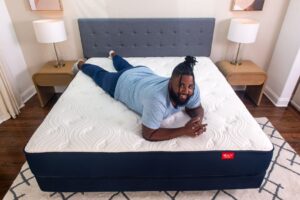 Big Fig Mattress Big Fig Mattress | 9.2 | 9.0 | 6.0/10 (medium) | Hybrid | 9.0 | 9.1 | 9.6 | 9.5 | Yes (brand-stated) | $1,799 |
| 2 | 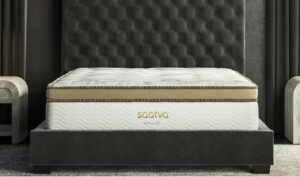 Saatva HD Saatva HD | 8.9 | 8.5 | 7.0/10 (medium-firm) | Hybrid | 8.4 | 9.2 | 9.0 | 9.4 | Yes (brand-stated) | $3,795 |
| 3 | 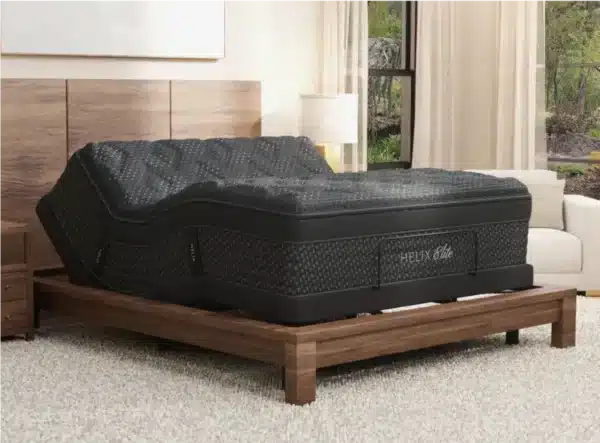 Helix Plus Elite Helix Plus Elite | 8.7 | 8.5 | 7.0/10 (medium-firm) | Hybrid | 8.3 | 9.0 | 9.0 | 8.8 | Yes (brand-stated) | $3,998 |
| 4 | 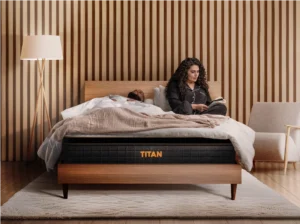 Titan Plus Elite Titan Plus Elite | 8.4 | 8.3 | 6.5/10 (medium) | Hybrid | 8.7 | 8.7 | 7.8 | 8.3 | Yes (brand-stated) | $2,499 |
| 5 |  Avocado Mattress Avocado Mattress | 9.0 | 9.0 | 6.0/10 (medium) | Latex | 8.7 | 9.2 | 9.0 | 9.5 | — | $1,919 |
| 6 | 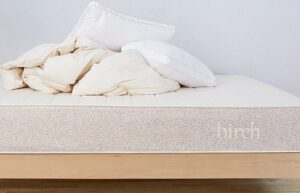 Birch Mattress Birch Mattress | 9.0 | 9.0 | 6.0/10 (medium) | Latex hybrid | 8.6 | 9.2 | 9.0 | 9.3 | — | $1,956 |
| 7 | 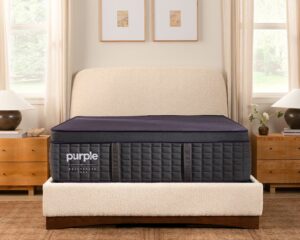 Purple Rejuvenate Plus Purple Rejuvenate Plus | 8.9 | 8.8 | 6.0/10 (medium) | Hybrid | 9.1 | 8.9 | 8.7 | 8.6 | — | $4,199 |
| 8 | 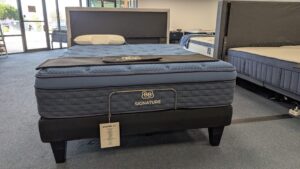 Brooklyn Bedding Signature Hybrid Brooklyn Bedding Signature Hybrid | 8.8 | 8.5 | 8.0/10 (firm) | Hybrid | 9.2 | 8.7 | 8.7 | 8.3 | — | $1,465 |
| 9 | 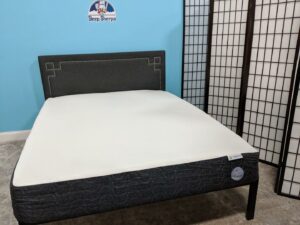 Tochta Mattress Tochta Mattress | 8.7 | 8.6 | 6.0/10 (medium) | Hybrid | 9.3 | 8.6 | 8.6 | 7.8 | — | $1,508 |
| 10 | 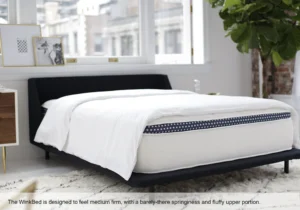 WinkBed WinkBed | 8.7 | 8.6 | 6.0/10 (medium) | Hybrid | 8.2 | 9.0 | 8.6 | 9.5 | — | $1,508 |
1. Big Fig Mattress — heavy-side fit 9.2/10

Overall score 9.0/10, firmness 6.0/10 (medium), Hybrid. Pressure relief 9.0/10, support 9.1/10, durability 9.6/10, edge support 9.5/10. The brand builds and rates this model for higher body weight. A queen runs $1,799 at the price we last verified. Full test notes are in our Big Fig Mattress review.
2. Saatva HD — heavy-side fit 8.9/10

Overall score 8.5/10, firmness 7.0/10 (medium-firm), Hybrid. Pressure relief 8.4/10, support 9.2/10, durability 9.0/10, edge support 9.4/10. The brand builds and rates this model for higher body weight. It stands 15.5″ tall. A queen runs $3,795 at the price we last verified. Full test notes are in our Saatva HD review.
3. Helix Plus Elite — heavy-side fit 8.7/10
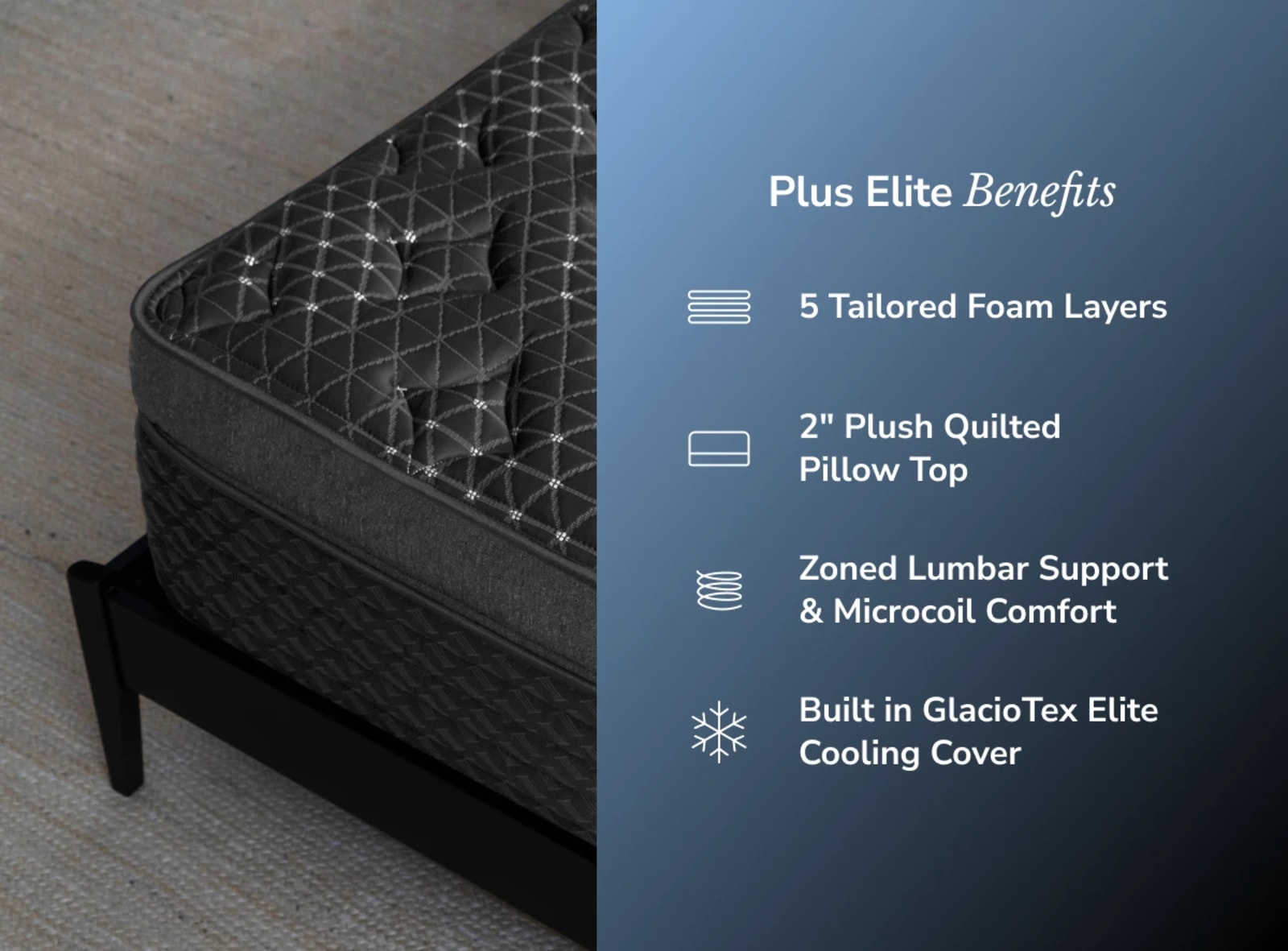
Helix · Overall score 8.5/10, firmness 7.0/10 (medium-firm), Hybrid. Pressure relief 8.3/10, support 9.0/10, durability 9.0/10, edge support 8.8/10. The brand builds and rates this model for higher body weight. It stands 15″ tall. A queen runs $3,998 at the price we last verified. Full test notes are in our Helix Plus Elite review.
4. Titan Plus Elite — heavy-side fit 8.4/10
Overall score 8.3/10, firmness 6.5/10 (medium), Hybrid. Pressure relief 8.7/10, support 8.7/10, durability 7.8/10, edge support 8.3/10. The brand builds and rates this model for higher body weight. It stands 13.5″ tall. A queen runs $2,499 at the price we last verified. Full test notes are in our Titan Plus Elite review.
5. Avocado Mattress — heavy-side fit 9.0/10
Avocado · Overall score 9.0/10, firmness 6.0/10 (medium), Latex. Pressure relief 8.7/10, support 9.2/10, durability 9.0/10, edge support 9.5/10. A queen runs $1,919 at the price we last verified. Full test notes are in our Avocado Mattress review.
6. Birch Mattress — heavy-side fit 9.0/10
Birch · Overall score 9.0/10, firmness 6.0/10 (medium), Latex hybrid. Pressure relief 8.6/10, support 9.2/10, durability 9.0/10, edge support 9.3/10. A queen runs $1,956 at the price we last verified. Full test notes are in our Birch Mattress review.
7. Purple Rejuvenate Plus — heavy-side fit 8.9/10
Overall score 8.8/10, firmness 6.0/10 (medium), Hybrid. Pressure relief 9.1/10, support 8.9/10, durability 8.7/10, edge support 8.6/10. It stands 14″ tall. A queen runs $4,199 at the price we last verified. Full test notes are in our Purple Rejuvenate Plus review.
8. Brooklyn Bedding Signature Hybrid — heavy-side fit 8.8/10
Brooklyn Bedding · Overall score 8.5/10, firmness 8.0/10 (firm), Hybrid. Pressure relief 9.2/10, support 8.7/10, durability 8.7/10, edge support 8.3/10. A queen runs $1,465 at the price we last verified. Full test notes are in our Brooklyn Bedding Signature Hybrid review.
9. Tochta Mattress — heavy-side fit 8.7/10
Overall score 8.6/10, firmness 6.0/10 (medium), Hybrid. Pressure relief 9.3/10, support 8.6/10, durability 8.6/10, edge support 7.8/10. A queen runs $1,508 at the price we last verified. Full test notes are in our Tochta Mattress review.
10. WinkBed — heavy-side fit 8.7/10
Overall score 8.6/10, firmness 6.0/10 (medium), Hybrid. Pressure relief 8.2/10, support 9.0/10, durability 8.6/10, edge support 9.5/10. A queen runs $1,508 at the price we last verified. Full test notes are in our WinkBed review.
Sleeping in another position? We rank the same database for heavier back sleepers and heavier stomach sleepers, and the sleep position and body weight matrix crosses all four positions with three weight bands. Every pick above links to its full review.
Why soft and all-foam beds are excluded
A heavier side sleeper still needs cushioning, but softness without a durable support core lets the hip press through the comfort layers while the shoulder remains pinned. That twists the spine and creates the pressure the soft surface was supposed to solve. This ranking therefore starts at medium firmness and requires a coil or latex support system. Hybrids can pair deeper comfort layers with progressive coil support; latex cushions while pushing back and resists long-term impressions better than most foams.
The built for higher weight flag is a manufacturer claim — the brand designs and rates the model for heavier bodies, typically with heavier-gauge coils and denser foams. We do not run load tests, so it is not our measurement, but it is a meaningful signal and those models rank first.
Frequently asked questions
How firm should a mattress be for a heavy side sleeper?
Start around medium to medium-firm — roughly 5.8 to 7.5 on our scale. A heavier body compresses a mattress further, so a medium-firm bed often feels medium while preserving enough support beneath the hip. The firmness column above shows where every pick sits.
Is pressure relief or support more important?
Pressure relief is the first requirement, but it only works when support keeps the hip from bottoming out. That is why the fit score weighs pressure relief most heavily and still gives support, durability and edge strength nearly two-thirds of the combined ranking.
Do I need a mattress marketed for heavy people?
Not necessarily. The heavy-duty models rank first because their brands specifically design them for higher body weight, but a standard hybrid or latex mattress can still qualify when its published pressure, support and durability scores are strong enough. The flag separates the manufacturer claim from our own scores.
Can I try these in person?
You can test the traits that matter here: lie on your side for several minutes and notice whether the shoulder settles without the hip dropping too far, then sit near the edge. At our Encinitas showroom you can compare those traits across select mattresses from 14 mattress brands. Not every mattress in this guide is on our floor, so check our San Diego showroom page for the current selection and hours.
Yawnder Reviews independently selects every product we cover. This article may contain affiliate links — if you buy through them, Yawnder earns a commission at no extra cost to you. Pricing reflects publicly listed MSRP at time of publication and may change.
Compare these 3 mattresses side by side
Sort all 142 mattresses we have tested by pressure relief, support, cooling, motion isolation, edge support, price, trial and warranty, then filter by how you actually sleep. Of those, 86 hold a complete standardized record and 46 a partial standardized record.
Compare these 3 mattresses side by side →Compare all with your profile preselected →