Best mattress by sleep position and body weight
Sleep position tells you what your body needs from a mattress. Body weight tells you how firm that mattress has to be to deliver it. Get one right and the other wrong and the bed still fails. This matrix crosses the two and points at specific mattresses we have already reviewed and scored. For our single overall ranking regardless of body type, see Best Mattresses of 2026.
- The matrix
- Why weight changes firmness
- Side sleepers
- Back sleepers
- Stomach sleepers
- Combination sleepers
- FAQ
Best mattress by sleep position and body weight
Find your row, then your column. The bold line is the firmness range to shop in; the link under it is our top pick for that combination, with cheaper or firmer alternatives below.
| Sleep position | Under 130 lb | 130–230 lb | Over 230 lb |
|---|---|---|---|
| Side sleeper | Soft, 3–4.5/10Helix Sunset Luxe (3.5)Cheaper: Nectar Premier Hybrid (5.5) | Medium, 5–6/10Helix Midnight Elite (5.5)Cheaper: Helix Midnight (6.5) · Grid feel: Purple Rejuvenate Plus | Medium-firm, 6–7/10Titan Plus EliteLongest-lasting: Big Fig · 300 lb+: Saatva HD |
| Back sleeper | Medium, 5–6/10Leesa Legend (5)Longest trial: Nectar Premier Hybrid | Medium-firm, 6–7/10Saatva Classic Luxury Firm (6.5)Stronger edges: WinkBed Luxury Firm (6) | Firm, 7–8/10Saatva HD (7)Value: Titan Plus Elite · Durability: Big Fig |
| Stomach sleeper | Medium-firm, 6.5–7.5/10WinkBed Luxury Firm (6)Firmer if hips still sink: Helix Dawn Luxe (8) | Firm, 7.5–8.5/10Helix Dawn Luxe (8)Flippable: Plank Firm Luxe (8) | Extra firm, 8.5–9/10Plank Firm all-foam (9)Coil support: Saatva HD (7) |
| Combination (changes position) | Medium, 5–6/10, fast responseLeesa Legend (5)Bouncier: Birch Natural (6) | Medium to medium-firm, 5.5–6.5/10Birch Natural (6)Best scored: Helix Midnight Elite (5.5) | Medium-firm, 6.5–7/10Titan Plus EliteFirmer: Saatva HD (7) |
Why body weight changes the firmness you need
Firmness is not a property of a mattress in isolation. It is how far you sink into the comfort layers, which depends on how much you weigh and how that weight is distributed. A rating of 6/10 is assigned with an average-weight body on the bed, so:
- Under 130 lb — you do not generate enough force to compress a medium-firm comfort layer, so the bed feels one to two points firmer than advertised and the shoulder and hip never get let in. Shop softer than the internet tells you to.
- 130–230 lb — you are the body the rating was written for. Take firmness numbers at close to face value.
- Over 230 lb — you compress the comfort layers further and reach the support core sooner, so the bed feels one to two points softer, and construction quality starts to matter more than feel. Foam density, coil gauge and edge reinforcement decide whether the mattress is still supportive in year three.
Position sets the target. Side sleeping needs the shoulder and hip to sink so the spine stays straight. Back sleeping needs the lumbar filled and the hips held level. Stomach sleeping needs the pelvis kept up, because the lower back pays for any sag. Combination sleeping needs a surface that lets you change position without climbing out of a hole.
Side sleepers
The most common position and the least forgiving: two bony points, the shoulder and the hip, take almost all of the load. Pressure relief is the spec that matters, and it is the spec body weight distorts most.
Under 130 lb — go softer than you think
For a dedicated shortlist across side, back and combination sleepers, see our best mattresses for lightweight sleepers guide.
Helix Sunset Luxe
- Firmness 3.5/10 (plush)
- Yawnder score 8.5
- Hybrid
- Queen from $1,899
- 100-night trial
- 15-yr warranty
The softest bed we score well. A lighter side sleeper does not weigh enough to compress a medium-firm comfort layer, so the shoulder never gets let in and the neck takes the load. This one lets the shoulder sink at low body weight.
On a tighter budget, or if you want the longest possible window to send it back:
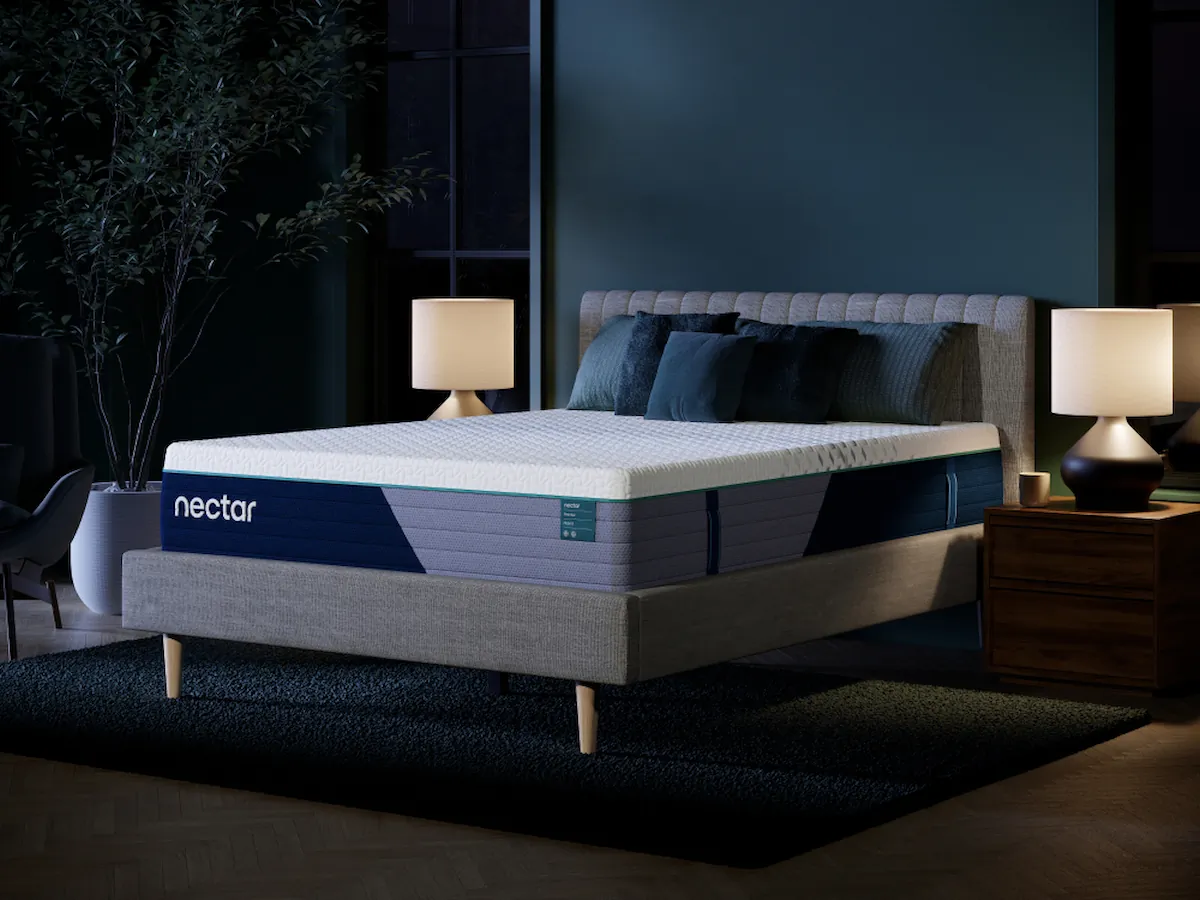
Nectar Premier Hybrid
- Firmness 5.5/10
- Yawnder score 8.4
- Foam over coils
- Queen from $1,199
- 365-night trial
- 15-yr warranty
The cheap way into a medium feel with a full year to change your mind — useful when you are light enough that a firmer bed would simply feel like a floor.
130–230 lb — medium, zoned
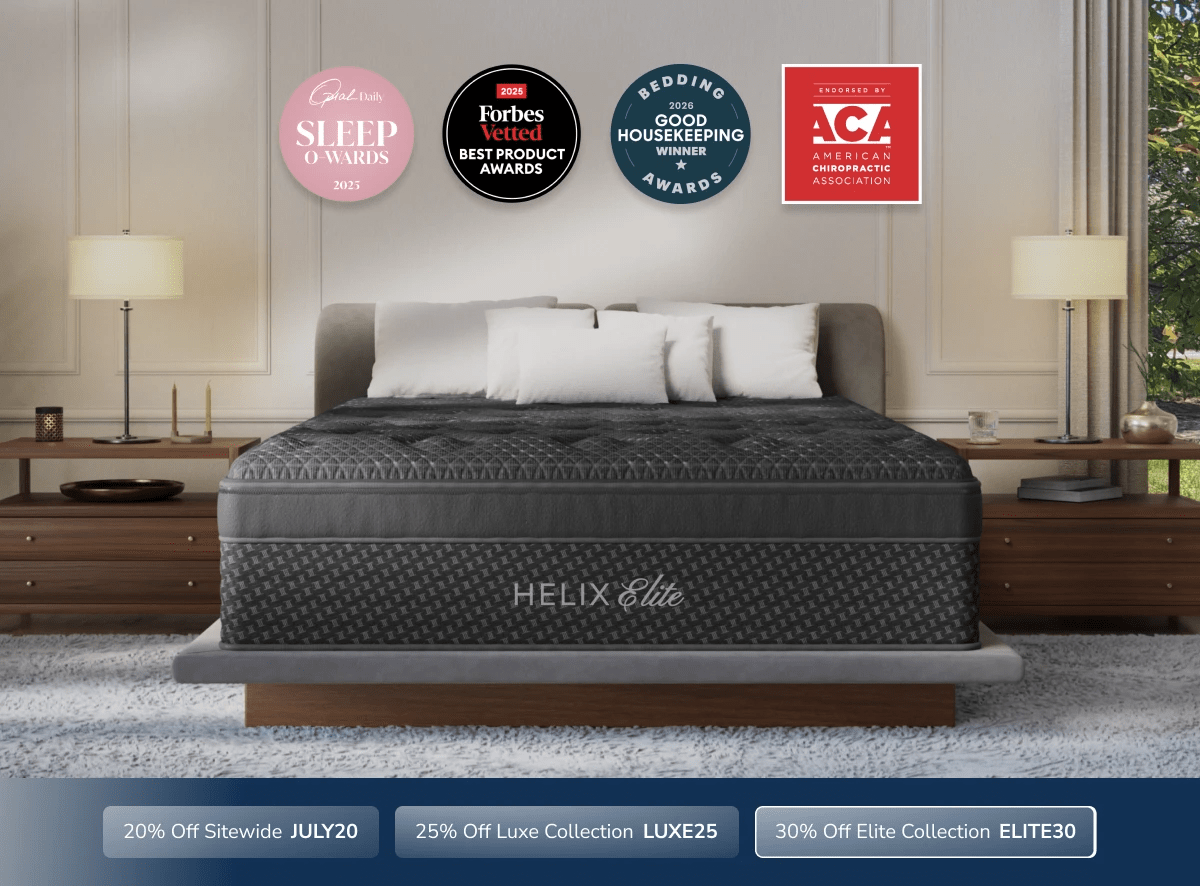
Helix Midnight Elite
- Firmness 5.5/10 (medium)
- Yawnder score 9.6
- Hybrid
- Queen from $3,499
- 120 nights trial
- Limited Lifetime warranty
Our highest-scoring bed for average-weight side sleepers: enough pillow-top give for the shoulder and hip, with a zoned coil unit under the lumbar so the waist does not collapse.
If you want pressure relief without a soft-feeling surface, the gel grid does that differently — it buckles under a shoulder and stays firm under a lumbar:
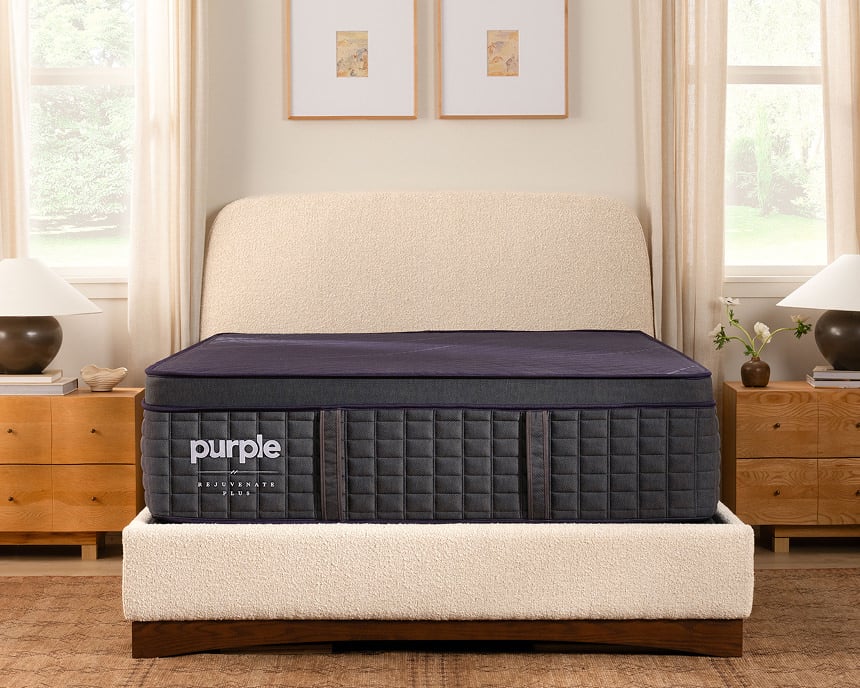
Purple Rejuvenate Plus
- Firmness 6/10
- Yawnder score 8.8
- Hybrid + gel grid
- Queen from $4,199
- 100-night trial
- 10-yr warranty
The grid buckles under a shoulder and holds under a lumbar, which is why it suits side sleepers who still want a firm-feeling bed.
Over 230 lb — medium-firm, built for it
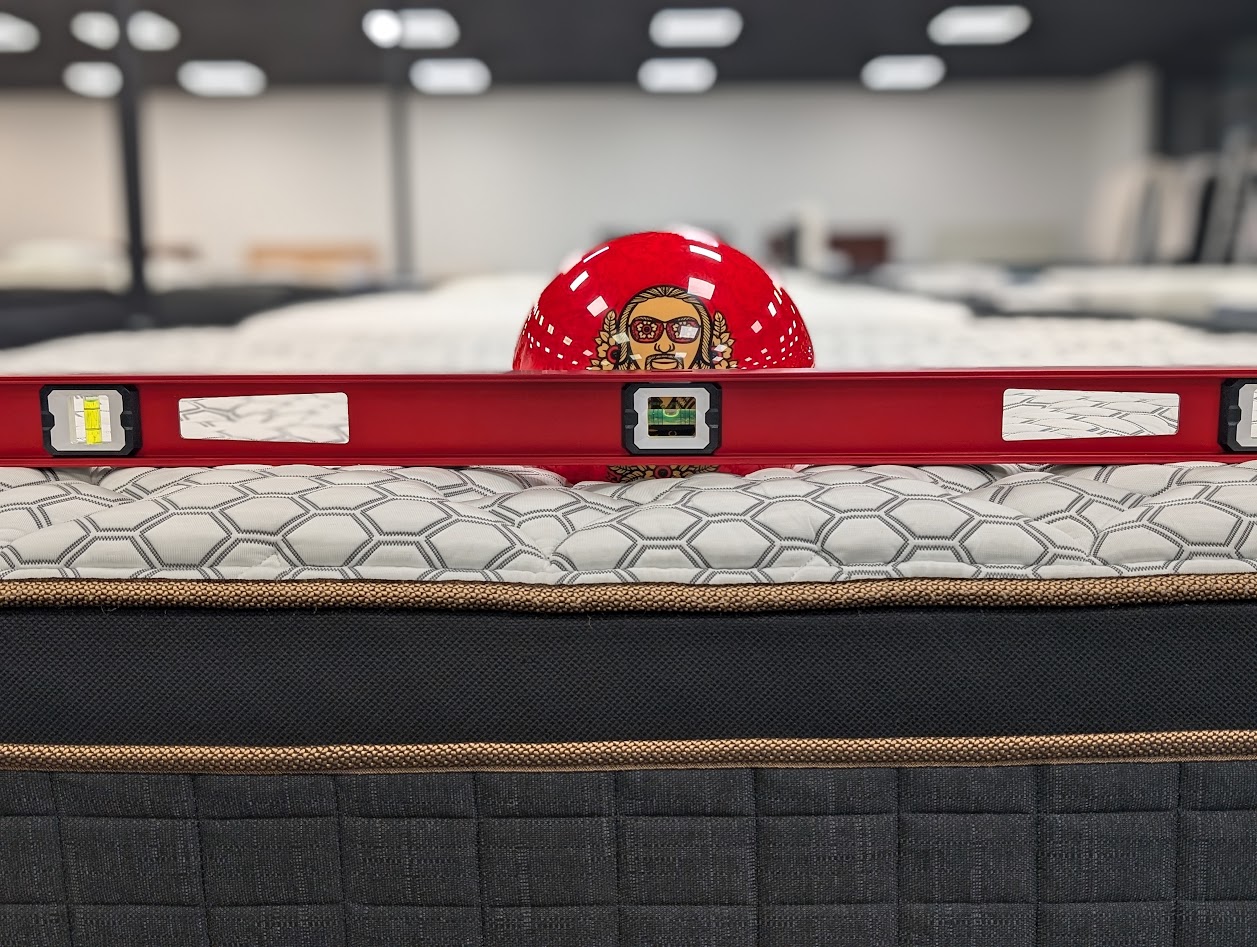
Titan Plus Elite
- Firmness 6.5/10 as built for higher weights
- Yawnder score 8.3
- Hybrid
- Queen from $1,332
- 120-night trial
- 10-yr warranty
Purpose-built for heavier bodies: high-density foams over a reinforced coil unit, so it still reads as a medium feel at 250+ lb instead of bottoming out.
If you would rather buy for longevity than for feel:

Big Fig
- Firmness 6/10
- Yawnder score 9.0
- Hybrid
- Queen from $1,799
- 100-night trial
- 25-yr warranty
Built around durability rather than feel, with the strongest perimeter in this group. We say plainly in the review that lighter sleepers will find it too firm.
More detail on this position: best mattresses for side sleepers, best mattresses for heavy side sleepers over 230 lb, and side sleepers with shoulder pain.
Back sleepers
Back sleeping is the easiest position to support and the easiest to get subtly wrong. Too soft and the hips drop below the shoulders; too firm and a gap opens under the lumbar curve. Medium-firm is the answer for most average-weight back sleepers, and it moves up with weight.
130–230 lb — the default
Saatva Classic (Luxury Firm)
- Firmness 6.5/10
- Yawnder score 9.3
- Innerspring hybrid
- Queen from $1,995
- 365-night trial
The default answer for an average-weight back sleeper: a supportive coil-on-coil build with a lumbar pad, so the hips stay level with the shoulders instead of dropping.
Over 230 lb — firmer, stronger core

Saatva HD
- Firmness 7/10
- Yawnder score 8.5
- Hybrid
- Queen from $3,795
- 365-night trial
The premium option for 300 lb and up. It earns its support score; we also say in the review that it is expensive for what it does.
Also worth reading: best sleeping positions for lower back pain and medium-firm vs firm.
Stomach sleepers
The hardest position to support. Any sag lets the pelvis drop and hyperextends the lower back, so stomach sleepers need the firmest surface in the matrix and should size up on firmness as weight increases.
130–230 lb — firm
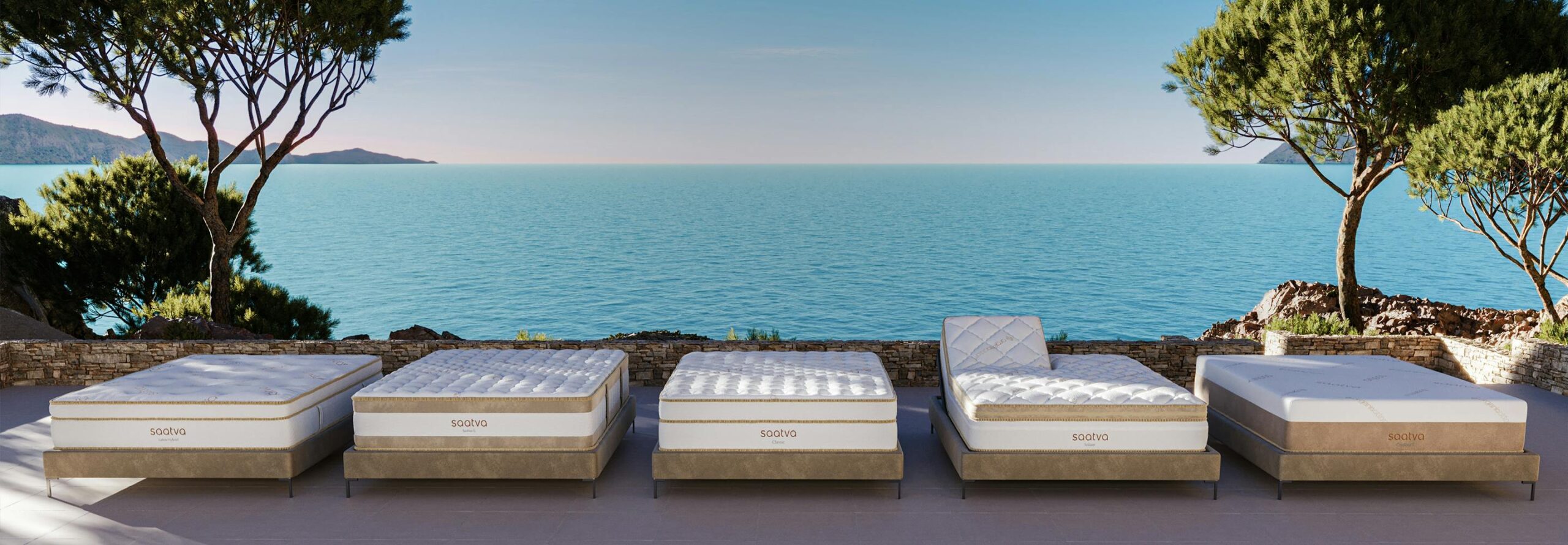
Helix Dawn Luxe
- Firmness 8/10 (firm)
- Yawnder score 8.5
- Hybrid
- Queen from $1,399
- 100-night trial
- 15-yr warranty
Stomach sleeping only works if the hips stay up. This is firm enough to keep the pelvis level without being a bare coil unit.
Over 230 lb — extra firm
Plank Firm (all-foam)
- Firmness 9/10 (extra firm)
- Yawnder score 8.6
- Foam
- Queen from $1,099
- 120-night trial
- 10-yr warranty
The firmest surface we rate highly, and the cheapest route to a flat sleeping plane for a heavier stomach sleeper.
If the firm side still lets your hips sink, a flippable build gives you a second, firmer surface without a return:
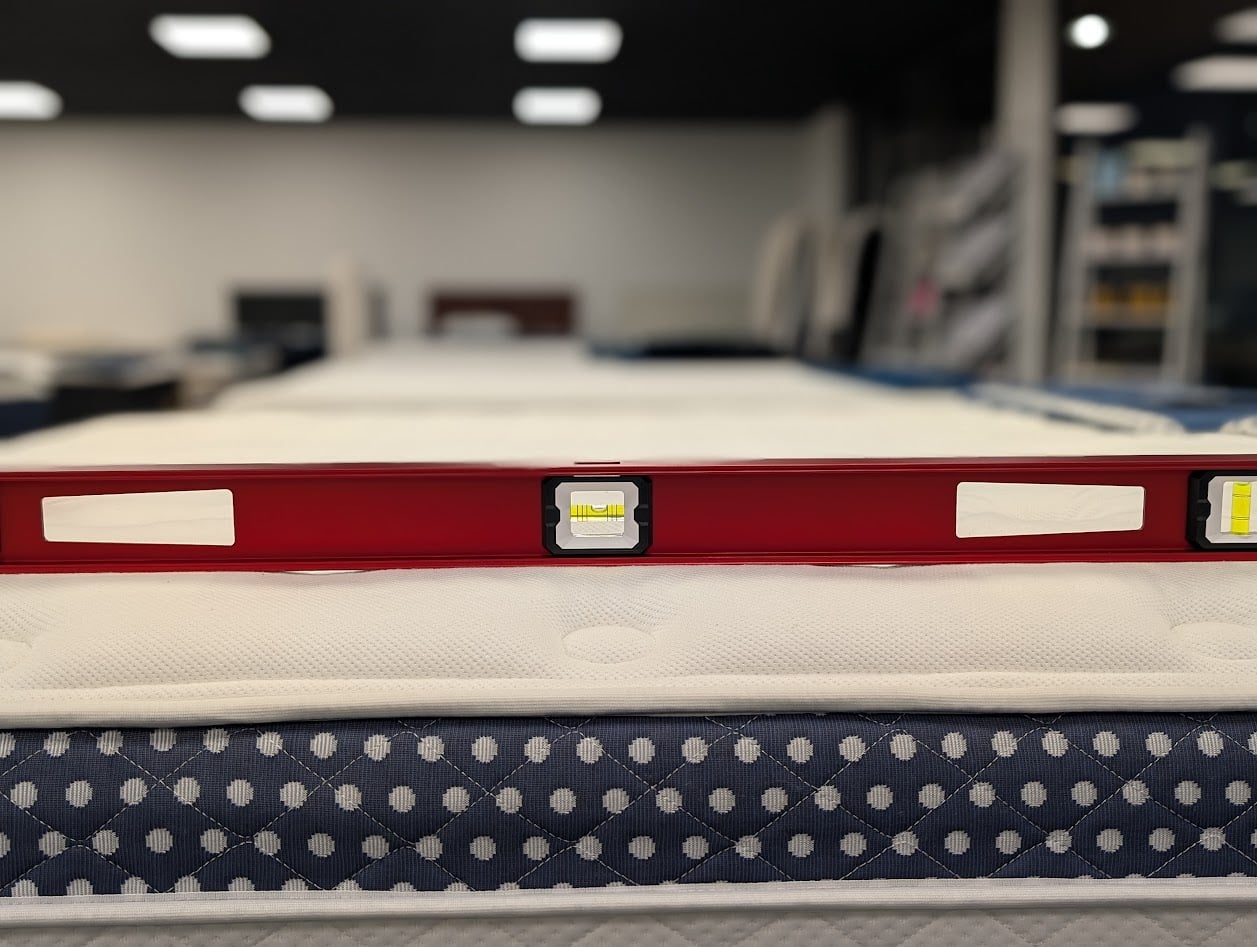
Plank Firm Luxe
- Firmness 8/10, flippable to firmer
- Yawnder score 8.3
- Hybrid
- Queen from $1,699
- 120-night trial
- 10-yr warranty
Two firm surfaces on one bed. If the firm side still lets your hips sink, flip it — that is a real adjustment, not a marketing one.
Combination sleepers
If you change position during the night, response time matters as much as firmness. Slow-response memory foam holds the shape of your last position and you have to push out of it; latex, coils and gel grids spring back.
130–230 lb — responsive medium

Birch Natural
- Firmness 6/10
- Yawnder score 9.0
- Latex hybrid
- Queen from $1,956
- 365-night trial
- 25-yr warranty
Latex springs back instead of hugging, so changing position at 3am does not mean climbing out of a hole. Our pick for average-weight combination sleepers.
Under 130 lb — softer, still springy
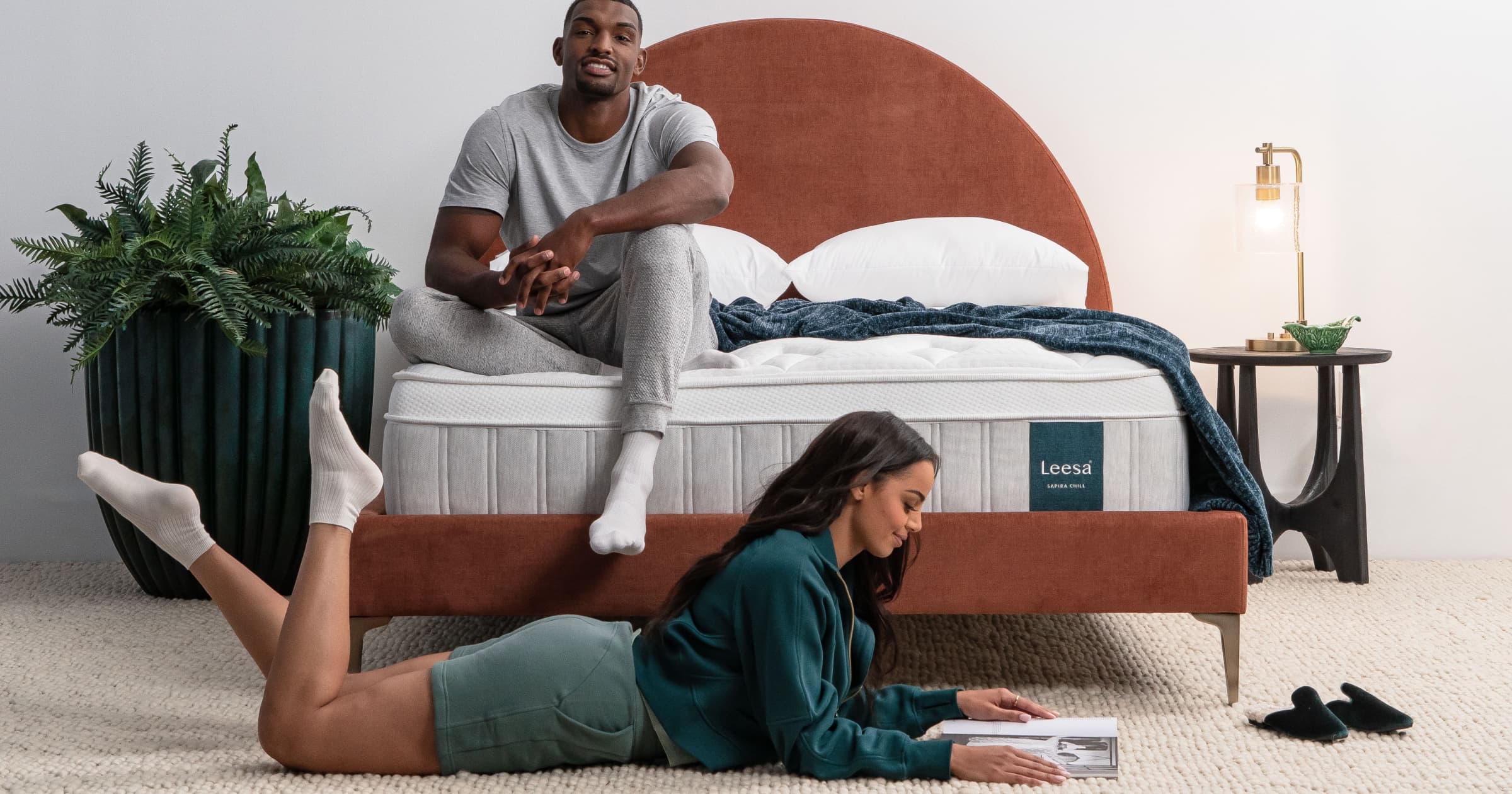
Leesa Legend
- Firmness 5/10
- Yawnder score 8.5
- Hybrid
- Queen from $1,899
- 100-night trial
- 10-yr warranty
Responsive enough to roll on without fighting the surface, which is what a lighter combination sleeper actually needs.
Related: couples with different firmness preferences, best mattresses for hot sleepers, best mattresses for heavy sleepers, and best mattress for overweight couples.
Buying notes that apply to every cell
- Use the trial, and read its terms. Trials here run from 90 to 365 nights, and the fine print differs more than the length does — break-in periods, return fees and pickup terms are all in the individual reviews.
- A topper can soften a bed, not fix one. If the support core is wrong for your weight, no topper rescues it.
- Match the pillow to the cell. Softer mattress means lower pillow, because your shoulder is already sinking.
- Check the foundation. Slats more than about three inches apart will void most foam and hybrid warranties.
Frequently asked questions
- Does body weight really change which firmness you need?
Yes, and it is the single most-ignored variable in mattress shopping. Firmness ratings are measured with an average-weight body on the bed. The same mattress reads roughly one to two points softer to someone over 230 lb and one to two points firmer to someone under 130 lb, because firmness is how far you compress the comfort layers, not a property of the foam on its own. That is why a bed marketed as medium can feel plush to one person and like a board to another.
- What if my partner and I are in different cells of the matrix?
Split the surface rather than splitting the difference. A split king on an adjustable base gives each side its own mattress, and several brands sell a genuinely dual-firmness build in one cover. If neither is an option, buy for the heavier sleeper’s support needs and soften the lighter sleeper’s side with a topper — that direction works, and the reverse does not.
- Do I need a special mattress if I am over 250 lb?
Not a special category, but a specific construction: high-density comfort foams rather than cheap polyfoam, a reinforced or higher-gauge coil unit, and a strong perimeter. Standard beds fail for heavier sleepers by sagging in the middle and softening at the edge, not by feeling wrong on night one. Weight limits and foam densities are in each of the reviews linked from this page.
- Where does pillow choice fit in?
Pillow loft has to match the same two variables. A side sleeper needs enough loft to fill the gap between the shoulder and the ear, and the softer the mattress, the lower that pillow needs to be, because the shoulder is already sinking. Stomach sleepers need the flattest pillow they can tolerate.
- How were these picks chosen?
Each named mattress already has a published Yawnder review and a score in the same dataset that drives our comparison tool, and the firmness rating, queen price, trial length and warranty shown here are read from that dataset. The firmness range in each cell is editorial fitting guidance from years of matching customers to beds — it is a starting point, not a measurement of your body.
Compare these 3 mattresses side by side
Sort all 142 mattresses we have tested by pressure relief, support, cooling, motion isolation, edge support, price, trial and warranty, then filter by how you actually sleep. Of those, 86 hold a complete standardized record and 41 a partial standardized record.
Compare these 3 mattresses side by side →Browse all tested mattresses →