
Quick answer: Medium-firm is a practical starting point if you want a balance of cushioning and a stable surface. Firm may be better if you prefer sleeping more on top of the mattress or need less sink. Neither feel is automatically healthier or better for back pain; your body and sleeping position matter.
Yawnder sells mattresses and may earn a commission from links on this page.
Medium-firm vs. firm at a glance
| Consideration | Medium-firm | Firm |
|---|---|---|
| Surface feel | Moderate cushioning with some resistance | Less surface give and a more lifted feel |
| Pressure points | Often a useful starting point for side or combination sleepers | May feel too hard at shoulders or hips for some people |
| Movement | Varies by material and construction | May feel easier to move on, but construction matters |
| Who may prefer it | People balancing cushion and support | People who dislike sink or prefer a firmer surface |
Firmness describes the surface feel; support describes how the whole mattress holds your body. A softer surface can still be supportive, and a very firm surface can still feel uncomfortable or unsuitable. Firmness scales are subjective and are not standardized across brands.
Choose by sleep style and body
Side sleepers
Look for enough give at the shoulder and hip. Many side sleepers prefer medium or medium-firm, but weight, shoulder width and personal preference change how a mattress feels. A firm surface that creates numbness or concentrated pressure may be too hard.
Back and stomach sleepers
A medium-firm or firm surface can be a useful starting point if you want to limit a deep sinking sensation. Check whether your hips feel supported and your lower back feels comfortable; do not assume harder is always better.
Combination sleepers and couples
Change positions and test the bed together. A responsive surface can make movement easier; a softer comfort layer may absorb more movement. Test both the center and the edge, and balance different preferences.
Mattresses with choices to compare
- Saatva Classic: Plush Soft, Luxury Firm and Firm. A traditional coil-on-coil feel; compare the exact comfort level and delivery terms.
- The WinkBed: Softer, Luxury Firm, Firmer and Plus. The Plus has a distinct construction aimed at heavier sleepers.
- Brooklyn Bedding Signature Hybrid: Soft, Medium and Firm options. Check the current configuration, including any pillow-top upgrade.
Names like “Luxury Firm” describe each manufacturer’s range; they are not directly equivalent between brands. These are examples to compare, not a claim that one firmness will work for everyone.
How to test a mattress
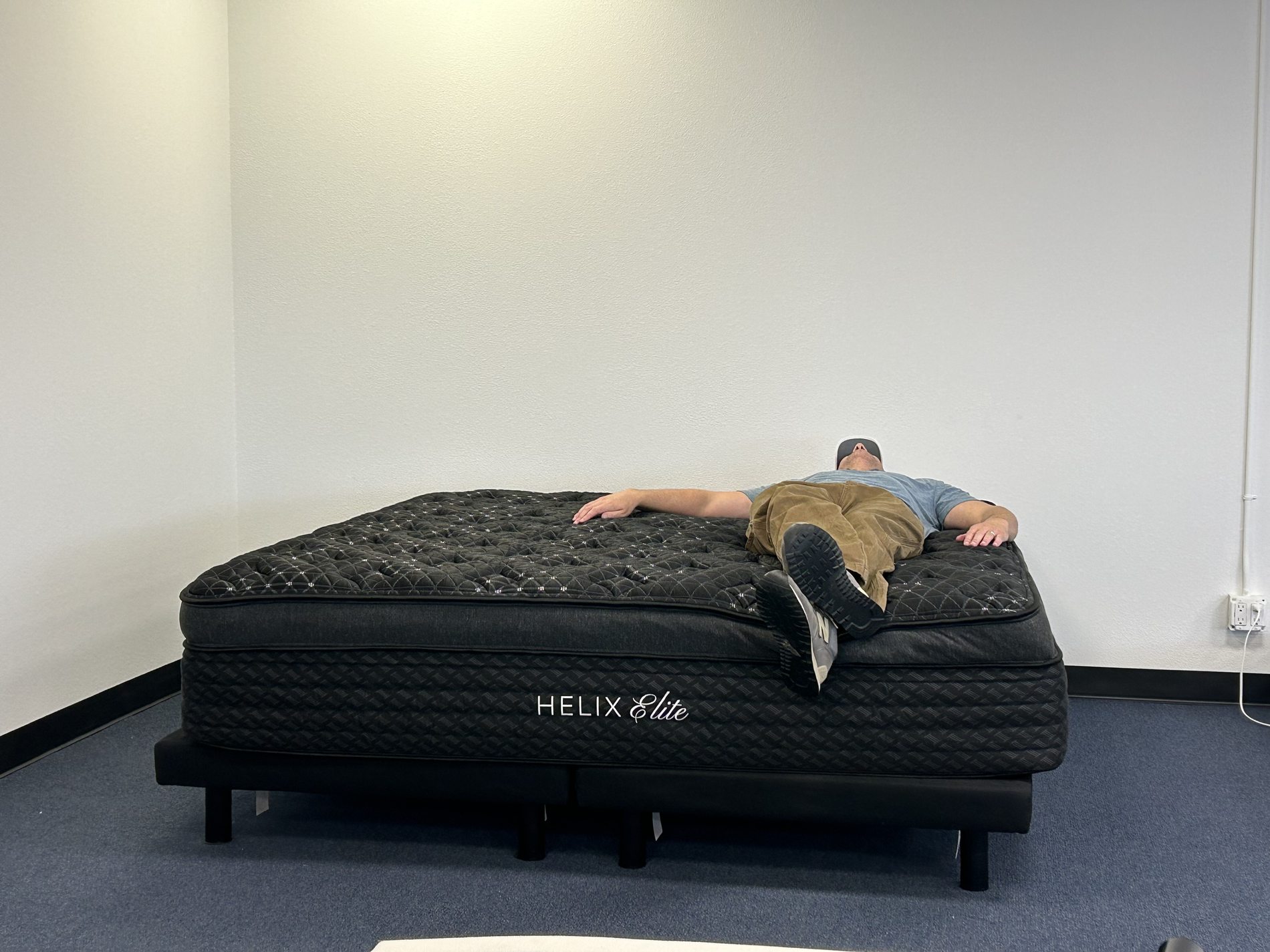
- Lie in your normal sleeping position for several minutes. Check shoulders, hips and lower back rather than pressing the mattress with your hand.
- Roll over, sit on the edge and try getting in and out. If you share the bed, test it together.
- Compare the same model in two firmness levels if possible. Note whether the surface feels too hard, too soft or simply unfamiliar.
- Check the trial, minimum break-in, exchange and return fees for your seller. A mattress can feel different at home and after initial break-in.
Frequently asked questions
Is medium-firm better for back pain?
Some people find it comfortable, but no firmness treats every cause of pain. Consult a clinician about persistent, severe or worsening symptoms.
Can a firm mattress be comfortable for side sleeping?
Yes for some people, although others need more cushioning at the shoulder and hip. Test it in your usual position.
Will a topper fix a mattress that feels too soft?
A topper changes the surface feel but cannot reliably correct a sagging or unsupportive mattress underneath.
Compare both beds against 142 tested mattresses
Sort all 142 mattresses we have tested by pressure relief, support, cooling, motion isolation, edge support, price, trial and warranty, then filter by how you actually sleep. Of those, 84 hold a complete standardized record and 41 a partial standardized record.