Softer comfort layers and easier pressure relief for sleepers who do not compress a mattress as deeply.

Mattress firmness is not absolute. The same comfort layer compresses much less under a 115-pound sleeper than under a 210-pound sleeper, so lighter people often never reach the deeper pressure-relief layers that make a bed feel comfortable. That is why medium-firm mattresses marketed as “universal” can feel surprisingly hard under a lightweight side sleeper.
Our picks
| Best for | Mattress | Why it fits lighter sleepers |
|---|---|---|
| Overall / side sleepers |  Helix Sunset |
One of Helix’s softest feels, built for sleepers who need easier shoulder and hip immersion. |
| Luxury innerspring |  Saatva Classic Plush Soft |
Plush Euro-top with more surface give than the Luxury Firm version while retaining responsive support. |
| Cooling plush hybrid | 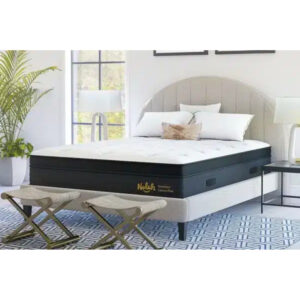 Nolah Evolution 15 Plush |
Thick comfort system and softer option for lightweight side sleepers who also sleep hot. |
| Motion isolation |  Puffy Lux |
Medium, contouring feel with strong motion isolation for lighter couples. |
| Back / combination sleepers | 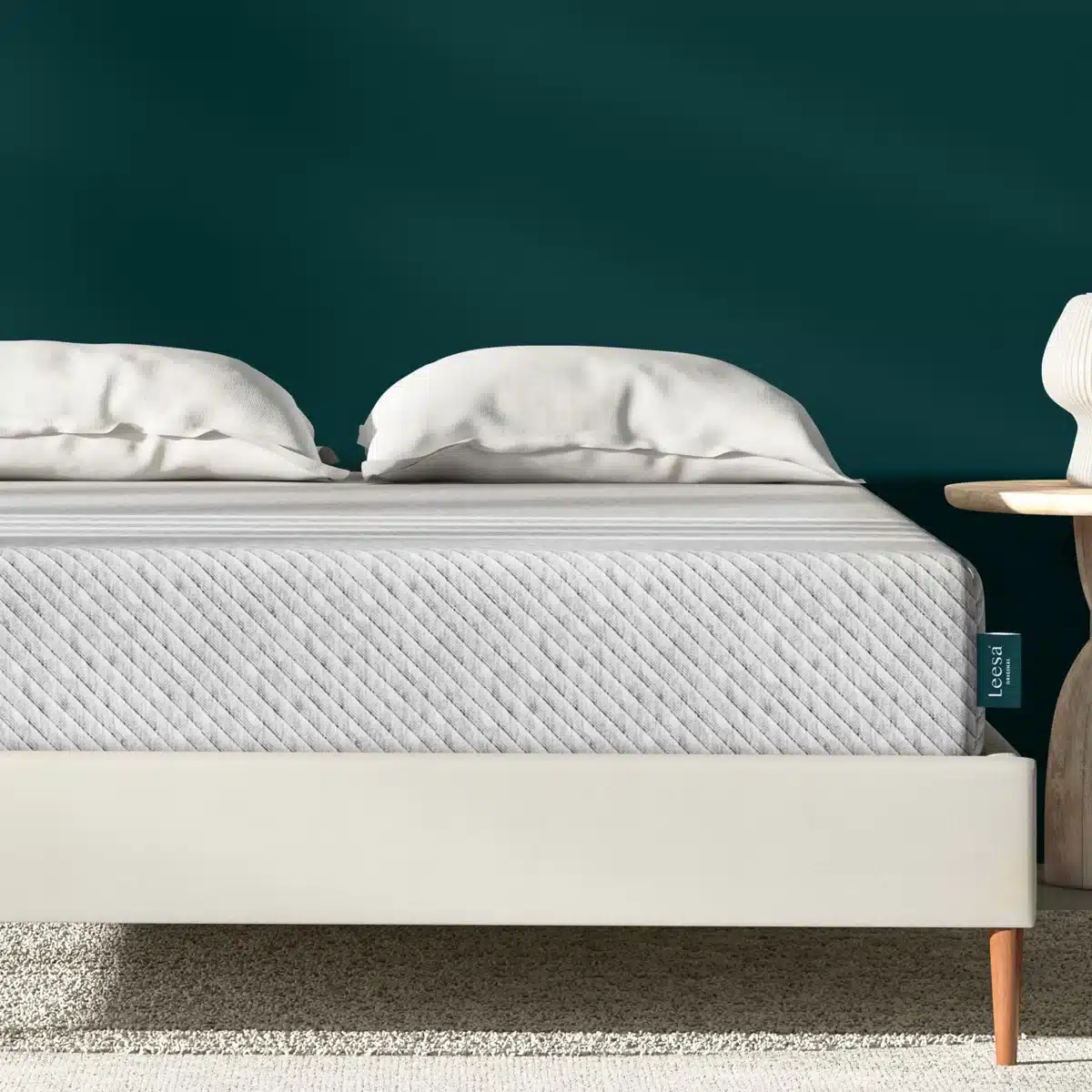 Leesa Original |
Balanced foam feel for lighter sleepers who need less sink than a plush side-sleeper model. |
Helix Sunset
Lightweight side sleepers are the group most likely to struggle on a “normal” medium-firm mattress because the shoulder and hip may not sink far enough. The Sunset starts much softer, so pressure relief begins earlier under less body weight.
Best for: side sleepers under 130 lb and lighter couples who prefer a plush surface.
Saatva Classic Plush Soft

The Plush Soft configuration gives lighter sleepers more initial cushioning while preserving the responsive, easy-to-move-on feel that makes Saatva different from slow memory foam. It is especially useful if you want a soft mattress without feeling stuck.
Best for: lightweight side and combination sleepers who want bounce and white-glove-style luxury rather than a boxed foam feel.
Nolah Evolution 15 — Plush
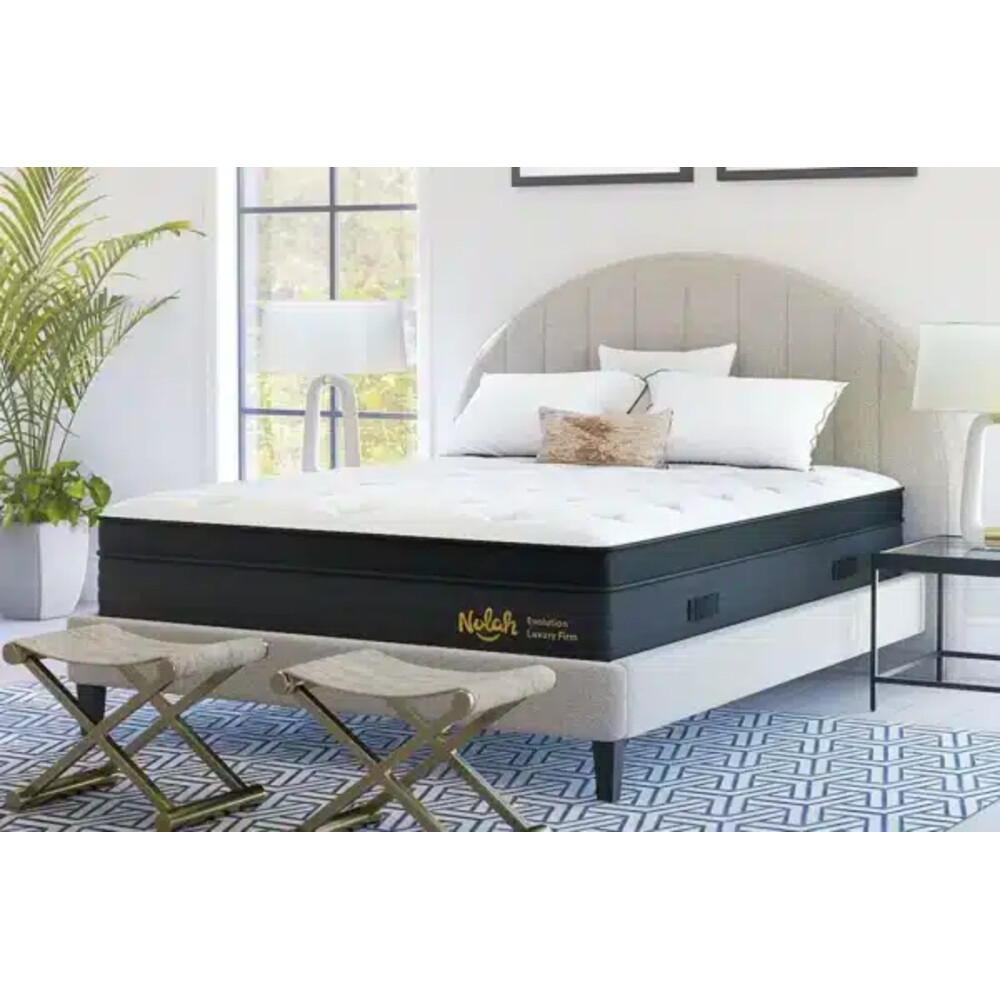

A thick hybrid can work well for lightweight sleepers when the comfort layers are soft enough to engage under lower body weight. The Plush version is the one to consider; firmer variants defeat the reason it is on this list.
Best for: hot side sleepers who want deep cushioning without moving to an all-foam mattress.
Puffy Lux
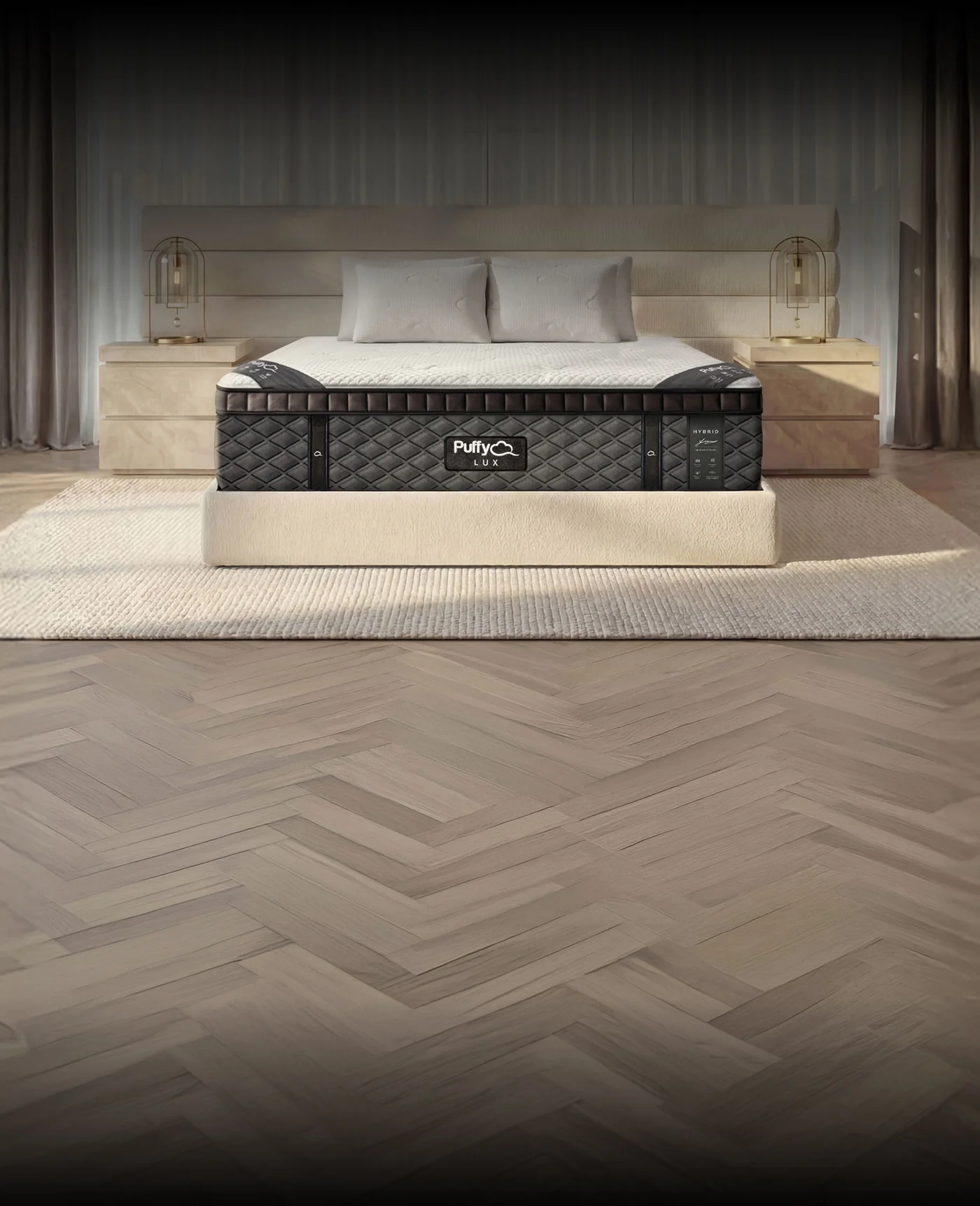
Lighter couples often value motion isolation because they do not need the heavy-duty support systems that add bounce and transfer. Puffy’s contouring construction makes sense when both sleepers want a medium-to-plush feel.
Best for: couples under 130 lb per sleeper, especially side/back combinations.
Leesa Original
For lighter back and combination sleepers who prefer a more balanced foam feel, the Leesa Original is another option to try. Compare its contouring and ease of movement with a softer mattress, and check whether the model and firmness suit the person who will use it.
Firmness by sleep position for lightweight sleepers
| Position | Starting range | Why |
|---|---|---|
| Side | Soft to medium-soft | Shoulder and hip need enough immersion to reduce pressure. |
| Back | Medium-soft to medium | Enough contouring for the lumbar curve without excessive hip sink. |
| Stomach | Medium to medium-firm | The pelvis still needs support even at a lower body weight. |
| Combination | Medium-soft to medium | Balances pressure relief with easier movement. |
What lighter sleepers should avoid
- Buying by the word “medium” alone. Brand firmness labels are inconsistent, and a 6/10 can feel much firmer when you weigh 115 lb.
- Very firm support-first mattresses. They may never compress enough at the shoulder and hip.
- Choosing a heavy-sleeper model for durability. Reinforced designs for 230+ lb bodies can feel unnecessarily rigid to a lightweight sleeper.
- Ignoring the pillow. On a softer mattress your shoulder sinks farther, so you may need less pillow loft than you used on a firm bed.
How to test a mattress when you weigh under 130 lb
Spend several minutes in your usual position. Side sleepers can pay attention to pressure at the shoulder and hip; back sleepers can check whether the lower back feels comfortably supported. Roll between positions and notice whether the surface responds quickly enough for you. These observations are personal comfort checks, not a diagnosis.
Compare the same mattress in different firmness options when available. A soft surface can cushion pressure points without working for every sleeper; a lighter stomach sleeper may prefer more resistance under the midsection. Bring or request a pillow with a suitable height, since the way your shoulder settles into the bed can change how a pillow feels.
If you share the bed with someone of a different weight or firmness preference, both people should try it together. Compare movement and edge space as well as pressure relief. A split-firmness mattress or two compatible Twin XL mattresses may give each sleeper more choice; compare the full mattress, base and bedding costs before ordering.
Before buying, confirm the precise model, firmness and size and ask the actual seller about the trial, minimum break-in period, pickup and any return or exchange charges. Terms for a showroom purchase can differ from those offered directly by a manufacturer.
Frequently asked questions
Do lightweight sleepers need a soft mattress?
Not always, but they usually need a softer surface than a heavier sleeper in the same position. Lightweight stomach sleepers are the main exception because they still need enough midsection support.
Is memory foam best for sleepers under 130 lb?
It can be excellent for pressure relief, but soft latex and plush hybrids can work just as well while feeling more responsive and cooler.
Can a mattress be too soft for a lightweight sleeper?
Yes. Very soft beds can still let the hips sag, especially for stomach sleepers. The goal is easier compression at the pressure points without losing alignment.
What if one partner is lightweight and the other is much heavier?
Look at split-firmness designs or a Split King setup. Our different-firmness couples guide is the better starting point.
For more options, compare firmness, pressure relief, motion isolation and edge support in our mattress comparison tool.
Compare these 3 mattresses side by side
Sort all 142 mattresses we have tested by pressure relief, support, cooling, motion isolation, edge support, price, trial and warranty, then filter by how you actually sleep. Of those, 84 hold a complete standardized record and 41 a partial standardized record.
Compare these 3 mattresses side by side →Compare all with your profile preselected →