How Mattress Construction Predicts Durability
Use foam density, comfort-layer thickness, coil design, latex type and warranty terms to judge mattress durability risk—without inventing a lifespan.
Construction can show you where a mattress is likely to weaken first. It cannot produce an expiration date. Density, thickness, coil design and warranty language together support a risk assessment; anyone converting those numbers into a promised number of years is guessing.
| Construction clue | What it may indicate | What it cannot prove |
|---|---|---|
| Foam density | Material content and fatigue resistance | Firmness or an exact lifespan |
| Comfort-layer thickness | Depth available before bottoming out | Material quality |
| Coil gauge and design | Support architecture and load sharing | Finished-mattress durability on its own |
| Latex type | Material behavior and composition | Universal superiority |
| Warranty sag threshold | When a claim may qualify | How soon comfort will change |
The top of the mattress usually goes first
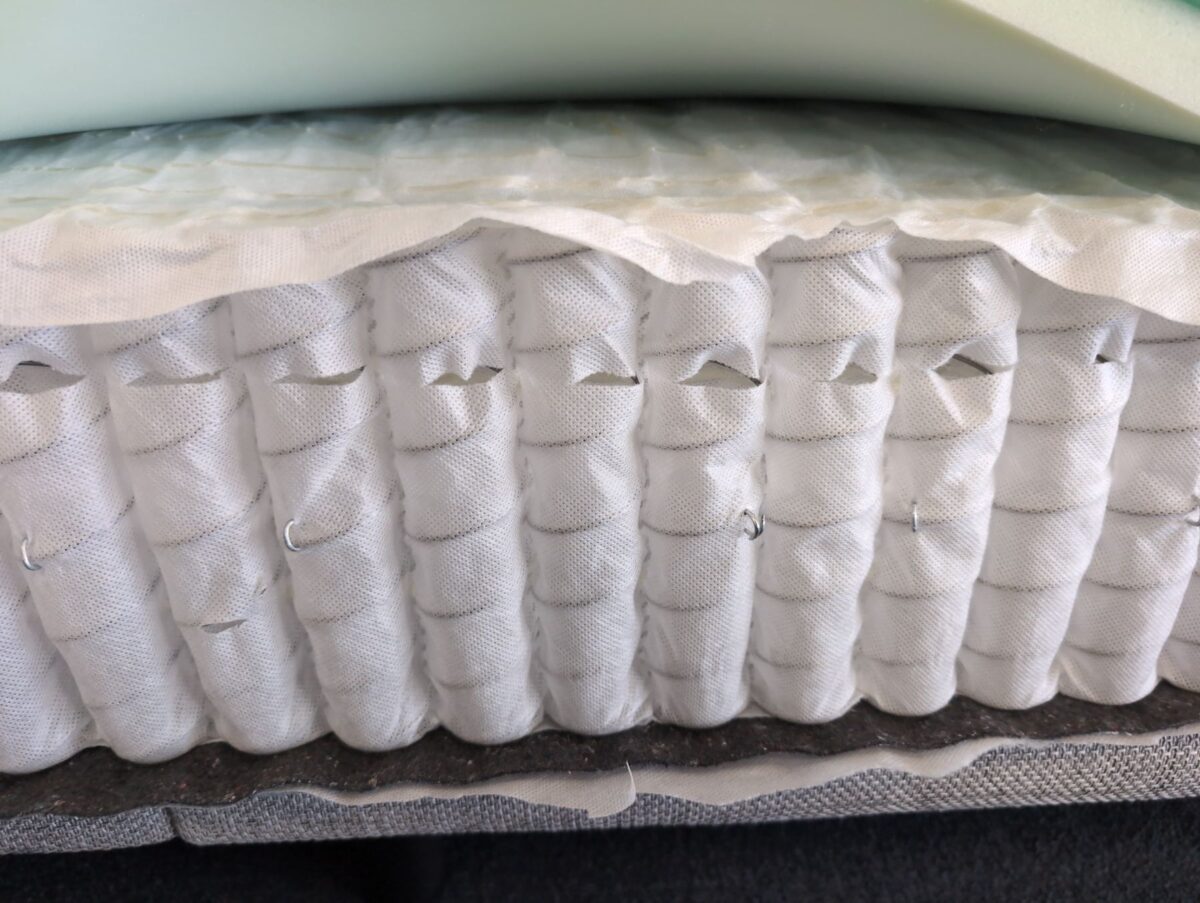
Most owners notice softening and body impressions in the quilt and comfort layers long before a support core fails. Start by listing every layer above the core, its thickness and its published density. Deep, soft, low-density comfort foam is the most common source of early complaints. Quilting and comfort layers explains that stack in detail.
Use density comparatively, not absolutely
Within the same foam family and the same layer role, higher density generally resists fatigue better. Across families it means little: latex is inherently denser, and memory foam benchmarks differ from conventional polyfoam. Fillers can add weight without adding durability, so density should adjust confidence rather than settle the question. See foam density explained.
Coils are a system, not a number
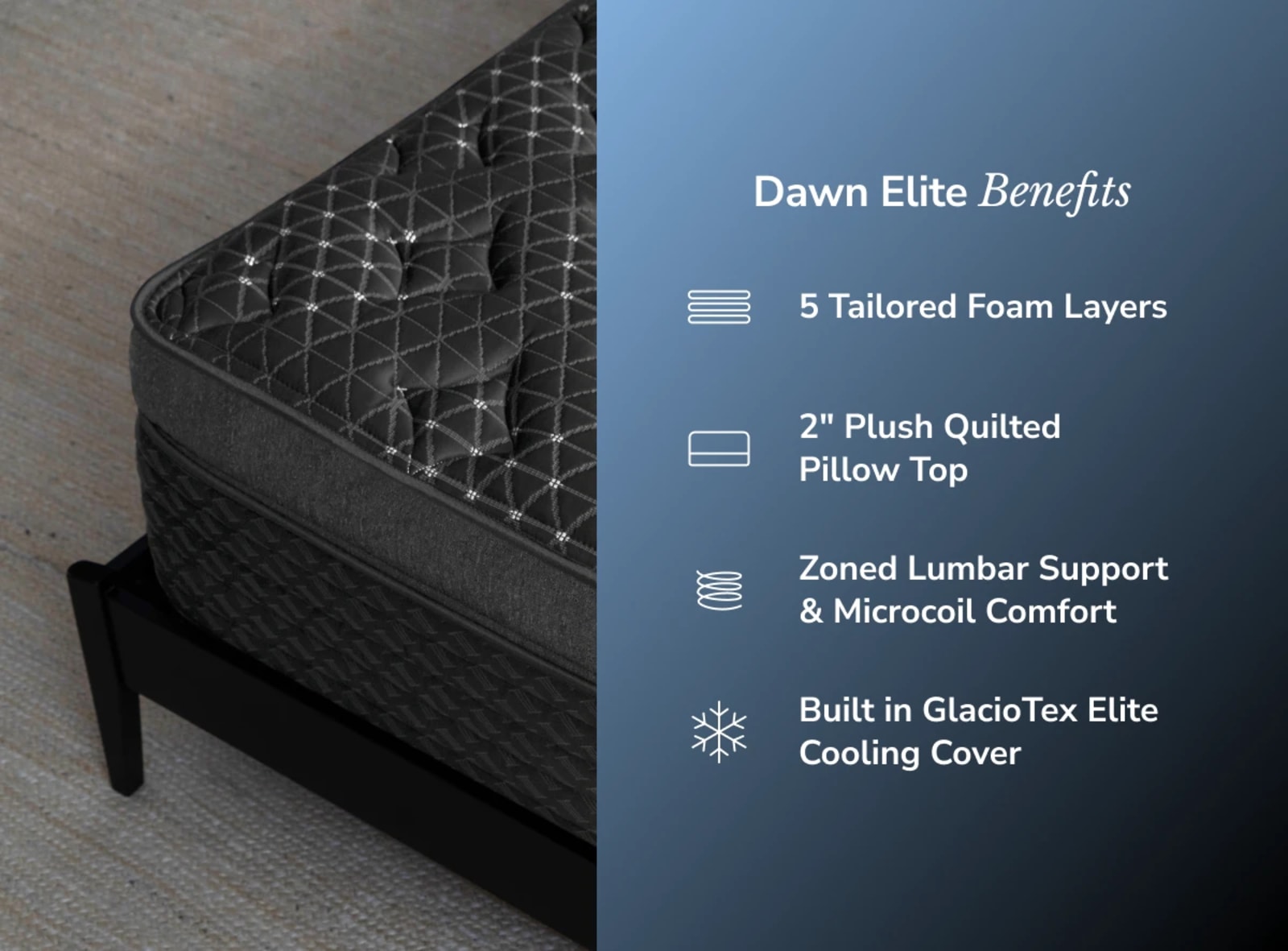
Wire gauge, coil height, number of turns, coil type, zoning and edge reinforcement all affect how load is carried and how long the unit holds shape. A high coil count says nothing about durability by itself. Standardized durability evaluation, such as the ASTM F1566 methods, exists precisely because construction alone is not proof.
Warranty language is evidence about the contract
A sag threshold defines when a claim may qualify—commonly measured without weight on the mattress—plus foundation requirements and exclusions. It is a legal document, not a prediction that feel will hold until that depth. Compare terms in our warranty comparison.
How Yawnder uses this
Our durability score weighs construction clues alongside service and return observations, and it is published separately from measured firmness, motion, cooling and pressure results. Where we compute an experimental construction-based durability estimate, it is labeled an estimate and never replaces a measured score. Service-life patterns by mattress type live in our lifespan data.
Related construction guides
For short definitions, use the Yawnder sleep glossary. To compare scored beds, open the mattress comparison tool.
Frequently asked questions
How long should a mattress last?
There is no construction-only answer. Body weight, usage, materials, foundation and care produce a range rather than a date.
What fails first on most mattresses?
Soft upper foams and fiber quilting typically change before the support core, which is why comfort-layer disclosure matters most.
Does a lifetime warranty mean lifetime durability?
No. It is a contract with exclusions and remedies, not a promise that feel and support stay unchanged.
Can I extend a mattress’s life?
Using the required foundation, rotating when the manufacturer allows it and protecting the surface all help. None of it restores foam that has already broken down.