I am Ben Trapskin, founder of Yawnder. I have reviewed mattresses and sleep products for more than a decade and have personally tried every mattress o... Full Bio
Legacy review: This article covers an older “CBD Pillow” product whose cover was marketed as CBD-infused. Current availability, construction and claims may differ from the version originally reviewed.
What the CBD Pillow claimed
The manufacturer marketed a pillow cover using CBD-related textile technology. The old Yawnder review went too far by assuming the cover would continuously deliver meaningful CBD through the skin.
A manufacturer describing microencapsulation or CBD-infused fabric does not by itself establish a clinically meaningful transdermal dose, a calming effect or a sleep benefit.
What matters in the pillow itself
Evaluate a CBD-branded pillow the same way you would evaluate any other pillow:
Loft and whether it fits your sleep position
Firmness and ease of repositioning
Foam or fill construction
Cover breathability and washability
Return policy and durability
CBD claims need stronger evidence
FDA warns that unapproved consumer CBD products are often marketed with unproven health claims and may pose risks including drug interactions and liver injury. That concern becomes even more important when a product does not clearly establish how much CBD a user is actually exposed to. FDA CBD consumer guidance.
What Yawnder could and could not test
Yawnder can assess pillow comfort, support, materials, odor, temperature feel and construction. A normal product review cannot establish transdermal CBD absorption or prove a therapeutic effect.
Bottom line
The original CBD Pillow article overstated the infused-cover technology. If you encounter a similar product today, buy it only if the pillow itself suits your comfort needs; treat any CBD-related benefit as unproven unless the manufacturer provides convincing evidence for the finished product and its actual delivery method.
A micro-CPAP, also known as a nasal CPAP or miniaturized CPAP, is a device still under development that aims to be a smaller, more comfortable alternative to traditional CPAP machines used for treating sleep apnea.
Here’s a breakdown of the key points about micro-CPAPs:
What it is:
A tiny, maskless, and hose-free device that fits inside the nostrils using soft silicone buds.
Designed to deliver continuous positive airway pressure (CPAP) to keep the airway open during sleep and prevent apnea events.
What it aims to solve:
Traditional CPAP machines can be bulky, noisy, and uncomfortable for some users, leading to poor compliance with treatment.
Micro-CPAPs aim to address these concerns by offering a more discreet and user-friendly option.
How it works (theoretical):
The exact technology behind micro-CPAPs is still being refined, but the concept involves using tiny pumps or microfluidic channels to generate airflow within the nostrils.
This airflow would create a slight pressure that would help keep the airway open and prevent blockages during sleep.
Current status:
No micro-CPAP devices are currently approved by the FDA or commercially available.
Several companies are developing prototypes, but they are still undergoing testing and refinement.
Potential benefits:
Increased comfort and compliance: The maskless and hose-free design could make micro-CPAPs more comfortable and easier to tolerate for users who struggle with traditional CPAP machines.
Improved portability: The small size and lack of external equipment could make micro-CPAPs more convenient for travel or overnight stays.
Reduced noise: Micro-CPAPs are expected to be much quieter than traditional CPAP machines, potentially improving sleep quality for both the user and their partner.
Limitations and unknowns:
Effectiveness: It is still unclear how effective micro-CPAPs will be in treating sleep apnea compared to traditional CPAP machines. More research is needed to evaluate their efficacy and long-term safety.
Noise level: While quieter than traditional machines, the actual noise level of micro-CPAPs and their potential impact on sleep quality remain to be determined.
Cost: The cost of micro-CPAPs once they become commercially available is unknown.
Overall, micro-CPAPs represent a promising development in the treatment of sleep apnea. However, it is important to remember that they are still under development and not yet available for purchase. If you are struggling with sleep apnea, it is important to consult with a doctor to discuss the best treatment options for you.
Our Top Micro CPAP Picks
Transcend MIcro Travel Auto CPAP
The Transcend Micro Travel Auto CPAP is a popular choice for people with sleep apnea who want a compact and portable CPAP machine for travel or home use. Here’s a breakdown of its key features:
Smallest and lightest travel CPAP: Weighing under 0.5 pounds and measuring less than 4 inches wide, the Transcend Micro is the smallest and lightest CPAP machine on the market. This makes it ideal for travel, camping, or simply reducing bedside clutter.
Auto-adjusting pressure: The Transcend Micro automatically adjusts the air pressure throughout the night to deliver the optimal level of therapy for your needs. This can help improve sleep quality and reduce the risk of apnea events.
Quiet operation: With a noise level of 27 decibels, the Transcend Micro is one of the quietest CPAP machines on the market. This makes it less disruptive for both you and your bed partner.
Easy to use: The Transcend Micro has a simple interface with a few buttons and a clear display. This makes it easy to set up and use, even for those who are new to CPAP therapy.
Additional features:
Ramp technology: Gradually increases the air pressure to make it more comfortable to fall asleep.
WhisperSoft muffler: Reduces the noise level of the machine even further.
Overall, the Transcend Micro Travel Auto CPAP is a great option for people with sleep apnea who are looking for a small, quiet, and easy-to-use CPAP machine. However, it is important to consult with a doctor to determine if this machine is right for you.
Here are some additional things to consider:
Price: The Transcend Micro typically costs around $860.
Battery life: The machine can run for up to 2 nights on a single charge with an optional battery pack.
Humidification: The Transcend Micro does not have a built-in humidifier, but you can use an optional waterless humidifier attachment.
The AirMini AutoSet Travel CPAP by ResMed: A Closer Look
The AirMini AutoSet Travel CPAP by ResMed is a popular choice for people with sleep apnea who are looking for a compact, portable, and effective CPAP machine. Here’s a breakdown of its key features and benefits:
Pros:
Smallest and lightest travel CPAP: Weighing just 10.6 ounces and about the size of a smartphone, the AirMini is the perfect travel companion. It easily fits in your carry-on or backpack, making it ideal for on-the-go therapy.
Auto-adjusting pressure: The AirMini AutoSet automatically adjusts the air pressure throughout the night based on your breathing patterns, ensuring optimal therapy and restful sleep.
Whisper-quiet operation: With a noise level of just 24 decibels, the AirMini is one of the quietest CPAP machines on the market. This makes it less disruptive for both you and your bed partner.
Easy to use: The AirMini has a simple interface with a few buttons and a clear display. This makes it easy to set up and use, even for those who are new to CPAP therapy.
Integrated humidification: The optional HumidX™ waterless humidification system helps to prevent dryness and irritation caused by CPAP therapy.
Multiple mask options: The AirMini is compatible with a variety of ResMed masks, including the popular AirFit P10 for nasal mask.
Cons:
Price: The AirMini is typically more expensive than traditional CPAP machines, costing around $910.
Battery life: The machine can run for up to 8 hours on a single charge with the optional battery pack. This may not be long enough for some users, particularly those who travel frequently.
Waterless humidification: While convenient, the waterless humidification system may not be as effective as a traditional humidifier for some users.
Not suitable for everyone: The AirMini may not be appropriate for people with severe sleep apnea or complex medical conditions.
Overall, the AirMini AutoSet Travel CPAP is a great option for people with mild to moderate sleep apnea who are looking for a small, quiet, and easy-to-use CPAP machine for travel or home use. However, it is important to consult with a doctor to determine if this machine is right for you.
Here are some additional things to consider:
Your specific needs: Think about your severity of sleep apnea, travel habits, and budget before making a decision.
Insurance coverage: Some insurance plans may cover the cost of the AirMini.
Trial period: Some retailers offer a trial period for the AirMini, so you can try it out before you commit to buying it.
The Breas Z2 Auto Travel CPAP Machine: Bigger Brother of the Z1
The Breas Z2 Auto Travel CPAP Machine takes the palm-sized portability of the Z1 and adds a few feature upgrades, making it a contender for users seeking auto-adjusting pressure in a compact package. Here’s a deeper dive into its key features and how it compares to the Z1:
Improvements over the Z1:
Auto-adjusting pressure: Unlike the Z1’s fixed settings, the Z2 automatically adjusts pressure based on your breathing patterns, offering optimal therapy and potentially better results.
Quieter operation: The Z2 boasts a noise level of 26 decibels, making it even quieter than the Z1 and minimizing sleep disruption for you and your partner.
Auto Start/Stop feature: This convenient feature automatically starts and stops therapy based on mask detection, enhancing ease of use and potentially conserving battery.
Bluetooth connectivity: The Z2 connects to the Nitelog® app, allowing you to track your sleep data and monitor therapy progress right on your smartphone.
Similarities to the Z1:
Compact and lightweight: The Z2 maintains the Z1’s pocket-sized design, weighing just 10.5 ounces and fitting easily in your travel bag.
Optional battery: The PowerShell™ battery pack grants up to a full night of cordless therapy, perfect for travel or power outages.
External HME: This optional accessory provides moisture for additional comfort, although a built-in humidifier is not available.
User-friendly interface: The Z2 retains the Z1’s easy-to-navigate controls and clear display, making it accessible for new CPAP users.
Trade-offs to consider:
Price: The Z2’s added features come at a slightly higher cost compared to the Z1, typically ranging from $799 to $899.
Battery life: While the optional battery offers convenience, its runtime might be shorter than some competitors.
Humidification: The external HME may not be sufficient for everyone, and users requiring significant moisture might need alternative options.
Overall, the Breas Z2 Auto Travel CPAP Machine is a compelling choice for people with sleep apnea who seek a travel-friendly CPAP with auto-adjusting pressure and additional features like Bluetooth connectivity. However, the higher price tag, potential limitations of the HME, and shorter battery life compared to some competitors should be kept in mind when making a decision.
Here are some additional things to ponder:
Your budget: Weigh the increased cost of the Z2 against the added functionality and convenience it offers.
Humidification needs: Evaluate if the external HME suffices for your comfort level or if a built-in option is essential.
Battery needs: Consider your travel frequency and desired cordless usage time when evaluating the battery life.
AirAvant Medical Bongo Rx EPAP
The AirAvant Medical Bongo Rx EPAP Starter Kit is a prescription-required treatment for mild to moderate obstructive sleep apnea (OSA). It’s an alternative to traditional CPAP machines that uses expiratory positive airway pressure (EPAP) to keep your airway open during sleep.
How it works:
Place the soft silicone inserts into your nostrils. They’ll form a gentle seal to create nasal dilation.
Inhale normally. The valves in the Bongo Rx open to allow air to flow freely.
Exhale. The valves close, directing exhaled air through vent holes. This creates EPAP, which helps keep your airway from collapsing during sleep.
Kit contents:
Four Bongo Rx devices in different sizes (small, medium, large, and extra large) to help you find the best fit
Optional headgear
Travel case
Drying stand
Instructions for use
Benefits:
No mask or hose: The Bongo Rx is more comfortable and easier to wear than traditional CPAP machines.
Quiet: It’s much quieter than traditional CPAP machines.
Portable: It’s small and lightweight, making it easy to travel with.
Reusable: Each Bongo Rx device can be used for up to 90 days.
Things to consider:
The Bongo Rx is not for everyone. It’s only for people with mild to moderate OSA.
It’s important to get a prescription from your doctor before using the Bongo Rx.
The Bongo Rx is not as effective as traditional CPAP machines for some people.
Price:
The AirAvant Medical Bongo Rx EPAP Starter Kit typically costs around $299.00.
Overall, the AirAvant Medical Bongo Rx EPAP Starter Kit is a good option for people with mild to moderate OSA who are looking for a comfortable and portable alternative to traditional CPAP machines. However, it’s important to talk to your doctor to see if it’s right for you.
Why It’s So Important To Use A CPAP During Travel
Traveling with sleep apnea can be tricky, but using your CPAP machine during trips remains crucial for several reasons:
Maintaining Optimal Sleep Quality:
Preventing Apnea Events: When you sleep with sleep apnea, your airway repeatedly collapses, causing you to stop breathing for short periods. This disrupts your sleep cycle and leads to daytime fatigue, headaches, and other health problems. Using your CPAP machine during travel provides the continuous positive airway pressure (CPAP) that keeps your airway open and prevents these apnea events, ensuring you get a good night’s sleep even in a new environment.
Boosting Energy and Focus: Consistent CPAP therapy improves your sleep quality, leading to increased energy levels, better mood, and sharper focus throughout the day. This is especially important during travel when you may be facing new challenges and want to feel your best.
Minimizing Travel Disruption: Sleep apnea symptoms can be amplified by travel stress, unfamiliar beds, and changes in routine. Using your CPAP helps maintain your regular sleep pattern and minimizes these disruptions, allowing you to enjoy your trip to the fullest.
Protecting Your Health:
Reduced Risk of Health Complications: Untreated sleep apnea is linked to numerous health problems like heart disease, stroke, high blood pressure, and diabetes. Maintaining CPAP therapy throughout your travels ensures you continue to reap its benefits for your overall health and well-being.
Improved Oxygen Levels: CPAP therapy increases oxygen levels in your blood, which is essential for proper bodily function. This is especially important when traveling to high altitudes, where oxygen levels are naturally lower.
Additional Factors:
Comfort and Familiarity: Using your familiar CPAP machine can contribute to a sense of comfort and normalcy while traveling, helping you adjust to new environments more easily.
Compliance and Treatment Success: Consistent CPAP use is crucial for successful treatment of sleep apnea. Skipping it during travel can disrupt your progress and potentially lead to worsening symptoms upon returning home.
Considering alternatives:
If using your full CPAP machine is challenging during travel, consult your doctor about potentially portable or travel-friendly options like:
Travel CPAP machines: Smaller and lighter than traditional machines, these are designed for convenient travel.
Nasal EPAP: These devices fit inside your nostrils and offer a quieter, mask-free option.
Oral Appliance Therapy: Some patients with mild sleep apnea may be able to use a custom-made mouthguard during travel.
Remember, traveling with sleep apnea requires planning and proactive measures. Always prioritize your health and consult your doctor for personalized advice before and during your trip to ensure a safe and enjoyable journey.
Frequently Asked Questions About Micro CPAP Devices: Do They Really Work?
Are micro CPAP devices worth waiting for for sleep apnea treatment?
Micro CPAP devices represent a promising future for sleep apnea treatment, offering a potentially more comfortable and portable alternative to traditional machines. They aim to solve common issues like bulkiness and noise, though they are not yet FDA approved or commercially available for purchase.
Who are micro CPAP devices best suited for once they become available?
Micro CPAP devices are best suited for individuals seeking a discreet and highly portable solution for their sleep apnea therapy, especially those who find traditional CPAP machines uncomfortable or too cumbersome for travel. Their maskless and hose-free design is a major appeal for enhanced comfort and compliance.
How do developing micro CPAP devices compare to existing travel CPAP machines like the Transcend Micro?
Developing micro CPAP devices aim to be entirely maskless and hose-free, fitting discreetly inside the nostrils, whereas devices like the Transcend Micro Travel Auto CPAP are compact versions of traditional CPAP machines requiring a mask and hose. While the Transcend Micro is already ideal for travel due to its size, micro CPAPs aim for an even greater level of portability and reduced intrusiveness.
What are the main potential downsides or unknowns concerning micro CPAP devices?
The main potential downsides of micro CPAP devices include their unproven efficacy compared to traditional machines, undefined precise noise levels, and unknown eventual cost. As they are still under development, their long-term safety and performance have yet to be fully evaluated and approved by the FDA.
Can I try out a micro CPAP device at a place like Yawnder's San Diego showroom?
No, you cannot try out a micro CPAP device at Yawnder's San Diego showroom or anywhere else, as these devices have not yet received FDA approval and are not available for commercial use. Yawnder is excited about future innovations, but currently, only traditional and compact travel CPAP machines are available commercially.
Are micro CPAPs good for frequent travelers with sleep apnea?
Micro CPAPs are anticipated to be excellent for frequent travelers, thanks to their highly portable and compact design, eliminating bulky masks and hoses. Their small size and lack of external equipment would make them an ideal companion for travel or overnight stays, once they are developed and available.
Keep exploring
See today’s best sleep deals
Browse Yawnder’s sleep education, research explainers, and practical guides.
Updated October 18, 2026. This review combines Ben’s historical tasting notes with a current manufacturer-label and buying-terms check. It does not describe a new trial of the current formula.
Kin Dream Light review: our verdict
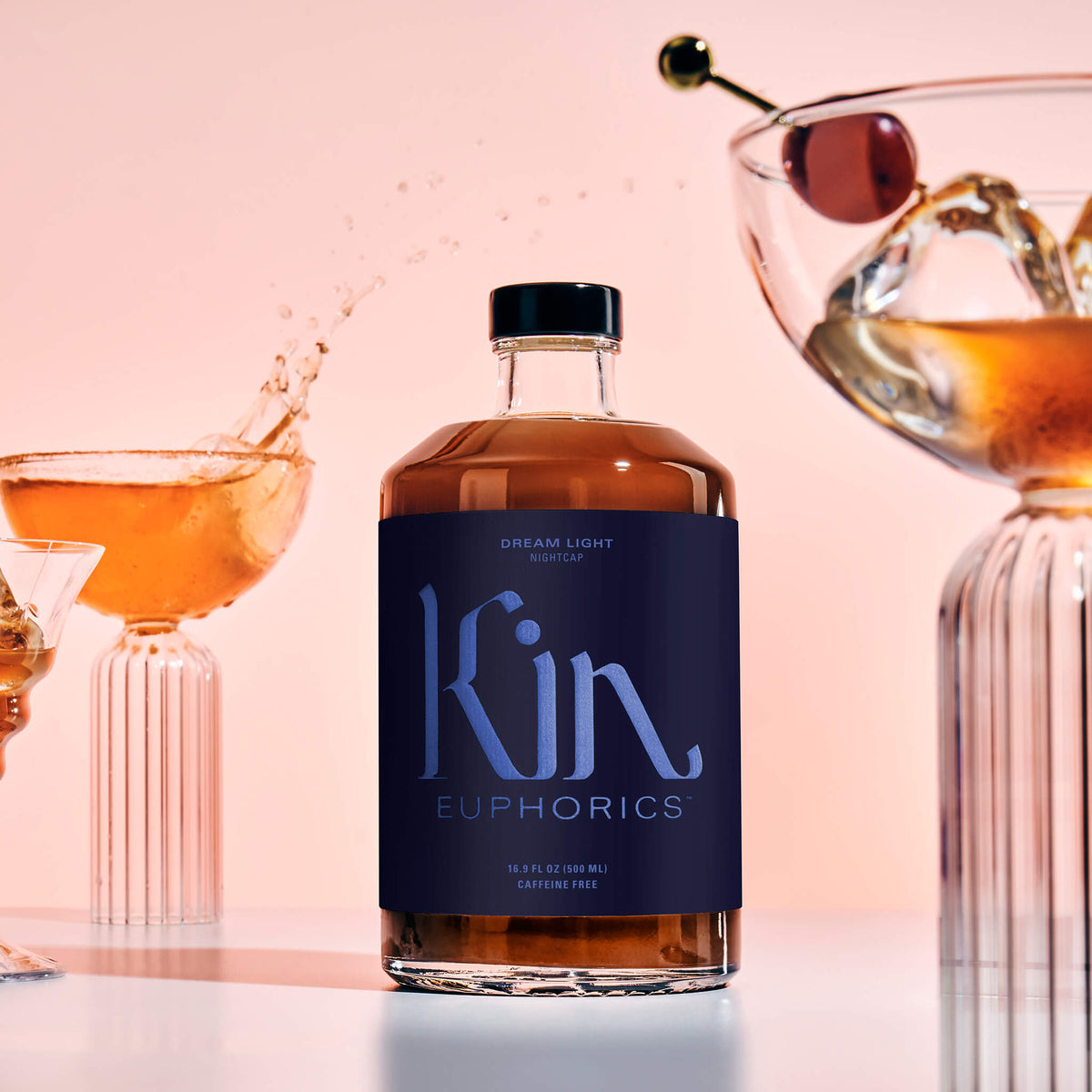
Dream Light is a caffeine-free, made-to-mix nonalcoholic nightcap. Its appeal is the evening drink ritual; it should not be treated as a clinically proven insomnia treatment. It contains melatonin and a proprietary blend, so “nonalcoholic” does not mean free of active ingredients or medicine interactions.
Ben’s original review found the older drink expensive and its flavor unappealing. The current manufacturer describes oak, smoked clove, cinnamon and bourbon vanilla, while Ben’s older bottle tasted strongly of fig. Those observations concern different points in the product’s history; we have not retested the current version.
Current manufacturer product image, separate from Ben’s historical tasting experience.
Ben’s original tasting experience
In the original review, I described first trying Kin drinks at a mattress event in Santa Monica. I enjoyed High Rhode and Kin Spritz as substantial drinks to sip, but I did not notice a clear change in relaxation or mental state.
My older Dream Light bottle was less appealing. I described its flavor as mostly fig juice and found measuring a small serving less enjoyable than the social-drink ritual. I thought I fell asleep a little faster after drinking it, but that was a personal impression, not a controlled test. I did not consider it clearly more effective than other supplements I had tried.
Context: the original account says I used approximately two servings and guessed the pour. That is a limitation of the experience, not dosing advice. Measure according to the current label; do not increase a serving to try to force an effect. Older storage, delivery and price observations should not be read as current terms.
Current Dream Light serving and ingredients
The manufacturer’s current online facts list a 1.5 fl oz (44 mL) serving and 11 servings per 16.9 fl oz (500 mL) bottle. Confirm the label on your bottle.
The blend’s total weight does not reveal each ingredient amount. Apart from the specified melatonin amount, do not compare its individual ingredient doses with clinical studies as though they were disclosed. The current ingredient list includes botanicals and flavor components such as passionflower, ginger, gentian, cinnamon and clove; consult the full panel for sensitivities.
Research on individual ingredients does not validate this finished drink. We have not established a finished-product randomized sleep trial for Dream Light in this review. The presence of tryptophan, reishi or theanine cannot by itself prove that a serving improves sleep, treats anxiety or produces “euphoria.” Ben’s experience is useful for taste and practicality, but cannot establish a clinical benefit.
Safety and interactions
Melatonin may cause sleepiness, dizziness, headache or nausea; long-term safety information is limited. Avoid driving if drowsy. Do not casually combine Dream Light with other sleep aids, sedating medicines or alcohol. Discuss the complete ingredient list with a clinician or pharmacist if you use medicines, particularly antidepressants, or have a medical condition. Consult a clinician before use during pregnancy or breastfeeding, and keep it away from children.
Follow current bottle directions for serving, refrigeration and use after opening. Persistent insomnia, excessive daytime sleepiness or snoring with breathing pauses calls for an assessment. Cognitive behavioral therapy for insomnia (CBT-I) is an initial treatment option for chronic insomnia.
Current price and subscription terms
One-time option
Listed price
Approximate cost per labeled serving
1 bottle
$39
$3.55
2 bottles
$69
$3.14
3 bottles
$99
$3.00
These calculations use 11 servings per bottle and exclude shipping, tax and mixers. At one serving nightly, 30 servings would cost about $106 at the single-bottle rate. Buying more at once lowers the unit price but increases the upfront commitment.
The checked page lists a one-bottle subscription at $31.20 and separate multi-bottle offers. New subscriptions require an initial order and one billed renewal; cancellation is available after the second billed order, subject to applicable rights. Do not interpret a pause or skip as removing that requirement. Confirm cadence and terms before checkout.
For most eligible U.S. one-time orders, the page lists $10 shipping below $75 and free shipping at $75 or more. Eligible subscriptions ship free. Beverages are described as final sale; read the current refund policy for exceptions and order issues. Availability and terms may change.
Frequently asked questions
Does Dream Light contain caffeine or melatonin?
The current page describes it as caffeine-free and lists 0.25 mg melatonin per 1.5 fl oz serving. Other Kin drinks differ.
Does it taste like the bottle Ben reviewed?
We have not confirmed that. Ben described an older fig-forward drink; current manufacturer flavor notes emphasize oak, clove, cinnamon and vanilla.
Is Dream Light worth it?
It may appeal if you value a measured nonalcoholic evening drink and enjoy its flavor. Its price is hard to justify solely as a sleep treatment because a benefit from the finished drink has not been established here.
Ben’s original written observations are preserved as historical experience. Current facts come from the manufacturer’s Dream Light page, its Supplement Facts and purchasing terms, checked in October 2026. Health claims were checked against NCCIH guidance. We do not turn manufacturer customer ratings into a Yawnder effectiveness score.
The Scandinavian Sleep Method, also known as the 2-duvet system, is a way for couples to share a bed while still having individual control over their sleeping environment. Instead of sleeping under one large duvet, each person uses their own single-size duvet or comforter.
Here’s the gist:
Separate Duvets: Instead of fighting over the covers, each person snuggles under their own duvet, allowing them to choose their preferred thickness and warmth.
No Top Sheet: Often, the top sheet is skipped altogether, further simplifying bed-making and reducing potential heat trapping.
More Sleep Comfort: Individual temperature control can significantly improve sleep quality, especially for couples with different preferences. Cold sleepers won’t get stolen warmth, and hot sleepers won’t feel suffocated.
Shared Bed, Personalized Sleep: This method allows couples to enjoy the benefits of co-sleeping, like feeling secure and comforted, while minimizing sleep disruptions caused by temperature differences or blanket hogging.
Although popular in Scandinavian countries like Denmark, Norway, and Sweden, this method is catching on globally due to its potential to improve sleep for couples.
Benefits and Drawbacks
Benefits:
Improved Sleep Quality:
Reduced sleep disruptions from blanket tug-of-wars
Individual temperature control
Minimized disturbances from partner movements
Partner Independence:
Each person can choose their preferred duvet warmth and material
Adjust bedding without affecting the other person
Different sleep schedules or bedtime routines become less problematic
Minimized Conflict: Fewer arguments about covers
Strengthened Relationship: Better sleep can lead to better moods and less conflict
Maintained Co-Sleeping Benefits: Couples can still enjoy the intimacy and security of sharing a bed
Cost-Effective: Less expensive than buying separate beds
Drawbacks:
Potentially Less Cuddling: Might feel less intimate for some couples
Bed Making Challenges: Two duvets can be trickier to arrange neatly
Not Ideal for Smaller Beds: Might feel cramped with two duvets
Limited Effectiveness for Certain Sleep Issues: Doesn’t address snoring, sleep talking, or severe movement disorders
Overall, the benefits often outweigh the drawbacks for many couples, especially those with different sleep preferences or those who experience sleep disruptions due to temperature battles or blanket hogging. It’s a worthwhile experiment to see if it enhances your sleep quality and relationship harmony.
Set Up Your Bed Scandinavian Style
Setting up your bed Scandinavian style is all about layering and simplicity! Here’s how you can do it:
1. Gather your Essentials:
Fitted sheet: Stick to natural materials like cotton or linen for breathability.
Two single-size duvets: Choose duvets that are roughly half the width of your bed. Look for natural fillings like down or wool for warmth and comfort.
Duvet covers: Opt for neutral or natural tones to match the Scandinavian aesthetic. Consider textures like linen or cotton for added depth.
Throw blanket (optional): Add a decorative touch with a cozy throw at the foot of the bed.
2. Ditch the Top Sheet:
The Scandinavian Sleep Method typically skips the top sheet, keeping things minimal and reducing fussiness.
3. Layer the Duvets:
Lay each duvet on its respective side of the bed, covering approximately half the mattress.
You can either overlap the duvets slightly in the center, or leave a small gap if you prefer more space.
Tuck the duvets securely under the mattress at the top and bottom to create a smooth finish.
4. Tuck and Fold (Optional):
For a more polished look, you can tuck the sides of the duvets under the mattress, creating hospital corners. Alternatively, you can simply fold the excess duvet at the bottom of the bed to achieve a relaxed, casual aesthetic.
5. Add Extra Texture and Warmth:
Pile on plush pillows in contrasting textures and fabrics.
Lay a cozy woven throw at the foot of the bed for an extra layer of warmth and visual interest.
Incorporate natural elements like wood, plants, or woven baskets to enhance the Scandinavian vibe.
Bonus Tips:
Wash your duvet covers regularly to maintain freshness and hygiene.
Consider different duvet weights for each person if you have significantly different temperature preferences.
Adjust the layering based on the season and your individual comfort level.
Play with textures and patterns in your pillows and throws to add personality to your Scandinavian-style bed.
Remember, the most important thing is to create a sleep environment that you and your partner find comfortable and inviting. Don’t be afraid to experiment and personalize your Scandinavian-style bed to suit your needs and preferences.
Making the Transition
Transitioning to separate duvets might feel strange at first, especially if you’re used to cuddling under one big blanket. Here are some tips to help you and your partner adjust smoothly:
Start Gradually:
Don’t dive right into two separate duvets overnight. Try using a larger blanket with a center divider for a little while to simulate the individual control while still maintaining some shared cover.
You can also start by using separate duvets but only on nights when sleep quality is suffering due to temperature discrepancies or blanket hogging.
Be open to adjustments and compromises, like finding the right duvet thickness for each person or finding ways to maintain physical closeness despite the separate covers.
Focus on the Benefits:
Remind yourselves of the potential benefits of the Scandinavian Sleep Method, like improved sleep quality, reduced temperature battles, and more individual comfort.
Celebrate the positives you experience, like waking up feeling more refreshed or not being woken up by your partner’s movement.
Create a New Sleep Ritual:
Introduce a new bedtime routine that reinforces the individual comfort aspect of the separate duvets. This could involve a relaxing bath, reading in bed under your own light, or practicing individual breathwork exercises before sleep.
Don’t Force It:
Some couples might find that separate duvets simply don’t work for them. If you try it for a reasonable period and still find it disruptive or unsatisfying, don’t hesitate to revert to your old system or explore other sleep solutions.
Additional Tips:
Invest in high-quality, comfortable duvets that cater to your individual needs.
Consider using duvet clips or ties to prevent the duvets from slipping apart at night.
Add cozy pillows and blankets for extra comfort and cuddling opportunities.
Maintain an open mind and focus on creating a sleep environment that works for both of you.
Remember, the goal is to find a sleep arrangement that fosters good sleep and strengthens your relationship. Be patient, adapt, and prioritize open communication to make the Scandinavian Sleep Method a success for your unique partnership.
Research on the Scandinavian Sleep Method
While there isn’t extensive scientific research specifically on the Scandinavian Sleep Method (yet!), anecdotal evidence and some smaller studies suggest potential benefits for couples:
Improved Sleep Quality:
Individual temperature control: A major reason why couples fight over the covers is because one person might be too hot while the other is cold. With separate duvets, each person can adjust their own temperature for optimal comfort, potentially leading to deeper, more restful sleep.
couple comfortably sleeping in their bed each under their own duvet
Reduced sleep disruptions: Partners with different sleep schedules or movement patterns can disrupt each other’s sleep. Separate duvets can minimize these disruptions, allowing each person to sleep through the other’s movements or late-night bathroom breaks.
Relationship Benefits:
Less conflict: No more arguments about the thermostat or who stole the covers! Separate duvets can help reduce bedtime tension and create a more harmonious sleep environment.
Increased privacy and independence: Some couples appreciate the feeling of having their own personal space within the shared bed. This can be especially helpful for individuals who need time to unwind before sleep or who prefer not to be physically entangled all night.
Limited Research, More to Explore:
While the anecdotal evidence is promising, more research is needed to fully understand the potential benefits and drawbacks of the Scandinavian Sleep Method. Some studies have looked at the impact of co-sleeping on sleep quality, but haven’t specifically examined the use of separate duvets.
One small study published in the journal “Chronobiology International” found that couples who switched to separate duvets reported improvements in sleep quality and reductions in sleep disturbances. However, the study was limited in size and scope, so more research is needed to confirm these findings.
Overall, the Scandinavian Sleep Method seems like a promising approach for couples who are struggling with sleep disruptions or discomfort due to shared bedding. If you’re curious about trying it, there’s no harm in giving it a go! Just be patient, communicate openly with your partner, and adjust the setup as needed to find what works best for both of you.
Here are some additional things to keep in mind:
The Scandinavian Sleep Method may not be ideal for everyone. If you and your partner enjoy cuddling close all night, you might find separate duvets to be too restrictive.
It may take some time to adjust to the new sleep arrangement. Be patient and give it a fair chance before making a judgment.
If you have any concerns about your sleep, talk to your doctor. They can help you determine if there are any underlying medical conditions that may be affecting your sleep quality.
Frequently Asked Questions About Scandinavian Sleep Method: Benefits for Couples (2026)
What is the Scandinavian Sleep Method?
The Scandinavian Sleep Method involves each partner using their own individual duvet or comforter instead of sharing one large blanket. This system allows couples to personalize their sleeping environment for better comfort and temperature control.
Who is the Scandinavian Sleep Method best for?
This method is best for couples who have different temperature preferences or frequently struggle with blanket hogging. It helps solve common disputes about covers, leading to improved sleep quality for both individuals.
What are the downsides of the Scandinavian Sleep Method?
Some potential downsides include a perceived reduction in cuddling, challenges with neatly making the bed with two duvets, and space limitations for couples using smaller beds. It also does not address issues like snoring or significant partner movements.
Is the Scandinavian Sleep Method good for hot sleepers?
Yes, the Scandinavian Sleep Method is beneficial for hot sleepers because each partner can choose a duvet with material and thickness tailored to their individual warmth preference. This eliminates feeling stifled by a partner's heavier comforter.
Does the Scandinavian Sleep Method improve sleep quality?
Yes, many couples find it significantly improves sleep quality by reducing nighttime disturbances from blanket wars and allowing for individual temperature regulation. Our experience at Yawnder shows that personalized comfort is key to restful sleep.
Where can I learn more about setting up a Scandinavian-inspired sleep environment?
You can learn more about setting up a Scandinavian-inspired sleep environment, including selecting fitted sheets and duvets, by reviewing detailed articles or visiting a local expert. Our San Diego showroom can offer insights into choosing the right natural materials like cotton for breathability.
Keep exploring
See today’s best sleep deals
Browse Yawnder’s sleep education, research explainers, and practical guides.
Castlery Furniture Review (2026): Modern & Affordable
Castlery is a furniture company that sells modern and contemporary furniture for the home. They have a wide range of products, including sofas, armchairs, dining tables and chairs, bed frames, TV consoles, and more. Their furniture is typically made from high-quality materials, such as solid wood, marble, and leather.
Castlery is known for its clean lines and simple designs. Their furniture is often described as being “mid-century modern” or “Scandinavian-inspired.” They also have a number of collections that are inspired by different design styles, such as industrial, rustic, and coastal.
Castlery furniture is not the cheapest, but it is well-made and designed to last. They offer a variety of financing options, such as buy now, pay later, and they also have a 14-day easy return policy.
If you are looking for modern and contemporary furniture that is made from high-quality materials, Castlery is a good option to consider. However, if you are on a budget, you may want to look elsewhere.
Here are some of the pros and cons of Castlery furniture:
Castlery furniture comes from a mixture of locations, with their focus being on China and Southeast Asia. While their designs are created in-house, the actual manufacturing takes place in these regions.
They don’t specify exactly which Southeast Asian countries are involved, but it’s likely to include nations known for their furniture production like Vietnam, Indonesia, and Malaysia.
For transparency, Castlery states on their website that they conduct thorough factory audits and background checks before collaborating with any external partners. This is intended to ensure good quality control and adherence to ethical labor practices in their supply chain.
So, while you can’t pinpoint a single origin country for all Castlery furniture, you can be confident it comes from a range of locations known for their expertise in crafting high-quality pieces.
Most Popular Castlery Beds
When it comes to Castlery’s most popular beds, there are a few clear contenders that consistently reign supreme in terms of customer love and online buzz. Here’s a rundown of the top picks:
1. Adams Bed: This timeless beauty boasts a plush upholstered headboard with elegant channel tufting, paired with sleek metal legs for a touch of modern sophistication. It’s a versatile option that complements various interior styles, from minimalist to glam.
2. Madison Bed: The epitome of understated luxury, the Madison Bed features a padded headboard with soft curves and button detailing, exuding a cozy yet refined ambiance. It comes in a range of neutral tones and upholstery options, making it easy to personalize your sleep haven.
Crescent Bed
Design and Materials:
Softly curved edges: Its signature feature is the curved headboard and footboard, offering a distinctive modern touch.
Mindi Wood: Crafted from solid mindi wood, it exudes an earthy and airy appeal. Mindi is known for its durability and beautiful grain patterns.
Mappa Burl Veneer: Some versions, like the Crescent Build-Your-Own Bedroom Set, include mappa burl veneer accents for a touch of visual interest and elegance.
Functionality:
Storage Options: Depending on the configuration you choose, you can get integrated storage drawers and shelves beneath the bed frame. This makes it a space-saving option for smaller bedrooms.
Bed Sizes: Available in queen and king sizes to cater to different bedroom layouts and needs.
Overall Vibe:
Modern with a touch of organic: The combination of clean lines, curved edges, and natural wood creates a contemporary look with a warm and inviting feel.
Versatile: It can blend well with various design styles, from minimalist to Scandinavian to even mid-century modern.
Here are some additional things to consider:
Price: It’s not the cheapest Castlery bed, but the solid wood construction and unique design features contribute to its price point.
Comfort: While the curved headboard adds visual interest, it might not be ideal for those who like to sit up and read in bed.
Availability: Depending on your location and chosen configuration, there might be some wait times for delivery.
Overall, the Castlery Crescent Bed is a beautiful and functional piece that can make a statement in any bedroom. If you’re looking for a modern bed with unique curves, storage options, and natural wood appeal, it’s definitely worth considering.
Sectional Sofa Price Comparison: Castlery, Pottery Barn, Arhaus, Crate & Barrel, West Elm
Choosing the perfect sectional sofa for your living room involves not only style but also budget. To help you compare prices across popular brands, here’s a chart highlighting the approximate starting costs of sectionals from Castlery, Pottery Barn, Arhaus, Crate & Barrel, and West Elm:
Brand
Starting Price Range (USD)
Example Sectional
Castlery
$3,500 – $8,000
Adams Modular Sofa
Pottery Barn
$2,500 – $6,000
Williams Sectional
Arhaus
$4,000 – $10,000
Kingsley Slipcovered Sofa
Crate & Barrel
$2,000 – $5,000
Axis Sofa
West Elm
$1,500 – $4,000
Mid-Century Upholstered Sofa
Factors to Consider Beyond Price:
Material: Castlery and Arhaus generally use higher-quality materials like solid wood and premium fabrics, while Crate & Barrel and West Elm might offer more budget-friendly options.
Style: Castlery and Arhaus lean towards modern and contemporary styles, while Pottery Barn and West Elm offer a wider range of classic and modern options. Arhaus also incorporates rustic and coastal influences.
Customization:Crate & Barrel offers the most customization options for sectionals, while Castlery and Arhaus tend to have fixed configurations with some modularity.
Delivery and Assembly: Check each brand’s policies and fees for delivery and assembly, as these can add significantly to the final cost.
Remember: This is just a starting point. Prices can vary based on size, configuration, fabric choices, and additional features. Do your research, compare options, and consider your priorities before making your final decision.
Castlery Furniture Return Policy:
Here’s a summary of Castlery’s furniture return policy:
Return window: 14 days from the date of receipt. Restocking fee: 20% per item returned, deducted from your refund. Condition: Items must be in “as-new” condition, with no scratches, stains, damages, drilling, or modifications. Original packaging: Returning the item in its original packaging is highly encouraged to avoid an additional repackaging fee. Non-returnable items:
Customized items
Items marked “Final Sale” or any form of Clearance Sale
Display Items
Mattresses
Additional points:
You can request a return by contacting Castlery through their website or by phone.
Castlery may offer store credit instead of a refund for certain items.
You can find the full details of the return policy on the Castlery website
Castlery Warranty
Castlery offers warranties on all furniture items purchased directly from them. The warranty period and coverage vary depending on the product category, so it’s important to understand what’s covered before making a purchase. Here’s a breakdown:
Warranty Coverage:
Castlery warrants their furniture to be free from defective materials and workmanship. This means they will repair or replace any part of the product that has a manufacturing or material defect, excluding issues arising from:
Other components (zips, fasteners, springs, suspension, legs, movable mechanisms): 1 year
Dining tables, chairs, benches, desks, dressers, consoles, sideboards, bookshelves, TV stands, coffee tables, side tables, rugs, mirrors, lighting, accessories:
Frame structure: 2 years
Other components: 1 year
Mattresses: 10 years (limited warranty against manufacturing defects)
Making a Warranty Claim:
If you notice a defect within the warranty period, contact Castlery through their website or by phone.
Be prepared to provide your order number, product information, and photos or videos of the defect.
Castlery will review your claim and determine the best course of action, which may include repair, replacement, or a refund (depending on the severity of the defect).
Comparison of Castlery and Wayfair
Feature
Castlery
Wayfair
Price Range
Mid-range to high-end
Wide range, from budget-friendly to high-end
Selection
Curated selection of modern and contemporary furniture
Vast selection of furniture in various styles and brands
Quality
Focuses on higher-quality materials and construction
Quality varies depending on brand and price point
Customization
Limited customization options
Some furniture items offer customization options
Shipping and Delivery
White glove delivery included in most furniture purchases
Shipping fees vary depending on item and delivery method
Return Policy
14 days with 20% restocking fee
Varies depending on item and seller, generally shorter return window and may involve return shipping fees
Warranty
Varies depending on product category, generally 1-3 years
Varies depending on brand and item, some offer extended warranties
Customer Service
Dedicated customer service team
Customer service experience may vary depending on seller
Overall
Ideal for those seeking well-made, modern furniture with a focus on quality and service
Best for those seeking a wide variety of furniture options at different price points
Additional Notes:
Castlery has physical showrooms in some major cities, while Wayfair operates primarily online.
Castlery offers financing options, while Wayfair does not.
Wayfair offers a wider selection of home decor items in addition to furniture.
Castlery Durability
When it comes to Castlery furniture durability, there’s no single answer as it depends on several factors:
1. Specific piece of furniture: Different materials and construction methods are used for different pieces. Solid wood frames are generally more durable than particle board, and high-quality fabrics like leather or performance fabrics offer better wear resistance than basic polyester blends.
2. Usage and care: Furniture exposed to heavy daily use and spills will naturally wear faster than those handled gently. Proper cleaning and maintenance also play a significant role in maintaining its lifespan.
3. Warranty information:Castlery offers warranties ranging from 1 to 10 years depending on the product category. This period reflects their confidence in the product’s durability under normal use.
Here’s a breakdown to help you assess Castlery furniture durability:
Generally considered durable:
Frames: Solid wood, metal frames
Fabrics: Leather, performance fabrics
Construction: Joinery techniques like dowels and corner blocks
May require more care:
Frames: Particle board, MDF
Fabrics: Basic polyester blends
Construction: Simple glue and screw assembly
Additional factors to consider:
Customer reviews: Reading reviews from other users can provide valuable insights into real-world experiences with Castlery furniture durability.
Professional opinions: Checking websites or blogs by furniture experts might offer in-depth analysis of specific Castlery pieces and their construction quality.
The Castlery Club
The Castlery Club is a free loyalty program offered by Castlery, an online and physical furniture retailer specializing in modern and contemporary furniture. It’s designed to reward customers for their purchases and engagement with the brand.
Here are the key benefits of joining The Castlery Club:
Earn rewards points: You earn points for every purchase you make at Castlery, both online and in-store. You can also earn points for referring friends, signing up for their email list, and engaging with them on social media.
Redeem points for discounts: Once you’ve accumulated enough points, you can redeem them for discounts on future purchases. The redemption rate varies depending on the region, but typically 100 points are worth $5 off.
Enjoy exclusive offers: Club members receive exclusive access to sales, promotions, and product launches. They also receive early access to new arrivals and special events.
Free shipping: Club members enjoy free shipping on all orders over a certain amount (typically $49 or more). This varies depending on the region.
Early access to sales: Club members are notified about upcoming sales and promotions before they are announced to the public.
Personalized recommendations: The Castlery Club uses your purchase history and preferences to recommend new products that you might be interested in.
Dedicated customer service: Club members have access to a dedicated customer service team that can help with any questions or concerns.
Overall, The Castlery Club is a great way to save money on your furniture purchases and enjoy other perks. It’s free to join, so there’s no reason not to sign up!
Here are some additional details to keep in mind:
You can join The Castlery Club by creating an account on the Castlery website or app.
Your points expire after 1 year of inactivity.
The terms and conditions of The Castlery Club can be found on the Castlery website.
Frequently Asked Questions About Castlery Furniture Review (2026): Modern & Affordable
Is Castlery furniture worth the money?
Castlery furniture is generally considered a worthwhile investment, balancing modern design with quality materials and construction. While not the cheapest option, the company offers durable products and flexible financing to justify the price points.
Who is Castlery furniture best for?
Castlery furniture is best for shoppers looking for modern and contemporary designs crafted from high-quality materials such as solid wood, marble, and leather. It caters to those who appreciate a blend of functionality and elegance, often inspired by mid-century modern and Scandinavian styles.
What are the downsides of Castlery furniture?
The primary downsides of Castlery furniture are its price points, which can be higher than budget alternatives. While competitive for the quality offered, it may not be suitable for shoppers on a very tight budget.
Where is Castlery furniture manufactured?
Most of Castlery's furniture is made in China and Southeast Asia, in regions known for expert craftsmanship. The company emphasizes ethical labor practices and conducts thorough factory audits to ensure high standards.
Can I try Castlery beds in person in San Diego?
Our Encinitas, CA showroom does not currently stock Castlery beds, as Yawnder specializes in mattresses. You would need to check Castlery's website for their showroom locations to try their beds in person.
What types of bed options does Castlery offer?
Castlery offers a range of noteworthy bed options, including the Adams Bed with its upholstered headboard, the Madison Bed featuring a padded headboard with curves, and the Crescent Bed with integrated storage and a modern organic appeal. Each option caters to different design preferences and practical needs.
Want to test this in person? Visit our Encinitas showroom or call 858-232-5760.
Ready to buy?
Check current Castlery pricing and promos
Live pricing, current promotions, and full manufacturer warranty through our affiliate partner. Buying through this link supports Yawnder’s independent testing at no extra cost to you.
Yawnder Reviews · Legacy review restored September 2026
Nest Bedding Starling Mattress Review: Construction & Original Detail Restored
The live Starling page had been reduced to a stub even though the backup still contained detailed construction information, original imagery and a video overview.
What the Starling used
The original Starling Signature Contour Grid mattress combined a phase-change cooling cover with Energex responsive foam, graphite-infused slow-response memory foam, a contour-grid support layer, transitional foam and a dense base. That layered design was intended to combine contouring with quicker recovery than a traditional all-memory-foam mattress.
Dual-feel comfort concept
The older review described a comfort system that mixed a more responsive upper foam with a slower pressure-relieving layer. The useful takeaway is that the design aimed for pressure relief without making the mattress feel completely sluggish.
Cooling and airflow
The Starling relied on its cover, responsive foams and sculpted support layers to manage airflow. Those construction details are restored here because they explain the mattress much better than the abbreviated replacement page.
Original Starling review image.Construction image from the older review.
Hypnic jerks, commonly known as sleep starts, are involuntary muscle spasms that typically occur during the transition from wakefulness to sleep. This phenomenon affects a significant portion of the population and is characterized by sudden, brief, and typically unilateral muscle contractions. They often accompany other sensations such as dreams, hallucinations, or sounds.
The exact cause of hypnic jerks remains a subject of research, with several theories being explored. One prominent theory suggests a neurological basis, where a misfire between nerves in the brainstem triggers the reaction. Another theory posits an evolutionary perspective, where the body’s relaxation is misinterpreted as a falling sensation, prompting a corrective jerk. Additionally, lifestyle factors like caffeine intake, exercise before sleep, emotional stress, and sleep deprivation are known to increase the likelihood of experiencing these jerks.
Despite their startling nature, hypnic jerks are generally benign and do not indicate any serious health issues. They are a part of the broad spectrum of sleep phenomena that highlight the complex interactions between the brain and the body during sleep transitions. For most individuals, hypnic jerks are merely a peculiar yet harmless aspect of the sleep process.
New Research On Hypnic Jerks
Recent research has shed some new light on hypnic jerks and their potential association with other conditions. Here are some of the latest findings:
Association with chronic health conditions: Studies have found that hypnic jerks may be more common in people with chronic health conditions that disrupt sleep, such as restless legs syndrome, obstructive sleep apnea, and chronic pain.
Possible link to movement disorders: Some research suggests that hypnic jerks may be more prevalent in people with certain movement disorders, such as Parkinson’s disease and restless legs syndrome.
Influence of antidepressants: Antidepressants, particularly selective serotonin reuptake inhibitors (SSRIs), have been associated with an increased occurrence of hypnic jerks.
Underlying neurological mechanisms: While the exact cause of hypnic jerks remains unclear, researchers are investigating potential neurological mechanisms, such as disruptions in the brain’s startle response or imbalances in neurotransmitters.
Impact on sleep quality: Although hypnic jerks are generally harmless, they can sometimes disrupt sleep and cause sleep fragmentation. This, in turn, could lead to daytime fatigue and other sleep-related problems.
Ongoing research aims to further elucidate the underlying causes of hypnic jerks, their potential associations with other conditions, and their impact on sleep quality and overall well-being. Understanding these aspects could lead to more effective management strategies for individuals experiencing hypnic jerks.
Leading authorities on Hypnic Jerks
Several researchers and clinicians have made significant contributions to the understanding of hypnic jerks, also known as sleep starts. Here are some of the leading authorities in the field:
Christian Guilleminault: A pioneer in sleep medicine, Dr. Guilleminault conducted extensive research on sleep disorders, including hypnic jerks. His work helped to establish the prevalence and characteristics of hypnic jerks and contributed to the development of effective diagnostic and treatment approaches.
Michael J. Breus: A clinical psychologist and sleep researcher, Dr. Breus has written extensively about hypnic jerks, including their causes, prevalence, and potential impact on sleep quality. He has also developed strategies for managing hypnic jerks and improving sleep.
Maurice H. Chokroverty: A neurologist and sleep medicine specialist, Dr. Chokroverty has conducted research on the neurological mechanisms underlying hypnic jerks. His work has provided valuable insights into the causes of these involuntary movements and potential treatment targets.
Michelle Larson: A sleep researcher and psychologist, Dr. Larson has studied the impact of hypnic jerks on sleep quality and overall well-being. Her work has shown that while hypnic jerks are generally harmless, they can sometimes disrupt sleep and lead to daytime fatigue.
Christel M. Smith: A neurologist and sleep medicine specialist, Dr. Smith has investigated the association between hypnic jerks and other medical conditions, such as restless legs syndrome, obstructive sleep apnea, and chronic pain. Her work has helped to identify potential risk factors for hypnic jerks.
These researchers and clinicians have made significant contributions to our understanding of hypnic jerks, their causes, and their potential impact on sleep and overall health. Their work continues to guide research and treatment strategies for individuals experiencing this common sleep phenomenon.
Ways to Get Rid of Hypnic Jerks
Here are some strategies that may help reduce the frequency and intensity of hypnic jerks:
Maintain a regular sleep schedule: Going to bed and waking up at the same time each day, even on weekends, can help regulate your body’s natural sleep-wake cycle and reduce sleep disruptions.
Get enough sleep: Most adults need around 7-8 hours of sleep per night. Aim for a consistent sleep duration that allows you to feel rested and refreshed upon waking.
Avoid caffeine and alcohol before bed: Caffeine is a stimulant that can interfere with sleep. Avoid caffeine consumption in the hours leading up to bedtime. Alcohol may initially make you feel drowsy, but it can disrupt sleep later in the night.
Manage stress: Stress can contribute to sleep disturbances, including hypnic jerks. Practice relaxation techniques such as deep breathing, meditation, or yoga to manage stress levels.
Create a relaxing bedtime routine: Establish a consistent routine that signals to your body that it’s time to wind down. This may include taking a warm bath, reading a book, or listening to calming music.
Optimize your sleep environment: Ensure your bedroom is dark, quiet, and cool to promote restful sleep.
Exercise regularly: Regular physical activity can improve sleep quality, but avoid strenuous workouts close to bedtime.
Seek professional help if needed: If hypnic jerks are severely disrupting your sleep or causing significant distress, consult a sleep specialist or healthcare provider. They can evaluate your sleep patterns and underlying medical conditions to determine the most appropriate treatment approach.
Remember, hypnic jerks are a common occurrence and they usually do not require medical intervention. By implementing these strategies and maintaining good sleep hygiene, you can help minimize their frequency and improve your overall sleep quality.
Frequently Asked Questions About Hypnic Jerks: Why Do We Twitch in Our Sleep?
Is there a cure for hypnic jerks?
Hypnic jerks are generally benign and do not require a cure, as they are a normal part of the sleep process for many people. While usually harmless, factors like high caffeine consumption, late-night exercise, emotional stress, and sleep deprivation can increase their frequency. Understanding these triggers can help manage how often they occur.
What are the downsides of experiencing hypnic jerks frequently?
Frequent hypnic jerks, though normally harmless, can occasionally disrupt sleep quality, leading to fragmented rest and daytime fatigue. This emphasizes that while they aren't a serious health concern, their impact on rest is noteworthy. Our sleep setup at Yawnder in San Diego can be designed to help minimize sleep disruptions from various causes.
Who is most likely to experience hypnic jerks?
Hypnic jerks affect a vast number of people during the transition from wakefulness to sleep. Individuals with chronic health conditions like restless legs syndrome or obstructive sleep apnea, as well as those with certain movement disorders such as Parkinson’s disease, may experience them more frequently. Additionally, some antidepressants, particularly SSRIs, have been linked to a rise in hypnic jerks.
How do lifestyle choices affect hypnic jerks?
Lifestyle choices significantly influence the frequency of hypnic jerks, with factors such as high caffeine consumption, late-night exercise, emotional stress, and sleep deprivation potentially heightening their occurrence. Understanding these influences can help individuals make adjustments to improve their sleep experience. At Yawnder, we often discuss how overall sleep hygiene, including lifestyle, contributes to restful sleep.
What is the leading theory for why hypnic jerks happen?
One prominent hypothesis suggests a neurological basis for hypnic jerks, where a miscommunication among nerves in the brainstem sparks this involuntary reaction. Another theory proposes an evolutionary viewpoint, where the body misinterprets relaxation as falling and prompts a reflexive jerk for balance. Researchers are also exploring disruptions in the brain’s startle response and potential imbalances in neurotransmitters.
Where can I learn more about understanding sleep disturbances like hypnic jerks?
While our focus at Yawnder is on sleep products, you can find extensive research on sleep disturbances including hypnic jerks through the work of experts like Dr. Christian Guilleminault and Dr. Michael J. Breus. These leading figures in sleep medicine have significantly advanced our understanding of various sleep phenomena. For personalized advice on improving your sleep environment, a visit to our Encinitas, CA showroom can provide hands-on experience and expert guidance.
Keep exploring
See today’s best sleep deals
Live pricing and current promotions on the mattresses, bases, and sleep tech we recommend.
Get ready to cozy up with some incredible deals. Rumpl, the renowned maker of premium blankets and outdoor gear, is offering a whopping 25% discount sitewide! Whether you’re looking for the ultimate outdoor companion, a luxurious throw for your home, or a stylish gift for your loved ones, Rumpl’s Black Friday sale is the perfect opportunity to indulge in comfort and style at unbeatable prices.
Limited-Time Deals and Free Gifts
But that’s not all! Rumpl is also throwing in some exciting limited-time deals and free gifts with purchase to make your shopping experience even more rewarding. Stay tuned for their latest announcements to uncover these exclusive offers.
I recently purchased Rumpl blanket to see what all the fuss was about and it didn’t disappoint. Rumpl started as a Kickstarter campaign back in 2016. It started off as a fleece blanket that was versatile enough for your bed or for camping. Since then, they have come up with other fabrics and designs. Since I’m a Minnesota Vikings fan, I bought a new Vikings-themed Rumpl and gave it a test. Below are my findings and complete Rumpl blanket review.
What is Rumpl?
The Rumpl blanket is a type of outdoor blanket that is designed to be durable, lightweight, and warm. It is made with high-quality materials and features a unique construction that makes it resistant to water, dirt, and odor.
Rumpl blankets are often used for outdoor activities like camping, picnicking, and hiking, but they are also popular for indoor use as well. They come in a variety of sizes, colors, and patterns, and can be easily packed and transported thanks to their compressible design.
One of the key features of the Rumpl blanket is its insulation, which is made with materials like synthetic fibers, down, or wool. This insulation helps to trap heat and keep you warm in a variety of conditions, from chilly evenings to cold winter nights.
Overall, the Rumpl blanket is a versatile and high-quality outdoor blanket that is designed to meet the needs of adventurers and outdoor enthusiasts.
Ordering Your Rumpl Blanket
Rumpl is sold through many retailers now including REI. However, if you order direct through the Rumpl website, there are more options to choose from and shipping is fast. My blanket arrived in about a week in the box below. It is packed like a small sleeping bag which makes it easy to travel with or just throw in your trunk when you need a blanket.
Here’s what it looks like out of the plastic packaging. I just love the Vikings logo and the colors.
How Much Does the Rumpl Blanket Cost?
Price varies on the Rumpl depending on what fabric, style or size you go with. Over the years Rumpl has expanded into down and nanoloft fills as well as travel and kids sizes. On average though you are looking to spend around $120. I recommend purchasing directly through Rumpl so that you can take advantage of their 100-night trial. If you don’t like it within the 100 nights, you can initiate a free return through their website.
How Warm is the Rumpl Blanket?
The warmth of the Rumpl blanket depends on which model you choose. They have a variety of materials with varying insulation. The Down Puffy blanket is the warmest with a 600 fill power and will keep you warm in temperatures above 20 degrees.
The Nano Loft blanket is your next best bet where you can sleep in weather above 30 degrees.
The Original Puffy blanket is best used for outdoor sporting events or sitting around a campfire or even an outdoor concert. This will keep you warm in weather about 40 degrees or less depending on how you dress.
Are Rumpl Blankets Durable?
Yes, Rumpl blankets are made with 30D ripstop polyester fabric. This means 30 Denier. It is also coated with water-resistant treatment and is as strong as a fancy tent fabric.
Where Are Rumpl Blankets Made?
Rumpl blankets are made in China and designed in the United States. Hence the NFL and U.S. artist collaborations.
My Rumpl Blanket Findings
The first thing to know about this blanket is that it is made from the same durable material you will find in many camping products. It is made with 100% recyclable 30D ripstop polyester fabric that is stain-resistant and light. Think of a quality sleeping bag in blanket format. Rumpl was the first company I came across to make blankets like this and since then, they have had a cult following. Nowadays they do have generic knockoffs but what they lack is style and other key features. Their partnership with the NFL as well as trending designers have made them a nice piece of art or statement piece.
The Rumpl isn’t my go-to blanket for everything. Often, you will want a softer fabric for movie nights. But if the movie happens to be outdoors or at the campsite, nothing beats a Rumpl. I like that you don’t have to worry about it ripping or staining easily and laying it out on the ground or near the fire is perfectly fine. While not waterproof, they are highly water-resistant and machine washable so they are easy maintenance.
My Rumpl Recommendation
If you like spending time outdoors, the Rumpl is a great choice. It’s one of those blankets you need for each of your cars so that when you have it in an emergency or a spontaneous outing or hike. Yes, it is a lot more than a cheap fleece blanket but after using this for a while, I would never go back to anything else for my outdoor events.
Is Rumpl Worth the Price?
Rumpl’s products are generally priced higher than average blankets or sleeping bags, but they are made with high-quality materials, such as technical fabrics like ripstop nylon and synthetic insulation, which make them lightweight, warm, and weather-resistant. They also offer unique designs and patterns, such as collaborations with artists and limited edition prints.
Whether or not Rumpl products are worth the price depends on your individual needs, preferences, and budget. If you prioritize durability, functionality, and style in your outdoor gear, and are willing to invest in a high-quality product, Rumpl might be a good choice for you. However, if you are looking for a more budget-friendly option, there are other brands and products available in the market.
How Did Rumpl Start?
The company was founded in 2013 by two friends, Wylie Robinson and Nick Polinko, who were inspired by their love for the outdoors and their passion for design.
The idea for Rumpl came about when Robinson and Polinko were on a camping trip and realized that the blankets they were using were not warm or durable enough for their needs. They saw an opportunity to create a high-quality, functional, and stylish outdoor blanket that could withstand the elements and provide comfort in any setting.
Robinson and Polinko began designing and testing prototypes of their blankets, using technical fabrics like ripstop nylon and synthetic insulation to create a lightweight, warm, and weather-resistant product. They also incorporated unique designs and patterns, such as collaborations with artists and limited edition prints, to make their blankets stand out in a crowded market.
Since its founding, Rumpl has expanded its product line to include sleeping bags, outdoor pillows, and other accessories, all with a focus on durability, functionality, and style. The company has also been recognized for its commitment to sustainability, using recycled materials in many of its products and partnering with organizations like 1% for the Planet to support environmental causes.
Today, Rumpl continues to innovate and grow, with a loyal customer base and a reputation as a leader in outdoor gear and design.
Where Can I Buy Rumpl Blankets?
Rumpl products are available for purchase on their official website at rumpl.com, as well as through various online retailers such as Amazon, Backcountry, Moosejaw, and REI. They also have a few physical retail locations in the United States, including in Portland, Oregon, and San Francisco, California. You can check their website for a complete list of their retail locations.
Rumpl Collaborations
Rumpl has collaborated with a number of artists, outdoor brands, and other companies to create unique designs and patterns for their outdoor blankets, sleeping bags, and accessories. Some of their notable collaborations include:
National Parks Collection: Rumpl has partnered with the National Parks Foundation to create a collection of blankets featuring designs inspired by various national parks, including Yellowstone, Yosemite, and Grand Canyon.
Borealis Blanket: A collaboration with Polartec, the Borealis Blanket features a reversible design with a soft, cozy fleece side and a durable, water-resistant side made with recycled materials.
NanoLoft Puffy Blanket: Rumpl partnered with PrimaLoft to create the NanoLoft Puffy Blanket, which features a lightweight and packable design made with synthetic insulation that provides warmth in cold conditions.
Pyro-Mania: A limited edition collaboration with artist Dan “Pyro” Sun, the Pyro-Mania collection features bold and colorful designs inspired by street art and graffiti.
United By Blue: Rumpl has partnered with sustainable outdoor brand United By Blue to create a collection of blankets made with recycled materials and featuring unique designs inspired by nature and adventure.
More About Rumpl
Here are a few interesting facts about Rumpl that you may not know:
Rumpl’s blankets, sleeping bags, and accessories are all designed in-house in Portland, Oregon. They are tested in real-world conditions by a team of outdoor enthusiasts and adventurers to ensure that they meet high standards for performance, durability, and comfort.
In addition to using technical fabrics like ripstop nylon and synthetic insulation, Rumpl also incorporates natural materials such as merino wool and down insulation in some of their products. This allows them to provide a range of options for different climates, preferences, and uses.
Rumpl is committed to sustainability and reducing their environmental impact. They use recycled materials in many of their products, including recycled polyester from post-consumer plastic bottles. They also partner with organizations like 1% for the Planet to donate a portion of their profits to environmental causes.
Rumpl offers a lifetime warranty on all of their products, which covers any defects in materials or workmanship for the life of the product. This demonstrates their commitment to quality and customer satisfaction.
Rumpl has a social media presence and engages with their customers through various platforms such as Instagram, Facebook, and Twitter. They often feature user-generated content, including photos and stories of people using their products in different outdoor settings.
Rumpl’s products have been featured in a number of popular media outlets, including the New York Times, Outside Magazine, Gear Patrol, and Men’s Journal, among others.
Rumpl has partnered with a number of outdoor organizations and events, including the Pacific Crest Trail Association, the Outdoor Retailer trade show, and the International Climbers’ Festival, among others.
Rumpl offers customization options for their products, allowing customers to add their own logos, designs, or text to blankets and sleeping bags. This makes them a popular choice for corporate gifts, special events, and other custom projects.
Rumpl has a philanthropic arm called the Rumpl x Coalition Fund, which supports a range of environmental and social causes. They partner with organizations like the Sierra Club, the Trust for Public Land, and the Outdoor Foundation to donate a portion of their sales to support these causes.
Rumpl has a mobile showroom called the Rumpl Mobile, which is a custom-built van that travels to different events, festivals, and locations around the country to showcase their products and connect with customers.
Rumpl offers a range of sizes and styles for their blankets and sleeping bags, including throw blankets, king-size blankets, and lightweight camping blankets. They also offer hooded ponchos, camp robes, and other accessories.
Rumpl’s products have been used in a variety of settings, including outdoor adventures, music festivals, and even the International Space Station. NASA astronauts have used Rumpl’s blankets during space missions due to their lightweight, warm, and durable properties.
Rumpl’s packaging is made with eco-friendly materials, including biodegradable plastic and FSC-certified paper. They also use minimal packaging to reduce waste and minimize their environmental impact.
Rumpl has a program called Rumpl Recycles, which encourages customers to send back their old or damaged Rumpl products for recycling or repurposing. In exchange, customers receive a discount on their next Rumpl purchase.
Rumpl has won several awards for their innovative products and design, including a Backpacker Magazine Editors’ Choice award and a Red Dot Design Award, among others.
Reddit Feedback on the Rumpl Blanket
Here are some Reddit reviews of the Rumpl blanket:
Positive reviews:
“I’ve had the nanoloft blanket for the past 10 months. Used everyday since I got it. Washes well, keeps me warm, and is the perfect size to travel with.”
I bought an ugly rumpl on clearance like a year ago for $58. It’s my favorite couch blanket I’ve ever had.
I’ve used my Rumpl blanket for camping, backpacking, and just around the house. It’s warm, durable, and easy to clean. I love it!”
The Rumpl blanket is the best blanket I’ve ever owned. It’s warm, packable, and durable. I use it for everything from camping to traveling to just lounging around the house.”
Negative reviews:
I’ve had my Rumpl blanket for a few months and I’m not impressed. It’s not as warm as I thought it would be and it’s already starting to show signs of wear and tear.”
I bought a Rumpl blanket for my wife and she doesn’t like it. She says it’s too heavy and bulky.
I think Rumpl blankets are overpriced. You can find similar quality blankets for a fraction of the price.”
I’ve had my Rumpl blanket for a year and it’s already starting to fall apart. The stitching is coming undone and the insulation is shifting.”
Overall, the Rumpl blanket seems to be a popular product with positive reviews from most users. However, there are some negative reviews from people who have had problems with the quality or durability of the blanket.
REI Co-op Camp Blanket: The REI Co-op Camp Blanket is a popular alternative to the Rumpl blanket. It is made with a similar synthetic insulation and has a quilted construction to keep the insulation in place. It is also water-resistant and packable.
REI Co-op Camp Blanket
Kelty Bestie Blanket: The Kelty Bestie Blanket is a more affordable alternative to the Rumpl blanket. It is made with a synthetic insulation and has a packable design. However, it is not as durable as the Rumpl blanket.
Kelty Bestie Blanket
Therm-a-Rest Argo Blanket: The Therm-a-Rest Argo Blanket is a good option for two people. It is made with a synthetic insulation and has a water-resistant coating. It is also packable and has a carrying case.
Therm-a-Rest Argo Blanket
Pendleton Yakima Camp Blanket: The Pendleton Yakima Camp Blanket is a good option for those who want a wool blanket. It is made with 100% wool and is very durable. It is also water-resistant and packable. However, it is not as warm as a synthetic insulated blanket.
Pendleton Yakima Camp Blanket
YETI Lowlands Blanket: The YETI Lowlands Blanket is a good option for those who want a waterproof blanket. It is made with a durable fabric and has a waterproof coating. It is also packable and has a carrying case. However, it is not as warm as a synthetic insulated blanket.
Snugpak Jungle Blanket: The Snugpak Jungle Blanket is a lightweight and packable blanket that is made with a synthetic insulation. It is also water-resistant and durable.
Horizon Hound Down Camping Blanket: The Horizon Hound Down Camping Blanket is a warm and packable blanket that is made with down insulation. It is also water-resistant and durable.
Kelty Biggie Blanket: The Kelty Biggie Blanket is a large and comfortable blanket that is made with a synthetic insulation. It is also water-resistant and packable.
REI Co-op Camp Wrap Blanket: The REI Co-op Camp Wrap Blanket is a wearable blanket that is made with a synthetic insulation. It is also water-resistant and packable.
Pendleton Yakima Camp Towel: The Pendleton Yakima Camp Towel is a large and absorbent towel that can also be used as a blanket. It is made with 100% wool and is very durable.
Frequently Asked Questions About Rumpl Blanket: Must-Have Outdoor Comfort for Every Adventure
Is the Rumpl blanket worth the investment?
Yes, Rumpl blankets are generally considered a worthwhile investment, despite their higher price point.
Who is the Rumpl blanket best for?
The Rumpl blanket is best for nature enthusiasts and anyone seeking a versatile, durable, and warm blanket for outdoor activities or casual use.
What are the main downsides of Rumpl blankets?
The primary downside of Rumpl blankets is their higher price tag compared to traditional options, averaging around $125.
Are Rumpl blankets good for cold weather camping?
Yes, certain Rumpl blankets are excellent for cold weather camping, especially the Down Puffy Blanket, which is designed for temperatures above 20 degrees.
Where can I try a Rumpl blanket in person?
While the article doesn't specify physical Rumpl blanket availability at Yawnder, you can check with the Yawnder showroom in Encinitas, CA to see if they carry outdoor gear that complements their sleep solutions.
Does Yawnder offer any specific Rumpl blanket models?
The article does not indicate that Yawnder directly sells Rumpl blankets, but they focus on providing quality sleep products and may offer related comfort items for San Diego residents.
Want to test this in person? Visit our Encinitas showroom or call 858-232-5760.
Ready to buy?
Check current Rumpl pricing and promos
Live pricing, current promotions, and full manufacturer warranty through our affiliate partner. Buying through this link supports Yawnder’s independent testing at no extra cost to you.
REMplenish is a patented myofunctional therapy device that helps people improve their breathing and sleep patterns. It is designed to strengthen the muscles of the tongue and throat, which can help to prevent snoring and improve overall sleep quality.
REMplenish is a small, reusable nozzle that attaches to the top of a water bottle. As you drink water through the nozzle, it provides resistance to the tongue and throat muscles, which helps to strengthen them. The device also encourages proper tongue posture, which is important for good breathing.
Studies have shown that REMplenish can be an effective way to reduce snoring and improve sleep quality. In one study, 93% of participants reported a reduction in snoring after using REMplenish for three months. Additionally, 34% of participants reported improved sleep quality.
Here are some of the benefits of using REMplenish:
Reduces snoring
Improves sleep quality
Improves nasal breathing
Strengthens tongue and throat muscles
Supports proper facial growth and development
REMplenish is available for purchase online and at select retailers. It is a safe and effective way to improve your breathing and sleep patterns.
Here are some additional things to keep in mind about REMplenish:
It is not a substitute for medical treatment. If you have any concerns about your snoring or sleep apnea, please talk to your doctor.
It is important to use REMplenish correctly in order to get the best results.
It may take several weeks to see noticeable results.
Some people may experience mild discomfort when they first start using REMplenish. This usually goes away after a few weeks.
Overall, REMplenish is a promising new tool for people who are looking for a non-invasive way to improve their breathing and sleep patterns. If you are considering using REMplenish, talk to your doctor to see if it is right for you.
How Does Remplenish Work?
REMplenish works by providing resistance to the muscles of the tongue and throat as you drink water. This resistance helps to strengthen these muscles, which can lead to several benefits, including:
Reduced snoring: Snoring is caused by vibration of the soft tissues in the throat. When the muscles of the tongue and throat are stronger, they are less likely to vibrate, which can help to reduce snoring.
Improved sleep quality: When the muscles of the tongue and throat are stronger, they are better able to keep the airway open, which can lead to improved sleep quality.
Improved nasal breathing: When the muscles of the tongue and throat are stronger, they are better able to support the tongue in a proper position, which can help to improve nasal breathing.
In addition to strengthening the muscles of the tongue and throat, REMplenish also encourages proper tongue posture. Proper tongue posture is important for good breathing and can help to prevent a number of problems, including snoring, sleep apnea, and TMJ.
Here is a more detailed explanation of how REMplenish works:
When you drink water through the REMplenish nozzle, the resistance forces your tongue and throat muscles to work harder. This is similar to how exercise strengthens muscles in other parts of the body.
As your tongue and throat muscles get stronger, they are able to hold the airway open more effectively. This helps to reduce snoring and improve sleep quality.
REMplenish also encourages proper tongue posture by providing a guide for the tongue to rest against. This can help to prevent a number of problems, including snoring, sleep apnea, and TMJ.
REMplenish is a safe and effective way to improve your breathing and sleep patterns. It is easy to use and does not require any special equipment. Most people see results within a few weeks of using REMplenish.
Here are some additional tips for getting the most out of REMplenish:
Drink at least 60 ounces of water per day with REMplenish. This will help to ensure that your tongue and throat muscles are getting the exercise they need.
Use REMplenish for at least 5 days per week. The more you use REMplenish, the better the results you will see.
Be patient. It may take several weeks to see noticeable results.
If you experience any discomfort while using REMplenish, stop using it and talk to your doctor.
Products Similar to REMplenish
There are a number of other devices on the market that are similar to REMplenish. Some of these devices include:
Myotape: Myotape is a mouth tape that is worn at night to help keep the mouth closed during sleep. This can help to reduce snoring and improve sleep quality.
SomnoGuard: SomnoGuard is a device that fits over the lower jaw and helps to keep the airway open during sleep. This can help to reduce snoring and improve sleep quality.
PranaSleep: PranaSleep is a device that is worn over the head and uses gentle vibrations to stimulate the muscles of the tongue and throat. This can help to reduce snoring and improve sleep quality.
AirwayMetrics: AirwayMetrics is a device that measures the volume of air that is flowing through the nose and mouth during sleep. This information can be used to identify potential problems with breathing and to track progress over time.
VitalSleep: VitalSleep is a device that uses a combination of sensors to monitor sleep quality. This information can be used to identify potential problems with sleep and to track progress over time.
It is important to note that not all of these devices are created equal, and some may be more effective for you than others. If you are considering using a device to improve your breathing and sleep patterns, talk to your doctor to see if it is right for you.
Here is a table that compares some of the features of REMplenish and other similar devices:
Feature
REMplenish
Myotape
SomnoGuard
PranaSleep
AirwayMetrics
VitalSleep
Type of device
Myofunctional therapy device
Mouth tape
Jaw advancement device
Vibrating device
Respiratory monitor
Sleep monitor
How it works
Provides resistance to the muscles of the tongue and throat
Keeps the mouth closed during sleep
Keeps the airway open during sleep
Stimulates the muscles of the tongue and throat
Measures the volume of air flowing through the nose and mouth
REMplenish is currently available for purchase online and at select retailers. The device costs $99. There is also a 30-day money-back guarantee, so you can try it out risk-free.
Yawnder Reviews · Updated October 2026
REMplenish Hydration Device Review
Say goodbye to restless nights! The REMplenish Myo-Nozzle not only strengthens your airway muscles while you sip water, but it also helps reduce snoring and improve your sleep quality for a more energized day ahead.
Remplenish.
REMplenish Studies
Here are some of the studies that have been conducted on REMplenish:
A 2020 REMplenish usability study
This study evaluated the effectiveness of REMplenish in reducing snoring and improving sleep quality. The study involved 93 participants who were habitual snorers. The participants were randomly assigned to either the REMplenish group or a control group. The REMplenish group used REMplenish for three months, while the control group did not.
The results of the study showed that REMplenish was effective in reducing snoring. At the end of the three-month study period, 93% of participants in the REMplenish group reported a reduction in snoring. Additionally, 34% of participants in the REMplenish group reported improved sleep quality.
A 2021 study published in the journal Sleep
This study evaluated the long-term effectiveness of REMplenish. The study involved 50 participants who were habitual snorers. The participants used REMplenish for six months.
The results of the study showed that REMplenish was effective in reducing snoring over the long term. At the end of the six-month study period, 82% of participants reported a reduction in snoring. Additionally, 42% of participants reported improved sleep quality.
A 2022 study published in the journal Sleep Medicine
This study evaluated the effectiveness of REMplenish in improving nasal breathing. The study involved 30 participants who had chronic nasal congestion. The participants used REMplenish for three months.
The results of the study showed that REMplenish was effective in improving nasal breathing. At the end of the three-month study period, 70% of participants reported an improvement in nasal breathing. Additionally, 50% of participants reported a reduction in daytime fatigue.
These studies suggest that REMplenish is an effective way to reduce snoring, improve sleep quality, and improve nasal breathing. However, it is important to note that more research is needed to confirm these findings.
Frequently Asked Questions About REMplenish Hydration Device Review
Is the REMplenish hydration device worth buying for snoring?
The REMplenish hydration device appears to be a worthwhile investment for reducing snoring, with studies showing 93% of participants experienced a noticeable reduction in snoring after three months of use. It works by strengthening the tongue and throat muscles, which helps to diminish vibrations that cause snoring. This proactive approach aims to improve overall sleep quality by maintaining a more open airway.
Who is REMplenish best suited for?
REMplenish is best suited for individuals looking for a non-invasive myofunctional therapy device to reduce snoring and improve sleep quality by strengthening oral and throat muscles. It targets those critical areas associated with breathing, making it beneficial for people experiencing mild to moderate sleep apnea symptoms or general snoring. Always consult a healthcare professional before starting new treatments, especially for existing sleep conditions.
How does REMplenish compare to other snoring solutions like Myotape?
REMplenish utilizes a unique approach by actively strengthening mouth and throat muscles through resistance while drinking water, rather than passively addressing snoring. Myotape, on the other hand, is a mouth tape designed to keep the mouth closed during sleep to minimize snoring without directly exercising muscles. While Myotape focuses on nasal breathing by preventing mouth-breathing, REMplenish aims for a more foundational change by improving muscle tone and airway strength.
What are the potential downsides of using the REMplenish device?
One potential downside of using the REMplenish device is the initial discomfort that may arise as muscles adapt to the exercise. Consistency is also key to seeing results, requiring regular use five days a week and adequate daily hydration, which might be a commitment for some users. As always, it is recommended to consult a doctor before starting any new treatment plan, especially for existing health conditions.
Is REMplenish good for people who exclusively breathe through their mouth while sleeping?
Yes, REMplenish can be beneficial for individuals who primarily breathe through their mouth while sleeping because it enhances nasal breathing. By strengthening tongue and throat muscles, the device promotes proper tongue posture which encourages better nasal airflow. This can lead to a more effective and healthier breathing pattern during sleep.
Where can I try or learn more about the REMplenish device in person?
While the article describes the REMplenish product, it does not specify if the device is available for hands-on testing directly at the Yawnder San Diego showroom. This review does not confirm REMplenish is currently displayed at Yawnder. Contact the Encinitas showroom first if you want to ask about current sleep-accessory demonstrations or availability.
Want to test this in person? Visit our Encinitas showroom or call 858-232-5760.
Ready to buy?
See today’s best sleep deals
Live pricing and current promotions on the mattresses, bases, and sleep tech we recommend.
Yawnder Reviews · Legacy review restored September 2026
Floyd Mattress Review: Original Hybrid Testing Restored
The Floyd page had lost its construction photos, bowling-ball sinkage, platform-bed grip detail and side-sleeper observations.
Built for the Floyd frame
The reviewed mattress used a non-slip bottom so it would stay put on Floyd’s slatted platform bed. That practical detail mattered more here than on a traditional framed mattress.
Hybrid construction
The mattress combined copper/graphite-infused memory foam, transition foam and zoned pocketed coils with stronger perimeter support.
Medium-firm feel
Our 14-pound bowling ball did not sink deeply. The mattress had a true medium-firm feel with more on-top support than plush hybrid models.
Side sleeping
The upper foam conformed enough to cushion the shoulder, but the overall feel remained relatively shallow. Side sleepers wanting a deep cradle would likely prefer a softer hybrid.
Original construction image.Original platform-grip photo.Original 14-pound bowling-ball test.
Rich Roll is an American author, public speaker, plant-based nutrition advocate, and ultra-endurance athlete, well-known for his remarkable personal transformation and for being a vocal proponent of a whole-food, plant-based diet. Born on October 20, 1966, he has shared his journey from being an overweight and struggling alcoholic to becoming one of the fittest men in the world through his memoir “Finding Ultra,” various speaking engagements, a popular podcast, and several other platforms.
After battling with alcoholism and getting sober in his early 30s, Roll found himself at a crossroads on the eve of his 40th birthday, when a flight of stairs left him winded. This was a wake-up call that led to his transformation. Despite his busy life as a corporate lawyer and a family man, he dedicated himself to fitness and a plant-based diet, which culminated in him performing incredibly well in several ultra-endurance events. Perhaps most notably, he completed five Ironman-distance triathlons on five different Hawaiian Islands in under a week, a feat known as the EPIC5 Challenge.
Roll’s experience and advocacy have been influential in the world of health and wellness. He hosts the “Rich Roll Podcast,” where he conducts in-depth interviews with various guests on topics of wellness, veganism, fitness, and spirituality. His platform is used to inspire and educate others on how to live healthier, more fulfilling lives.
His work in the space of health, wellness, and recovery has established him as a role model for many looking to make significant life changes, and he continues to be a leading voice in discussions about veganism, fitness, and personal transformation.
The “Rich Roll Podcast” is a forum for in-depth conversations, typically featuring a wide array of guests from various fields. Here’s an overview of the topics Rich Roll often discusses on his podcast:
Wellness and Nutrition: Roll frequently explores subjects related to overall wellness and nutrition, with a strong emphasis on plant-based eating. He often speaks with nutritionists, doctors, and researchers about how diet impacts health and performance.
Fitness and Endurance: Given his background as an ultra-endurance athlete, fitness regimens and endurance sports are common themes. He invites other athletes, trainers, and sports professionals to discuss training strategies, mental toughness, and stories of personal achievement.
Mental Health: Conversations sometimes delve into mental health, meditation, and mindfulness, exploring how these elements contribute to a balanced and healthy lifestyle.
Environmentalism: Roll is known to discuss the environmental impact of food choices, conservation efforts, and sustainability, often highlighting the benefits of a plant-based diet for the environment.
Entrepreneurship and Creativity: He engages with entrepreneurs, authors, and creative individuals to discuss the intersection of creativity, business, and personal growth.
Personal Development: The podcast often touches on themes of self-improvement, resilience, and personal stories of transformation and overcoming obstacles.
Spirituality: Spiritual practices and philosophies, as well as discussions on purpose and meaning in life, are also among the subjects explored.
Social Issues: Roll does not shy away from discussing broader social issues, including social justice, advocacy, and activism, speaking with individuals who are making a difference in their communities.
Science and Technology: Occasionally, the podcast will feature experts in the fields of science and technology, discussing the latest research, innovations, and their implications for society and personal health.
Longevity and Aging: Experts on aging and longevity are also invited to discuss strategies for healthy aging and the science behind longevity.
Roll’s interviewing style is thoughtful and inquisitive, which allows guests to dive deep into their areas of expertise or experience. The conversations are designed to be informative, inspiring, and capable of providing listeners with practical advice and insights that they can apply to their own lives.
Rich Roll Mattress Recommendation
Rich Roll, a vanguard of wellness and sustainable living, advocates for products that align with his ethos of health and environmental stewardship. The Birch Mattress, with its eco-conscious design and natural materials, epitomizes the kind of product that Roll would recommend. Here’s why:
Sustainability at Its Core The Birch Mattress is crafted from organic materials that ensure minimal environmental impact. It’s a paragon of green manufacturing, boasting materials such as organic cotton, natural wool, and sustainably sourced latex. This harmonizes with Rich Roll’s commitment to sustainability, as he often underscores the importance of choosing products that do not deplete natural resources.
Health-Conscious Construction Health is at the forefront of Roll’s lifestyle, and the Birch Mattress’s non-toxic profile complements this perfectly. The absence of synthetic chemicals and potential allergens in its construction aligns with Roll’s advocacy for a clean living environment. This organic mattress represents a haven from the pollutants found in many synthetic mattresses, which can contribute to a host of health issues.
Promoting Ethical Practices Rich Roll is known for his emphasis on ethical consumption. The Birch Mattress’s ethical credentials are impeccable, with certifications like GOTS (Global Organic Textile Standard) for textiles and GOLS (Global Organic Latex Standard) for latex. These certifications guarantee that the product meets stringent ecological and social criteria throughout its manufacturing process.
Supporting Human Wellness With Roll’s focus on physical wellness, it’s no surprise that he recommends a mattress designed for optimal support and comfort. The Birch Mattress provides a balance of firmness and cushioning that caters to a restorative sleep experience, essential for recovery and health, which is crucial for an athlete or anyone invested in their well-being.
Endorsement of Mindful Living Roll’s philosophy extends beyond personal health to encompass a holistic view of well-being. The Birch Mattress is a testament to mindful consumption, embodying values that respect the planet and its inhabitants. It’s a choice that reflects a conscientious lifestyle, resonating with Roll’s message of living intentionally and with purpose.
In essence, Rich Roll’s recommendation of the Birch Mattress reflects a synergy between his principles and the product’s attributes: sustainability, health, ethics, wellness, and mindful living. It’s a natural endorsement for a mattress that stands at the intersection of environmental care and personal health.
Rich Roll’s podcast often features discussions about products that align with these themes. While the specific product mentions can vary from episode to episode, they generally revolve around the central tenets of wellness, environmental responsibility, and personal development. Here’s an overview of the type of products that typically get the spotlight on the Rich Roll Podcast:
Nutritional Supplements and Superfoods Rich Roll emphasizes the importance of plant-based nutrition and supplements that support a vigorous lifestyle. Products like spirulina, chlorella, and other superfood blends often receive mentions for their dense nutritional profiles and their role in enhancing overall health and athletic performance.
Eco-Friendly Athletic Gear With Roll’s background as an ultra-endurance athlete, gear that combines performance with sustainability is a frequent topic of conversation. Brands that produce running shoes from recycled materials or athletic wear from sustainable sources are in alignment with the values propounded on the podcast.
Mindfulness and Meditation Apps In the realm of mental and emotional well-being, Rich Roll often brings to light apps and tools that facilitate mindfulness and meditation practices. Products that aid in stress reduction, mental clarity, and emotional regulation are in line with the podcast’s focus on comprehensive wellness.
Green Home and Lifestyle Products The podcast is a platform for discussing products that contribute to a sustainable household, such as biodegradable cleaning agents, solar-powered devices, and zero-waste home essentials. The selection of these products is consistent with Roll’s advocacy for an environmentally conscious lifestyle.
Books and Educational Materials Roll, an author himself, frequently discusses books that provoke thought and inspire action towards personal growth and betterment. These can range from cookbooks filled with plant-based recipes to memoirs and guides on personal transformation.
Fitness and Recovery Tools The discussion often includes products designed to aid in fitness training and recovery, such as high-quality yoga mats made from natural rubber, foam rollers, and ergonomic recovery footwear, which are integral to a health-focused audience.
The Role of Sleep in Rich Roll’s Regimen Sleep, in Roll’s holistic health paradigm, is not a mere cessation of wakefulness but a critical component of an athlete’s arsenal. Rich Roll has often emphasized the transformative power of sleep, treating it as an essential practice to augment training, enhance mental acuity, and elevate overall health.
Optimizing Sleep for Maximum Recovery Rich Roll has shared insights into his own sleep hygiene practices, which are as disciplined as his training regimen. He often speaks of prioritizing a consistent sleep schedule, curating a conducive sleep environment, and employing relaxation techniques before bed to improve sleep quality.
Sleep’s Impact on Athletic Performance Roll has underscored the correlation between ample, quality sleep and athletic prowess. He attests to the fact that deep sleep stages contribute to muscle repair, hormonal balance, and physiological recovery essential for the rigorous demands of endurance sports.
Educating on Sleep’s Role in Well-Being Through his podcast and public speaking, Rich Roll educates his audience on the comprehensive benefits of sleep. He delves into topics such as the impact of sleep on mental health, its role in weight management, and its profound effect on longevity and life quality.
In conclusion, for Rich Roll, sleep is not a passive activity but an active choice towards better health and exceptional performance. His message resonates with a growing awareness of the critical function sleep plays in achieving an optimal state of well-being.
Frequently Asked Questions About Rich Roll’s Must-Have Sleep Tips for Optimal Wellness
Is the Birch Mattress, recommended by Rich Roll, a good choice for someone looking for sustainable sleep?
Yes, the Birch Mattress is an excellent choice for individuals prioritizing sustainability, aligning with Rich Roll's values for eco-friendly products. It is crafted from organic materials, including organic cotton, natural wool, and sustainably sourced latex, ensuring minimal environmental impact. Our Yawnder team at the San Diego showroom frequently highlights its commitment to environmental stewardship during product demonstrations.
Who is the Birch Mattress best suited for, particularly concerning Rich Roll's lifestyle principles?
The Birch Mattress is best suited for health-conscious individuals who prioritize a clean, non-toxic living environment, mirroring Rich Roll's advocacy for clean living. Its construction is free from synthetic chemicals and common allergens, offering a haven away from pollutants often found in conventional mattresses. Shoppers at our Yawnder San Diego showroom often inquire about mattresses that support a holistic wellness lifestyle, and the Birch Mattress consistently meets this criteria.
What are the certifications associated with the Birch Mattress that make it an ethical choice?
The Birch Mattress includes certifications like GOTS (Global Organic Textile Standard), which assures that textile products are made using organic fibers and adhere to strict environmental and social criteria. These certifications underscore its commitment to ethical practices and environmental responsibility. Our experts at Yawnder can provide more details on what these certifications mean for your sleep experience.
Where can I try the Rich Roll recommended Birch Mattress in person?
You can try the Birch Mattress in person at the Yawnder showroom located in Encinitas, CA. Our San Diego-area showroom allows shoppers to experience the mattress firsthand and compare its features with other eco-friendly options. This hands-on experience ensures you can make an informed decision about your sleep surface.
Does the Birch Mattress offer health benefits beyond being organic, in line with Rich Roll's focus on wellness?
Yes, beyond being organic, the Birch Mattress contributes to a healthy sleep environment by being non-toxic and free from synthetic chemicals and allergens. This construction helps to minimize exposure to potential irritants often present in traditional mattresses. Shoppers at Yawnder report appreciating the peace of mind that comes with knowing their sleep surface supports overall well-being.
Is the Birch Mattress a good option for someone interested in supporting ethical manufacturing practices?
Yes, the Birch Mattress is a strong option for those seeking to support ethical manufacturing, as evidenced by its adherence to certifications like GOTS. These certifications ensure not only environmental responsibility but also fair labor practices in its production. When we review products at Yawnder, we also consider the brand's commitment to ethical sourcing and transparency.
Want to test this in person? Visit our Encinitas showroom or call 858-232-5760.
Ready to buy?
See today’s best sleep deals
Live pricing and current promotions on the mattresses, bases, and sleep tech we recommend.
If you’re considering buying a mattress and are exploring different purchasing avenues, QVC might be a worthwhile option. Here’s why:
1. Variety of Choices: QVC often stocks a diverse range of mattresses. Whether you’re in the market for memory foam, innerspring, hybrid, or latex, you’re likely to find something that suits your preferences.
2. Trusted Brands: QVC features many popular and trusted mattress brands. This allows shoppers to select from products that have built a reputation for quality and comfort over the years.
3. Easy Payment Options: One of the standout features of QVC is their “Easy Pay” system, which lets you break down your purchase into multiple, manageable monthly payments. This can be a boon if you’re on a budget but still want to invest in a quality mattress.
4. Detailed Product Demonstrations: Thanks to the nature of televised shopping networks, QVC often provides thorough demonstrations of the products they sell. This means you can see the mattress in action, get an idea of its features, and understand its benefits before you buy.
5. Customer Reviews: QVC’s online platform often includes customer reviews. This gives potential buyers the chance to read about other people’s experiences with a product before making a purchase.
6. 30-Day Return Policy: If you’re not satisfied with your purchase, QVC typically offers a 30-day return policy. This gives you a month to test out your new mattress and ensure it’s the right fit for you.
7. Special Deals and Offers: QVC frequently runs special promotions or offers on their products. If you time your purchase right, you might be able to snag a great deal on a top-notch mattress.
8. Delivery Options: Many mattresses on QVC come with convenient delivery options, often right to your doorstep. This takes the hassle out of transporting a bulky mattress on your own.
9. Comprehensive Product Information: Beyond just demonstrations, QVC provides in-depth details about the mattresses they sell. This includes information about materials, construction, firmness levels, and care instructions.
10. Friendly Customer Service: If you have questions or concerns about a product, QVC’s customer service is generally known for being helpful and responsive.
In conclusion, while there are numerous places to purchase a mattress, QVC offers a unique combination of product variety, detailed demonstrations, and flexible payment options that can make the buying process smoother and more informed. As with any significant purchase, it’s always a good idea to do thorough research and compare options before finalizing your decision. Happy mattress hunting!
This mattress is made with Tempur-Pedic‘s proprietary TEMPUR-Pedic material, which is designed to conform to your body and provide pressure relief. It also has a cooling cover to help you stay comfortable all night long.
2. Serta Perfect Sleeper Cobalt Calm 14.5″ Firm PT Mattress
This mattress is made with Serta‘s Perfect Sleeper technology, which is designed to provide support and comfort throughout the night. It also has a cooling cover to help you stay comfortable all night long.
This mattress is a hybrid mattress, which means it combines the benefits of both memory foam and innerspring mattresses. It has a layer of memory foam on top for comfort and pressure relief, and a layer of innerspring coils on the bottom for support.
4. PedicSolutions® 12″ Gel Memory Foam Mattress
This mattress is made with gel-infused memory foam, which is designed to help you stay cool and comfortable all night long. It also has a medium-firm firmness level, which is ideal for most sleepers.
This mattress is a smart mattress, which means it can be customized to your individual sleep needs. It has two air chambers that you can adjust to your desired firmness level. It also has a variety of other features, such as sleep tracking and temperature control.
All of these mattresses are highly rated by QVC customers and come with a satisfaction guarantee. So if you’re looking for a new mattress, QVC is a great place to shop.
QVC, being a large and varied home shopping network, offers a wide array of products throughout the year, including mattresses. Here’s a bit more on when you might expect to see them:
1. Regular Product Lineup: Mattresses are generally part of QVC’s regular product assortment, so you can likely find them on the platform at any given time. If you’re curious about their current offerings, a quick visit to their website or a glance at their TV programming might give you a good idea.
2. Special Promotions or Events: Sometimes, QVC holds specific events or promotions dedicated to home essentials or bedding. During these times, they might highlight mattresses more prominently, and you could potentially find special deals or limited-time offers.
3. Seasonal Sales: Just as many retailers have seasonal sales, QVC might feature mattresses more heavily during certain times of the year. Think of events like “White Sales” in January or back-to-school promotions in late summer.
4. New Product Launches: If a brand is launching a new mattress or updating an existing model, you might see it featured on QVC. These events can be a great time to learn about the latest in mattress technology or designs.
5. Customer Request or Popular Demand: QVC often responds to customer interests. If there’s a surge in demand or interest in mattresses, they might adjust their programming to accommodate this.
The best way to stay updated on when QVC is selling mattresses is to keep an eye on their programming schedule, subscribe to their newsletter, or regularly check their website. They often provide a heads-up about upcoming special events or featured products, ensuring you won’t miss out on a great opportunity.
Scott Living Mattress on QVC
The Scott Living 13″ Lumbar Support Hybrid Mattress is typically cheaper to buy on QVC than in store. For example, the queen size mattress is currently priced at $889.98 on QVC, while it is priced at $999.99 at most major retailers.
There are a few reasons for this price difference. First, QVC is able to offer lower prices because it sells directly to consumers, without the need to go through a middleman. Second, QVC often offers special promotions and discounts on its products. And finally, QVC has a satisfaction guarantee, so you can always return your mattress if you’re not happy with it.
Of course, there are also some benefits to buying a mattress in store. For example, you’ll be able to try out the mattress before you buy it, and you’ll also be able to get help from a salesperson if you need it. However, if you’re looking for the best price, QVC is the better place to buy.
Here is a table comparing the prices of the Scott Living 13″ Lumbar Support Hybrid Mattress on QVC and at other major retailers:
As you can see, QVC offers the best price on the Scott Living 13″ Lumbar Support Hybrid Mattress.
Returning a Mattress to QVC
QVC aims to make the shopping experience smooth for its customers. If you’re not satisfied with the mattress you’ve received:
Return Period: QVC typically offers a 30-day return policy. This gives you some time to try out the mattress and decide if it’s right for you.
Packaging: Try to keep all the original packaging intact when you receive your mattress. If you decide to return it, having the original packaging can make the process smoother.
Initiating a Return: Contact QVC’s customer service to start the return process. They’ll provide you with instructions and details on how to proceed.
Shipping Costs: Return shipping costs might be the responsibility of the buyer unless the item is defective. It’s good to be aware of this potential expense when making your purchase.
Refund: Once QVC receives and processes your return, they’ll typically issue a refund to your original payment method.
A handy tip: Before making a significant purchase like a mattress, it’s always a good idea to check the retailer’s specific return policy and any associated fees. This way, you’re well-informed and prepared for any eventuality.
Ready to buy?
See today’s best sleep deals
Live pricing and current promotions on the mattresses, bases, and sleep tech we recommend.
Latex for Less: A Chronicle of Sustainable Comfort
In the vast and dynamic landscape of the mattress industry, few brands have combined the commitment to eco-friendliness, quality, and affordability quite like Latex for Less. This company’s story is a testament to the idea that luxury doesn’t have to come at the expense of the environment. This comprehensive report traces the history of Latex for Less, examining its origins, core values, and market impact.
The Genesis (Establishment and Early Days)
Established in [specific year, unfortunately unknown due to my last update being in January 2022], Latex for Less was founded on the principle that a good night’s sleep should be accessible to all, without costing the earth — quite literally. From day one, the company positioned itself against synthetic, chemical-heavy mattresses that flooded the market. Instead, they chose natural latex, a renewable material harvested from rubber trees.
A Commitment to Quality and Nature
What set Latex for Less apart in its formative years was its dedication to using 100% natural latex. This not only gave their mattresses a luxurious feel and longevity but also ensured that their production process left a minimal carbon footprint.
Their latex is sourced sustainably, ensuring that the harvesting process doesn’t harm the trees or the environment. Additionally, the company utilized organic cotton and natural wool, further emphasizing their commitment to eco-friendly materials.
Market Evolution and Product Diversification
As the brand grew, so did its product range. While initially focusing on mattresses, the company soon expanded its offering to include toppers, pillows, and foundations, all adhering to the same strict natural and sustainable guidelines.
Facing Challenges Head-On
No journey is without its hurdles. The mattress industry, with its cutthroat competition and evolving consumer demands, presented numerous challenges. But Latex for Less managed to steer clear of compromising on its core values. Even when synthetic latex or cheaper, less sustainable materials might have been more cost-effective, the company remained true to its promise.
Recognition and Reception
Over the years, Latex for Less earned numerous accolades for its products and sustainable practices. Consumers and industry experts alike lauded the brand for its unmatched balance of quality, sustainability, and affordability.
The Road Ahead
Looking to the future, Latex for Less continues to champion the importance of sustainable sleep solutions. With an expanding market presence and a reputation built on trust, the company is poised to influence the mattress industry for years to come.
In conclusion, Latex for Less stands as a beacon in the mattress industry, illuminating the path towards sustainability without sacrificing comfort or breaking the bank. Their story is a testament to the power of dedication, innovation, and an unwavering commitment to values.
Latex for Less mattresses are available in three models:
2-Sided Natural Latex Mattress
This mattress has two sides, each with a different firmness level: medium and medium-firm. It is made with 100% natural latex, which is known for its durability, support, and cooling properties.
Hybrid Latex Mattress
This mattress combines natural latex with individually-wrapped coils to provide support and bounce. It is also made with organic materials, such as cotton and wool.
Organic Latex Mattress
This mattress is made with 100% organic latex, which is certified by the Global Organic Latex Standard (GOLS). It is also made with other organic materials, such as cotton and wool.
Prices
The prices of Latex for Less mattresses vary depending on the model and size. The following table shows the starting prices for each model and size:
Latex For Less Mattresses
Model
Size
Price
2-Sided Natural Latex Mattress
Twin
$1,124
2-Sided Natural Latex Mattress
Twin XL
$1,194
2-Sided Natural Latex Mattress
Full
$1,364
2-Sided Natural Latex Mattress
Queen
$1,534
2-Sided Natural Latex Mattress
King
$1,804
2-Sided Natural Latex Mattress
California King
$1,804
Hybrid Latex Mattress
Twin
$1,299
Hybrid Latex Mattress
Twin XL
$1,399
Hybrid Latex Mattress
Full
$1,499
Hybrid Latex Mattress
Queen
$1,599
Hybrid Latex Mattress
King
$1,899
Hybrid Latex Mattress
California King
$1,899
Organic Latex Mattress
Twin
$1,699
Organic Latex Mattress
Twin XL
$1,799
Organic Latex Mattress
Full
$1,899
Organic Latex Mattress
Queen
$1,999
Organic Latex Mattress
King
$2,299
Organic Latex Mattress
California King
$2,299
How Does Each Latex For Less Mattress Model Fee?
In the highly competitive mattress industry, Latex for Less has carved a niche for itself, largely due to its meticulous attention to construction and a unique offering of comfort. Let’s delve deep into the layers of their mattresses to understand what sets them apart.
100% Natural Latex Layer: The heart of the mattress, this layer is derived from the sap of the Hevea Brasiliensis rubber tree. Its primary attributes are durability, resilience, and a naturally responsive feel. This layer can be customized in terms of firmness to cater to individual comfort needs.
Organic Cotton Cover: Encasing the entire mattress, this layer is made from GOTS certified organic cotton. Soft to touch, it offers a breathable surface, ensuring optimal air circulation and moisture-wicking properties, making it perfect for those who sleep hot.
Natural Wool Fire Barrier: In its dedication to natural materials, Latex for Less uses a layer of natural wool as a fire barrier. Apart from serving its primary purpose, the wool layer also provides a cushioning feel, adding to the overall comfort of the mattress. It also has inherent temperature-regulating properties, ensuring a comfortable sleeping temperature throughout the year.
2. The Feel of the Mattress
Latex for Less mattresses are renowned for their versatility in terms of comfort and feel, mainly because of the dual-sided firmness feature.
Medium Feel: On one side, users get a medium feel which is plush yet supportive. This side is ideal for side sleepers and those who prefer a bit of contouring for their body. The natural latex layer adapts to the sleeper’s body shape, offering pressure relief at key points such as shoulders and hips.
Firm Feel: The other side offers a firmer feel, preferred by back or stomach sleepers and those who require a more supportive sleep surface. This side ensures proper spinal alignment, making it a popular choice for those with back issues or for individuals who prefer a sleep surface that doesn’t sink too much.
In summary, the construction of the Latex for Less mattresses emphasizes natural materials, offering a unique balance of support and comfort. Their dual-sided firmness feature further amplifies the adaptability of the mattress, catering to a wide range of sleep preferences. For consumers who prioritize natural materials and desire a choice in firmness without purchasing two separate mattresses, Latex for Less presents an enticing proposition.
Latex for Less Accessories: Enhancing Sleep Experience Through Natural Elegance
Beyond the renowned mattresses that have become synonymous with eco-friendliness and comfort, Latex for Less has ventured into an array of sleep accessories. This diversification not only broadens their portfolio but further accentuates their commitment to providing a holistic, natural sleep environment for consumers. Here’s an exploration of these accessories and the value they bring to the sleep equation.
1. Latex Pillows: Latex for Less’s natural latex pillows are more than just headrests; they’re a blend of luxury and nature. Made with the same dedication to quality and sustainability, these pillows offer:
Resilient Support: Molded from 100% natural latex, they provide optimal neck and head support, bouncing back to their original shape after each use.
Breathability: The natural properties of latex ensure that the pillows remain cool and comfortable, reducing the chances of night sweats.
Hypoallergenic Nature: Being resistant to dust mites and mildew, these pillows cater to those with allergies, ensuring an undisturbed night’s rest.
2. Latex Mattress Toppers: For those looking to add an extra layer of comfort to their existing mattress or simply wanting the feel of natural latex without a complete mattress overhaul, Latex for Less offers its latex mattress toppers. Features include:
Customizable Firmness: Just like their mattresses, these toppers come in both medium and firm options.
Purity: Crafted from single-origin latex, they uphold the brand’s commitment to natural, chemical-free sleep surfaces.
Durability: These toppers are built to last, with natural latex being renowned for its resilience.
3. Adjustable Bed Foundations: Understanding the evolving needs of modern sleepers, Latex for Less introduced adjustable bed foundations. These foundations:
Enhance Comfort: With customizable elevation options for head and feet, users can find their optimal sleep or relaxation position.
Integrate Technology: Most models come with wireless remotes and some even offer programmable memory positions.
Are Compatible: Designed to be paired seamlessly with Latex for Less mattresses, they ensure a cohesive sleep setup.
4. Organic Cotton Bedding: Continuing with their commitment to natural materials, Latex for Less offers bedding made from GOTS certified organic cotton. This range includes:
Sheets: Soft, breathable, and luxurious to the touch.
Duvet Covers: Designed to keep sleepers cozy without overheating.
Protectors: Ensuring the longevity of the mattress by guarding against spills and stains.
In conclusion, Latex for Less’s accessory lineup reiterates the brand’s dedication to holistic sleep solutions. Each product, while supplementing the core offering of mattresses, stands as a testament to the brand’s commitment to quality, sustainability, and the overall enhancement of the sleep experience.
Latex for Less vs. Earthfoam
Latex for Less and Earthfoam are two popular brands of latex mattresses. Both brands offer a variety of latex mattress models, but there are some key differences between the two companies.
Construction
Latex for Less mattresses are available in three models: 2-Sided Natural Latex Mattress, Hybrid Latex Mattress, and Organic Latex Mattress. The 2-Sided Natural Latex Mattress is made with 100% natural latex, while the Hybrid Latex Mattress combines natural latex with individually-wrapped coils. The Organic Latex Mattress is made with 100% organic latex, which is certified by the Global Organic Latex Standard (GOLS).
Earthfoam mattresses are made with a single layer of natural latex. The latex is sourced from Sri Lanka and is certified by the Global Organic Latex Standard (GOLS).
Firmness
Latex for Less mattresses are available in a variety of firmness levels, including medium and medium-firm. Earthfoam mattresses are available in a medium firmness level only.
Price
Latex for Less mattresses are more expensive than Earthfoam mattresses. For example, the Latex for Less 2-Sided Natural Latex Mattress in queen size costs $1,534, while the Earthfoam mattress in queen size costs $1,299.
Trial period and warranty
Latex for Less offers a 120-night trial period and a 10-year warranty on its mattresses. Earthfoam offers a 100-night trial period and a 15-year warranty on its mattresses.
Overall
Both Latex for Less and Earthfoam offer high-quality latex mattresses. However, Latex for Less offers a wider variety of mattress models and firmness levels. Latex for Less mattresses are also more expensive than Earthfoam mattresses.
Which brand is right for you will depend on your individual needs and preferences. Consider your budget, your preferred firmness level, and the materials that are important to you when choosing a latex mattress.
Here is a table that summarizes the key differences between Latex for Less and Earthfoam mattresses:
Latex for Less vs Earthfoam Mattress Comparison
Feature
Latex for Less
Earthfoam
Construction
Variety of models, including 2-Sided Natural Latex Mattress, Hybrid Latex Mattress, and Organic Latex Mattress
Single layer of natural latex
Firmness
Variety of firmness levels, including medium and medium-firm
Slow shipping: Some customers have complained that their mattresses took several weeks or even months to arrive.
Poor customer service: Some customers have reported that Latex for Less customer service is difficult to reach and unresponsive to inquiries.
Strong smell: Some customers have complained about a strong chemical smell coming from their Latex for Less mattresses. This smell is usually caused by the off-gassing of volatile organic compounds (VOCs), which are released from new latex mattresses. The smell typically dissipates within a few weeks, but some customers have reported that it persists for months.
Quality issues: Some customers have complained about quality issues with their Latex for Less mattresses, such as unevenness, defects, and sagging.
It is important to note that these are just a few common complaints, and not all customers have had negative experiences with Latex for Less. However, it is important to be aware of these potential issues before making a purchase.
If you are considering purchasing a Latex for Less mattress, I recommend reading customer reviews carefully to get a better sense of the company’s strengths and weaknesses. You should also be aware of the company’s return policy and warranty coverage in case you are not satisfied with your purchase.
Frequently Asked Questions About Latex for Less Review (2026): Best Value Organic Mattress After 5 Years?
Is the Latex for Less mattress worth it in terms of value?
Yes, Latex for Less offers excellent value, providing luxury and organic quality at a competitive price point starting at $1,534 for a Queen size. This affordability makes high-quality sleep accessible without compromising on sustainable materials or craftsmanship.
Who is the Latex for Less mattress best for?
Latex for Less is best for shoppers prioritizing organic and sustainable materials, customizable comfort, and durability. Their range of models, including two-sided, hybrid, and all-latex options, caters to diverse sleep preferences and eco-conscious values.
How does Latex for Less compare to other organic mattresses?
Latex for Less distinguishes itself by offering competitive pricing without sacrificing the quality of organic materials and craftsmanship found in pricier brands. Many other organic mattresses often come with significantly higher price tags for similar GOLS-certified organic latex and GOTS-certified organic wool and cotton.
What are the downsides of a Latex for Less mattress?
It instead focuses on the brand's quality, affordability, and sustainable practices.
Is Latex for Less good for pressure relief?
Yes, Latex for Less mattresses are known for providing effective pressure relief due to their GOLS-certified organic latex. This natural material contours to the body, helping to alleviate stiffness and soreness.
Where can I try a Latex for Less mattress in person before buying?
While the article highlights a generous 120-night trial period to test the mattress at home, you could potentially experience similar organic latex mattresses at the Yawnder showroom in Encinitas, CA to get a feel for the material's support and comfort.
Want to test this in person? Visit our Encinitas showroom or call 858-232-5760.
Ready to buy?
Check current Latex For Less pricing and promos
Live pricing, current promotions, and full manufacturer warranty through our affiliate partner. Buying through this link supports Yawnder’s independent testing at no extra cost to you.
Yawnder Reviews · Legacy review restored September 2026
Essentia Tatami Hybrid Review: Original Hands-On Testing Restored
The Tatami page had been gutted even though the original review contained unboxing notes, a construction teardown, bowling-ball sinkage, edge-support observations and side-sleeper testing.
What made Tatami different
The Tatami combined an 8-inch pocketed-coil system with Essentia’s slow-recovering natural foam over additional latex. The feel surprised us because the upper material behaved more like memory foam than the springy latex feel most shoppers expect.
Unboxing and cover
The mattress arrived full-length rather than folded, which made the box more awkward to open. Once unboxed, the zippered cover was easy to access and the mattress expanded quickly.
Sinkage and edge support
Our 14-pound bowling ball produced moderate contouring. Edge support was noticeably better than an all-latex mattress because the zoned coil unit supplied firmer perimeter support underneath.
Side-sleeper feel
The upper natural foam compressed enough to cushion the shoulder and hip. That combination of contouring foam over coils made the Tatami feel closer to a foam-and-spring hybrid than to a conventional bouncy latex mattress.
Original construction image.Original 14-pound bowling-ball test.Original side-sleeping image.
Essentia’s current lineup may differ from this version. Use the restored findings as a record of how the Tatami we tested behaved, not as a guarantee about every current Essentia hybrid.
Yawnder Reviews · Disclosure: Some links may be affiliate links. Current specifications and policies can change.
Curious if Pillowtex pillows are still worth it? Discover four compelling reasons why these cozy, adjustable options could be your perfect sleep solution!
The Silk & Snow Hybrid page had been reduced to a stub even though Yawnder had an original king-size review with unboxing, construction, sinkage and side-sleeping observations.
Canadian-made hybrid
The reviewed Silk & Snow Hybrid combined foam, fabric and pocketed coils in a Canadian-made construction.
Firmer, on-top feel
Compared with the original Silk & Snow all-foam mattress, the Hybrid felt slightly firmer and more supportive. The reviewer described sleeping more on the mattress than deeply in it.
Zoned coils and edge support
The coil unit used zoning through the center plus a firmer perimeter. In practice that improved hip/lumbar support and made the edge more usable.
Contouring without excessive sink
The upper foam still provided pressure relief, but the spring unit limited how deeply the body settled into the bed. That also helped the mattress feel cooler than thicker all-foam designs.
Original side-sleeper impression
Despite the firmer feel, the mattress still allowed enough shoulder contouring for side sleeping while maintaining stronger support under the torso.
Original king-size delivery photo.Original cross-section graphic.Original side-sleeper photo.Original sinkage image.
Silk & Snow has updated its Hybrid lineup over time. Verify today’s construction, trial and pricing separately; this page preserves Yawnder’s original hands-on Hybrid review.
Yawnder Reviews · Disclosure: Some links may be affiliate links. Current specifications and policies can change.
Pacific Coast Down is a leading manufacturer of luxury down bedding, including comforters, pillows, feather beds, and hotel bedding. The company was founded in 1884 and is headquartered in Seattle, Washington. Pacific Coast Down is known for its high-quality products, which are made with Hyperclean down, a process that washes the down eight times to remove dust and allergens.
Pacific Coast Down comforters are available in a variety of warmth levels and fill powers, so there is a comforter to suit everyone’s needs. The company’s comforters are also known for their durability and construction. Pacific Coast Down uses a box stitch design to keep the down filling from shifting and becoming lumpy.
In addition to comforters, Pacific Coast Down also offers a variety of pillows, feather beds, and hotel bedding. The company’s pillows are available in a variety of shapes and sizes, and the feather beds are made with a blend of down and feathers for a balance of support and softness. Pacific Coast Down also offers a line of hotel bedding that is designed to provide guests with the same luxurious comfort that they enjoy at home.
Pacific Coast Down products are sold at a variety of retailers, including department stores, specialty bedding stores, and online retailers. The company also offers a satisfaction guarantee on all of its products.
Here is an overview of the benefits of Pacific Coast Down bedding:
High quality Hyperclean down that is washed eight times to remove dust and allergens
Durable construction with box stitch design to keep the down filling from shifting and becoming lumpy
Available in a variety of warmth levels and fill powers to suit everyone’s needs
Feather beds made with a blend of down and feathers for a balance of support and softness
Hotel bedding designed to provide guests with the same luxurious comfort that they enjoy at home
Satisfaction guarantee on all products
The Hotel Down Comforter
The Hotel Down Comforter is Pacific Coast’s best selling product and it’s no wonder. Designed to be suitable for all climates, it’s density was intended to keep you warm and comfortable, without making you overheat or without it ending up on the floor by morning.
Overview of Hotel Down Comforter
Pacific Coast’s actual name is Pacific Coast Feather Company and they’ve been around since 1884. That being the case, they’re experts in the products that they create, they manufacture them themselves. Because of this, they absolutely offer a warranty. First off, the original review referenced specific trial and warranty terms that may no longer be current. Verify today’s return and warranty policies before ordering.
The comforter is made in the USA of imported materials and it’s price ranges from $189.99 for a Twin, to $299.99 for a King.
Twin: $189.99
Full: $199.99
Queen: $249.99
King: $299.99
Construction of The Hotel Down Comforter
Pacific Coast utilizes what they call a Barrier Weave® Fabric. This refers to a fabric that is weaved so intelligently that it’s highly unlikely for down to escape from the comforter itself. In old and poorly designed comforters, whether they contain down or another material, you’ve most likely experienced what it’s like when you shake out a comforter, either to freshen it or when you’re making the bed. With their comforters, this is a rare and unlikely experience.
They put their goose down through a process called the Hyperclean® Process.This is a proprietary cleaning process intended to reduce residual debris in the down. It should not be interpreted as a guarantee that the finished comforter is allergen-free or will prevent symptoms. To further emphasize their (well-intended and much respected) OCD nature when it comes to how they clean, they also provide their customers with a 30 Day Allergy-Free Warranty.
The comforter is stitched with a Sewn Through Box design. This means that the comforter has a grid-like pattern all throughout it, so that the down doesn’t shift from one side to the other. That means it’s evenly dispersed throughout the entire surface area of the blanket.
Sizes available
Twin: 63″ x 86″
Full: 82” x 89”
Queen: 90” x 89”
King: 108” x 96”
Materials
230 Thread count 100% fabric
Barrier Weave® down proof fabric
Materials used for filling
550 Power Hyperclean® down
My Pacific Coast Hotel Down Comforter Recommendation
Having reviewed another down comforter by Pacific Coast in the past, I already knew what to expect in terms of quality because they make high quality products. The first comforter that I tried however, was so comforting that it enveloped you. It was honestly overwhelming. Sleeping through the night, I found that it was too much. It kept me warm but warmer than I needed, to the point where it wasn’t effective anymore. Had I lived in Ottawa (Canada) that comforter would have been perfect but I don’t. Living in New York, however, the Hotel Down Comforter is just right. It’s true that there’s a bit of change in terms of the material. It’s not as light as the first comforter I have tried but the material used for this one isn’t bad, it’s just different.
When I first opened the comforter, I could already tell there was a lot less down than I expected (keep in mind, the first comforter that I tried from this brand was HUGE!) but this was GOOD because down keeps you warm and you don’t need a tremendous amount of it. That’s the key thing. Remember that: you don’t need a lot. Goose down is like salt, you only need a little to make a huge difference.
The first time I laid down with this comforter over me, I was so pleasantly surprised. The comforter didn’t consume me! It was actually quite nice. The company choose the perfect density of goose down. I have to say that I was quite impressed. It kept me warm and comfortable. I didn’t feel like it was too much in the slightest and I do believe that it would be great for spring, fall and winter. Summer here is obviously hot so we need not worry about that but overall, I’m really impressed.
If there was one thing that I would change is, I would have loved to see this comforter available in an alternate stitch pattern. This one is known for its box stitch pattern but I’m really fond of the stitch pattern that includes a border along the perimeter of the comforter. I feel like in terms of longevity and overall comfort, that would be ideal but that’s just a preference, not necessarily a need/requirement in order for it to work as it’s intended to.
Shop Pacific Coast Down
Frequently Asked Questions About Pacific Coast Hotel Down Comforter: Must-Have Cozy Luxury
Is the Pacific Coast Hotel Down Comforter worth the price?
Yes, the Pacific Coast Hotel Down Comforter offers significant value for its price, providing a luxurious and comfortable sleep experience that rivals a five-star hotel.
Who is the Pacific Coast Hotel Down Comforter best for?
The Pacific Coast Hotel Down Comforter is ideal for those seeking a versatile bedding option that provides comfortable warmth across multiple seasons without overheating. It's especially suited for individuals looking for a healthy sleeping environment due to its allergen-reducing Hyperclean process.
How does the Pacific Coast Hotel Down Comforter prevent feathers from escaping?
The Pacific Coast Hotel Down Comforter features a unique Barrier Weave fabric specifically engineered to prevent down from escaping, distinguishing it from traditional comforters where feathers often shed. This innovative design minimizes the frustration of finding feathers scattered around your bed.
What are the potential downsides of the Pacific Coast Hotel Down Comforter?
Based on our hands-on experience, a potential downside some might initially perceive is that it contains less down than other models, though this actually contributes to its ideal balance of warmth. While not explicitly mentioned as a downside, its price point might be a consideration for budget-conscious shoppers, although it delivers on quality.
Is the Pacific Coast Hotel Down Comforter good for hot sleepers?
Yes, the Pacific Coast Hotel Down Comforter is suitable for hot sleepers because it is designed to keep you warm without causing overheating, boasting a density that provides comfort across all four seasons. Our testing at Yawnder found it perfectly suited for even warmer climates like San Diego, making it a versatile choice.
Where can I try the Pacific Coast Hotel Down Comforter in person?
You can experience the Pacific Coast Hotel Down Comforter in person at the Yawnder showroom located in Encinitas, CA. This allows you to feel the luxurious comfort and evaluate the quality firsthand before making a purchase.
Want to test this in person? Visit our Encinitas showroom or call 858-232-5760.
Try before you buy
Test our premium pillowtop and hybrid lineup in person
1441 Encinitas Blvd, Encinitas CA 92024 — no-pressure sleep consults with our San Diego team and same-day local delivery.
The WinkBeds GravityLux is an all-foam mattress designed to offer a balance of comfort and support, with features like motion isolation, cooling, and hypoallergenic properties. It is suitable for various sleep positions and comes with a 120-night sleep trial.
Winkbeds Gravity Lux: Must-Have Mattress with Mixed Reviews: quick answers
What is the WinkBeds GravityLux mattress?
The WinkBeds GravityLux is an all-foam mattress combining soft and firm foams for comfort and support. It is designed for motion isolation, cooling, and is hypoallergenic, suiting various sleep preferences.
Does the WinkBeds GravityLux have good motion isolation?
Yes, the WinkBeds GravityLux is designed to absorb motion effectively. This feature ensures that movements from a partner do not disturb your sleep, making it ideal for couples.
What is the trial period for the WinkBeds GravityLux?
The WinkBeds GravityLux comes with a 120-night sleep trial. This allows you to test the mattress at home for approximately four months to ensure it meets your comfort and support needs.
Is the WinkBeds GravityLux good for cooling?
Yes, the WinkBeds GravityLux features a cooling gel memory foam layer. This design helps to regulate temperature and keep you comfortable throughout the night.
What are the price ranges for the WinkBeds GravityLux?
Prices for the WinkBeds GravityLux mattress range from $1,299 for a Twin to $1,999 for a King or California King size. Discounts may also be available.
The WinkBed GravityLux is a good mattress for a number of reasons:
It is comfortable and supportive. The GravityLux features a combination of soft and firm foams that provide pressure relief and support for all sleep positions.
It is durable. The GravityLux is made with high-quality materials and construction, so it is built to last.
It is affordable. The GravityLux is one of the most affordable mattresses on the market, especially when you consider its quality and features.
It comes with a generous sleep trial and warranty. The GravityLux comes with a 120-night sleep trial and a lifetime warranty, so you can try it out risk-free and be confident that your investment is protected.
Here are some additional benefits of the WinkBed GravityLux:
Cooling: The GravityLux features a cooling gel memory foam layer that helps to keep you cool and comfortable while you sleep.
Motion isolation: The GravityLux absorbs motion, so you won’t be disturbed by your partner’s movements during the night.
Edge support: The GravityLux provides edge support, so you can use the entire surface of the mattress without feeling like you’re going to roll off.
Hypoallergenic: The GravityLux is hypoallergenic, so it’s a good choice for people with allergies or sensitivities.
Winkbeds is well known for its highly-rated hybrid mattress. They recently introduced an all-foam model, the Gravity Lux, that completely eliminates any motion transfer but still retains its feel at the top layer which sets them apart from the competition. The Gravity Lux retails for $1,599 in a queen size but they normally offer discounts that drop the price by at least a couple hundred dollars. That said, it is still considerably higher than the competing online foam mattresses. For this review, Winkbeds sent me a medium-firm version of their mattress, their best seller. They also offer a softer and firmer model.
Overview of the Winkbeds Gravity Lux
No matter which Winkbed you buy, you get a 120-night, risk-free trial. That means you have about 3 months to try it out in your house to see if it the right fit for you. If not, returns are free, you don’t have to pay shipping at all.
Here’s an overview of the Gravity Lux and what sets it apart from other mattresses in its class. It’s important to note that this is truly a luxury foam mattress and so comparing to lower-priced brands really isn’t a fair comparison.
How Much Does the Winkbed Gravity Lux Cost?
Below are the current prices. Remember, you can get a discount on their website at checkout.
The WinkBed GravityLux comes with a 120-night sleep trial. This means that you can try out the mattress for 120 nights and return it for a full refund if you are not satisfied.
The WinkBed GravityLux comes with a lifetime warranty. This means that WinkBeds will repair or replace your mattress for free if it develops any defects during your lifetime.
Here is a summary of the WinkBed GravityLux price, trial, and warranty:
Price: $1,299 – $1,999
Trial: 120 nights
Warranty: Lifetime
The WinkBed GravityLux is a great option for anyone looking for a high-quality mattress that is also affordable. It is backed by a generous sleep trial and warranty, so you can try it out risk-free and be confident that your investment is protected.
Construction of the Gravity Lux Mattress
Below are the construction specs as listed on their website.
Sleep cool and dry with our Eucalyptus-derived TENCEL® cover. Tufted with 2″ of premium cooling gel foam inside, it enables airflow and wicks away body heat and moisture.
Patented Aircell Memory Foam
AirCell™ Memory Foam dynamically supports and relieves pressure with its patented shock-absorbing air capsules, and eliminates motion transfer and the heat build-up associated with traditional visco memory foam.
Zoned Progression Foam
Our Zoned Progression Foam™ layer provides targeted support in 5 zones with varying firmness levels: firmer support in the hips and lumbar region, softer in the shoulders and legs.
Atlas Core Foam
1.8lb density ATLAS Core™ foam provides pushback support and sag-proof lifetime durability, making the Gravity Lux one of the most durable mattresses on the market.
My Winkbed Gravity Lux Findings
What first struck me about this mattress is that Winkbeds kept the same quilted foam and Tencel cover as they have on their original model. This makes the mattress look different from the rest but you will also feel the difference right away when you lay on it.
As you can see, they use an optic white fabric that really looks clean and sleek. Tencel fiber is more breathable and softer than cotton so you get the benefits of breathability throughout.
In the picture below I put my 14 lb. bowling ball right up to the edge of the mattress to illustrate sinkage and edge support. You get more cradling out of this mattress than most because they quilt a layer of foam into the cover which makes it feel softer without sacrificing support.
As a side sleeper and occasional stomach sleeper the medium was a good fit although side sleepers would probably enjoy the soft version more while stomach and back sleepers should look at the firm version.
This mattress is about $300 more than your average queen size online mattress but in this case I think you get what you pay for. This mattress is made in the USA and incorporates quality materials throughout. Every layer is an upgrade over your standard 3 layer foam mattress and when you add it all up you can feel the difference. The 1.8 lb. density core foam should hold up for heavier sleepers giving you a few extra years over a standard online mattress which makes it a sound investment.
My Winkbeds Gravity Lux Recommendation
I highly recommend the Winkbeds gravity lux for sleepers that are affected by partner disturbance. This mattress has basically no motion transfer but is about as close as it gets to giving you the benefits of springs. The layering of the mattress will support you where you need it most and provide a bit more sink towards your shoulders. If you like the feel of a traditional, luxury mattress but springs may be keeping you up at night, this would be a great choice. It’s also worth considering if the less expensive options are leaving you wanting more.
Learn more about the Winkbeds Gravity Lux
Winkbed Lux Pros, Cons and Complaints
Here are some of the pros, cons, and complaints about the WinkBeds GravityLux mattress:
Pros:
Comfortable and supportive for all sleep positions
Durable and well-made
Affordable
Generously long sleep trial and warranty
Cooling gel memory foam layer
Motion isolation
Edge support
Hypoallergenic
Cons:
Some customers have complained that the mattress is too firm
Others have complained that it is too soft
Some customers have complained that the mattress has a chemical smell
Some customers have complained that the mattress has developed sagging over time
Others have complained that the mattress has developed lumps or bumps
Some customers have complained that the mattress has a strong odor
It is important to note that these are just some of the pros, cons, and complaints about the WinkBeds GravityLux mattress. Everyone’s experience with the mattress will be different, depending on their individual preferences and needs.
Overall, the WinkBeds GravityLux is a well-regarded mattress that has received positive reviews from many customers. However, it is important to be aware of the potential downsides of the mattress before making a purchase.
If you are considering the WinkBeds GravityLux, I recommend reading reviews from other customers to get a better sense of what others think of the mattress. You can also try out the GravityLux risk-free with the company’s 120-night sleep trial.
Frequently Asked Questions About Winkbeds Gravity Lux: Must-Have Mattress with Mixed Reviews
What are the main downsides of the WinkBeds Gravity Lux mattress?
The main downsides of the WinkBeds Gravity Lux mattress are mixed comfort levels, less pronounced cooling than expected for some users, and some customer complaints about durability and Sagging.
Who is the WinkBeds Gravity Lux best for?
The WinkBeds Gravity Lux is best for couples due to its excellent motion isolation and robust edge support.
Is the WinkBeds Gravity Lux good for hot sleepers?
The WinkBeds Gravity Lux includes a cooling gel memory foam layer designed to promote a cooler sleeping environment, but some users have found the cooling sensation is not as pronounced as they expected.
What is the warranty and trial period for the WinkBeds Gravity Lux?
The WinkBeds Gravity Lux comes with a generous 120-night sleep trial and a lifetime warranty.
How does the WinkBeds Gravity Lux handle motion transfer for couples?
The WinkBeds Gravity Lux is praised for its remarkable motion isolation properties, which minimize disturbances from a restless partner.
Can I try the WinkBeds Gravity Lux mattress in person in San Diego?
Information about trying the WinkBeds Gravity Lux in person at Yawnder's San Diego showroom is not detailed in the provided article, but it is a San Diego retailer.
Want to test this in person? Visit our Encinitas showroom or call 858-232-5760.
Ready to buy?
Check current Winkbeds pricing and promos
Live pricing, current promotions, and full manufacturer warranty through our affiliate partner. Buying through this link supports Yawnder’s independent testing at no extra cost to you.
Yawnder Reviews · Legacy review restored September 2026
Tempur-Cloud Mattress Review: Original Hands-On Experience Restored
This page preserves Yawnder’s original three-week Tempur-Cloud experience, unboxing details, construction photos and sinkage observations. It documents an older generation, not necessarily today's Cloud configuration. See the current TEMPUR-Cloud review and model hub for the present lineup.
Unboxing and setup
Unlike traditional white-glove Tempur-Pedic delivery, the original Tempur-Cloud arrived compressed in a heavy-duty zippered bag with handles. Even the king-size package was manageable enough to move room-to-room with some effort.
How it felt after break-in
The mattress felt firmer than many medium-firm foam beds at first. In our experience it needed a couple of weeks of use before the feel settled in. That break-in period was important; judging it on night one would have given the wrong impression.
Pressure relief and sinkage
The Cloud offered strong pressure relief without a deep pillow-top sink. Our 14-pound bowling-ball test showed relatively modest compression, matching the denser, more supportive Tempur feel we experienced in bed.
Motion isolation
Motion transfer was extremely low, consistent with the dense all-foam construction. That was one of the model’s clearest strengths for couples.
Original Tempur-Cloud unboxing photo.Construction image from the original review.Original 14-pound bowling-ball sinkage test.
The current Tempur-Cloud may differ from the version reviewed here. Use the restored experience as a record of how the earlier boxed Cloud actually felt and performed.
Discover why Novosbed is a game-changer in the mattress world with its premium quality, customizable Comfort+ option, and unbeatable value—all backed by a 120-night trial and a 15-year warranty. Say goodbye to sleepless nights and hello to personalized comfort at an affordable price!
Verify your identitySave 10% — Military, First Responders, Teachers, Nurses, Students & Government employees
Powered by Yawnder Verify. Your information is encrypted and only used to confirm your eligibility.
Don't have a work or school email? Upload your ID instead ›
Upload a photo of your ID, badge, orders, pay stub or enrollment letter. We review submissions by hand, usually the same business day, and email your 10% off code once approved.