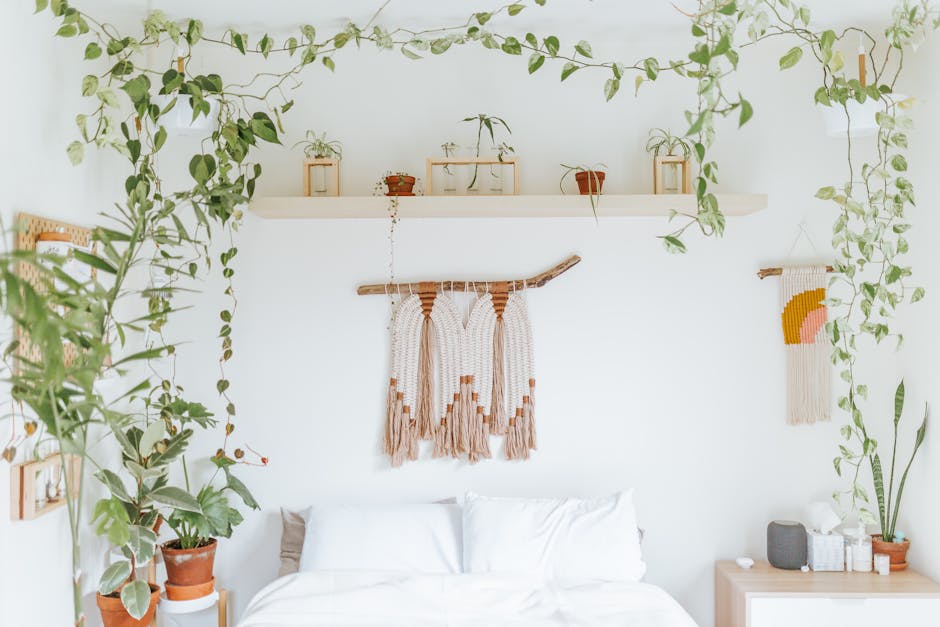
10 Awesome Tips to Find the Best Plants for Your Bedroom
Transform your sleeping space into a peaceful retreat with the right plants. Not only do indoor plants elevate the aesthetic of your bedroom, but they can also significantly enhance air quality, promote better sleep, and create a calming atmosphere. If you’re in search of the best plants for your bedroom, this comprehensive guide has you covered with ten amazing choices that will help you breathe easier and rest better.
Why Choose the Best Plants for Your Bedroom?
Integrating plants into your bedroom isn’t just about looks; it’s about creating a healthier environment. Scientific studies highlight how houseplants improve indoor air quality, reduce stress levels, and can even lead to better sleep.
Improved Air Quality
Plants such as the Golden Pothos and Areca Palm are effective at removing common indoor pollutants like formaldehyde and xylene found in many household items. Cleaner air equates to fewer allergens, which can enhance your restful experience.
Better Sleep
Certain plants are particularly effective in promoting relaxation and tranquility. For instance, Lavender and Gardenia are celebrated for their soothing aromas, which can help you unwind after a hectic day.
I’m Ben Trapskin, the creator of Yawnder, a journey initiated by my own sleep challenges. Let’s explore how to select the best plants for your bedroom to create a sanctuary dedicated to restful sleep.
Best Plants for Bedroom Air Quality
A well-placed plant can significantly enhance the air in your bedroom. Here are some top contenders:
Golden Pothos
Recognized for its air-purifying abilities, the Golden Pothos filters out toxic elements like formaldehyde, making it ideal for those without a green thumb.
Care Tips:
– Light: Thrives in low to bright, indirect light.
– Water: When the top inch of soil is dry.
Bamboo Palm
The Bamboo Palm not only adds a tropical flair but excels at removing toxins from the air, making it excellent for bedrooms.
Care Tips:
– Light: Prefers indirect sunlight.
– Water: Keep the soil slightly moist.
Dracaena
With various types to choose from, Dracaena effectively removes pollutants and adds sophistication to any area.
Care Tips:
– Light: Adaptable from low to bright, indirect light.
– Water: Every 1-2 weeks, allowing the soil to dry out in between.
Areca Palm
Known for raising humidity levels and filtering out toxins, the Areca Palm enhances comfort in dry spaces.
Care Tips:
– Light: Bright, indirect light.
– Water: Keep the soil moist but not soaked.
Gerbera Daisy
These vibrant flowers serve as powerful natural purifiers and also brighten up your space.
Care Tips:
– Light: Enjoys bright, indirect light.
– Water: Maintain moist soil.
Additional Choices
Other options include the versatile Philodendron, Weeping Fig, and resilient Chinese Evergreen, all known for their air-purifying qualities while enhancing your space décor.
Top 10 Bedroom Plants for Better Sleep
Enhance your slumber further by incorporating plants specifically known for promoting better sleep:
Snake Plant
A champion for sleep, the Snake Plant releases oxygen at night and requires minimal care.
Care Tips:
– Light: Adaptable from low to bright light.
– Water: Allow the soil to dry out between waterings.
Lavender
Celebrated for its calming scent, having a Lavender plant in your bedroom can reduce anxiety and improve your sleep quality.
Care Tips:
– Light: Prefers bright, direct light.
– Water: Keep the soil lightly moist.
Aloe Vera
Beyond its aesthetic appeal, Aloe Vera releases oxygen at night and requires little maintenance.
Care Tips:
– Light: Enjoys bright light.
– Water: Allow the soil to dry out thoroughly.
Gardenia
With its captivating fragrance, Gardenias can help soothe your mind and promote better sleep.
Care Tips:
– Light: Thrives in medium to bright light.
– Water: Keep the soil consistently moist.
Spider Plant
This easy-care plant removes harmful chemicals from the air and promotes oxygenation at night.
Care Tips:
– Light: Prefers indirect sunlight.
– Water: Keep the soil moist.
Additional Recommendations
Include plants like the calming Chamomile, Peace Lily, and Boston Fern for an enhanced sleep environment.
Low Maintenance Bedroom Plants
For those lacking time or expertise in gardening, low-maintenance options can still offer beauty and health benefits:
ZZ Plant
Resilient and virtually indestructible, this plant thrives in low-light conditions, making it an ideal choice for busy lives.
Care Tips:
– Light: Low to bright, indirect light.
– Water: Once every 3-4 weeks or when the soil is dry.
Lucky Bamboo
Believed to bring good fortune, Lucky Bamboo grows effortlessly in both soil and water.
Care Tips:
– Light: Moderate to low light.
– Water: Change the water every two weeks if grown in water.
Pothos
With its hardy nature, Pothos is excellent for beginners and adaptable to varying light conditions.
Care Tips:
– Light: Thrives in low to bright, indirect light.
– Water: When the soil feels dry.
Choosing Safe Plants for Pets
If you share your space with pets, opt for non-toxic plants to ensure their safety:
Chinese Money Plant
With its aesthetic appeal, the Chinese Money Plant is non-toxic and easy to care for.
Care Tips:
– Light: Bright, indirect light.
– Water: When the top inch feels dry.
Areca Palm
Adds a tropical vibe and is safe for pets while also improving air quality.
Care Tips:
– Light: Bright, indirect light.
– Water: Keep soil evenly moist.
Conclusion
Integrating the best plants for your bedroom is a simple yet effective way to enhance your space and improve your sleep quality. These green companions not only beautify your surroundings but also contribute to a healthier environment, ultimately supporting better rest and relaxation.
Whether you opt for air-purifying plants like the Golden Pothos or calming options such as Lavender, creating a serene sleep sanctuary is within reach. For other ways to achieve a restful environment, consider exploring sustainable bedding options that work harmoniously with your new green friends. Sweet dreams await as you transform your bedroom into a tranquil oasis!
Frequently Asked Questions About Best Bedroom Plants for Better Sleep
Is a Snake Plant worth it for my bedroom?
Yes, a Snake Plant is highly worth it for a bedroom due to its ability to release oxygen at night and its very low maintenance requirements. This makes it an ideal choice for enhancing air quality and promoting better sleep with minimal effort from your side.
Who are air-purifying plants like Golden Pothos best for?
Air-purifying plants like Golden Pothos are best for individuals looking to reduce common indoor pollutants and those who may not have a green thumb. They effectively filter out toxic elements such as formaldehyde, contributing to a healthier environment with easy care.
How does Lavender compare to other plants for promoting relaxation?
Lavender stands out for promoting relaxation primarily due to its celebrated calming scent, which can significantly reduce anxiety and improve sleep quality. While other plants like Gardenia also offer soothing aromas, Lavender is widely recognized for its direct impact on unwinding after a stressful day.
What are the downsides of using a Gerbera Daisy in my bedroom?
A potential downside of using a Gerbera Daisy is its need for bright, indirect light and consistently moist soil, which might require more attentive care than other low-maintenance options. While they are powerful purifiers and add vibrancy, they demand specific light and watering conditions.
Is the Areca Palm good for people in dry climates or with allergies?
Yes, the Areca Palm is particularly good for people in dry climates or those with allergies, as it is known for raising humidity levels and effectively filtering out toxins. This helps create a more comfortable environment and can reduce allergens for a more restful experience.
Where can I learn more about creating a sleep sanctuary with plants?
You can learn more about creating a sleep sanctuary with plants by visiting Yawnder’s online resources, or if you’re in the area, by speaking to sleep experts at our Encinitas, CA showroom. Our site offers extensive guides on how different elements, including plants, contribute to a healthier sleep environment like what Ben Trapskin, the creator of Yawnder, advocates.