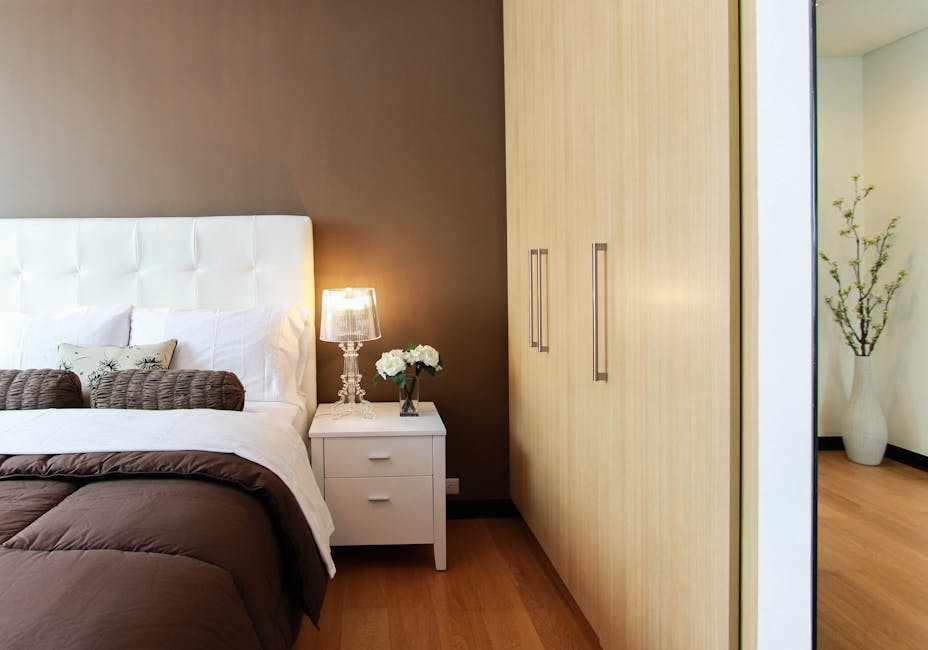
Quick answer: Begin with one small area, make room for the things you use most, and give everything a convenient place. A clear route to the door and a usable nightstand matter more than buying matching storage bins.
Use this guide as a flexible plan for your room and routine. An organized bedroom can feel easier to use, but no arrangement guarantees better sleep. If noise is also a concern, our bedroom soundproofing guide explains practical options.
Start with a 20-minute reset
- Pick one area: a nightstand, dresser top or section of the floor.
- Gather a laundry basket, trash bag and a box for items that belong elsewhere.
- Remove obvious rubbish and put dirty clothes in the hamper. Return the essentials you use daily.
- Sort the remaining items into keep, relocate, donate or decide later. Set aside sentimental or uncertain items without forcing a decision.
- Measure the available space before buying any organizers.
If 20 minutes is too much, spend five minutes on one surface. The goal is a room that works for you, not an empty room.
Give everyday items a home
Nightstand: Keep a lamp, water and the items you need overnight within reach. A small tray or drawer divider can contain glasses, a charger and lip balm without taking over the surface.
Clothing: Group frequently worn items at an easy-to-reach height. A hamper near the place you change and a hook for clothes you plan to rewear can prevent floor piles.
Work and reading: If the bedroom serves multiple purposes, use a basket, shelf or drawer to put supplies away when finished. There is no need to create a separate zone if space does not allow it.
Make storage fit the space
| Area | Practical option | Check first |
|---|---|---|
| Under bed | Low bins for spare linens or seasonal clothing | Clearance, dust, moisture and any mattress or base ventilation instructions |
| Closet | Shelf dividers, hooks or labeled containers | Shelf load limits and items you need to reach |
| Foot of bed | Storage bench for blankets | Enough space to walk and open drawers |
| Nightstand | Small tray or drawer organizer | Access to medication, glasses and phone if needed |
For seasonal rotation, label containers and store clean, dry items. Avoid crowding the underside of a bed if the manufacturer requires airflow or if the room has a moisture problem.
A multi-purpose ottoman or dresser may help, but existing boxes and dividers can work just as well. Secure tall or unstable furniture as the manufacturer directs, especially where children may climb.
Keep the layout usable and safe
Arrange the bed and furniture around the room’s actual doors, windows and daily needs. Keep a clear path to the door and do not block emergency exits. The U.S. Fire Administration recommends keeping exits clear and planning ways out of each room.
Keep bedding, clothing and other combustible items away from heaters, and follow each heater’s clearance instructions. Avoid placing charging devices under pillows or blankets. Leave space for mobility aids and keep important items accessible at night.
A routine that takes a few minutes
- Put clothes into the hamper, closet or rewear area.
- Return cups and dishes to the kitchen.
- Clear the walkway and reset the nightstand.
- Once a week, return items that have migrated into the room and empty the donation box when convenient.
If a system repeatedly fails, change the location or use an open basket rather than adding more steps. Storage should make the next use easier.
Frequently asked questions
Where should I start if the room feels overwhelming?
Choose a small, visible area and set a short timer. Stop when it rings or continue if you want to.
What is the best storage for a small bedroom?
It depends on the room. Start with existing closet, drawer and under-bed space, and measure before purchasing containers.
Is it fine to store things under the bed?
Often, yes, if the space is dry and storage does not interfere with ventilation, moving parts or the bed manufacturer’s instructions.
How can two people share a small bedroom?
Agree on shared spaces, give each person a reachable area for daily items, and revisit the arrangement when needs change.
Do I need to get rid of everything I do not use?
No. Keep what matters to you and make decisions at your own pace, especially for sentimental or essential items.
Final take: Start small, use storage that fits your habits and keep paths and essentials accessible.