Awara mattress review (2026): Essential, Classic or Premier?
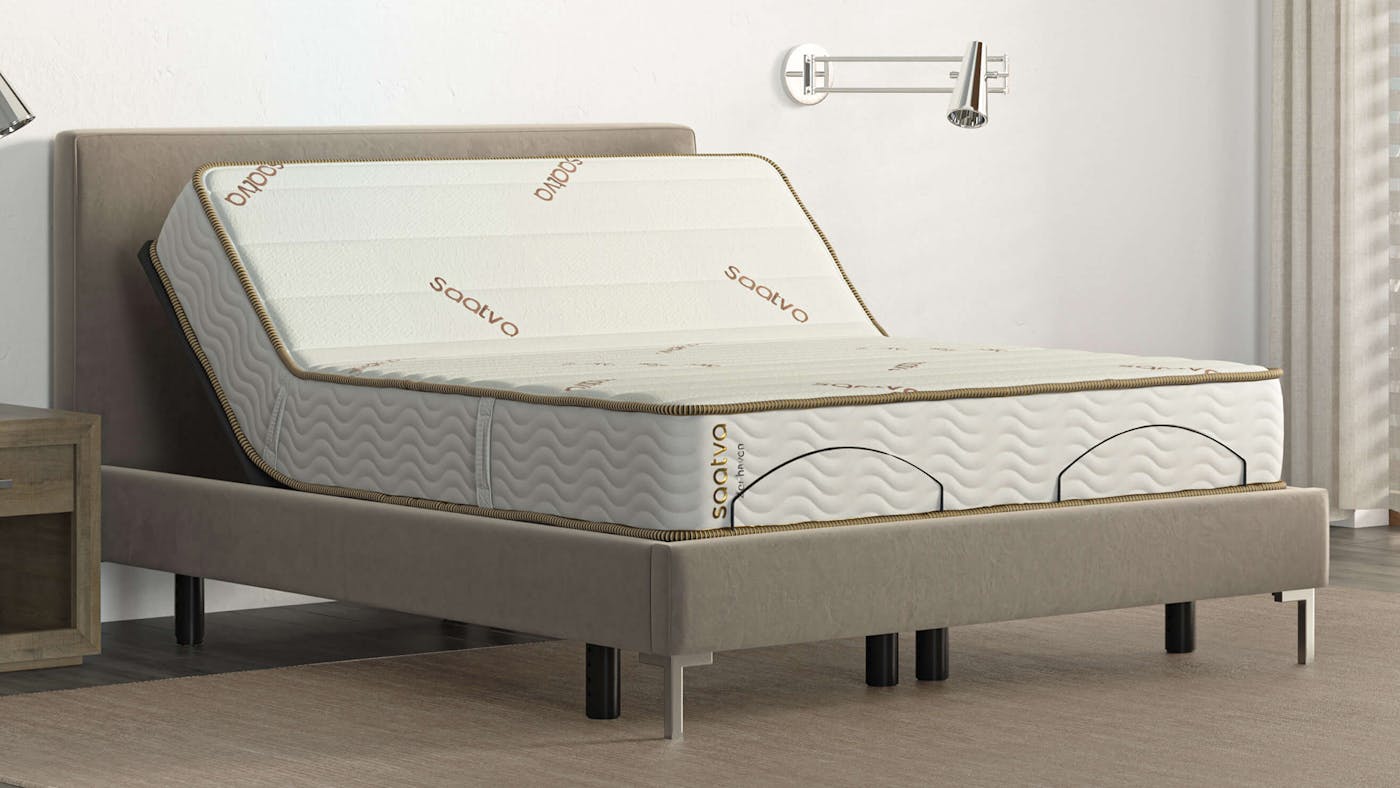
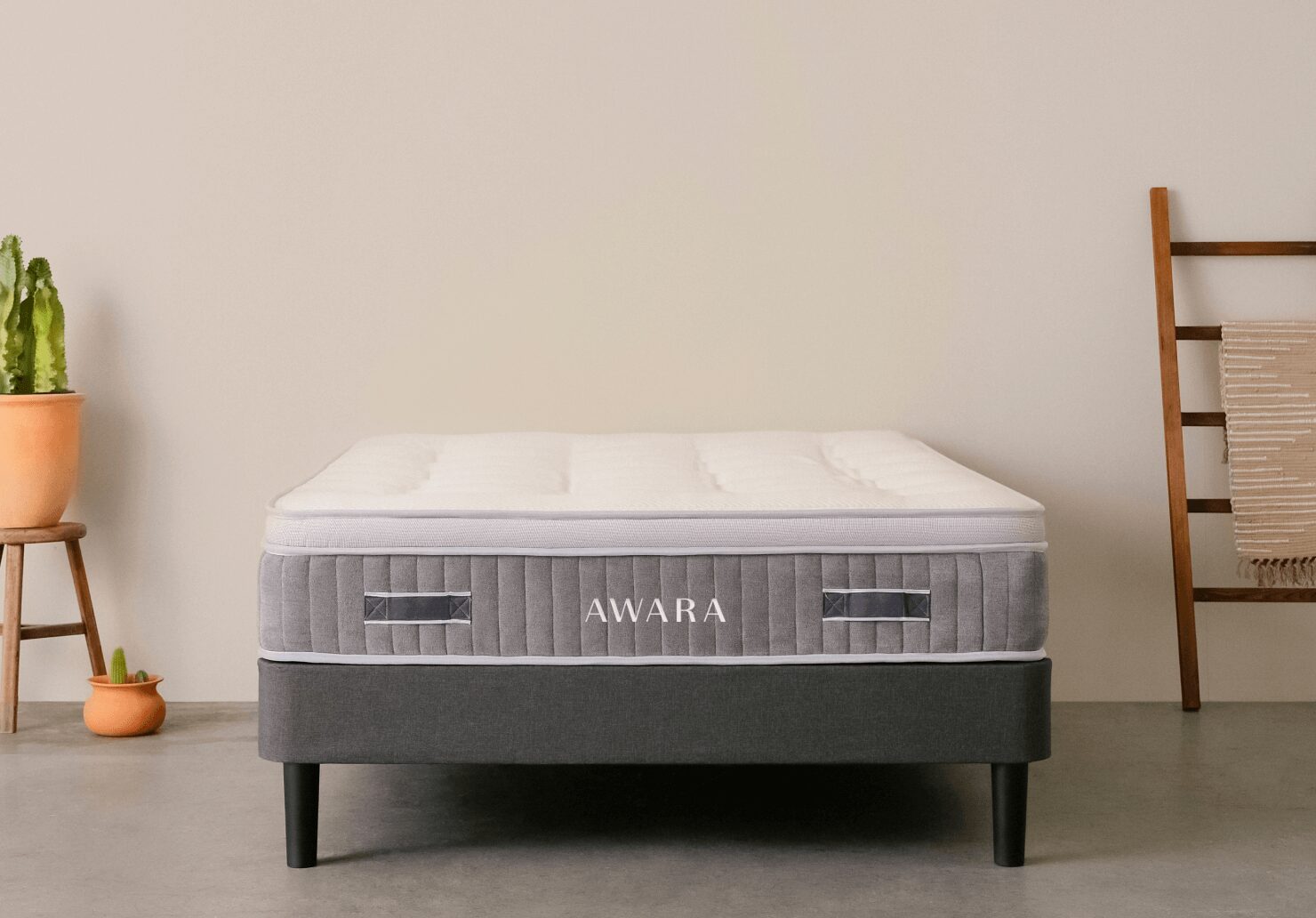
The short answer: Today's Awara range includes three latex-and-pocket-coil hybrids. Essential and Classic are 10-inch mattresses; Premier adds two inches of latex cushioning for a 12-inch overall height. The models are different, so a review of an earlier Awara mattress cannot automatically be used as a test result for all three current configurations.
| Awara model | Height | What you get |
|---|---|---|
| Essential Hybrid | 10" | Latex comfort over wrapped coils at the lowest advertised price tier |
| Classic Hybrid | 10" | Certified organic latex and wool in the familiar latex-coil design |
| Premier Hybrid | 12" | Thicker latex comfort system and quilted euro top; more room for shoulder/hip cushioning |
Who should consider an Awara latex hybrid?
Back and combination sleepers who like a springy surface may appreciate how latex rebounds after each movement. Compared with slow-response memory foam, latex usually lets you roll and reposition without as much of a stuck-in-the-bed sensation. Side sleepers who need greater pressure relief may favor the Premier's thicker comfort stack, but heavier people must still check spinal alignment. Very light sleepers and those who prefer the hug of dense foam should try different comfort types before committing.
Temperature: the coil core creates more airspace than an all-foam block. Wool can manage some surface moisture, but neither characteristic establishes a numerical cooling performance result. Edge stability: individually wrapped coils and edge reinforcement may help but should be evaluated on the exact model. Motion transfer: bounce can make a bed easier to reposition on while allowing more movement than some foams; partner sensitivity matters.
Trials and customer service are separate from the feel review
Awara currently advertises a 365-night manufacturer-direct trial and Forever Warranty on eligible mattress orders. Those policies have conditions, and a mattress purchased at Yawnder instead follows Yawnder's separate mattress return policy. Check the written receipt and order channel before seeking a return or warranty claim. For an unresolved service issue, use your order number and the brand's published contact route; don't rely on a phone number copied from an old blog post.
Source and testing disclosure: Model information is based on Awara's current lineup and Premier Hybrid specifications. The original Awara observations farther down the review remain as historical context; this 2026 buyer guide is not a claim that we re-measured three current mattresses in the lab.
Yawnder Reviews · Original review material restored September 2026
Awara Mattress Review: Natural Latex Hybrid Context Restored
The Awara page had lost much of its original hybrid/material discussion and had become mixed with unrelated or overly broad claims. This version restores the useful mattress-specific content.
Latex hybrid construction
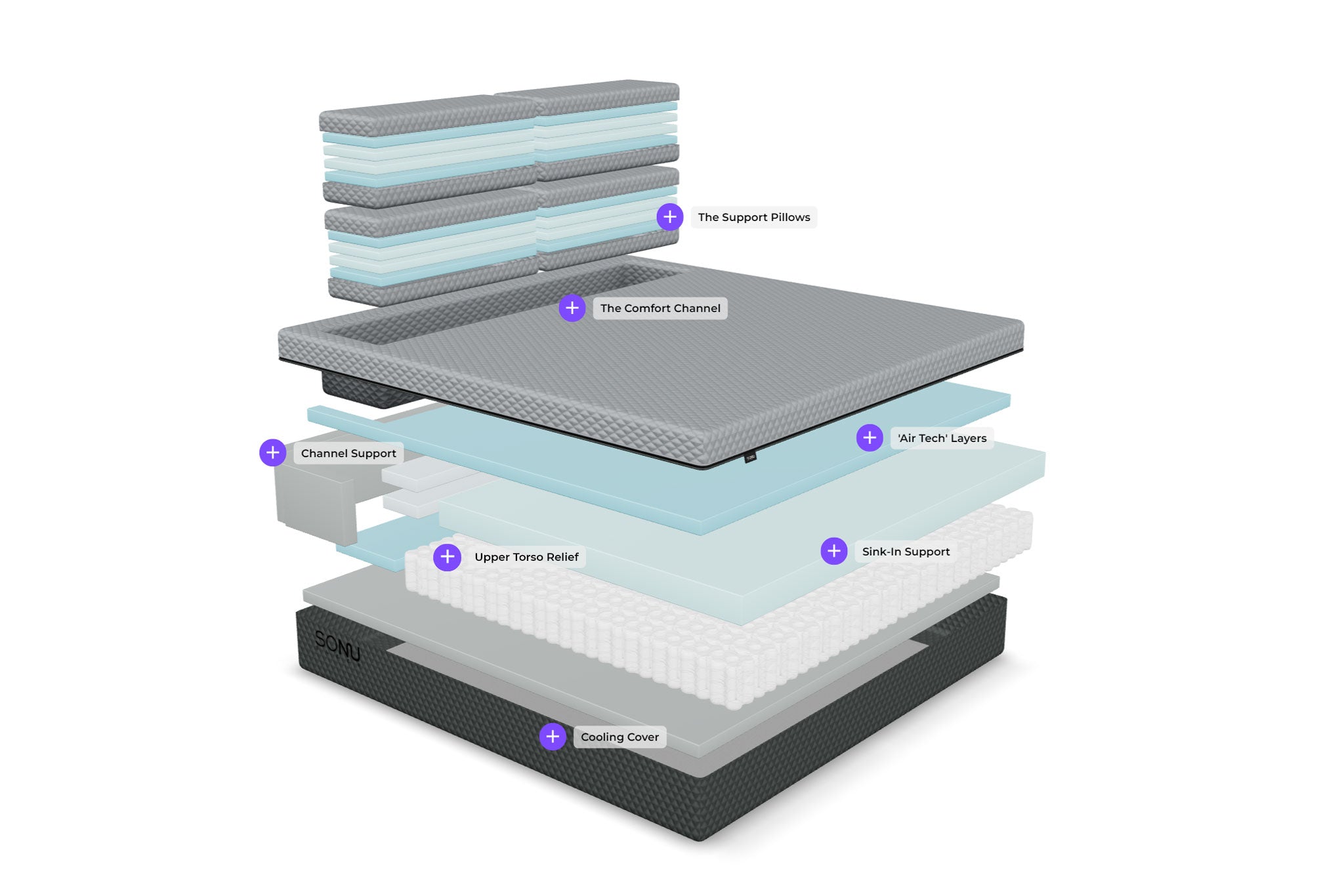
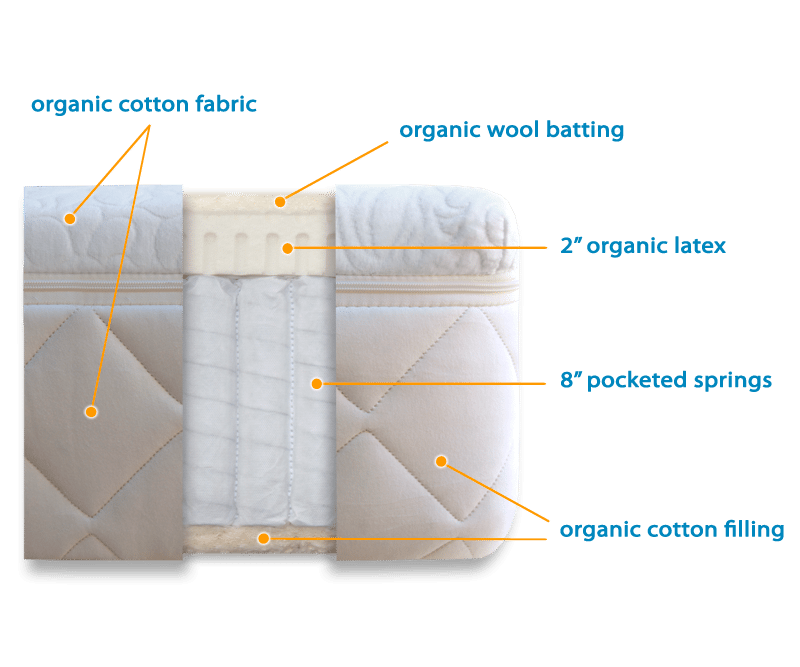
Awara combined a latex comfort layer with a pocketed-coil support system. That creates a buoyant, responsive surface with more edge support and airflow than a typical all-foam mattress.
Firm, spring-forward feel
Latex and coils both recover quickly, so Awara feels more on-top-of-the-bed than a soft memory-foam mattress. It is better suited to sleepers who like responsiveness than those wanting a deep slow cradle.
Natural-material positioning
The brand emphasized latex, cotton and wool in its construction. Exact certifications and sourcing should be checked on the current model rather than assumed from older marketing.
Return/customer-service caveat
The older article also documented complaints about return logistics and customer service. Those reports are historical and can vary by customer, but they are worth keeping as a reminder to read the current return process before ordering.
Current-shopping note
Awara’s ownership, construction and policies have changed over time. Check today’s trial/return requirements and exact materials rather than relying on old terms.
Affiliate link: Yawnder may earn a commission at no additional cost to you. Confirm the current model and availability with Awara.
Yawnder Reviews · Disclosure: Some links may be affiliate links. Current specifications and policies can change.