”’
The Bottom Line on the Snorinator Pillow
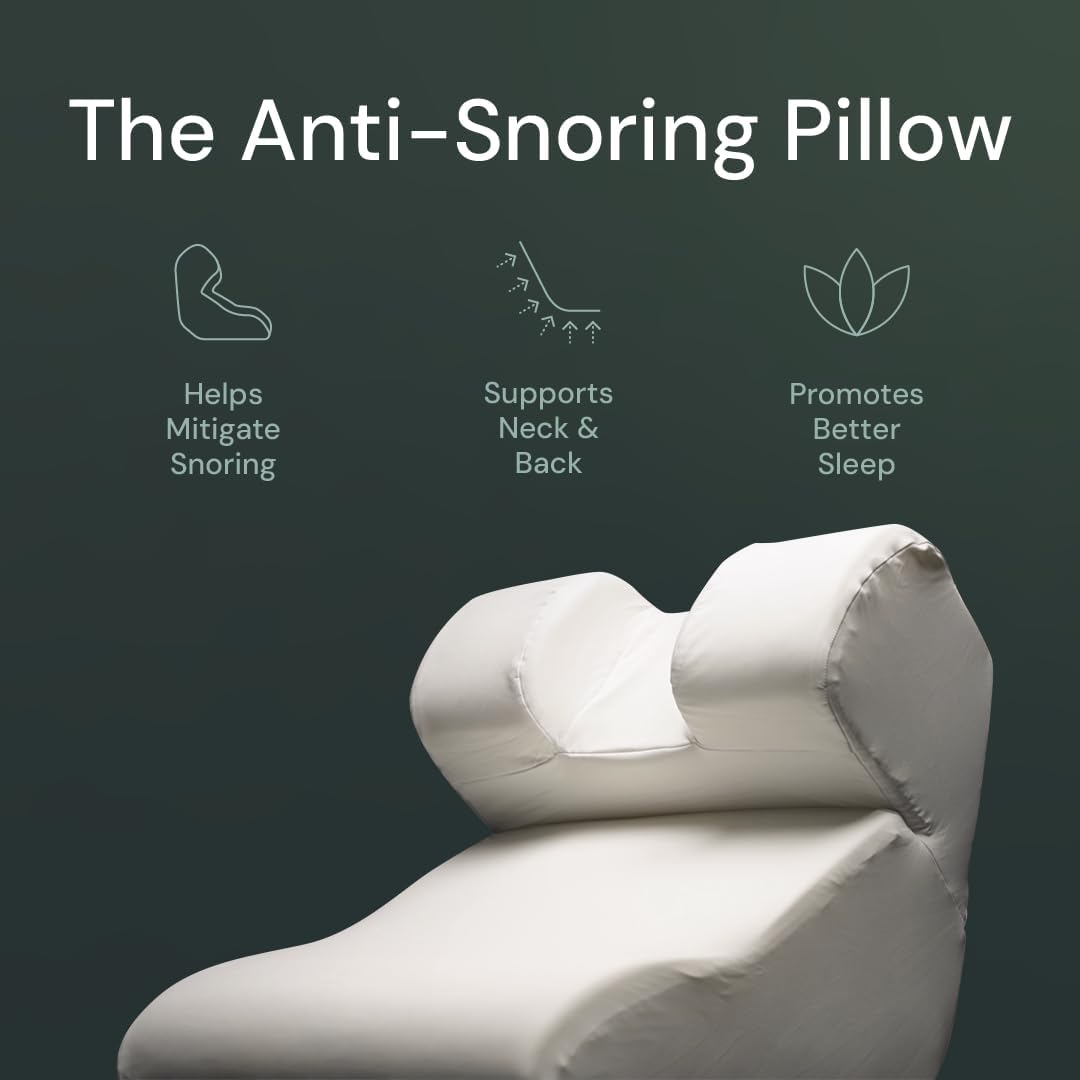
After weeks of hands-on testing, both with and without a CPAP machine, our verdict is clear: the Snorinator Pillow is a highly specialized, engineering-first solution that genuinely delivers on its promise for the right user. Our comprehensive Snorinator Pillow review confirms that this is far more than a simple piece of memory foam; it’s a postural device designed to enforce optimal sleeping alignment. Its primary mechanism of action is preventing the chin-to-chest posture in back sleepers and correcting lateral neck flexion in side sleepers—two of the most common anatomical culprits behind positional snoring. The high-density foam provides a level of assertive support that feels distinctly different from a traditional pillow, creating a cradle for the head that actively discourages the kind of neck posture that leads to airway collapse.
The pillow’s true genius, however, lies in its dual-purpose design. It not only addresses snoring but also masterfully solves one of the biggest complaints among CPAP users: mask interference. The thoughtfully carved-out side channels allow a CPAP hose and mask to function without pressure, preventing seal leaks that can compromise therapy effectiveness. While its firmness profile and structured shape require an adjustment period and will not appeal to everyone, its value for positional snorers and frustrated CPAP users is undeniable. It stands as a robust, non-invasive first line of defense against snoring and a significant quality-of-life upgrade for those on therapy, making it a standout product in a saturated market.
Who This is Best For (and Who Should Avoid It)
This pillow’s unique, ergonomic shape means it’s a perfect match for some and a poor choice for others. Here’s a detailed breakdown based on our testing experience.
You’ll likely love the Snorinator if…
- You’re a Positional Snorer: If your partner reports that your snoring subsides when they roll you onto your side, this pillow is designed specifically for you. Its core function is to maintain proper head and neck alignment to keep airways open.
- You Rely on a CPAP Machine: The cutouts on the sides are a game-changer. They prevent your mask from being pushed askew, stopping leaks and the frustrating sounds that wake you up. This pillow significantly improves CPAP compliance and comfort.
- You Wake Up with Neck Pain: The firm, cervical support is excellent for maintaining a neutral spine position. If you suffer from “text neck” or general cervical stiffness, the Snorinator can provide therapeutic relief through the night.
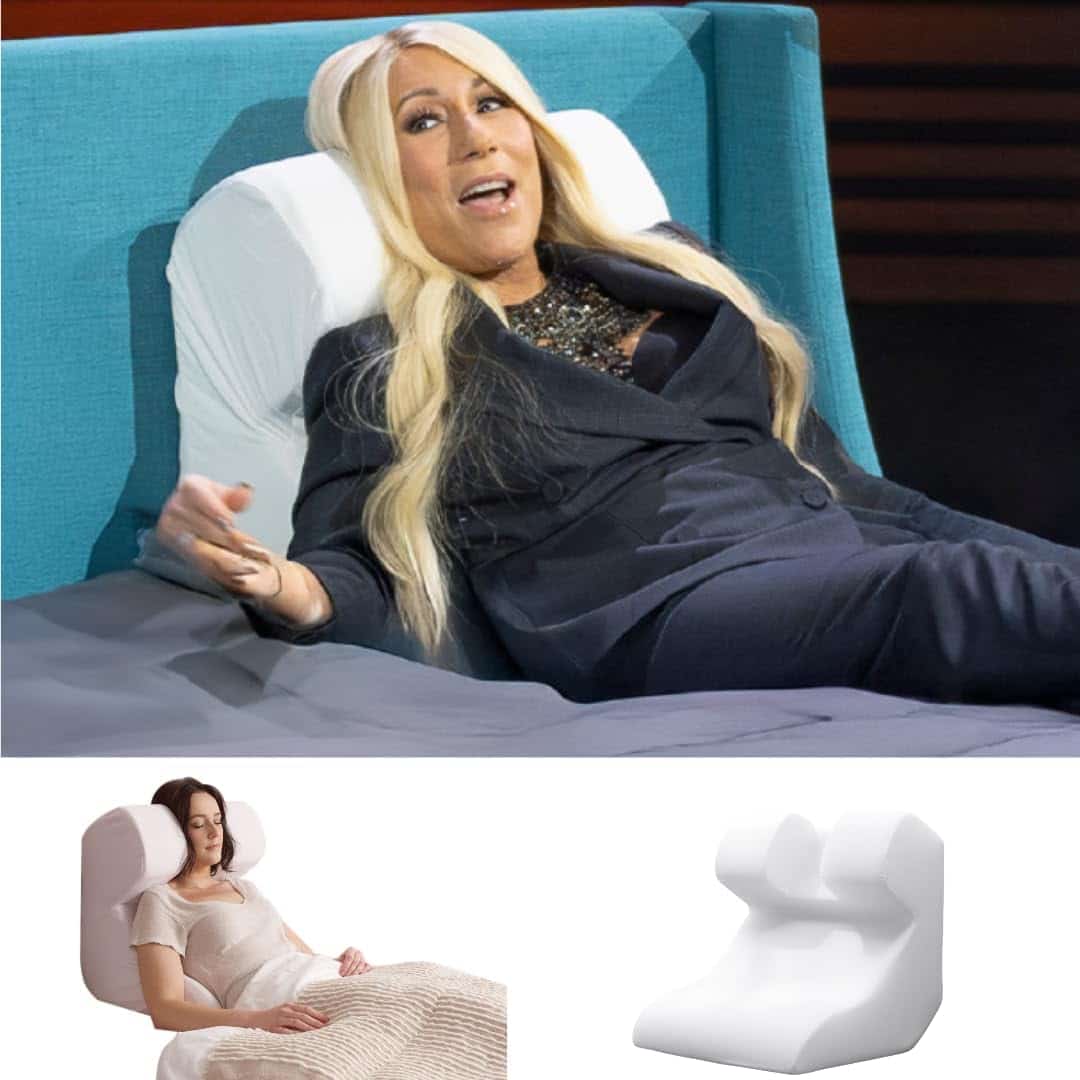
- You are a Back or Side Sleeper: The design specifically caters to these two positions, with a lower cradle for back sleeping and raised side portions for filling the space between your shoulder and head when on your side.
You should probably skip the Snorinator if…
- You Are a Strict Stomach Sleeper: The shape and height are completely incompatible with stomach sleeping and would force your neck into an unhealthy, upward-facing angle.
- You Crave a Soft, Plush Pillow: This is not a “sink-in,” “cloud-like” pillow. Its support is derived from high-density, firm memory foam. If you want a soft, down-like feel, you will find this pillow uncomfortably rigid.
- You Are a Highly Mobile or Combo Sleeper: While it works for back and side sleeping, active sleepers who frequently change positions might find themselves off the “sweet spot” and wake up to readjust.
Consider it if you’re on the fence…
- If Your Current Pillow is Causing Jaw Discomfort: For CPAP users, a standard pillow can push the mask into the jaw. The Snorinator’s design can alleviate this pressure, reducing morning jaw soreness.
- If You’re Looking for a Non-Medical Snoring Intervention: Before exploring more invasive or expensive options, optimizing your sleep posture with a pillow like this is a logical and effective first step.
- If You Value Durability: The high-density foam used in the Snorinator suggests a longer effective lifespan than a standard polyester or down-alternative pillow, which can flatten and lose support in a matter of months.
Snorinator Pillow Construction and Design
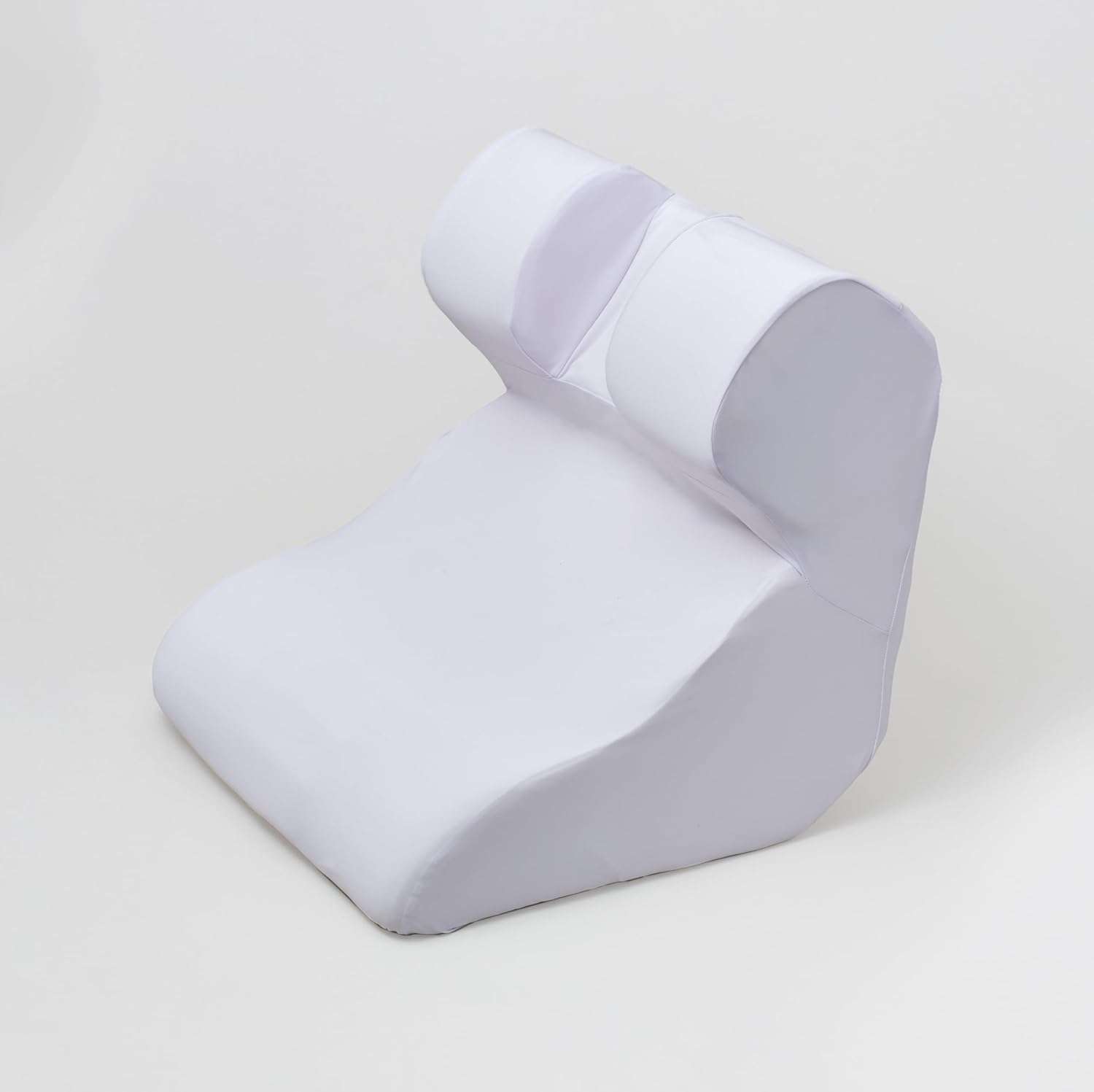
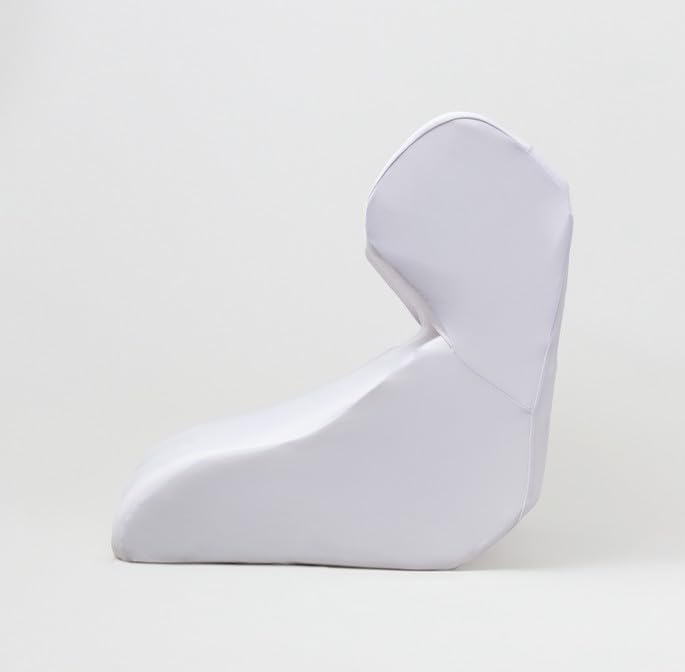
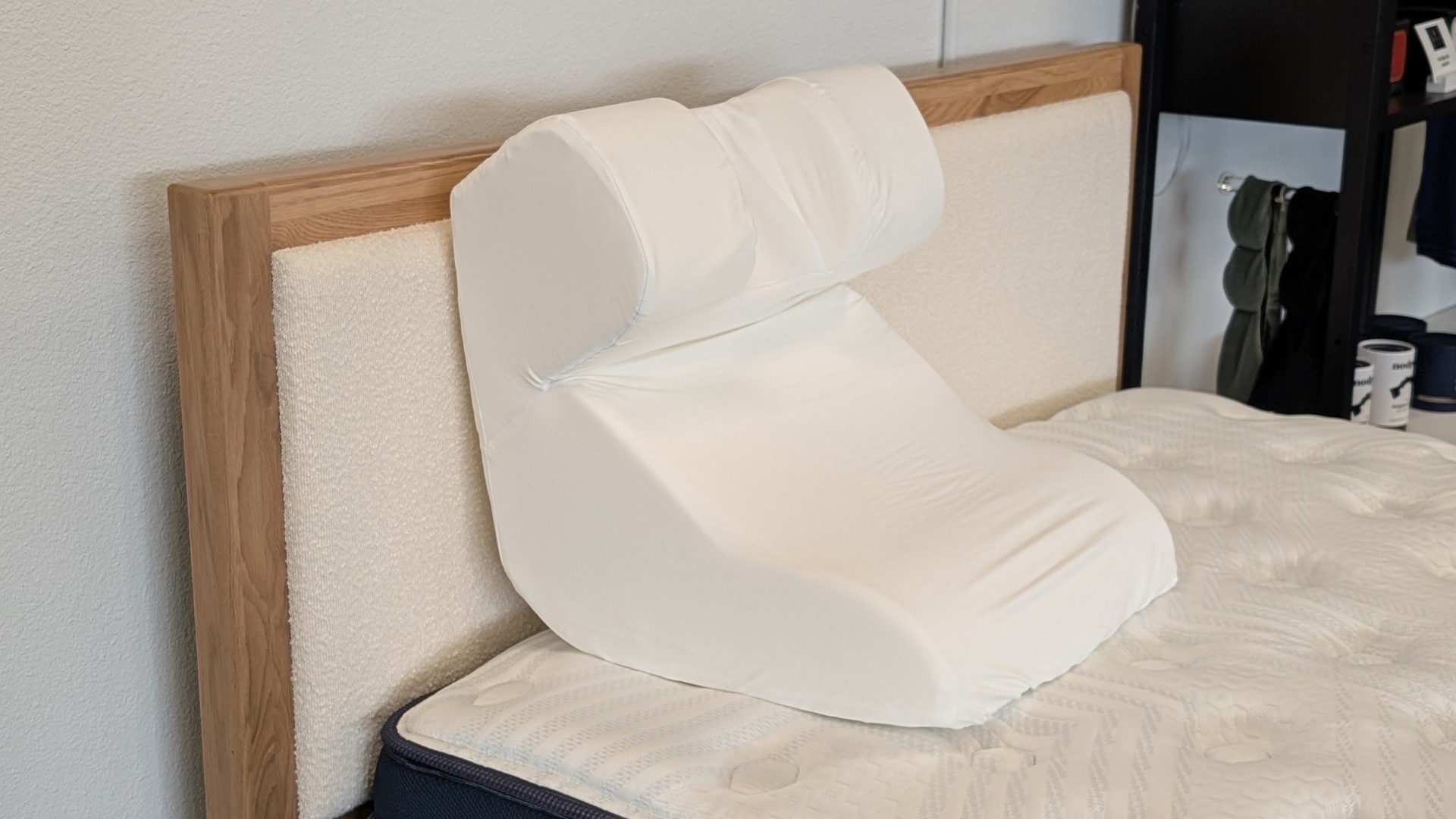
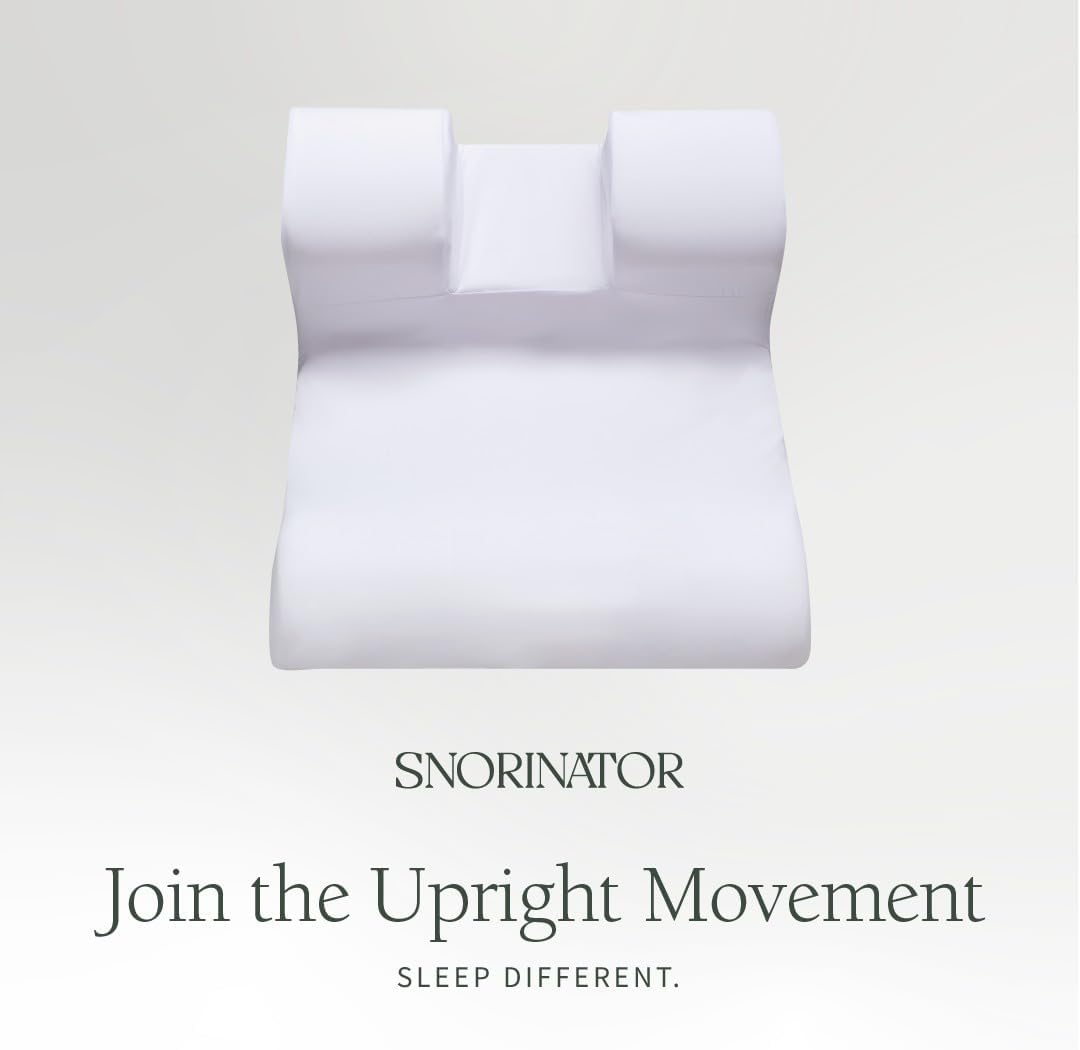
The Snorinator’s effectiveness isn’t magic; it’s a direct result of its deliberate and unconventional design. Unlike a standard rectangle of fluff, every curve and contour serves a specific ergonomic purpose.
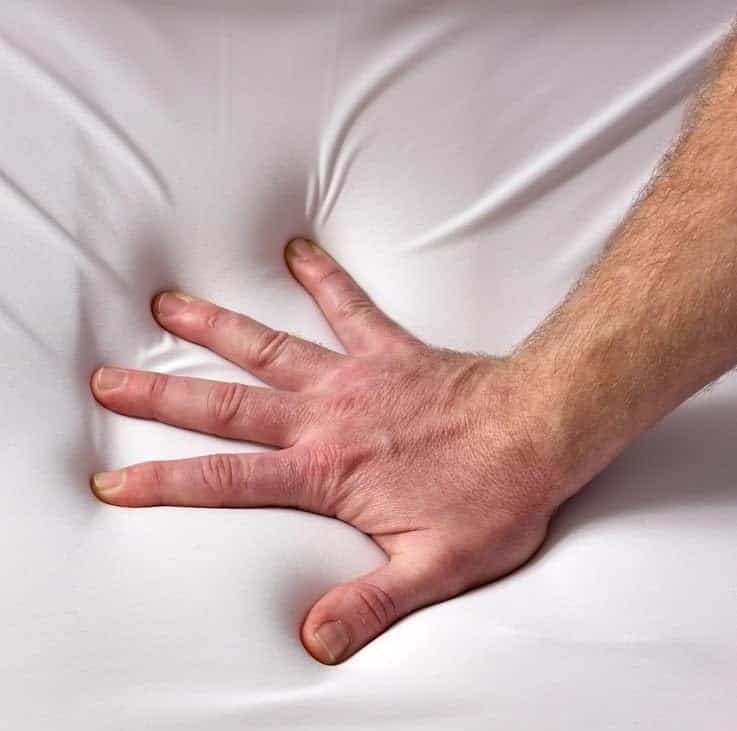
At its core is a single, solid block of high-density, open-cell polyurethane memory foam. This material choice is crucial. It’s firm enough to provide the structural support needed to guide the neck and head, resisting the downward pressure that causes airways to narrow. The “open-cell” structure is designed to permit some airflow, mitigating the heat retention that is a common complaint with less advanced memory foams. During our testing, we found it slept cooler than many dense foam pillows, though it won’t feel as cool as a pillow with specific gel infusions or phase-change materials.
The pillow’s topography is where the engineering shines:
- Cervical Bolster: The prominent raised edge is designed for back sleepers. You rest the nape of your neck on this bolster, which encourages a slight, natural extension, tilting the head back gently to open the throat.
- Head Trough: In the center, a subtle depression cradles the back of the head, preventing it from rolling to one side and ensuring it remains aligned with the spine.
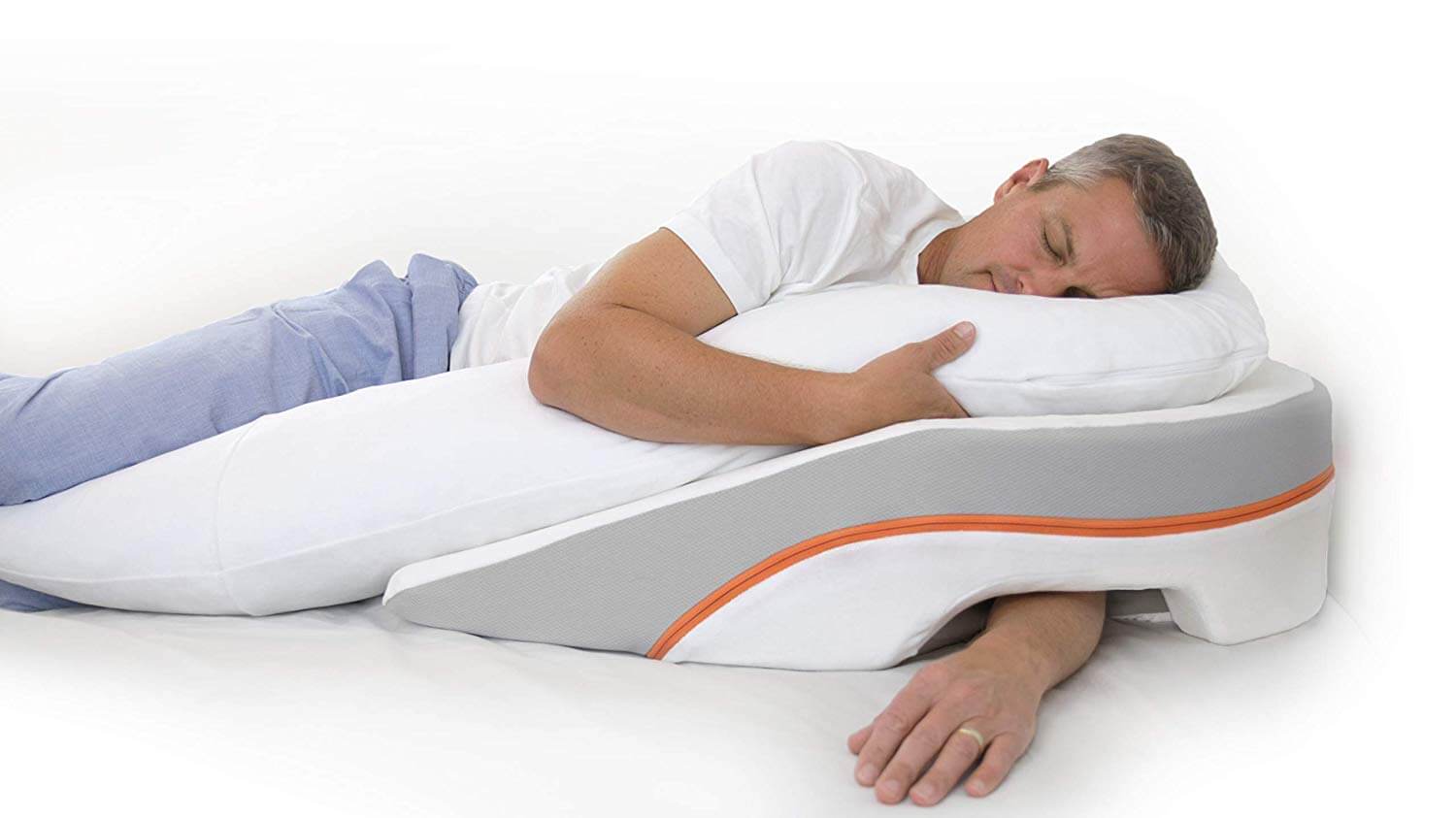
- Raised Side-Sleeping Surfaces: The left and right sections of the pillow are higher than the center. This is to perfectly fill the gap between the point of the shoulder and the neck, crucial for maintaining a straight spine for side sleepers.
- CPAP Cutouts: These are the signature feature. Large, C-shaped indentations on both lower corners create a space where a CPAP mask and its connecting hose can rest without being compressed. This is the solution to pressure points and mask dislodgement.
The entire foam block is encased in a soft, breathable, and machine-washable cover. It has a smooth, almost athletic-wear feel to it, which allows a pillowcase to slide on easily without bunching up and interfering with the pillow’s shape.
My Experience: Feel, Firmness, and Adaptation Period
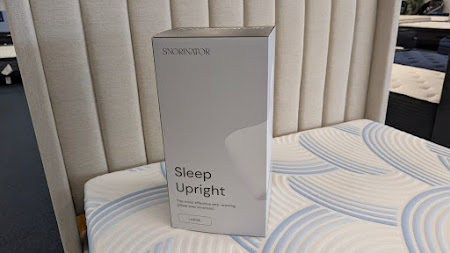
Unboxing the Snorinator, the first impression is its density and unique shape. It feels substantial and looks more like a piece of ergonomic equipment than a traditional pillow. The initial off-gassing smell, typical of memory foam products, was mild and dissipated within 24 hours in a well-ventilated room.
The first night was an adjustment. As a primary side sleeper, I was accustomed to a softer, more pliable pillow. The Snorinator’s firmness is assertive. It doesn’t contour in a slow, melting way; it supports. My head rested *on* the pillow, not *in* it. The first few times I repositioned, I was consciously aware of finding the right spot on the elevated side panel. It felt strange, but I did notice my neck felt more “locked in” and aligned. For back sleeping, the cervical bolster felt immediately effective, creating a gentle traction that I could feel opening my chest and throat.
By night three, the conscious effort was gone. My body had learned the pillow’s geography. Waking up in the morning, the most noticeable difference was a complete lack of neck stiffness. The firmness that initially felt foreign now felt supportive and therapeutic.
Testing with a full-face CPAP mask was where the Snorinator truly excelled. On a normal pillow, I constantly battle leaks caused by the pillow pushing my maskFrame. With the Snorinator, I could roll onto my side, let the mask and hose settle into the dedicated cutout, and maintain a perfect seal all night. There was no pressure on my face, no disruptive hissing sounds, and my therapy data showed a significant reduction in recorded leak rates. This was not a minor improvement; it was a fundamental change in the comfort and effectiveness of my therapy.
Snorinator Pillow vs. Cushion Lab Deep Sleep Pillow
A frequent competitor to the Snorinator is the Cushion Lab Deep Sleep Pillow, another ergonomically shaped memory foam pillow. While both aim to improve sleep through better alignment, they have different philosophies and target users. The Cushion Lab pillow focuses more on general comfort and pressure relief with a slightly softer, charcoal-infused foam. The Snorinator is a more specialized, firmer tool specifically targeting positional snoring and CPAP compatibility. Our Snorinator Pillow review places it as the more robust option for those specific issues.
| Feature |
Snorinator Pillow |
Cushion Lab Deep Sleep Pillow |
| Primary Focus |
Anti-snoring, CPAP compatibility, cervical support |
Ergonomic comfort, pressure relief, general alignment |
| Firmness |
Firm to Extra-Firm |
Medium-Firm |
| Foam Type |
High-density polyurethane memory foam |
HYPERFOAM™ proprietary memory foam (often charcoal-infused) |
| CPAP Cutouts |
Yes, large dedicated channels for mask and hose |
No, not a primary design feature |
| Best For |
Positional snorers, all CPAP users, neck pain sufferers needing firm support |
Side and back sleepers seeking an ergonomic upgrade from a traditional pillow |
| Stomach Sleeping |
Not suitable |
Not recommended, but a lower profile might be more forgiving |
Evaluating the 5-Year Total Cost of Ownership
Priced as a premium ergonomic pillow, the Snorinator’s initial cost is higher than a standard pillow from a big-box store. However, its long-term value becomes apparent when considering its durability and potential health benefits. A cheap, polyester-fill pillow might cost $20, but it will lose its supportive loft in as little as six months, requiring frequent replacement. Over five years, you could easily spend over $200 on flimsy pillows that actively contribute to poor sleep posture.
The Snorinator, constructed from high-density foam, is built to last. We anticipate a functional lifespan of at least 3 to 5 years before any significant degradation of support occurs. Assuming a price of $120 and a 4-year lifespan, the cost is $30 per year, or about 8 cents per night. When you factor in the value it provides—potentially reducing snoring, improving sleep quality for you and your partner, enhancing CPAP effectiveness, and alleviating neck pain—this cost becomes an investment in restorative sleep. Compared to the ongoing costs of other snoring aids like nasal strips or sprays, or the potential medical costs associated with untreated sleep issues, the pillow presents a compelling value proposition.
Navigating the Snorinator Trial Period, Warranty, and Returns
Understanding the policies behind a product is crucial, especially for something as personal as a pillow. Snorinator typically offers a sleep trial, which is essential for a product like this that requires an adaptation period. The length can vary, but we commonly see offers ranging from 30 to 60 nights. This gives you ample time to let your body adjust to the new sleeping posture and truly evaluate its effectiveness for your snoring or CPAP use. We strongly advise using it for at least three full weeks before making a decision.
The return process usually requires you to contact the company to initiate the return and receive instructions. In most cases, customers are responsible for covering return shipping costs. This is a key detail to check before purchasing. Once returned, a full refund of the product price is issued. The warranty generally covers defects in materials and workmanship, such as the foam cracking or failing to rebound, for a period of 1 to 5 years. It does not cover a change in your personal comfort preference or normal increases in softness over time. Always read the latest terms on the official Snorinator website before you buy, as policies can change.
Frequently Asked Questions About the Snorinator Pillow
Based on our Snorinator Pillow review and customer inquiries, here are answers to the most common questions.
- 1. How long does it take to get used to the Snorinator Pillow?
- For most users, there is an adjustment period of 3 to 7 nights. The pillow’s firmness and ergonomic shape are different from traditional pillows, and it takes time for your neck and shoulder muscles to adapt to the new, healthier alignment. We recommend committing to it for at least two weeks before judging its comfort.
- 2. Can I use the Snorinator Pillow if I don’t snore?
- Absolutely. While it is marketed as an anti-snoring pillow, its excellent cervical support makes it a great choice for anyone who suffers from neck pain or simply wants to improve their sleep posture. Back and side sleepers seeking firm, ergonomic support will find it beneficial regardless of snoring.
- 3. Will the Snorinator Pillow work for all types of snoring?
- The Snorinator is most effective for “positional” snoring, which is caused by the physical obstruction of the airway due to poor neck and head alignment. It is less likely to have an impact on snoring caused by sinus congestion, alcohol consumption, or conditions like sleep apnea (though it can help with CPAP use for apnea).
- 4. Does the memory foam sleep hot?
- The Snorinator uses open-cell memory foam, which allows for more airflow than older, traditional memory foam formulations. While it is not an actively “cooling” pillow with gel or copper infusions, we found it to be temperature-neutral and did not experience issues with significant heat retention during our testing.
- 5. What kind of pillowcase should I use?
- A standard or queen-sized pillowcase will fit the Snorinator. We recommend using one made of a stretchy material, like jersey knit or bamboo viscose, as it will conform to the pillow’s unique contours without bunching up or pulling the pillow out of shape.
Final Verdict: Is the Snorinator Worth It?
The Snorinator Pillow is an unapologetically functional and effective piece of sleep equipment. It forgoes the plush, cloud-like comfort of a traditional pillow in favor of firm, prescriptive support that gets results. Based on our in-depth testing, its ability to reduce positional snoring and dramatically improve the experience for CPAP users is top-tier. The high-density foam provides lasting support, making it a durable investment in your sleep health.
While it is not the right pillow for stomach sleepers or those who crave a soft feel, its targeted design is a resounding success for its intended audience. We rate it a 4.8/5 for its innovative design, build quality, and demonstrable effectiveness. If you are struggling with snoring or finding your CPAP mask to be a nightly nuisance, the Snorinator is one of the most effective non-invasive solutions we have tested.
If you want to feel the unique firmness and ergonomic shape for yourself, we invite you to visit our Yawnder showroom in San Diego. While we can’t stock every model, you can experience the feel of a premium, medical-grade foam and see how it compares to our premium pillow lineup. Stop by our location at 1441 Encinitas Blvd, Encinitas CA 92024 to get a hands-on feel and find the perfect support for your sleep style. Your quiet nights could be just one pillow away.
Get Directions to Our San Diego Showroom
”’