
Coop Mattress Pad Review: Original Test and Findings

Packaging for a Premium Coop Mattress Pad by Coop Home Goods. The package features an image of a bed with the mattress pad in a modern bedroom setting. Key features and benefits are listed, along with a 15-year warranty seal on the top right corner.

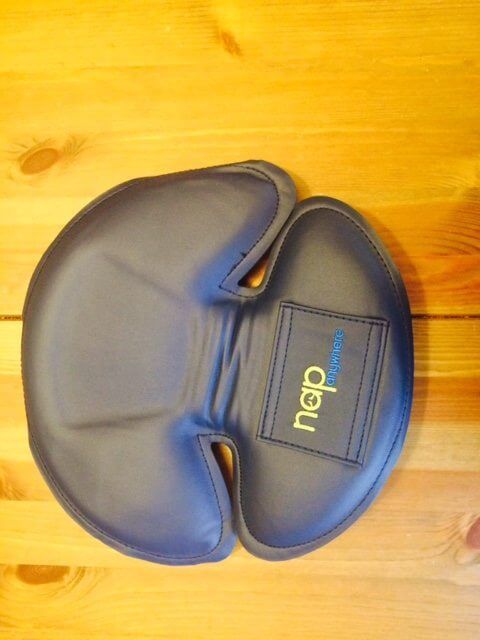
Yawnder reviews · Original 2015 testing archive · Refreshed October 2026 This update distinguishes original hands-on evidence from current product availability and makes no newly invented numerical test claims. VerdictPhotosBest forOriginal findingsQuick factsAlternativesFAQ Original Coop pad product photograph. Quick verdict The original Coop pad was a useful example of combining a softer textile surface with … Read more

Dream Skin Pillowcase Review

A large white pillow stands upright against a light background. In front of it is a product package for the "Dream Skin Pillowcase." The package features an image of a smiling woman lying down and text detailing the beauty benefits of the pillowcase.

Does the Dream Skin pillowcase live up to its beauty-sleep claims? Our review examines the fabric, sleep feel and what wrinkle-related marketing can and cannot establish.

Best Shredded Latex Pillows

A white pillow with a zipper is partially open, revealing a pile of small, crumbled white material spilling out onto a quilted mattress below. The surface of the mattress is also white, creating a clean and soft appearance that truly makes this the best pillow for any bedroom.

A look at Savvy Rest’s shredded latex pillow, including adjustable fill, loft and differences from shredded memory foam. Comfort and materials are worth checking against the current version.

Best Mattress for College Students in 2026

Best Mattress for College Students in 2026 — Yawnder Reviews

Finding the perfect mattress for college doesn’t have to be a chore! With exceptional options like Nectar and Oki Oki, you’ll enjoy quality sleep without breaking the bank, plus hassle-free returns mean you can rest easy knowing you’ve made the right choice!

HemingWeigh Acupressure Mat Review

A person wearing a black sports bra and black shorts lies on an acupressure mat with white circular pressure points. The person has their eyes closed and appears to be relaxing or meditating.

My verdict on the HemingWeigh acupressure mat

I found the mat uncomfortable at first but relaxing after I got used to its plastic points. In my original review, I described using it in the evening after workouts and feeling that it helped me unwind before sleep. That is my personal experience with one older mat, not proof that it treats insomnia, improves circulation or speeds muscle recovery.

Original hands-on impressions from 2014–2015; current versions, accessories and prices may differ.

My original hands-on experience

I started using the HemingWeigh mat after receiving it at Christmas 2014. Its surface consists of groups of plastic points that press against the body. The first time I lay on it, I wore a T-shirt because I was concerned the points would hurt. I initially felt sharp pressure, followed by a warming sensation and a more relaxed feeling after several minutes.

Once accustomed to the mat, I used it for about 25 minutes at a time, often after a workout and shower. I felt it helped me wind down; the review did not measure sleep or recovery, and I cannot determine the biological cause of the sensation I felt.

My version came with a headrest and carrying case. I waited several sessions before trying the headrest and found positioning important; I considered it a nice option rather than the main reason to buy the set. Check the listing for the exact accessories included today.

The original Amazon link may lead to a different or unavailable listing; confirm brand and contents. Yawnder may earn a commission from qualifying purchases.

What to expect and how to start

The points create a distinctly prickly sensation. If you choose to try a mat, follow its instructions, start gently and use a layer of clothing if that makes the pressure more comfortable. Stop if the sensation is painful or causes irritation. My 25-minute routine is a description of my experience, not a recommended treatment duration.

Avoid placing the mat on broken or irritated skin. If you are pregnant, have a bleeding or skin condition, reduced sensation, or are unsure whether pressure is appropriate, ask a health professional first. The Cleveland Clinic's acupressure overview discusses precautions; a spiked mat is not the same as professional treatment.

What to compare before buying

FeatureWhat to check
Mat sizeCompare length and width with the area you want to cover and where you plan to use it.
Point arrangementSpacing, shape and stiffness affect perceived pressure. Product photos and returns may matter if you are sensitive.
Headrest and bagMy historical set included both; confirm whether the exact current package does.
CleaningCheck whether the cover is removable and follow the care instructions for the cover and points.
Price and returnsCompare the total delivered price and seller's return conditions; older Amazon rankings are not current evidence.

Relaxation tools also include a warm bath, breathing exercises or a supportive pillow. Choose what feels comfortable; no single accessory is necessary for a bedtime routine.

Frequently asked questions

Does it hurt?

I felt sharp pressure initially, especially through a thin shirt, before becoming more comfortable. Experiences vary; stop if it hurts or irritates your skin.

Will it cure insomnia or speed recovery?

My review cannot establish either claim. I personally found it relaxing after workouts, without measuring clinical outcomes.

Is a headrest included?

It was included with my older sample, but bundles change. Verify the listing.

How long should I use it?

Follow the product's instructions and your own comfort. My original 25-minute sessions were personal, not a universal recommendation.

Sleep Warm While Camping

How to stay warm while camping

Start with insulation beneath you, choose a sleeping bag suited to the expected overnight low, and keep your clothing and bedding dry. Add layers before you get cold, and have a plan to get warm or leave if conditions are worse than expected.

Ben’s original post came from camping in northern Minnesota, where evenings can be cold even after a warm day. Check the overnight forecast, wind and wet conditions rather than packing for the afternoon temperature.

Insulate yourself from the ground

A sleeping bag compresses under your body, reducing the insulation there. A sleeping pad separates you from the ground and is as important as the bag. Look for the pad’s R-value: higher values generally mean more resistance to heat loss. Match the pad to the season and conditions rather than choosing solely by thickness.

For cold ground, a compatible closed-cell foam pad can add insulation under an inflatable pad. Check the manufacturer’s specifications and carry a repair kit if your primary pad is inflatable. The National Park Service camping checklist also recommends a ground pad and a bag matched to the weather.

Choose a suitable sleeping bag

Check the overnight low and choose a bag with a comfort rating appropriate for you and a margin for changing conditions. A survival or lower-limit rating is not a promise that every sleeper will be comfortable at that temperature. Personal metabolism, the pad, wind, moisture and clothing all matter.

Let the bag loft after unpacking, close drafts around its opening as designed, and avoid compressing it with tight outer layers. A clean, dry liner can add comfort, but do not assume an unverified temperature boost.

Stay dry and layer thoughtfully

Change out of damp clothes before bed. Wear dry sleep layers and socks suited to conditions; keep spare clothing protected from rain and condensation. Avoid overdressing to the point of sweating, since moisture can make you colder later.

Eat and drink adequately, and use the bathroom before bed if needed. A warm drink may be comforting, but it does not replace appropriate insulation. Do not rely on alcohol to stay warm.

Set up your campsite

Choose a sheltered site away from drainage paths, following campground and land-manager rules. Keep your tent and sleeping gear dry, maintain the ventilation the tent manufacturer recommends, and avoid contact with wet tent walls.

Historic camping warmth infographic from the original Yawnder article
The infographic featured in Ben’s original camping post. Use the guidance in this article and current gear instructions when planning.

Cold-weather safety

Never use a charcoal grill, lantern or portable camping stove inside a tent or camper: carbon monoxide is odorless and can be fatal. See the CDC’s carbon monoxide guidance.

Shivering, confusion, unusual drowsiness or loss of coordination can signal hypothermia. Move the person to a warmer sheltered place, remove wet clothing, insulate them and seek emergency help. If you cannot stay dry and warm with the equipment you have, change plans or leave.

Frequently asked questions

Is a warmer sleeping bag enough?

Not by itself. A suitable sleeping pad and dry conditions are essential parts of the system.

Should I wear all my clothes to bed?

Use dry layers appropriate to the temperature, but avoid sweating or compressing the bag’s insulation.

Can I run a camp stove inside the tent?

No. Combustion devices can produce dangerous carbon monoxide.

Why can a summer night feel cold?

Temperature can drop sharply after sunset, particularly with wind, wet ground or altitude. Check the overnight forecast.

How to Use the 4-7-8 Breathing Technique for Sleep

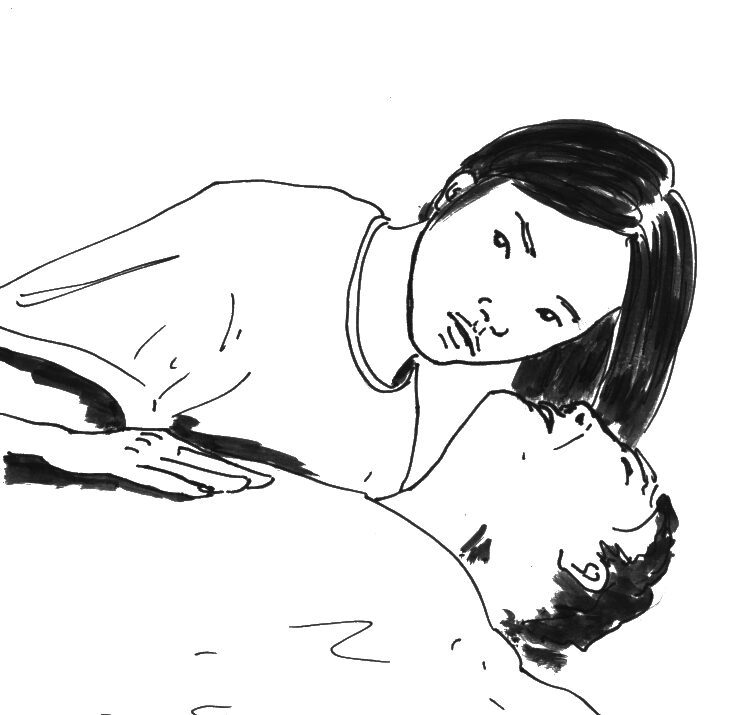
Black and white drawing of two people lying down. One person looks distressed and appears to be attempting a breathing trick to assist the other, who is lying on the ground with eyes closed. Both figures are depicted in simple, clean lines.

Quick take: The 4-7-8 technique uses a count of four for the inhale, seven for a breath hold and eight for the exhale. Some people find the focus calming, but it is not a guaranteed way to fall asleep. Stop if it feels uncomfortable.

When your mind is running at bedtime, paying attention to your breath can give it a simple task. Physician Andrew Weil popularized the 4-7-8 pattern as a relaxation exercise. You do not need special equipment, and you can practice sitting or lying down.

How to do 4-7-8 breathing

  1. Get comfortable and let your shoulders relax. Gently exhale.
  2. Close your mouth and breathe in through your nose for a count of four.
  3. Hold your breath gently for a count of seven.
  4. Exhale slowly through your mouth for a count of eight.
  5. That is one cycle. Begin with up to four comfortable cycles, then return to normal breathing.

The numbers are a counting pattern, not a contest. If the hold is difficult, do not force it. Skip the hold and breathe gently at a comfortable pace instead; a simple, slightly longer exhale may be easier. Avoid taking unusually deep or rapid breaths.

Does it help with sleep?

Focusing on a repetitive, gentle pattern may help some people settle before bed, but the exercise does not put everyone to sleep. A systematic review of slow breathing before bed found encouraging results for some self-reported sleep measures across varied techniques. It does not establish that this exact pattern works for every sleeper. A small study of 4-7-8 breathing examined immediate physiological effects in healthy young adults, not whether it cures insomnia.

Think of breathing as one possible wind-down tool, not a sleep deadline. If counting makes you anxious or more alert, stop and try something else.

Comfort and safety

Stop and return to normal breathing if you feel dizzy, short of breath, anxious or uncomfortable. Practice in a safe seated or lying position, never while driving or in water. Breath holds are not necessary for relaxation.

If you have a heart or lung condition, a history of fainting, or symptoms triggered by breath holding, ask your clinician whether a breathing exercise is appropriate. If you are pregnant or have another health concern, ask for guidance tailored to you. For children, keep relaxation gentle and avoid forcing a breath hold.

Using it in a bedtime routine

Try a few comfortable breaths after dimming the lights and putting your phone away. You can practice during the day first, then use the familiar pattern at night. If you wake during the night, keep the room dim and avoid checking the time repeatedly.

If you remain awake and frustrated, getting out of bed for a quiet activity until you feel sleepy can be helpful. For persistent insomnia, talk with a health professional about underlying causes and treatments. The National Heart, Lung, and Blood Institute describes cognitive behavioral therapy for insomnia (CBT-I) as a treatment option.

For a different guided approach, see our yoga nidra guide.

Frequently asked questions

Will 4-7-8 make me sleep in one minute?

There is no reliable guarantee. It may help you relax, but sleep onset varies.

How many cycles should I do?

Start with up to four, stopping sooner if you feel uncomfortable. More repetitions are not necessary to make the exercise worthwhile.

Can I skip the hold?

Yes. A gentle inhale and a comfortable, unforced exhale is a reasonable alternative when breath holding is unpleasant.

Can I practice in the middle of the night?

Yes, if it feels comfortable. Keep the exercise low pressure and return to normal breathing if it becomes distracting.

Melatonin Shades & Blue Light Blocking Glasses Guide

Wooden-framed amber-tinted Melatonin Shades are displayed in front of a cylindrical bamboo case adorned with a logo of a sleeping face and the words "THE ME LATONIN D ES CO M.N." on it. The sunglasses and case rest on a gray drawstring pouch.

Our take on blue-light glasses

Blue-light-filtering glasses may be worth trying if you like wearing tinted lenses in the evening, but the evidence does not establish that they reliably improve sleep. Lens tint, comfort, screen brightness and the rest of your routine all matter. They are an optional tool, not a treatment for insomnia.

The original Melatonin Shades experience

In Yawnder’s original account, the writer described wearing Melatonin Shades while using a laptop in Minneapolis. The glasses felt snug but comfortable, and the yellow tint changed how colors appeared. The writer preferred them for screen work over extended television viewing because the color shift was distracting.

After wearing the glasses for a few weeks, the writer reported an improvement in personal sleep quality. That is an individual impression, not a controlled test; other factors could have contributed, and the same result is not guaranteed for others. The original product’s current availability and exact lens specifications should be verified with the seller.

What the evidence says

Light can influence the body’s circadian timing, and its effect depends on timing, intensity and wavelength. Blocking some short-wavelength light does not automatically translate into better sleep for every user.

A 2023 Cochrane review found mixed results and very low-certainty evidence on sleep quality across six trials. It could not determine whether filtering lenses improved sleep compared with non-filtering lenses. The studies varied in participants and lenses, so one product’s performance cannot be assumed from another’s.

How to choose blue-light glasses

  • Check the lens specification: look for information about the wavelengths and amount of light filtered, rather than an unsupported promise of better sleep.
  • Consider the tint: amber lenses change colors; check whether that affects the work, television or activities you intend to do.
  • Fit and returns: check comfort, compatibility with prescription glasses, and the seller’s return policy.
  • Safety: do not use dark or color-distorting lenses for driving or other activities when visibility or accurate color recognition is important.

A practical evening routine

Try dimming bright lights, lowering screen brightness and choosing a wind-down activity that does not keep you scrolling. A sleep mask or properly fitted blackout shade addresses light entering the bedroom; those are different products from the glasses reviewed here. If you work overnight, ask a clinician or sleep specialist about a light schedule suited to your shifts.

For persistent difficulty sleeping, consider a clinical evaluation. NIH guidance discusses evidence-based treatment options for insomnia.

Ready to buy?
See today’s best sleep deals

Live pricing and current promotions on the mattresses, bases, and sleep tech we recommend.

Shop current deals

Frequently asked questions

Do blue-light glasses improve sleep?

They may help some individuals, but clinical trial results are mixed and the Cochrane review found the evidence on sleep quality very uncertain.

Are these the same as blackout window shades?

No. Melatonin Shades refers to tinted glasses in the original article; blackout shades cover windows.

Can glasses replace melatonin or insomnia treatment?

They are not an established equivalent or substitute. Discuss supplements or ongoing sleep problems with a healthcare professional.

Will the lenses change how colors look?

Strong amber or yellow tints can alter color perception, which the original writer found distracting for extended TV viewing.

Kids Sleep Apps: Bedtime Tools and the Kids Sleep Dr Story

A close-up photo of a smartphone screen displaying an app icon. The icon features a cartoon image of a smiling child sleeping with "Zzz" above their head, set against a black background. Below the image, text reads "Kids Sleep Doctor," highlighting this effective sleep app for children.

What parents should know: A sleep app can help record patterns or organize a bedtime routine, but it cannot diagnose a sleep disorder or guarantee better sleep. Consider an app's privacy, screen use and cost, and ask your child's clinician about persistent sleep concerns.

The Kids Sleep Dr app: what we know

In 2015, Evelina London Children's Hospital announced Kids Sleep Dr, a parent-entered sleep diary with weekly summaries and age-based tips. A related 2025 hospital education page still mentions the project. We have not verified whether the original app is currently available in U.S. app stores, its current features or privacy practices, and we have not tested it.

Professor Paul Gringras and Professor Tanya Byron at the Kids Sleep Dr app launch in 2015
Professor Paul Gringras and Professor Tanya Byron at the 2015 Kids Sleep Dr launch. Photo: Evelina London Children's Hospital.

Frequently asked questions

Is the Kids Sleep Doctor app worth it for parents struggling with bedtime routines?

We cannot currently verify availability or evaluate whether the original app is worth downloading. The 2015 hospital announcement described a parent-entered diary and personalized tips; current features may differ.

Who is the Kids Sleep Doctor app best for?

The historical app was designed for families tracking children's sleep patterns. A sleep diary may help parents discuss patterns with a clinician, but it is not a diagnosis.

What are the downsides of the Kids Sleep Doctor app?

We could not confirm the original app's current availability, features, pricing or privacy practices. However, as with any digital tool, effectiveness can vary based on consistent use and individual child temperament.

How does the Kids Sleep Doctor app help improve sleep quality in children?

The historical app collected parent-entered sleep times and supplied age-based tips; we could not verify a current version or the previously described stories and sounds. A diary can support a conversation about sleep but does not guarantee faster or longer sleep.

Is the Kids Sleep Doctor app good for addressing specific sleep issues like difficulty concentrating?

We cannot establish that the app treats concentration problems. Sleep difficulties and concentration concerns can have many causes; speak with your child's clinician. A record of sleep and daytime symptoms can help inform that conversation.

Where can I find products in San Diego that complement sleep apps for children?

You can explore children's sleep products that complement apps like Kids Sleep Doctor at Yawnder's Encinitas, CA showroom, where you can find mattresses and bedding solutions. Contact the showroom about current availability. Bedding is not a treatment for sleep difficulties.

Want to test this in person? Visit our Encinitas showroom or call 858-232-5760.

Keep exploring
More sleep guidance

Browse Yawnder’s sleep education, research explainers, and practical guides.

Explore sleep guides

How much sleep do children need?

The CDC's age-based recommendations are ranges, not a diagnosis: children 1–2 years generally need 11–14 hours per 24 hours, ages 3–5 need 10–13 hours, ages 6–12 need 9–12 hours and teens 13–18 need 8–10 hours. The ranges for younger children include naps. Needs differ, and a pediatrician can help assess a child's pattern.

How to keep a useful sleep log

For one or two weeks, record bedtime, approximate time asleep, wake-up time, naps and notable nighttime awakenings. Note symptoms such as frequent snoring or daytime sleepiness. A paper notebook works as well as an app; share the record with your child's clinician if you have concerns. A phone cannot reliably diagnose sleep apnea by itself.

Check privacy and payment before downloading

Look for a clear developer and recent updates. Read what data the app collects, whether recordings leave the device, who can access them and how to delete them. Check trial expiration, subscription renewal, ads and whether features work without an account. Avoid entering unnecessary identifying information about a child.

For babies, use a separate, firm, flat sleep surface and follow the AAP safe-sleep recommendations. Keep phones, speakers, cords and other objects out of the sleep space.

What sleep apps for children can realistically do

Apps for children's sleep mostly do three things: they run a predictable bedtime routine, they provide audio such as stories, white noise or breathing exercises, and they give parents a simple log of bedtimes and wake-ups. A consistent routine and a simple log may help, although every family's needs differ.

An app cannot diagnose or fix a sleep problem. Loud snoring, long pauses in breathing, extreme daytime sleepiness or bedtime battles that last months are worth raising with your paediatrician.

What to look for before installing

Check whether the app works offline, so it does not need a bright screen in a dark bedroom. Audio-only playback with the screen off is a better fit for a child's room than a glowing tablet.

Read the privacy policy for anything that records audio or asks for a child's name and birthdate. Prefer apps that keep data on the device and do not run adverts to children.

Building a routine the app supports

Keep the same wind-down order every night — bath, pyjamas, teeth, two stories, lights out — and use the app for one part of it rather than the whole thing. Predictability is what children respond to, not novelty.

Dim the lights an hour before bed, keep the bedroom cool and dark, and hold the wake-up time steady on weekends. If a story or sound track becomes a requirement for falling asleep, fade it out gradually so your child can settle without it.

FAQs

What age can a child use a sleep app?

Audio and routine features suit toddlers and older with a parent running them. Screens in the bedroom are best avoided for young children.

Do white-noise apps harm hearing?

If used for a baby, the AAP recommends the lowest practical volume, as much distance from the baby as possible, and limited duration. Keep devices and cords out of the sleep space.

Will an app replace sleep training?

No. It may support a routine. Whether a behavioral plan is helpful depends on the child; a clinician can help with ongoing concerns.

Sleep and Leadership: How Rest Affects Work

A black chess king piece, flanked by two wooden pawns, stands on a reflective surface. The quote "Don't find fault, find a remedy," by Henry Ford is displayed next to the chess pieces on a white background—an inspiring scene that embodies true leadership.
Leadership graphic with chess pieces and a quotation
Image from Yawnder’s original sleep and leadership coverage.

Quick answer

Sleep supports attention, mood and everyday decision-making, but it is only one influence on leadership. Protecting time for sleep and building checks around important work can help a tired team make safer, more thoughtful decisions. A poor night is never an excuse for mistreating anyone.

Yawnder’s original 2015 note highlighted CNN’s article on sleep and leadership and the possibility of napping at work. This updated guide separates practical suggestions from what the research can actually show.

How sleep can affect a workday

After a poor night, sustained attention can feel harder. Someone might miss a detail in an order, take longer to process a complicated email or react more sharply than intended in a difficult conversation. Workload, stress, health and workplace culture matter too; one night does not determine what kind of leader a person is.

Use checklists for work with consequences, ask someone to review a complex decision when practical, and schedule a difficult conversation when you can give it your full attention. If fatigue makes driving or operating equipment unsafe, arrange a safer alternative.

What the leadership research found

A 2015 Academy of Management Journal study collected daily reports over ten workdays; its final analysis included 88 supervisors. The researchers reported a relationship linking supervisors’ reported sleep quality, their reported self-control, employees’ reports of abusive supervision and work-unit engagement. The same indirect relationship was not supported for reported sleep quantity.

This observational result does not prove that a poor night causes any individual to behave abusively. It also cannot excuse harmful behavior. The practical lesson is to recognize fatigue, plan checks for important work and remain accountable for how you treat people.

Can a short nap help at work?

If workplace rules and duties allow it, a planned short nap may temporarily improve alertness. NIOSH guidance recommends setting an alarm for roughly 15–30 minutes for a brief daytime nap. A nap does not replace enough regular sleep.

Grogginess after waking, called sleep inertia, can still occur, especially when very sleep deprived. Allow time to become fully alert before driving or doing safety-sensitive work. See our guide to napping at work.

A practical plan for leaders and teams

ChallengeAction to try
Late messagesDefine actual on-call needs and schedule nonurgent messages for the next workday.
Unpredictable shiftsPublish schedules early where possible and leave recovery time between closing and opening shifts.
Detailed or high-stakes workUse checklists and a second review for payroll, orders or other consequential decisions.
Recurring short sleepSet a realistic wake time and allow adequate time for sleep; adjust the schedule rather than relying on caffeine alone.
Workplace fatigueGive employees a way to flag fatigue and take a permitted break without stigma.

The CDC recommends at least seven hours of sleep for adults ages 18–60; individual needs vary. A quiet, dark, comfortable room and a consistent routine can help, but bedding cannot repair a schedule that leaves too little time for sleep.

When fatigue needs more attention

If you regularly cannot sleep, wake unrefreshed despite allowing enough time, snore loudly, wake gasping or struggle to stay awake during the day, speak with a healthcare professional. These symptoms can have several causes, including sleep disorders. If you feel drowsy behind the wheel, pull over safely and arrange another way home.

Frequently asked questions

Does one bad night make someone a poor leader?

No. Fatigue can affect attention and mood, but leadership and behavior have many influences.

Can a nap replace a full night of sleep?

No. It can provide a temporary alertness boost for some people, but it does not replace sufficient regular sleep.

Should a leader respond to every late-night message?

Set clear expectations for genuine emergencies and on-call duties. Scheduling nonurgent messages can help protect everyone’s time away from work.

Can caffeine substitute for sleep?

Caffeine can temporarily reduce sleepiness, but it does not replace sleep and can interfere with sleep if used too late for your individual sensitivity.

Sources checked October 29, 2026: Barnes and colleagues’ 2015 study, NIOSH nap guidance and CDC sleep guidance.

Explore more sleep guides.

Do Not Sell or Share My Personal Information Privacy Policy
Y

Yawnder

We typically reply in a few minutes

👋 Hi there!

Have a question about mattresses, deliveries, or your order? We're here to help.