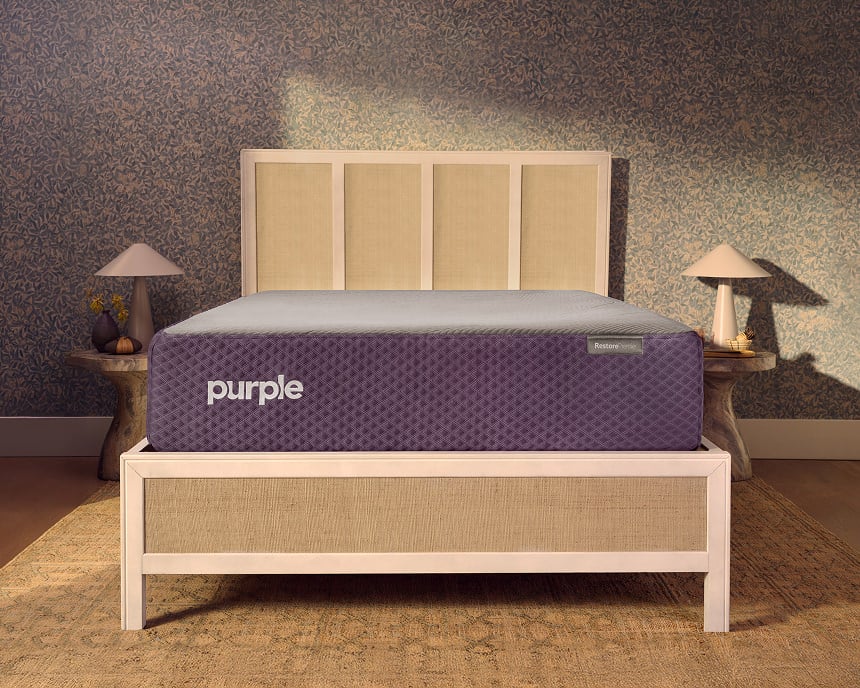
Turn this comparison into a purchase decision
Use the comparison below to narrow the field, then check the live offer before you buy. Brand promotions can change faster than editorial pages.
Yawnder Reviews · Updated September 24, 2026
Purple Mattress Models Compared (2026): Essential vs Restore vs Rejuvenate
Purple’s 2026 lineup is easier to understand as three collections, not a pile of unrelated model names. Essential uses the GelFlex Grid over foam, Restore adds coils and more targeted support, and Rejuvenate is the tall luxury line with DreamLayer and progressively thicker Grid construction.
Foam-supported GridPurpleFlex · Purple Mattress · PurplePlus
Hybrid Grid + coilsRestore · RestorePlus · RestorePremier
Luxury layered GridRejuvenate · Plus · Premier · Ultimate
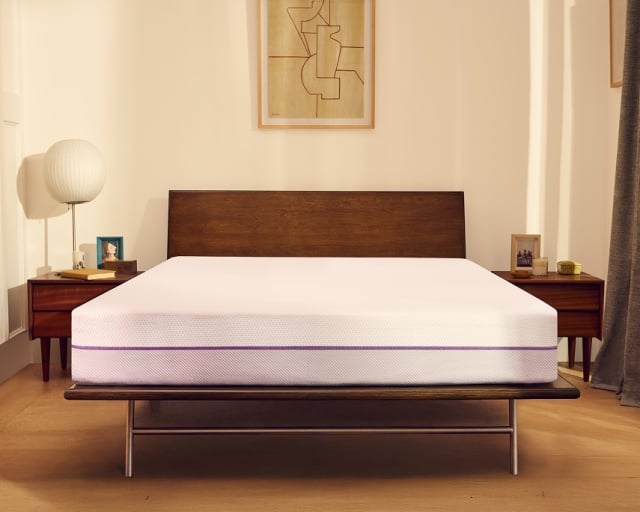
Treating RestorePlus, RestorePremier and RejuvenatePlus as simple “better” versions of one another. They are not. Restore and Rejuvenate are different construction philosophies. Pick the collection first, then pick the model within it.
The current Purple lineup at a glance
| Model | Collection | Height | Construction / feel direction | Why it exists |
|---|---|---|---|---|
| PurpleFlex | Essential | 8″ | Entry Grid + foam | Lowest-cost way into the Purple feel. |
| The Purple Mattress | Essential | 9.25″ | 2″ Grid + foam support | The classic Purple experience without coils. |
| PurplePlus | Essential | 11″ | Grid + upgraded foam stack | More cushioning while keeping a foam-supported feel. |
| Restore | Restore | 11.5″ | 2″ Grid + responsive coils · medium | The first real hybrid step-up. |
| RestorePlus | Restore | 13″ | 3″ Grid + 3-zone coils · medium-soft | More contouring plus targeted lumbar support. |
| RestorePremier | Restore | 13″ | 3″ Grid + CoolFlex coil system · soft | The coolest, most contouring Restore. |
| Rejuvenate | Rejuvenate | 14.5″ | DreamLayer + 2″ Grid · firm | Luxury construction without going soft. |
| RejuvenatePlus | Rejuvenate | 15.5″ | DreamLayer + 3″ Grid · medium | The balanced luxury option. |
| RejuvenatePremier | Rejuvenate | 15.5″ | 4″ layered Grid · medium-soft | Deeper cradling for side/combo sleepers. |
| RejuvenateUltimate | Rejuvenate | 17.5″ | 5″ layered Grid · soft | Maximum immersion and pressure relief in the line. |
Restore: what changes as you move up?
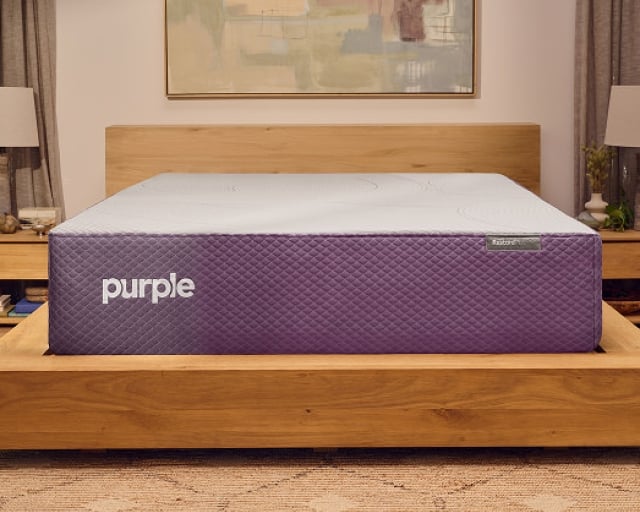
Restore → RestorePlus: the Grid grows from 2″ to 3″, the foam package becomes more cradling, and Purple adds 3-zone responsive coils. This is a meaningful construction change, not a cover swap.
RestorePlus → RestorePremier: Grid thickness stays at 3″, but the support system changes again. Purple uses individually foam-topped CoolFlex coils rather than a conventional comfort-foam-over-coil arrangement.
In practical terms: Restore is the straightforward hybrid, Plus adds deeper contour and zoning, Premier pushes further toward airflow and a softer, more adaptive feel.
| Restore feature | Restore | RestorePlus | RestorePremier |
|---|---|---|---|
| GelFlex Grid | 2″ | 3″ | 3″ |
| Coils | Responsive coils | 3-zone responsive coils | CoolFlex foam-topped coils |
| Feel direction | Medium | Medium-soft | Soft |
| Reason to upgrade | Get the hybrid architecture | More Grid + zoning | Most airflow + most adaptive Restore support |
Rejuvenate: the upgrade is mostly more Grid, more immersion
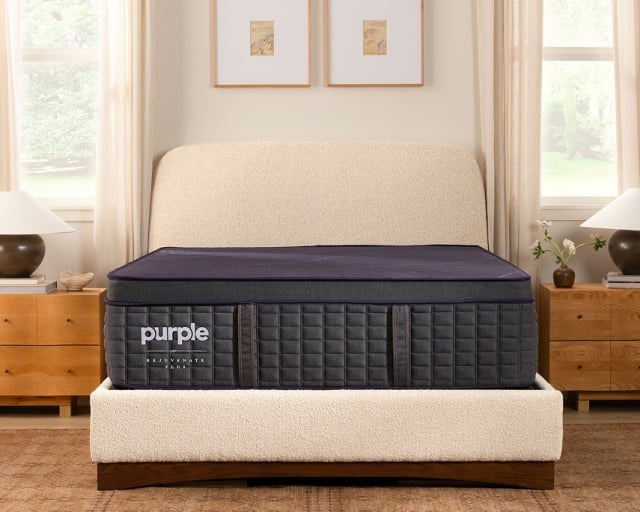
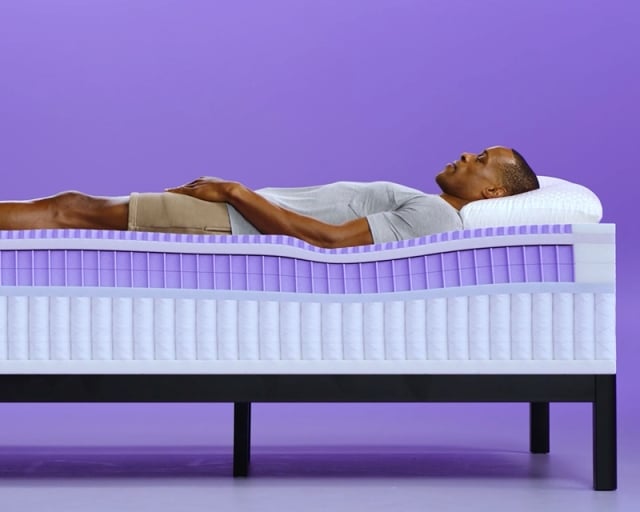
The current Rejuvenate line is unusually logical: 2″ → 3″ → 4″ → 5″ of Grid as you climb the family. At the same time the feel moves from firm toward progressively softer, more immersive comfort.
That makes the price ladder easier to evaluate than the model names suggest. If you do not actually want deeper sink and more Grid travel, moving up the Rejuvenate ladder can be the wrong direction even if your budget allows it.
| Rejuvenate model | Grid depth | Feel direction | Most logical shopper |
|---|---|---|---|
| Rejuvenate | 2″ | Firm | Luxury shopper who still wants pushback. |
| RejuvenatePlus | 3″ | Medium | Back/combo sleeper wanting the middle ground. |
| RejuvenatePremier | 4″ | Medium-soft | Side/combo sleeper wanting deeper joint cradling. |
| RejuvenateUltimate | 5″ | Soft | Shopper specifically seeking Purple’s deepest, most weightless feel. |
Essential vs Restore vs Rejuvenate: what are you paying for?
| Question | Essential | Restore | Rejuvenate |
|---|---|---|---|
| Support core | Foam | Responsive coils | Independent coil system |
| Grid emphasis | Classic 2″ Grid experience | 2–3″ Grid + coil response | 2–5″ layered Grid + DreamLayer |
| Motion / bounce | Least bouncy | More responsive | Responsive luxury hybrid |
| Who should start here? | You want Purple’s Grid without premium hybrid pricing. | You want Grid + coils and cooler, more targeted support. | You specifically want a tall, immersive luxury Purple. |
How the Purple feel differs from foam
The GelFlex Grid does not behave like slow-response memory foam. It collapses more readily under concentrated pressure points while staying more resistant under broader areas of the body. That is why people often describe Purple as both pressure-relieving and unusually buoyant. If you want a deep, slow foam hug, this is not the closest match; if you dislike being trapped in foam, Purple’s faster response is part of the appeal.
Trial, warranty and base compatibility
Check Purple’s current mattress trial, return and warranty terms before ordering. Restore models require a solid surface, slats under 3.5 inches apart, or a compatible adjustable base; Purple says not to use a traditional box spring. Rejuvenate’s height also matters: Purple says those models work with its Premium Smart Base and Premium Plus Smart Base, but not its older Adjustable Base.
Purple Restore
A strong middle-ground choice if you want Purple’s hybrid feel without jumping straight to the premium Rejuvenate tier.
Purple Restore Plus
The step-up when you want more cushioning and a more substantial hybrid build.
Purple Rejuvenate
Choose this family when you specifically want Purple’s deeper, more luxurious build rather than just the grid feel.
Which Purple should you actually start with?
- Want the classic Purple feel for the least money: PurpleFlex or The Purple Mattress.
- Want a little more cushioning but no coils: PurplePlus.
- Want the most straightforward Purple hybrid: Restore.
- Want the best middle ground in Restore: RestorePlus.
- Want the softest / coolest Restore architecture: RestorePremier.
- Want luxury Purple but still firm: Rejuvenate.
- Want the balanced Rejuvenate: RejuvenatePlus.
- Want deeper side-sleeper cradling: RejuvenatePremier.
- Want the deepest, softest Rejuvenate experience: RejuvenateUltimate.
Check current Purple pricing →
How this page is funded: Some Purple links are affiliate links, so Yawnder may earn a commission if you purchase through them at no added cost to you. Model specifications above were checked against Purple’s current 2026 product pages. Showroom inventory changes; contact Yawnder to confirm which Purple models are currently available to try.
Check the live offer
Promotions change. Use the current brand offer and one last side-by-side check before you order.