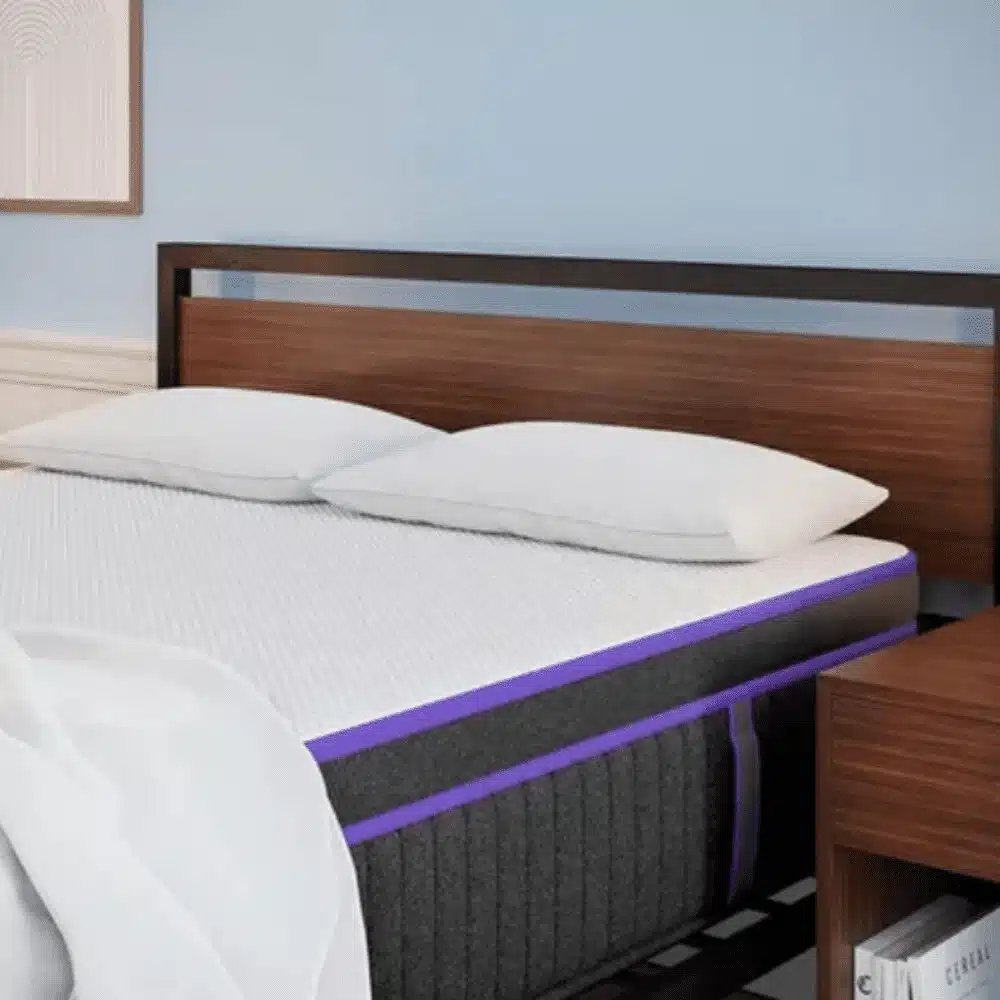
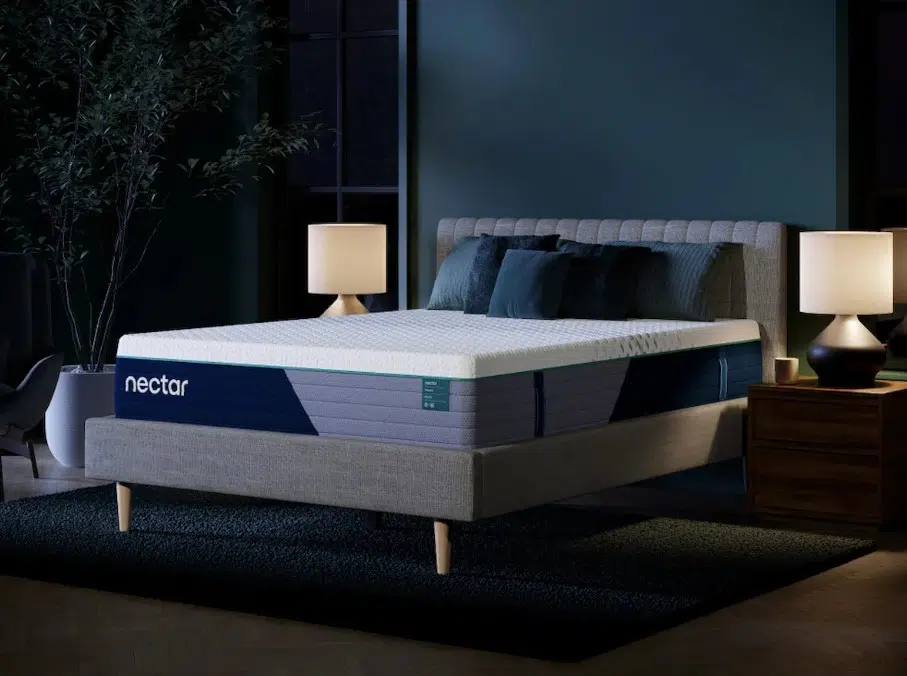
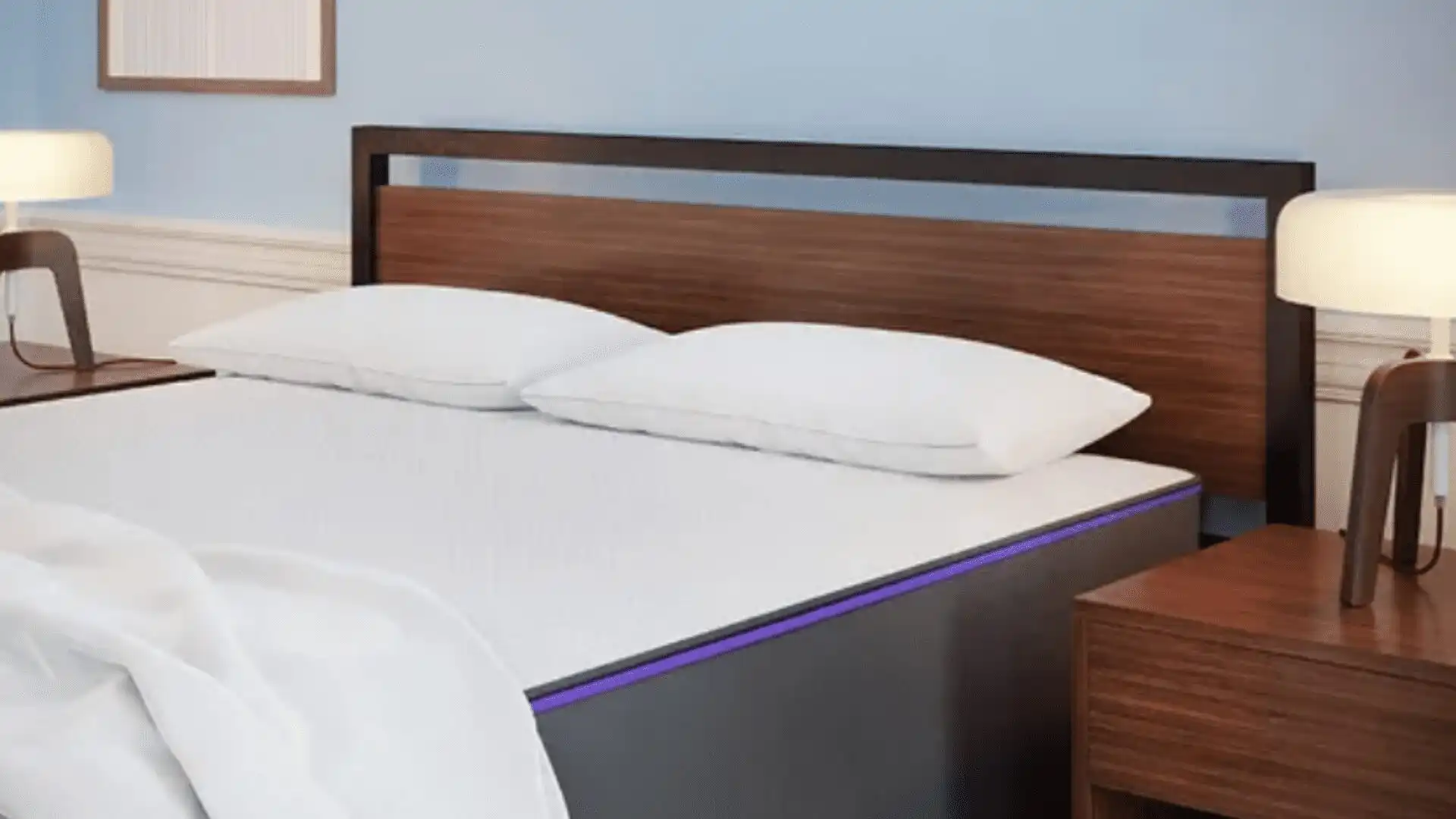
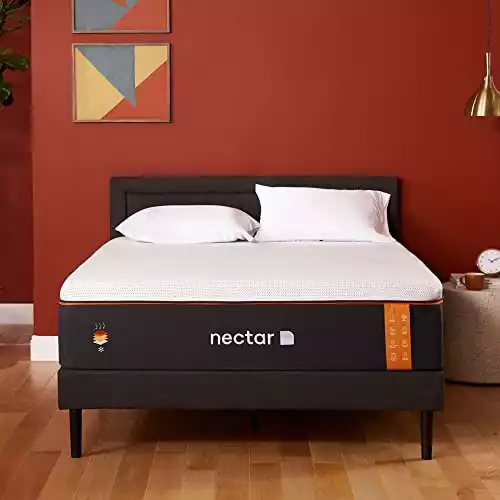
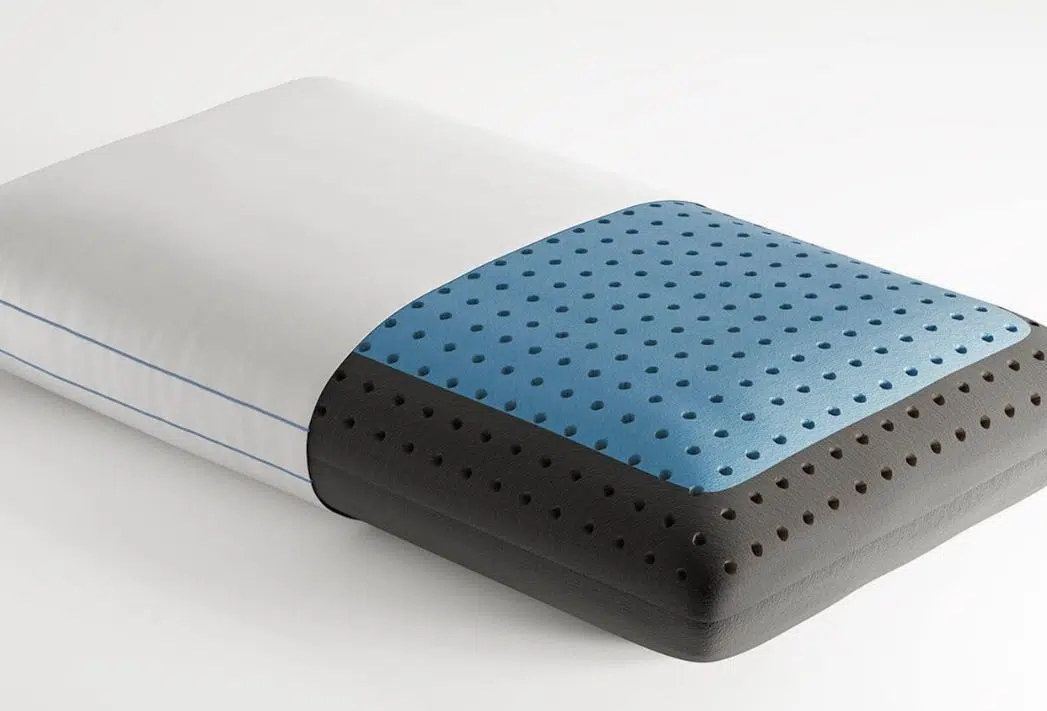
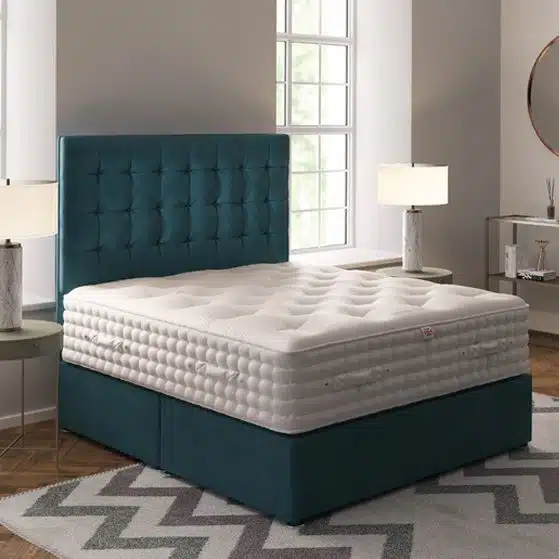
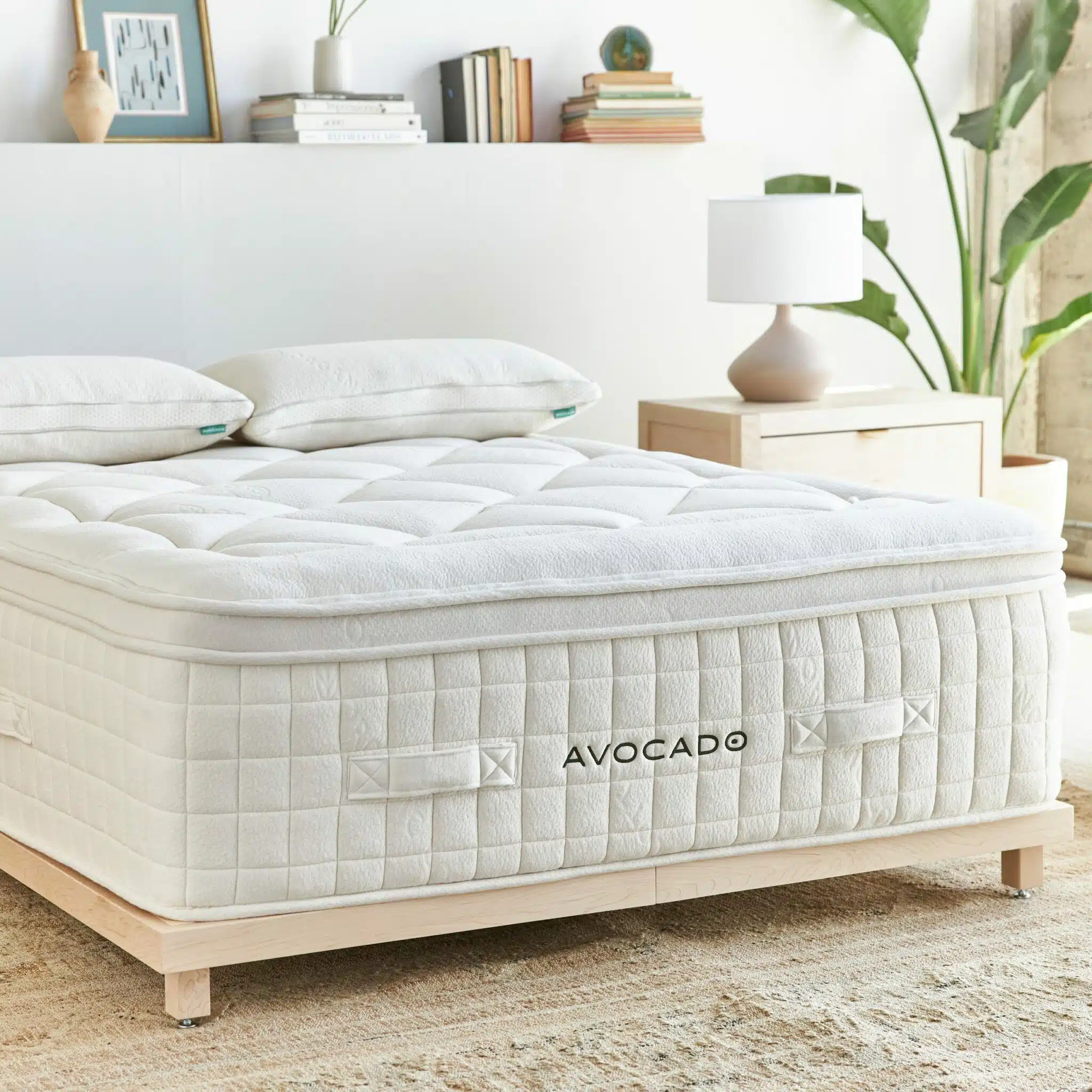
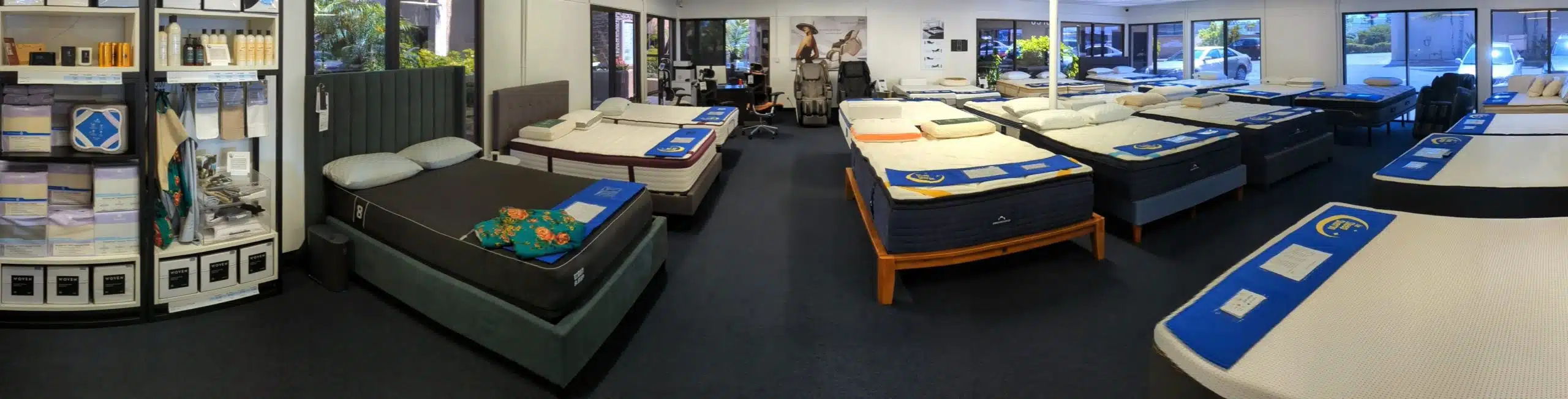
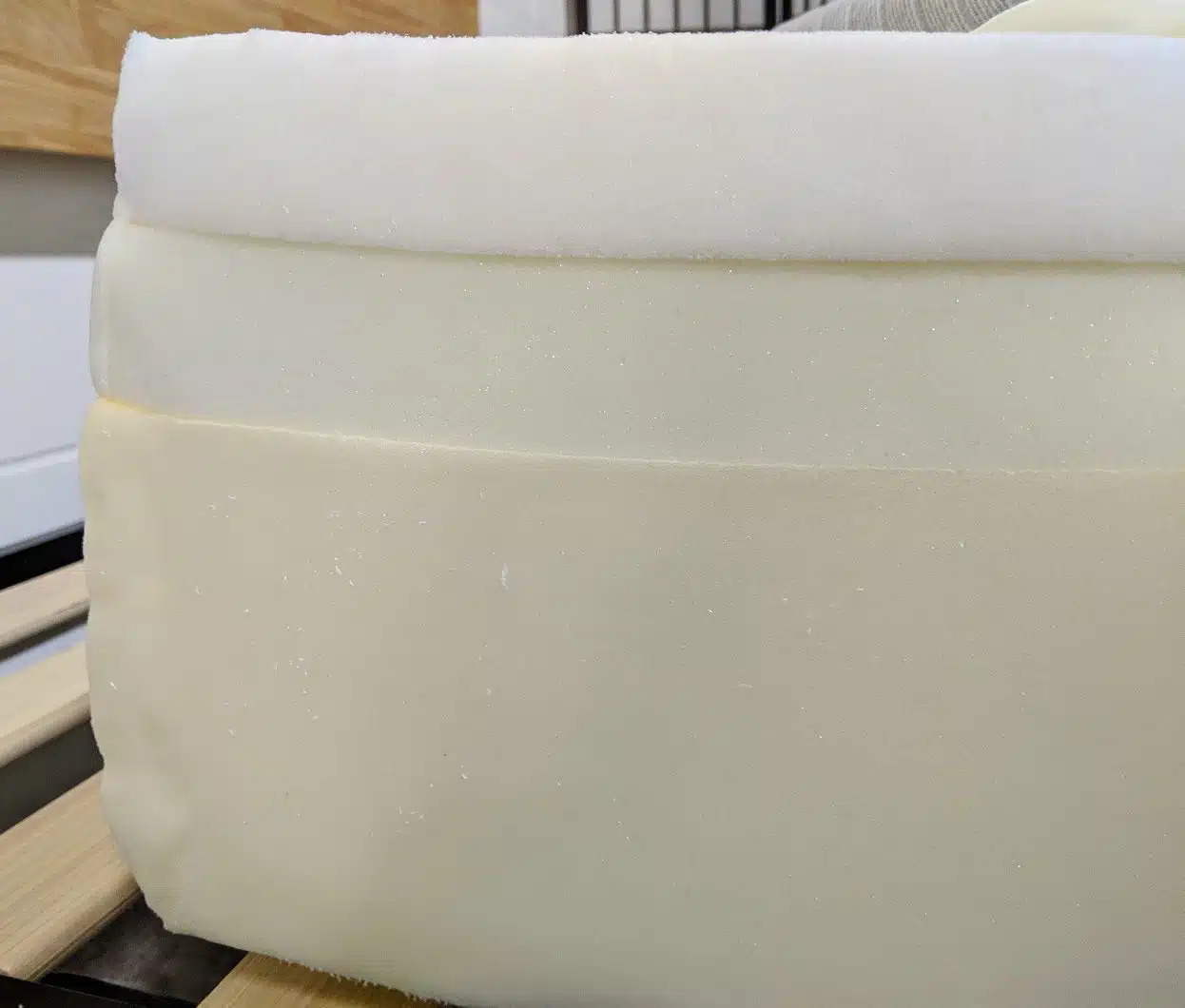
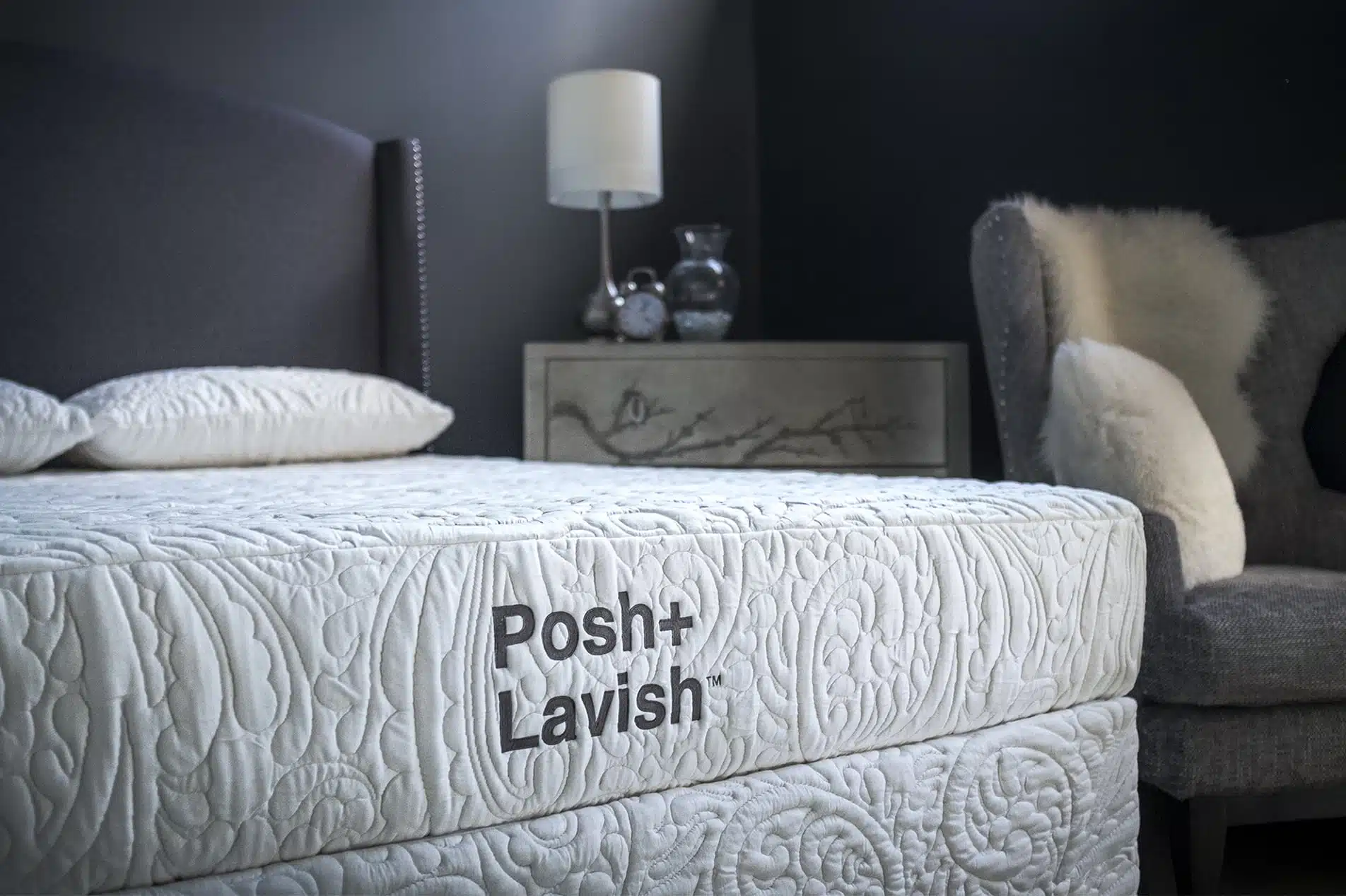
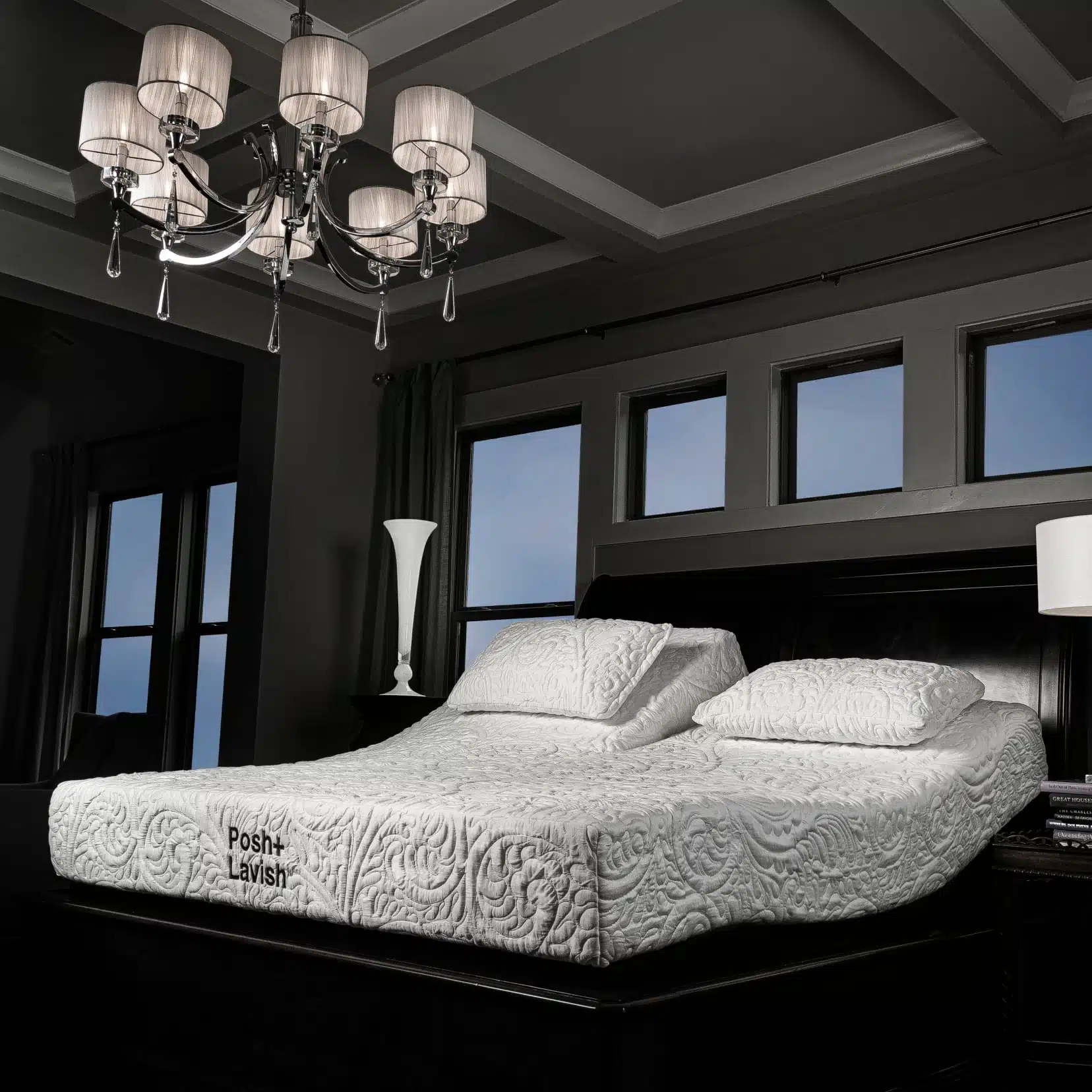
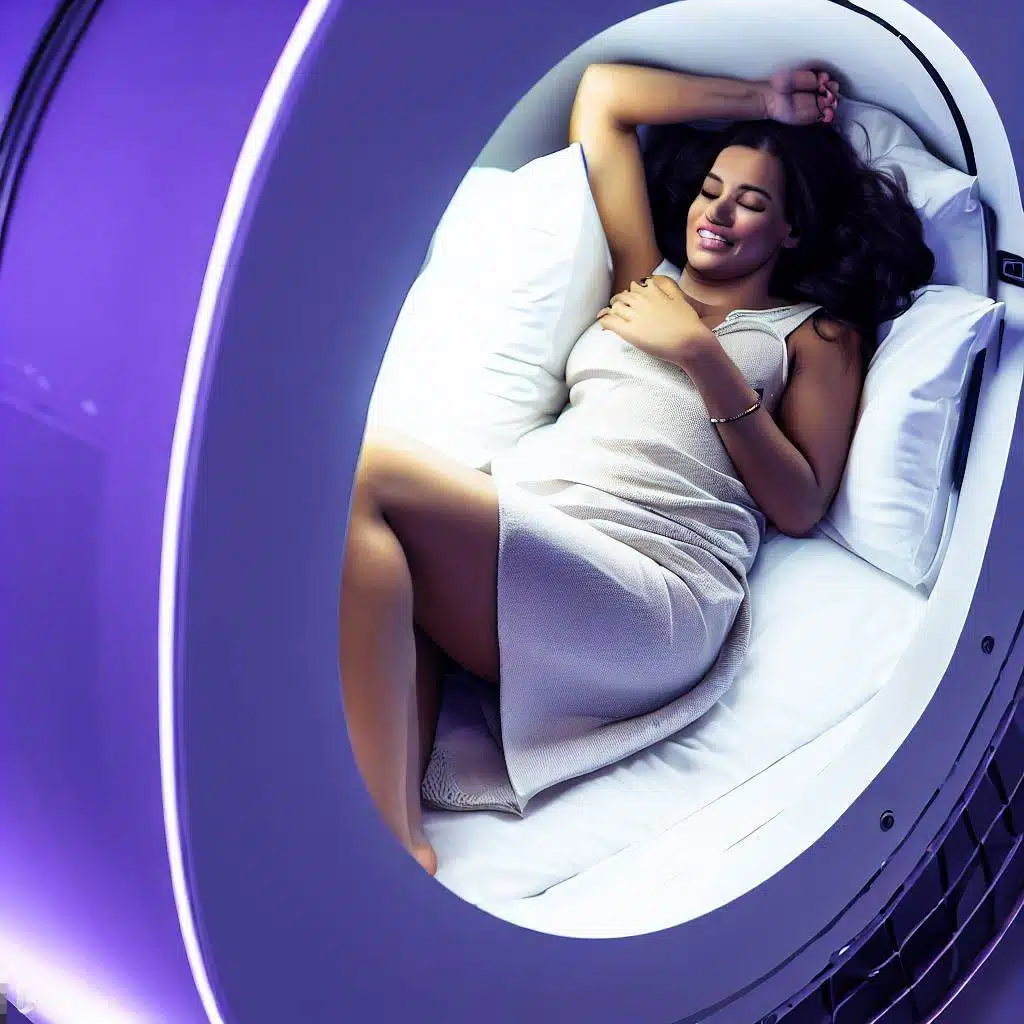
Choose a better snooze with the Premier Hybrid. It combines our contouring memory foam with ActiveLift HD for more support, plus springs for enhanced breathability and reduced motion transfer. It has a higher profile, plus a plush Euro Top for pressure relief.
We earn a commission if you make a purchase, at no additional cost to you.
If you’re looking for a mattress that offers a balance of materials, pressure relief, and support, the Nectar Premier Hybrid Mattress could be the right choice for you. This 13-inch mattress boasts contouring and supportive foams on top of breathable springs, making it a dream come true for sleepers who need a comfortable, yet supportive bed.
In this Yawnder review of the Nectar Premier Hybrid mattress, we will explore its features, performance, and suitability for different types of sleepers. We’ll also compare it to its siblings in the Nectar mattress lineup and see how it stacks up against the competition.
Strict stomach sleepers weighing over 130 pounds: The mattress may be too soft for stomach sleepers, so we recommend looking at firmer options to ensure spinal alignment.
Shoppers on a tight budget: Although the Premier Hybrid is competitively priced, shoppers on a tight budget may want to check out the Nectar Classic Hybrid or some other affordable mattress options.
Now let’s look at how the Nectar Premier Hybrid Mattress performs in terms of support in different sleeping positions, pain relief, and performance for couples.
Support in Different Sleeping Positions
The Nectar Premier Hybrid Mattress performs differently depending on your sleeping position and body type. Here’s how it performs for different types of sleepers:
Light Back Sleepers: These sleepers will love this mattress as it keeps them cushioned and supported.
Light Side Sleepers: The Premier Hybrid may feel too firm for these sleepers, so we recommend looking for a softer mattress for deeper pressure relief.
Light Stomach Sleepers: The Nectar Premier Hybrid will work for many of these sleepers, but we also suggest checking out firmer mattress options for more support.
Average Weight Back Sleepers: These sleepers should be happy on this mattress since it will feel like a true medium-firm bed to them and keep them supported, while the conforming foams will also relieve tension at the lower back.
Average Weight Side Sleepers: We think average weight side sleepers, especially those who switch positions at night, will get nice sinkage on this mattress. However, strict side sleepers with sensitive joints may want to opt for an even softer option.
Average Weight Stomach Sleepers: The Nectar Premier Hybrid may not be firm enough for these sleep on their stomachs.
Pros:
Pressure relief
Motion isolation
Cooling comfort
Good value for the price
Easy to set up
Free trial period
Cons:
Edge support could be better
Some people may find it too firm
Overall, the Nectar Premier Hybrid Mattress is a good choice for people who are looking for a comfortable, supportive, and affordable mattress. It is a good option for people who sleep on their back or side, and it features pressure relief, motion isolation, and cooling comfort. The mattress is also easy to set up and comes with a free trial period.
If you are looking for a new mattress, the Nectar Premier Hybrid Mattress is a good option to consider. It is a well-made mattress that is available at a competitive price.
Here are some additional things you may want to consider when choosing a mattress:
Your sleeping position: If you sleep on your back, you’ll need a mattress that provides good spinal support. If you sleep on your side, you’ll need a mattress that provides pressure relief for your shoulders and hips. If you sleep on your stomach, you’ll need a mattress that is supportive but not too firm.
Your weight: If you’re a heavier person, you’ll need a mattress that is supportive enough to keep your spine aligned. If you’re a lighter person, you may be able to get away with a softer mattress.
Your budget: Mattresses can range in price from a few hundred dollars to several thousand dollars. It’s important to set a budget before you start shopping so that you don’t overspend.
Your comfort level: Ultimately, the most important thing is to choose a mattress that you’re comfortable sleeping on. If you’re not sure which mattress is right for you, it’s a good idea to try out a few different mattresses before you make a decision.
Choose a better snooze with the Premier Hybrid. It combines our contouring memory foam with ActiveLift HD for more support, plus springs for enhanced breathability and reduced motion transfer. It has a higher profile, plus a plush Euro Top for pressure relief.
Periodic Limb Movement Disorder, also known as nocturnal myoclonus, is a sleep disorder characterized by involuntary, repetitive limb movements during sleep. These movements typically occur in the lower limbs, such as the legs and feet, and can significantly disrupt a person’s sleep quality, leading to daytime fatigue and other complications.
Symptoms of PLMD
The primary symptom of PLMD is the periodic limb movements that occur during sleep, which may present as jerking, twitching, or flexing of the legs and feet. These movements generally occur in intervals ranging from 20 to 40 seconds and can last from a few minutes to several hours.
Other symptoms associated with PLMD include:
Insomnia or difficulty falling asleep
Restless sleep or frequent awakenings during the night
Daytime sleepiness or fatigue
Reduced concentration and focus
Mood disturbances, such as irritability or depression
It is essential to note that individuals with PLMD may not be aware of their limb movements during sleep. In many cases, a bed partner or family member may be the first to notice the symptoms.
Causes of PLMD
While the exact cause of PLMD remains unclear, researchers believe that it may be related to abnormalities in the nervous system’s regulation of muscle movements during sleep. Some factors that may contribute to the development of PLMD include:
Neurological disorders, such as Parkinson’s disease or multiple system atrophy
Spinal cord injury or compression
Iron deficiency or anemia
Kidney disease or renal failure
Certain medications, such as antidepressants, antipsychotics, or anti-nausea drugs
Sleep apnea or other sleep disorders
Diagnosing PLMD
A thorough evaluation by a sleep specialist is necessary to diagnose PLMD accurately. This process may include:
A detailed medical history and physical examination
An overnight sleep study, known as a polysomnography, to record brain activity, muscle movements, and other physiological data during sleep
Blood tests to check for iron deficiency, kidney function, or other underlying medical conditions
Treatment Options for PLMD
There is no one-size-fits-all treatment for PLMD, as the most effective approach depends on the individual’s specific needs and underlying causes. Some common treatment options include:
Medication: Several medications have proven effective in reducing periodic limb movements, including dopamine agonists, benzodiazepines, and anticonvulsants. A healthcare provider will determine the most appropriate medication based on the patient’s medical history and severity of symptoms.
Iron supplementation: For individuals with iron deficiency or anemia, iron supplementation may help alleviate PLMD symptoms.
Lifestyle modifications: Implementing healthy sleep habits, such as maintaining a consistent sleep schedule, creating a relaxing sleep environment, and avoiding stimulants like caffeine or nicotine, may help improve sleep quality for those with PLMD.
Treating underlying medical conditions: Addressing any underlying medical conditions,
Managing PLMD: Tips for Patients and Loved Ones
Living with PLMD can be challenging for both the individual affected and their loved ones. The following tips may help improve sleep quality and overall well-being for those managing PLMD:
Communication: Open communication between the individual with PLMD and their bed partner or family members is crucial in understanding the severity of symptoms and addressing any concerns.
Sleep hygiene: Maintaining good sleep hygiene, such as establishing a consistent sleep schedule, creating a relaxing sleep environment, and avoiding stimulants close to bedtime, can help improve sleep quality for everyone involved.
Seek professional help: Early intervention and treatment are essential for managing PLMD effectively. Individuals experiencing symptoms or those concerned about a loved one should consult a sleep specialist or healthcare provider for an accurate diagnosis and personalized treatment plan.
Support groups: Joining a support group or online community for individuals with sleep disorders can provide valuable resources, emotional support, and practical tips for managing PLMD and improving overall quality of life.
Conclusion
Periodic Limb Movement Disorder is a sleep-related condition that can significantly impact an individual’s sleep quality and daily functioning. Understanding the symptoms, causes, and available treatments is crucial for managing the disorder effectively and improving overall well-being. By seeking professional help, implementing lifestyle modifications, and exploring various treatment options, individuals with PLMD can work towards a better night’s sleep and a healthier life.
Research and Future Directions in PLMD Treatment
As researchers continue to explore the intricacies of Periodic Limb Movement Disorder, new developments and insights are emerging that may lead to more targeted and effective treatment options. Some promising areas of research and potential future directions include:
Understanding the underlying mechanisms: Researchers are working to better understand the neurological and physiological mechanisms behind PLMD, which may lead to the development of more targeted treatments and interventions. Recent studies have suggested a potential link between PLMD and the neurotransmitter dopamine, opening new avenues for therapeutic approaches.
Identifying biomarkers: The identification of specific biomarkers for PLMD could help improve the accuracy and efficiency of diagnosis, as well as provide a better understanding of the disorder’s progression and response to treatment. Ongoing research is examining various genetic, biochemical, and physiological markers that may be associated with PLMD.
Personalized medicine: As our understanding of the genetic and environmental factors contributing to PLMD improves, personalized medicine approaches may become more feasible. These approaches would involve tailoring treatment plans to an individual’s unique genetic makeup, lifestyle, and environmental factors, potentially improving treatment efficacy and reducing side effects.
Novel treatment approaches: In addition to existing pharmacological and non-pharmacological treatment options, researchers are exploring novel therapies for PLMD. These may include transcranial magnetic stimulation (TMS), which uses magnetic fields to stimulate specific areas of the brain, or targeted drug delivery systems, which could allow for more precise and controlled delivery of medication to affected areas.
Prevention strategies: Identifying and addressing risk factors for PLMD early on may help reduce the incidence of the disorder and improve overall sleep health. Research is ongoing to determine effective prevention strategies, such as lifestyle modifications, early intervention for underlying medical conditions, and targeted therapies for individuals at risk.
Staying Informed and Advocating for PLMD Awareness
As the understanding of Periodic Limb Movement Disorder continues to evolve, it is crucial for individuals with PLMD and their loved ones to stay informed about the latest research, treatment options, and resources. Participating in local and national support groups, attending conferences or webinars, and staying connected with healthcare providers can help individuals with PLMD stay up-to-date on the latest developments and advocate for increased awareness and funding for sleep disorder research.
By remaining informed and proactive, individuals with PLMD and their loved ones can play a crucial role in advancing the understanding and treatment of this complex sleep disorder, ultimately improving the quality of life for those affected.
Best Mattress Options for Periodic Limb Movement Disorder: Comfort and Support for a Restful Night’s Sleep
For individuals with Periodic Limb Movement Disorder (PLMD), finding the right mattress is essential for achieving a restful and comfortable night’s sleep. The ideal mattress should provide ample support, pressure relief, and motion isolation to minimize the impact of limb movements on sleep quality. In this guide, we will explore some of the best mattress options for individuals with PLMD and discuss the key factors to consider when making a purchase.
Key Factors to Consider for PLMD Mattresses
Support: A mattress with adequate support helps maintain proper spinal alignment and reduces the risk of developing pressure points, which can exacerbate PLMD symptoms. Look for a mattress with a well-designed support system, such as individually pocketed coils or a high-quality foam base.
Pressure Relief: A mattress with good pressure relief capabilities can help minimize discomfort from PLMD movements by contouring to the body and reducing pressure on sensitive areas. Memory foam, latex, or hybrid mattresses with a combination of both materials can offer excellent pressure relief.
Motion Isolation: A mattress with strong motion isolation properties can help reduce disturbances caused by limb movements during sleep, ensuring a more peaceful night’s rest for both the individual with PLMD and their bed partner. Memory foam and latex mattresses tend to excel in this area, as they absorb motion rather than transferring it across the surface.
Customizability: Some mattress brands offer customizable firmness levels or adjustable support systems, allowing individuals with PLMD to tailor their sleep surface to their unique needs and preferences. This can be especially beneficial for those with specific pressure relief or support requirements.
Top Mattress Recommendations for PLMD
While individual preferences and needs will vary, the following mattresses are well-regarded for their support, pressure relief, and motion isolation properties, making them excellent options for individuals with Periodic Limb Movement Disorder:
Memory Foam Mattress: Memory foam mattresses, such as the Tempur-Pedic TEMPUR-Adapt or the Nectar Memory Foam Mattress, provide excellent pressure relief and motion isolation. These mattresses contour closely to the body, evenly distributing weight and minimizing pressure on sensitive areas.
Latex Mattress: Latex mattresses, such as the PlushBeds Botanical Bliss or the Avocado Green Mattress, offer a responsive, pressure-relieving sleep surface with strong motion isolation properties. In addition, latex is a more breathable material than memory foam, making it an excellent choice for those who sleep hot.
Hybrid Mattress: Hybrid mattresses, like Helix Midnight Luxe, combine the best of both worlds, offering the pressure relief of foam or latex with the support of a coil system. These mattresses can provide excellent support and motion isolation while still contouring to the body for pressure relief.
Adjustable Air Mattress: Adjustable air mattresses, such as the Sleep Number 360 i8 or the ReST Performance, allow users to customize the firmness level by adjusting the air pressure within the mattress. This customizability can be particularly beneficial for individuals with PLMD who require a specific level of support or pressure relief.
Conclusion
Choosing the best mattress for Periodic Limb Movement Disorder involves considering factors such as support, pressure relief, motion isolation, and customizability. Memory foam, latex, hybrid, and adjustable air mattresses are all viable options for individuals with PLMD, depending on their unique needs and preferences. By investing in a high-quality mattress tailored to their specific requirements, individuals with PLMD can improve their sleep quality and overall well-being.
Further Reading: Essential Resources for Understanding and Managing Periodic Limb Movement Disorder
For individuals with Periodic Limb Movement Disorder (PLMD) and their loved ones, gaining a comprehensive understanding of the condition is crucial for effective management and improved quality of life. The following resources provide valuable information on PLMD, its causes, symptoms, and treatments, as well as practical tips for living with the disorder:
American Academy of Sleep Medicine (AASM): The AASM is a professional organization dedicated to the advancement of sleep medicine and the improvement of sleep health. Their website offers a range of resources on sleep disorders, including PLMD, and provides information on finding a sleep specialist.
National Institute of Neurological Disorders and Stroke (NINDS): The NINDS, a division of the National Institutes of Health (NIH), offers valuable information on neurological disorders, including PLMD. Their website features a detailed overview of the disorder, as well as links to the latest research and clinical trials.
Restless Legs Syndrome Foundation: Although primarily focused on Restless Legs Syndrome (RLS), the RLS Foundation also provides resources on related movement disorders, including PLMD. The organization offers support and advocacy for those affected by these conditions and provides access to the latest research, treatment options, and coping strategies.
Sleep Review Magazine: Sleep Review is a leading publication for sleep professionals and offers in-depth articles on a wide range of sleep disorders, including PLMD. The magazine’s website features the latest news, research, and treatment developments in the field of sleep medicine.
PubMed: PubMed, a database maintained by the National Library of Medicine, provides access to a vast collection of research articles on PLMD and related sleep disorders. Users can search for the latest studies and review articles to stay informed about the most recent advancements in the understanding and treatment of PLMD.
By exploring these resources, individuals with PLMD and their loved ones can develop a deeper understanding of the disorder and its management. Staying informed about the latest research, treatment options, and coping strategies is crucial for improving the quality of life for those affected by PLMD.
Buttery, breathable, and softer with every wash. Woven with the same 100% organic cotton fabric as their bestselling sheets, and washed for a smoother, more lavish feel and gentle drape.
We earn a commission if you make a purchase, at no additional cost to you.
Choosing the perfect bedding is a deeply personal decision that can be quite challenging. You spend a significant amount of time in bed every week, so it’s essential to prioritize comfort to ensure that you get the recommended eight hours of sleep. Once you’ve found the perfect combination of linens, duvet, blankets, and pillows that work for you and your bed, going to sleep at night becomes an event you look forward to, even if you’re a night owl. But what happens when you’ve fallen in love with your sheets and want more? Fear not, for Boll & Branch, one of the most sought-after brands for all things bedding, has answered our prayers.
Boll & Branch has just unveiled a new collection of pajamas that are as comfortable as their bedding, ensuring that you get a good night’s sleep. The collection is available in four different styles, six colors, and two materials, catering to everyone’s sleepwear preferences.
Styles Boll & Branch has taken into account all the ways people prefer to sleep, and the new collection includes three combinations that feature a sleep shirt, a short-sleeved top, and pants.
Colors If you prefer bright and flashy colors, Boll & Branch may not be the right choice for you. The colors used in their bedding and pajama collections are soft and earthy, designed to create a soothing atmosphere that lulls you to sleep. The brand’s color palette consists mainly of cool-toned pale hues that won’t interfere with your relaxation mode.
Materials The signature sleepwear set is made from Boll & Branch’s best-selling 100% cotton fabric, which you may already recognize if you own their sheets. The second material used is a soft knit that is silky smooth, taking inspiration from the comfort of a well-worn t-shirt.
In conclusion, Boll & Branch’s new pajama collection is an excellent addition to their already impressive line of bedding products. If you’re looking for comfortable sleepwear that feels just as good as their sheets, this collection is definitely worth checking out.
Buttery, breathable, and softer with every wash. Woven with the same 100% organic cotton fabric as their bestselling sheets, and washed for a smoother, more lavish feel and gentle drape.
The latest model of the Tempur-Pedic LuxeBreeze debuted in January 2023. It features a number of improvements over the previous model, including:
A new Pure Cool® Plus material that is designed to be even more effective at pulling heat away from the body.
A new Heat-Diffusing Layer that is placed between the cover and the Pure Cool® Plus material to help distribute heat more evenly across the mattress.
A new Ventilated Advanced Relief™ material that is designed to be more breathable than previous materials, allowing for better airflow and heat dissipation.
A new removable and washable SmartClimate® Cover that helps to keep the mattress cool and comfortable.
In addition to these improvements, the new Tempur-Pedic LuxeBreeze also features a number of other features that make it a great choice for sleepers who are looking for a cool and comfortable mattress, such as:
A pressure-relieving design that cradles the body and relieves pressure points.
A supportive design that provides the spine with proper alignment.
A durable construction that is designed to last for many years.
Overall, the new Tempur-Pedic LuxeBreeze is a significant improvement over the previous model. It features a number of new and improved technologies that make it even cooler, more comfortable, and more supportive.
Introducing Tempurpedic’s latest innovation in sleep technology, the Luxe Breeze, a mattress designed to provide an 8-degrees cooler sleeping experience, which aims to help you fall asleep faster and maintain a comfortable slumber all night long. With the sleep industry becoming increasingly competitive, we were eager to put this new offering to the test, comparing it to other top-performing brands on the market.
Tempurpedic has long been recognized as a trailblazer in the world of memory foam mattresses. With their rich history and extensive expertise in creating, tweaking, and layering foam, they’ve earned a reputation as the gold standard in the industry. Their latest creation, the Luxe Breeze, has already generated quite a buzz, as it promises not only the quality and comfort that Tempurpedic is known for but also an innovative solution to the age-old problem of overheating during the night.
In this comprehensive review, we’ll examine the Luxe Breeze in-depth, exploring its design, materials, cooling features, and overall performance. We’ll also share our findings from rigorous testing, including feedback from real-life users, to help you determine if this state-of-the-art mattress is the right choice for your sleep needs. So, buckle up and get ready for an insightful journey into the world of Tempurpedic’s Luxe Breeze.
Overview of the Tempurpedic Luxe Breeze
Here’s a video overview of the Tempurpedic Luxe Breeze. Unlike most of the mattresses, I review this one can actually be tried out in stores.
Ordering your Tempurpedic Mattress
You can buy this mattress is a retail partner store, through their website or even over the phone. However you buy it, you are backed by a 90 day try out period. This means that you can sleep on it for 90 nights and if you don’t like it you can return it. Just note that Tempurpedic may charge a shipping fee of $175 for the return. When you buy direct you also get free shipping and Tempurpedic’s 10 Year Warranty.
This mattress comes with white glove delivery. You will get a call to schedule delivery of your mattress and it will be delivered to the room of your choosing. The delivery company will unbox the mattress and put it on your bed. Unlike most online companies, this mattress comes delivered its full size so there’s no waiting for it to fully decompress.
Tempurpedic mattresses have other conveniences that other companies overlook such as handles underneath the mattress which make it easy to transport or rotate.
Construction of the Tempur-breeze luxe
Below are the construction details of this mattress.
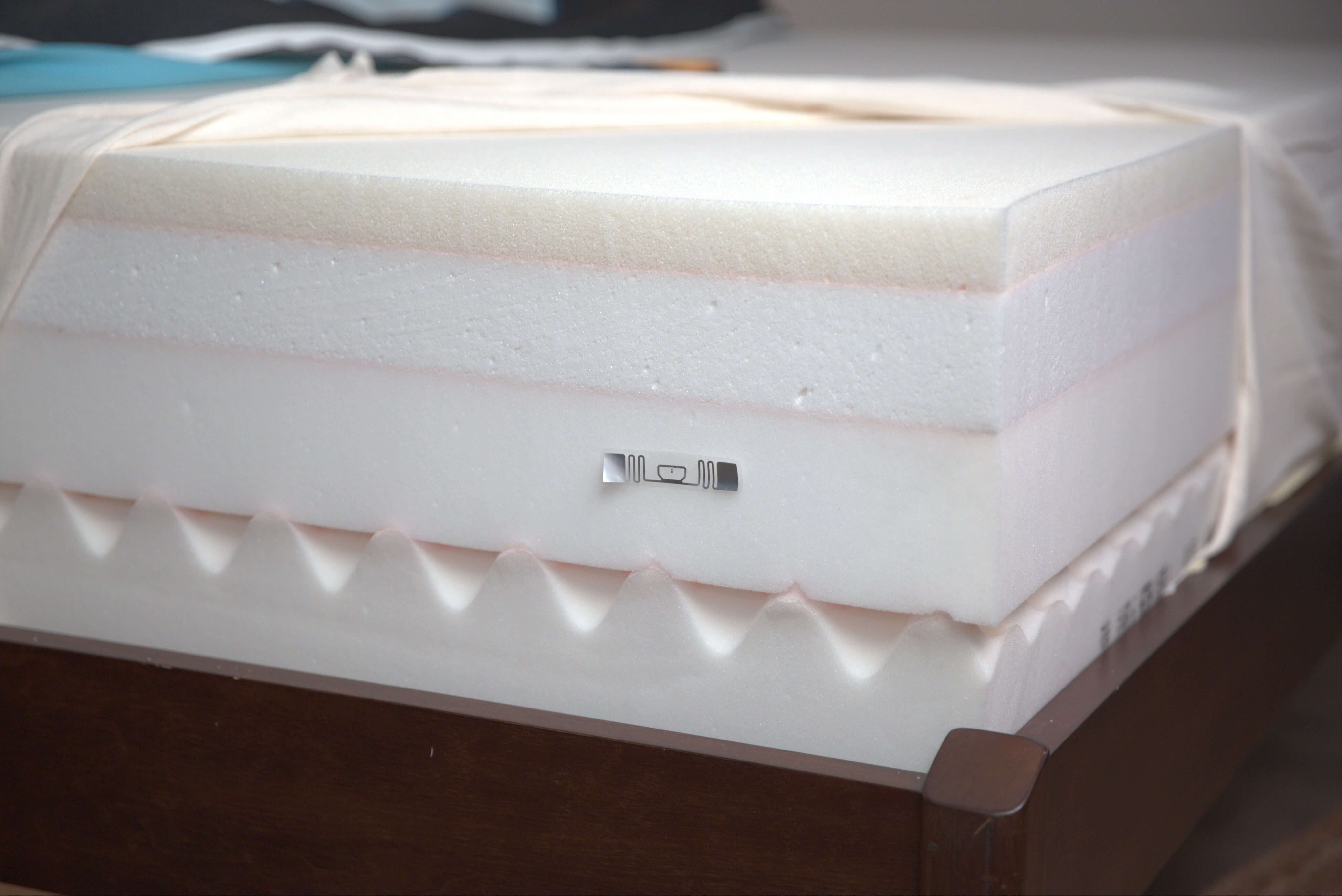
A) Smart Climate Dual Cover System: Zip-off, cool-to-touch outer layer. B) Pure Cool+ Phase Change Material: Exclusive technology that absorbs heat so you feel cooler. C) TEMPUR-CM+ Material: Advanced TEMPUR material redesigned with maximum airflow for all-night cooling. D) Ventilated TEMPUR-APR Material: Our most pressure-relieving material ever – now with an ultra-breathable design.
Here’s a picture of the mattress without the cover. As you can see the foam is cleanly cut, they don’t use too much glue and the inside looks just as nice as the outside. They even have a rfid tag on the foam so they can discern when are where the foam was made for quality control.
Given the price of this mattress, I had very high expectations going into my review. While looks certainly aren’t everything, the do matter. I have come to find over the years that mattresses that look good often feel good. What I mean by that is the mattress is symmetrical, there are no sagging corners or loose threads, branding is clear, zippers are functional and the box it is shipped in is clean and sturdy. This mattress checks all those boxes.
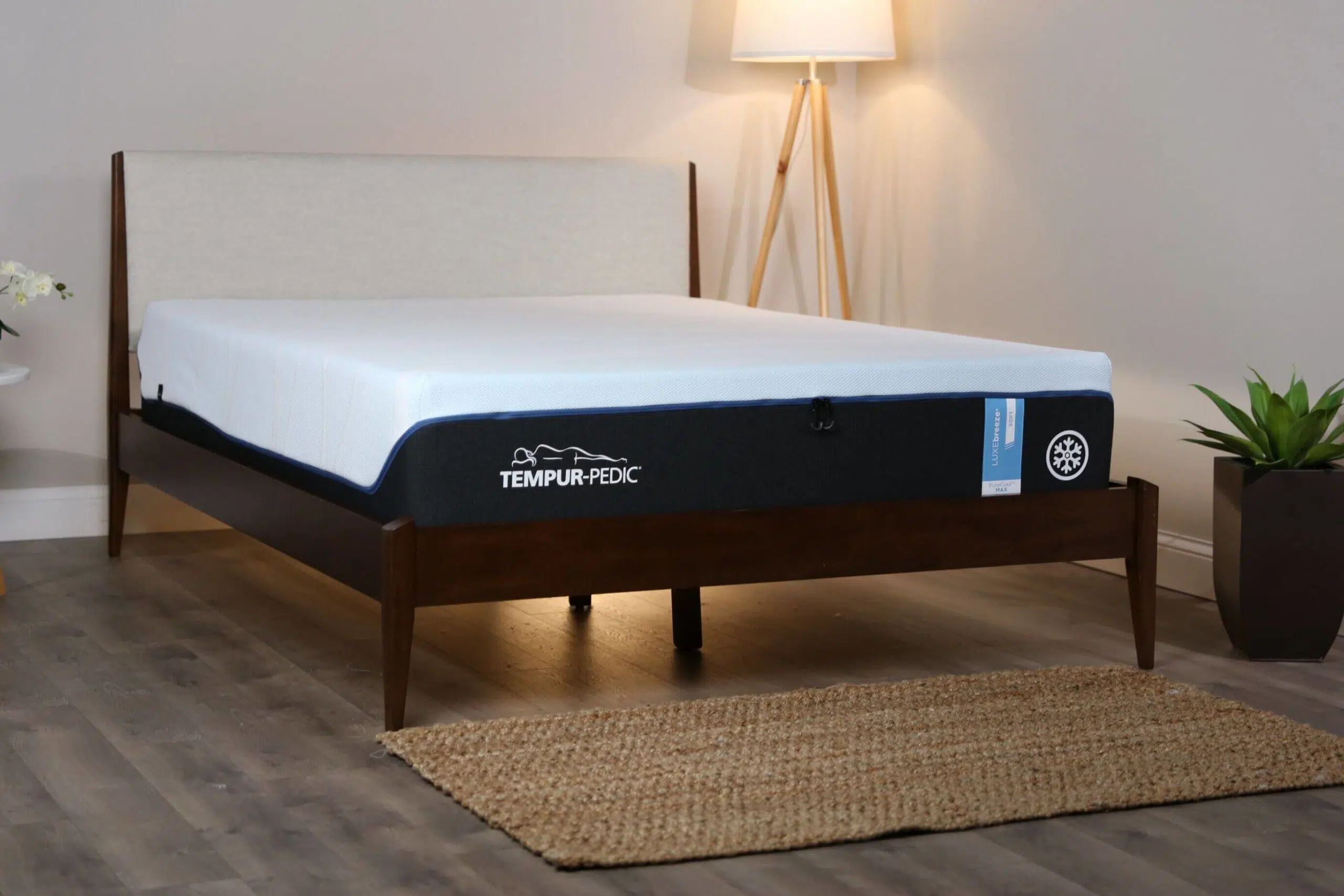
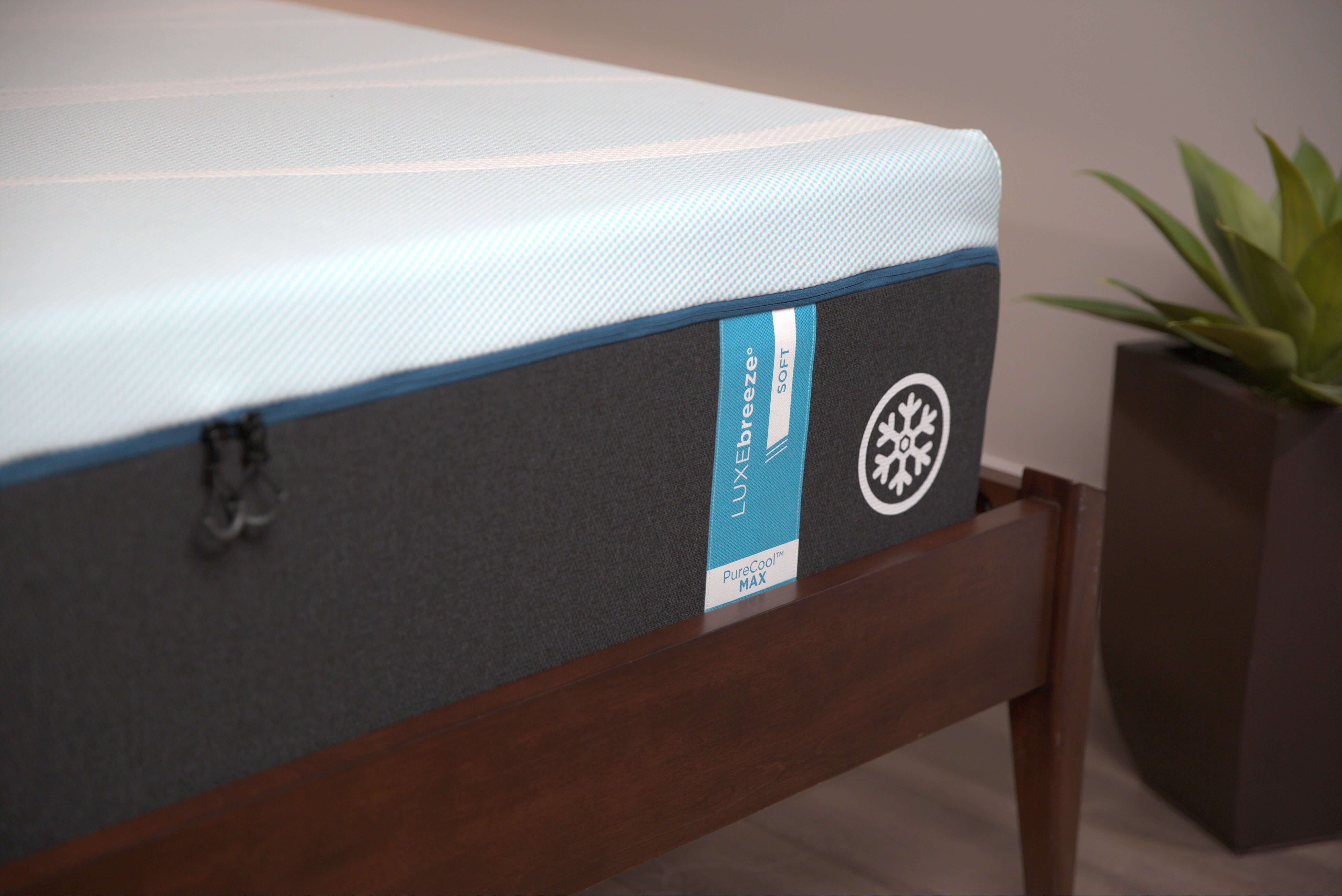
Here you can clearly see the Tempurpedic logo and make and model. I’m sure this is in part because they are primarily sold in retails stores but it is nice to know right away that you got what you paid for and there is no doubt about the make and model.
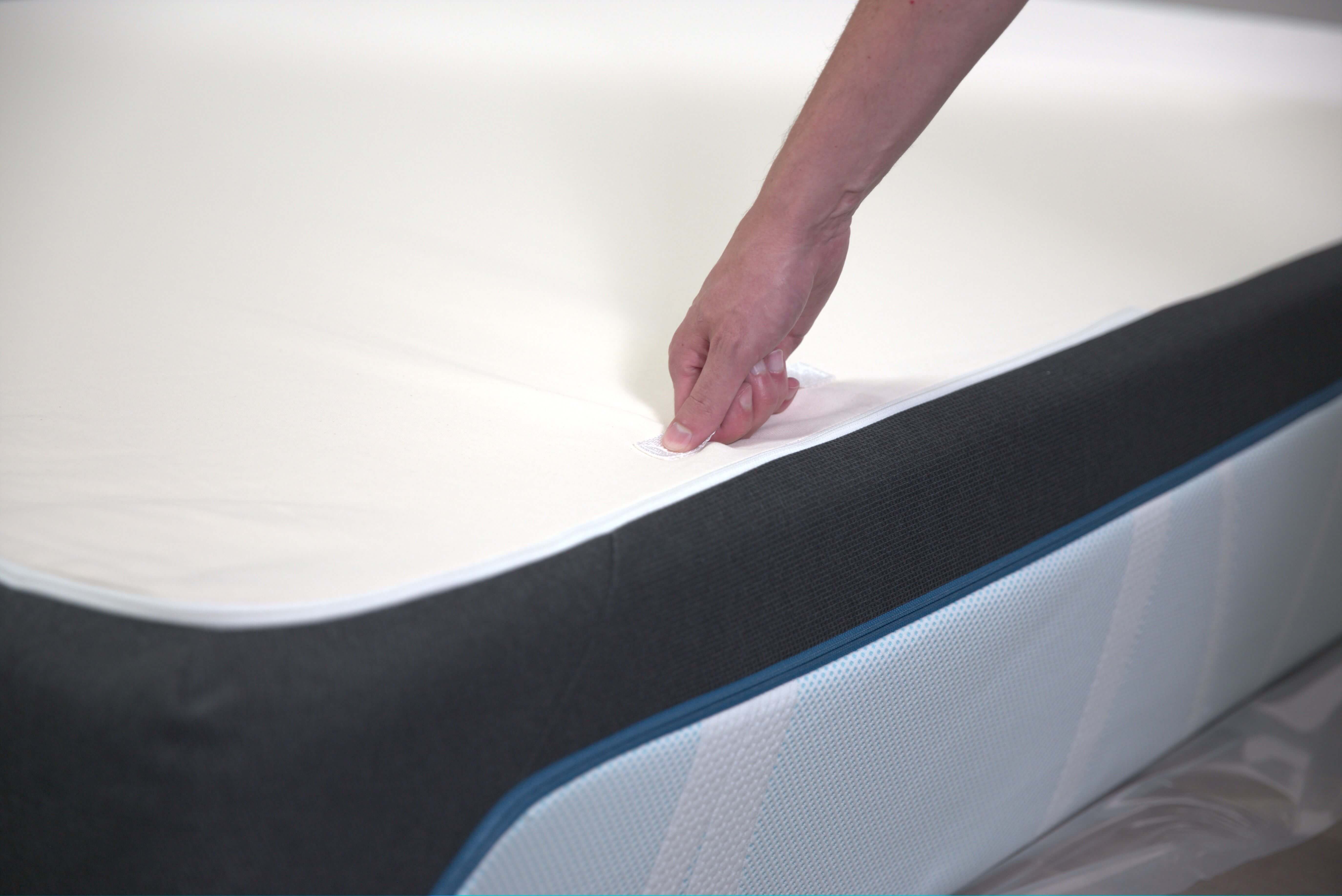
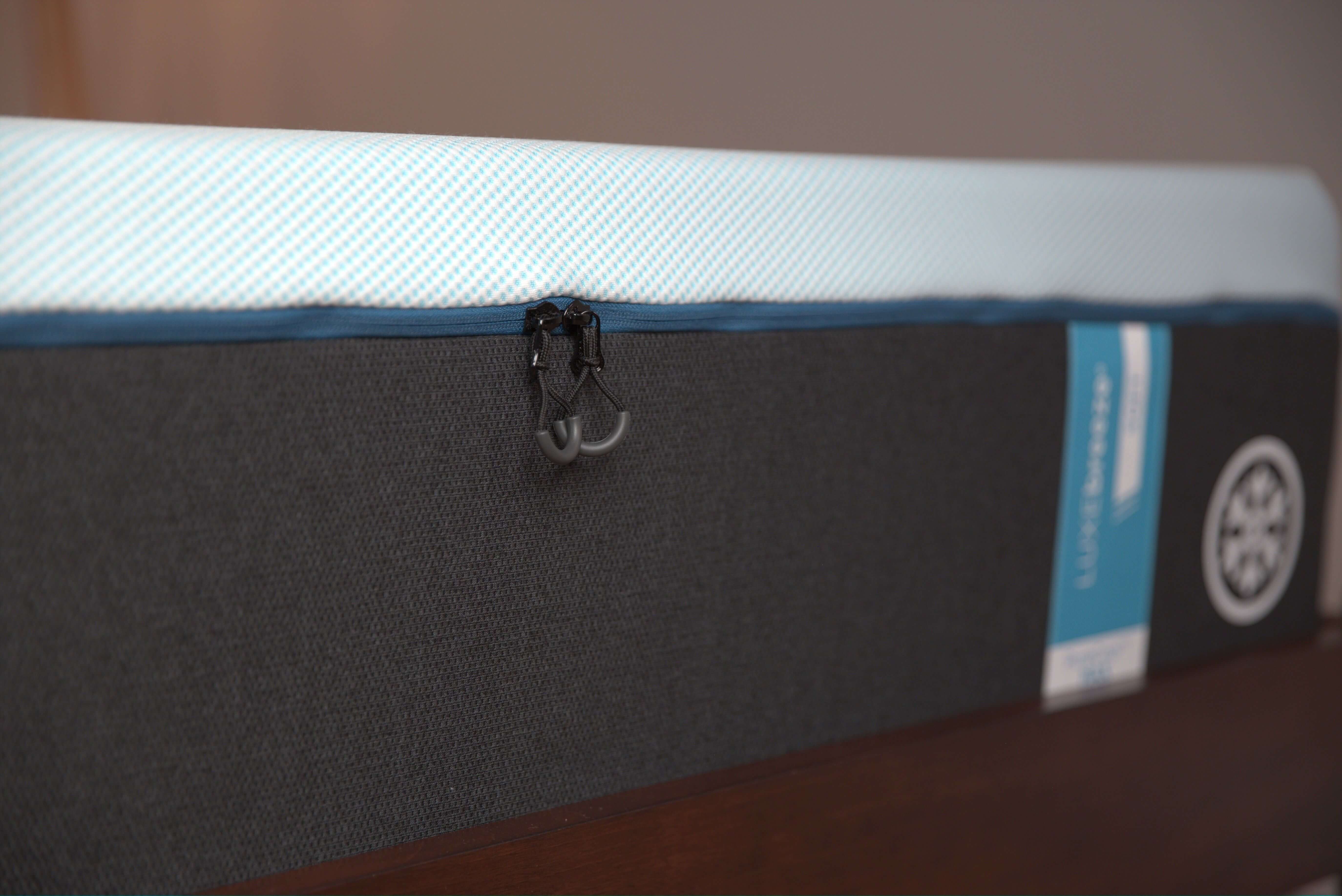
This mattress actually has two zipper systems. One is accessible from the bottom and will allow you to take off the entire cover and the other will unzip the top cover. As you can see even the zippers are high quality, easy to use and durable.
What struck me first about this mattress was the cover. It just feels luxurious. I could tell right away that it was well made and will hold up for many years. Cheap covers can actually tear over time or more likely tear when they are being transported. The cover also plays a big part in the overall feel of the mattress.
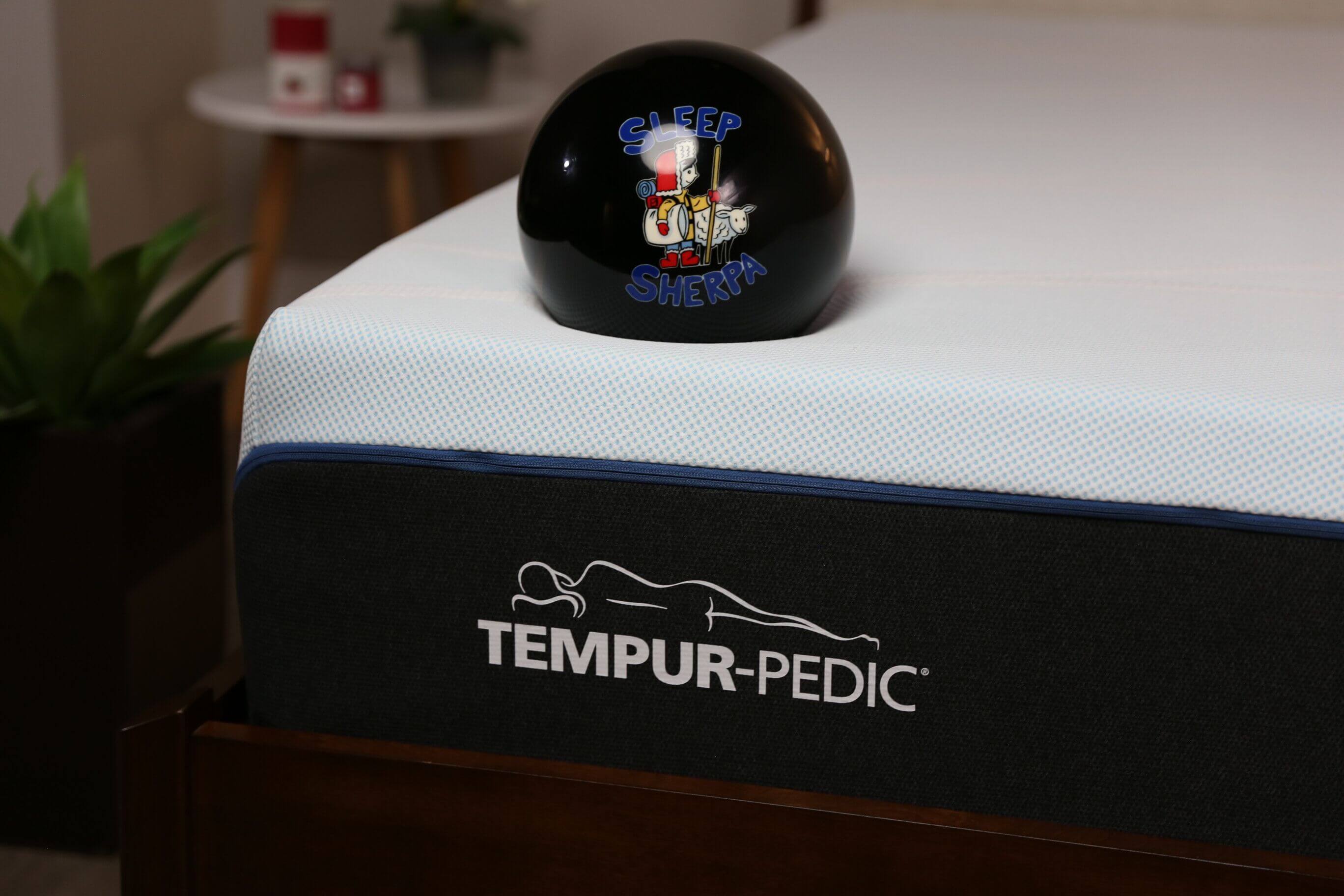
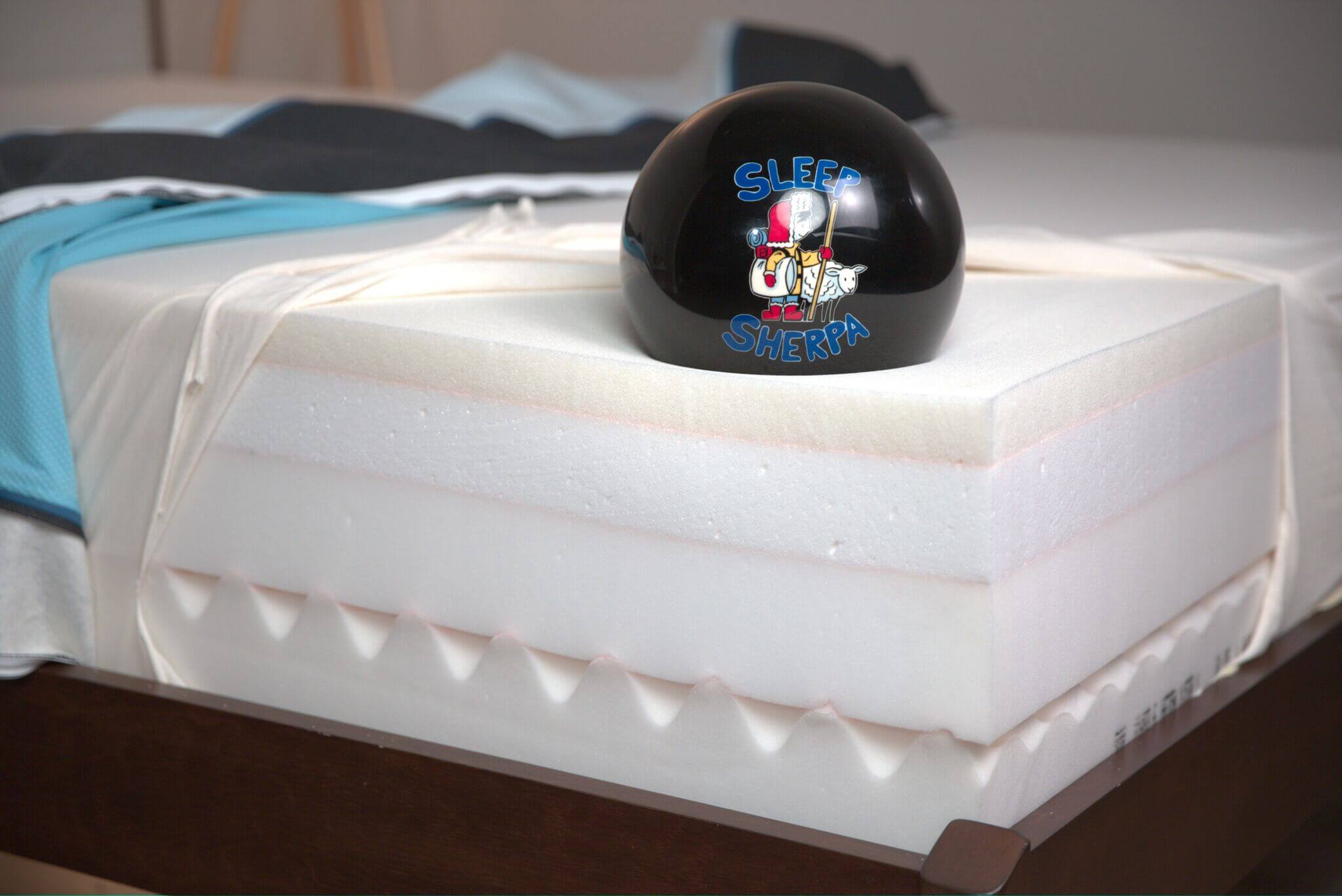
For this review, I received the soft version of the LUXE breeze. Below you can see how much by 14 lb. bowling ball sinks into the mattress. Tempurpedic mattresses normally skew a bit firmer than most mattresses. With the soft version, I found it to contour very well without sinking too much. The newer Tempurpedic models such as this one have faster recovery times without sacrificing pressure relief. If you want an ultra-soft mattress, this probably won’t be it but I think most people, especially side and back sleepers will really like how this mattress contours to your body.
Here’s another shot of contouring without the cover on.
There are many brands now that have cooling technology built into the mattress. But, they vary wildly in how much cooling material they actually add. With this mattress, they don’t skimp. You will notice right away how cool it feels when you lay down. The idea is that it will cool your body to prepare for sleep and thus help you fall asleep just a bit faster.
Because this cover is made with a phase change material, I advise against washing it. You can wash it in a washing machine with cold or warm water, but it will decrease the cooling effectiveness of the cover. I advise using a mattress protector instead.
Memory foam is notorious for sleeping hot and normally the denser the foam the more heat it will trap. The LUXE Breeze is able to give you durable, quality foam with a new technology to help you sleep cooler giving you all the benefits of foam without any of the drawbacks.
My Tempurpedic Breeze Luxe Recommendation
Tempurpedic mattresses are not cheap. This model costs $4,499 for a queen size but keep in mind that Tempur often throws in incentives like 0% apr financing, credit towards an adjustable bed or other discounts throughout the year. You might be wondering what justifies the cost of this mattress over others. In short, I think it comes down to quality. You are buying a brand that knows how to make a foam mattress better than anyone. You are also getting quality material throughout from a company that will be around for a long time.
If mattresses were cars, the Tempurpedic would be the Maserati of mattresses. It looks and performs perfectly but it also comes with a cost. If you want to make a serious investment in your sleep, definitely check out the Luxe Breeze.
Shop Tempurpedic
How Much Does the Tempurpedic Luxe Breeze Cost?
The typical price of the Tempurpedic Luxe Breeze mattress can vary depending on the size you choose. Prices generally range from around $3,999 for a Twin XL to approximately $7,998 for a Split California King. Keep in mind that these prices are subject to change and may vary depending on any promotions or discounts that Tempurpedic may be offering at the time.
To ensure that you’re getting the best deal on your Luxe Breeze mattress, we recommend purchasing directly from Tempurpedic’s official website. Buying from their website not only guarantees that you’re getting an authentic product, but it also often provides access to exclusive promotions, financing options, and a more streamlined customer service experience. Additionally, Tempurpedic’s website is the best place to stay up-to-date on the latest information regarding product specifications, warranties, and sleep trial periods.
The price of the Tempur-Pedic LuxeBreeze mattress varies depending on the size. Here is a breakdown of the current prices for all sizes:
Size
Price
Twin
$3,999
Twin XL
$4,299
Full
$4,599
Queen
$4,899
King
$5,699
California King
$5,999
Please note that these prices are subject to change and may vary depending on the retailer.
The Tempur-Pedic LuxeBreeze is a high-end mattress, but it is also one of the most popular and well-reviewed mattresses on the market. It is a good option for sleepers who are looking for a cool, comfortable, and supportive mattress.
Tempurpedic Luxe Breeze Alternatives
Several other mattresses on the market offer similar features and benefits to the Tempurpedic Luxe Breeze. Some of these competitors include:
Purple Hybrid Premier: The Purple Hybrid Premier mattress uses the unique Purple Grid™ technology, which is designed to provide excellent pressure relief while also promoting airflow to keep you cool throughout the night. It combines this technology with responsive support coils for added comfort and durability.
Sleep Number i10: This high-end mattress from Sleep Number features a dual-layer design that allows you to adjust the firmness level on each side of the bed. It also includes temperature-balancing technology to help regulate your sleep surface and prevent overheating.
Loom & Leaf by Saatva: This luxury memory foam mattress boasts eco-friendly materials and a cooling gel-infused foam layer to help regulate temperature. With its breathable organic cotton cover and additional support layers, the Loom & Leaf offers a balance of comfort, support, and temperature regulation.
GhostBed Luxe: The GhostBed Luxe is an all-foam mattress that utilizes cooling technology, including a layer of phase-change material and gel-infused memory foam. These features, combined with a cooling fabric cover, aim to provide a consistently cool sleep surface throughout the night.
Amerisleep AS5 Hybrid: This plush hybrid mattress from Amerisleep features a combination of proprietary Bio-Pur® foam, which is both responsive and breathable, and zoned pocketed coils for targeted support. Its design emphasizes pressure relief, cooling, and responsiveness.
Dreams are a natural phenomenon that occurs during sleep, characterized by a series of thoughts, images, emotions, and sensations that unfold in the mind’s eye. They are a universal experience, transcending cultures and time, and serving as a connection to our subconscious selves. Dreams have captivated the human imagination since time immemorial, playing a vital role in shaping our personal lives, societies, and even artistic creations. They offer us an opportunity to explore our deepest fears, desires, and aspirations, often revealing hidden aspects of our psyche. By understanding and interpreting our dreams, we can gain insights into our emotional well-being, mental health, and the direction our lives may be taking.
This article aims to delve into the mysterious world of dreams, shedding light on the various types of dreams that people experience and their significance. We will explore the science behind dreaming, how culture and spirituality shape our understanding of dreams, and their connection to creativity. Furthermore, we will touch upon the latest research and technological advancements in the field of dream studies. In doing so, we hope to foster a greater appreciation for the enigmatic realm of dreams and encourage readers to embrace their personal dreamscapes with curiosity and wonder.
The Neuroscience of Dreams
Sleep is a complex and dynamic process, comprising several stages that cycle throughout the night. These stages include non-rapid eye movement (NREM) sleep and rapid eye movement (REM) sleep. NREM sleep is further divided into three stages: N1, N2, and N3. Each stage is characterized by distinct brain wave patterns, muscle activity, and eye movement. Dreams primarily occur during the REM stage when brain activity is at its peak, resembling that of wakefulness.
Dreams are a product of intricate brain activity, involving various regions working in tandem to create vivid and immersive experiences. Key players in the dreaming process include the amygdala, which is responsible for processing emotions; the hippocampus, which plays a role in memory consolidation; and the prefrontal cortex, which is involved in higher cognitive functions such as decision-making and self-awareness. During REM sleep, the brain’s activity and neural connections help to create the rich tapestry of our dreams.
Memories and emotions play a crucial role in shaping our dreams, as they provide the content and context for the scenarios that unfold. Dreams often draw upon our personal experiences, incorporating elements from our daily lives, past events, and even our deepest fears and desires. The emotional tone of a dream can be influenced by our waking emotional state, with heightened feelings of stress, anxiety, or happiness carrying over into our dreams. Furthermore, dreams can also serve as an emotional release, allowing us to process unresolved emotions and conflicts in a safe and symbolic environment.
Common Types of Dreams
Daydreams are spontaneous and involuntary thoughts that drift away from the present moment, often involving imaginary scenarios or pleasant experiences. They typically occur during periods of low cognitive demand and can last anywhere from a few seconds to several minutes. Daydreams serve various purposes, such as providing a mental escape from boredom or stress, fostering creativity, and helping to plan future actions. However, excessive daydreaming can lead to a decrease in productivity and impair focus on daily tasks.
Lucid dreams are a unique type of dream where the dreamer becomes aware that they are dreaming while still immersed in the dream. This awareness grants the dreamer a degree of control over their dream environment and actions. There are several techniques for inducing lucid dreams, such as reality testing, mnemonic induction of lucid dreams (MILD), and wake-induced lucid dreaming (WILD). The potential benefits of lucid dreaming include personal growth, enhanced creativity, and therapeutic applications. However, some risks, such as sleep disruptions and confusion between reality and dreams, may arise.
Nightmares are vivid and distressing dreams that evoke strong negative emotions, such as fear, anxiety, or sadness. They can be caused by a variety of factors, including stress, trauma, or certain medications. To cope with nightmares, individuals can employ techniques such as relaxation exercises, addressing the underlying stressors, or seeking professional help if they become disruptive to daily life.
Recurring dreams are dreams that repeat the same theme or scenario multiple times, often indicating unresolved emotional or psychological issues. Common themes in recurring dreams include being chased, falling, or losing teeth. The interpretations of these dreams can vary depending on the individual and their specific experiences. Psychological explanations for recurring dreams often point to unresolved conflicts, repressed emotions, or unfulfilled needs.
Prophetic dreams, also known as precognitive dreams, are believed to predict future events or reveal hidden information. Throughout history, numerous accounts of prophetic dreams have been documented, such as Abraham Lincoln’s dream of his assassination. However, from a scientific perspective, prophetic dreams are often attributed to coincidence, selective memory, or the unconscious mind piecing together subtle cues and information that the conscious mind may not have noticed.
Cultural and Spiritual Interpretations of Dreams
Ancient cultures placed great importance on dreams, viewing them as messages from the divine, omens, or windows into the hidden realms of the mind. For instance, ancient Egyptians believed that dreams were messages from the gods and provided guidance for daily life. In ancient Greece, dreams were seen as a means of communication with the gods, and dream interpretation played a significant role in their society, with dream interpreters offering insights into the meaning of dreams and their potential implications.
Dream symbolism varies across cultures, reflecting their unique values, beliefs, and experiences. For example, in Native American cultures, dreams often involve animals and nature, symbolizing different aspects of life and spiritual connections. In Chinese culture, dreams may be interpreted based on the principles of yin and yang, with each symbol in the dream representing either positive or negative energies.
The role of dreams in religion and spirituality is evident in numerous traditions around the world. In Christianity, dreams are considered a means through which God communicates with individuals, with many biblical accounts of prophetic dreams shaping the course of history. Similarly, in Islam, dreams are seen as a way for Allah to communicate with the faithful, and dream interpretation is a respected practice in Islamic culture. Hinduism and Buddhism also acknowledge the spiritual significance of dreams, with some teachings suggesting that dreams can provide insights into one’s spiritual path or help to resolve karmic issues.
Modern dream interpretation theories encompass a wide range of perspectives, from psychological to spiritual. Sigmund Freud’s psychoanalytic theory suggests that dreams represent the fulfillment of repressed desires and unfulfilled wishes. Carl Jung, on the other hand, saw dreams as a way for the unconscious mind to communicate with the conscious mind, revealing hidden aspects of the self and offering guidance for personal growth. More contemporary theories, such as the activation-synthesis hypothesis, propose that dreams are a byproduct of the brain’s attempts to make sense of random neural activity during sleep. Regardless of the interpretation, dreams continue to captivate and mystify, inspiring exploration and self-discovery.
Dreams and Creativity
Dreams have long been a source of inspiration for many famous creative works throughout history. For example, Mary Shelley’s iconic novel, “Frankenstein,” was conceived in a vivid dream that she experienced during a stormy night. Similarly, the melody for The Beatles’ classic song “Yesterday” came to Paul McCartney in a dream, while Salvador Dalí’s surreal painting, “The Persistence of Memory,” was influenced by his dreamscapes.
Dreams can also play a significant role in problem-solving, as they provide a unique environment where the mind can freely explore ideas and scenarios without the constraints of reality. Many notable inventions, scientific discoveries, and breakthroughs have been attributed to insights gained through dreams. For instance, the chemist Friedrich August Kekulé discovered the structure of the benzene molecule after envisioning a snake biting its tail in a dream. Likewise, Indian mathematician Srinivasa Ramanujan claimed that his groundbreaking formulas were revealed to him in dreams by a Hindu goddess.
Harnessing dream creativity requires attentiveness to one’s dreams and a willingness to explore their potential. Techniques for tapping into this creative wellspring include keeping a dream journal to record and analyze dreams, practicing lucid dreaming to gain more control over dream content, and using visualization or meditation techniques to encourage specific dream themes or scenarios. By cultivating an awareness of our dreams and fostering a curiosity about their potential, we can unlock a treasure trove of creative insights and inspiration.
Dream Research
Current research and studies on dreams continue to uncover new insights into the nature and function of dreams, as well as their impact on our mental health and well-being. Researchers are exploring topics such as the role of dreams in memory consolidation, emotional regulation, and creative problem-solving. Additionally, studies are investigating the potential therapeutic applications of dream analysis for treating conditions such as PTSD, depression, and anxiety.
Technological advancements in dream analysis have opened up new possibilities for understanding and exploring our dreams. Devices such as sleep trackers and EEG (electroencephalogram) monitors can provide valuable data on brain activity during sleep, offering researchers a glimpse into the neurological processes behind dreaming. Furthermore, advances in artificial intelligence and machine learning have led to the development of algorithms capable of analyzing dream content and patterns, opening new doors for large-scale dream research and personalized dream interpretation.
Future possibilities for dream exploration are vast and exciting. As technology continues to evolve, we may one day be able to decode and visualize dreams, allowing us to literally “watch” our dreams like movies. This could lead to new forms of entertainment, therapy, or even communication. Additionally, advancements in virtual reality and brain-computer interfaces may enable us to consciously interact with our dreamscapes, blurring the lines between dreams and reality. As we continue to unravel the mysteries of dreams, we will undoubtedly discover new ways to harness their power, enhance our understanding of the human mind, and enrich our lives in ways we have yet to imagine.
Final Thoughts on Dreams
Throughout this exploration of dreams, we have delved into the various types of dreams, such as daydreams, lucid dreams, nightmares, recurring dreams, and prophetic dreams. We have also touched upon the cultural, spiritual, and psychological aspects of dreams, as well as their connection to creativity and problem-solving.
Understanding and exploring our dreams can provide valuable insights into our emotional well-being, mental health, and personal growth. By paying attention to our dreams and seeking to interpret their meanings, we can learn more about ourselves, our fears, desires, and aspirations. Moreover, the continued study of dreams has the potential to unlock new therapeutic applications, enhance our creative abilities, and deepen our understanding of the human mind.
As we continue to unravel the mysteries of dreams, we encourage you to embrace the enigmatic realm of your own dreamscapes with curiosity and wonder. By cultivating an awareness of your dreams and fostering a spirit of exploration, you can unlock a treasure trove of personal insights and inspiration that will enrich your life in ways you have yet to imagine.
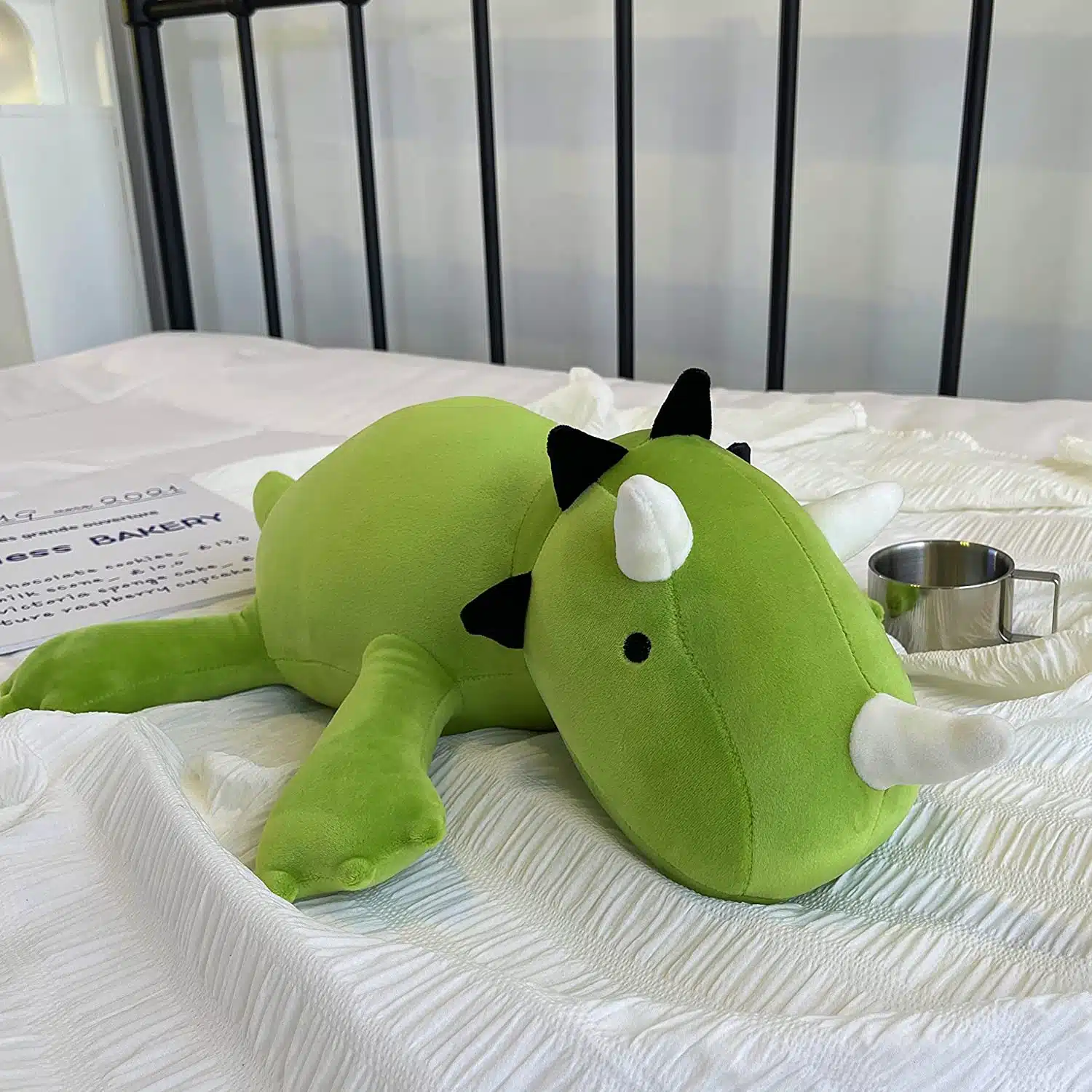
Weighted stuffed animals are becoming increasingly popular as part of the category of Deep Pressure Stimulation or Deep Pressure Therapy products. One particular stuffed animal, a green dinosaur from Target’s Pillowfort brand, has gone viral on TikTok as the “TikTok-Famous Weighted Anxiety Dino”. The stuffed animal has become so popular that it has gone out of stock, with over 24 million views under the search term “target weighted stuffed animal” on TikTok.
As a result, we decided to review this viral stuffed animal and see what the fuss is all about. The Pillowfort stuffed animal is available in four different “characters” including the green dinosaur, a pink dinosaur, a cheetah, and a unicorn. We tested the green dinosaur and found it to be comforting, calming, and just plain adorable.
We recommend this stuffed animal for anyone who struggles with anxiety, loves stuffed animals, or finds cuddling with pets calming. However, if you’re looking for all-over Deep Pressure Touch or if weighted products make you feel claustrophobic, this may not be the best choice for you. The stuffed animal is made of velvety soft exterior and is filled with polyester fiber fill and thermoplastic elastomer (TPE) pellets to give it weight.
In terms of pricing and policies, you can purchase the weighted anxiety dinosaur from Target for $20. Overall, we found this stuffed animal to be a success and provide a lot of comfort and joy. It’s an affordable product that is cozy, calming, and just downright adorable.
Weighted stuffed animals, like the weighted dinosaur, can help with anxiety in a few ways. First, the weight of the animal can provide deep pressure stimulation, which can help to calm the body and mind. Second, the soft and cuddly texture of the animal can provide comfort and security. Third, the animal can serve as a distraction from anxious thoughts and feelings.
Here are some of the specific ways that a weighted dinosaur can help with anxiety:
Deep pressure stimulation: Deep pressure stimulation is a type of touch that can help to calm the body and mind. It is thought to work by activating the parasympathetic nervous system, which is responsible for the body’s “rest and digest” response. Weighted blankets and stuffed animals are two common ways to provide deep pressure stimulation.
Comfort and security: The soft and cuddly texture of a weighted dinosaur can provide comfort and security. This can be especially helpful for people who experience anxiety or stress. The animal can serve as a reminder that they are not alone and that they are safe.
Distraction: A weighted dinosaur can also serve as a distraction from anxious thoughts and feelings. When you are feeling anxious, it can be helpful to focus on something else. Holding or cuddling a weighted dinosaur can help to take your mind off of your worries and give you a sense of calm.
It is important to note that weighted stuffed animals are not a cure for anxiety. However, they can be a helpful tool for managing anxiety symptoms. If you are interested in trying a weighted stuffed animal, be sure to talk to your doctor or therapist first. They can help you to determine if a weighted animal is right for you and can provide you with guidance on how to use it safely and effectively.
As we search for better sleep solutions, it’s easy to get lost in a sea of information and advice. But there is one natural remedy that has gained attention in recent years: tart cherry juice. According to some studies, consuming tart cherry juice may help improve the quality and duration of sleep. However, with so many products on the market, it’s important to separate fact from fiction.
The Science Behind Tart Cherry Juice and Sleep
Tart cherries are a rich source of melatonin, a hormone that regulates sleep-wake cycles. Melatonin is naturally produced in the body, but levels can be disrupted by factors such as stress, caffeine, and exposure to light. By consuming tart cherry juice, which contains melatonin, some people may be able to regulate their sleep-wake cycles and improve their overall sleep quality.
One study, published in the Journal of Medicinal Food, found that consuming tart cherry juice twice a day for two weeks increased sleep time by an average of 84 minutes per night in participants with insomnia. Another study, published in the European Journal of Nutrition, found that consuming tart cherry juice improved sleep quality in older adults.
However, it’s important to note that not all studies have found a significant improvement in sleep with tart cherry juice consumption. More research is needed to determine the effectiveness of tart cherry juice as a sleep aid and to identify the optimal dose and timing.
Choosing the Right Tart Cherry Juice
Not all tart cherry juice products are created equal. Some brands may contain added sugars or other additives, which can negate any potential sleep benefits. It’s important to choose a tart cherry juice that is 100% pure and unsweetened.
Additionally, it’s important to consider the concentration of melatonin in the tart cherry juice. While there is no standard dose of melatonin for sleep, most studies have used doses ranging from 0.1 to 10 mg. Tart cherry juice typically contains less than 0.1 mg of melatonin per serving, so it may be necessary to drink multiple servings to achieve a therapeutic dose.
Potential Risks and Side Effects
While tart cherry juice is generally considered safe for most people, there are some potential risks and side effects to be aware of. Some people may experience gastrointestinal discomfort, such as bloating or diarrhea, after consuming tart cherry juice. Additionally, tart cherry juice may interact with certain medications, such as blood thinners and medications for high blood pressure.
It’s important to talk to a healthcare provider before starting to consume tart cherry juice or any other new sleep aid. They can help determine if it’s safe for an individual’s specific health situation.
Other Sleep-Friendly Foods and Lifestyle Changes
While tart cherry juice may be a helpful addition to a sleep-promoting diet, it’s important to remember that no single food or drink can guarantee better sleep on its own. A balanced diet that includes a variety of nutrient-rich foods, such as whole grains, lean proteins, fruits, and vegetables, can help promote overall health and wellness, including better sleep.
Additionally, lifestyle changes such as establishing a regular sleep schedule, limiting caffeine and alcohol intake, and reducing screen time before bed can also contribute to better sleep.
Conclusion
While tart cherry juice may hold promise as a natural sleep aid, more research is needed to determine its effectiveness and the optimal dose. Choosing a 100% pure and unsweetened product, as well as talking to a healthcare provider before starting to consume tart cherry juice, can help minimize potential risks and side effects.
Ultimately, achieving better sleep requires a multifaceted approach that includes a healthy diet, regular exercise, and good sleep habits. Tart cherry juice may be one tool in this toolkit, but it’s not a magic cure-all.
Here are some scientific publications that support the potential benefits of tart cherry juice for sleep:
Pigeon, W. R., Carr, M., Gorman, C., & Perlis, M. L. (2010). Effects of a tart cherry juice beverage on the sleep of older adults with insomnia: a pilot study. Journal of medicinal food, 13(3), 579-583.
Howatson, G., Bell, P. G., Tallent, J., Middleton, B., McHugh, M. P., & Ellis, J. (2012). Effect of tart cherry juice (Prunus cerasus) on melatonin levels and enhanced sleep quality. European journal of nutrition, 51(8), 909-916.
Losso, J. N., Finley, J. W., Karki, N., Liu, A. G., Prudente, A., Tipton, R., … & Greenway, F. L. (2018). Pilot study of the tart cherry juice for the treatment of insomnia and investigation of mechanisms. American Journal of Therapeutics, 25(2), e194-e201.
These publications provide evidence for the potential benefits of tart cherry juice for sleep and the importance of continued research to fully understand the optimal dose and timing of consumption.
Our Top Picks for Tart Cherry Juice Brands
There are several brands of tart cherry juice available on the market, ranging in price and quality. It’s important to choose a product that is 100% pure and unsweetened to maximize potential sleep benefits.
One popular brand is Lakewood Organic Tart Cherry Juice, which is USDA certified organic and contains no added sugars or preservatives. A 32-ounce bottle typically costs around $10.
Another option is Country Spoon Montmorency Tart Cherry Juice, which is also 100% pure and unsweetened. A 32-ounce bottle of this brand typically costs around $20.
For those looking for a more budget-friendly option, Knudsen Just Tart Cherry Juice is a good choice. While it does contain a small amount of added sugar, it is still 100% juice and contains no preservatives. A 32-ounce bottle typically costs around $6.
Other brands include Dynamic Health Organic Tart Cherry Juice Concentrate, Cheribundi Tart Cherry Juice, and FruitFast Tart Cherry Juice Concentrate.
Cherry Juice for Gout
Limited evidence: While there’s some evidence suggesting cherry juice might help manage gout symptoms, the research is not conclusive. It’s important to understand that cherry juice is not a cure for gout.
Medication is tailored: Gout medications are specifically designed to lower uric acid levels in your body, which is the root cause of gout attacks. Cherry juice has not been proven to have the same potent effect.
Potential side effects: Even natural products like cherry juice can have side effects or interactions with other medications. It’s crucial to discuss its use with your doctor.
Disease progression: Untreated or improperly managed gout can lead to serious complications like joint damage and kidney problems. Prescribed medications are proven to reduce the risk of these complications.
Recommendation:
Continue prescribed medication: Never stop taking your gout medication without your doctor’s explicit instructions.
Talk to your doctor about cherry juice: Ask them if incorporating cherry juice into your diet, alongside medication, could be beneficial in your specific case. They can provide the best advice based on your health history and current treatment plan.
While cherry juice cannot replace prescribed gout medication, it might have a complementary role in managing the condition. Here’s how:
Anti-inflammatory properties: Cherries, especially tart cherries, contain anthocyanins, which are natural compounds with anti-inflammatory effects. This might help reduce the pain and swelling associated with gout flare-ups.
Uric acid reduction: Some studies suggest that cherry juice could potentially contribute to lowering uric acid levels, the primary culprit behind gout. However, the effect is likely milder compared to prescribed medication.
Antioxidant boost: Cherries are packed with antioxidants, which help fight harmful substances in the body that can exacerbate inflammation.
How to incorporate cherry juice:
Talk to your doctor: Discuss whether cherry juice is a safe and potentially helpful addition to your gout management plan. They can advise you on any potential interactions with your medications.
Form: You can consume tart cherry juice, cherry extract, or fresh cherries.
Dosage: While there’s no standardized dosage, studies often use the equivalent of about 8 ounces of tart cherry juice concentrate or 1-2 servings of fresh cherries daily.
Moderation: Even natural fruit juices contain sugar. Opt for unsweetened tart cherry juice whenever possible, and consume it in moderation.
Here are some important lifestyle changes that can help improve gout symptoms and reduce the frequency of flare-ups:
Dietary Changes
Limit purine-rich foods: Purines are broken down into uric acid. Foods high in purines include:
Organ meats (liver, kidney, sweetbreads)
Red meat (beef, lamb, pork)
Some seafood (anchovies, sardines, shellfish)
Alcohol, especially beer
Hydrate well: Drink plenty of water to help your kidneys flush out uric acid. Aim for at least 8 glasses of fluids daily.
Increase low-fat dairy: Studies suggest low-fat dairy products may help reduce uric acid levels.
Cherries: Both tart cherries and cherry juice might offer a modest benefit thanks to their anti-inflammatory properties.
Limit sugary drinks: Fructose-sweetened beverages have been linked to increased uric acid levels.
Weight Management
Maintain healthy weight: Obesity increases the risk of gout. If you’re overweight, gradual weight loss can help lower uric acid levels.
Avoid crash diets: Rapid weight loss can temporarily increase uric acid levels and trigger a flare-up.
Other Factors
Exercise regularly: Aim for moderate-intensity physical activity most days of the week. Exercise helps with weight management and overall health.
Manage stress: Stress can be a trigger for some people. Find healthy stress management techniques that work for you.
Protect your joints: During a flare, rest the affected joint and apply ice to reduce inflammation
While cherry juice is generally safe for most people, there are potential side effects to consider, especially if you consume it in large quantities:
Gastrointestinal issues: The high fiber content of cherry juice can lead to:
Diarrhea
Gas
Bloating
Stomach cramps
Fructose content: Cherry juice, like most fruit juices, contains fructose. Excessive fructose intake can be problematic for people with diabetes or those at risk, as it can raise blood sugar levels.
Medication interactions: Cherry juice may potentially interact with certain medications, including blood thinners, some antibiotics, and corticosteroids. Always consult with your doctor before using cherry juice if you’re currently on medication.
Allergic reactions: While uncommon, some individuals may be allergic to cherries.
How to minimize side effects
Moderation: Stick to moderate amounts of cherry juice (around 8 ounces of tart cherry juice concentrate or 1-2 servings of fresh cherries daily).
Opt for unsweetened: Choose unsweetened cherry juice whenever possible to control sugar intake.
Here’s how cherry juice consumption might affect uric acid levels and inflammation in individuals with gout:
Potential Effects on Uric Acid Levels
Uric acid reduction: While not as potent as prescribed medications, some studies suggest that cherry juice could have a mild uric acid-lowering effect. This could be due to the presence of certain compounds in cherries that might encourage uric acid excretion through the kidneys.
Limited evidence: It’s important to note that the effect of cherry juice on uric acid levels is not fully conclusive. More robust research is needed to determine the extent of any potential impact.
Potential Effects on Inflammation
Anti-inflammatory compounds: Cherries, particularly tart cherries, are rich in anthocyanins, which are natural antioxidants and anti-inflammatory compounds. These compounds might help reduce the inflammation associated with gout flare-ups.
Potential for pain reduction: Research suggests that cherry consumption might lead to reduced pain and potentially fewer flare-ups due to its anti-inflammatory effect.
Important Considerations:
Not a cure: Cherry juice is unlikely to be a definitive cure for gout. Its potential effects on uric acid levels are likely milder than medication specifically designed to target uric acid reduction.
Complementary treatment: Cherry juice could potentially play a complementary role in gout management, alongside prescribed medications and lifestyle changes.
Further research needed: While initial studies show promising results, larger and more comprehensive studies are needed to fully understand the impact of cherry juice on uric acid and inflammation in individuals with gout.
The role of cherry juice in treating active gout flare-ups is less clear-cut. Here’s what we know:
Potential anti-inflammatory effects: The anthocyanins in cherries have anti-inflammatory properties. This could theoretically help reduce the pain and swelling associated with a gout flare-up. However, the research on the direct effects during a flare-up is limited.
Inconclusive evidence: While there is some suggestion that cherry juice might help prevent flare-ups, its effectiveness in actively treating ongoing flare-ups remains less established.
Not a replacement for medication: Gout flare-ups often require specific medication prescribed by your doctor to effectively manage the inflammation and pain. Cherry juice should not be considered a replacement for prescribed treatment during a flare.
How it might work (theoretical):
Anti-inflammatory effects: The anti-inflammatory properties of cherry juice could potentially lessen the severity of inflammation caused by uric acid crystals during a flare-up.
Uric acid reduction: While the effect might be mild, some studies suggest cherry juice could play a role in lowering uric acid levels, thus potentially contributing to reducing the triggers of a flare-up
Here’s a variety of easy ways to incorporate cherries into your diet:
Fresh Cherries:
Snack time: Enjoy them as a fresh, satisfying, and healthy snack straight out of the bag.
Salads: Add pitted sweet or tart cherries to salads for a burst of color, sweetness, and a delightful texture.
Yogurt and oatmeal: Top your yogurt, oatmeal, or cereal with fresh cherries for a boost of flavor and nutrients.
Cherry Juice & Concentrates:
Straight up: Drink 8 ounces of tart cherry juice concentrate daily, or a similar amount diluted in water.
Smoothies: Add cherry juice or concentrate to your favorite smoothie recipes for an antioxidant punch.
Popsicles: Mix cherry juice with other fruit juices and freeze into popsicles for a healthy and refreshing summer treat.
Dried Cherries:
Trail mix: Add dried cherries to your homemade trail mix along with nuts and seeds.
Baking: Incorporate dried cherries into muffins, cookies, or bread for a sweet and tart flavor.
Salads: Toss a handful of dried cherries into salads for a touch of chewy sweetness.
Other ideas:
Cherry salsa: Make a fresh cherry salsa with chopped cherries, red onion, cilantro, and a squeeze of lime juice as a delicious dip or topping for grilled fish or chicken.
Cherry sauce: Create a sweet-tart cherry sauce to serve over ice cream, desserts, or even pancakes.
There’s some evidence suggesting that cherries, especially tart cherries, might have a positive effect on sleep quality. Here’s why:
Natural source of melatonin: Melatonin is a hormone produced by your body that plays a crucial role in regulating your sleep-wake cycle. Tart cherries contain a small amount of melatonin, which could potentially contribute to better sleep.
Tryptophan content: Cherries also contain tryptophan, an amino acid that helps your body produce melatonin.
Anti-inflammatory properties: The anthocyanins in cherries have antioxidant and anti-inflammatory effects. Inflammation can interfere with sleep, so reducing it could promote better sleep quality.
Research findings:
Studies have shown that consuming tart cherry juice can lead to increased melatonin levels, longer sleep duration, and improved sleep quality.
Although more research is always beneficial, the results so far indicate a potential benefit of cherries in promoting better sleep.
brand will be available in your specific area:
Lakewood Organic: Known for their pure, organic tart cherry juice.
Dynamic Health: Offers a variety of tart cherry juice products, including concentrates and blends.
Dynamic Health cherry juice
Cheribundi: Focus on tart cherry juice blends, often marketed towards athletes and promoting recovery benefits
Cheribundi cherry juice
RW Knudsen Family: A well-known brand offering both tart and sweet cherry juice options.
Indian Summer: Specializes in tart cherry juice, frequently highlighting its melatonin content.
Things to Consider:
Availability: What brands are stocked at your local grocery stores or online retailers.
Type: Pure tart cherry juice, concentrate, sweetened blends, etc.
Organic vs. Conventional: This will impact the price.
Here’s how cherries can potentially benefit heart health:
Antioxidants and Anti-inflammatories: Cherries, especially tart cherries, are packed with antioxidants like anthocyanins and flavonoids. These compounds help fight inflammation and oxidative stress, both of which are major contributors to heart disease.
Lowering Blood Pressure: Studies suggest that cherry consumption might help lower blood pressure. This is likely due to their potassium content and polyphenol compounds that promote relaxation of blood vessels.
Cholesterol Management: Potassium in cherries aids in balancing electrolytes, which can help regulate blood pressure. Additionally, plant sterols found in cherries may contribute to lowering LDL (“bad”) cholesterol levels.
Improved Blood Circulation: The antioxidants in cherries might improve blood vessel function and promote better blood circulation, reducing stress on the heart.
Here’s a selection of creative and accessible cherry recipes:
Easy Ideas:
Cherry-Almond Overnight Oats: Combine rolled oats, milk (dairy or plant-based), chia seeds, chopped almonds, a touch of maple syrup, and fresh or frozen cherries. Refrigerate overnight for a grab-and-go breakfast.
Roasted Cherry & Goat Cheese Salad: Roast pitted cherries in the oven with olive oil, salt, and pepper. Toss them with mixed greens, crumbled goat cheese, toasted nuts (like pecans or walnuts), and a balsamic vinaigrette.
Cherry Swirl Yogurt Parfait: Layer plain or vanilla yogurt with cherry sauce (store-bought or simmer fresh/frozen cherries with a bit of honey or maple syrup) and granola.
Slightly More Involved (But Still Accessible):
Cherry Salsa: Dice fresh cherries, combine with red onion, cilantro, jalapeño (optional), lime juice, and salt. Perfect for chips, grilled chicken, or fish tacos.
Cherry-Balsamic Glazed Chicken: Sear chicken breasts and simmer in a mixture of balsamic vinegar, cherry juice or cherry preserves, and a touch of Dijon mustard.
Cherry Clafoutis: A classic, custardy French dessert. Pitted cherries are baked in a simple batter – easy to find recipes online!
Bonus:
Homemade Cherry Popsicles: Blend cherry juice with plain yogurt and a bit of honey. Freeze in popsicle molds.
Cherry Smoothies: Blend frozen cherries with banana, yogurt, and a splash of milk for a refreshing drink.
Tips:
Sweet vs. Tart: Adjust sweetness in recipes based on your cherry type.
Fresh vs. Frozen: Many recipes work with either – frozen is often more budget-friendly.
Dried Cherries: Use these in baking, trail mix, or salads when fresh cherries are out of season.
Here’s how cherries, especially tart cherries, might help boost exercise recovery in athletes:
Anti-inflammatory Effects:
Anthocyanins: These natural compounds found in cherries have powerful anti-inflammatory properties. They help reduce inflammation caused by strenuous exercise, which can lead to muscle soreness and damage.
Reduced muscle soreness: Studies suggest that consuming cherry juice before and after intense workouts might lead to decreased post-workout muscle pain and faster recovery of muscle function.
Antioxidant Power:
Fighting oxidative stress: Intense exercise generates oxidative stress, which can contribute to muscle damage and fatigue. The antioxidants in cherries help neutralize harmful free radicals and support the body’s natural repair processes.
Other Potential Benefits:
Improved sleep: Some research indicates cherries might help improve sleep quality due to their melatonin content. Proper rest is vital for muscle recovery and overall athletic performance.
Reduced muscle damage markers: Studies suggest that cherry consumption can lead to lower levels of certain markers linked to exercise-induced muscle damage.
Ways to include cherries for recovery:
Tart cherry juice: Drink tart cherry juice concentrate or diluted juice before, during (mixed in water), and after workouts.
Cherry concentrates or supplements: These offer convenience and a concentrated dose of beneficial cherry compounds.
Whole cherries: Fresh or frozen cherries are a tasty and healthy snack option.
Here’s a table outlining how antioxidant content can vary across different forms of cherries, along with some explanations:
Form of Cherry
Antioxidant Content
Notes
Fresh, Tart Cherries
Highest
The baseline, contain the full array of antioxidants without processing.
Frozen, Tart Cherries
Very High
Flash-freezing preserves most of the antioxidants very well.
Tart Cherry Juice (unsweetened)
High
Contains a concentrated amount of antioxidants, although some may be lost during processing.
Dried Cherries
Moderate
Have antioxidants, but concentration may be lower due to the drying process. Can have added sugar, reducing antioxidant benefits.
Sweetened Cherry Juice
Lower
Sweetening dilutes antioxidant content, some may be lost in processing.
Important Considerations:
Type of Cherry: Tart cherries generally have a higher antioxidant content than sweet cherries.
Processing: Methods like juicing and drying can impact antioxidant levels. Opting for unsweetened juices and dried cherries without added sugar helps preserve more antioxidant benefits.
Serving Size: A larger serving of dried cherries might offer a similar antioxidant boost as a smaller serving of fresh cherries.
Findings from an animal study investigating how tart cherry powder affects weight, belly fat, and blood cholesterol, along with some important considerations:
Key Observations from the Study:
Reduced body weight and fat: Rats fed a high-fat diet supplemented with tart cherry powder gained less weight and had reduced body fat compared to rats without the cherry powder supplementation.
Decreased belly fat: Specifically, tart cherry powder supplementation was observed to reduce visceral fat, the harmful type of fat that accumulates around the abdominal organs.
Improved cholesterol profile: The cherry-fed rats exhibited lower levels of total cholesterol and LDL (“bad”) cholesterol, along with improved ratios of good vs. bad cholesterol.
Mechanisms Behind the Effect:
Anti-inflammatory properties: Tart cherries’ potent anti-inflammatory effects likely play a role in reducing fat accumulation and improving metabolic markers.
Antioxidant power: Cherries fight oxidative stress, which is closely linked to obesity and metabolic imbalances.
Potential influence on genes: Researchers suggest that cherries might influence the expression of genes linked to fat metabolism.
Studies exploring the potential link between tart cherry juice and blood pressure reduction, without the images:
Key Studies:
Northumbria University Study (2016): Researchers found that men with early signs of hypertension experienced a significant reduction in blood pressure after drinking Montmorency tart cherry concentrate diluted in water. This reduction was comparable to reductions seen with some blood pressure medications.
Food & Function Study (2018): This study looked at older adults consuming tart cherry juice. It concluded that tart cherry juice could lower systolic blood pressure and LDL cholesterol, both of which are risk factors for heart disease.
Nutrients Study (2019): Researchers observed noticeable reductions in systolic blood pressure and LDL cholesterol in older adults who regularly consumed Montmorency tart cherry juice over a 12-week period.
Potential Mechanisms:
Potassium content: Tart cherries contain potassium, a mineral that helps regulate blood pressure.
Antioxidant and anti-inflammatory effects: The anthocyanins and other antioxidants in cherries can reduce inflammation and improve blood vessel relaxation, both of which can contribute to lower blood pressure.
Tart cherry juice might potentially contribute to pain reduction:
Anti-inflammatory Properties:
Anthocyanins: The anthocyanins in tart cherries act as powerful anti-inflammatory agents. They can help reduce inflammation associated with various pain conditions, including:
Arthritis pain
Muscle soreness from exercise
Gout flare-ups
Reducing Muscle Damage:
Exercise recovery: Studies suggest that tart cherry juice can help reduce muscle damage and inflammation after intense exercise, leading to less pain and soreness.
Antioxidant Activity:
Fighting oxidative stress: Oxidative stress can contribute to inflammation and pain. Tart cherry’s antioxidant content helps neutralize harmful free radicals, potentially relieving pain associated with oxidative damage.
Potential Influence on Pain Signaling:
Limited evidence: Some research hints that tart cherry juice might influence pain perception pathways in the body, but further work is needed to confirm and understand these mechanisms fully.
Tart cherry juice help protect against cancer
While research into the anti-cancer effects of tart cherry juice is still in its relatively early stages, here’s what we know so far:
Potential Mechanisms:
Antioxidants and Anti-inflammatories: Anthocyanins and other compounds in tart cherries have potent antioxidant and anti-inflammatory properties. These actions could help combat processes like oxidative stress and chronic inflammation, which are linked to an increased risk of various cancers.
Inhibition of cancer cell growth: Laboratory studies suggest that tart cherry extracts might inhibit the growth and spread of certain cancer cells, including colon, breast, and prostate cancer cells.
Promoting cell death in cancer cells: Some studies indicate that cherry compounds might trigger apoptosis (programmed cell death) in cancer cells, helping to eliminate them from the body.
Important Considerations:
Primarily lab and animal studies: Most of the evidence supporting tart cherry’s anti-cancer potential comes from lab experiments or animal studies. More research involving human subjects is needed.
Not a cure or prevention guarantee: While promising, it’s crucial to remember that tart cherry juice should not be considered a cure for cancer or a guaranteed preventative measure.
Complementary approach: If future research confirms the benefits, tart cherry juice might become a valuable complementary tool alongside conventional cancer therapies.
Cherry Juice contains properties that might indirectly support healthy immune function. Here’s how:
Antioxidants & Anti-inflammatories:
Fighting oxidative stress: The antioxidants in tart cherries help neutralize harmful free radicals that can damage cells, including immune cells. This supports the immune system’s ability to function effectively.
Reducing inflammation: Chronic inflammation can suppress the immune system. Tart cherry’s anti-inflammatory properties might help keep inflammation in check, indirectly supporting healthy immune responses.
Limited evidence: Emerging research suggests some potential for cherry compounds to positively affect gut bacteria, which indirectly influences your immune system. More research is needed to confirm this.
Cherry juice might offer potential benefits for brain health
Antioxidant and Anti-inflammatory Power:
Protection against oxidative stress: The brain is highly susceptible to oxidative stress, which can contribute to cognitive decline and neurodegenerative diseases. Tart cherry’s potent antioxidants help protect brain cells from harmful free radicals.
Reducing inflammation: Chronic inflammation in the brain has been associated with various neurological disorders. The anti-inflammatory effects of tart cherry juice could be neuroprotective.
Improved Blood Flow:
Better brain function: The antioxidants in tart cherry juice might improve blood vessel function and blood flow to the brain, potentially enhancing cognitive function.
Potential Cognitive Benefits:
Memory and cognition: Some small studies in older adults suggest that tart cherry consumption might improve certain aspects of memory and cognitive performance.
Neurodegenerative diseases: Limited cell and animal studies hint at a potential protective effect against diseases like Alzheimer’s and Parkinson’s, but more research in humans is needed.
Other Mechanisms:
Sleep support: Tart cherries’ natural melatonin content may promote better sleep, which is indirectly beneficial for brain health.
Avoid Cherry Juice with Red 40 food dye, and bladder cancer risk
Benzidine:
Industrial Chemical: Benzidine is a synthetic organic compound once used in the manufacturing of dyes and rubber products.
Known Carcinogen: It’s classified as a Group 1 carcinogen by the International Agency for Research on Cancer (IARC), meaning there’s sufficient evidence of its cancer-causing potential in humans.
Exposure Risks: Occupational exposure in industries that used benzidine has been strongly linked to an increased risk of bladder cancer.
Red 40 Food Dye:
Synthetic Dye: Red 40 is a widely used synthetic food dye approved by the FDA for consumption in the US.
No Benzidine: Importantly, Red 40 itself does not contain benzidine. Strict regulations ensure its manufacturing process excludes benzidine as a contaminant.
Safety Concerns Addressed: Concerns about potential benzidine contamination in Red 40 arose decades ago. The FDA has extensively evaluated its safety and continues to affirm it.
Bladder Cancer and Red 40:
No Link Found: There is no scientific evidence that Red 40 consumption increases the risk of bladder cancer. Extensive research has not established a connection.
Do you struggle with falling asleep at night or staying asleep throughout the night? If so, you are not alone. Millions of people around the world suffer from sleep disorders that impact their health and wellbeing. Fortunately, there are many strategies you can use to improve your sleep, including the use of green noise.
Green noise is a type of sound that is similar to white noise, but with a slightly different frequency spectrum. This auditory phenomenon has been found to promote relaxation and improve sleep quality. In this article, we will explore the science behind green noise and how it can benefit your sleep.
What is Green Noise?
Green noise is a type of noise that has equal power across all frequencies, just like white noise. However, it is different from white noise because it has a more narrow frequency spectrum. Specifically, green noise has a frequency spectrum that peaks in the middle frequencies, around 500 to 1,000 Hz.
Green noise is named after the green color in the visible light spectrum, which is in the middle of the spectrum just like green noise’s peak frequency range. This color association is due to the fact that both green noise and green light have similar frequency distributions.
How Does Green Noise Help You Sleep?
Research has found that green noise can help promote relaxation and improve sleep quality. One study published in the Journal of Theoretical Biology found that green noise was more effective than other types of noise, including white noise and pink noise, at reducing brainwave activity and promoting relaxation.
Another study published in the Journal of Caring Sciences found that green noise was effective at reducing sleep onset latency, which is the amount of time it takes to fall asleep. The study also found that green noise improved sleep quality, as measured by the Pittsburgh Sleep Quality Index.
So, how does green noise have these positive effects on sleep? One theory is that it works by masking other sounds that can be disruptive to sleep, such as traffic noise or a snoring partner. By masking these sounds, green noise creates a more peaceful and relaxing environment that is conducive to sleep.
Additionally, the specific frequency spectrum of green noise may also play a role in its sleep-promoting effects. Some research suggests that the peak frequency range of green noise may stimulate the parasympathetic nervous system, which is responsible for promoting relaxation and rest.
How to Incorporate Green Noise into Your Bedtime Routine
If you are interested in trying green noise to improve your sleep, there are several ways you can incorporate it into your bedtime routine. One option is to use a white noise machine that has a green noise setting. These machines are widely available online and in stores, and are often affordable.
Another option is to use a smartphone app that plays green noise. There are many free and paid apps available that allow you to customize the frequency spectrum and volume of the noise to your preferences.
Alternatively, you can create your own green noise using an online generator or a digital audio workstation (DAW) program. This option allows you to create a customized green noise that is tailored to your specific needs and preferences.
Conclusion
Green noise is a type of sound that has been found to promote relaxation and improve sleep quality. By incorporating green noise into your bedtime routine, you may be able to fall asleep more easily and stay asleep throughout the night. Whether you choose to use a white noise machine, smartphone app, or create your own green noise, this auditory phenomenon is a simple and effective way to enhance your sleep and wellbeing.
If you’re interested in using green noise to improve your sleep, a sound machine can be a convenient and effective way to do so. Sound machines are designed to produce a range of sounds, including white noise, pink noise, and green noise, among others. In this article, we’ll take a look at some of the best sound machines for green noise and what to consider when choosing one.
LectroFan Classic
The LectroFan Classic is a popular sound machine that offers a wide range of sounds, including 10 different types of fan sounds and 10 different types of white noise. It also features a “green noise” setting that has a frequency spectrum similar to the sound of rustling leaves. The LectroFan Classic has a compact design and is portable, making it easy to take with you when traveling.
Marpac Dohm Classic
The Marpac Dohm Classic is a classic sound machine that has been around for decades. It features a unique fan-based sound that can be adjusted to create different levels of tone and volume. The Marpac Dohm Classic does not have a specific green noise setting, but it does offer a range of white noise sounds that can be adjusted to create a similar effect.
Adaptive Sound Technologies LectroFan Evo
The Adaptive Sound Technologies LectroFan Evo is a high-end sound machine that offers a range of sounds, including 10 different fan sounds, 10 different white noise sounds, and a range of other natural sounds like rain and ocean waves. It also features a “green noise” setting that has a frequency spectrum similar to the sound of rustling leaves. The LectroFan Evo has a sleek design and is easy to use, with a simple interface and intuitive controls.
The Sound+Sleep High Fidelity Sleep Sound Machine is a top-of-the-line sound machine that offers a range of sounds, including white noise, pink noise, and brown noise, as well as a range of natural sounds like rain and ocean waves. It also features a “meadow” sound that has a frequency spectrum similar to green noise. The Sound+Sleep High Fidelity Sleep Sound Machine has a stylish design and a range of advanced features, including adaptive sound technology that adjusts the volume of the sound to mask outside noise.
When choosing a sound machine for green noise, it’s important to consider a few key factors. First, consider the sound quality of the machine. Look for a machine that produces high-quality sound with minimal distortion. Second, consider the range of sounds offered by the machine. While a specific green noise setting is ideal, some machines offer a range of white noise sounds that can be adjusted to create a similar effect. Finally, consider the design and features of the machine. Look for a machine that is easy to use and has a design that fits your aesthetic preferences.
Green Noise vs. White Noise
White noise is a type of noise that contains equal amounts of all frequencies. It is often used to block out background sounds and create a consistent, soothing sound environment. Examples of white noise include the sound of a fan, static on a television, or a white noise machine.
Green noise, on the other hand, is a type of noise that is specifically designed to mimic the sounds of nature, such as a gentle breeze, rustling leaves, or a flowing stream. Green noise is often considered more natural and relaxing than white noise, and may be more effective in promoting relaxation and sleep.
One study, published in the Journal of Theoretical Biology, found that green noise was more effective at reducing stress and promoting relaxation than white noise. Another study, published in the Journal of Sound and Vibration, found that green noise was more effective at masking background sounds and promoting a peaceful sleep environment than white noise.
While green noise is gaining popularity, it’s important to note that not all green noise is created equal. Some green noise products may contain artificial or synthesized sounds, which can be less effective than natural sounds. It’s important to choose a product that uses high-quality, natural sounds for the best potential sleep benefits.
Ultimately, whether to choose white noise or green noise comes down to personal preference. Some people may find white noise more effective in blocking out background sounds and promoting relaxation, while others may prefer the more natural sounds of green noise. It’s important to experiment with different types of noise and find the one that works best for each individual’s specific sleep needs.
Best Sound Machines for Green Noise
Green noise, a specific frequency range within white noise, is known for its relaxing and sleep-promoting properties. Here are some of the best sound machines for green noise:
Top Picks:
Yogasleep Dohm Classic: The original and a true classic, the Dohm uses a fan-based design to generate smooth, natural-sounding green noise. It’s highly customizable with adjustable volume and a long runtime.
Marpac Hush Lite White Noise Machine: This compact and affordable option offers several calming sounds, including a dedicated green noise setting. It also features a timer and adjustable volume.
Dreamegg D11 Max Green Bundle: This versatile sound machine produces high-quality green noise alongside 20 other nature sounds. It boasts Bluetooth connectivity and doubles as a wireless speaker.
Other Great Options:
Hatch Rest+ Sound Machine: This smart sound machine offers customizable green noise blends, voice activation, and integration with smart home systems.
Hatch Rest+ Sound Machine
LectroFan White Noise Machine: This simple and reliable machine features a variety of fan speeds for generating green noise and other white noise types.
Sound Oasis Bluetooth Sleep Sound Therapy System: This premium option boasts high-fidelity green noise alongside other sounds and guided meditations. It’s Bluetooth-enabled and can stream audio from your devices.
Choosing the Best:
Features: Consider features like timer, volume control, sound customization options, portability, and smart home compatibility.
Price: Sound machines range from budget-friendly to premium options. Choose one that fits your budget and needs.
Reviews: Read user reviews to get insights on sound quality, performance, and durability.
Additional Tips:
Try before you buy: If possible, test out different sound machines in a store or listen to online sound samples to find the most pleasing green noise to you.
Pair with other sleep aids: Combine your sound machine with other sleep-promoting practices like a cool room, comfortable bedding, and a relaxing bedtime routine.
Premium carbon-infused foam meets a proprietary phase-change material to absorb and dissipate heat away from the body. Its air ventilation system, encased in a high-quality TENCEL mesh cover, increases airflow and breathability.
We earn a commission if you make a purchase, at no additional cost to you.
The Eight Sleep Pillow has a number of features that make it stand out from other pillows on the market:
Cooling: The carbon-infused foam and phase-change material help to draw heat away from your body, keeping you cool and comfortable all night long.
Supportive: The Eight Sleep Pillow is designed to provide support for your head, neck, and shoulders, helping to reduce pain and stiffness.
Breathable: The pillow cover is made from a breathable TENCEL mesh fabric, which helps to promote airflow and prevent heat buildup.
Durable: The Eight Sleep Pillow is made with high-quality materials and construction, so it is built to last.
The Eight Sleep Pillow is available in two sizes, standard and king, and it comes with a five-year warranty.
Eight Sleep is a tech-focused sleep company that makes some really innovative products. I recently reviewed their Pod sleep system which is can regulate your temperature as you sleep resulting in better, more restorative sleep. In keeping with their theme of regulating temperature, they have launched the Carbon Air Pillow which is designed to keep your head cool. This is primarily a foam pillow with a good helping of phase change material on one side. It retails for $150 which is expensive but in my experience, it is one of the few all foam pillows that actually lives up to its claims.
Overview of the Eight Sleep Pillow
This pillow is a foam pillow infused with carbon. What are the benefits of a carbon-infused pillow? Carbon is known for its ability to absorb odors and moisture making a perfect addition to pillows that are in constant contact with your skin and breath. As you can see in the picture above the pillow has tiny holes which make it very breathable. If you press down on the pillow you will feel air flow through it, it also makes the pillow softer and recover faster. On the other side you will find the phase change material that is cool to the touch and helps dissipate heat. So, if you want an even cooler pillow, you would use this side.
All these technologies add up to a cool and comfortable pillow. There are many pillows on the market that have the cool to the touch phase change material but how much they use varies considerably. This means that it may feel cool for a few minutes but then dissipate rapidly. The same could be said with this pillow but I found that they use quite a bit of the phase change material but they way the pillow is engineered makes it cool, even without the phase change material.
Here you can see how quickly the pillow recovers.
Finally, the pillow is covered in a zippable cover made of Tencel fabric. Tencel fiber is cooler than cotton and even silk.
My Eight Sleep Pillow Recommendation
This pillow only comes in one size and I would say its made for people with a medium build. I found it to be a little too thin for my larger frame for side sleeping although it would work fine for stomach or back sleeping. That said, you can always put another pillow under it for support and it won’t take away from the cooling effect.
This pillow comes with a 5-year warranty which is impressive. It’s not often I come across pillows with any warranty. You also get a 30-day trial where you can try it out for 30 days and if you don’t like it, you get a full refund.
The Eight Sleep carbon cool pillow is a great choice for hot sleepers. It is soft and comfortable giving you all the pressure-relieving benefits of foam without all the drawbacks of heat retention.
Eight Sleep Pillow vs. Malouf Pillow. Similar but Different
The Eight Sleep Pillow and the Malouf Carbon Cool Pillow are both premium pillows that are designed to help you sleep better. However, there are some key differences between the two pillows.
Made with carbon-infused foam and a proprietary phase-change material to help you stay cool and comfortable throughout the night.
Designed to provide support for your head, neck, and shoulders.
Breathable TENCEL mesh fabric cover.
Available in standard and king sizes.
Comes with a five-year warranty.
Malouf Carbon Cool Pillow
Made with carbon-infused memory foam to help draw heat away from your body.
Designed to provide support for your head and neck.
Breathable fabric cover.
Available in standard and king sizes.
Comes with a one-year warranty.
The biggest difference between the two pillows is the type of foam used. The Eight Sleep Pillow uses carbon-infused foam, while the Malouf Carbon Cool Pillow uses carbon-infused memory foam. Carbon-infused foam is a newer type of foam that is designed to be more breathable and cooling than traditional memory foam.
Another difference between the two pillows is the warranty. The Eight Sleep Pillow comes with a five-year warranty, while the Malouf Carbon Cool Pillow comes with a one-year warranty.
Overall, the Eight Sleep Pillow is a more premium pillow than the Malouf Carbon Cool Pillow. It is made with higher quality materials and has a longer warranty. However, the Malouf Carbon Cool Pillow is a good option for people on a budget.
Premium carbon-infused foam meets a proprietary phase-change material to absorb and dissipate heat away from the body. Its air ventilation system, encased in a high-quality TENCEL mesh cover, increases airflow and breathability.
Investing in a quality mattress is a smart choice, as it can provide benefits for years to come. While it may seem like a big expense, the cost is well worth it when you consider the amount of time you spend sleeping each night. With the right mattress, you can improve your sleep quality, reduce discomfort, and even alleviate chronic pain.
In this article, we’ll take an in-depth look at how much you should expect to pay for a quality mattress, and why it’s worth the investment. We’ll explore the different types of mattresses available, the factors that affect pricing, and offer tips for finding the right mattress for your needs. So, whether you’re looking for a budget-friendly option or willing to splurge on the best of the best, this guide will help you make an informed decision when shopping for a new mattress.
US Mattress Price Trends (2018-2022)
Mattress Type
2018
2019
2020
2021
2022
Innerspring
$600
$700
$800
$900
$1,000
Latex
$800
$900
$1,000
$1,100
$1,200
Foam
$700
$800
$900
$1,000
$1,100
Hybrid
$900
$1,000
$1,100
$1,200
$1,300
Different Types of Mattresses
There are several types of mattresses available, each with its own unique features and benefits. Understanding the differences between them can help you make an informed decision when shopping for a new mattress. Here are the most common types of mattresses on the market today:
Innerspring mattresses are the traditional type of mattress, consisting of a coil-based support system and a layer of padding on top. These mattresses are widely available and can be a good choice for those who prefer a firmer feel.
Memory foam mattresses are made from a viscoelastic material that molds to your body’s shape, providing customized support and pressure relief. These mattresses can be a great choice for those who suffer from chronic pain or who prefer a softer, more contouring feel.
Latex mattresses are made from natural or synthetic rubber, providing a supportive yet bouncy feel. These mattresses are often hypoallergenic and durable, making them a good investment for those with allergies or who are looking for a long-lasting mattress.
Hybrid mattresses combine the best of both worlds, with a coil-based support system and a layer of foam or latex on top. These mattresses can provide a balanced feel, offering both support and pressure relief.
Airbed mattresses are adjustable, allowing you to customize the firmness of the mattress to your liking. These mattresses can be a great choice for couples with different sleep preferences, as each side of the bed can be adjusted independently.
Waterbed mattresses are filled with water and can be heated to provide a warm, cozy sleeping surface. These mattresses can be a good choice for those with back pain, as they provide even support across the body.
Each type of mattress has its own set of pros and cons, and it’s important to consider your own sleep needs and preferences when choosing the right mattress for you. By understanding the differences between each type of mattress, you can make an informed decision when shopping for a new bed.
Factors That Affect the Price of Mattresses
When it comes to buying a mattress, the price can vary widely depending on several factors. Here are the main factors that affect the cost of a mattress:
The type of mattress you choose is one of the most significant factors that can affect the price. In general, memory foam and latex mattresses tend to be more expensive than innerspring mattresses, due to the higher cost of materials and manufacturing.
The size of the mattress is another important factor to consider. Larger mattresses, such as king or California king sizes, will typically be more expensive than twin or full-size options.
The quality of materials used in the mattress can also have a significant impact on price. High-quality materials, such as natural latex or organic cotton, will generally be more expensive than synthetic or lower-quality alternatives.
The brand of the mattress can also affect the price, as some brands are known for their high-end, luxury options, while others offer more budget-friendly choices.
The level of customization available can also affect the price of a mattress. For example, mattresses with adjustable firmness or personalized support systems will generally be more expensive than standard options.
Additional features and technology, such as cooling or heating systems, can also affect the price of a mattress. These features can provide added comfort and convenience, but may also come at a higher cost.
By considering these factors, you can better understand the pricing of different mattress options and determine which factors are most important to you when making a purchase. Keep in mind that investing in a quality mattress can provide benefits for years to come, making it a worthwhile investment in your health and wellbeing.
How Much Should You Pay for a Good Mattress?
The cost of a mattress can vary widely depending on the type, size, and quality of materials used. Here’s a breakdown of how much you can expect to pay for mattresses in different price ranges:
Budget-friendly mattresses typically range from $200 to $500 for a queen size. These mattresses may have a shorter lifespan and fewer features than more expensive options, but can still provide adequate support and comfort.
Mid-range mattresses typically range from $500 to $1,500 for a queen size. These mattresses often feature higher quality materials and may have additional features such as cooling technology or customizable support.
High-end mattresses can range from $1,500 to $5,000 or more for a queen size. These mattresses typically feature luxury materials such as natural latex or organic cotton, and may have additional features such as adjustable firmness or personalized support systems.
Mattress financing options are also available for those who want to spread out the cost of a more expensive mattress over time. Some retailers offer financing plans with zero interest for a certain period, while others may offer options such as rent-to-own or layaway programs.
It’s important to keep in mind that the cost of a mattress is an investment in your health and wellbeing. While budget-friendly options may be tempting, it’s important to choose a mattress that provides adequate support and comfort to promote good sleep and reduce pain. By considering your budget and sleep needs, you can find a mattress that fits your needs and provides a good value for your investment.
Tips for Finding a Good Mattress
Getting a good night’s sleep is crucial to your health and wellbeing, and having a quality mattress is a key component of getting the restful sleep you need. However, with so many mattress options available, it can be challenging to know where to start. Here are some tips to help you find the right mattress:
First, determine your sleep needs. Consider factors such as your preferred sleeping position, any chronic pain or discomfort you experience, and whether you tend to sleep hot or cold. This can help you narrow down the type of mattress that will be best suited to your needs.
Next, try before you buy. Don’t be afraid to spend some time testing out different mattresses in the store. Lay down in your preferred sleeping position and take your time to get a feel for the mattress. Many retailers offer a trial period, allowing you to test out the mattress in your own home for a set period of time.
Research the brand and mattress model before making a purchase. Look for reviews and feedback from other customers to get an idea of the quality and durability of the mattress. Consider factors such as the materials used, the construction of the mattress, and the overall reputation of the brand.
Check for a good warranty and return policy. A good warranty can provide peace of mind and protect you in the event of defects or other issues with the mattress. A generous return policy can also be helpful, allowing you to return the mattress if it doesn’t meet your expectations.
Finally, check for certifications and safety standards. Look for mattresses that have been certified by organizations such as CertiPUR-US or Oeko-Tex, which ensure that the materials used in the mattress are free from harmful chemicals and meet safety standards.
By following these tips, you can find a mattress that meets your sleep needs and provides a good value for your investment. Remember to take your time and do your research, as investing in a quality mattress can provide benefits for years to come.
Final Thoughts
Investing in a quality mattress is essential to getting the restful sleep you need to lead a healthy and productive life. A good mattress can improve your sleep quality, reduce discomfort, and even alleviate chronic pain. By considering your sleep needs, testing out different mattresses, researching brands and models, and checking for certifications and safety standards, you can find a mattress that meets your needs and provides a good value for your investment.
When it comes to how much to pay for a mattress, it’s important to consider your budget and prioritize your sleep needs. While budget-friendly options may be tempting, investing in a high-quality mattress can provide benefits for years to come, making it a worthwhile investment in your health and wellbeing. Consider factors such as the type of mattress, size, quality of materials, and additional features when determining the right mattress for you.
If you’re still unsure about where to start when it comes to mattress shopping, there are many resources available to help you make an informed decision. Online mattress reviews, customer feedback, and mattress store associates can all be valuable resources to help you find the right mattress for your needs.
In summary, investing in a quality mattress is an investment in your health and wellbeing. By taking the time to consider your sleep needs and prioritize a good night’s sleep, you can find a mattress that provides the support and comfort you need to wake up feeling refreshed and ready to take on the day.
Investing in a quality mattress is a smart choice, as it can provide benefits for years to come. While it may seem like a big expense, the cost is well worth it when you consider the amount of time you spend sleeping each night. With the right mattress, you can improve your sleep quality, reduce discomfort, and even alleviate chronic pain.
In this article, we’ll take an in-depth look at how much you should expect to pay for a quality mattress, and why it’s worth the investment. We’ll explore the different types of mattresses available, the factors that affect pricing, and offer tips for finding the right mattress for your needs. So, whether you’re looking for a budget-friendly option or willing to splurge on the best of the best, this guide will help you make an informed decision when shopping for a new mattress.
The importance of sleep for human health and performance cannot be overstated. Sleep allows the body to repair and regenerate, while the brain consolidates memories and processes information from the day. A good night’s sleep is crucial in maintaining overall health, cognitive function, and physical performance. Inadequate sleep can result in a wide array of negative consequences, including impaired decision-making, reduced concentration, and increased susceptibility to illness. As humans continue to explore and venture into space, ensuring astronauts receive the necessary rest becomes even more critical to their well-being and the success of their missions.
The unique environment of space presents numerous challenges to astronauts, including microgravity and the absence of a natural day-night cycle. These factors can significantly impact sleep quality and the regulation of circadian rhythms, leading to sleep deprivation and other health concerns. In order to maintain astronaut performance and ensure the success of space missions, it is imperative to develop a deep understanding of sleep in microgravity environments and devise strategies to mitigate sleep disturbances.
In this article, we will explore the complexities of sleep in outer space, examining the factors that influence astronauts’ sleep patterns, the challenges they face, and the solutions that help them maintain optimum rest and performance. Topics covered will include the impact of microgravity on sleep, the role of circadian rhythms in space, sleeping arrangements on spacecraft, sleep challenges faced by astronauts, sleep monitoring and management techniques, and potential future innovations for improving sleep in space. By delving into this fascinating subject, we can gain insights that not only benefit astronauts but also contribute to a better understanding of sleep here on Earth.
One of the most significant factors affecting sleep in space is microgravity. Microgravity has a profound impact on the human body, altering blood circulation, fluid distribution, and musculoskeletal systems. In a microgravity environment, astronauts experience a sensation of weightlessness, which can initially cause disorientation and motion sickness. This shift in bodily functions and sensations can lead to difficulty falling asleep or staying asleep, as well as disrupted sleep patterns.
Another crucial element that influences sleep in space is the disruption of circadian rhythms due to space travel. Circadian rhythms are the body’s internal clock that regulates sleep-wake cycles, typically synchronized with the 24-hour day-night cycle on Earth. In space, however, this natural cycle is disrupted, as astronauts aboard the International Space Station (ISS) experience 16 sunrises and sunsets every 24 hours. This rapid change in light and darkness can confuse the body’s internal clock, leading to difficulties in falling asleep, staying asleep, and adjusting to the sleep schedule required by mission activities.
Light exposure in space also plays a significant role in affecting sleep patterns. The human body uses light cues to regulate the production of melatonin, a hormone that helps control sleep-wake cycles. In space, the absence of a consistent day-night cycle and the presence of artificial lighting in the spacecraft can interfere with the body’s melatonin production. This disruption can cause sleep disturbances and make it difficult for astronauts to maintain a healthy sleep schedule.
In summary, the unique space environment, including microgravity, the disruption of circadian rhythms, and altered light exposure, all contribute to the challenges astronauts face in maintaining healthy sleep patterns. Understanding these factors and developing strategies to mitigate their effects is critical for ensuring astronaut health and mission success.
Sleeping Arrangements on Spacecraft
Sleeping quarters on the International Space Station (ISS) are designed to provide astronauts with a sense of privacy and comfort in the constrained environment of the spacecraft. Each astronaut has their own personal sleeping compartment, known as a Crew Quarters (CQ), which is about the size of a small closet. These CQs are equipped with a sleeping bag, a pillow, a ventilation system, and personal storage. They also have a small window, allowing astronauts to enjoy the breathtaking views of Earth as they drift off to sleep.
In microgravity, the lack of gravitational force means that astronauts do not experience the sensation of lying down on a bed. Sleep restraints are therefore essential to keep astronauts secure while they sleep. On the ISS, astronauts use sleeping bags that are tethered to the walls of their CQs. These sleeping bags hold them in place and prevent them from drifting around the station, which could be potentially hazardous. The use of sleep restraints also helps astronauts avoid the disorientation that can result from floating freely while asleep.
Sleep masks and earplugs play a crucial role in ensuring astronauts get restful sleep in space. Due to the inconsistent light-dark cycle experienced in orbit, sleep masks help block out unwanted light and simulate nighttime conditions, enabling the body to produce melatonin and maintain healthy sleep patterns. Similarly, earplugs help drown out the noise generated by the constant hum of the spacecraft’s equipment and the activities of fellow crew members. By using sleep masks and earplugs, astronauts can create a more conducive environment for sleep, improving their overall rest and well-being during their missions.
Sleep Challenges Faced by Astronauts
Astronauts face numerous challenges when it comes to achieving restful sleep during space missions. One significant factor is sleep disturbances caused by workload and stress. The demanding nature of space missions requires astronauts to maintain high levels of alertness and performance, often leading to long work hours and irregular sleep schedules. Additionally, the high-stakes environment and the isolation from loved ones can contribute to increased stress levels. The combination of workload and stress can result in difficulty falling asleep, frequent awakenings, and overall reduced sleep quality.
The impact of microgravity on sleep quality is another challenge faced by astronauts. As previously mentioned, microgravity affects the human body in several ways, including altering blood circulation and fluid distribution. These changes can lead to sensations of congestion and discomfort while sleeping, as well as an increased need to use the restroom during the night. Moreover, the absence of a familiar sensation of lying down on a bed can make it harder for astronauts to relax and fall asleep. All these factors contribute to a decline in sleep quality, which can have negative consequences on their cognitive and physical performance.
Space motion sickness is another issue that can affect sleep in space. During the initial adaptation to microgravity, astronauts may experience symptoms such as nausea, dizziness, and disorientation, collectively known as space adaptation syndrome or space motion sickness. These symptoms can make it difficult for astronauts to fall asleep or stay asleep, further exacerbating the sleep challenges they face.
In conclusion, astronauts encounter several sleep challenges during space missions, including sleep disturbances due to workload and stress, the impact of microgravity on sleep quality, and space motion sickness. Addressing these challenges is crucial to ensuring the health, well-being, and performance of astronauts during their missions.
As space exploration advances and missions become longer and more complex, the development of innovative solutions to address sleep challenges faced by astronauts becomes increasingly essential. In this regard, several promising areas of research and development have emerged.
Advanced sleep habitats for deep space missions are a key area of focus. These habitats aim to provide astronauts with improved sleeping quarters that are better suited to the unique challenges of space travel. For instance, scientists and engineers are exploring the use of advanced materials and designs that can minimize noise and vibrations while maximizing comfort and support. Additionally, incorporating adjustable lighting systems that mimic Earth’s day-night cycle can help regulate circadian rhythms and improve sleep quality for astronauts during extended missions.
Virtual reality (VR) and other technologies have the potential to play a significant role in promoting relaxation and stress reduction for astronauts. VR can be utilized to create immersive environments that simulate familiar and calming Earth-based settings, such as a walk through a forest or a visit to a favorite location. These virtual experiences can help astronauts cope with the stress and isolation of long-duration space missions, ultimately facilitating better sleep and overall well-being. Moreover, technologies such as biofeedback and meditation apps can be employed to help astronauts relax and manage stress, leading to improved sleep quality.
Research on sleep-enhancing drugs and supplements is another promising avenue for improving sleep in space. Scientists are investigating the potential use of sleep aids, melatonin supplements, and other medications to help astronauts maintain healthy sleep patterns during their missions. However, further research is needed to understand the long-term effects and potential interactions of these substances in a microgravity environment.
In conclusion, the future of sleep innovations for space travel holds great promise, with advancements in sleep habitats, the use of VR and other relaxation technologies, and research on sleep-enhancing drugs and supplements. These innovations will not only contribute to the health and performance of astronauts during space missions but may also have applications for improving sleep and well-being here on Earth.
In today’s technologically advanced world, mattress shoppers are confronted with a unique set of challenges. As AI-driven online mattress recommendations become increasingly common, consumers are growing more skeptical of their trustworthiness. At the same time, the authenticity and integrity of online review sites are deteriorating, leaving potential buyers uncertain about where to find reliable guidance. The thesis of this article is that mattress showrooms are set to make a comeback as the preferred shopping experience, due to their trustworthiness and the unparalleled in-person expertise they provide.
The AI Dilemma
As technology progresses, AI algorithms have become more sophisticated, but they still possess inherent limitations when it comes to understanding individual preferences and needs. While they can analyze vast amounts of data, AI systems often fail to capture the nuances of personal comfort and support requirements that are crucial in selecting the perfect mattress.
Moreover, there is a growing concern over the potential for biased recommendations due to partnerships and advertising. These influences can skew AI-driven suggestions, prioritizing certain brands or products regardless of their suitability for the customer. Such practices further erode consumer trust in AI-based mattress recommendations.
Case studies of AI-driven mattress recommendation failures have surfaced, highlighting the gaps in these systems. Instances where customers receive ill-fitting or unsatisfactory mattress suggestions, despite providing accurate personal information, demonstrate the shortcomings of AI in catering to individual needs. These examples underscore the necessity of a more reliable and personalized approach to mattress shopping.
The Erosion of Online Review Authenticity
The authenticity of online reviews, once a reliable source of information for consumers, has been steadily eroding. The rise of fake reviews and paid testimonials has become a significant issue in the digital landscape, as companies increasingly employ these tactics to boost their products’ perceived value and popularity.
Discerning genuine feedback from marketing ploys has become increasingly challenging for consumers, who must now navigate a sea of potentially misleading information. With the lines between authentic customer experiences and calculated marketing strategies becoming blurred, it’s no wonder that consumer trust in online review platforms is dwindling.
This loss of trust has serious implications for the online mattress industry, as potential buyers grow more wary of the information available to them. As a result, consumers are seeking alternative, more dependable sources of information to inform their purchasing decisions, leading them back to the in-person expertise of mattress showrooms.
The Role of Mattress Brands
Mattress brands have become increasingly adept at manipulating online reviews to present their products in the most favorable light possible. This gaming of the system has contributed to the erosion of trust in online review platforms. Here are some of the tactics employed by these brands to influence customer perception:
Fake reviews: Some mattress companies create fake reviews to inflate their products’ ratings and enhance their overall reputation. These reviews are often written by paid individuals or bots that generate positive comments, making it difficult for consumers to discern genuine feedback from fabricated praise.
Incentivized reviews: Brands may offer incentives, such as discounts or free products, to customers in exchange for leaving positive reviews. While not always inherently dishonest, this practice can lead to biased feedback as customers may be more inclined to provide favorable ratings due to the incentives received.
Review suppression: In some cases, mattress companies work to suppress negative reviews by employing tactics such as legal threats or contacting reviewers to persuade them to remove their negative comments. This manipulation of the review landscape creates a skewed perception of the product, making it appear more positively received than it actually is.
Astroturfing: This deceptive practice involves the creation of fake online personas or groups that appear to be independent customers but are actually controlled by the company. These fabricated entities generate positive reviews and engage in online discussions to create the illusion of widespread support for the brand or product.
Review swapping: Some brands engage in review swapping, a practice in which they collaborate with other companies to exchange positive reviews for each other’s products. This mutual back-scratching creates a distorted picture of customer satisfaction and product quality.
These tactics employed by mattress brands to game reviews not only damage consumer trust in online review platforms but also make it increasingly challenging for shoppers to make informed decisions about their purchases. This is yet another reason why the resurgence of mattress showrooms is essential in providing customers with a reliable and trustworthy mattress shopping experience.
The Resurgence of Mattress Showrooms
As the limitations of AI and the erosion of online review authenticity become more apparent, mattress showrooms are experiencing a resurgence in popularity. A key factor contributing to this revival is the numerous advantages that in-person shopping offers.
One such advantage is hands-on, personalized assistance. When visiting a mattress showroom, customers can directly interact with sales staff who are trained to understand their individual needs and preferences. This personalized attention ensures that each customer receives tailored guidance to help them find their ideal mattress.
Additionally, expert guidance from knowledgeable sales staff adds a layer of credibility that is often missing from AI-driven recommendations and online reviews. Sales professionals are well-versed in the nuances of different mattress types and materials, making them invaluable resources for customers seeking trustworthy advice.
Lastly, the ability to physically test mattress comfort and support is a significant draw for consumers. The in-person experience of lying on various mattresses allows customers to make more informed decisions based on their personal comfort preferences. This hands-on approach to mattress shopping is something that simply cannot be replicated online, making showrooms an increasingly attractive option for discerning customers.
Enhancing Showrooms with Technology
While mattress showrooms are enjoying a resurgence in popularity, they are not resting on their laurels. Instead, these brick-and-mortar establishments are embracing technology to further enhance the customer experience and streamline operations.
One notable advancement involves integrating virtual reality (VR) and augmented reality (AR) technologies into the showroom experience. These cutting-edge tools can aid customer decision-making by allowing them to visualize different mattresses in their own homes, explore various configurations, and ultimately make more confident choices.
Data-driven approaches are also being employed for inventory management and customer insights. By analyzing customer preferences and purchase patterns, showrooms can optimize their product offerings and tailor their marketing efforts more effectively. This data-centric strategy benefits both the retailer and the consumer by ensuring a more personalized and efficient shopping experience.
Finally, showrooms are implementing in-store customer feedback systems to ensure the reliability and authenticity of reviews. By collecting and displaying genuine customer experiences directly at the point of sale, these establishments can provide prospective buyers with trustworthy information that can inform their decision-making process. This commitment to transparency and reliability helps to further solidify the showroom’s status as the preferred mattress shopping destination.
One mattress showroom that truly exemplifies the marriage of technology and in-person expertise is Yawnder. This innovative retailer has successfully bridged the gap between online mattress brands and the traditional showroom experience, offering customers the best of both worlds.
At Yawnder, customers can explore a wide selection of online-exclusive mattress brands while also benefiting from the advantages of trying them in person. Yawnder’s knowledgeable sales staff provide expert guidance, ensuring that each customer receives the personalized attention they need to make an informed decision. Additionally, Yawnder seamlessly integrates cutting-edge technologies such as VR, AR, and data-driven approaches to elevate the customer experience to new heights.
By combining the convenience and variety of online mattress shopping with the trustworthiness and hands-on experience of a brick-and-mortar showroom, Yawnder has positioned itself as the ideal mattress shopping destination for discerning customers. For those seeking a reliable and innovative mattress-buying experience, look no further than Yawnder.
The quest for a good night’s sleep has led to significant advancements in mattress technology. Foam, a versatile and popular material, comes in various forms, each offering unique benefits to cater to the diverse needs of sleepers. In this article, we will explore the different types of foam used in mattresses, providing insight into their properties and advantages.
Memory Foam (Viscoelastic Foam)
Memory foam, originally developed by NASA, is known for its ability to conform to the body’s contours, evenly distribute weight, and alleviate pressure points. Its temperature-sensitive nature allows it to soften and mold to the body’s shape in response to body heat, offering personalized support. Memory foam is commonly used in mattresses, pillows, and mattress toppers.
Visco Foam
Visco foam, a denser subcategory of memory foam, provides increased support and durability due to its higher concentration of viscoelastic polymers. Although still temperature-sensitive, visco foam is generally less temperature-responsive than memory foam, resulting in a firmer feel and quicker response time when adjusting positions.
Polyurethane Foam (Polyfoam)
Polyurethane foam, or polyfoam, is a widely used, cost-effective alternative to memory foam. It is available in various densities and firmness levels, catering to a range of sleep preferences. High-density polyfoam provides a supportive base layer in many mattresses, while low-density polyfoam is often used as a comfort layer due to its softer feel.
High-Resilience (HR) Foam
High-resilience foam is a type of polyurethane foam characterized by its increased elasticity and responsiveness. It offers a balance between softness and support, quickly regaining its shape after being compressed. HR foam is durable and often used in high-quality mattresses to enhance comfort and promote proper spinal alignment.
Latex Foam
Latex foam, derived from either natural or synthetic sources, is known for its resilience, durability, and natural resistance to allergens, dust mites, and mold. It provides a buoyant, supportive feel and is available in different firmness levels. Latex foam can be processed through two methods: Dunlop, which yields a denser, firmer foam, or Talalay, which results in a softer, more consistent foam.
Gel-Infused Foam
Gel-infused foam is a variant of memory or polyurethane foam that incorporates gel particles or beads. The gel infusion enhances the foam’s heat dissipation capabilities, providing a cooler sleep surface. This type of foam is particularly appealing to those who experience discomfort from sleeping hot.
Open-Cell Foam
Open-cell foam features a more porous structure than traditional foam, allowing for improved airflow and heat dissipation. This type of foam can be found in memory foam, polyfoam, or latex foam mattresses, offering a cooler, more breathable sleep experience.
Convoluted Foam (Egg Crate Foam)
Convoluted foam, also known as egg crate foam, is characterized by its distinctive peaks and valleys. This design promotes airflow and helps distribute weight evenly, reducing pressure points. Convoluted foam is typically used as a comfort layer in mattresses or as an affordable mattress topper.
By understanding the different types of foam available, consumers can make informed decisions when selecting a mattress that best meets their needs, ensuring restful and rejuvenating sleep.
Determining the Best Foam for Your Mattress: Individual Preferences Reign Supreme
When it comes to selecting the best foam for a mattress, there is no one-size-fits-all answer. Each type of foam offers unique properties and advantages that cater to different sleep preferences and requirements. The ideal foam for an individual depends on a combination of factors such as sleeping position, body weight, temperature sensitivity, and personal comfort preferences.
Memory foam and visco foam are renowned for their contouring capabilities and pressure relief, making them popular choices for side sleepers and those with chronic pain. However, they tend to retain heat, which may not be suitable for hot sleepers.
Polyurethane foam, including high-resilience foam, offers a cost-effective alternative with varying firmness levels. High-resilience foam is particularly well-suited for combination sleepers due to its responsiveness and support.
Latex foam provides a buoyant, supportive feel and is naturally hypoallergenic, making it an excellent choice for allergy sufferers and those seeking eco-friendly options.
Gel-infused foam addresses the heat retention issue associated with memory foam, providing a cooler sleep surface for those who sleep hot.
Open-cell foam, found in various foam types, enhances breathability and heat dissipation, offering a cooler sleep experience.
Convoluted foam, with its distinctive peaks and valleys, promotes airflow and weight distribution, making it a budget-friendly option for mattress toppers.
Ultimately, the best foam for a mattress is subjective and depends on individual preferences and needs. It is crucial to consider personal factors when selecting a foam mattress, ensuring that the chosen material provides the optimal balance of comfort, support, and temperature regulation for a restful night’s sleep.
Foam Mattress Types Ranked by Cost: A Guide to Price Points
When selecting a foam mattress, it’s essential to consider the cost in addition to comfort, support, and other factors. Foam materials come at various price points, influenced by factors such as manufacturing processes, material composition, and overall quality. Here, we rank foam mattress types by their general cost, from the most budget-friendly options to the more expensive choices.
Convoluted Foam (Egg Crate Foam) Convoluted foam is an affordable option typically used as a mattress topper, featuring a distinctive egg crate design that provides a budget-friendly solution for enhancing comfort and airflow.
Polyurethane Foam (Polyfoam) Polyurethane foam, or polyfoam, is a cost-effective alternative to memory foam, available in a range of densities and firmness levels. Low-density polyfoam is particularly inexpensive, while high-density polyfoam may come at a higher price point.
High-Resilience (HR) Foam High-resilience foam, a type of polyurethane foam, is more elastic and responsive than traditional polyfoam. While it may be slightly more expensive than standard polyfoam, its durability and support make it a popular choice for high-quality mattresses.
Memory Foam (Viscoelastic Foam) Memory foam, known for its body-contouring capabilities and pressure relief, falls in the mid-price range. The cost of memory foam mattresses can vary significantly depending on factors such as foam density, construction, and brand reputation.
Gel-Infused Foam Gel-infused foam, which incorporates gel particles or beads into memory or polyurethane foam, is generally more expensive than standard memory foam due to the added cooling benefits it provides.
Open-Cell Foam Open-cell foam is a more breathable and heat-dissipating version of memory foam, polyfoam, or latex foam. The manufacturing process and materials used in open-cell foam can contribute to its higher price point compared to traditional foam types.
Visco Foam Visco foam, a denser subcategory of memory foam, is typically more expensive due to its enhanced durability and support resulting from a higher concentration of viscoelastic polymers.
Latex Foam Latex foam, derived from natural or synthetic sources, is often the most expensive foam option. Its resilience, durability, and natural resistance to allergens contribute to its higher price point. Additionally, natural latex is an eco-friendly choice, which can further increase its cost.
It is important to note that prices can vary significantly based on brand, quality, and other factors. While cost is a crucial consideration, prioritizing personal preferences and requirements will ensure the best possible sleep experience.
The Advantages of Foam Mattresses: Comfort, Support, and Beyond
Pressure Relief
One of the primary advantages of foam mattresses, particularly memory foam and visco foam, is their ability to contour to the body’s shape and distribute weight evenly. This results in reduced pressure on joints and sensitive areas, alleviating pain and discomfort for a more restful night’s sleep.
Motion Isolation
Foam mattresses excel at motion isolation, minimizing disturbances caused by a partner’s movements during sleep. This is especially beneficial for light sleepers or those sharing a bed, as it reduces the likelihood of being woken up by their partner’s tossing and turning.
Customized Support
Foam materials, such as memory foam and high-resilience foam, provide tailored support by adapting to the individual’s body shape and sleeping position. This personalized support promotes proper spinal alignment, which can help prevent or alleviate back pain and other sleep-related issues.
Foam mattresses are virtually silent, as they do not contain any springs or coils that could generate noise. This characteristic contributes to a peaceful and undisturbed sleep experience.
Durability and Longevity
High-quality foam materials, such as latex foam, high-resilience foam, and visco foam, are known for their durability and resistance to sagging or impressions over time. This ensures a longer-lasting mattress that maintains its comfort and support for years to come.
Wide Range of Firmness Options
Foam mattresses are available in various firmness levels, catering to different sleeping preferences and requirements. This allows sleepers to find the perfect balance between comfort and support, tailored to their specific needs.
Temperature Regulation
Some foam types, such as gel-infused foam and open-cell foam, address heat retention issues commonly associated with traditional memory foam. These materials improve airflow and dissipate heat, providing a cooler and more comfortable sleep surface.
The Drawbacks of Foam Mattresses: Weighing the Potential Disadvantages
While foam mattresses offer numerous benefits, such as comfort, support, and motion isolation, it’s essential to consider their potential drawbacks when making an informed decision. In this article, we will discuss the cons of foam mattresses, shedding light on the factors that may influence consumer choices.
Heat Retention
One of the most common complaints about foam mattresses, particularly memory foam, is their tendency to retain heat. This can result in an uncomfortably warm sleep surface for some individuals, especially during hot weather or for those who naturally sleep hot.
Off-Gassing
Foam mattresses, particularly those made from synthetic materials like memory foam and polyurethane foam, may emit a chemical odor known as off-gassing when new. While this odor typically dissipates within a few days to a week, it can be bothersome for some people and may require airing out the mattress before use.
Initial Firmness
Some foam mattresses, particularly memory foam, may feel firmer when first used due to their temperature sensitivity. It may take a little time for the foam to adjust to the individual’s body heat and soften accordingly. This initial firmness can be off-putting for some sleepers, especially those who prefer a softer sleeping surface.
Slow Response Time
Memory foam, known for its body-contouring capabilities, can also have a slow response time when adjusting to changes in sleeping positions. This can create a “sinking” sensation and make it difficult for some sleepers to move or change positions during the night.
Weight
Foam mattresses, particularly those made from high-density materials like visco foam or latex foam, can be quite heavy. This can make it difficult to move, rotate, or flip the mattress, as well as to change bed linens.
Edge Support
Foam mattresses generally offer weaker edge support compared to innerspring or hybrid mattresses. This can be a concern for individuals who sit or sleep near the edge of the bed, as it may result in a feeling of instability or increased wear along the mattress’s perimeter.
Cost
Certain foam types, such as latex foam and high-quality memory foam, can be more expensive than other mattress options. While they often offer superior comfort, support, and durability, the higher price point may be prohibitive for some consumers.
Environmental Impact
Some foam mattresses, especially those made from synthetic materials or non-eco-friendly processes, can have a negative environmental impact. Consumers concerned about sustainability may need to research brands and materials carefully to find eco-friendly foam mattress options.
Sleep, often overlooked in the hustle and bustle of modern life, is an essential component of our overall health and well-being. As the foundation of both physical and mental health, a good night’s sleep allows the body and mind to recover, repair, and rejuvenate. It plays a crucial role in maintaining a strong immune system, healthy weight, balanced emotional state, and sharp cognitive function.
Consequences of Sleep Deprivation
Despite the vital role sleep plays in our lives, an alarming number of individuals suffer from sleep deprivation, which can lead to a host of detrimental consequences. Chronic sleep deprivation has been linked to an increased risk of obesity, diabetes, cardiovascular disease, and even a weakened immune system. Additionally, a lack of sleep can impair cognitive function, resulting in decreased productivity, poor decision-making, and a higher likelihood of accidents.
Understanding Your Body’s Signals for More Sleep
In today’s fast-paced world, it’s more important than ever to recognize when your body is signaling that it needs more rest. By understanding these signals, you can take steps to prioritize sleep and improve your overall health and daily performance. In this article, we will explore five ways your body may be telling you it’s time to catch up on some much-needed shut-eye.
Way 1: Constant Fatigue and Daytime Sleepiness
One of the most apparent signs that your body needs more sleep is constant fatigue and daytime sleepiness. When you’re not getting enough rest, your body struggles to perform at its best, leading to a feeling of exhaustion throughout the day. This can result in decreased productivity, poor memory retention, and difficulty concentrating on tasks.
To combat fatigue and daytime sleepiness, consider implementing a consistent sleep schedule, creating a relaxing bedtime routine, and avoiding excessive caffeine intake, especially in the afternoon and evening.
Way 2: Increased Appetite and Weight Gain
A lesser-known effect of sleep deprivation is its impact on appetite and weight gain. Insufficient sleep can disrupt the balance of hunger-regulating hormones like ghrelin and leptin, leading to increased feelings of hunger and a higher likelihood of overeating. Additionally, lack of sleep can negatively affect your metabolism, making it more difficult to maintain a healthy weight.
To regulate your appetite and maintain a healthy weight, prioritize getting enough sleep and consider incorporating physical activity into your daily routine to help improve sleep quality.
Way 3: Frequent Illnesses and Slow Recovery
Sleep is essential for a strong immune system, and a lack of sleep can make you more susceptible to infections and illnesses. When you’re sleep-deprived, your body has a harder time producing infection-fighting antibodies, leaving you more vulnerable to common colds and other ailments. Furthermore, inadequate sleep can slow down your recovery process from illness or injury.
To strengthen your immune system and promote faster recovery, ensure you’re getting an adequate amount of sleep each night and practice good sleep hygiene.
Way 4: Mood Swings and Emotional Instability
Sleep plays a critical role in emotional regulation, and sleep deprivation can lead to increased irritability, anxiety, and depression. When you’re not getting enough rest, your brain struggles to process emotions effectively, resulting in mood swings and emotional instability.
Prioritizing sleep can have a positive impact on your mental health and emotional well-being. Creating a calming bedtime environment, engaging in relaxation techniques, and addressing any underlying sleep disorders can help improve sleep quality and stabilize mood.
Way 5: Declining Cognitive Function and Focus
Finally, your body may be signaling a need for more sleep if you’re experiencing a decline in cognitive function and focus. Sleep is crucial for memory consolidation, concentration, and creativity. When you’re sleep-deprived, your brain’s ability to process information and make decisions becomes impaired, which can affect your performance in both personal and professional settings.
To improve cognitive function through better sleep habits, establish a consistent sleep schedule, limit exposure to screens before bedtime, and ensure your sleep environment is conducive to restful slumber.
In conclusion, recognizing your body’s signals for more sleep is crucial for maintaining optimal health and well-being. By prioritizing sleep and adopting healthy sleep habits, you can enjoy improved physical, mental, and emotional health, leading to a more productive and fulfilling life.
Sleep isn’t just a luxury; it’s a fundamental right, yet countless individuals, especially those facing economic hardship, face barriers to quality rest. Let’s shed light on this vital issue and advocate for sleep equity—because everyone deserves the chance to rejuvenate and thrive!
We earn a commission if you make a purchase, at no additional cost to you.
10/04/2025 07:03 am GMT
[Tagline]
We know that sleep is a vital requirement for us. We also know the effects of going without sleep for a few days. But what would happen if someone went without sleep for a whole month? No, we are not talking about sleeping for two or three hours a day. We are talking about remaining wide awake for a month.
Any sane person would have the same response: it isn’t possible to remain awake for 30 days. When we are sleepy, we automatically doze off after some time no matter how hard we try to stay awake. Even someone with chronic insomnia falls asleep at a certain point.
It’s interesting to imagine what would happen if someone were to really go without sleep for that long. It has obviously never happened, but there are several stories on the internet that claim experiments have taken place in the past to find out the effects of long term sleep deprivation. The most famous among them is the Russian Sleep Experiment story.
What is the Russian Sleep Experiment?
What would happen if someone were to go without sleep for nearly 30 days? That’s what a group of researchers set to find out in 1940s Soviet. In this scientific experiment sanctioned by the military, a group of researchers took five political prisoners and locked them for 15 days in a sealed gas chamber. The subjects were continually administered an airborne stimulant for keeping them awake for at least 30 days. They were told that they’d be set free if they could remain awake for 30 days.
For the first few days, everything seemed normal. The subjects continued to talk to each other as well as a whisper to the researchers who kept monitoring them from outside the chamber. The conversations were electronically monitored while their behavior was monitored with the help of secret two-way mirrors.
It was from the fifth day that things began to change. The prisoners started to show signs of stress and paranoia. They stopped talking to one another and only whispered into the microphone sometimes. From the ninth day, things became worse. Two of the inmates started to run around the chamber and scream so hard that their vocal cords could break.
The screaming, however, stopped suddenly, and then there was eerie silence. The researchers feared the worst and announced their decision to open the chamber. But they heard a voice from inside that said they no longer wanted to be free.
On the fifteenth day, the chamber was opened, but the results were horrific. One of the prisoners was dead. All of them were severely mutilated, with their flesh torn off and abdomens ripped open. They also seemed to have eaten their own flesh.
They refused to leave the chamber and fought back with a force and aggression they did not have before being put in the chamber. They were almost superhuman in their power and even tore off their muscles and bones during the struggle to resist being removed from the chamber and anesthetized. When they were asked why they had done that to themselves, each of them gave the same response: “I must remain awake.”
Even after being removed from the chamber, the surviving prisoners continued to show extreme strength, incredible resistance to drugs and sedatives, unimaginable ability to remain alive even after lethal injuries, and a desperate desire to remain awake and being given the stimulant gas again. The researchers also discovered that when any subject fell asleep, they instantly died.
With two of the subjects were dead, the surviving three were treated for their injuries and prepared to return to the gas chamber. However, within moments, the EEG monitors revealed that all the subjects were brain dead. Just before the chamber was sealed, another prisoner fell asleep and died, while the researcher shot another one dead.
Before shooting the last surviving subject, the researcher asked what he was, to which he identified himself as the evil that resided in every human mind and kept in check by sleep. Soon after, the researcher shot him dead and went about covering up any trace of the experiment.
What Did You Just Read?
To put your minds at ease, here’s the truth: that experiment did not actually take place. Yes, it’s totally made up. But when it first appeared on the internet, it instantly went viral, and people started to debate the authenticity of the story (the debate continues). Part of the reason why it’s so believable is that the military in the Soviet era was known to be inhuman and conducted various experiments in secret. This one, however, wasn’t one of them.
The Russian sleep experiment is an internet horror story that first appeared on a Wiki page in 2010. The author is unknown, but their username was Orange Soda.
Such horror stories and images are called Creepypasta and are meant to scare readers. Creepypastas are short, user-generated content created with the intention to scare people with gruesome stories about death paranormal activities or otherworldly occurrences. The Russian Sleep Experiment is one such Creepypasta, which became so popular that many people believed it to be true. But rest assured nothing of that sort ever took place, not in Russia or anywhere in the world.
Soviet Secret Experiments
Even though this is just a Creepypasta, the Soviet Union was indeed behind a number of secret scientific experiments, beginning from the early 1900s and continuing till the Soviet broke apart in the late 1980s. Most of these experiments were conducted by the Soviet secret services, an intelligence branch of the Soviet military. Not only were they known to be brutal, but they also never hesitated from conducting human experimentation. Some of the most disturbing and unethical human experimentation – way beyond what the US or North Korea could ever imagine – was conducted by the Soviet secret services.
One of the most infamous scientific experiments by the Soviet secret services was the poison laboratory. This was a secret research facility developed by a professor of medicine Ignatii Kazakov and headed by lieutenant general Pavel Sudoplatov. The purpose of this facility was to test various kinds of poisons, developed with the intention of attacking the West. It is believed that the laboratory was activated again in 1991 and is still used to create deadly poisonous biological weapons for secret operations in the West.
Human experimentation was rampant in the laboratory, and the subjects were mostly political prisoners. The goal of these experiments was to find a colorless, odorless poison that could not be detected even after the person died. Most of the victims died instantly. Some of the poisons tested were mustard gas, digitoxin, ricin, curare, and cyanide. The laboratory was also the place where supposed enemies of Russia were brought to be executed with these deadly poisons.
This may not sound as creepy as the Russian sleep experiment, but they were real and terrified even the most powerful nation in the world today, the United States of America. No wonder the US didn’t let the Soviet Union remain unified for too long.
Sleep Deprivation World Record
There are people who went more than a week without sleep, either as part of a competition or for entering the Guinness Book of Records. A high school student from California called Randy Gardner stayed awake for 11 continuous days for entering the Guinness Book of Records. During the 264-day experiment, the young man suffered from foggy memory, poor concentration, dizziness, slurred speech, and even hallucinations and paranoia. He, however, did not exhibit any of the horrifying behaviors of the Russian experiment subjects. After the project was over, he slept for 14 hours at a stretch and woke up feeling normal again, without any long-lasting consequences of sleep deprivation. Unfortunately, he could not enter the Guinness Book of Records because he missed the submission deadline. This was back in 1964.
Guinness removed this category because it did not want to encourage such risky experiments anymore. The record holder for the longest continuous period of wakefulness is Maureen Weston of England who went without sleep for 18 days in 1977 as part of a rocking chair marathon. She didn’t become cannibalistic or tear open her abdomen or eat her own flesh. She still holds the record to this day.
Scientists have been studying the effects of sleep deprivation forever. Whenever we hear about a sleep experiment, we find it believable because sleep is always an interesting subject to scientists and there is still so much; we don’t know about it. However, no one has ever heard of any stimulant gas that can keep a person awake for a month or more. Although the Soviet military was known to have various kinds of gas chambers for torturing prisoners, keeping them awake for days at a stretch was not a method they used.
Effects of Sleep Deprivation
Going without sleep for days at a stretch can lead to various health problems, but it can never turn anyone into a cannibal. There are effects of sleep deprivation, but they are subtle and take time to show. Everyone is aware of the importance of a good night’s sleep. After a long hard day at work, we want nothing more than to go home and get to bed. If we do not get enough sleep at night, we feel groggy, grumpy, tired and excessively sleepy during the day. These are the obvious effects of sleep deprivation. When these obvious signs of sleep deprivation are not taken into consideration, they can lead to more serious consequences.
Our body is like a machine. It needs a few hours of rest every night. Otherwise, it can suffer from a breakdown. When we go without enough sleep for a long time, our bodily functions suffer. Sleep deprivation can also lead to various kinds of accidents, as is evident from the rising number of car accidents. sleep deprivation is as dangerous as drunk driving. Lack of sleep can also cause accidents in factory settings with hazardous machinery. Even the Chernobyl disaster is believed to have been caused because of sleep deprivation.
There can be several reasons behind sleep deprivation. One of the biggest reasons is unhealthy lifestyles and hectic schedules. Professional competition is stiff these days, and people resort to any means to fulfill their ambitions, even if that means getting only two hours of sleep every night. Sleep has indeed become secondary to many people. Instead of sleeping, these people prefer to work. While this may help achieve career and professional goals for a short while, the effects of sleep deprivation will soon catch up.
Sleep disorders such as insomnia can also cause chronic sleep deprivation. A lot of people tend to assume that insomnia will go away on its own. But insomnia is a serious sleep disorder that requires proper diagnosis and treatment. Insomnia can also be the result of respiratory disorders like sleep apnea, where the throat muscles relax and block the upper airway, causing obstructed breathing.
If the lack of sleep is a result of a sleep disorder, then the good news is that there are treatments for almost all sleep disorders. However, if it is because of an unhealthy lifestyle, then the person needs to make healthy improvements to his way of living.
Chronic sleep deprivation affects our bodily functions in various ways. Some of them are:
Appetite and Weight Gain: Continuous lack of sleep is a big reason behind an improper appetite and unhealthy weight gain. Our appetite is controlled by two hormones called leptin and ghrelin. Leptin suppresses appetite while ghrelin increases appetite. Lack of sleep causes hormonal imbalance, suppressing the production of leptin and increasing the production of ghrelin. This leads to an unhealthy increase in appetite and weight gain. Most people tend to think that lack of sleep will lead to weight loss. However, what happens is the opposite. The longer you live with sleep deprivation, the higher your weight rises, thanks to the imbalances in the hormones that control your appetite.
Poor cognitive functioning: Lack of sleep is often responsible for various mishaps, errors, and accidents. This is because without enough sleep our brains fail to remain alert and sharp. While we sleep at night, our brains repair and recharge and consolidate what it learned and experienced through the day. That’s how memories are formed (remember the movie Inside Out?) When we don’t sleep enough, our brains don’t get enough time to repair and recharge or make memories. Therefore, we end up with a foggy memory and poor concentration when we are sleep deprived. When this goes on for a long time, we dumb down and don’t function as efficiently as we should.
Risk of serious health conditions: Sleep deprivation increases the risk of various serious health conditions like diabetes, heart attack and failure, stroke, kidney disorders, hypertension, and depression. Chronic lack of sleep also kills sex drive and makes it hard to conceive a baby. If a person goes a long time without enough sleep, their immunity also gets weakened.
Moral of the Story
Sleep deprivation causes several health disorders; some are obvious while others are subtle and long-term. However, it does not cause any of the behaviors depicting in the Russian Sleep Experiment. But that doesn’t mean you should attempt to go without enough sleep for a long time. Proper sleep is as necessary as food and fresh air, and every adult should get at least seven hours of sleep every night. A healthy lifestyle, the right diet, and a relaxed mind are the three most important factors responsible for healthy sleep quality.
If you want to read the fictional account of the Russian Sleep Experiment you can buy the book on Amazon.
Bedbug infestations have been on the rise worldwide, causing growing concern among homeowners, renters, and the hospitality industry. These tiny, blood-sucking pests have made a significant comeback due to factors like increased global travel and growing resistance to chemical treatments.
Health Risks and Impact on Quality of Life
While bedbugs are not known to transmit diseases, their bites can cause allergic reactions, skin irritation, and sleep disturbances. Additionally, the presence of bedbugs often leads to significant stress and anxiety, impacting the overall quality of life for those affected by an infestation.
Glue Traps as a Bedbug Control Method
Cost-effective and Easy-to-use Glue traps have emerged as a popular DIY bedbug control method due to their affordability and user-friendly design. These sticky traps can help detect and monitor bedbug presence, allowing for early intervention and a more efficient approach to tackling the problem.
Chemical-free Alternative to Traditional Treatments As a non-toxic option, glue traps provide a safer alternative to chemical insecticides. This makes them an attractive choice for those concerned about the potential health risks and environmental impact associated with traditional pesticide treatments.
How Glue Traps Work: The Science and Design
The effectiveness of glue traps lies in the combination of their non-toxic adhesive and the incorporation of pheromones and attractants. The adhesive is designed to be long-lasting and maintain its stickiness in various environmental conditions, ensuring that the trap remains active and functional for an extended period. Some glue traps also use bedbug pheromones and other attractants to increase their effectiveness. These substances mimic the natural scents that bedbugs use to communicate and find each other, luring the pests onto the sticky surface and increasing the likelihood of trapping them.
In terms of physical design, glue traps for bedbugs have a flat, low-profile shape that makes them easy to place in tight spaces where these pests tend to hide. Their unobtrusive appearance allows for discreet placement and minimal disruption to the aesthetics of a room. The design offers flexibility in terms of placement, enabling users to position the traps in various locations throughout a room. This adaptability allows for targeted trapping in areas with suspected bedbug activity, while also providing the option for more widespread monitoring to ensure comprehensive coverage.
Pros and Cons of Using Glue Traps for Bedbugs
Advantages
Affordability Glue traps are a budget-friendly option for individuals seeking to combat bedbug infestations. Their low cost makes them an attractive choice for those who want to tackle the problem without breaking the bank.
Accessibility These traps are widely available at retail stores and online, making it easy for individuals to access and incorporate them into their bedbug management plan.
Environmental Safety As a non-toxic and chemical-free solution, glue traps offer an environmentally safe alternative to traditional pesticide treatments. This is particularly beneficial for individuals concerned about the potential health risks and environmental impact of using chemicals in their homes.
Monitoring and Early Detection Glue traps serve as an effective monitoring tool, helping to identify the presence of bedbugs early on. Early detection allows for quicker intervention and increases the likelihood of successfully controlling an infestation.
Disadvantages
Not a Standalone Solution While glue traps can be effective in capturing bedbugs, they are not a comprehensive solution to eradicate an infestation. They should be used in conjunction with other methods, such as mattress encasements, vacuuming, and steam cleaning, for optimal results.
Possible Ineffectiveness Against Larger Infestations Glue traps may be less effective in cases of severe infestations, as they may not be able to capture the high number of bedbugs present. In such instances, professional extermination may be necessary.
Limited Lifespan The adhesive on glue traps eventually loses its stickiness, requiring the traps to be replaced periodically. This can add to the overall cost and effort of using glue traps as part of a bedbug control strategy.
Inhumane Nature of the Trap Glue traps can be considered inhumane, as they cause bedbugs to suffer a slow and painful death while stuck to the adhesive. Some individuals may find this method of pest control morally objectionable.
Proper Use and Placement of Glue Traps for Bedbugs
To effectively use glue traps for bedbug control, it’s essential to prepare the area, strategically place the traps, and regularly maintain and monitor them.
Start by thoroughly cleaning and decluttering the affected space. Vacuum floors, wash bed linens, and remove any unnecessary items that can provide hiding spots for bedbugs. A clean and clutter-free environment makes it more difficult for bedbugs to hide and reproduce, increasing the chances of trapping them.
When placing glue traps, focus on strategic locations where bedbugs are likely to be found. Position traps near bedposts and furniture legs, as these areas are common pathways for the pests. Additionally, place traps along baseboards and walls, as well as in tight spaces and cracks where bedbugs may reside.
Finally, regular maintenance and monitoring are crucial for successful bedbug control using glue traps. Inspect the traps weekly to check for captured bedbugs and signs of activity. Replace full or expired traps promptly to maintain their effectiveness and continue monitoring the infestation.
Integrating Glue Traps into a Comprehensive Bedbug Treatment Plan
Effectively tackling bedbug infestations requires a multi-faceted approach, incorporating glue traps as just one element of a comprehensive treatment plan. By combining various DIY methods, homeowners can enhance the likelihood of successfully controlling and eradicating bedbugs.
In addition to glue traps, consider using mattress encasements to protect your bed from infestations. These encasements act as a barrier, preventing bedbugs from entering or escaping the mattress and making it more difficult for them to find a place to hide.
Diatomaceous earth is another valuable addition to your bedbug control arsenal. This natural, non-toxic powder can be applied to areas where bedbugs are likely to crawl, such as along baseboards and around furniture legs. The powder damages the exoskeletons of bedbugs, eventually causing them to dehydrate and die.
Regular vacuuming and steam cleaning can also help eliminate bedbugs and their eggs from your home. Vacuuming removes live bedbugs, while steam cleaning can kill them through the application of high heat.
Despite your best efforts, there may be situations where professional extermination is necessary. If you notice signs of a severe infestation, such as numerous bites, a strong musty odor, or visible bedbug fecal matter, it’s time to call in the experts. Additionally, if DIY methods fail to produce noticeable improvements, seeking professional help is a wise course of action. Exterminators have the experience, knowledge, and tools needed to address even the most stubborn bedbug infestations.
Our Recommended Bedbug Glue Trap Brands
When choosing glue traps for bedbug control, it’s essential to consider factors such as effectiveness, ease of use, and durability. Here are three recommended brands known for their quality and reliability:
Catchmaster Catchmaster offers a range of glue traps, including bedbug-specific options, featuring strong adhesive surfaces to effectively capture the pests. Their traps are designed to be user-friendly and often incorporate attractants, such as pheromones, to increase their effectiveness.
Trapper Max Trapper Max is known for producing reliable glue traps that are easy to use and maintain. Their traps are suitable for various types of pests, including bedbugs, and feature a low-profile design for discreet placement in tight spaces.
JT Eaton JT Eaton’s Stick-Em glue traps are designed to help detect and control bedbug infestations. They offer a durable adhesive surface and can be placed in various locations around your home. JT Eaton is a well-established brand in the pest control industry, recognized for its commitment to quality and effectiveness.
When selecting a glue trap brand, be sure to read customer reviews and testimonials to get a sense of the product’s performance and user satisfaction. Remember that glue traps are just one component of a comprehensive bedbug management plan and should be used in conjunction with other methods for optimal results.
Final Thoughts
In summary, glue traps serve as an effective bedbug control tool when used as part of a comprehensive treatment plan. Their affordability, accessibility, and environmental safety make them a popular choice for homeowners seeking to manage and monitor bedbug infestations.
However, it’s crucial to remember that glue traps alone are not enough to eradicate an infestation. A multi-faceted approach, combining glue traps with other DIY methods like mattress encasements, diatomaceous earth, vacuuming, and steam cleaning, is necessary for successful bedbug management. Additionally, recognizing when to call in a professional exterminator is essential for tackling severe infestations or when DIY methods fail.
By using glue traps responsibly and effectively, and incorporating them into a broader bedbug control strategy, individuals can increase their chances of successfully managing and ultimately eliminating these unwelcome pests from their homes.
The Posh and Lavish mattress is a luxury mattress that is designed to provide the ultimate in comfort and support. It is made with high-quality materials, including a layer of plush memory foam, a layer of supportive latex foam, and a layer of cooling gel foam. The mattress is also hypoallergenic and dust-mite resistant, making it a good choice for people with allergies.
The purpose of this review is to provide an in-depth look at the Posh and Lavish mattress. I will discuss the construction of the mattress, the firmness and comfort of the mattress, the motion isolation and edge support of the mattress, the cooling and temperature regulation features of the mattress, the noise level of the mattress, and the warranty and return policy of the mattress. I will also provide my overall opinion of the mattress.
I hope that this review will help you decide whether or not the Posh and Lavish mattress is right for you.
The Posh and Lavish mattress is a true masterpiece when it comes to design and construction. This luxurious mattress boasts of an innovative and unique design that sets it apart from other mattresses in the market. It is crafted using premium quality materials, including natural latex, organic cotton, and New Zealand wool, ensuring that users get the best sleeping experience.
One of the key features of the Posh and Lavish mattress is the use of natural latex, which is free of any synthetic materials and is sustainably sourced, making it an eco-friendly choice. The latex provides excellent contouring and pressure relief, ensuring that users get a comfortable and restful sleep. The organic cotton and New Zealand wool add to the overall softness and comfort of the mattress.
Another key feature of the Posh and Lavish mattress is its zoned support system. This innovative system provides targeted support to different parts of the body, ensuring optimal spinal alignment and pressure relief. This means that users can sleep comfortably without worrying about discomfort or pain.
The mattress comes in different firmness levels, ranging from plush to firm, allowing users to choose the one that suits their preferences. This makes it a versatile mattress that can cater to different sleeping positions and preferences.
In conclusion, the design and construction of the Posh and Lavish mattress is truly remarkable. The use of premium quality materials, the innovative zoned support system, and the different firmness levels make it a top-of-the-line mattress that delivers on its promises of comfort and support.
Firmness and Comfort
The firmness of a mattress is a subjective experience, so it’s important to try out different mattresses to find one that’s right for you. Posh+Lavish mattresses are available in a variety of firmness levels, so you can find one that’s comfortable for you.
In general, Posh+Lavish mattresses are known for their comfort and support. They are designed to cradle your body and provide pressure relief. They are also designed to keep you cool and comfortable all night long.
Motion Isolation and Edge Support
Motion isolation is the ability of a mattress to prevent motion from transferring from one side of the bed to the other. This is important for couples who share a bed, as it can help to prevent one person’s movement from disturbing the other.
Posh+Lavish mattresses offer good motion isolation. This is due to the fact that they are made with a combination of memory foam and latex foam. Memory foam is known for its ability to conform to your body, while latex foam is known for its ability to provide support.
Edge support is the ability of a mattress to prevent you from rolling off the edge of the bed. This is important for people who sleep on the edge of the bed, or for people who have a lot of tossing and turning at night.
Posh+Lavish mattresses offer good edge support. This is due to the fact that they are made with a thick layer of foam that provides support around the edges of the bed.
Cooling and Temperature Regulation
One of the benefits of foam mattresses is that they are designed to keep you cool and comfortable all night long. This is because foam mattresses are good at trapping heat, which helps to keep you warm in the winter and cool in the summer.
Posh+Lavish mattresses offer excellent cooling and temperature regulation. This is due to the fact that they are made with a combination of memory foam and cooling gel foam. Memory foam is known for its ability to conform to your body, while cooling gel foam is known for its ability to dissipate heat.
Noise Level
Foam mattresses are generally quieter than innerspring mattresses. This is because they do not have any metal coils that can make noise when you move around.
Posh+Lavish mattresses are very quiet. This is due to the fact that they are made with a high-quality foam that is designed to be quiet.
Warranty and Return Policy
Posh+Lavish mattresses come with a 10-year warranty. This warranty covers defects in materials and workmanship.
Posh+Lavish also offers a 100-night sleep trial. This means that you can try out the mattress for 100 nights and return it if you are not satisfied.
Overall, Posh+Lavish mattresses are a great option for people who are looking for a high-quality, comfortable, and supportive mattress. They are a bit more expensive than some other brands, but they offer a number of features that make them worth the investment.
Posh and Lavish Alternatives
While the Posh and Lavish mattress is a top-of-the-line mattress, there are several alternatives available in the market that offer similar features and benefits.
One such alternative is the Saatva Classic mattress, which features a zoned support system and is available in different firmness levels. The Saatva Classic mattress is crafted using high-quality materials, including organic cotton, memory foam, and pocketed coils, providing excellent comfort and support but is nowhere near as good of quality as Posh + Lavish or the Embrace mattress.
Another alternative is the Avocado Green mattress, which is crafted using organic materials, including natural latex and organic cotton. The Avocado Green mattress also features a zoned support system, providing targeted support to different parts of the body. It is available in different firmness levels and is an eco-friendly choice for individuals who are conscious about the environment however, it is way too firm for my taste.
The WinkBed mattress is another alternative that offers excellent comfort and support. It is crafted using high-quality materials, including pocketed coils, foam, and gel-infused foam, providing excellent contouring and pressure relief. The WinkBed mattress also comes in different firmness levels, allowing users to choose the one that suits their preferences.
In conclusion, while the Posh and Lavish mattress is a top-of-the-line mattress, there are several alternatives available in the market that offer similar features and benefits. The Saatva Classic, Avocado Green, and WinkBed mattresses are just a few examples of high-quality mattresses that provide excellent comfort and support. It’s important to do your research and choose a mattress that suits your preferences and needs.
Embrace the Better Alternative to Posh + Lavish
Posh and Lavish and PlushBeds are both popular mattress brands, but they offer very different products. Posh and Lavish mattresses are made of memory foam, while PlushBeds mattresses are made of organic latex.
Memory foam mattresses are known for their pressure relief and conforming ability. They can be a good choice for people with pain or discomfort, as they can help to distribute weight evenly and reduce pressure points. However, memory foam can also be hot and sleep too soft for some people.
Latex mattresses are known for their bounciness and support. They are also a good choice for people with allergies, as latex is naturally resistant to dust mites and mold. However, latex mattresses can be more expensive than memory foam mattresses.
The Embrace 12″ Plush mattress is a medium-soft mattress that is made with organic latex. It is a good choice for people who are looking for a supportive and pressure-relieving mattress. The Posh and Lavish mattress is a medium-firm mattress that is made with memory foam. It is a good choice for people who are looking for a supportive mattress that conforms to their body.
Which mattress is the better option for you depends on your individual needs and preferences. If you are looking for a soft and supportive mattress, the Embrace is an excellent choice. If you are looking for a medium-firm mattress that conforms to your body, the Posh and Lavish mattress is a good choice.
Here is a table that summarizes the key differences between the two mattresses:
Welcome to the fascinating world of sleep—a crucial yet often overlooked aspect of our lives. Sleep plays a vital role in our physical, mental, and emotional well-being, and a good night’s rest can be the key to improved productivity, creativity, and overall health.
As we become more aware of the importance of sleep, researchers and scientists are putting their best foot forward to uncover the mysteries of slumber. From exploring the complexities of the sleep process to finding innovative solutions for sleep disorders, the field of sleep research is experiencing a renaissance like never before.
In this in-depth article, we’ll take you on a journey through the future of sleep, examining the latest breakthroughs in sleep science, cutting-edge technologies, and revolutionary practices that have the potential to transform the way we rest and rejuvenate. So, get ready to embark on a voyage to a well-rested and healthier future!
The Science of Sleep: Current Understanding and Future Directions
Our understanding of sleep has evolved significantly over the years. We now know that sleep is composed of different stages and cycles, each serving a specific purpose in maintaining our overall health. These stages include REM (rapid eye movement) sleep, where dreaming typically occurs, and NREM (non-rapid eye movement) sleep, which is further divided into light and deep sleep. Our bodies cycle through these stages multiple times during the night, guided by our internal biological clock, known as the circadian rhythm.
Emerging theories in sleep research continue to shed light on the multifaceted nature of sleep. Scientists are exploring the role of sleep in memory consolidation, emotional regulation, and physical health. As our understanding of the sleep process deepens, we can expect revolutionary advancements in sleep enhancement technologies to help us harness the full potential of our restorative slumber.
Sleep Disorders: Diagnosing and Treating the Sleep-Deprived
In today’s fast-paced society, sleep disorders are becoming increasingly common, impacting millions of people worldwide. Insomnia, sleep apnea, and restless leg syndrome are just a few examples of conditions that can disrupt our sleep and impair our quality of life. The good news is that innovative diagnostic tools and treatment methods are being developed to address these issues.
Wearable sleep monitors and advanced sleep labs are paving the way for more accurate and efficient sleep disorder diagnosis. Meanwhile, breakthrough treatments, such as cognitive-behavioral therapy for insomnia (CBT-I), pharmacological advancements, and alternative therapies, are providing relief for those struggling with sleep disturbances.
Sleep Optimization: The Quest for the Perfect Night’s Rest
As we move towards the future of sleep, the concept of sleep optimization is gaining momentum. This involves tailoring sleep to an individual’s unique needs and preferences, ensuring the most restorative and rejuvenating rest possible. Personalized sleep recommendations, powered by genetic testing and AI-driven sleep coaching, are becoming more accessible, empowering people to take control of their sleep health.
Environmental factors, such as smart bedroom technologies and sleep-friendly urban planning, also play a crucial role in optimizing sleep. By adopting lifestyle changes, including proper nutrition, regular exercise, and stress management techniques, we can further enhance our sleep experience and overall well-being.
Stay tuned as we delve deeper into the ethical and societal implications of sleep innovations, and explore how a holistic approach to sleep can lead to a well-rested, healthier future for all.
Sleep Disorders: Diagnosing and Treating the Sleep-Deprived
Sleep disorders are increasingly affecting millions of people around the globe, leaving them struggling to get a good night’s rest. From insomnia and sleep apnea to restless leg syndrome and narcolepsy, these common sleep disorders can significantly impact our quality of life, health, and well-being. Thankfully, advancements in technology and innovative treatments are making it easier to diagnose and treat these issues.
In the realm of sleep disorder diagnosis, wearable sleep monitors and advanced sleep labs are leading the charge. Wearable sleep monitors offer the convenience of tracking sleep patterns and detecting potential sleep issues from the comfort of our homes. On the other hand, advanced sleep labs provide comprehensive sleep evaluations in controlled environments, allowing for more accurate assessments and targeted treatment plans.
As for the treatment of sleep disorders, cognitive-behavioral therapy for insomnia (CBT-I) is emerging as a highly effective, non-pharmacological approach. CBT-I focuses on identifying and changing negative thought patterns and behaviors that contribute to sleep problems, equipping individuals with strategies for long-term sleep improvement.
Pharmacological advancements are also providing new and improved medications with fewer side effects, ensuring that individuals receive the most effective treatment for their specific sleep disorder. For those seeking alternative therapies, holistic approaches such as acupuncture, yoga, and meditation are gaining traction as complementary treatments to traditional methods.
By embracing a combination of cutting-edge diagnostic tools and innovative treatments, we’re taking significant strides toward helping those with sleep disorders find the rest and relief they desperately need. As we continue to advance our understanding of sleep and its intricacies, the possibilities for a well-rested future become more promising than ever.
Sleep Optimization: The Quest for the Perfect Night’s Rest
In our pursuit of a better night’s sleep, the concept of sleep optimization has gained momentum. This exciting approach aims to tailor sleep to an individual’s unique needs and preferences, ensuring the most restorative and rejuvenating rest possible.
One aspect of sleep optimization is personalized sleep recommendations, powered by genetic testing and AI-driven sleep coaching. Genetic testing for sleep profiles can reveal insights into our sleep patterns and predispositions, helping us make informed decisions about our sleep habits. Meanwhile, AI-powered sleep coaching apps can analyze our sleep data and provide personalized guidance to improve sleep quality and overall well-being.
Environmental factors play a significant role in sleep optimization as well. Smart bedroom technologies, such as adjustable mattresses, temperature-regulating bedding, and ambient lighting systems, can create an ideal sleep environment tailored to our preferences. Sleep-friendly urban planning, which considers factors like noise pollution and access to green spaces, can also contribute to better sleep for urban dwellers.
Lifestyle changes can further enhance our sleep experience. Nutrition plays a vital role in sleep quality, as certain foods and drinks can either promote or disrupt sleep. Adopting a well-balanced diet, rich in sleep-promoting nutrients, can help set the stage for a restful night. Regular exercise has been shown to improve sleep quality and duration, while stress management techniques, such as mindfulness and relaxation practices, can help calm the mind and prepare us for a peaceful slumber.
As we continue to explore the future of sleep, it’s essential to consider the ethical and societal implications of sleep innovations. Balancing privacy concerns with sleep tracking, establishing ethical guidelines for sleep enhancement, and promoting sleep education and awareness will be crucial in ensuring that these advancements benefit all members of society. By taking a holistic approach to sleep, we can work towards a well-rested and healthier future for everyone.
Ethical and Societal Implications of Sleep Innovations
As we forge ahead into the future of sleep, it’s crucial to consider the ethical and societal implications of the innovations and technologies we develop. While advancements in sleep science have the potential to improve our overall well-being, they also raise important questions and concerns that warrant careful examination.
One central debate revolves around the use of sleep enhancement technologies. While these innovations promise to help us sleep better and more efficiently, they also raise concerns about possible misuse, addiction, or over-reliance. Establishing ethical guidelines and responsible usage practices for sleep enhancement is essential to avoid potential negative consequences.
Another area of concern is the potential consequences of sleep optimization on our society. As we strive for better sleep and increased productivity, we must consider the possibility of exacerbating sleep inequality. Access to advanced sleep technologies and personalized sleep coaching may be limited to those with the means to afford them, further widening the gap between the well-rested and the sleep-deprived. Ensuring equitable access to sleep innovations is key to promoting a more inclusive and well-rested society.
Privacy concerns surrounding sleep tracking technologies also warrant attention. With the proliferation of wearable sleep monitors and AI-powered sleep coaching, it’s important to safeguard the sensitive personal data that these devices collect. Establishing robust data protection and privacy regulations can help mitigate potential risks and maintain public trust in sleep technology.
The Future of Sleep: A Holistic Approach
As we continue to unravel the mysteries of sleep and harness the power of emerging technologies, embracing a holistic approach to sleep is more important than ever. Recognizing sleep as a fundamental human need, integrating sleep innovations into our daily lives, and promoting sleep education and awareness are crucial steps towards a healthier, more well-rested society.
By prioritizing sleep in our personal lives, public policy, and urban planning, we can create a future where everyone has access to the restorative power of a good night’s sleep. As we continue to invest in sleep research and innovation, we have the opportunity to transform not only our own lives but also the well-being of society as a whole. So let’s embrace the future of sleep, and work together towards a more rested, healthier, and happier world.
Sleep Education and Awareness: The Foundation for a Well-Rested Society
A critical component of a well-rested society lies in cultivating sleep education and awareness. By empowering individuals with the knowledge and tools necessary to improve their sleep, we can foster a culture that values and prioritizes restful slumber.
Educational initiatives can target various levels, from schools to workplaces, and incorporate sleep education into existing health and wellness programs. By educating children and adolescents about the importance of sleep, we can establish healthy sleep habits from an early age, setting the foundation for lifelong well-being.
In the workplace, sleep-friendly policies and wellness programs can address the growing issue of sleep deprivation among employees. Encouraging work-life balance, implementing flexible working hours, and providing resources for stress management can promote healthier sleep habits and improve overall employee satisfaction and productivity.
Public awareness campaigns can also play a vital role in promoting the importance of sleep on a societal level. By highlighting the benefits of proper sleep and the dangers of sleep deprivation, these campaigns can foster a deeper understanding of sleep’s essential role in our overall health.
Sleep Research: The Key to Unlocking New Possibilities
As we strive to create a well-rested society, continued investment in sleep research is paramount. By exploring the intricacies of sleep, scientists can unlock new possibilities for sleep enhancement, optimization, and treatment of sleep disorders.
Multidisciplinary collaborations between neuroscientists, psychologists, urban planners, and engineers can lead to innovative solutions that address the complex nature of sleep in our modern world. Such collaborations can help us better understand the relationship between sleep and various aspects of our lives, from mental health and cognitive function to social dynamics and environmental factors.
In conclusion, the future of sleep holds immense potential for transforming the way we rest and rejuvenate. By embracing a holistic approach, prioritizing sleep education and awareness, and continuing to invest in sleep research and innovation, we have the opportunity to create a healthier, more well-rested society for generations to come. Together, let’s embark on this exciting journey towards a future where everyone can enjoy the restorative power of a good night’s sleep.
Sleep Education and Awareness: The Foundation for a Well-Rested Society
A critical component of a well-rested society lies in cultivating sleep education and awareness. By empowering individuals with the knowledge and tools necessary to improve their sleep, we can foster a culture that values and prioritizes restful slumber.
Educational initiatives can target various levels, from schools to workplaces, and incorporate sleep education into existing health and wellness programs. By educating children and adolescents about the importance of sleep, we can establish healthy sleep habits from an early age, setting the foundation for lifelong well-being.
In the workplace, sleep-friendly policies and wellness programs can address the growing issue of sleep deprivation among employees. Encouraging work-life balance, implementing flexible working hours, and providing resources for stress management can promote healthier sleep habits and improve overall employee satisfaction and productivity.
Public awareness campaigns can also play a vital role in promoting the importance of sleep on a societal level. By highlighting the benefits of proper sleep and the dangers of sleep deprivation, these campaigns can foster a deeper understanding of sleep’s essential role in our overall health.
Sleep Research: The Key to Unlocking New Possibilities
As we strive to create a well-rested society, continued investment in sleep research is paramount. By exploring the intricacies of sleep, scientists can unlock new possibilities for sleep enhancement, optimization, and treatment of sleep disorders.
Multidisciplinary collaborations between neuroscientists, psychologists, urban planners, and engineers can lead to innovative solutions that address the complex nature of sleep in our modern world. Such collaborations can help us better understand the relationship between sleep and various aspects of our lives, from mental health and cognitive function to social dynamics and environmental factors.
In conclusion, the future of sleep holds immense potential for transforming the way we rest and rejuvenate. By embracing a holistic approach, prioritizing sleep education and awareness, and continuing to invest in sleep research and innovation, we have the opportunity to create a healthier, more well-rested society for generations to come. Together, let’s embark on this exciting journey towards a future where everyone can enjoy the restorative power of a good night’s sleep.
We all know that a good night’s sleep is essential for feeling refreshed and ready to tackle the day ahead. But did you know that the temperature of your bedroom can significantly impact your sleep quality? That’s right; the best temperature for sleep is crucial for getting restful and restorative sleep.
Many factors affect sleep quality, and temperature is one of the most critical ones. If it’s too hot or too cold, you may struggle to fall asleep, wake up frequently throughout the night, and feel groggy and tired in the morning. That’s why it’s crucial to understand the impact of temperature on sleep and learn how to create the perfect sleep environment.
In this article, we’ll explore the importance of sleep for overall health and well-being, the factors that affect sleep quality, and how to achieve the best temperature for sleep. So, let’s dive in and get you on your way to better sleep!
Have you ever wondered why you feel warm and cozy under your blankets while sleeping, or why you tend to toss and turn when the temperature is too high or low? It’s because the human body has a natural temperature regulation system that plays a significant role in our sleep quality.
The hypothalamus, a small but mighty gland in the brain, is responsible for regulating our body temperature. It works to maintain our core body temperature, which is essential for various bodily functions, including sleep. The ideal core body temperature for sleep is between 36.5°C and 37.5°C (97.7°F and 99.5°F).
But that’s not all – our circadian rhythm also plays a crucial role in sleep temperature regulation. Our body temperature follows a natural 24-hour cycle, with the lowest temperature occurring in the early morning hours and the highest in the late afternoon or early evening. This means that it’s easier to fall asleep when our body temperature starts to decrease, and it’s more challenging to fall asleep when our body temperature is rising.
Interestingly, our skin temperature also plays a role in our sleep quality. While our core body temperature remains relatively constant, our skin temperature can vary depending on the environment. When we sleep, blood flow to our skin increases, causing our skin temperature to decrease. This decrease in skin temperature helps us fall asleep faster and stay asleep longer.
Understanding the science of sleep temperature is essential for creating a comfortable sleep environment. In the next section, we’ll explore the ideal room temperature for sleep and how to achieve it.
Now that we understand the science behind sleep temperature, let’s talk about the ideal room temperature for sleep. According to the National Sleep Foundation, the recommended temperature range for optimal sleep is between 60°F and 67°F (15.6°C and 19.4°C). However, individual preferences can vary based on factors like age, gender, and health conditions.
Keeping your bedroom at a comfortable temperature is crucial for getting a good night’s sleep. If the room is too hot or too cold, it can disrupt your sleep by causing you to wake up frequently, tossing and turning, or experiencing nightmares. High temperatures can also increase the risk of dehydration and heat exhaustion, while low temperatures can cause discomfort and even hypothermia.
Factors such as age and gender can also affect temperature preferences. Women tend to feel cold more often than men, while older adults may prefer warmer temperatures due to changes in their circulatory system. Additionally, health conditions such as thyroid problems and sleep apnea can affect how your body regulates temperature, making it essential to consult with a doctor if you’re experiencing sleep disturbances.
To achieve the best temperature for sleep, try adjusting your thermostat or using a fan to cool down the room. You can also invest in breathable bedding and pajamas that help regulate your body temperature. Creating a comfortable sleep environment can make all the difference in your sleep quality and overall well-being.
Creating a sleep-friendly environment is essential for achieving optimal sleep quality. In addition to adjusting your room temperature, there are several other strategies you can use to create a comfortable sleep environment.
One of the easiest ways to adjust your room temperature for better sleep is by using a programmable thermostat. Set your thermostat to the recommended temperature range for optimal sleep (between 60°F and 67°F) and adjust it as needed based on your individual preferences. Using a fan or air conditioning can also help regulate the temperature and improve air circulation.
In addition to temperature, bedding can also play a significant role in sleep quality. Choose breathable, natural fibers like cotton or bamboo, and opt for a lightweight comforter or blanket that can be easily adjusted based on your temperature preferences. Additionally, investing in blackout curtains or using an eye mask can help create a dark environment, which is essential for signaling the body to produce melatonin, the hormone that regulates sleep.
Another crucial factor in creating a sleep-friendly environment is reducing noise and distractions. Use earplugs or a white noise machine to block out external sounds and create a more peaceful environment. You can also adjust lighting by using dimmer switches or choosing low-wattage bulbs to create a more relaxing atmosphere.
By implementing these tips and strategies, you can create a sleep-friendly environment that promotes restful and restorative sleep. Remember, creating a comfortable sleep environment is crucial for achieving the best temperature for sleep and improving overall sleep quality.
While room temperature is a significant factor that affects sleep quality, there are several other external factors that can impact sleep temperature. Let’s explore some of them:
Weather and seasonal changes can affect sleep temperature, especially for those who live in regions with extreme temperatures. In the winter, the air can be too dry, causing discomfort and making it harder to breathe, while in the summer, high humidity can make it difficult to cool down. Adjusting your sleep environment based on the weather can help you achieve the best temperature for sleep.
Sleep disorders like insomnia and sleep apnea can also impact sleep temperature. Insomnia can cause the body to become overheated due to increased metabolic activity, while sleep apnea can disrupt the body’s natural temperature regulation system. Treating these conditions can help improve sleep quality and regulate sleep temperature.
Finally, medications and substances like caffeine and alcohol can also affect sleep temperature. Caffeine is a stimulant that can raise body temperature and disrupt sleep, while alcohol can lower body temperature and cause discomfort. It’s best to avoid these substances before bed to achieve the best temperature for sleep.
In summary, there are several external factors that can impact sleep temperature, including weather, seasonal changes, sleep disorders, and substances. By understanding these factors and implementing strategies to regulate sleep temperature, you can improve your sleep quality and overall well-being.
In conclusion, temperature plays a crucial role in sleep quality, and achieving the best temperature for sleep is essential for getting restful and restorative sleep. We’ve explored the science behind sleep temperature, the ideal room temperature for sleep, and tips for creating a sleep-friendly environment.
It’s clear that temperature regulation is vital for achieving optimal sleep quality. By keeping your bedroom at a comfortable temperature, choosing breathable bedding, and reducing noise and distractions, you can create a sleep environment that promotes restful and restorative sleep.
In today’s fast-paced world, it’s easy to neglect the importance of sleep. However, prioritizing temperature control is a crucial step in improving your sleep quality and overall well-being. So, let’s take action and make sleep a priority by implementing the strategies discussed in this article.
Remember, the best temperature for sleep is not a one-size-fits-all solution, and individual preferences can vary. Experiment with different strategies to find what works best for you, and consult with a healthcare professional if you’re experiencing sleep disturbances.
By prioritizing temperature control in the pursuit of better sleep, you can improve your physical and mental health and enjoy the many benefits of a good night’s rest.
Further Reading
“Sleeping at the ‘wrong’ temperature: Effects on thermoregulation, sleep stages, and the sleep EEG.” This study published in the Journal of Sleep Research examined the effects of sleeping at different temperatures on thermoregulation, sleep stages, and the sleep EEG. The study found that sleeping at a cooler temperature resulted in increased slow-wave sleep and a more stable body temperature during the night.
Optimal bedroom conditions for sleep: A systematic review.” This article published in the Journal of Sleep Research reviewed the scientific literature on the optimal bedroom conditions for sleep. The review found that a temperature range of 60-67°F (15.6-19.4°C) is associated with optimal sleep quality.
“The effect of ambient temperature on sleep quality: A systematic review.” This article published in Sleep Medicine Reviews reviewed the scientific literature on the effect of ambient temperature on sleep quality. The review found that both high and low temperatures can have a negative impact on sleep quality and that a temperature range of 60-68°F (15.6-20°C) is associated with the best sleep quality.