Best Sleep Trackers of 2026
Five current ways to track sleep—from a tiny smart ring and screenless band to a smartwatch and a contactless bedside sensor.
The best sleep tracker is usually the one you will actually keep using. A ring can be easier to wear overnight than a watch. A screenless band can minimize distraction. A smartwatch gives you much more daytime utility. And a bedside sensor avoids wearing anything at all.
Sleep trackers at a glance
| Pick | Best for | Form | Battery / power | Main tradeoff |
|---|---|---|---|---|
| Oura Ring 5 | Sleep-first tracking with minimal distraction | Smart ring | 6–9 days typical | Premium price + membership |
| Fitbit Air | Affordable screenless tracking | Wrist band | Up to 1 week | Less on-device interaction |
| WHOOP 5.0 | Recovery and training context | Screenless band | Up to 14 days | Membership is central to the product |
| Apple Watch Series 12 | Sleep + full smartwatch features | Smartwatch | Up to 24 hours | More frequent charging |
| Hatch Sleep Clock | Tracking without wearing anything | Bedside sensor | Plug-in | Placement and shared-bed limitations |
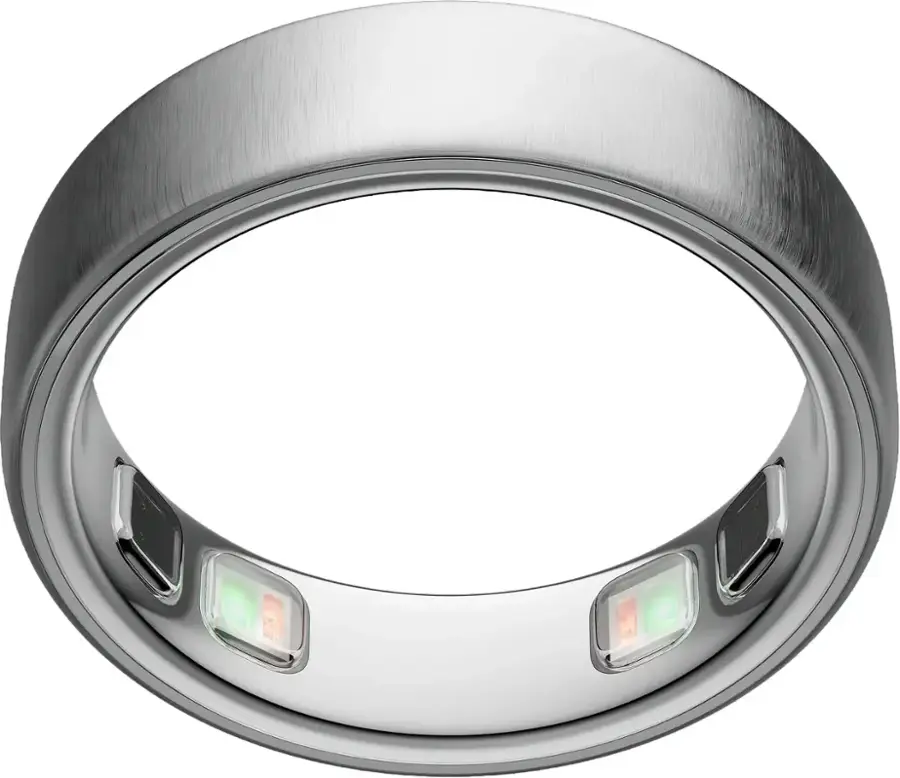
Oura Ring 5
Oura Ring 5 is the easiest pick to understand if sleep and recovery are the priority. It puts the sensors on your finger, has no screen to distract you at night and lasts for multiple days between charges. Oura’s 2026 hardware is smaller than Ring 4 and uses a new sizing system.
The downside is total cost. The ring starts at a premium price and the full experience is built around Oura Membership.
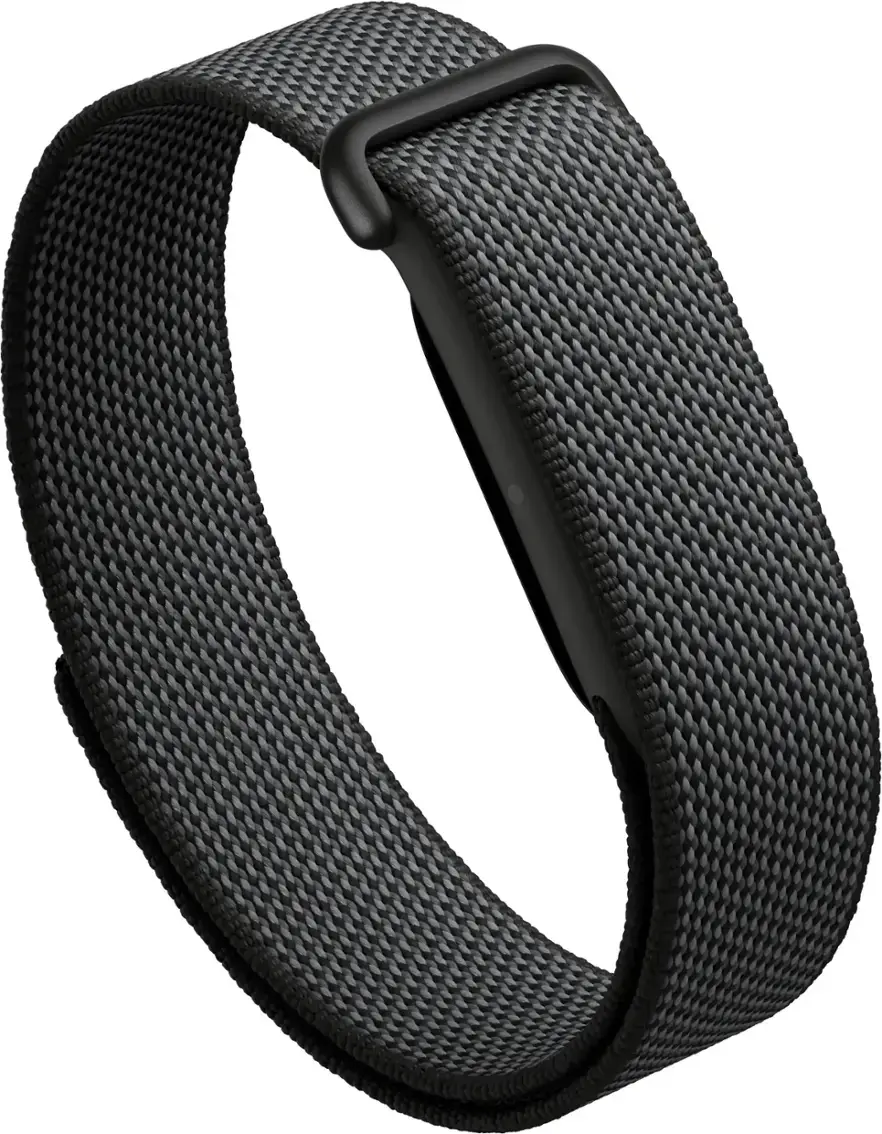
Google Fitbit Air
Fitbit Air brings the screenless concept down to a much lower entry price. It tracks heart rate, sleep and fitness without a display and syncs into Google’s health ecosystem. For someone who wants basic overnight and all-day tracking without wearing a smartwatch, it is one of the most approachable current options.
The tradeoff is that nearly all interaction happens in the app rather than on your wrist.
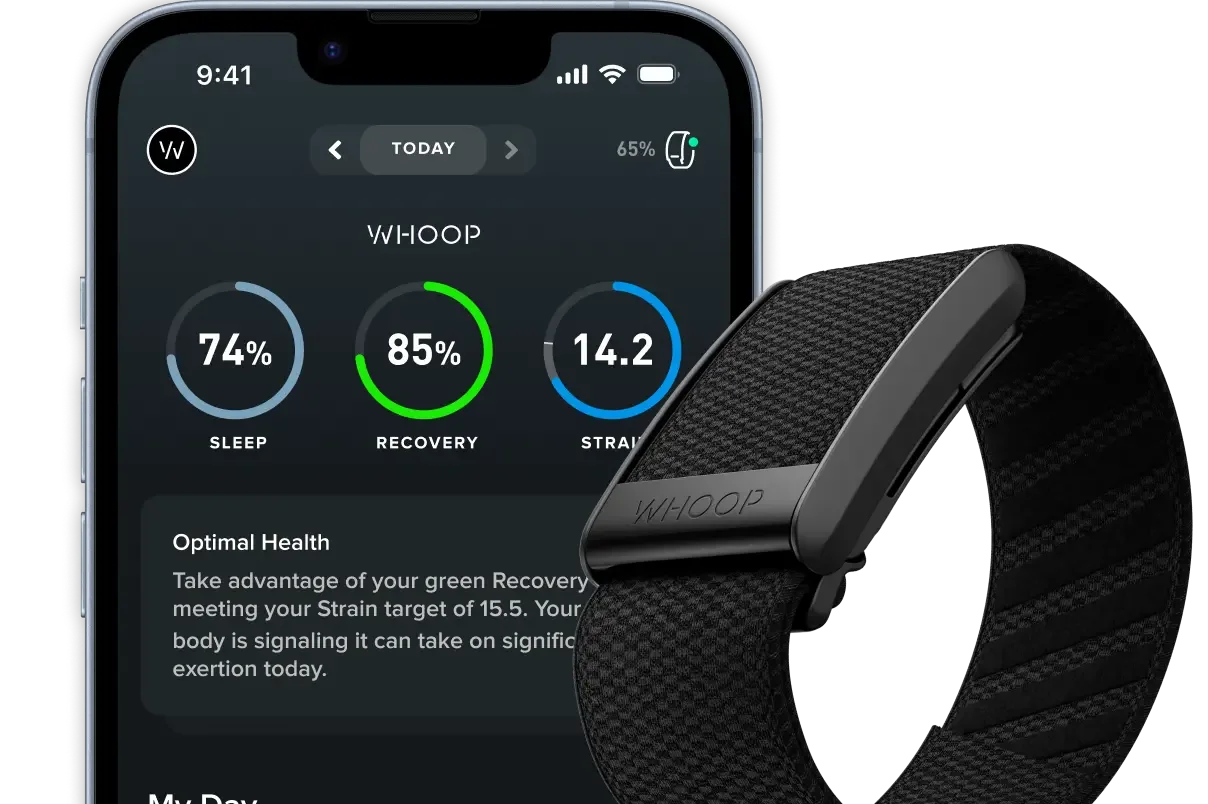
WHOOP 5.0
WHOOP 5.0 makes the most sense for people who want sleep data interpreted alongside training load, strain and recovery. The screenless design is comfortable for continuous wear, and battery life is much longer than a typical smartwatch.
WHOOP is best thought of as a membership service with hardware included, not a one-time gadget purchase. That recurring model is the biggest reason some shoppers choose something else.
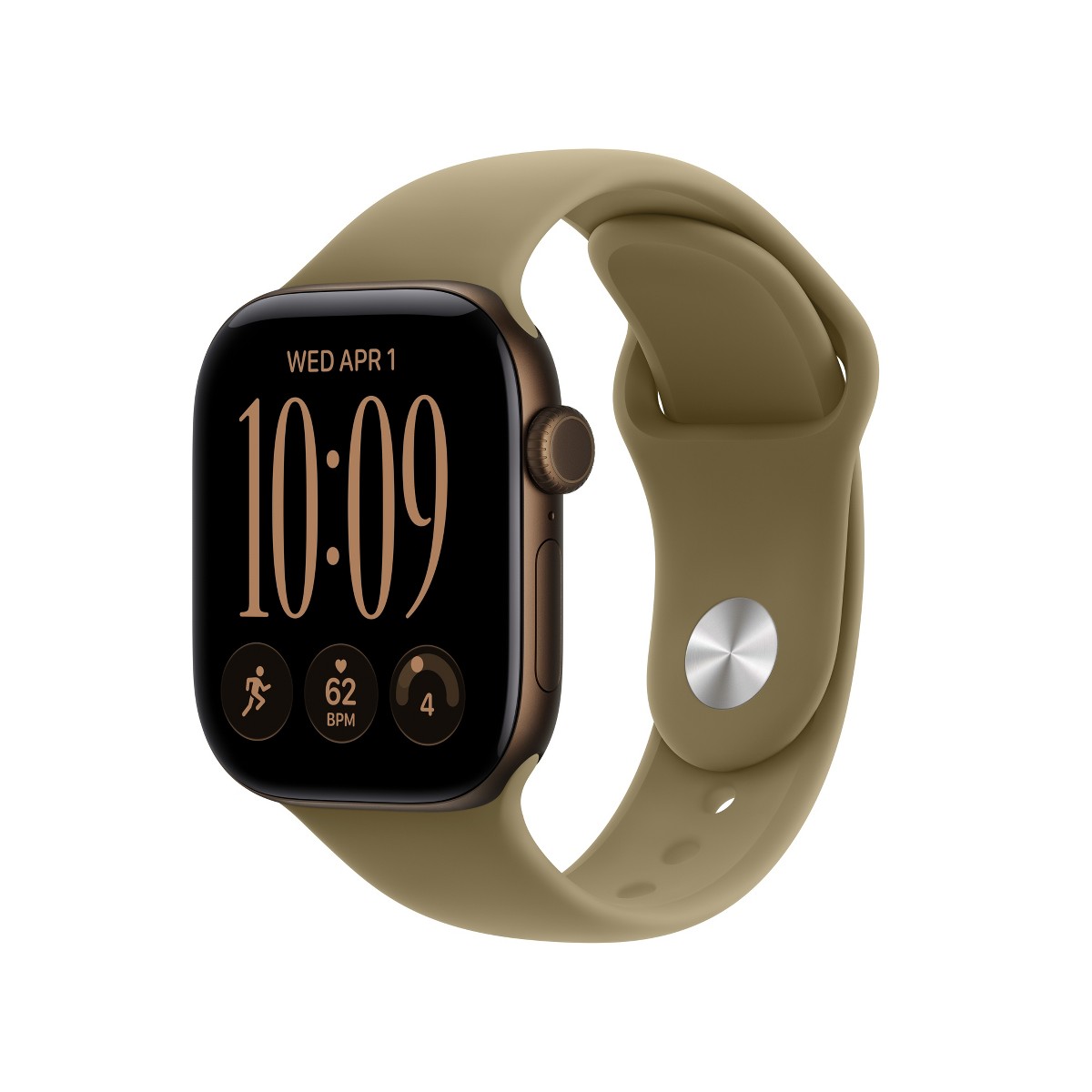
Apple Watch Series 12
Apple Watch Series 12 is the strongest fit here for someone who wants one device for sleep, workouts, notifications and everyday smartwatch use. Apple added a new readiness experience in 2026 that combines recent activity, vitals and sleep score into a daily signal.
Its biggest sleep-specific disadvantage is charging frequency. Up to 24 hours of battery life requires more deliberate charging than Oura, Fitbit Air or WHOOP.
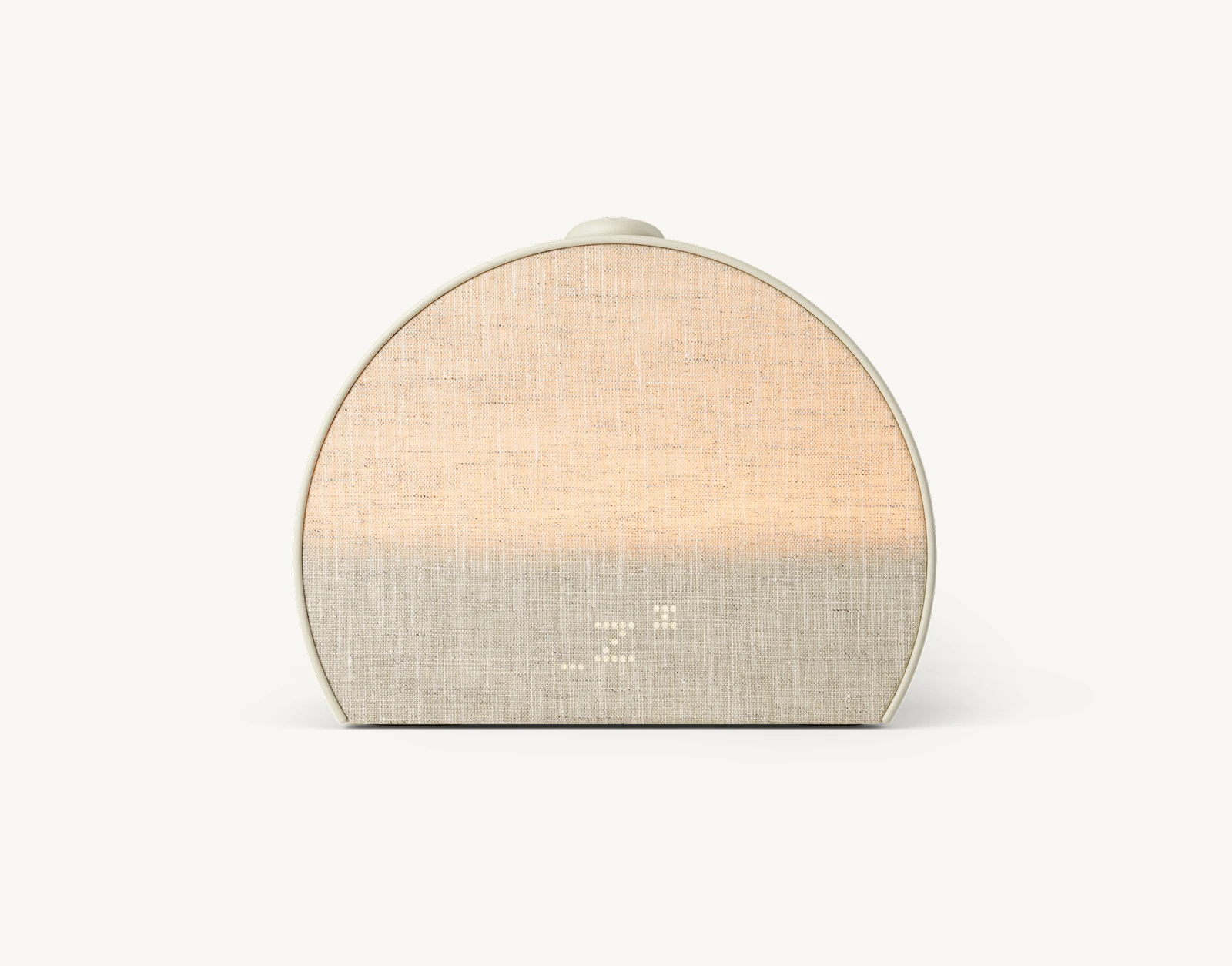
Hatch Sleep Clock
Hatch Sleep Clock is the outlier in this guide because nothing goes on your body. It sits on the nightstand and uses motion-sensing hardware to estimate breathing and movement, while also handling sunrise wake-up and sleep audio.
That makes it appealing to people who hate sleeping in watches or rings. The catch is that bedside placement matters and shared-bed tracking is inherently trickier than a sensor physically attached to one person.
Which type should you choose?
Sleep tracking is better for trends than single-night scores
The most useful way to use a consumer tracker is to look for repeated patterns: bedtime consistency, total sleep time, wake timing, resting heart rate, HRV trends and how those measures respond to changes in routine. Treating one night’s “deep sleep” percentage as a precise medical measurement usually gives the device more authority than it deserves.
For broader devices beyond trackers, see our Best Sleep Tech 2026 guide. For private bedtime audio, see Best Sleep Earbuds & Headphones 2026.