Apple Watch Series 12 Sleep Tracking Review (2026): Score, Battery & Readiness
Apple Watch Series 12 for Sleep Tracking
Sleep Score, stages, overnight vitals and the new Readiness score make Series 12 a much stronger sleep tracker—if you can live with a 24-hour battery.
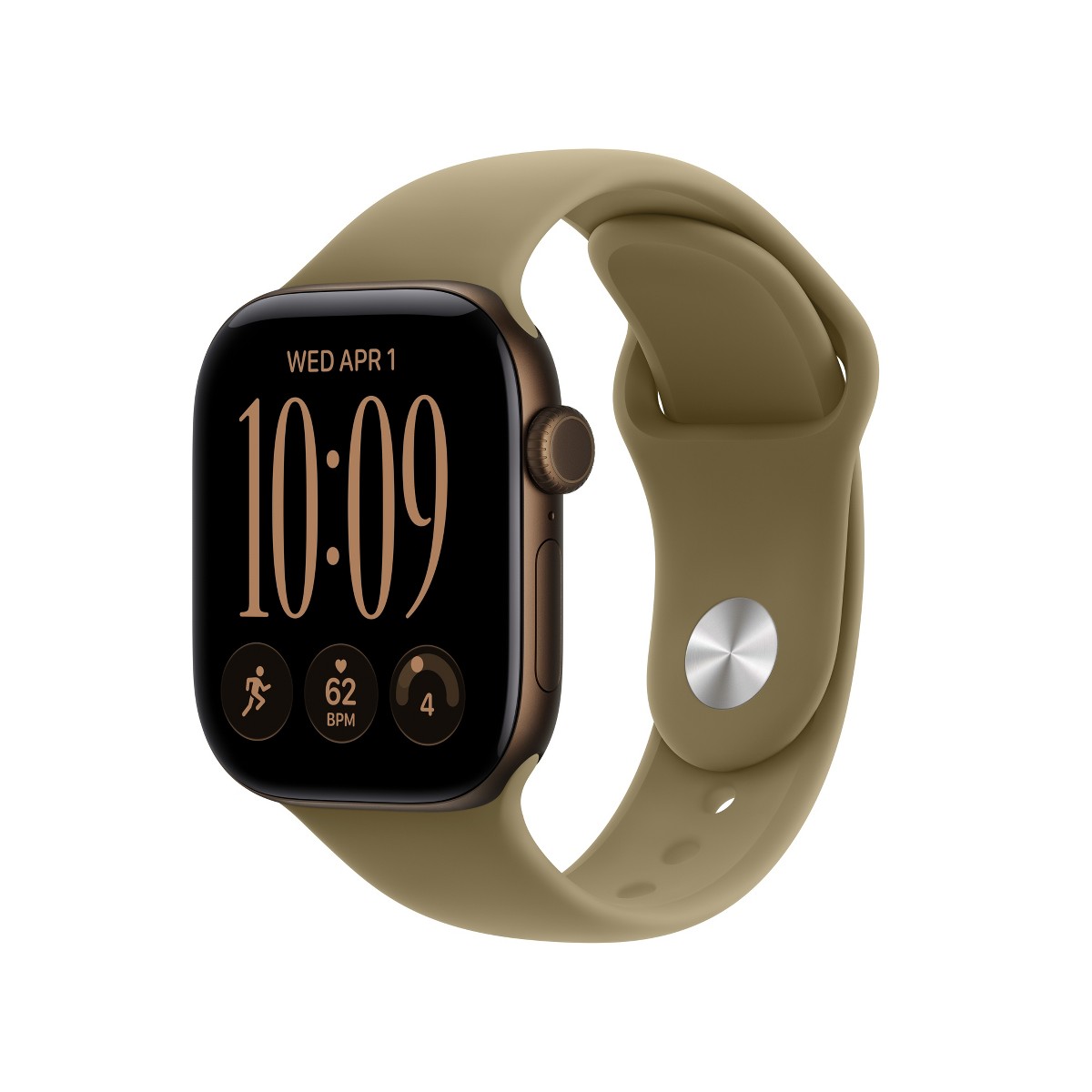
Apple Watch Series 12 sleep-tracking quick facts
| Starting price | $399 in the U.S. |
|---|---|
| Sizes | 42mm and 46mm |
| Battery | Up to 24 hours normal use; up to 38 hours in Low Power Mode |
| Fast charging | About 5 minutes can provide up to 10 hours of sleep tracking; 15 minutes can provide up to 12 hours of normal use |
| Sleep features | Sleep duration, stages, Sleep Score, overnight Vitals and sleep apnea notifications for eligible users/regions |
| Recovery feature | Readiness score from 0–10 using recent activity, vitals and sleep |
| Phone requirement | iPhone 11 or later, including iPhone SE 2nd gen or later, with iOS 27+ |
| Sleep subscription | None required for Apple’s built-in sleep features |
Sleep Score makes the watch easier to interpret
Apple’s Sleep app already tracked sleep duration and estimated stages, but Series 12 arrives in an ecosystem that now gives users a daily Sleep Score. Apple says the score considers factors including sleep duration, bedtime consistency, awakenings and time spent in sleep stages, then shows how those components contributed to the nightly result.
That is more useful than simply presenting a stack of stage percentages because it gives you a consistent way to compare your own nights. The important word is your: consumer wearables estimate sleep stages from indirect signals and should be used for personal trends rather than as a substitute for a clinical sleep study.
Readiness is the bigger Series 12 upgrade for recovery
Series 12 adds Apple’s Readiness experience. The score runs from 0 to 10 and uses recent activity, training load, vitals and sleep data. Apple labels the ranges Recover (0–1), Pace Yourself (2–4), Ready (5–7) and Go For It (8–10).
Readiness can also update during the day as activity and vitals change. That pushes Apple Watch closer to the kind of morning recovery guidance long associated with Oura and WHOOP, while keeping it inside a full smartwatch rather than a dedicated recovery wearable.
Higher-frequency HR and HRV matter more than another watch face
Series 12’s Health Sensing System increases background heart-rate and HRV measurement frequency. Apple says background heart rate is measured every five seconds and HRV can be measured as often as every five minutes. Overnight Vitals includes Recovery HRV relative to your personal baseline.
Those measurements feed the broader readiness and recovery experience. Apple markets the new sensing aggressively; we would focus less on marketing superlatives and more on the practical benefit: more frequent overnight and daytime data gives the software more context for trend detection.
The battery is still the sleep-tracking compromise
Apple rates Series 12 for up to 24 hours of normal use. That is much better suited to overnight wear than early Apple Watch generations, but it is nowhere near the 6–9 day range of Oura Ring 5 or the 14+ day rating of WHOOP 5.0.
The useful workaround is fast charging. Apple says roughly five minutes of charging can provide up to 10 hours of sleep tracking. In practice, that means topping up while showering or getting ready for bed can be enough to preserve the night’s data without leaving the watch off your wrist for hours.
Sleep apnea notifications: useful signal, not a diagnosis
Apple Watch supports sleep apnea notifications for eligible users in supported regions. That feature can flag patterns worth discussing with a clinician, but an Apple Watch notification—or the absence of one—does not replace medical evaluation when symptoms are concerning.
Apple Watch Series 12 vs Oura Ring 5
Oura Ring 5 is easier to forget about overnight and lasts much longer between charges. Apple Watch gives you a display, apps, workouts, notifications, safety features and sleep tracking in one device without requiring a sleep subscription.
Pick Oura when overnight comfort and battery are the priorities. Pick Apple Watch when you already live in the iPhone ecosystem and want your sleep tracker to do far more during the day.
Apple Watch Series 12 vs Fitbit Air
Fitbit Air is the budget, screenless alternative. It starts at $99.99, lasts up to a week and includes core Sleep Score/stages without the Premium coaching subscription. Series 12 costs far more and needs more charging, but it is also a complete smartwatch.
Apple Watch Series 12 vs WHOOP 5.0
WHOOP 5.0 wins easily on rated battery life and is built around continuous recovery/strain coaching. Apple Watch avoids WHOOP’s annual membership model for built-in sleep features and gives you a full smartwatch interface. The decision is less about which collects “more” data than whether you want a screen and broad smartwatch functionality or a single-purpose recovery platform.
Who should buy Series 12 for sleep?
Start with the full comparison: Best Sleep Trackers 2026.
More Yawnder tracker guides
Bottom line: Apple Watch Series 12 is now a serious sleep-and-recovery device rather than merely a smartwatch that also records bedtime. Sleep Score, overnight Vitals and Readiness make the data easier to act on. Battery life is still the compromise, but the five-minute sleep-tracking top-up makes that compromise much easier to manage.