Mattress Springs Explained: Innerspring vs. Pocket Coils

4 HybridBaseFoamwithIndividuallyPocketedSprings

Springs in mattresses refer to a series of coils or wires that are strategically placed within the mattress to provide support and bounce. These springs can come in various shapes and sizes, but the basic function is the same: to create a surface that conforms to your body while also providing the necessary support to keep your spine in proper alignment.

The role of springs in mattresses cannot be overstated. Without them, a mattress would be little more than a soft, flat surface that would not provide the necessary support for a good night’s sleep. The springs in a mattress work together to distribute weight evenly, prevent sagging, and offer the necessary bounce to make it easier to move around and get comfortable. As such, the type and quality of the springs in a mattress can have a significant impact on how well you sleep.

History of Mattress Springs

Springs in mattresses have a long and varied history, with the earliest forms of mattresses being filled with hay or other natural fibers. While these early mattresses were certainly more comfortable than sleeping on the ground, they provided little in the way of support and tended to sag over time.

It wasn’t until the mid-1800s that the first metal spring mattress was patented in the United States by James Marshall. This new design featured a series of interconnected springs that provided a much more supportive sleeping surface than the previous hay-filled mattresses. As the popularity of metal spring mattresses grew, so too did the need for advancements in spring technology.

In the early 1900s, the Bonnell coil was introduced. These hourglass-shaped springs were interconnected, providing a stable base for the mattress while still allowing for some flexibility and bounce. This design was popular for many years, but it had its limitations, as the interconnected springs tended to create motion transfer between sleeping partners.

In the 1920s, the Marshall coil was introduced. These coils were individually wrapped in fabric, allowing them to move independently of one another and contour more effectively to the shape of the body. This design became known as the “pocket coil” and is still used in many modern mattresses today. Other advancements in spring technology include the introduction of offset coils, which are designed to minimize motion transfer, and continuous coil systems, which use a single wire to create a series of interconnecting springs.

The use of springs in mattresses provides several benefits beyond comfort and support. Springs help to increase the durability of the mattress, preventing sagging and ensuring that the mattress retains its shape over time. They also allow for better breathability, which can help regulate body temperature and prevent overheating while you sleep.

Today, mattress manufacturers continue to innovate with new types of spring systems and hybrid mattresses that combine springs with other materials like foam or latex. Some companies are even developing “smart” mattresses that use sensors and other technology to monitor sleep patterns and adjust the mattress settings for optimal comfort.

In conclusion, the history of springs in mattresses is a fascinating one, with constant innovation and improvement over the years. From hay-filled mattresses to the latest pocket coil technology, springs continue to play a crucial role in creating the perfect sleeping surface.

As mattress technology advanced, manufacturers experimented with different spring designs to improve comfort and support. The Bonnell coil, also known as the hourglass coil, was introduced in the early 1900s. The Bonnell coil provides a stable base for the mattress and offers some flexibility and bounce. The hourglass shape of the coils distributes weight evenly across the mattress, preventing sagging and ensuring that the mattress retains its shape over time.

In the 1920s, the pocket coil was introduced. These coils are individually wrapped in fabric, allowing them to move independently of one another and contour more effectively to the shape of the body. This design provides better support and conformability than the Bonnell coil and has become increasingly popular in recent years. Pocket coil systems offer several advantages over traditional Bonnell coils, including better motion isolation and targeted support.

Continuous coil systems use a single wire to create a series of interconnecting springs. This design provides a stable base for the mattress and offers good support and durability. Continuous coil systems are typically less expensive than pocket coil systems, but they may not provide the same level of conformability and motion isolation.

When shopping for a new mattress, it’s important to consider your personal preferences and sleeping style to determine which type of spring system is right for you. Modern mattress springs offer a range of options, each with its own unique set of benefits and drawbacks. Whether you prefer the support of a Bonnell coil, the conformability of a pocket coil, or the durability of a continuous coil system, there is a mattress spring design that will meet your needs.

Advantages of Mattress Springs

Mattress springs offer several advantages that make them an important component of a good night’s sleep.

Firstly, mattress springs provide the necessary support and comfort needed for a restful sleep. The springs work together to distribute weight evenly across the sleeping surface, keeping the spine in proper alignment and reducing the risk of back and neck pain. Additionally, the springs contour to the body’s shape, providing a comfortable sleeping surface that makes it easier to get and stay asleep.

Another advantage of mattress springs is their durability. Mattress springs are designed to withstand the weight and movement of the body, making them a long-lasting component of a mattress. By providing support over the long term, they help prevent sagging and ensure that the mattress retains its shape, providing a comfortable and supportive sleeping surface for years to come.

Finally, mattress springs promote breathability, which is especially important for people who tend to sleep hot. The design of mattress springs allows air to circulate through the mattress, which helps to regulate body temperature and prevent overheating during the night. This breathability can improve the overall quality of sleep, leading to a more restful and refreshing night’s sleep.

In conclusion, the advantages of mattress springs are numerous and important. They provide the necessary support and comfort for a good night’s sleep, are durable and long-lasting, and promote breathability for better temperature regulation. When shopping for a new mattress, it’s essential to consider the type and quality of springs used in the design to ensure that you get the best possible sleeping surface for your needs.

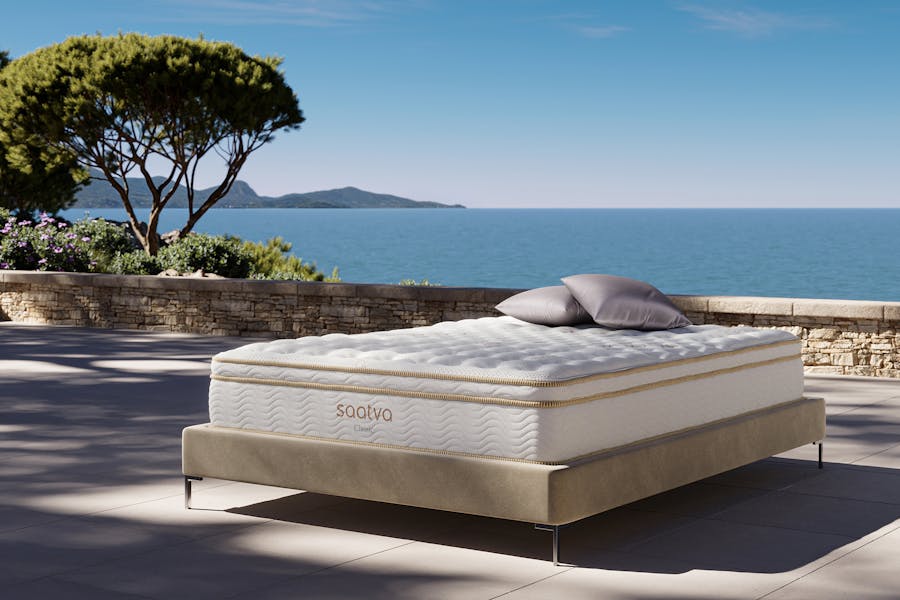
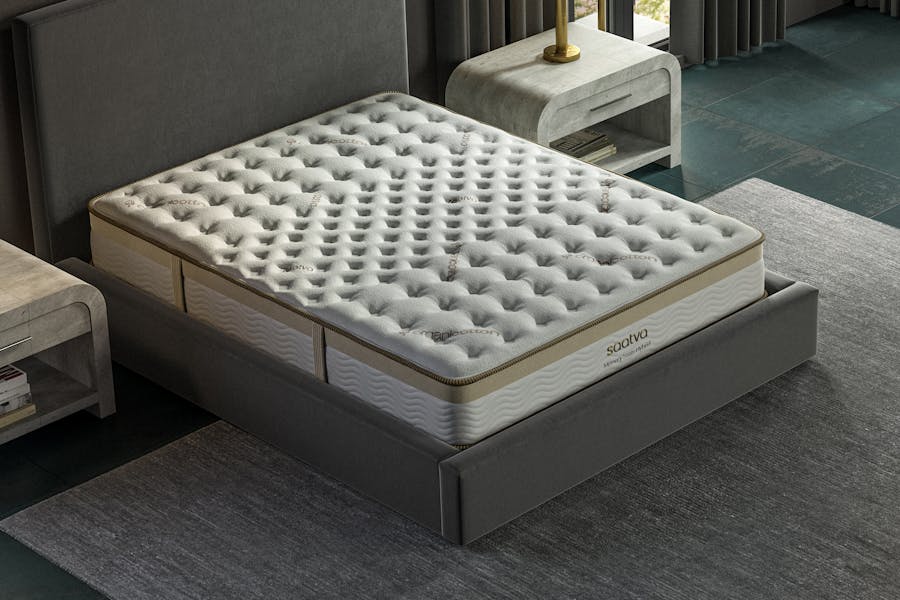
Saatva First Layer of Springs

Mattress Spring Innovations

Innovation in mattress technology has led to the development of new and exciting uses for mattress springs. Hybrid mattresses, for example, combine traditional spring systems with other materials like foam or latex. This combination provides a supportive base with added pressure relief and contouring, offering a more comfortable and restful night’s sleep.

Smart mattresses represent another exciting innovation in the world of mattress technology. These mattresses incorporate sensors and other technology to monitor sleep patterns, adjust mattress settings, and provide personalized recommendations for improving sleep quality. By tracking factors like sleep duration, heart rate, and body temperature, smart mattresses can provide the most comfortable and supportive sleeping surface possible. Some smart mattresses even offer automatic adjustments for snoring, individualized temperature control, and massage settings.

Looking forward, the future of mattress springs is likely to involve continued innovation and advancements in technology. With a greater focus on sustainability and eco-friendliness, manufacturers may explore new materials and designs that are more environmentally friendly while still providing the necessary support and comfort.

As sleep science continues to advance, manufacturers may also find new ways to incorporate technology into spring systems. The use of sensors to monitor the pressure exerted on each spring, for example, could lead to even more customizable and supportive sleeping surfaces.

Overall, the future of mattress springs is exciting and full of potential for continued innovation and improvement. As new technologies are developed and new materials are explored, the possibilities for improving sleep quality through better spring design are virtually endless.

Final Thoughts on Mattress Springs

Over the centuries, the evolution of mattress springs has led to innovations that have improved sleep quality for countless individuals. From the use of hay in early mattresses to the introduction of metal springs and the development of pocket coil and hybrid mattresses, spring technology has come a long way.

Mattress springs are crucial to achieving a restful and comfortable night’s sleep. They provide the necessary support for the body, distribute weight evenly across the sleeping surface, and offer a comfortable surface to sleep on. Additionally, the breathability of spring systems can help regulate body temperature, further improving sleep quality.

As mattress technology continues to advance, the future of mattress springs looks promising. New designs, such as hybrid and smart mattresses, are already changing the way we think about sleep. With continued research and development, it’s likely that we will see even more innovations in spring technology in the years to come.

In conclusion, mattress springs play a critical role in achieving a restful and rejuvenating night’s sleep. From the early days of hay-filled mattresses to the cutting-edge designs of today, spring technology has continued to evolve and improve. As technology continues to advance, we can expect to see even more exciting developments in the future, all aimed at providing a better night’s sleep for everyone.

Mattress Spring SystemDescriptionAdvantagesDisadvantages
Bonnell CoilTraditional hourglass-shaped coils linked together with wires. Most affordable option.Durable, supportive, classic bouncy feel.Can be noisy, not as conforming as other systems, may not provide enough support for heavier individuals.
Continuous CoilSerpentine rows of connected coils. More conforming than Bonnell coils, but still relatively affordable.More comfortable than Bonnell coils, provides better pressure relief.Not as supportive as pocket coils, can still be noisy.
Pocket CoilIndividual coils encased in fabric pockets. Most conforming and supportive option, good for motion isolation.Excellent pressure relief, minimizes motion transfer, conforms to body curves, luxurious feel.Most expensive option, may not be as breathable as other systems.
Open CoilSimilar to Bonnell coils, but with fewer coils and no border support. Least expensive option.Most affordable, lightweight, basic support.Not very conforming or supportive, can sag over time, not ideal for heavier individuals.
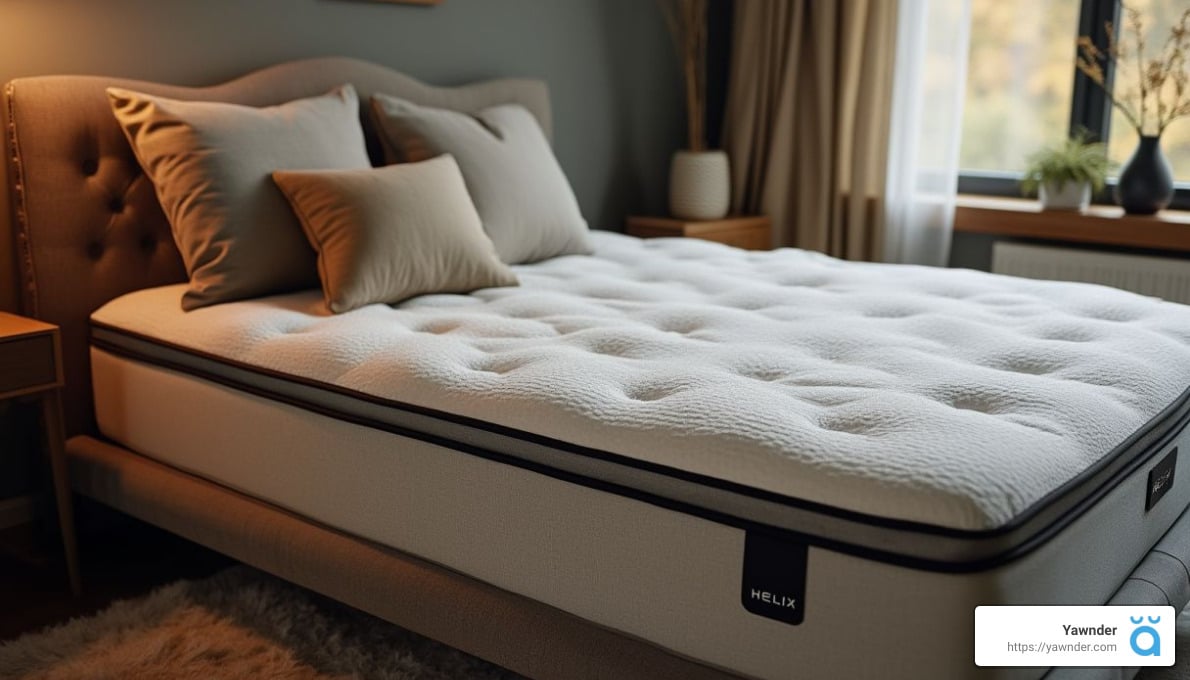
4 HybridBaseFoamwithIndividuallyPocketedSprings

Mattresses with the Most Coils

While coil count isn’t the sole factor in determining mattress quality, some brands do boast impressive numbers. Here’s a table showcasing a few contenders:

Brand/ModelCoil Count (Queen Size)Coil TypeKey FeaturesImage
Saatva Zenhaven888 Individually Wrapped MicroCoils & 166 High-Density Steel CoilsHybrid (MicroCoils + Innerspring)Dual firmness control, zoned support, temperature regulation
Amerisleep AS5 Hybrid888 Individually Wrapped Pocketed Coils & 148 Edge Support CoilsHybrid (Pocketed Coils + Innerspring)Pressure relief, zoned support, cooling technology
Helix Midnight Luxe1,000 Individually Wrapped Coils & 7 Zoned LayersHybrid (Pocketed Coils + Foam)Personalized comfort, pressure relief, cooling technology
Brooklyn Bedding Aurora Hybrid1,024 Individually Wrapped Coils & 5 Comfort LayersHybrid (Pocketed Coils + Foam)Targeted support, cooling technology, multiple firmness options
Avocado Green Mattress1,414 Individually Wrapped Innerspring Coils & Organic Latex Comfort LayersHybrid (Innerspring + Latex)Certified organic materials, edge support, responsive bounce

Please note that these are just a few examples, and many other mattresses on the market have high coil counts. It’s important to consider other factors like comfort, support, and budget when choosing a mattress. Additionally, remember that high coil count doesn’t necessarily guarantee a good mattress, as coil quality and type also play a crucial role.

Spring Mattresses We Reviewed

Frequently Asked Questions About Mattress Springs Explained: Innerspring vs. Pocket Coils

Is an innerspring mattress a good choice for someone with back pain?

Innerspring mattresses can offer robust support, which is beneficial for maintaining proper spinal alignment and potentially alleviating back pain. However, some older innerspring designs, particularly those that develop noise over time, might not provide consistent support compared to more advanced coil systems or hybrids.

How do pocket coils compare to traditional innerspring systems?

Pocket coils, also known as individually wrapped coils, provide superior motion isolation and conform more closely to the body compared to traditional interconnected innerspring systems. This individual encasement means each coil can move independently, reducing disturbances from a partner's movement and offering more targeted support.

What are the downsides of a traditional innerspring mattress?

Traditional innerspring mattresses can often develop noise as they age, and their interconnected coil structure may lead to more motion transfer across the bed. Unlike individually wrapped coils, they don't always conform as precisely to body contours, which can sometimes result in pressure points.

Is a hybrid mattress with coils and foam a good option for hot sleepers?

A hybrid mattress, which combines the support of coils with the comfort of foam, can be a good option for hot sleepers due to the increased airflow through the coil layer. The coil system promotes better air circulation compared to all-foam mattresses, which can help dissipate heat and keep you cooler.

Who are pocketed coils best for?

Pocketed coils are best for couples due to their excellent motion isolation, ensuring minimal disturbance from a partner's movements during the night. They also offer conforming support, making them suitable for a wide range of sleepers who need pressure relief and customized comfort.

Where can I try out different types of mattress springs in person in San Diego?

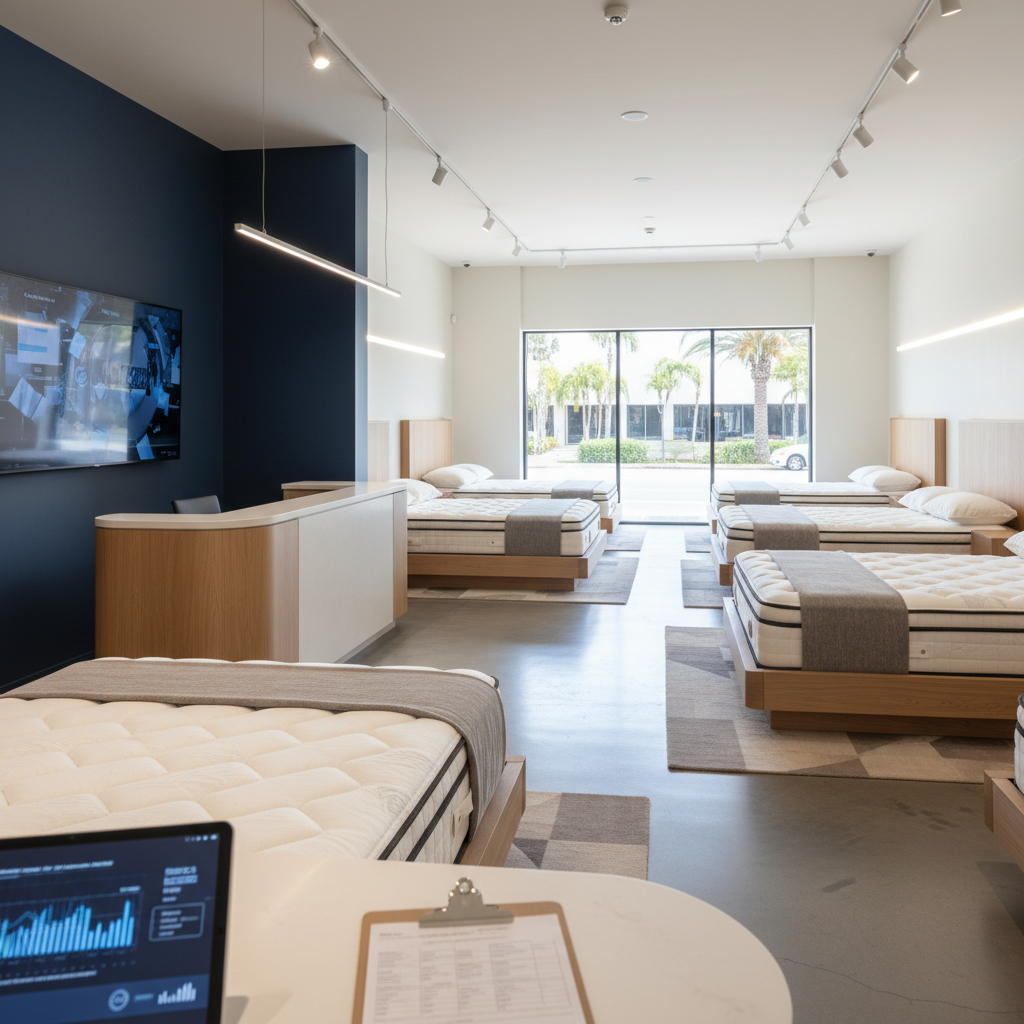
You can explore various mattress spring technologies, including advanced coil systems and hybrids, at the Yawnder showroom in Encinitas, CA. Our team can guide you through the differences in support and comfort provided by different coil constructions, helping you find the perfect fit.

Want to test this in person? Visit our Encinitas showroom or call 858-232-5760.

Ready to buy?
See today’s best sleep deals

Live pricing and current promotions on the mattresses, bases, and sleep tech we recommend.

Shop current deals


Best Air Mattresses for Guests

Best Air Mattress

2026 Buying Guide

Growing Popularity of Air Mattresses

Sleep matters. Budgets do too. Air beds have upgraded from “just for guests” to legit, flexible sleep setups—at home, in transit, and everywhere in between.

Heads up: We may earn a commission if you buy through our links. That never affects our picks or test notes.

Why Air Mattresses Are Trending

Advantages

  • Affordability: Budget-friendly compared with traditional mattresses—especially for temporary setups.
  • Portability: Deflate, fold, toss in the trunk. Great for guests, travel, and camping.
  • Custom Firmness: Dial in feel by adding or releasing air.
  • Easy Storage: Minimal closet footprint when not in use.
  • Fast Setup: Built‑in or external pumps go from bag to bed in minutes.

What’s Improved Lately

  • Materials: Thicker PVC and TPU films resist punctures and stretching.
  • Comfort: Internal air coils/baffles, flocked tops, and better valve design.
  • Looks: Less utilitarian, more home-friendly aesthetics.

Where They Shine

  • Guest rooms: Real comfort without a permanent footprint.
  • Camping/outdoors: Durable camp-focused models ride shotgun in the gear bin.
  • Temporary housing: Students, movers, in-between leases.
  • Emergency prep: Fast extra beds when life throws a curveball.
  • Recreation: Movie nights, lounge zones, and kid sleepovers.

Aerobed Air Mattresses: Pros, Cons, and Specs

Pros

  • Adjustable comfort with simple, quiet operation.
  • Portable: quick inflate/deflate for travel or guests.
  • Diverse lineup across sizes and price tiers.
  • Generally low noise during inflation for most models.

Cons

  • Potential leaks from punctures (less common in newer lines).
  • Durability trails true mattresses; usage/care dependent.
  • Raised height may not match bed frames precisely.
  • Premium trims can get spendy vs. basic air beds.

Weight Limits (Typical)

  • Twin: ~300 lb
  • Full: ~400–500 lb
  • Queen: ~500–600 lb
  • King: ~600–650 lb

Policy Snapshot

  • Warranty: ~1–5 years depending on model; extended options sometimes available.
  • Trial: Select models offer ~30‑day in‑home trials; always verify on the product page.

Construction & Feel

Most models use PVC/nylon shells with flocked tops and internal beams/baffles for stability. Comfort adjustability and portability score high; longevity varies by care and use.

Materials & Build

PVC

Common, affordable, durable—but can off‑gas and may stretch over time.

TPU

Lighter, tougher, less stretch, and generally cleaner on odors—often pricier.

Textile‑Reinforced

Poly/nylon scrims bonded to PVC/TPU add puncture and tear resistance.

Flocked vs. Non‑flocked

Flocked adds grip/warmth; non‑flocked cleans easier and runs cooler.

Puncture‑Resistance

Thicker films, reinforced zones, and smarter coatings extend life—especially for outdoor use.

Pumps & Inflation

  • Built‑in electric: Fastest, easiest—needs outlet.
  • External electric: Versatile across inflatables; bring your own outlet.
  • Battery‑operated: Campsite friendly; keep spares or a power bank.
  • Manual (hand/foot): No power needed; slower workout included.
  • Self‑inflating: Open‑cell foam draws air; convenience > max firmness.

Standard Sizes

  • Twin: ~38–39" × 74–75" — solo sleepers/kids, tight spaces.
  • Full: ~53–54" × 74–75" — roomy solo, tight for two.
  • Queen: ~60" × 80" — sweet spot for most couples.
  • King: ~76" × 80" — maximum sprawl; mind floor space.
  • Custom: RV/boat cutouts or extra‑long variants exist—lead times apply.

Comfort & Support Features

  • Air chambers/coils: Even support and stability, less sag.
  • Adjustable firmness: Set your feel; some split left/right on premium models.
  • Pillow‑top layers: Adds plushness; often memory foam or fiberfill.
  • Integrated pillows/headrests: Handy for camping kits with fewer pieces.
  • Stability & capacity: Heavier‑duty baffles and thicker films = less sway, higher limits.

Portability & Storage

  • Weight/packed size: TPU + minimalist baffles = smaller rolls.
  • Carry systems: Bags with straps and pump pockets save headaches.
  • Deflation & folding: Wide valves + reverse pumps speed teardown; follow fold lines if provided.

Top 5 Air Mattress Brands (Snapshot)

BrandTypical PriceWarranty / TrialNotes
Intex$25–$150~30–90 days / no formal trialBig value range; tons of sizes and pumps.
SoundAsleep$80–$200~1‑yr warranty / no formal trialComfortCoil support; reliable built‑in pumps.
Coleman$30–$150~1‑yr warranty / no formal trialOutdoor‑leaning builds; PVC/TPU options.
King Koil$100–$200~1‑yr warranty / no formal trialRaised designs with plush tops; guest‑friendly.
Aerobed$60–$300~1‑5 yrs depending on model / select 30‑day trialsQuiet operation; broad size/style coverage.

Accessories That Actually Help

  • Toppers: Memory foam/latex pads boost pressure relief and warmth.
  • Bedding: Deep‑pocket fitted sheets or strap kits curb slippage.
  • Repair kits: Patches + adhesive = trip savers.
  • Pump adapters: Car/USB adapters, multi‑nozzles, hose extenders.

Maintenance 101

  • Inflation: Follow max fill. Overfill = stretch; underfill = poor support.
  • Cleaning: Mild soap + damp cloth; air dry fully before storage.
  • Storage: Cool, dry, out of sun. Fully dry before bagging.
  • Leak triage: Find, mark, patch. Keep ground smooth; add a groundsheet outdoors.

Top 10 Best Air Mattresses by Use Case

  1. Best Overall: SoundAsleep Dream Series — ComfortCoil stability, reliable built‑in pump.
  2. Best Budget: Intex Comfort Plush Elevated Dura‑Beam — Wallet‑friendly, flocked top.
  3. Best Camping: Coleman SupportRest Double High — Puncture‑resistant, camp‑ready.
  4. Best for Guests: Aerobed Guest Choice — Built‑in pump + horizontal chambers.
  5. Best Long‑Term: King Koil Luxury Raised — Enhanced coils, plush top, easy setup.
  6. Best for Back Pain: Sleep Number AirFit — Tunable firmness and zoning (premium).
  7. Best Luxury: Serta Raised w/ NeverFlat — Secondary pump maintains pressure overnight.
  8. Best for Kids: AeroBed Kids — Built‑in safety bumper and soft flocked surface.
  9. Best for Couples: Insta‑Bed Raised NeverFlat — Split adjustability, queen surface.
  10. Best Ultralight: Therm‑a‑Rest NeoAir XLite — Backpacker‑grade warmth/weight ratio.

Average Weight Limits by Size

Always check the specific product page. Limits vary by model and construction.

SizeTypical Limit (lb)Good To Know
Twin~300Best for one sleeper or kids.
Full~400–450Roomy solo; tight for two adults.
Queen~500–600Couples or solo + pet.
King~600–650Max space; confirm pump power and floor space.

Limits are combined body weight. Reinforced models may rate higher; real‑world reviews help validate claims.

Buying Shortcut

Checklist: purpose (home/guest/camp), size, pump type, materials (TPU if you can swing it), internal support (coils/baffles), warranty, weight limit, storage bag, and a repair kit. If you’ll actually use it often, add a thin topper.

© 2026 Yawnder. Updated as models and policies change.

Frequently Asked Questions About Best Air Mattresses for Guests

Are air mattresses worth it for guests?

Yes, air mattresses are a worthwhile and practical solution for accommodating guests, offering real comfort without requiring a permanent setup. They are budget-friendly alternatives to traditional mattresses and provide portability and easy storage when not in use.

Who are air mattresses best for?

Air mattresses are best for those needing flexible and temporary sleep solutions, such as guest rooms, camping, or travel. Their custom firmness and quick setup make them versatile for various situations and user preferences.

How do modern air mattresses compare to older models?

Modern air mattresses have significantly improved with thicker materials to resist punctures and stretching, as well as enhanced comfort features. Innovations like internal air coils, flocked tops, and better valve designs offer a more supportive and comfortable sleep experience than older models.

What are the downsides of air mattresses for regular use?

While convenient, air mattresses may not offer the same long-term durability or consistent support as a traditional mattress for everyday use. Though materials have improved, they are still more prone to punctures or air leaks over extended periods compared to a permanent bed.

Are air mattresses good for people with back pain?

Air mattresses can be good for people with back pain due to their custom firmness feature, allowing users to adjust the amount of air to achieve their preferred support level. This adjustability helps to alleviate pressure points and maintain spinal alignment, which can be beneficial for back pain sufferers.

Where can I try an air mattress in person before buying?

While air mattresses are typically purchased online, you can explore other sleep solutions and discuss sleep needs with experts at Yawnder's Encinitas, CA showroom. They can guide you on suitable options that align with the comfort and support characteristics you might seek in an air mattress.

Want to test this in person? Visit our Encinitas showroom or call 858-232-5760.

Ready to buy?
See today’s best sleep deals

Live pricing and current promotions on the mattresses, bases, and sleep tech we recommend.

Shop current deals

Best Mattress for Tall People in 2026

Best Mattress for Tall People in 2026 — Yawnder Reviews

Best Mattress for Tall People in 2026 Four picks built for sleepers over 6′0″ — longer sizes, reinforced edges, no foot-of-bed sag. Updated 2026 · By Yawnder Reviews The bottom line Photo: Yawnder editorial The best mattress for tall sleepers is a California King (84″ long) with reinforced edge support, so you can stretch fully … Read more

Best Mattress for Petite Sleepers in 2026

Best Mattress for Petite Sleepers in 2026 — Yawnder Reviews

Best Mattress for Petite Sleepers in 2026 Four soft and contouring picks for lighter sleepers in every position — side, back, stomach and combination — without sacrificing support. Updated 2026 · By Yawnder Reviews Which lightweight guide is for you? This is the body-weight-first guide for every sleeping position — side, back, stomach and combination … Read more

Best Soft Mattress in 2026

Best Soft Mattress in 2026 — Yawnder Reviews

For those who dream of sleeping on a cloud, the best soft mattress delivers a deep, pressure-relieving hug without sacrificing the support your spine needs. After extensive testing, our pick for the best overall soft mattress is the Helix Sunset Luxe. Its innovative design pairs plush, contouring foams with a robust, zoned coil system, creating … Read more

Best Mattress Under $2,000 in 2026

Best Mattress Under $2,000 in 2026 — Yawnder Reviews

Short answer The best mattress under $2,000 in 2026 offers a sweet spot where high quality meets an accessible price. This range includes excellent hybrid, memory foam, and innerspring models, providing superior comfort and support without breaking the bank. Key considerations include firmness, type, and trial/warranty. Best Mattress Under $2,000 in 2026: quick answers What … Read more

Best Mattress Under $1,500 in 2026

Best Mattress Under $1,500 in 2026 — Yawnder Reviews

Best Mattress Under $1,500 in 2026 Five flagship-tier beds inside the value sweet spot of the mattress market. Updated 2026 · By Yawnder Reviews The bottom line Photo: Yawnder editorial The $1,200–$1,500 range is the mattress value sweet spot — flagship-tier construction without the luxury premium. Our top pick is the queen Saatva Classic, which … Read more

Best Mattress in a Box in 2026

Best Mattress in a Box in 2026 — Yawnder Reviews

Best Mattress in a Box in 2026 Four boxed beds that perform like in-store flagships — plus the white-glove option that beats them all. Updated 2026 · By Yawnder Reviews The bottom line Photo: Yawnder editorial The best mattress in a box ships compressed, expands in your bedroom, and performs like a flagship in-store hybrid. … Read more

Best Mattress Under $1,000 in 2026

Best Mattress Under $1,000 in 2026 — Yawnder Reviews

Best Mattress Under $1,000 in 2026 Four beds that punch above their price — without the bargain-brand sag. Updated 2026 · By Yawnder Reviews The bottom line Photo: Yawnder editorial You can absolutely get a great mattress under $1,000 if you know where to look. Our top pick is the standard Helix Midnight queen during … Read more

Best Mattress for Teens in 2026

Best Mattress for Teens in 2026 — Yawnder Reviews

Best Mattress for Teens in 2026

Four Twin XL picks that support growing teens through adolescence and into college.

Updated 2026 · By Yawnder Reviews

The bottom line

Best Mattress for Teens in 2026 — Yawnder review hero image
Photo: Yawnder editorial

The best mattress for a teen is a medium-firm Twin XL hybrid that supports a growing spine, sleeps cool, and lasts through college. Our top pick is the Saatva Classic in Twin XL Luxury Firm — coil-on-coil build, 15-year warranty, andwhite-glove delivery. For boxed convenience, the Helix Midnight is the best fit for active teens.

Our picks

Saatva Classic (Twin XL)
Best Overall for Teens

Saatva Classic (Twin XL)

Yawnder Score: 9.5/10

Twin XL in Luxury Firm is the right call for growing teens — coil-on-coil build supports them through every growth spurt and into college. 365-night trial, 15-year warranty, and the same mattress will follow them to their first apartment.

From $1,295. See today’s price →

Helix Midnight
Best for Active Teens & Athletes

Helix Midnight

Yawnder Score: 9.3/10

Medium-firm hybrid with pocketed coils that handle the recovery demands of teen athletes. Pressure-relieving Memory Plus quilt for shoulders, individually-wrapped coils for back. Boxed shipping makes upstairs bedroom delivery easy.

From $1,099. See today’s price →

Saatva Memory Foam Hybrid
Best Cooling for Teens

Saatva Memory Foam Hybrid

Yawnder Score: 9.1/10

Teens run hot. The Saatva Memory Foam Hybrid pairs cooling gel-infused memory foam with airflow-promoting pocketed coils. Twin XL ships free with white-glove delivery.

From $1,395. See today’s price →

Helix Twilight
Best Value for Teens

Helix Twilight

Yawnder Score: 8.9/10

Firmer build that supports back and stomach sleepers, ideal for teens who don’t need a plush surface. 100-night trial and 10-year warranty at a sub-$900 Twin XL price.

From $849. See today’s price →

Why Twin XL is the right size for teens

Twin XL (38″ x 80″) gives teens 5 extra inches of length over standard twin — enough to last through growth spurts and into college (most dorms use Twin XL frames). It’s the most cost-effective size to buy for a 14-year-old who’ll still be using the mattress at 22.

Sleep matters more in adolescence than any other age

Best Mattress for Teens in 2026 — construction cross-section
Layer breakdown of a typical luxury hybrid build

The American Academy of Sleep Medicine recommends 8–10 hours of sleep per night for teens. Hormonal changes, growth, and academic demands all compound — and the wrong mattress (too soft, too hot, sagging) is the easiest fixable barrier. A medium-firm hybrid keeps spines aligned during growth, regulates temperature, and supports the recovery teens need.

Buy once for the next decade

The mattress you buy a 14-year-old will follow them to college and into their first apartment. Quality Twin XL hybrids from Saatva or Helix carry 10–15 year warranties — spending $1,000–$1,300 now is cheaper than replacing twice over the same period.

Save up to $600 on a Yawnder-rated mattress

Stack Yawnder’s editorial discount with brand promos. Use code at checkout:

YAWNDER

Shop today’s deals

Try them before you buy

If you’re in Southern California, swing by the Yawnder San Diego showroom at 1441 Encinitas Blvd, Encinitas, CA 92024. Our premium pillowtop and hybrid lineup covers most of the firmness range we recommend in this guide.

Frequently asked questions

What size mattress is best for a teenager?
Twin XL. It’s 5 inches longer than a standard twin, fits dorm beds for college, and is the most cost-effective size for a mattress that will last 8–10 years.
How firm should a teen mattress be?
Medium to medium-firm. Teens are still developing, so firmer surfaces protect spinal alignment. Side sleepers can go slightly softer (medium); back and stomach sleepers should stay firmer (medium-firm).
Are memory foam or hybrid better for teens?
Hybrids are generally better — they sleep cooler (teens run hot), offer more support for growing bodies, and last longer. Pure memory foam works for teens who specifically prefer that hugging feel.
What about teen athletes?
Pocketed-coil hybrids with zoned support (Helix Midnight, Saatva Classic) handle the recovery demands of competitive athletes. Look for at least 1,000-coil count and a 14″+ profile.
Do teens really need an expensive mattress?
Not luxury-tier, but skip the $300 mattress-in-a-box from Amazon. $800–$1,300 buys a quality Twin XL hybrid that lasts 10+ years — cheaper per night than two cycles of bargain mattresses.
Do Not Sell or Share My Personal Information Privacy Policy
Y

Yawnder

We typically reply in a few minutes

👋 Hi there!

Have a question about mattresses, deliveries, or your order? We're here to help.