Best Mattresses for Combination Sleepers 2026 — Ranked From Our Test Data
Ten mattresses ranked from our testing database on responsiveness, spine alignment, pressure relief, motion isolation and edge support — the scores that decide whether changing position all night is easy.
Test-ranked guide — the order below is generated from the test scores we publish for every mattress, not an editor’s shortlist. See how we test.
A combination sleeper changes position several times a night — side, back, sometimes stomach — and needs a mattress that cooperates every time. If you weigh more than 230 lb, use our heavy combination sleeper guide for the added support and durability requirements. The failure mode is specific: a bed that hugs deeply feels wonderful lying still and awful mid-turn, because you have to climb out of an impression before you can move. Every mattress below is ranked from our published test scores on the five things that decide whether that happens.
What a combination sleeper actually needs
Responsiveness leads the ranking because it is the score that tracks how fast a surface recovers under you. Spine alignment is second, since one bed has to hold a neutral spine in more than one position rather than being optimised for a single one. Pressure relief still matters at the shoulder and hip while you are on your side, motion isolation keeps your own turning from waking a partner, and edge support decides whether the outer few inches are usable when you end up there. 142 mattresses: 86 with complete standardized records and 41 with partial standardized records. Partial means some standardized testing categories are available. Missing values are shown as —. The full protocol is on our how we test page, and any two beds can go side by side in the comparison tool.
The 10 best mattresses for combination sleepers
Ten beds ranked on the five scores that decide whether changing position all night is easy or exhausting: how fast the surface recovers, whether the spine stays neutral in every position, how the shoulder and hip settle in, how far movement travels, and whether the perimeter holds when you roll to the edge. One pick per brand, straight from the records behind every review. 142 mattresses: 86 with complete standardized records and 41 with partial standardized records. Partial means some standardized testing categories are available. Missing values are shown as —.
The combination fit number is a weighted blend of scores we already publish for every mattress: responsiveness 30%, spine alignment 25%, pressure relief 20%, motion isolation 15% and edge support 10%. Responsiveness leads because a combination sleeper’s real complaint is being stuck in a hole when they try to turn. Spine alignment is next, because the same bed has to work on the side, back and stomach. Every score in the blend has to exist in a record for that bed to be ranked — nothing is imputed — and none of these numbers is an instrument reading of turning effort, which we do not record per model.
| # | Mattress | Combination fit | Overall | Firmness | Type | Responsiveness | Spine alignment | Pressure relief | Motion isolation | Edge support | Queen |
|---|---|---|---|---|---|---|---|---|---|---|---|
| 1 | 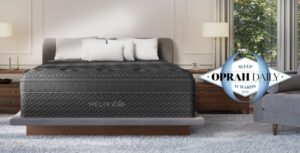 Helix Midnight Elite Helix Midnight Elite | 9.6 | 9.6 | 5.5/10 (medium) | Hybrid | 9.4 | 9.8 | 9.7 | 9.7 | 9.5 | See current price |
| 2 | 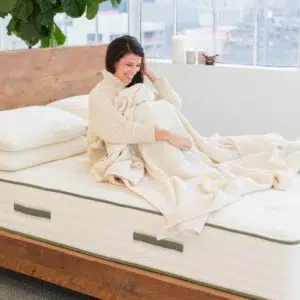 Avocado Mattress Avocado Mattress | 9.0 | 9.0 | 6.0/10 (medium) | Latex | 9.0 | 9.2 | 8.7 | 8.6 | 9.5 | $1,919 |
| 3 | 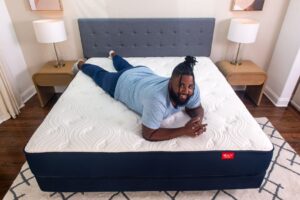 Big Fig Mattress Big Fig Mattress | 9.0 | 9.0 | 6.0/10 (medium) | Hybrid | 9.0 | 9.1 | 9.0 | 8.5 | 9.5 | $1,799 |
| 4 | 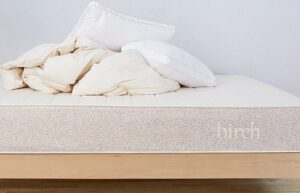 Birch Mattress Birch Mattress | 9.0 | 9.0 | 6.0/10 (medium) | Latex hybrid | 9.2 | 9.2 | 8.6 | 8.4 | 9.3 | $1,956 |
| 5 |  Engineered Sleep Mattress Engineered Sleep Mattress | 8.9 | 8.6 | 4.0/10 (medium-soft) | Hybrid | 8.7 | 9.2 | 9.2 | 9.2 | 7.6 | $1,508 |
| 6 | 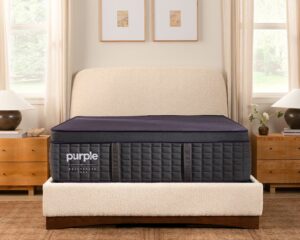 Purple Rejuvenate Plus Purple Rejuvenate Plus | 8.8 | 8.8 | 6.0/10 (medium) | Hybrid | 8.6 | 8.9 | 9.1 | 8.5 | 8.6 | $4,199 |
| 7 | 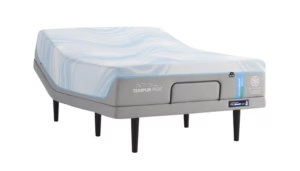 TEMPUR-ActiveBreeze TEMPUR-ActiveBreeze | 8.8 | 8.8 | 6.0/10 (medium) | Foam | 8.7 | 8.7 | 9.2 | 9.5 | 7.9 | $7,999 |
| 8 |  Puffy Monarch Mattress Puffy Monarch Mattress | 8.8 | 8.7 | 5.5/10 (medium) | Hybrid | 8.7 | 9.2 | 8.5 | 9.2 | 7.8 | $2,849 |
| 9 | 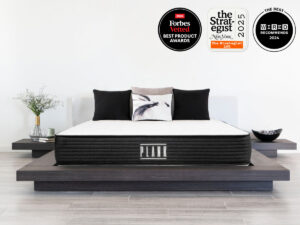 Plank Firm Plank Firm | 8.8 | 8.6 | 9.0/10 (firm) | Foam | 9.2 | 9.2 | 7.8 | 8.7 | 8.3 | $1,332 |
| 10 | 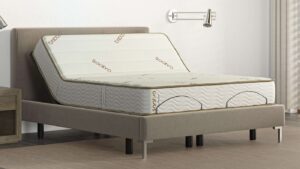 Zenhaven Mattress Zenhaven Mattress | 8.7 | 8.7 | 4.5/10 (medium-soft) | Latex | 9.3 | 9.0 | 8.7 | 7.4 | 7.6 | $3,549 |
1. Helix Midnight Elite — combination fit 9.6/10
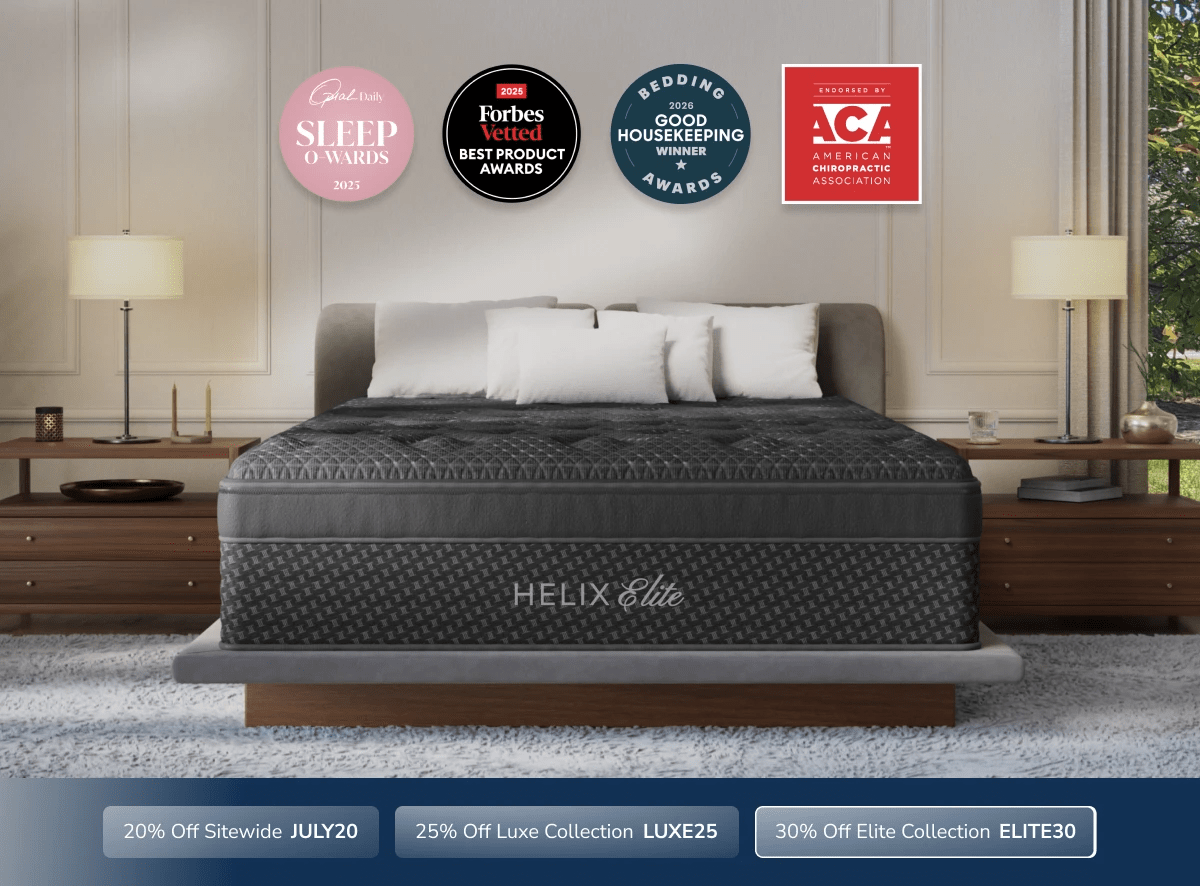
Helix · Overall score 9.6/10, firmness 5.5/10 (medium), Hybrid. Responsiveness 9.4/10, spine alignment 9.8/10, pressure relief 9.7/10, motion isolation 9.7/10, edge support 9.5/10. Check the current queen price on Helix’s site; promotions change frequently. Full test notes are in our Helix Midnight Elite review.
2. Avocado Mattress — combination fit 9.0/10

Avocado · Overall score 9.0/10, firmness 6.0/10 (medium), Latex. Responsiveness 9.0/10, spine alignment 9.2/10, pressure relief 8.7/10, motion isolation 8.6/10, edge support 9.5/10. A queen runs $1,919 at the price we last verified. Full test notes are in our Avocado Mattress review.
3. Big Fig Mattress — combination fit 9.0/10

Overall score 9.0/10, firmness 6.0/10 (medium), Hybrid. Responsiveness 9.0/10, spine alignment 9.1/10, pressure relief 9.0/10, motion isolation 8.5/10, edge support 9.5/10. A queen runs $1,799 at the price we last verified. Full test notes are in our Big Fig Mattress review.
4. Birch Mattress — combination fit 9.0/10
Birch · Overall score 9.0/10, firmness 6.0/10 (medium), Latex hybrid. Responsiveness 9.2/10, spine alignment 9.2/10, pressure relief 8.6/10, motion isolation 8.4/10, edge support 9.3/10. A queen runs $1,956 at the price we last verified. Full test notes are in our Birch Mattress review.
5. Engineered Sleep Mattress — combination fit 8.9/10
Overall score 8.6/10, firmness 4.0/10 (medium-soft), Hybrid. Responsiveness 8.7/10, spine alignment 9.2/10, pressure relief 9.2/10, motion isolation 9.2/10, edge support 7.6/10. A queen runs $1,508 at the price we last verified. Full test notes are in our Engineered Sleep Mattress review.
6. Purple Rejuvenate Plus — combination fit 8.8/10
Overall score 8.8/10, firmness 6.0/10 (medium), Hybrid. Responsiveness 8.6/10, spine alignment 8.9/10, pressure relief 9.1/10, motion isolation 8.5/10, edge support 8.6/10. It stands 14″ tall. A queen runs $4,199 at the price we last verified. Full test notes are in our Purple Rejuvenate Plus review.
7. TEMPUR-ActiveBreeze — combination fit 8.8/10
Overall score 8.8/10, firmness 6.0/10 (medium), Foam. Responsiveness 8.7/10, spine alignment 8.7/10, pressure relief 9.2/10, motion isolation 9.5/10, edge support 7.9/10. It stands 13″ tall. A queen runs $7,999 at the price we last verified. Full test notes are in our TEMPUR-ActiveBreeze review.
8. Puffy Monarch Mattress — combination fit 8.8/10
Puffy · Overall score 8.7/10, firmness 5.5/10 (medium), Hybrid. Responsiveness 8.7/10, spine alignment 9.2/10, pressure relief 8.5/10, motion isolation 9.2/10, edge support 7.8/10. It stands 16″ tall. A queen runs $2,849 at the price we last verified. Full test notes are in our Puffy Monarch Mattress review.
9. Plank Firm — combination fit 8.8/10
Overall score 8.6/10, firmness 9.0/10 (firm), Foam. Responsiveness 9.2/10, spine alignment 9.2/10, pressure relief 7.8/10, motion isolation 8.7/10, edge support 8.3/10. A queen runs $1,332 at the price we last verified. Full test notes are in our Plank Firm review.
10. Zenhaven Mattress — combination fit 8.7/10
Overall score 8.7/10, firmness 4.5/10 (medium-soft), Latex. Responsiveness 9.3/10, spine alignment 9.0/10, pressure relief 8.7/10, motion isolation 7.4/10, edge support 7.6/10. A queen runs $3,549 at the price we last verified. Full test notes are in our Zenhaven Mattress review.
Two neighbouring rankings use the same scores from a different angle: the most responsive mattresses ranks the single score that matters most here, and our couples guide weighs motion behaviour higher. The sleep position and body weight matrix narrows firmness by body weight. Every pick above links to its full review.
The trade-off nobody mentions
Responsiveness and motion isolation pull in opposite directions. A bouncy surface makes turning easy and passes movement across the bed; a deeply absorbing surface does the reverse. That is why the weighting above gives responsiveness the largest share but keeps motion isolation in the blend rather than dropping it — the beds that rank highest are the ones that manage both instead of winning one outright. If you sleep alone, weigh responsiveness even higher than we do. If your partner is a light sleeper, read the motion column first.
Firmness is the other lever. Combination sleepers generally do best in the medium to medium-firm band: soft enough for the shoulder on the side, firm enough that the hips do not drop when you roll onto your back. The firmness column above shows where every pick sits, and our sleep position and body weight matrix narrows that band by body weight.
Frequently asked questions
What firmness is best for combination sleepers?
Most land between medium and medium-firm — roughly 5.5 to 7 on our scale. That band gives the shoulder somewhere to go on the side without letting the hips sink when you turn onto your back.
Is memory foam bad for combination sleepers?
Slow-recovery memory foam is the hardest match, because the impression you leave is exactly what you have to move out of. Faster-recovering foams and latex over coils behave very differently, which is why the responsiveness score rather than the material name decides the ranking above.
Hybrid or all-foam for a combination sleeper?
Hybrids dominate this ranking because coils return energy and strengthen the perimeter, both of which help a sleeper who moves. A well-built latex or fast-response foam bed can compete; a dense slow-recovery all-foam build usually cannot.
Can I try these in person?
Yes, and it is the single most useful in-store test for a combination sleeper: lie on your side, then roll onto your back and notice how much effort the turn takes. At our Encinitas showroom you can compare that back to back across select mattresses from 14 mattress brands. Not every mattress in this guide is on our floor — see our San Diego showroom page for the current selection and hours.
Yawnder Reviews independently selects every product we cover. This article may contain affiliate links — if you buy through them, Yawnder earns a commission at no extra cost to you. Pricing reflects publicly listed MSRP at time of publication and may change.
Compare these 3 mattresses side by side
Sort all 142 mattresses we have tested by pressure relief, support, cooling, motion isolation, edge support, price, trial and warranty, then filter by how you actually sleep. Of those, 86 hold a complete standardized record and 41 a partial standardized record.
Compare these 3 mattresses side by side →Compare all with your profile preselected →