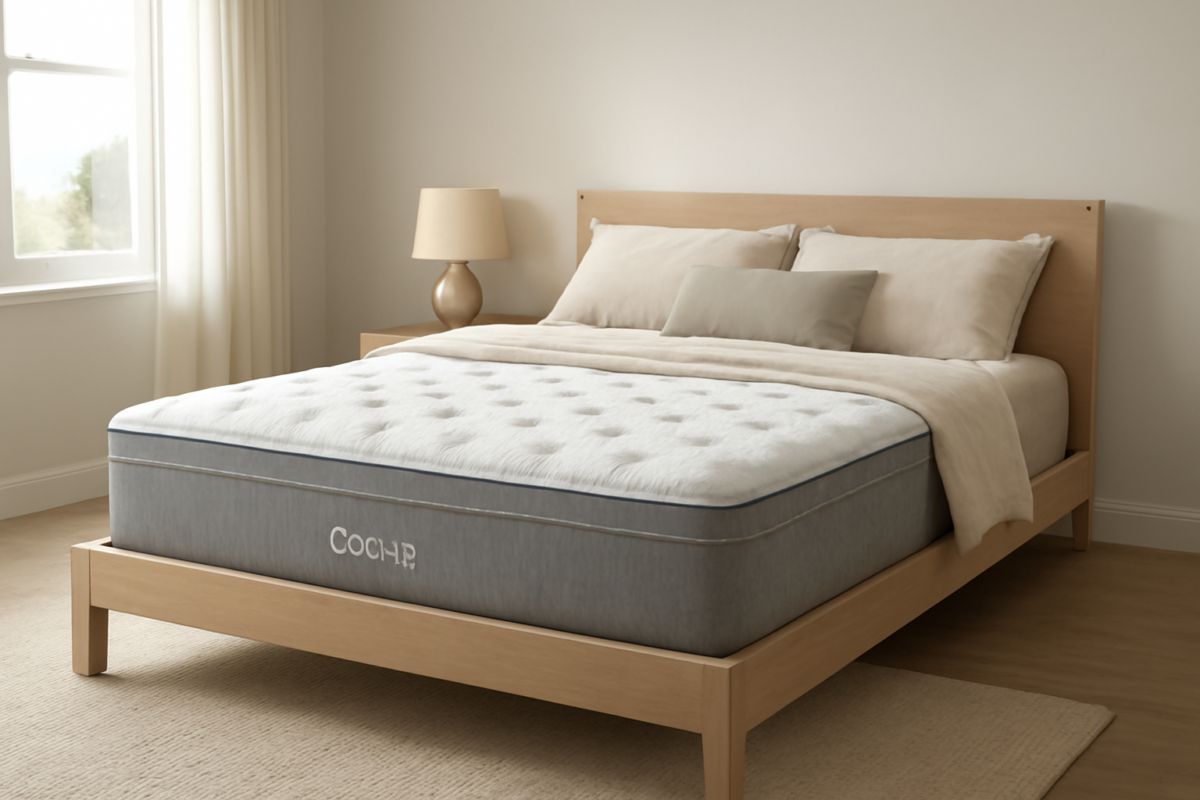
Head-to-head massage chair comparisons from Yawnder. Yawnder has hands-on experience with massage chairs, but not every model in this comparison library has been on the Encinitas floor. We distinguish hands-on impressions from manufacturer specifications and current product research.
How to use these comparisons
Start with our best massage chairs of 2026 shortlist, then choose the comparison closest to your budget and read the individual reviews for the full breakdown. If you are new to massage chairs, our buying guide by budget explains what actually changes as you move up in price, and 3D vs 4D rollers covers the single spec that matters most.
All massage chair comparisons
-
3D vs 4D Massage Chair RollersUpdated Oct 13, 2026
-
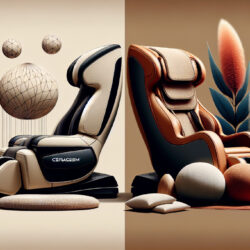
Ceragem vs OsakiUpdated Oct 15, 2026
-
Cozzia vs Osaki Massage ChairsUpdated Sep 30, 2026
-
Human Touch vs Osaki Massage ChairsUpdated Oct 15, 2026
-
Medical Breakthrough vs Osaki Massage ChairsUpdated Oct 15, 2026
-
Osaki Bravo Duo Flex vs Manhattan DuoUpdated Oct 8, 2026
-
Osaki Duke XL vs Ogawa Active XL 3DUpdated Oct 14, 2026
-
Osaki Epic LE vs Duke XLUpdated Oct 14, 2026
-
Osaki Helix LE vs Solo Flex 4DUpdated Oct 8, 2026
-
Osaki Pro Admiral II vs Ogawa Active XL 3DUpdated Oct 14, 2026
-
Osaki Sapphire 4D+ vs Somnus Duoflex AIUpdated Oct 8, 2026
-
Osaki Trion Flex vs DuoMax SEUpdated Oct 8, 2026
-
Osaki vs Daiwa Massage ChairsUpdated Oct 8, 2026
-
Osaki vs Ogawa Massage ChairsUpdated Oct 14, 2026
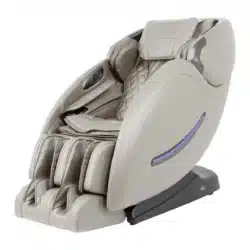
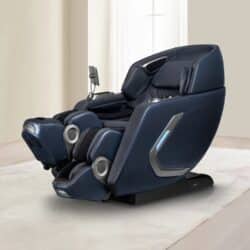
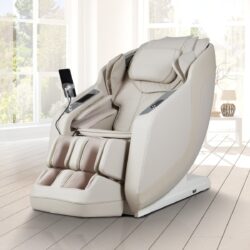
Related hubs
- Massage chairs in San Diego — current inventory and where to try select models
- Mattress comparisons
- Interactive mattress comparison tool
How to compare massage chairs without getting lost in the spec sheet
Massage chair marketing leans hard on feature counts, and most of those features do not change how the chair feels. A small number of things do. Use this order when you compare two models:
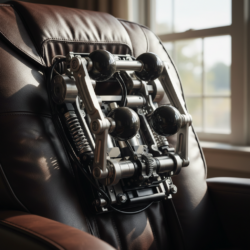
- Roller type. 2D rollers move up/down and side to side; 3D adds depth; 4D varies the speed and rhythm of that depth. The practical difference is how deep and how “human” the pressure feels, not how many programs are listed.
- Track shape and length. An L-track continues under the seat to cover glutes and hamstrings; an S-track follows the spine only. Longer coverage is not automatically better if the chair does not fit your height.
- Fit. Shoulder height, seat width and leg-rest extension decide whether the rollers land where you need them. This is the single most common reason a chair disappoints.
- Heat, air and stretch. Useful, but secondary. Judge them in person if you can.
- Footprint and wall clearance. Check the reclined depth, not just the upright measurement.
- Warranty and service. Parts, labour and in-home service terms vary widely, and a chair is heavy enough that shipping it back is not a realistic remedy.
Set a budget band first
Most shoppers are choosing within a band, not across the whole market. Current sale pricing has compressed the old tiers: capable 3D chairs can now appear below $2,000, and some 4D models fall near $3,500. Compare the live mechanism, track, fit, warranty and delivered price rather than assuming price alone tells you the roller technology. Deciding the band before you shop keeps the comparison honest.
Frequently asked questions
Is 4D worth the upgrade over 3D?
It depends on how much you value the rhythm and variability of the pressure. 3D already adjusts depth; 4D varies the speed of that depth so the stroke feels less mechanical. Sit in both if possible.
Does a longer track mean a better massage?
Only if the chair fits you. A long L-track on a chair that is too tall for your torso will miss the shoulders entirely.
How long do massage chairs last?
Mechanical parts and upholstery are the usual limits. Warranty length on parts and labour is a reasonable proxy for how long the maker expects the chair to hold up.