Yawnder Reviews · Updated July 2026
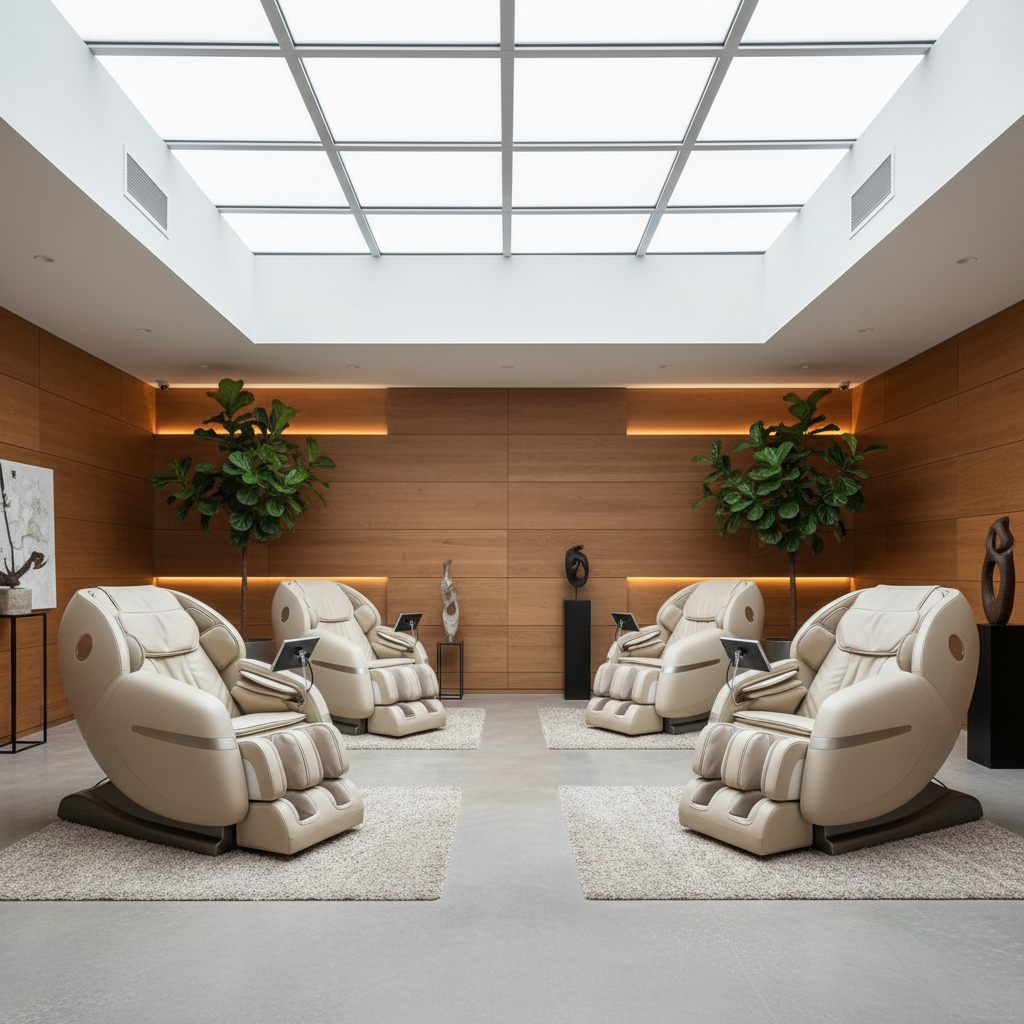
Massage-chair pricing changes quickly because manufacturers run frequent promotions. Use the tiers below to understand what features and mechanisms become available as budget increases, then compare our best massage chairs of 2026 shortlist for current models and shopping links. Verify the final price and warranty on the exact model before buying.
Under $2,000: entry-level and sale-priced 3D chairs
This tier used to mean mostly basic 2D chairs, but current sale pricing has moved some legitimate 3D models below $2,000. For example, Titan currently lists the Nido 3D at $1,899. Compare mechanism, track length, user-size limits, warranty, and service rather than assuming every inexpensive chair is low quality.
At the lowest end, prioritize authorized-dealer support and parts availability. Avoid assuming a specific lifespan: massage-chair durability depends on mechanism design, usage, user weight, maintenance, and whether service is available where you live.
$2,000–$3,500: strong 3D value and some discounted 4D models
Current examples: Ogawa Refresh 3D at $1,999.99, Ogawa Nova at $2,499.99, Ogawa Active XL 3D at $2,999.99, and Titan 4D ION at $3,499 on current official listings.
At this budget, 3D depth control, SL-track coverage, zero gravity, foot rollers, heat, and body scanning are common. Some sale-priced 4D chairs also appear here, so mechanism quality and fit matter more than the MSRP printed above the sale price.

$3,500–$6,000: broader 4D selection and more refined mechanisms
Current examples: Titan 4D ION is currently $3,499, while many Osaki/Titan 4D models and premium 3D chairs fall into this range depending on promotion. Use live pricing instead of assuming a model permanently belongs to one tier.
Expect more control over roller depth and speed, better calf/foot systems, more air compression zones, quieter operation, and more polished controls. Whether those upgrades matter depends on how often you use the chair and what intensity you prefer.
This range is a useful comparison point, not a universal sweet spot. Current promotions can move capable chairs into lower tiers, while fit and warranty can matter more than feature count.
$6,000–$10,000: flagship-adjacent
In this range, expect premium 4D systems, dual-mechanism designs on some models, more sophisticated calf/foot massage, and larger program libraries. Verify the live model price because promotions can shift a chair by several thousand dollars.
4D is common here, but dual mechanisms are not universal and brand labels are not standardized. Try the chair if possible; one person’s “deep tissue” can feel too aggressive to another.
Do not spend more simply because a chair has more programs, voice control, or a larger screen. Pay for the roller feel, body fit, service network, and features you will actually use.
$10,000+: the true flagships
Flagship chairs can exceed $10,000. Osaki currently lists the Platinum Sapphire 4D+ at $13,999. This tier is about refinement, specialized mechanisms, broader adjustment ranges, premium materials, and service—not guaranteed therapeutic benefit.
Do not assume a 10- or 15-year lifespan from price alone. Compare warranty length, in-home labor coverage, parts availability, upholstery wear, user-weight limits, and local service before treating a flagship chair as a long-term furniture purchase.
Where to buy at every tier
Massage-chair pricing changes frequently and advertised MSRP can differ substantially from live sale pricing. Authorized dealers may also bundle delivery, installation, extended warranty, or accessories differently. Compare the total delivered price and service package.
- Check manufacturer and authorized-dealer pricing on the same day.
- Compare curbside versus white-glove installation cost.
- Read the return/restocking terms before ordering a 200+ lb chair.
- Compare included labor coverage, not just total warranty years.
Bottom line
Match budget to fit, mechanism, intensity, warranty, and how often you expect to use the chair. Back pain or another medical condition should not be used as a reason to automatically spend more; massage chairs are comfort and relaxation products, not substitutes for diagnosis or treatment.
Yawnder Reviews: Yawnder has independently reviewed 40+ massage chairs across every price tier. This guide reflects current 2026 pricing and lineup.
What to know before you buy
Massage chair pricing generally tracks mechanism quality and feature count. Under roughly $1,500, expect basic 2D rollers, limited coverage, and vibration-style extras — fine for occasional relaxation, less so for daily deep-tissue use. The mid-range (roughly $1,500–$4,000) is where 3D mechanisms, body scanning, heat, and zero-gravity reclining become common. Above that, you’re paying for 4D roller control, longer roller tracks (L-track coverage into the glutes), better upholstery, quieter operation, and longer warranties.
Whatever the budget, prioritize the mechanism and roller track first — those determine the actual massage — and treat speakers, apps, and lighting as nice-to-haves. Check the warranty structure: frame, parts, and labor are often covered for different lengths, and in-home service matters on a 200-pound chair.
Frequently asked questions
What’s the minimum to spend for a decent massage chair?
Most buyers find the $1,500–$3,000 range is where 3D mechanisms and genuinely useful features start. Below that, manage expectations on depth and durability.
Do expensive massage chairs last longer?
Generally yes — better motors, mechanisms, and frames — but warranty terms are the more reliable signal. Look for multi-year parts and in-home labor coverage.