Yawnder Reviews · Updated July 2026
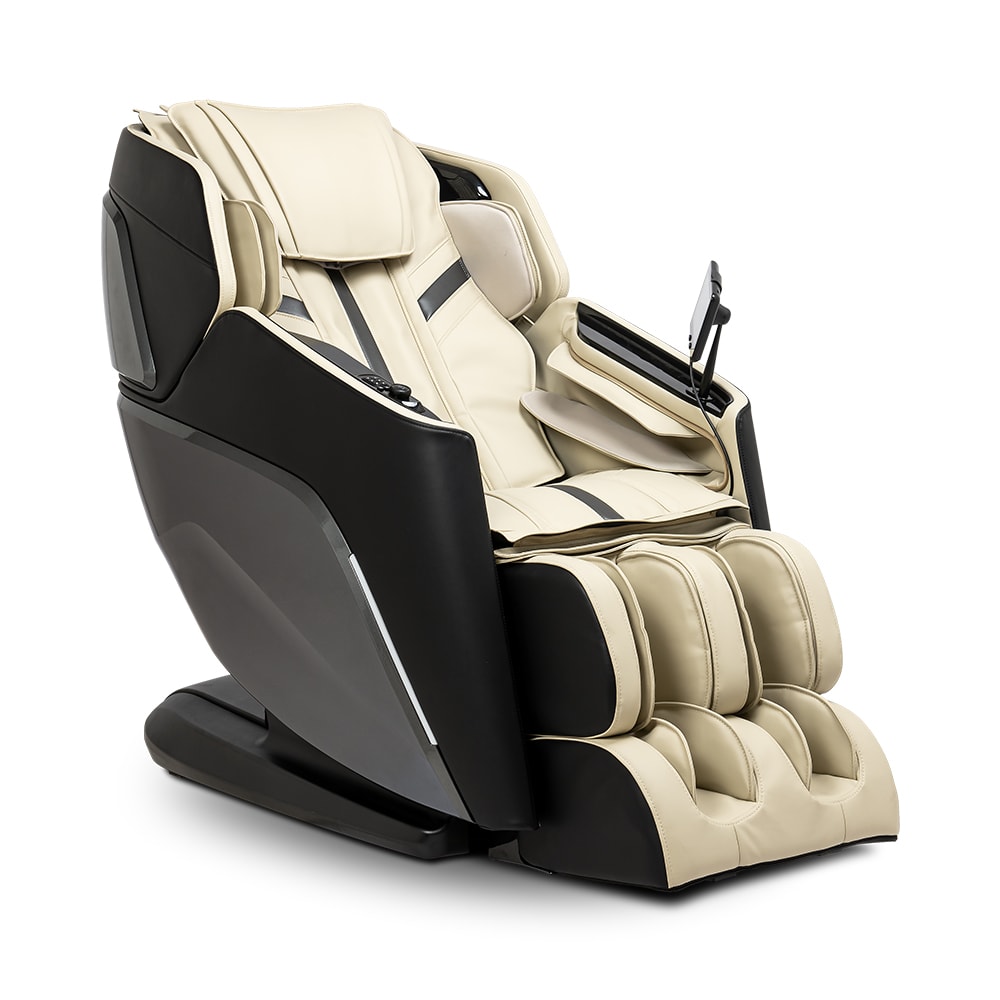
The Active XL 3D is the massage chair I recommend to friends who ask “what should I spend $5,000–$6,000 on?” It’s the sweet spot between the sub-$4K entry-level chairs (which cut too many corners) and the $10K+ flagships (which most people don’t need). Here’s why it works.
What you get at the current $2,999.99 price
- 3D rollers (variable stroke depth, fixed speed — one tier below 4D)
- Extended SL-track — fits users up to 6’4″ (most SL-tracks cap at 6’2″)
- Zero-gravity recline (2 stages)
- Heated back rollers + calf heat
- Full-body air compression (shoulders, arms, hips, calves, feet)
- 18 auto programs + 4 manual techniques
- Bluetooth speakers + USB charging
3D vs 4D: does it matter here?
At this price, no. 4D lets a roller change speed mid-stroke, which matters at the flagship tier where you’re chasing spa-level nuance. At the Active XL price, 3D + variable depth + heat + AI-lite program tuning gets you 90% of the experience. Save the $3,000–$6,000 for a better bed frame or an extended warranty.
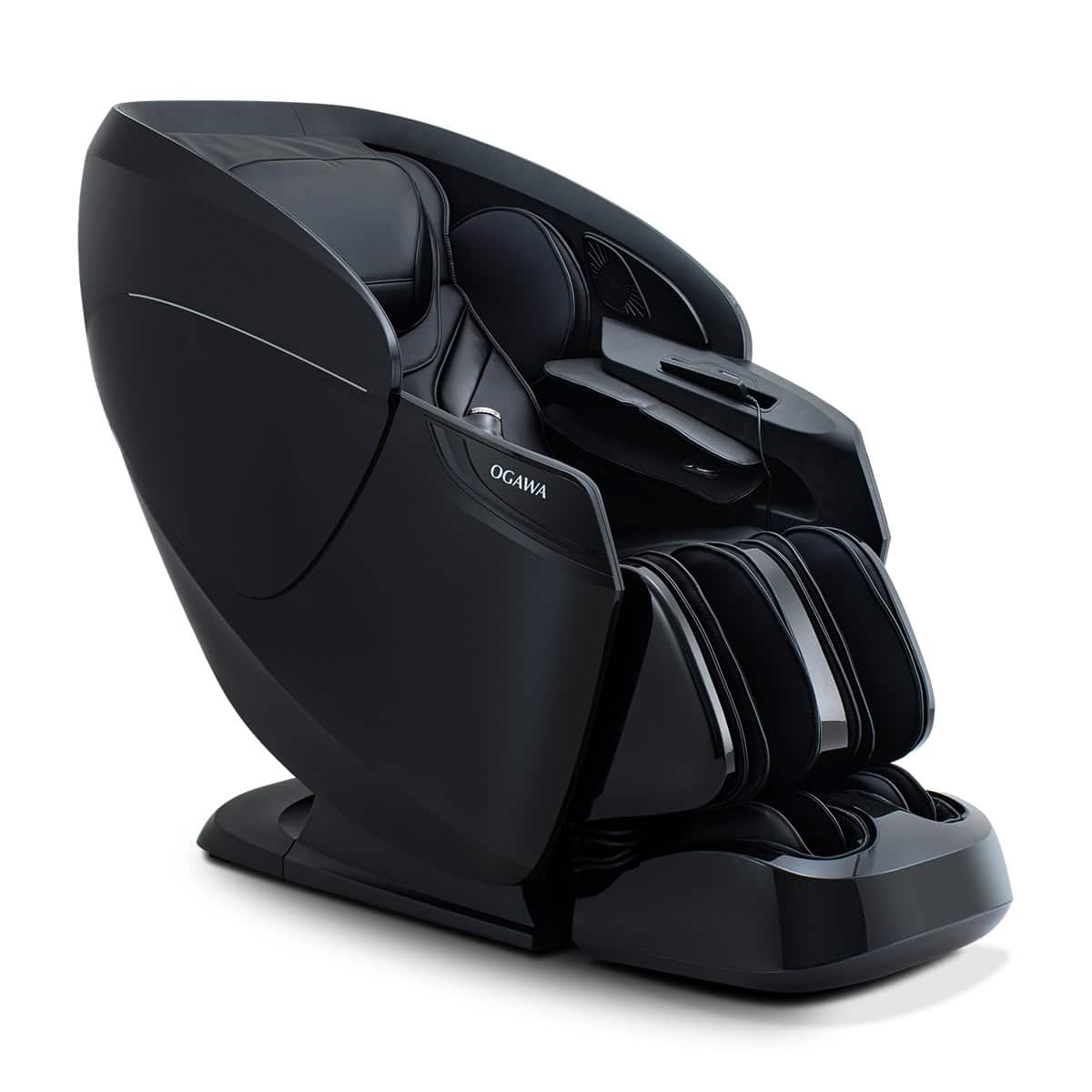
Hands-on test results & context
Yawnder evaluated the Active XL 3D hands-on for fit, track reach, roller depth, heat, air compression, controls and tall-user accommodation. The review includes observations from a 6’4" tester, product photos and direct comparisons with competing massage chairs. The judgments below refer to that hands-on evaluation rather than manufacturer claims alone.
Extended SL-track is the underrated feature
Most SL-tracks are engineered around a 5’8″–6’0″ user. If you’re 6’2″+, the roller often stops short of your glutes or hamstrings — which are the muscle groups you probably actually want massaged after a long day. The Active XL extends the rail meaningfully; we tested it with a 6’4″ reviewer and the rollers reached full-length hamstring on the second-lowest recline. Non-trivial for tall users.
Where it stacks vs. Osaki Solo Flex 4D
The Osaki Solo Flex 4D is the direct competitor at $4,999. Osaki gives you 4D rollers at a lower price; Ogawa gives you the longer track, heated rollers standard, and a more refined aesthetic. Between them: if you’re under 6’0″ and want the deepest massage, Osaki. If you’re taller, prefer heated rollers, or want the more furniture-like look, Ogawa.
The Active XL DUO upgrade ($6,999)
For $1,000 more, the DUO adds dual-track rollers — a separate rail for neck/shoulders that moves independently from the main back rail. Genuinely useful if your shoulders are your #1 issue. If your main complaint is lower back or hips, skip the DUO and put the $1,000 toward the extended warranty or a good back-pain mattress instead.
Complaints (there are always some)
- Foot rollers are decent but not spectacular — if you want serious foot massage, look at the flagship tier
- Air compression on the shoulders is on the gentler side (Japanese shiatsu tuning) — Osaki hits harder here
- Assembly is 2-person, 45 minutes — plan accordingly, or add white-glove delivery
Bottom line
The Active XL 3D is the best mid-tier Ogawa and one of the two or three best mid-tier chairs on the market period. If you’re spending $5,000–$6,000 and you’re under 6’0″, cross-shop the Osaki Solo Flex 4D. Above 6’0″ or if heated rollers are a priority, buy the Ogawa.
Yawnder Reviews: The Active XL 3D is Ogawa’s mid-tier value pick. This review reflects extended hands-on testing and current 2026 pricing.
Live pricing, current promotions, and full manufacturer warranty through our affiliate partner. Buying through this link supports Yawnder’s independent testing at no extra cost to you.
Who the mid-tier really suits
The mid price band exists for one buyer: someone who will use the chair several times a week for general recovery and tension relief, and who does not need the last increment of nuance. At this level you should expect a full-length track, variable-depth rollers, heat, full-body air compression and a credible warranty. What you give up compared with a flagship is program sophistication and the finest control over stroke behaviour — differences you notice in a side-by-side demo more than in daily use.
Where the money goes at this tier
- Track length and shape decide whether the massage reaches the glutes and hamstrings or stops at the lower back.
- Roller depth control decides how much pressure you can dial in for a bigger frame.
- Air compression coverage decides whether legs, arms and shoulders get worked or only the back.
- Heat placement matters most at the lumbar and calves — the two areas where it changes how a session feels.
Extended-height tracks are worth the search
If anyone in the household is over roughly six feet, prioritise a chair that states a taller user range. Track length is one of the few specs that cannot be compensated for with settings, and it is the single most common reason a chair goes unused after a month.
How to shop a chair at this level without overpaying
Massage chair pricing is driven by four things, roughly in this order: the roller mechanism, the track shape and length, the sensing and program logic, and the warranty plus service network. Everything else — speakers, LED lighting, app control, voice commands — is trim. If a chair is priced above a competitor without a difference in those four items, you are paying for trim.
Fit is a spec, not a preference
Check the manufacturer’s stated user height and weight range before anything else. A chair that is short for you will land the neck rollers between your shoulder blades, and no program setting fixes that. Broad shoulders are the second common mismatch: if the shoulder air bags sit too narrow, the chair will feel constrictive on every program.
Space and power
Measure the wall clearance the chair needs when it reclines, plus the space required to walk around it. Wall-hugging designs slide forward as they recline and need far less room than older fixed-pivot chairs, but they still need clearance. Chairs run on a standard household outlet; give them a dedicated outlet rather than sharing a strip with heaters or a television.
Warranty and service are the real risk
Rollers and air pumps are the parts that fail, and labour is the expensive half of a repair. Read three numbers separately: parts coverage, in-home labour coverage, and structural frame coverage. Then confirm who performs service in your area — a long warranty is worth little if the nearest technician is out of state. Ask whether shipping of a replacement part is covered, since freight on a mechanism is not trivial.
Getting the most out of it once it arrives
- Start short. Fifteen minutes is plenty for the first sessions; long sessions on a new chair commonly leave you sore.
- Use the body scan every time if the chair has one — shoulder position changes with posture and clothing.
- Set intensity low and build up. More pressure is not more benefit, and bruising is a real outcome on aggressive settings.
- Keep it out of direct sun. Synthetic upholstery cracks with UV exposure faster than anything else on the chair.
- Wipe the contact surfaces with a damp cloth, not solvents, and condition genuine leather panels a couple of times a year.
Who should not buy a massage chair
Speak with a physician first if you are pregnant, have a pacemaker or other implanted device, have osteoporosis, a recent fracture, a herniated disc, blood clots, uncontrolled blood pressure, or are recovering from surgery. Massage chairs are wellness equipment, not medical treatment, and they are not appropriate for every body.
Prices, model availability and warranty terms in this category change several times a year. Confirm the current spec and coverage with the manufacturer before ordering.