YAWNDER 4D VS 3D CHAIR BUYING COMPARISON · OCTOBER 2026
Disclosure: Yawnder sells massage chairs, including Osaki, and may earn revenue from purchases. This is an editorial comparison of current manufacturer descriptions, not a new controlled chair-to-chair pressure test or medical study. Inventory, delivered pricing and warranties change.
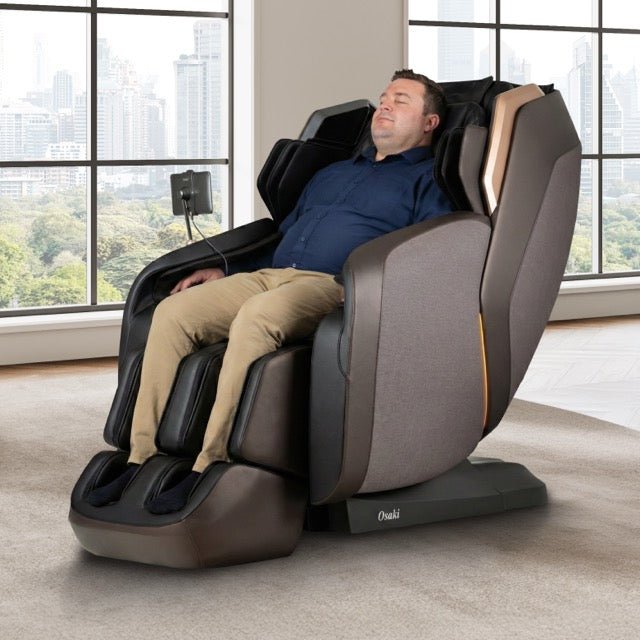
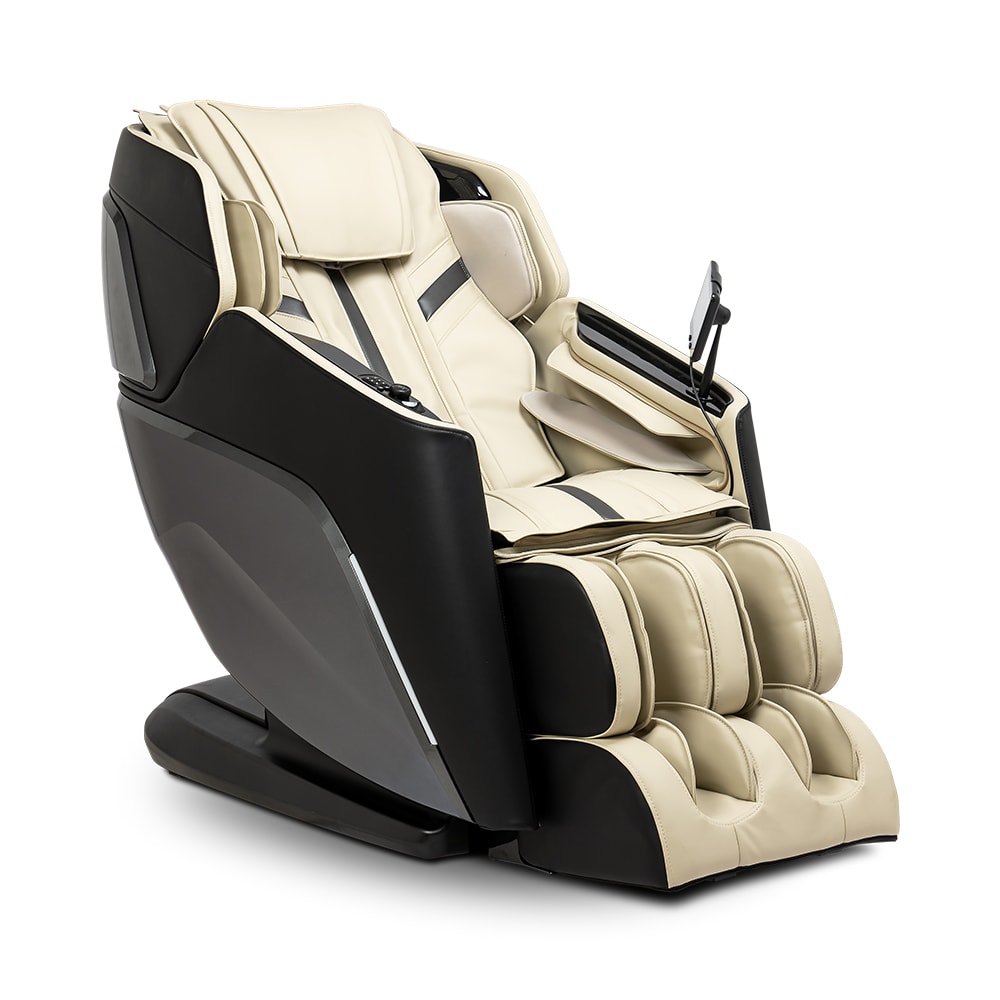
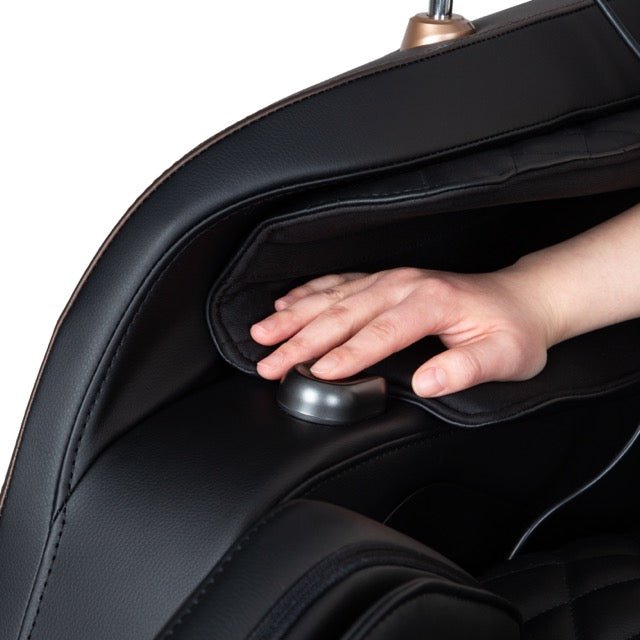
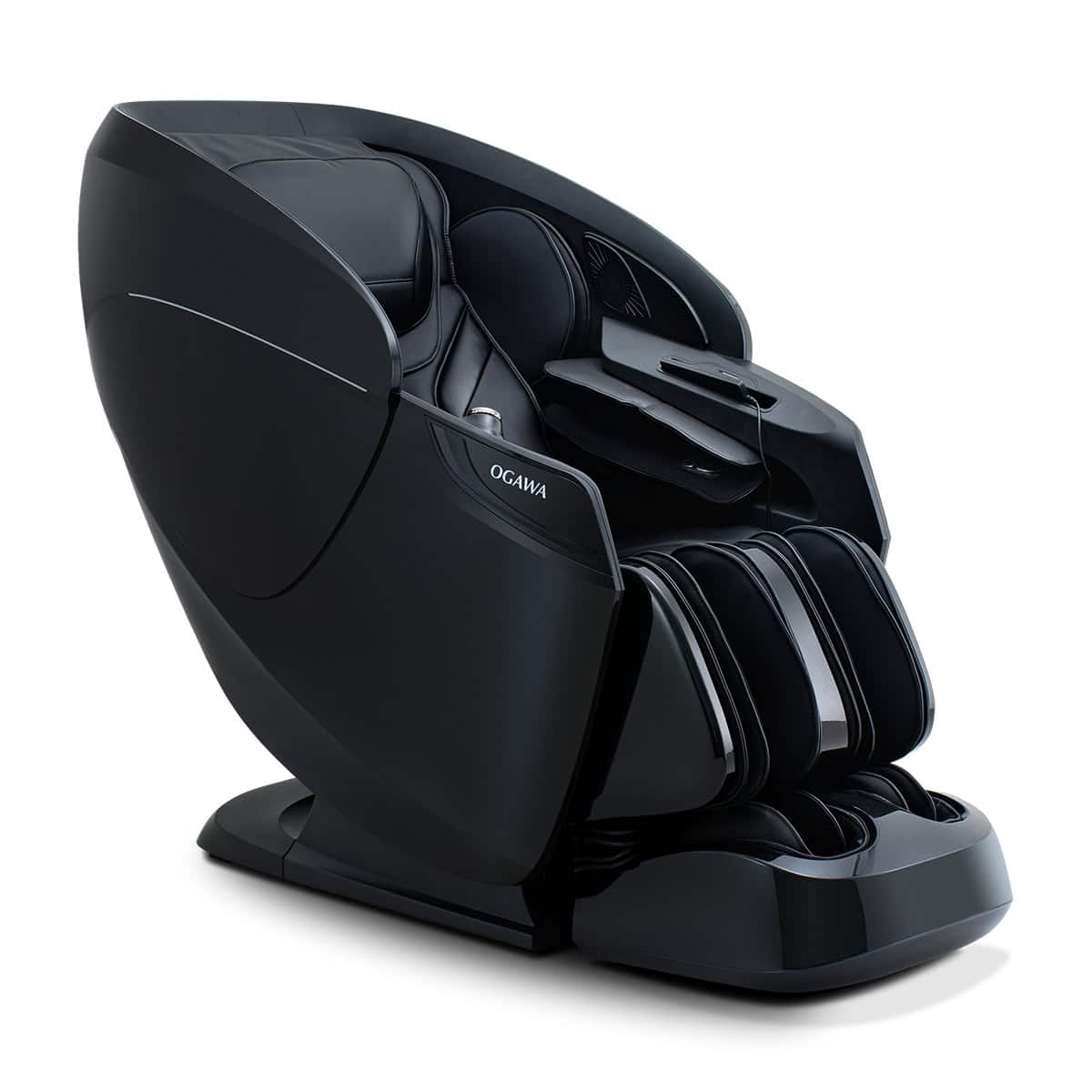
Photos of the actual chair models
Quick verdict: choose for fit before extra dimensions of rollers
Choose Osaki Duke XL 4D if you need the manufacturer’s higher 400 lb capacity or a chair marketed for people up to approximately 6 ft 8 in—and your room can accept a wider, heavier machine. Consider Ogawa Active XL 3D if its 320 lb rating and published fit guidance suit you and you want a notably less costly, narrower chair. The 4D label on Duke does not automatically make it a better value or a better massage for every body. Compare more models in our best massage chair guide. See where to try massage chairs in San Diego, and call ahead to confirm which models are on display.
Osaki Duke XL vs Ogawa Active XL: comprehensive specification table
| Consideration | Osaki Duke XL 4D | Ogawa Active XL 3D |
|---|---|---|
| System | 4D roller system on SL-Flex track | 3D Vario Motion / IntelliGlide mechanism on SL-track |
| User weight capacity | Up to 400 lb per Osaki | Up to 320 lb per Ogawa |
| Recommended height | Osaki advertises up to about 6 ft 8 in | Product page: 5 ft–6 ft 4 in; comparison chart: 5 ft 2 in–6 ft 2 in |
| Chair footprint upright | 35 in W × 60 in L × 45 in H | 30 in W × 60.6 in L × 46.8 in H |
| Fully reclined | 35 × 67 × 37 in | 30 × 73.6 × 35 in |
| Shoulder width | 26 inches | 23 inches |
| Seat width | 23 inches | 23 inches on product page; 22 inches on comparison chart |
| Chair weight | Approximately 325.6 lb | Approximately 202.8 lb |
| Automatic programs | 20 | 17 in product specifications; 16 in its program description |
| Compression | 48 air cells | 30 airbags |
| Heating | Heating shawl and foot/lumbar positions | Product page gives differing heat-zone descriptions; verify |
| Reference prices at October check | About $6,999 on manufacturer page | About $2,999.99 on manufacturer page |
| Warranty | Model-specific Osaki warranty; check seller paperwork | Ogawa lists 1 year in-home service, 2 years parts, 5 years framework |
Specification differences to verify: Ogawa’s product page and comparison chart disagree about recommended height and seat width, and its product page gives different automatic-program counts and heat-zone descriptions. Ask the seller to confirm the version and specifications in writing.
For tall and heavier customers, specifications matter more than badges
Osaki’s Duke XL is advertised with a substantial 400-pound maximum user capacity and height accommodation up to about 6 ft 8 in. Ogawa’s product specification lists 5 ft to 6 ft 4 in and a 320-pound capacity, but its comparison chart gives a different height range of 5 ft 2 in to 6 ft 2 in. Confirm the fit range for the version sold. These represent meaningful differences: a buyer outside the rated range should not count on an otherwise attractive model fitting safely or comfortably.
Neither model can be selected from height alone. Duke lists a 23-inch seat and 26-inch shoulder width. Ogawa’s product page lists a 23-inch seat and shoulder width, while its comparison chart gives a 22-inch seat; confirm measurements before ordering. Shoulder anatomy, neck position and leg extension can matter more than simple stature. If possible, test the body scan and roller reach through an entire session before purchase.
Doorway widths and reclined footprint
The Duke’s upright published footprint is about 35 × 60 × 45 inches, while the Ogawa is approximately 30 × 60.6 × 46.8 inches. Fully reclined, Duke is roughly 67 inches long and Ogawa 73.6 inches long. The bigger shoulder region on Duke does not mean it requires more room depth in every configuration: check the fully reclined footprint and manufacturer wall clearance.
Osaki notes that Duke XL can need a 35-inch assembled doorway or about 28 inches disassembled, under its specified process. Such figures do not guarantee that your staircase or hallway turn can be navigated. Ogawa is narrower, but check the actual shipping box size and assembly requirements too. Neither chair is a normal parcel that can be picked up and moved as easily as a pillow.
What’s 4D versus 3D really worth?
Both have roller mechanisms that can vary the depth of the massage, and each supports several automatic routines. Osaki adds a marketed 4D layer of rhythmic/speed modulation to the Duke, while Ogawa describes a 3D Vario Motion or IntelliGlide mechanism with configurable intensity. This describes differences in movement controls, not an independent measure of relaxation or therapeutic benefit.
Duke lists 20 automatic programs and 48 air cells. Ogawa lists 30 airbags; its product specifications say 17 programs while another section says 16. More cells or programs do not inherently produce a more enjoyable massage. Judge whether the track places pressure where your shoulders, waist and hips actually sit, and whether the lowest setting is comfortable enough for daily use.
Heat and convenience features
Osaki emphasizes its heating shawl, calf routines, 4D rhythm controls and automatic body scan. Ogawa highlights heat, programmed stretches and an automatically extending ottoman, but describes its heat zones differently in separate parts of the product page; confirm the features on the version sold. The usefulness of each depends on the exact model variation and your interests. A chair marketed with biometric or AI health-detection sensors is not clinical diagnostic equipment; it should not be bought as a substitute for medical evaluation.
Price comparison without misleading sale claims
At the October 2026 manufacturer check, Duke XL showed about $6,999 on Osaki’s page versus roughly $2,999.99 for Ogawa Active XL. That apparent $4,000 gap may change with stock, special promotions, financing or retailer packages. The final comparison must include installation, stair delivery, removal of packaging and any optional warranty coverage. The pricier chair may be justified for someone who truly needs its size and rated capacity, not merely because its marketing mentions more “dimensions.”
Warranties, returns and setup
Ogawa lists a limited warranty covering one year of in-home service, two years of parts and five years of frame coverage for Active XL, with an optional extended plan. Osaki’s Duke page describes a warranty package with different coverage options. Compare them line by line; a “five-year warranty” label often covers distinct things in each year.
Do not assume a mattress sleep trial applies to massage chairs. Ask the seller for the specific massage-chair return policy, delivery acceptance rules, original packaging requirements and any return shipping or restocking charges before payment. Yawnder’s chair policy must be considered separately from mattress policies.
Verdict by buyer type
If you are a taller or heavier shopper who needs the 400-pound capacity and larger shoulder space, Duke XL deserves first consideration, provided you can accommodate its weight and installation. If your body falls well within Ogawa’s recommended range and you prioritize overall value in a narrower frame, Active XL should be shortlisted. Neither manufacturer’s claims support an invented measurable winner in pain relief, circulation or sleep improvement.
Frequently asked questions
Which chair has the higher published weight limit?
Osaki Duke XL is rated to 400 pounds, compared with Ogawa Active XL at 320 pounds.
Is 4D automatically better than 3D?
No. The mechanism label describes motion control. Personal comfort, positioning and actual fit are essential.
Is Ogawa smaller than Osaki?
Ogawa is narrower on the published dimensions, although its full reclined length is greater. Measure doorways and the exact recline path.
Can either chair be returned under Yawnder’s mattress trial?
Chair purchases have separate policy terms. Confirm the exact return conditions with the merchant handling your order.