📅 Updated August 2026: Our guidance on magnetic mattresses was verified as current, examining both historical claims and modern applications. We confirm that scientific evidence continues to be sparse regarding the efficacy of magnetic mattresses for therapeutic benefits.
In our modern pursuit of wellness, we often look for the next cutting-edge innovation to enhance our health and vitality. We track our steps, optimize our diets, and meditate with apps. Yet, sometimes the most intriguing solutions have roots reaching back centuries. Enter the magnetic mattress topper and mattress—a product that bridges ancient therapeutic concepts with modern sleep technology. It’s a topic surrounded by strong claims, significant skepticism, and a growing community of curious users. If you’ve ever wondered whether magnets have a place in the bedroom beyond holding a child’s artwork to the fridge, you’re in the right place. Let’s explore the science, the stories, and the reality behind magnetic sleep systems.
The Core Concept: Deconstructing the Magnetic Mattress
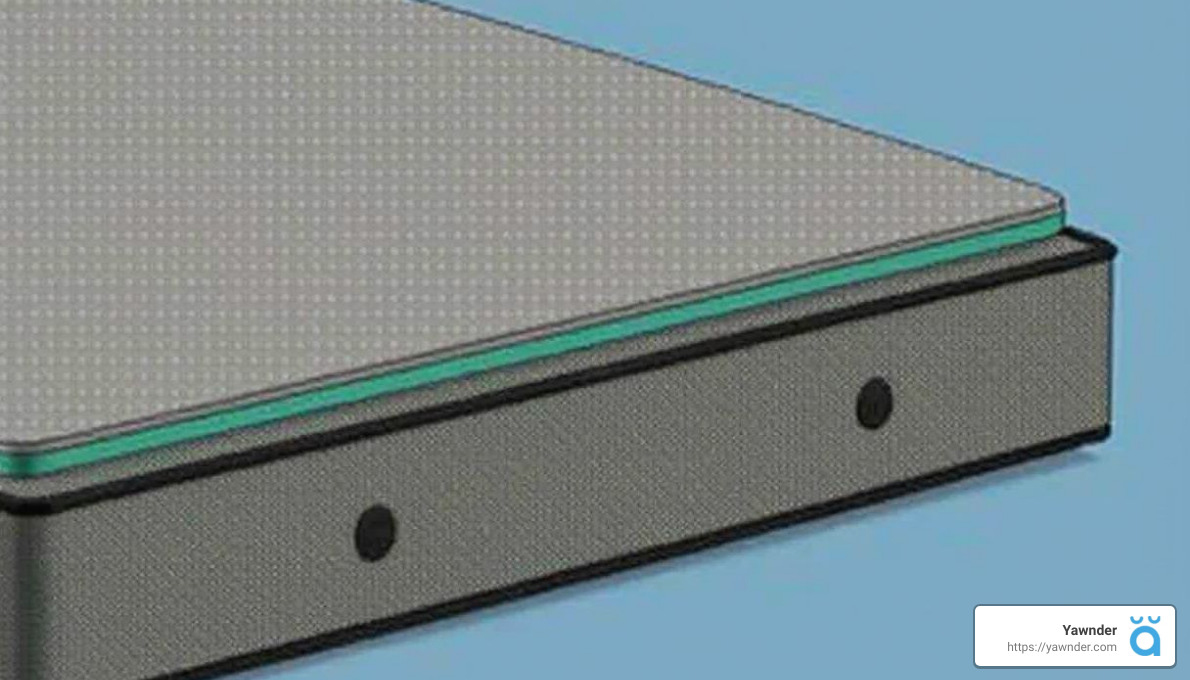
The fascinating journey of magnetic therapy stretches back centuries, with roots in ancient Greece and China. The concept resurfaced during the Renaissance with the physician Paracelsus, who believed magnets could “draw out” diseases from the body. Today, wellness brands apply this age-old idea to modern sleep science. At Yawnder, we view it as part of a larger conversation about holistic well-being. A mattress from a specialized brand like Nikken isn’t just a sleep surface; it’s a wellness tool. So, what exactly is happening beneath the covers? At its heart, a magnetic mattress is a conventional bed—built with materials like memory foam, latex, or innersprings—that has been embedded with dozens or even hundreds of static magnets. These are not the electromagnets you’d find in a high-tech lab; they are permanent magnets that generate a continuous, stable magnetic field. The type, strength (measured in gauss), and placement of these magnets are key design factors. Typically, manufacturers use powerful neodymium or ceramic ferrite magnets, arranging them in specific patterns or grids intended to expose the sleeper’s body to the magnetic field evenly throughout the night.
The Science (and Skepticism) Behind Magnetic Field Therapy
The core claims of magnetic mattresses are tied to the controversial field of static magnetic field therapy. It’s essential to approach this topic with an open mind but also a healthy dose of critical thinking. The conversation involves complex biological theories and a notable lack of consensus in the mainstream medical community.
How Proponents Believe It Works
Advocates of magnetic therapy propose several mechanisms of action. The most common theory revolves around blood flow. Our blood contains iron in the hemoglobin molecules responsible for carrying oxygen. The idea is that the static magnets in the mattress attract this iron, gently stimulating blood vessels and increasing circulation. Better circulation could theoretically lead to more efficient oxygen and nutrient delivery to tissues and faster removal of inflammatory waste products. Another prominent theory suggests that magnetic fields can influence the nervous system. Proponents claim that the fields may interrupt or dampen the electrical signals of pain that neurons send to the brain, offering a form of non-invasive pain relief. A third concept relates to the body’s natural electromagnetic energy, suggesting that external magnetic fields can help rebalance cellular ions and optimize metabolic functions, promoting a state of natural healing and homeostasis.
A Look at the Scientific Evidence
This is where the subject becomes contentious. While the theories are intriguing, high-quality, large-scale scientific research supporting the efficacy of static magnets for pain relief and health improvement is sparse and often contradictory. Many studies have found that magnetic mattress pads are no more effective than placebo (or “sham”) pads for treating conditions like chronic back pain or fibromyalgia.
The National Center for Complementary and Integrative Health (NCCIH), a division of the U.S. National Institutes of Health, states, “Scientific evidence does not support the use of static magnets for pain relief.” They note that some small, early studies reported benefits, but these findings have not been replicated in larger, more rigorous trials. This distinction is crucial—it doesn’t necessarily mean magnetic therapy is impossible, but that its effects have not been definitively proven according to the gold standards of modern science.
The power of the placebo effect is also a significant factor. If a person believes a treatment will work, they may genuinely experience a reduction in symptoms. In the context of sleep, if a magnetic mattress helps you feel more relaxed and secure, leading to better rest, that subjective benefit is very real to you, regardless of the underlying mechanism.
Potential Benefits and Who Might Be Interested
Despite the scientific skepticism, an entire market exists for magnetic sleep systems, with many users reporting positive personal experiences. It’s helpful to view these as anecdotal benefits—real for the individual, but not universally guaranteed. People who are often drawn to magnetic mattresses are typically seeking relief from:
- Chronic Pain: Individuals with conditions like arthritis, fibromyalgia, and persistent back or joint pain are among the most common users, hoping the purported anti-inflammatory and pain-signaling effects will provide comfort.
- Poor Circulation: People experiencing cold hands and feet or looking to enhance overall circulatory health might be interested in the blood flow theory.
- Sleep Disturbances: Some users report that the magnetic field promotes a deeper, more restorative sleep, helping them wake up feeling more refreshed and energized.
- General Wellness: Others are simply health-conscious consumers interested in bio-hacking and alternative wellness strategies, viewing the magnetic mattress as a passive therapy they can utilize for eight hours every night.
Important Considerations and Precautions
It’s critically important to exercise caution. Individuals with implanted medical devices should never use a magnetic mattress without explicit approval from their physician. This includes anyone with a pacemaker, defibrillator, insulin pump, or cochlear implant, as the strong magnetic fields can interfere with the function of these life-sustaining devices. Pregnant women are also generally advised to avoid magnetic therapy due to a lack of research on potential effects. As with any wellness product that makes health-related claims, consulting with your doctor before making a purchase is always the wisest course of action.
Finding Your Path to Better Sleep
So, is a magnetic mattress the secret to unlocking perfect sleep? The answer is complicated. For some, it may be a beneficial tool that provides subjective relief and promotes relaxation. For others, the effects may be indistinguishable from a placebo. What we know for sure at Yawnder is that the undisputed foundation of restorative sleep is a mattress that is both comfortable and supportive for your unique body type and sleep style. Features like magnetic therapy, cooling technology, or adjustable bases are secondary enhancements.
Your sleep is personal, and the journey to improving it should be guided by both curiosity and careful consideration. If the concept of a magnetic sleep system intrigues you, it’s worth exploring alongside other proven sleep solutions. The best way to understand what works for you is to experience it firsthand. We invite you to visit our San Diego showroom at 1441 Encinitas Blvd, Encinitas CA, where our sleep experts can guide you through all the latest technologies—from the ancient pull of magnets to the modern marvels of material science—to help you find your perfect night’s rest.