Turn this comparison into a purchase decision
Use the comparison below to narrow the field, then check the live offer before you buy. Brand promotions can change faster than editorial pages.
Yawnder Reviews · Updated September 24, 2026
Tempur-Pedic Mattress Models Compared (2026): Adapt vs ProAdapt vs LuxeAdapt vs Breeze
Explore every model: Tempur-Pedic review hub with Cloud, Adapt, ProAdapt, LuxeAdapt, ProBreeze, LuxeBreeze and ActiveBreeze.
Tempur-Pedic is easiest to shop as two branches: the Adapt family for progressively more advanced TEMPUR material and the Breeze family for shoppers prioritizing active cooling. For Yawnder’s hands-on experience with the cooling line, see our Tempur-Pedic Breeze review. Hybrid versions add individually wrapped coils and a little more movement without removing the classic TEMPUR contour.
Pressure relief ladderAdapt · ProAdapt · LuxeAdapt
Cooling ladderProBreeze · LuxeBreeze
ActiveBreeze13″ smart-bed system with active temperature control.
Current Tempur-Pedic lineup map
| Model | Height | Available feels | What changes |
|---|---|---|---|
 TEMPUR-Cloud TEMPUR-Cloud |
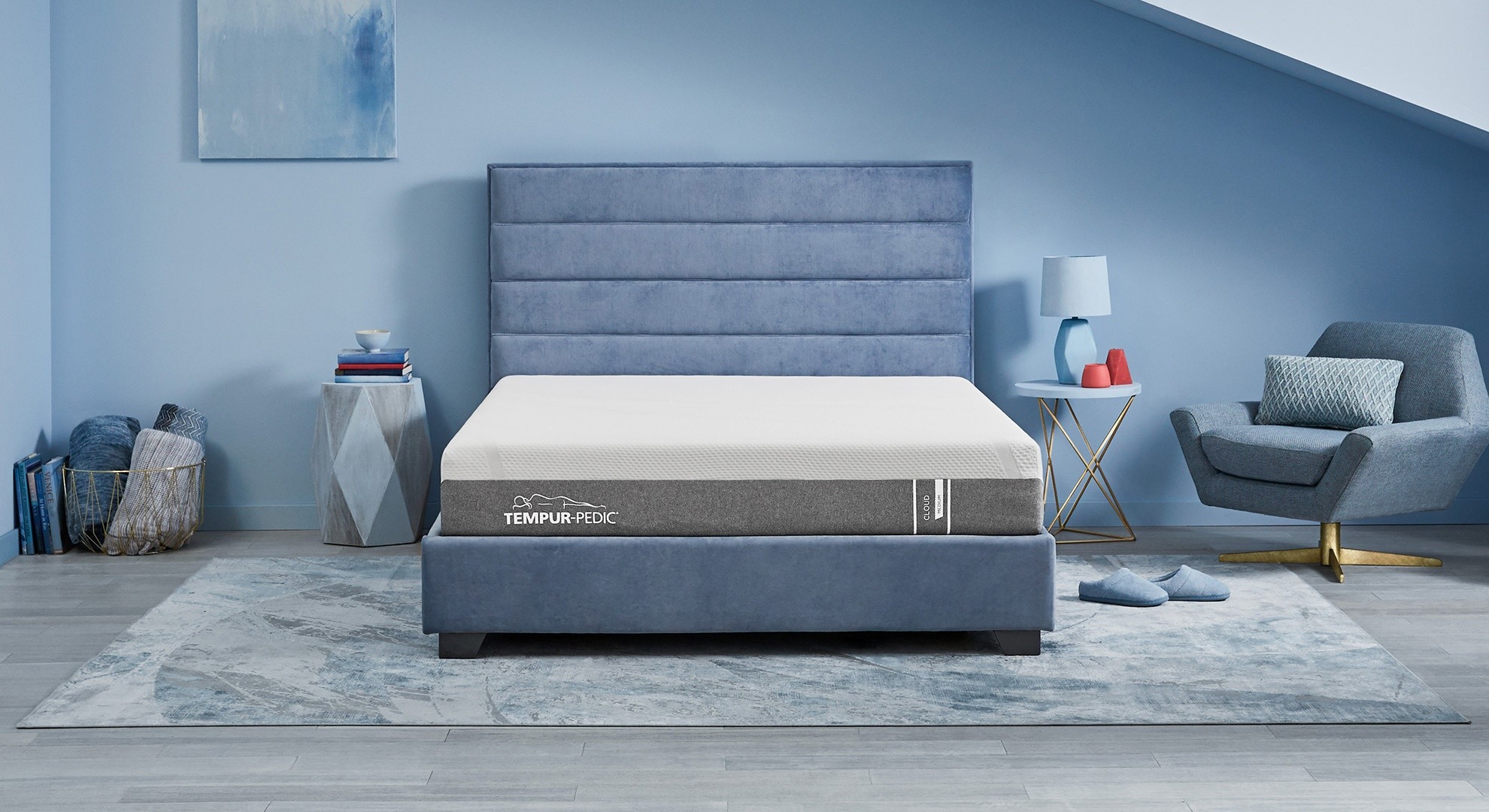
10″ | Medium / Medium Hybrid | Bed-in-a-box entry Tempur. |
 TEMPUR-Adapt TEMPUR-Adapt |
11″ | Medium / Medium Hybrid | Classic TEMPUR-Material with cool-to-touch cover. |
 TEMPUR-ProAdapt TEMPUR-ProAdapt |
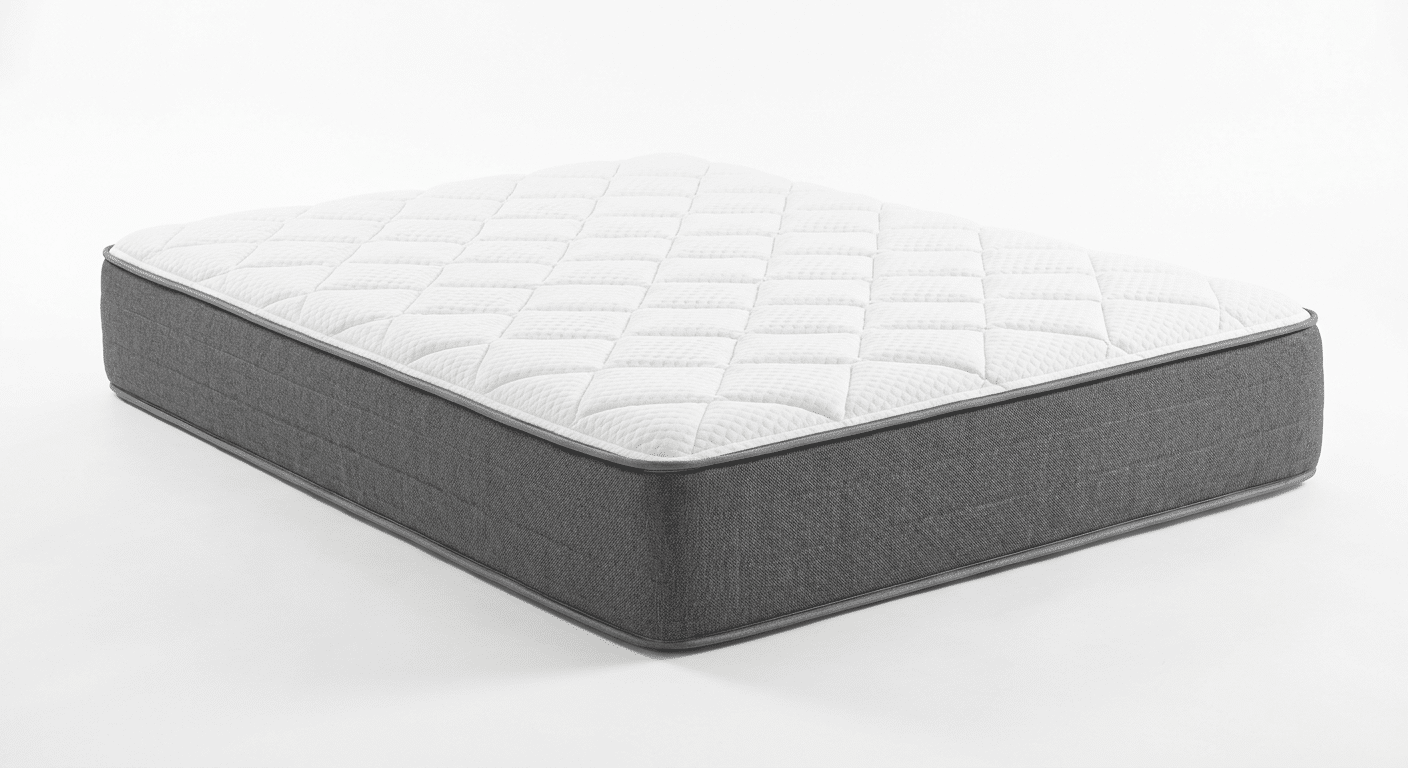
12″ | Soft / Medium / Medium Hybrid / Firm | Adds Advanced Relief material and washable SmartClimate cover. |
 TEMPUR-LuxeAdapt TEMPUR-LuxeAdapt |
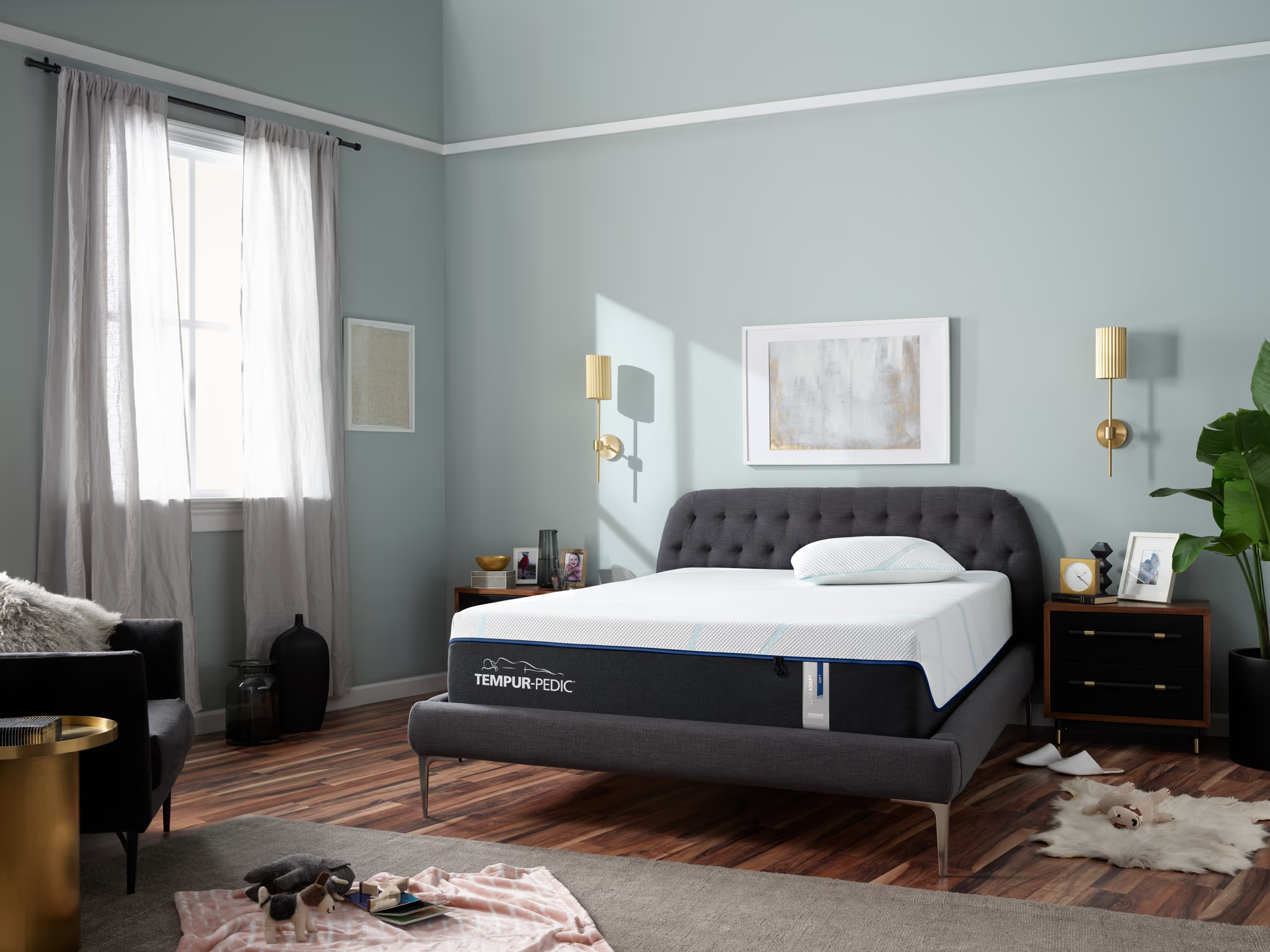
13″ | Soft / Medium Hybrid / Firm | Steps up to APR+ and the deepest Adapt construction. |
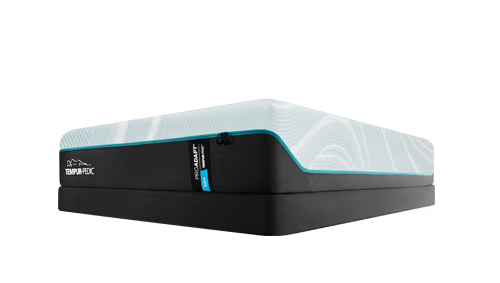 TEMPUR-ProBreeze TEMPUR-ProBreeze |
12″ | Medium / Medium Hybrid | Pure Cool + heat-diffusing layer + ventilated Advanced Relief. |
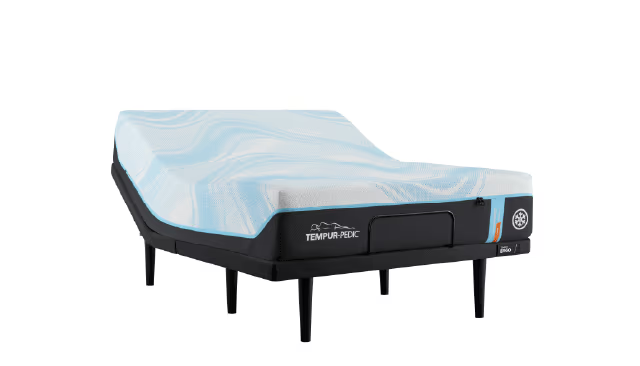 TEMPUR-LuxeBreeze TEMPUR-LuxeBreeze |
13″ | Soft / Medium Hybrid / Firm | Pure Cool Plus + more TEMPUR material + strongest passive cooling package. |
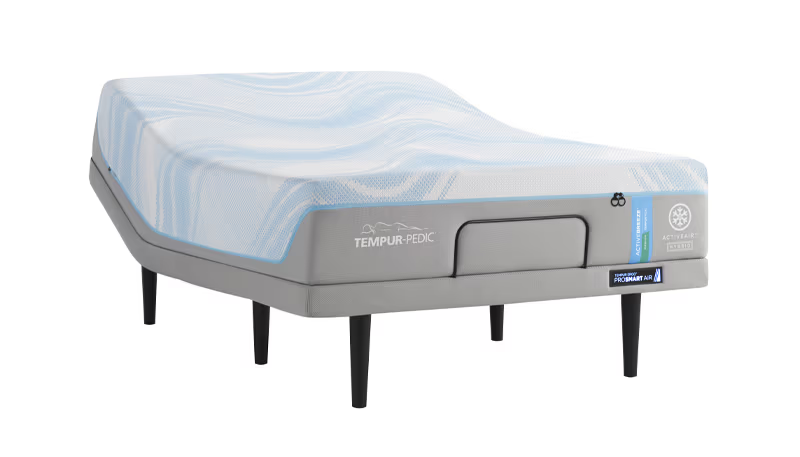 TEMPUR-ActiveBreeze TEMPUR-ActiveBreeze |
13″ | Medium Hybrid | Smart-bed system with active temperature control rather than passive cooling alone. |
Adapt vs ProAdapt vs LuxeAdapt: what are you actually buying?
| Feature | Adapt | ProAdapt | LuxeAdapt |
|---|---|---|---|
| Height | 11″ | 12″ | 13″ |
| Pressure-relief material | TEMPUR material | Advanced Relief | APR+ |
| Washable cover | No | Yes | Yes |
| Feel options | Medium / Hybrid | Soft to Firm + Hybrid | Soft / Firm / Hybrid |
| Why move up? | You want the core Tempur feel. | You want more feel choices and Advanced Relief. | You want the deepest Adapt construction and APR+. |
ProBreeze vs LuxeBreeze
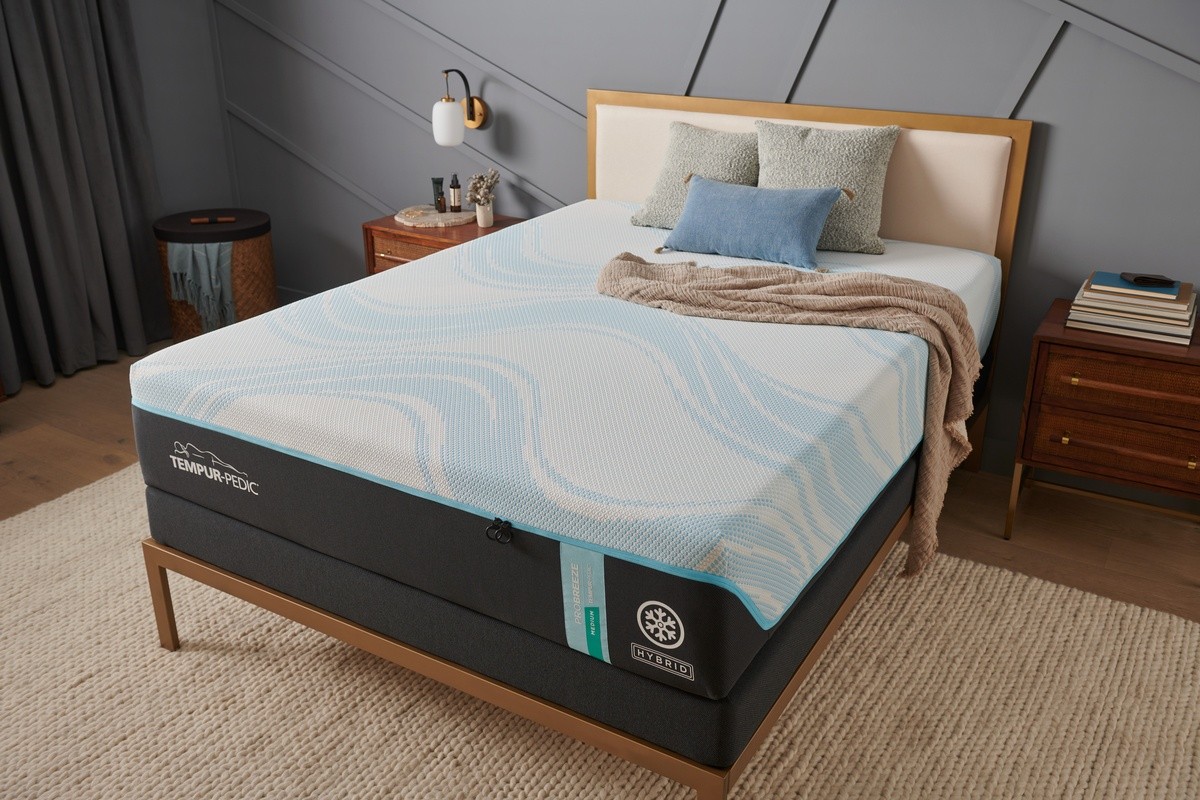
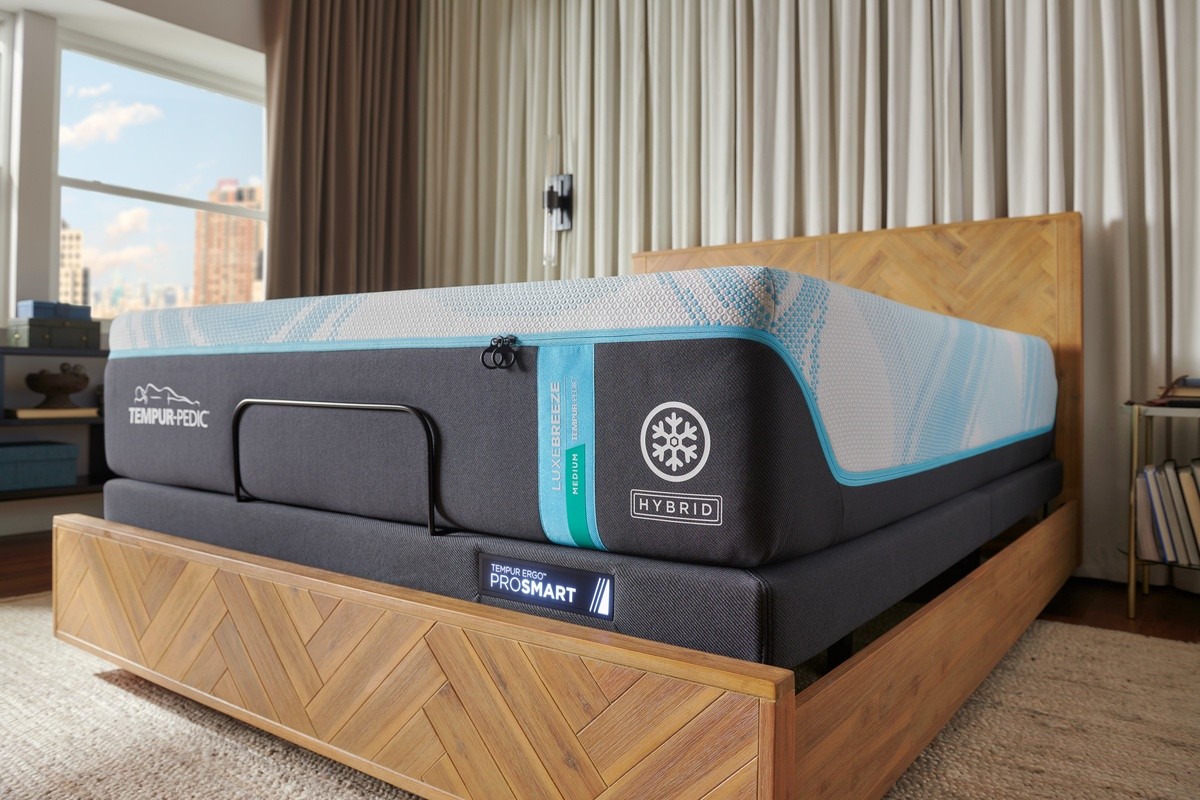
Medium vs Medium Hybrid
Tempur’s hybrid versions pair TEMPUR material with 1,000+ individually wrapped coils. That gives the bed more spring, stronger edge response, and easier movement while preserving most of the familiar Tempur contour. The all-foam Medium generally feels more enveloping and less lively. If you are coming from an innerspring and dislike feeling “stuck,” the hybrid is the safer transition.
Who should start where?
- Want Tempur without overcomplicating it: Adapt Medium.
- Want Tempur but easier movement: Adapt or ProAdapt Medium Hybrid.
- Need a specific Soft or Firm feel: ProAdapt is the widest-feel lineup.
TEMPUR-ProAdapt
The strongest middle-ground choice if you want the core premium Tempur-Pedic feel without jumping to the most expensive tiers.
TEMPUR-LuxeAdapt
Choose it when you specifically want the deeper, more premium Adapt construction.
TEMPUR-Breeze
The branch to shop when cooling is the main reason you are moving beyond the Adapt family.
- Want the deepest Adapt construction: LuxeAdapt.
- Sleep hot and want passive cooling: start with ProBreeze.
- Sleep very hot and want Tempur’s most aggressive passive cooling: LuxeBreeze.
- Want active temperature control rather than materials alone: ActiveBreeze.
Check current Tempur-Pedic pricing →
How this page is funded: Some Tempur-Pedic links may be affiliate links. Yawnder may earn a commission at no added cost to you. Specifications were checked against Tempur-Pedic’s current 2026 product/support pages. Contact Yawnder before visiting to confirm current showroom floor-model availability.
How to choose a tier in a memory-foam lineup
Within a dense memory-foam lineup, the tiers change three things: how much of the surface is pressure-relieving foam, how much cooling material sits in the cover and the top layers, and how firm the overall feel is. The material behaviour stays consistent — slow response, close contouring, strong motion isolation — so the real decision is firmness and cooling, not prestige.
The response trade-off
Slow-responding foam is excellent at pressure relief and at keeping a partner’s movement to themselves. The cost is that it takes a moment to release when you change position, which some combination sleepers dislike, and it traps more heat than coils or latex unless the model includes deliberate cooling in the cover and comfort layers. If you sleep hot and move a lot, prioritise the cooler, firmer options in the range rather than the plushest one.
Adjustable bases and this material
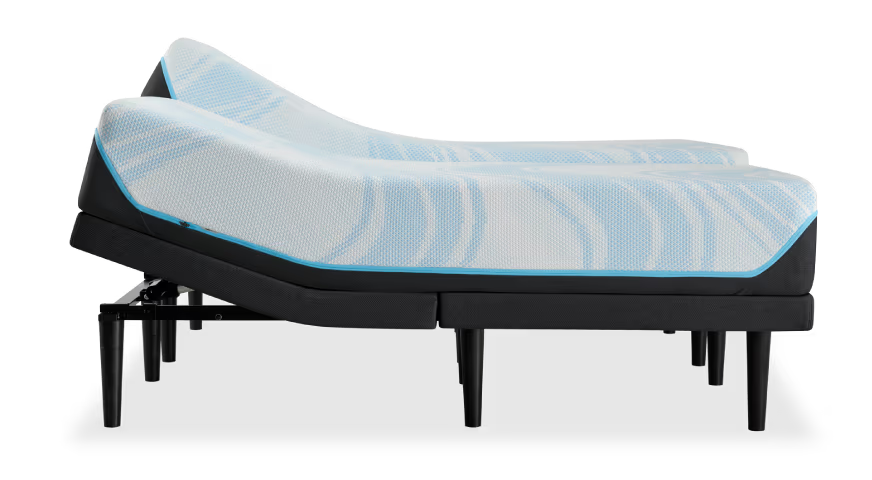
Memory foam pairs well with adjustable bases because it flexes without stressing a coil unit, and head elevation is a genuine help for reflux and snoring. If a base is part of the plan, confirm the mattress is approved for adjustable use and check whether the warranty requires a specific base type.
Break-in and first-week expectations
A new dense foam bed usually feels firmer than the showroom model for the first week or two, and it will feel firmer in a cold room than a warm one, because the material softens with body heat. Give it the full adjustment window before deciding.
Sizing, bases and the details that change the price
Two costs get missed at checkout. The first is the base: an adjustable base changes both the price and the feel, and some warranties require a supportive foundation with a centre support on queen and larger. The second is the accessories that come bundled during promotions — pillows, protectors and sheets — which are worth something but should not decide the mattress.
How to use a trial period properly
- Give a new bed at least two to three weeks before judging it. Most people adapt in that window, and many returns happen too early.
- Keep the original packaging details and order number, since return logistics on a mattress require them.
- Use a protector from night one. Almost every warranty is voided by a stain, and most trials require the bed to be in resalable condition.
- Write down how you feel in the morning for the first week. Impressions blur; notes do not.
Firmness by sleep position, briefly
Side sleepers usually need enough give at the shoulder and hip to keep the spine straight — soft to medium. Back sleepers want the lumbar supported without a gap — medium to firm. Stomach sleepers need firmer support to stop the lower back from over-extending. Combination sleepers are usually happiest on a medium that allows easy movement rather than a deep-hug feel. Heavier bodies generally need a firmer, more supportive core than a lighter partner of the same height.
Frequently asked questions
Does the most expensive model in a lineup sleep best?
Not necessarily. Higher tiers add thickness, materials and cooling technology, but the right firmness for your body beats a more expensive bed in the wrong firmness every time.
Should I wait for a sale?
Major promotional windows cluster around spring and summer holiday weekends and the November-to-January stretch. If you are replacing a worn-out bed and sleeping badly now, the sleep you lose waiting costs more than the discount.
How do I compare a showroom model with an online one?
Compare construction rather than names: comfort layer material and thickness, support core type, total height, firmness rating, cover, warranty term and trial length. If a retailer will not give you the specification sheet, that is information too.
What about warranty exclusions?
The common ones are stains, inadequate support, removal of the law tag, and sagging that has not reached the stated depth threshold. Read those four clauses before you buy, not after something goes wrong.
Model names, tiers, pricing and trial terms in this lineup change with each model year. Verify current details on the manufacturer’s site before ordering.
Check the live offer
Promotions change. Use the current brand offer and one last side-by-side check before you order.