
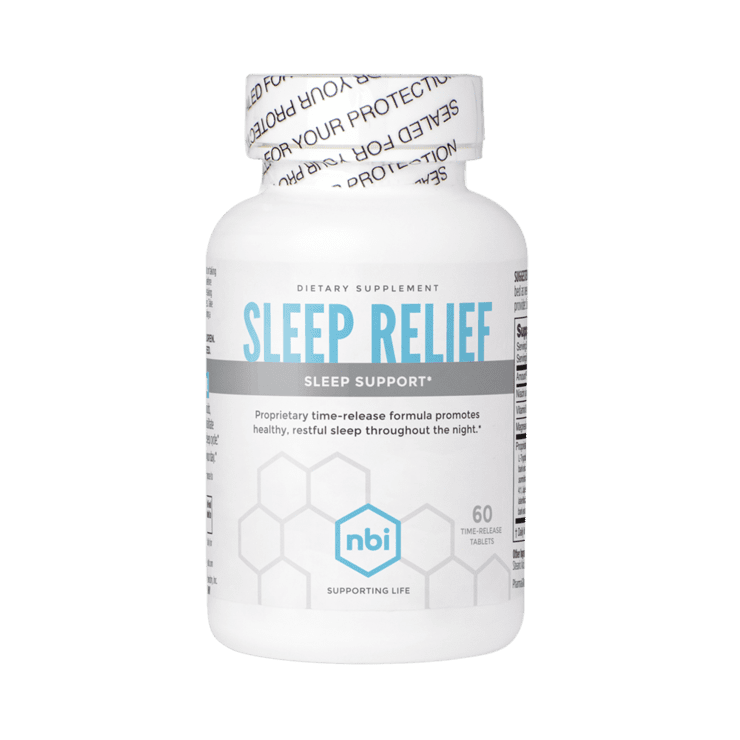
Frequently Asked Questions About Sleep Relief: Exclusive Non-Addictive Aid for Better Sleep
Is NBI's Sleep Relief worth trying for better sleep?
Sleep Relief is worth trying if you are looking for a non-addictive sleep aid that uses natural ingredients and an innovative time-release mechanism. The article highlights that it helps users fall asleep within 30-45 minutes and maintains sleep for over four hours, addressing common sleep issues without the risks associated with traditional sleeping pills.
Who is Sleep Relief best for?
Sleep Relief is best for individuals seeking a natural and non-addictive solution to improve their sleep quality, especially those concerned about the dependency and side effects of conventional sleeping medications. It is designed for people who struggle to fall asleep quickly and stay asleep throughout the night, using a blend of melatonin, magnesium, and amino acids.
How does Sleep Relief compare to traditional sleeping pills?
Sleep Relief stands apart from traditional sleeping pills by offering a non-addictive formulation made from herbal ingredients, in contrast to the synthetic chemicals and potential for dependency in older medications. Unlike prescriptions or over-the-counter pills that can lead to addiction, Sleep Relief aims to promote restful sleep gently and naturally.
What are the potential downsides of using NBI's Sleep Relief?
While the article focuses primarily on the benefits, a potential downside could be that it still contains melatonin, which some individuals may prefer to avoid or may find less effective than other interventions. The article doesn't detail any specific drawbacks, but like any supplement, individual responses can vary.
Is NBI's Sleep Relief good for someone who wakes up frequently during the night?
Yes, Sleep Relief is designed to help with staying asleep throughout the night thanks to its proprietary bi-phasic, time-release technology. This innovation ensures immediate effects to initiate sleep and a sustained release of ingredients to maintain sleep for over four hours. The San Diego showroom at Yawnder can provide more information on how mattress choices can also impact sleep consistency.
Where can I try or learn more about NBI's Sleep Relief in person?
CA showroom to discover how a comfortable mattress can complement any sleep aid in achieving better rest. Our experts can discuss holistic approaches to improving your sleep environment.
Want to test this in person? Visit our Encinitas showroom or call 858-232-5760.
Live pricing and current promotions on the mattresses, bases, and sleep tech we recommend.
Shop current dealsNon-prescription sleep aids: what the category covers
Over-the-counter sleep products fall into two groups. Antihistamine-based aids such as diphenhydramine or doxylamine are drugs regulated as medicines and commonly cause next-day drowsiness and dry mouth. Dietary supplements such as melatonin, magnesium or herbal blends are not pre-approved for safety or effectiveness by the FDA.
'Non-habit-forming' on a package is a marketing phrase, not a clinical guarantee. Tolerance to antihistamine sedation builds quickly, which is why they are recommended only for short-term occasional use.
Reading the label properly
Check the active ingredient and dose, the recommended duration of use, and interaction warnings. Antihistamines are generally not recommended for older adults because of confusion and fall risk.
For supplements, look for third-party testing marks such as USP or NSF, and avoid proprietary blends that hide individual amounts.
What to do before reaching for a bottle
Set a fixed wake time, get morning daylight, keep the room cool and dark, and stop caffeine at least eight hours before bed. If you regularly lie awake more than 30 minutes, cognitive behavioural therapy for insomnia has stronger and longer-lasting evidence than any over-the-counter product.
Snoring with gasping or breathing pauses, restless legs, or sleepiness that affects driving all need medical assessment rather than a sleep aid.
Sleep supplements and sleep aids are not medical treatments. Nothing here is medical advice — talk to a clinician before starting any supplement, especially if you are pregnant, breastfeeding, taking medication, or you suspect a sleep disorder such as sleep apnea or chronic insomnia.
FAQs
How long can I use an over-the-counter sleep aid?
Antihistamine products are intended for short-term occasional use, typically no more than two weeks. Check the label and ask a pharmacist.
Is melatonin safer than an antihistamine?
It generally has milder side effects, but it is also less useful for classic insomnia than for shifted sleep timing.
Can I drink alcohol with one?
No. Combining alcohol with sedating products increases risk and worsens sleep quality.