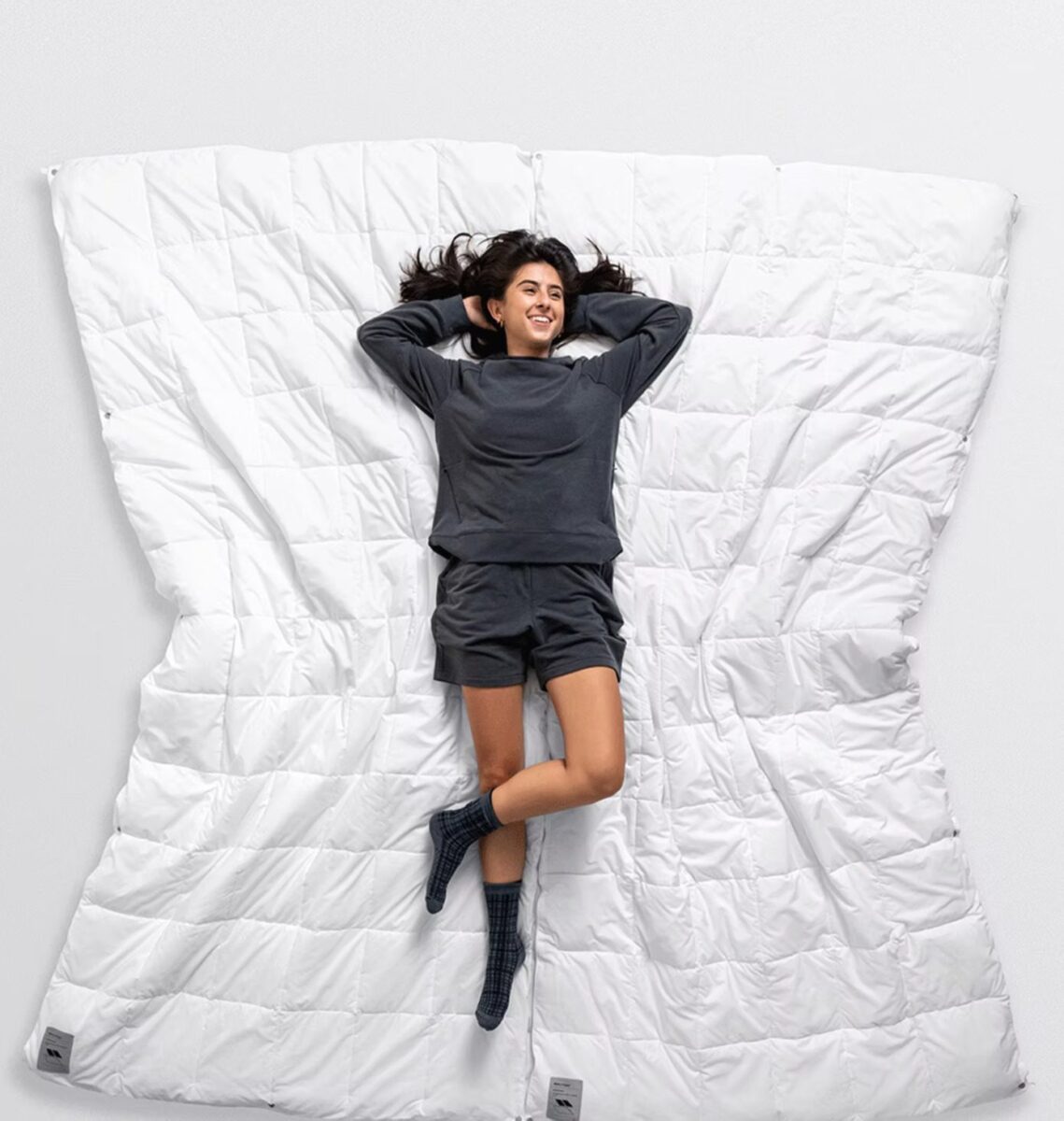
Apollo Duvet Review (2026): Temperature Control & Comfort
Frequently Asked Questions About Apollo Duvet Review (2026): Temperature Control & Comfort
Is the Apollo Duvet worth the investment for temperature control?
The Apollo Duvet is worth investing in for its advanced temperature regulation using NASA-derived Phase Change Material. This unique feature helps it feel cool to the touch, drawing out heat to maintain comfort, especially useful for those who struggle with overheating.
Who is the Apollo Duvet best for?
The Apollo Duvet is best for couples with differing temperature preferences and individuals seeking customizable warmth. Its dual-layer modular insulation system allows for varied weight and warmth preferences, and the ability to adjust each side is a game-changer for shared beds.
How does the Apollo Duvet customize temperature for each side of the bed?
The Apollo Duvet customizes temperature through its dual-layer modular insulation system and distinct sides designed for individual preferences. You can adjust the duvet's thickness and warmth on each side by adding or removing the 150 GSM panels.
What are the downsides of the Apollo Duvet?
One notable downside of the Apollo Duvet is that its 100-day trial period offers store credit instead of a full cash refund for returns. Additionally, the duvet does not include a duvet cover, which is an essential accessory based on our hands-on testing at Yawnder.
Is the Apollo Duvet good for hot sleepers?
Yes, the Apollo Duvet is particularly good for hot sleepers due to its NASA-derived Phase Change Material (PCM) technology. This material helps draw out heat, making the duvet feel cool to the touch and assisting you in falling asleep faster and staying asleep longer, as observed during our review.
Where can I try the Apollo Duvet in person?
While the article reviews the Apollo Duvet after being sent one for testing, it doesn't mention if it's available in physical stores like Yawnder's San Diego showroom. You would need to check with Ministry of Supply directly for information on physical retail availability.
Want to test this in person? Visit our Encinitas showroom or call 858-232-5760.
Temperature-regulating duvets explained
Duvets marketed for temperature control usually combine a moisture-moving fill, such as lyocell, wool or a phase-change treated fibre, with a breathable shell. The goal is to move sweat vapour away before it condenses, since damp bedding is what makes people feel too hot or clammy.
Fill weight still sets the baseline warmth. A moisture-managing duvet that is too heavy for your bedroom will still overheat you.
Matching duvet warmth to your room
Mid-60s Fahrenheit suits an all-season or lightweight fill for most sleepers. Cooler rooms in the high 50s justify a heavier winter fill, and warm rooms above 72 usually call for a summer-weight duvet or a coverlet only.
Couples with different needs often do better with two single-size duvets on one bed, which is standard practice in much of Europe.
Shell fabric and care
Cotton percale and lyocell shells breathe better than sateen or microfibre. A tight weave still matters for down-alternative fills so fibres cannot poke through.
Follow the label, wash in a large drum, dry low with dryer balls and break up clumps midway. Store in cotton, never plastic.
FAQs
Do phase-change fabrics really work?
They can buffer small temperature swings at the surface; they do not replace an appropriately weighted fill.
Is wool a good all-year fill?
Wool handles moisture very well and suits year-round use, though it is heavier and bulkier than most synthetics.
How often should a duvet be washed?
Once or twice a year if you use a duvet cover, and wash the cover weekly with your sheets.