Where to Put an Air Purifier in a Bedroom (2026)
Where should an air purifier go in a bedroom? Learn about bed distance, walls, windows, doors, floor vs table placement, pet dander, wildfire smoke and airflow mistakes.
Where should an air purifier go in a bedroom? Learn about bed distance, walls, windows, doors, floor vs table placement, pet dander, wildfire smoke and airflow mistakes.
How to choose an air purifier for pet dander in a bedroom: particle filtration, CADR, prefilters, overnight noise, placement, pet hair, odors and cleaning.
Coccyx cushion or regular seat cushion? Compare cutout design, pressure distribution, office, driving and airplane use, thickness, positioning and tradeoffs.
Airplane comfort tips for tall travelers: seat pitch, extra legroom, exit rows, aisle vs window, cushions, lumbar support, headrests and long-flight sleep setup.
Practical ways to make an airplane seat more comfortable, including seat cushions, neck and lumbar support, seat choice, sleep setup, light, noise and long-flight positioning.
A practical guide to seat cushions for piriformis-area sitting discomfort, including office, car and airplane use, cushion thickness, pressure distribution and positioning.

Sleeper sofa or Murphy bed? Compare guest comfort, mattress options, space, installation, cost considerations and everyday usefulness before choosing.
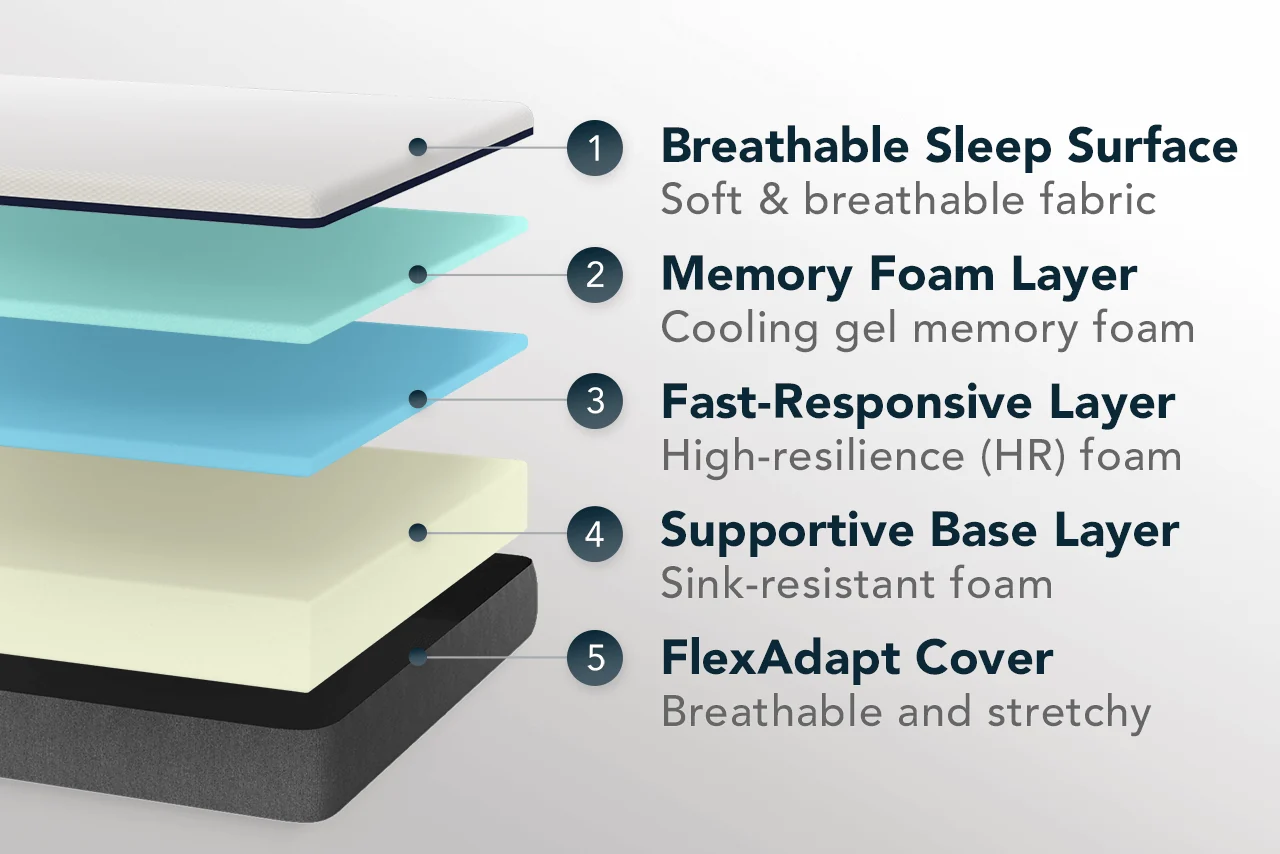
A mattress transition layer sits between the softer comfort system and firmer support core. Learn what it does, which materials are used and why thickness matters.
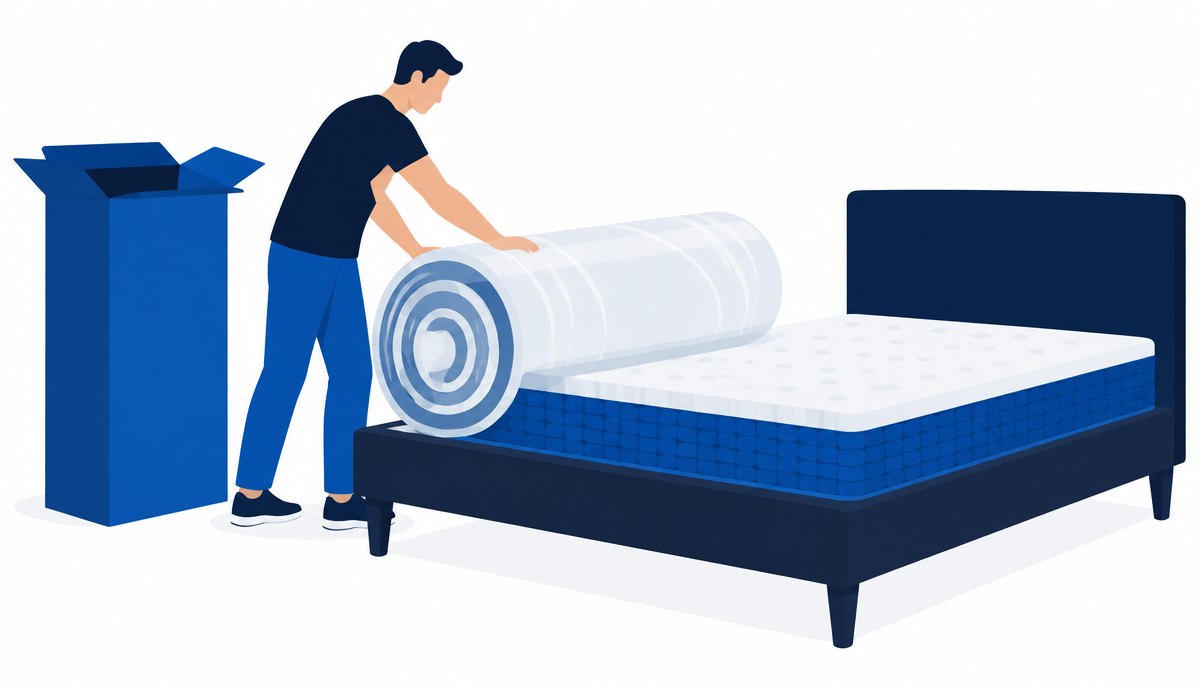
Compare buying a mattress in a box online with buying in a mattress store, including testing, selection, delivery, returns, pricing and how to reduce the risk of choosing the wrong bed.

Zoned support changes firmness or resistance across a mattress, but more zones are not automatically better. Learn how zoned coils and foam work and who may benefit.
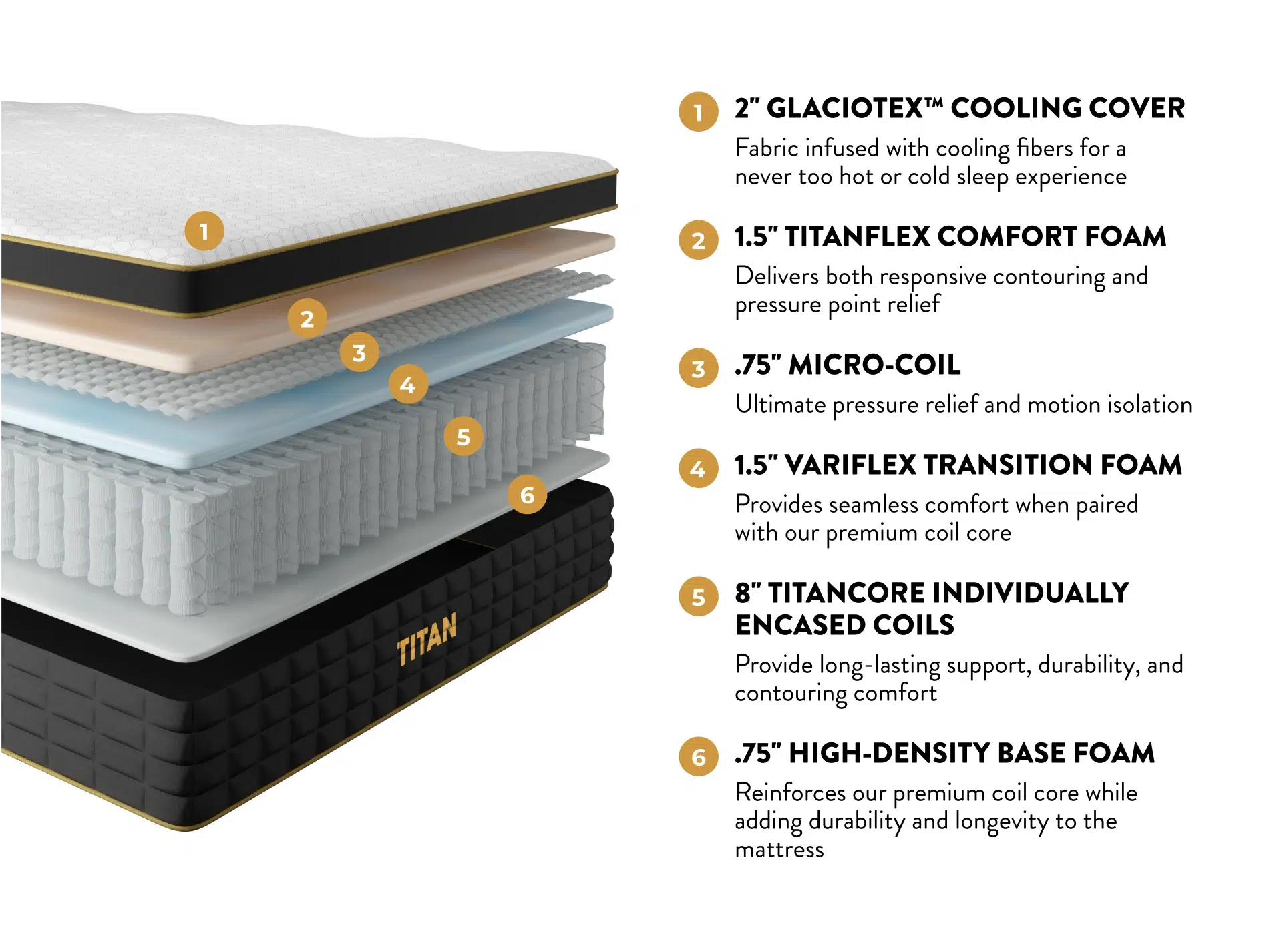
A higher mattress coil count can sound impressive, but more coils do not automatically mean better support or durability. Learn what coil count actually tells you and which specs matter more.
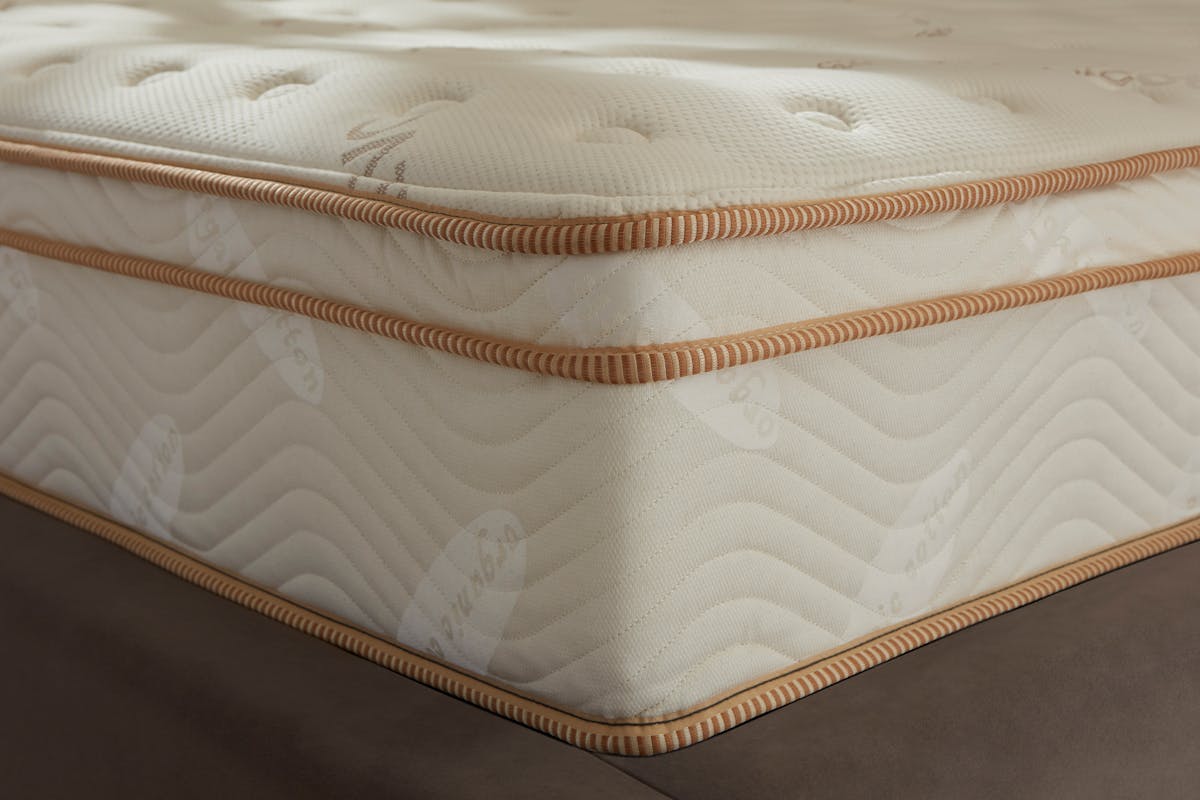
Pillow top and Euro top mattresses can look similar, but their construction, edge feel and appearance differ. Here’s how to choose without getting distracted by marketing terms.
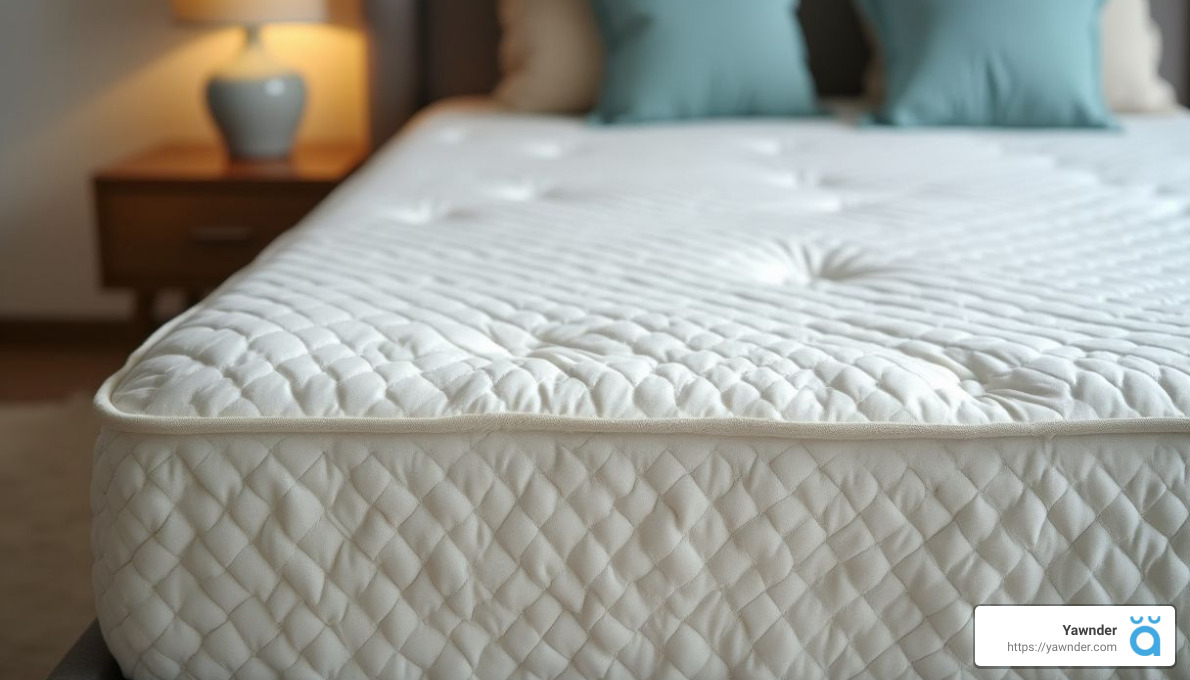
Mattress too firm, too soft, hot, sagging, painful or disturbing your partner? Use this practical troubleshooting hub to identify the problem and find the right fix before replacing your bed.
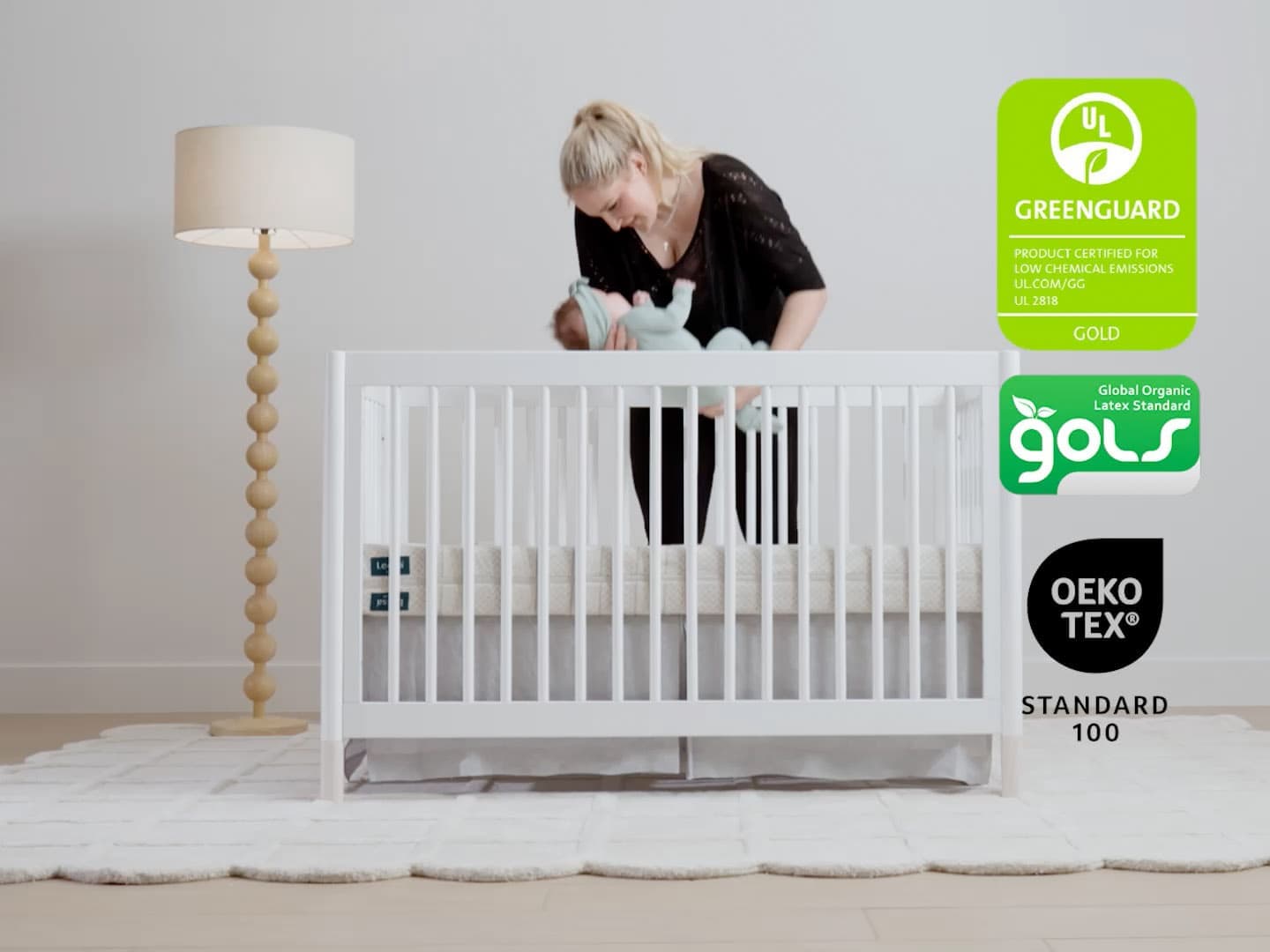
Our Leesa Natural Crib Mattress review covers its dual-sided infant/toddler design, GOLS organic latex, certifications, waterproofing, cleaning, pros and cons.
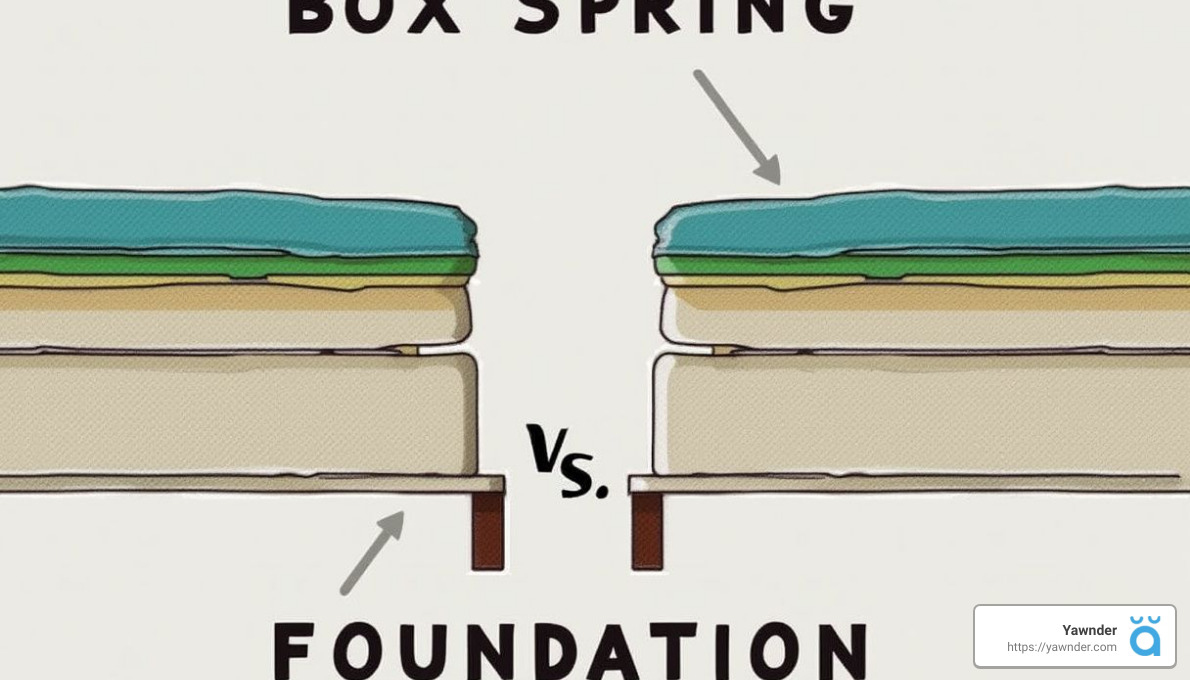
Most modern hybrid mattresses do not need a traditional flexible box spring. They need a rigid, well-supported foundation, platform or compatible adjustable base.
An old box spring can make a new mattress feel worse and may violate warranty support requirements. Learn when it is safe to reuse a foundation and when to replace it.

Mattress lifespan depends on material quality, body weight, support and use. Compare realistic lifespan ranges for foam, latex, hybrid and innerspring mattresses.

Mattress weight varies dramatically by size and construction. Learn typical weight ranges for queen and king mattresses and why latex and luxury hybrids can be much heavier.

Compare 10-, 12-, 14- and 16-inch mattresses by comfort-layer depth, ease of getting in and out of bed, sheets, adjustable-base compatibility and who each thickness suits.
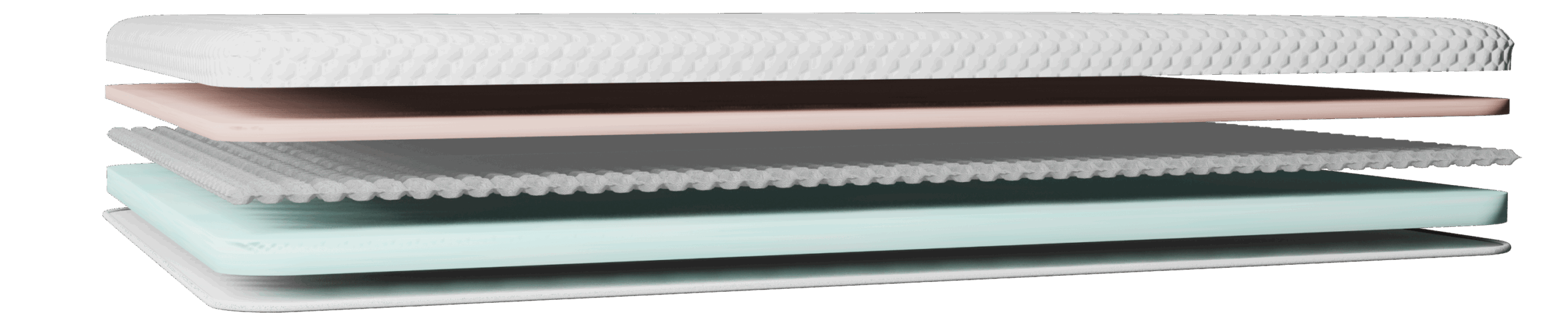
Microcoils and mini coils add responsive pressure relief, airflow and durability. Learn which mattress constructions use them and when they are worth paying for.
Powered by Yawnder Verify. Your information is encrypted and only used to confirm your eligibility.
Upload a photo of your ID, badge, orders, pay stub or enrollment letter. We review submissions by hand, usually the same business day, and email your 10% off code once approved.
We typically reply in a few minutes
Have a question about mattresses, deliveries, or your order? We're here to help.