
Wayfair currently advertises a 100-Night Free Trial on qualifying mattresses. If you do not want the mattress within that window, Wayfair directs customers to contact its mattress experts to arrange the return. Mattress toppers, crib mattresses, air mattresses and Open Box mattresses are excluded, and Wayfair allows one mattress return or exchange per order.
Can You Return a Mattress from Wayfair? (2026 Policy): quick answers
What is Wayfair’s mattress return policy for 2026?
Wayfair currently advertises a 100-Night Free Trial on qualifying mattresses. The published exclusions include mattress toppers, crib mattresses, air mattresses and Open Box mattresses, and Wayfair allows one mattress return or exchange per order.
How do I return a mattress to Wayfair?
Within the 100-night trial, Wayfair says to contact its mattress experts to arrange the return. Because the public policy page does not publish one universal pickup-fee schedule for every qualifying mattress, confirm the return method and any order-specific charges with Wayfair before assuming a cost.
Is Wayfair’s mattress return policy fair or difficult?
Wayfair’s policy is broader than this page previously stated: qualifying mattresses are advertised with a 100-Night Free Trial. The practical return method can still vary by order, so confirm the logistics with Wayfair’s mattress experts rather than assuming a universal freight charge.
Does Wayfair pick up old mattresses for return?
Wayfair instructs customers to contact its mattress experts to arrange a qualifying mattress return. The public policy does not state one universal pickup fee for every mattress, so confirm the method and any order-specific cost before scheduling.
📅 Last verified Oct. 4, 2026: Official source: Wayfair Mattress 100-Night Trial. We removed older blanket claims about universal return-shipping charges because Wayfair’s current public mattress policy does not publish one fee schedule for every qualifying return. This detailed breakdown still serves as a crucial resource for fully understanding the financial implications of a Wayfair mattress return.
The allure of shopping online is undeniable. With a few clicks, you can have practically anything delivered to your doorstep, a full-sized mattress included. Wayfair, the digital department store of our age, has mastered this convenience, offering a seemingly endless catalog of beds from dozens of brands. But as you hover over the “Add to Cart” button for that perfect-looking mattress, a nagging question creeps in: what if it’s not perfect? What if the plush is more like a puddle, or the firm feels like a fortress wall? Can you actually return a mattress to Wayfair? The short answer is yes, but the long answer is far more complicated—and crucial—for ensuring you get the sleep you deserve without the logistical nightmare.
As sleep experts who have guided thousands of San Diegans to their ideal mattress, we’ve heard all the stories. We believe in making informed decisions, which means understanding the fine print before you commit. So, we’ve done the deep dive for you, unpacking Wayfair’s mattress return policy for 2026 to show you exactly what to expect.
Decoding the Wayfair 2026 Mattress Return Policy: A Look at Brands like Zinus and Sealy
At first glance, Wayfair’s policy seems generous and aligns with the industry standard set by many online mattress companies. They advertise a 100-night mattress trial. However, the devil is, as always, in the details. Unlike brands that only sell their own product, Wayfair is a massive marketplace, and their policy has to cover a wide range of suppliers, from Zinus to Sealy to their own in-house brands. This creates a few critical points of friction you need to be aware of.
The 100-Night Trial: What It Really Means
The 100-night trial is your window to decide if the mattress is right for you. It begins the day your mattress is delivered. For over three months, you can sleep on it, test it, and see how your body adjusts. This is a fantastic feature, as it takes about 30 days for your body to truly adapt to a new sleep surface. During this period, if you decide the mattress isn’t a good fit, you can initiate a return. However, it’s important to note this trial applies to most, but not all, mattresses. Items like mattress toppers, crib mattresses, air mattresses, and “Open Box” or “Clearance” deals are often excluded and are final sale, so always double-check the product page before purchasing.
The Catch: Original Packaging and Return Fees
This is where the Wayfair policy diverges significantly from many direct-to-consumer brands like Casper or Tuft & Needle. Most people assume “free returns” but that’s not exactly the case here.
- Return Shipping Costs: While many mattress-in-a-box companies will arrange for a free pickup and donation of your unwanted mattress, Wayfair’s current public mattress-trial language does not publish one universal return-shipping fee schedule. Contact Wayfair’s mattress experts for the return method and any order-specific charges. Do not assume a specific freight charge from older guidance; confirm the terms attached to your actual order.
- Packaging: So, you’ve unboxed your bed-in-a-box and the mattress has magically expanded. Now you want to return it. How could you possibly get it back in its original box? Thankfully, Wayfair (and most other companies) don’t expect you to perform this feat of reverse engineering. However, for a return to be processed, the mattress must be clean, free of stains, and in good condition. You will need to prepare it for the shipping carrier, which might involve purchasing a mattress bag or box to protect it during transit.
Comparing stores? See our 2026 mattress return policy comparison for Costco, Amazon, IKEA, Walmart, Mattress Firm, Sam’s Club and Wayfair side by side.
How Does Wayfair’s Policy Stack Up?
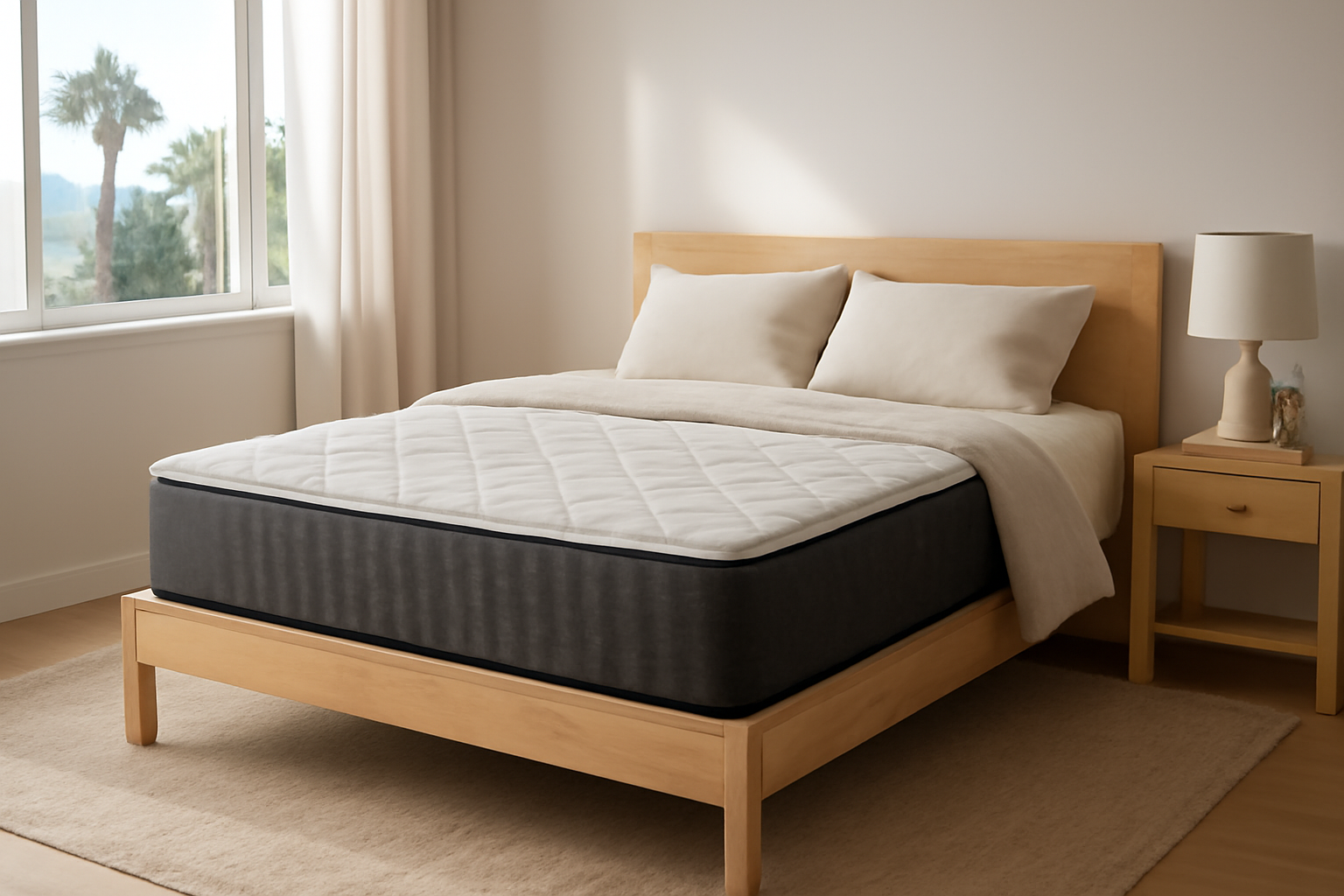
Understanding Wayfair’s policy is only half the battle. To truly grasp its value, you need to see it in the context of the wider mattress market. The experience can vary wildly depending on where you shop.
Direct-to-Consumer Brands vs. The Marketplace Model
Brands that sell their own mattresses directly to you (think Purple, Nectar, Helix) have built their reputations on no-risk trials. Their model is simple: try it for 100+ nights, and if you don’t love it, they will work with a local charity or recycling partner to have it picked up from your home at no cost to you, providing a full refund. Wayfair, as a marketplace, doesn’t have this integrated logistics network. They are a middleman. Their business is shipping products out, not coordinating complex returns and donations across thousands of zip codes and hundreds of third-party brands. This fundamental difference is why you end up paying for the return journey.
Traditional Brick-and-Mortar Stores
On the other end of the spectrum are the traditional, old-school mattress stores. While they allow you to test mattresses in the store, their return policies are often the most restrictive. Many only offer exchanges, not refunds. If you choose the wrong mattress, you may be able to swap it for another one from their inventory, but you’ll almost certainly have to pay a “restocking” or “exchange” fee that can be several hundred dollars. A full refund is often completely off the table.
The great irony of modern mattress shopping is losing sleep over how to return the very product you bought to improve your sleep. The process shouldn’t be a source of anxiety.
The True Cost of an Online Mattress Return
The sticker shock of a $150 return shipping fee is only one part of the equation. The true cost of choosing the wrong mattress online is measured in time, energy, and frustration—precious resources that are better spent on, well, anything else.
The Logistical and Mental Burden
A return isn’t a simple click. It involves contacting customer service, clarifying the policy for your specific order, scheduling a multi-hour window for a pickup, and then waiting for the refund to process. You’re also left without a mattress, forced to revert to your old one or, worse, the couch, while you begin the entire shopping process again. This “do-over” is exhausting. You’re back to square one, scrolling through endless product pages and reviews, now with the added pressure of getting it right a second time.
The Perfect Mattress Doesn’t Exist in a Vacuum
The fundamental challenge of buying a mattress online is that you’re buying a spec sheet, not an experience. You can read a hundred reviews that say a mattress is “medium-firm,” but that feeling is entirely subjective. Your body weight, height, and primary sleeping position (side, back, or stomach) dramatically alter how a mattress feels to *you*. A 220-pound side sleeper will experience a mattress completely differently than a 130-pound back sleeper. Without trying it first, you’re simply making an educated guess.
Avoiding the return saga isn’t about finding the retailer with the “best” return policy; it’s about not needing to use the policy at all. The most effective way to ensure you love your mattress for years to come is to remove the guesswork. At Yawnder, we believe in a curated, expert-guided approach. We’ve personally tested hundreds of mattresses to select only those that offer superior comfort, support, and durability. Instead of overwhelming you with choice, we guide you to the right choice for your unique body and sleep style. By understanding your needs first, we can make a recommendation with confidence. There’s no substitute for feeling the mattress for yourself. You wouldn’t buy a car without a test drive, so why do it for something you’ll spend a third of your life on? If you’re in the San Diego area, we invite you to bypass the cycle of buying, trying, and returning. Come find your perfect sleep solution, the first time. To experience the difference expertise makes, visit our San Diego