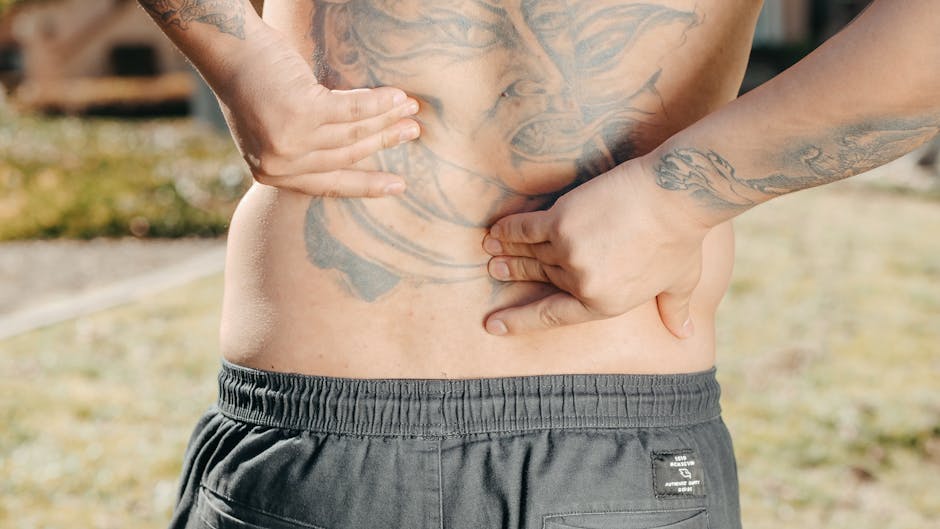
A topper can change how the surface feels, but it cannot fix a mattress with a failing or sagging support core. If the underlying mattress has lost support, review our back-pain mattress guide before buying another topper. This roundup is specifically for cushioning adjustments on a structurally sound mattress. If your current mattress isn’t providing the relief you need, but you’re not ready to invest in a brand new bed, a topper may be worth trying if the mattress is still structurally sound but the surface feels too firm. The right comfort layer can change how the shoulders, hips and lower back are cushioned; it cannot correct sagging, guarantee spinal alignment or treat an underlying cause of pain.
The best options, typically made from memory foam or latex, are engineered to contour to your body, filling the gap in your lower back and cradling your hips and shoulders. This guide will walk you through the top considerations—from material and firmness to your specific sleep style—to help you compare topper materials, firmness, pressure distribution, and cooling when back discomfort affects sleep. We do not assign a medical-effectiveness score to mattress toppers.
Which topper type fits your mattress problem?
This is the back-discomfort-specific guide. For cooling, split comfort and general topper recommendations, see our best mattress toppers comparison. A topper can modify cushioning, not repair a failing support core or treat a medical condition.
| What feels wrong? | What to compare | Starting point |
|---|---|---|
| Too firm at shoulder or hip; base still supportive | Plush 2–3 inch memory foam for more contouring; check added sink | Helix GlacioTex Plush/Firm options |
| Want more responsive cushioning, less slow foam feel | Soft or medium latex; confirm density, feel and return terms | Latex topper comparison |
| Sleep hot as well as feeling pressure | Ventilated construction and breathable cover, not just cooling marketing | Cooling topper vs active cooling |
| Mattress sags, hammocks or has lost core support | Do not rely on a topper to restore support; assess the mattress itself | Mattress buying guide |
These are fit considerations, not clinical treatment rankings or newly measured topper scores. Trial and return terms depend on the seller; Yawnder topper orders are final sale.
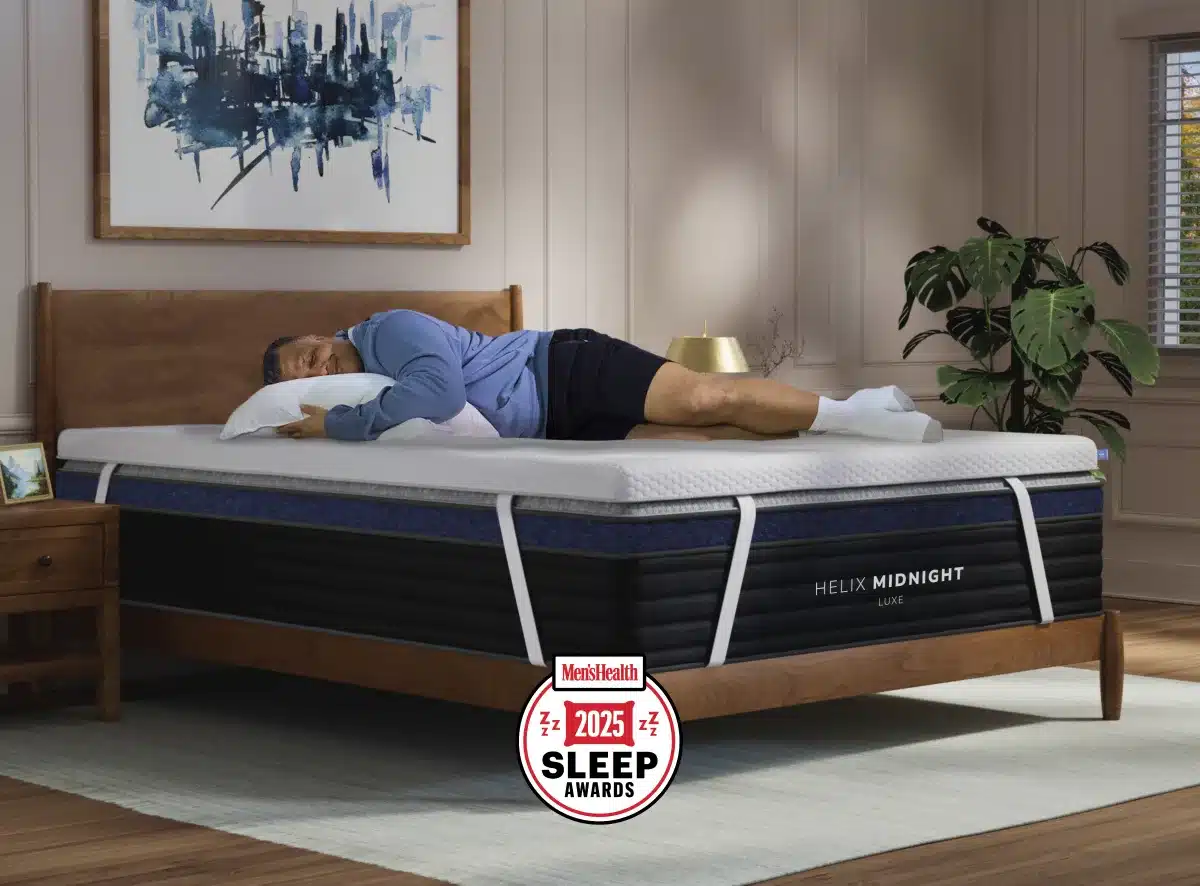

Who Should (and Shouldn’t) Use a Mattress Topper for Back Pain?
A mattress topper can be a game-changer, but it’s not a universal fix. Understanding if it fits your situation is key to avoiding disappointment and ensuring you get the relief you’re seeking.
This is a Great Option If…
- Your mattress is too firm or too soft, but otherwise in good shape. A topper can modify the feel of a mattress that still has plenty of life left in it, particularly when the surface is too firm. A topper is less likely to help when the support beneath you is already too soft.
- You want to improve pressure relief and spinal alignment. Toppers excel at adding a contouring layer that cushions sensitive areas and supports the natural curve of your spine.
- You’re a budget-conscious shopper. A premium topper is a fraction of the cost of a new mattress, making it an excellent value-driven choice for immediate comfort.
- Your sleeping needs have changed. Life events like pregnancy, injury, or changes in weight can alter your comfort preferences, and a topper is an easy way to adapt.
You Should Probably Skip It If…
- Your mattress is old and sagging. A topper will follow the contours of the surface beneath it, meaning it will sink into the same dips and valleys, failing to fix the underlying issue.
- You have deep body impressions in your mattress. If your bed has visible indentations greater than 1.5 inches, it has lost its support structure and needs to be replaced.
- You have a severe or undiagnosed medical condition. While a topper can help with general aches, it’s crucial to consult a doctor for chronic or severe back pain to rule out more serious issues.
Consider It if You’re On-the-Fence and…
- You aren’t sure what firmness level you truly need. Trying a topper is a lower-commitment way to experiment with a softer or firmer feel before buying a whole new mattress.
- You sleep hot and are worried about foam. Many modern toppers are designed with cooling technologies like gel, copper, or graphite infusions and open-cell structures to improve airflow.
- You share a bed and your partner has different needs. A twin XL topper can be used to modify one side of a king-sized bed, providing a customized solution for couples.
topper Materials & Construction Explained
The material of your topper is the single most important factor determining its feel, support, and durability. Each type has distinct advantages for combating back pain.
Memory Foam
Memory foam is the most popular choice for back pain relief, and for good reason. Its viscoelastic properties allow it to soften and conform closely to your body in response to heat and pressure. This creates a “hugging” sensation that provides exceptional pressure relief, particularly around the hips and shoulders. For back pain sufferers, this means the foam can fill in the lumbar region, promoting better spinal alignment.
Look for: Gel-infused, copper-infused, or open-cell designs that mitigate memory foam’s tendency to trap heat. Density is also key; a higher density (4-5 lbs/pcf) indicates greater durability and support.
Latex
Latex is another premium material that is excellent for back pain. Unlike the slow sink of memory foam, latex is buoyant and responsive, providing more of a “floating” feel. It contours to the body to relieve pressure but pushes back with more support, preventing the feeling of being “stuck.” This responsiveness is ideal for combination sleepers who change position frequently. Latex is also naturally breathable and hypoallergenic.
Look for: Talalay latex for a softer, more consistent feel, or Dunlop latex for a slightly firmer and more dense support. Natural and organic certifications are common.
Polyfoam (Polyurethane Foam)
Polyfoam is a more budget-friendly foam option. While it provides initial cushioning, it’s generally less dense and durable than memory foam or latex. High-density polyfoams can offer good support, but lower-quality versions may break down more quickly. It can be a viable short-term solution or for use in guest rooms, but may not provide the long-lasting, targeted support needed for chronic back pain.
Down & Down Alternative
Featherbeds and down alternative toppers offer a luxuriously soft, “cloud-like” surface. While they excel at adding plushness to a firm mattress, they provide virtually no support for back pain. The fill material compresses easily and does little to promote spinal alignment or relieve pressure points. These are best for those seeking pure softness rather than structural support.
Feel and Performance for Your Sleep Style
How a topper feels is subjective, but its performance for back pain depends heavily on your primary sleeping position.
Side Sleepers
Side sleepers put intense pressure on their hips and shoulders. Without adequate cushioning, these pressure points can cause the spine to curve out of alignment, leading to back and hip pain. A slightly softer and thicker topper (3-4 inches) made from memory foam or soft Talalay latex is ideal. It allows for deep contouring to cradle these sensitive areas while still supporting the waist.
Back Sleepers
Back sleepers need to maintain the natural “S” curve of their spine. The biggest challenge is preventing the hips from sinking too low, which flattens the lumbar curve and strains the lower back. A medium-firm topper (2-3 inches) is the sweet spot. It provides enough cushioning for comfort while being substantial enough to support the hips and keep the spine properly aligned. Both memory foam and latex are excellent choices.
Stomach Sleepers
Stomach sleeping is the riskiest position for back pain, as it can easily lead to an over-arching of the spine. The goal is to keep the hips elevated and aligned with the shoulders. Therefore, stomach sleepers should opt for a thinner (2 inches) and firmer topper. A firm latex or high-density foam topper can provide a touch of cushioning for the ribs and knees without the excessive sinkage that leads to morning aches.
ViscoSoft Select vs. TEMPUR-Adapt Topper
When looking at premium foam toppers, ViscoSoft and Tempur-Pedic represent two different approaches to the same goal. ViscoSoft is a popular online brand focused on delivering high-quality features like cooling infusions and high-density foam at a competitive price point. Tempur-Pedic is the originator of the memory foam category, commanding a premium price for its proprietary TEMPUR-Material™, known for its unique, deep-sinking contouring and unparalleled motion isolation. Both offer excellent solutions for back pain, but cater to different budgets and preferences.
| Feature | ViscoSoft Select High Density Topper | TEMPUR-Adapt Topper |
|---|---|---|
| Primary Material | Gel-Infused High-Density Memory Foam | Proprietary TEMPUR-Material™ |
| Thickness | 3 inches or 4 inches | 3 inches |
| Feel | Medium-Soft, Contouring & Supportive | Deep, Slow-Melting Sink |
| Cooling | Good (Breathable cover and gel-infusion) | Standard (Can be upgraded to a cooling cover) |
| Price Range (Queen) | See current price | See current price |
| Best For | Value-driven shoppers wanting reliable pressure relief and cooling. | Those seeking the ultimate deep contouring and motion isolation with less price sensitivity. |
5-Year Total Cost of Ownership
Investing in a mattress topper is not just about immediate comfort—it’s a financial decision. Let’s break down the long-term value compared to buying a new mattress.
A high-quality queen-size mattress topper for back pain typically costs between $250 and $500. Let’s use an average of $350. A well-made topper from a reputable brand will last approximately 3 to 5 years before it starts to lose its supportive qualities. Over a 5-year period, this comes out to $70 per year.
Now, consider a new, high-quality queen mattress suitable for back pain. The cost can easily range from $1,500 to $3,000. Taking a mid-range price of $2,000 with a typical 10-year lifespan, the cost of the mattress is $200 per year. In this scenario, the topper provides significant relief and extends the life of your existing mattress for less than half the annual cost of a new bed. It’s a strategic investment that delivers a large portion of the benefit for a small fraction of the price, making it an incredibly smart value for long-term comfort.
Navigating Trials, Warranties, and Return Policies
The policies surrounding a mattress topper are a strong indicator of the manufacturer’s confidence in its product.
- Sleep Trial: Never buy a topper without a sleep trial. It takes your body time to adjust to a new sleep surface. Look for a trial period of at least 30 nights, though many top brands offer 90 nights or more. This gives you a risk-free window to ensure the topper is truly alleviating your back pain.
- Warranty: A 3 to 5-year warranty is a good standard for a quality topper. Read the fine print to understand what’s covered. Typically, warranties protect against manufacturing defects such as foam cracking or premature sagging (usually defined as a visible indentation of 1 inch or more without a person on it). It will not cover normal softening over time or comfort preferences.
- Return Policy: If you decide the topper isn’t for you within the trial period, understand the return process. The best companies offer free, hassle-free returns, often coordinating with a local charity to pick up the topper so you don’t have to worry about repackaging it. Avoid companies that charge high restocking fees or require you to pay for return shipping.
Frequently Asked Questions
Can a mattress topper make my bed firmer?
Yes, a topper can absolutely add firmness to a mattress that is too soft. Look for options made from firm latex or high-density polyurethane foam, which provide a supportive, uplifting surface and prevent excessive sinkage.
How thick should a mattress topper for back pain be?
A thickness of 2 to 4 inches is generally recommended. A 3-inch topper is often the sweet spot, providing a great balance of plush cushioning and underlying support for most body types and sleep positions.
Will a mattress topper fix a sagging mattress?
No, a topper cannot fix a sagging mattress. It is a soft, flexible layer that will conform to the surface it’s placed on, meaning it will sink into the existing sags. This can sometimes worsen the poor alignment, so it’s crucial to replace a mattress that has lost its foundational support.
Is memory foam or latex better for back pain?
Both materials are excellent but serve different preferences. Memory foam offers superior body-hugging contouring and pressure relief, which is great for alleviating sharp pressure points. Latex provides a more responsive, buoyant support that keeps you “on top” of the surface, which is better for combination sleepers and those who dislike the sink-in feel of memory foam.
How do I stop my mattress topper from sliding?
The most effective method is to use a snug-fitting, deep-pocketed mattress protector or fitted sheet that covers both the topper and the mattress. Many modern toppers also come with built-in corner straps or an anti-slip bottom to help them stay securely in place.
Verdict
For those struggling with back pain on a mattress that is still in good structural condition, a high-quality topper is one of the wisest investments you can make for your sleep health. By choosing the right material, firmness, and thickness for your specific body type and sleeping position, you can achieve a remarkable improvement in spinal alignment and pressure relief for a fraction of the cost of a new mattress. A memory foam or latex topper can change the feel of your current bed and may improve comfort when the existing surface is too firm or too soft.
If you’re in the San Diego area, understanding the feel of different materials can be a crucial step. We invite you to visit the Yawnder showroom in Encinitas to experience our premium pillowtop and hybrid mattress lineup firsthand. Our sleep guides can offer expert advice on achieving proper support and help you find your perfect sleep solution. You can book an appointment for a personalized consultation.
Mattress Toppers for Hip and Back Comfort
A mattress topper can change cushioning, firmness, and pressure distribution without replacing the entire mattress. If your current bed feels too firm or too soft, a topper may improve comfort, but it should not be treated as a solution for the medical cause of hip or back pain.
Key Features to Consider in a Mattress Topper for Hip and Back Pain
When selecting a mattress topper for hip and back pain, consider focusing on the following features:
Supportive Materials
Choose toppers made from memory foam or latex. These materials offer contouring support that cradles your body while promoting proper alignment of the spine.
Appropriate Thickness
Typically, a thickness of 2-4 inches provides the ideal balance between comfort and support. A thicker topper can deliver additional cushioning, making it particularly beneficial for those with pain.
Proper Firmness
Medium-firm options are often recommended to maintain spinal alignment and provide enough cushioning to alleviate pressure without sacrificing support.
Cooling Properties
Opt for toppers with cooling features that help maintain a comfortable temperature throughout the night. This is especially important for those who tend to sleep warm.
My name is Ben Trapskin, and my own journey dealing with sleep issues has led me to focus on products like mattress toppers for hip and back pain. I have guided many in navigating the sometimes overwhelming choices in the mattress market, striving to find options that promote both comfort and relief.
Understanding Hip and Back Pain
Hip and back pain can severely disrupt sleep quality, making it challenging to find a comfortable position and stay asleep. By recognizing the underlying causes, you can take significant steps toward improving your sleep experience.
Common Causes of Hip and Back Pain
Hip and back pain often stem from a range of factors, including poor posture, past injuries, or medical conditions like arthritis. Spending long hours seated on hard surfaces can exacerbate discomfort. An unsupportive or worn-out mattress can also significantly contribute to persistent pain by failing to provide adequate support.
The Importance of Sleeping Position
Your sleeping position plays a critical role in how you experience pain. Side sleepers may find their hips and shoulders under pressure, while back sleepers require a mattress that supports the natural curve of their spine. Stomach sleepers should be cautious, as this position can strain both the neck and back.
A mattress topper can help distribute weight evenly, alleviating pressure on these sensitive areas and promoting a restful sleep.
The Role of Pressure Points
Pressure points are specific areas on the body that bear the majority of weight while lying down. When a mattress fails to relieve these pressure points, it can result in waking up feeling sore and stiff. A high-quality mattress topper enhances comfort by providing an additional layer of cushioning, which is particularly effective in relieving pressure on the hips and back.
Memory foam excels at this, as it conforms to the unique shape of your body, offering personalized support and reducing pressure on sensitive areas.
Finding Relief with the Right Mattress Topper
To effectively address hip and back pain, it’s crucial to understand your body’s specific needs. Adjusting your sleeping position, utilizing supportive pillows, and investing in a quality mattress topper are practical steps to enhance your sleep quality. If pain persists, seeking consultation from a healthcare professional is advisable to rule out underlying issues.
Best Mattress Toppers for Hip and Back Relief
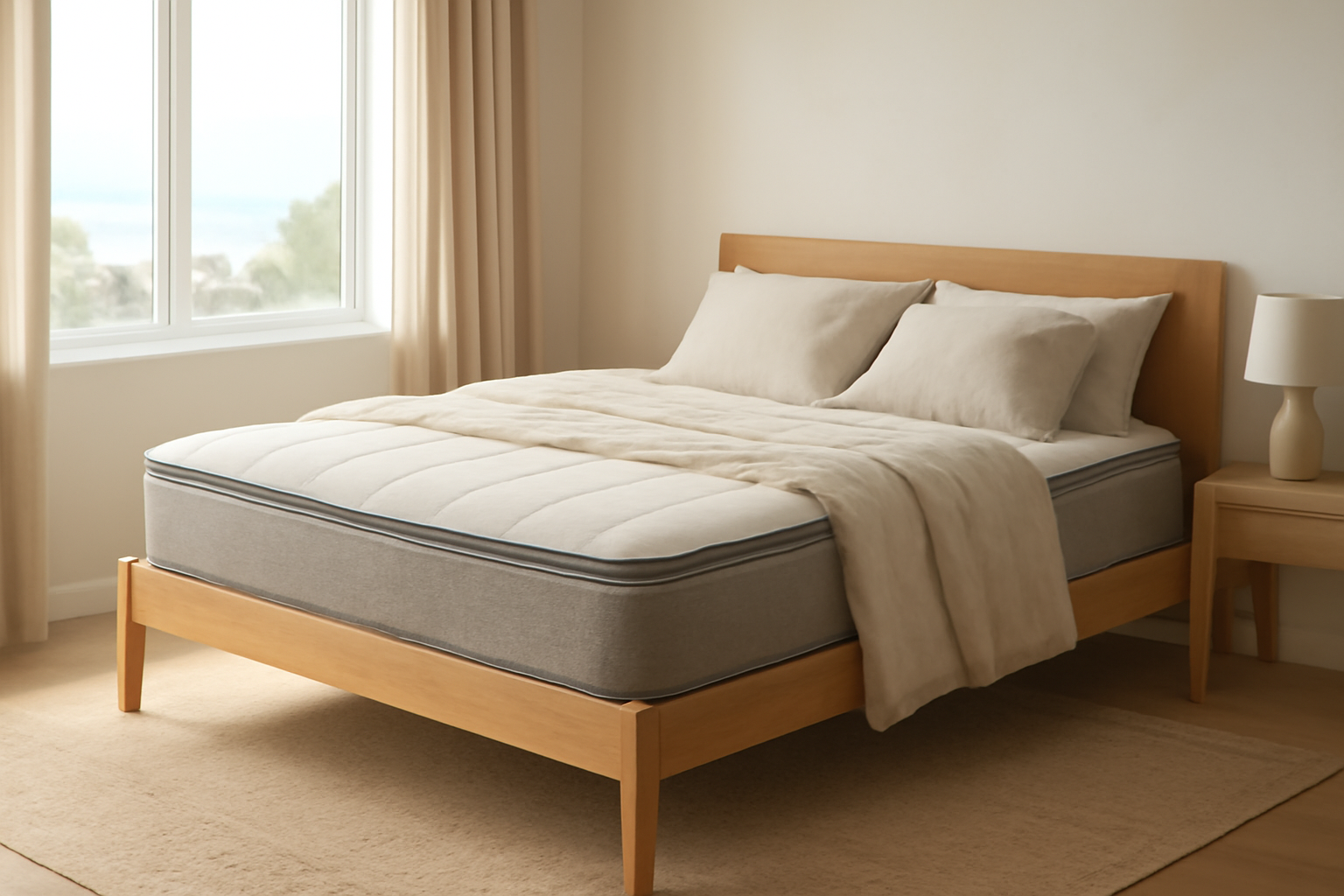
Choosing the right mattress topper is vital for enjoying a restful night’s sleep. Here are three exceptional options:
1. ViscoSoft Select High-Density Mattress Topper
Material: High-density gel-infused memory foam
Thickness: Options of 2-inch, 3-inch, or 4-inch thickness
Support: Medium-firm feel, ideal for various sleepers
Cooling Properties: Ventilated design with a bamboo rayon cover
Certifications: CertiPur-US® Certified for safety and performance
Renowned for its ability to contour without excessive firmness, this topper is excellent for those experiencing lower back and hip pain. Although the straps may be snug, its pressure-relieving properties make it a top choice.
2. Saatva Graphite Memory Foam Mattress Topper
Material: Graphite-infused memory foam
Thickness: 3 inches
Cooling Technology: Graphite infusion draws away body heat
Cover: Moisture-wicking organic cotton
Eco-Friendly: CertiPUR-US–certified foams
This topper is particularly suitable for hot sleepers needing both comfort and relief. Its cooling features ensure a comfortable temperature throughout the night while providing significant pressure relief.
3. Nolah Mattress Topper
Material: Proprietary AirFoam technology
Thickness: 2 inches
Firmness Options: Available in Luxury Firm for added support
Cover: Breathable organic cotton
Stability: Elastic bands to keep the topper in place
The Nolah Mattress Topper is designed to contour your body while redistributing weight, minimizing stress on hips and joints. Its unique properties make it a popular choice for side and back sleepers alike.
How to Choose the Right Mattress Topper
Selecting the best mattress topper for hip and back pain can enhance both comfort and sleep quality. Consider these guidelines:
Firmness
Aim for a medium-firm topper for optimal support and pressure relief. Different sleeping positions may affect your choice:
– Side Sleepers: Prefer softer surfaces to cushion hips and shoulders.
– Back Sleepers: Benefit from medium-firm options to maintain spinal alignment.
– Stomach Sleepers: Should use firmer toppers to avoid excessive sinkage.
Thickness
Thicker toppers typically provide more cushioning and support. Most range between 2 and 4 inches:
– 2 Inches: Ideal for subtle mattress adjustments.
– 3 Inches: Offers a balanced feel.
– 4 Inches: Perfect for major changes and considerable cushioning.
Material
Different materials influence comfort, durability, and temperature regulation:
– Memory Foam: Excellent for pressure relief but can retain heat.
– Latex: Provides a responsive feel and is naturally breathable.
– AirFoam: Offers cooling without sacrificing comfort.
Conclusion: Focus on Comfort and Fit
Understanding the importance of a restful night’s sleep can’t be overstated, especially when managing discomfort like hip and back pain. The right mattress topper can change cushioning, firmness, and pressure distribution, which may improve comfort on an unsuitable mattress.
By focusing on firmness, thickness, and material, you can better navigate the selection process and find the best mattress topper tailored to your needs. Our top picks, including the ViscoSoft Select High-Density,
Visit our collection to discover options that enhance your sleep quality. Whether coping with pain or simply looking to uplift your sleep experience, you now have the tools to make a wise choice. Enjoy your transformative journey to better sleep and well-being with the right mattress topper.
Who are mattress toppers best for when dealing with hip and back pain?
Mattress toppers are best for individuals who experience soreness or tension upon waking due to an unsupportive mattress or those suffering from conditions that cause hip and back pain. They are particularly beneficial for side sleepers needing pressure relief on hips and shoulders, and back sleepers who require spinal alignment.
What are the key features to look for in a mattress topper for hip and back pain?
When selecting a mattress topper for hip and back pain, focus on supportive materials like memory foam or latex, an appropriate thickness of 2-4 inches, and a medium-firm feel. Additionally, consider toppers with cooling properties to maintain a comfortable temperature throughout the night.
Where can I try mattress toppers in person before buying?
You can try mattress toppers in person at showrooms like Yawnder’s Encinitas, CA location to experience options firsthand and find the best fit for your specific needs. Experiencing the toppers personally, as our team has done through hands-on testing, can help ensure you select the appropriate firmness and material for optimal hip and back relief.
Want to compare current availability and pricing on Amazon?
Compare supportive toppers on AmazonAs an Amazon Associate, Yawnder may earn from qualifying purchases.