
Quick answer: strip the bed, leave the mattress unloaded, span the sag with a rigid straight edge, then measure vertically from the straight edge to the deepest point of the indentation.
What you need
- a rigid straight edge, yardstick or level long enough to span the impression
- a ruler or tape measure with clear markings
- a phone or camera
- your mattress warranty so you know the required threshold
Step-by-step
- Remove sheets, protectors and toppers.
- Make sure nobody is sitting or lying on the mattress.
- Allow the surface to settle.
- Place the straight edge across the deepest part of the impression.
- Hold the ruler vertically at the deepest point.
- Measure from the mattress surface at the bottom of the depression to the underside of the straight edge.
- Take a wide photo showing location and a close photo showing the measurement.
What not to do
Do not press the ruler into the foam, measure with weight on the bed, or photograph only a close-up that makes it impossible to see where the indentation is located.
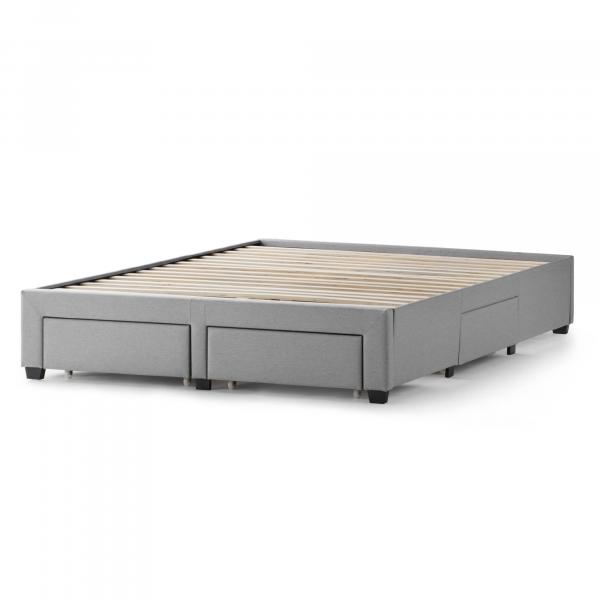
Also photograph the foundation
Take photos of the bed frame, center support and slats. Some claims fail because the support system does not meet the warranty requirements even when the mattress visibly sags.
Warranty thresholds: examples, not guarantees
If you are considering a topper instead of a claim, our guide explains when a topper can help and why it cannot repair sagging. Use the warranty that came with your exact mattress and purchase date. Brands use different thresholds and may specify how to measure, what counts as a defect and what foundation is required.
| Published example | Visible indentation | Check before claiming |
|---|---|---|
| Tempur-Pedic | Its current support page describes greater than 0.75 inch for non-quilted models and greater than 1.5 inches for quilted models. | Confirm the warranty for your model; an inadequate foundation can affect coverage. |
| Helix | Its published mattress warranty describes a visible indentation greater than 1.5 inches. | Check the applicable purchase-date terms and support requirements. |
A threshold is not an automatic approval. The manufacturer evaluates the full claim, including exclusions and foundation conditions. Normal impressions, comfort preferences and an indentation visible only under a sleeper’s weight may be treated differently.
Photos and documents to prepare
- Photograph the full unloaded mattress and the location of the indentation.
- Take a close, readable measurement photo with the straightedge spanning the affected area and the ruler vertical; do not push into the material.
- Photograph the law tag, frame, center support and slats; measure slat spacing if the warranty asks for it.
- Keep the receipt, purchase date, model name and any previous correspondence. Ask the seller or manufacturer for its preferred claim process.
For example, Tempur-Pedic lists the photos it requests. Another brand may have a different checklist or measurement method.
Frequently asked questions
Should I measure while lying on the mattress?
Use the manufacturer’s method. For the examples above, the concern is a visible indentation without weight applied; sinking while occupied is a separate comfort or support issue.
What if the impression is below the warranty threshold?
Ask about your sleep trial or exchange if it is still active. Check the foundation and keep documentation; a comfort mismatch and a manufacturing defect are assessed differently.
Take more than one measurement
If the sag covers a wide area, take measurements at the deepest point and at one or two nearby points. That creates a clearer record of the shape and size of the depression. Keep the straight edge level and photograph the ruler markings so the depth is easy to verify later.
Keep the original photos
Do not rely only on screenshots or compressed images sent through a support chat. Save the original full-resolution photos and your order documents in one folder. If the manufacturer asks for additional evidence later, you will have a clean record of the first measurement and mattress condition.
Compare your measurement with the threshold in the brand warranty, then use our claim checklist.